SOCIETY / BUSINESS

WHY is Scandinavia so rich? Why are Scandinavian/Nordic countries so wealthy?

NordenBladet – Probably many people have ever wondered why the Nordic countries are so rich and enjoy a very high standard of living. Nordic countries become richer and year after year increase their international influence, turning Scandinavia into one of the most significant figures in the global economy. This fact surprises many people from all around the world and makes them wonder “why”.

“Scandinavian/Nordic countries climbed the ladder with very different paths. The only thing that is common is the small population & universal education,” tells Balaji Viswanathan, CEO of Invento Robotics to Quora.

Here you can read his views:

?? Sweden:
Like Switzerland, Sweden was able to preserve its neutrality during both the world wars and had a dramatic peace dividend. In the post-war growth, Sweden gained an upper hand with its intact production and labor.

?? Norway:
Norway is the Saudi Arabia of Europe. Its population that could fit in a New York Borough or a Tokyo suburb, is blessed with an enormous oil reserve. Just like other small oil republics such as Kuwait, Brunei and UAE, Norway is able to provide high welfare levels to its citizens. Mix Hard working population + abundant resources and you get a recipe for high growth.

During the time of great depression it escaped a lot of harm by ditching the gold standard quite soon (Keynes attributes to the long nature of depression in other countries due to the hard money standards). However, its biggest growth phase came post 1970s when oil prices shot substantially. Read more about The Economic History of Norway.

?? Finland:
Unlike its other Nordic neighbors, Finland was an economic backwater until a couple of decades ago. Since then its investments in electronics & heavy industries paid off. Nokia, Rovio Mobile (makers of Angry Birds) and KONE elevators call Finland their home.

Like Israel, Finland has a small and a well-knit population of well educated people. This strength enabled it to grow strong in the service & the information revolution since the 1980s.

?? Denmark:
Unlike the other Nordic countries, Denmark has been a rich country for centuries. It was a major colonial power and its proximity to Netherlands & Britain helped the ideas move there quite quickly. Like Sweden, it stayed neutral during the wars and some of the damage was averted. Although it was occupied by Germany in WW-II, there was not too much of the destruction. Read more about it here: An Economic History of Denmark.

“Each of the four Scandinavian countries are different, and I think I’ll explain each one separately. It is a common misconception to think that all four countries got wealthy the same way, and that’s not true, but what’s true is that their current post-wealthy policies are pretty similar,” tells Stephen Kumar to Quora.

Here you can read his views:

?? Sweden:
Sweden started developing its industries from an agrarian society and had become an industrialised country by WWII. A communist revolution had been avoided in 1917 and Sweden became a parliamentary democracy. After the war, Sweden took advantage of its prior industrialization and joined the OECD and the Marshall Plan. It attracted big companies and slowly became richer until the sector transferred from secondary industries to tertiary industries. However, Sweden suffered from economic crisis and decline in the late 80s and early 90s. It joined the EU and its economy today has been boosted by migrant workers. Sweden is not successful that much economically, but it has been great at treating its citizens apparently.

?? Norway:
Norway has “extensive reserves of petroleum, natural gas, minerals, lumber, seafood, fresh water and hydro-power”. Norway was a normal country (as were most Scandinavian countries) until the Philips Petroleum Company discovered oil offshore, and today oil accounts for a quarter of Norway’s GDP. It is also to be noted that Norway would have probably been a pretty rich country without oil, noting that the number of workers in industry peaked in 1975, just after the discovery of oil.

?? Finland:
Finland is a peculiar case. Its economy was not too great until 1991, when it plummeted due to the loss of its main trading partner, the Soviet Union. The depression reached its trough in 1993 and Finland has experienced huge net economic growth since then. Its GDP per capita has taken a long jump-esque leap to USD $46000. It has a population about 5 million and has a reputation for the Nordic system of democracy and economic success.

?? Denmark:
Denmark was one of the founding members of the United Nations and the EFTA (European Free Trade Organisation). It experienced great economic growth due to its flexi-security model, which allows employers to start a business easily and hire and fire at will while the unemployed are supported by a strong Nordic safety net. Denmark also has many degree-holders and free-trade supporters who support this model and Denmark is the easiest place in Europe to start a business.

Here we´ll list 8 more reasons, why Scandinavia is so rich:

1st reason: One of the hallmarks of the Nordic countries is the combination of large area and small number of people living there. In Scandinavia are some of the larger European countries that are also among the countries with the lowest population density in the world. The considerable wealth of these countries is easily distributable among the sparse population. This means that the population has very high GDP (gross domestic product) per capita. For these countries is relatively easy to satisfy their own needs and at the same time to export high quality goods and services.

2nd reason: The Scandinavian countries have a favorable economic occupation. Their neighbors are large and highly developed countries (Germany for example). These countries are bordered by the Atlantic and Arctic Oceans, North and Baltic Seas. These waters are extremely rich in fish and in many places, especially along the coast of Norway, there are significant deposits of oil. The long coastline favors the development of water transport. Not accidentally for centuries the Scandinavians have always been known as exceptional sailors.

3rd reason: The Scandinavian countries are specialized in the production of a given product or service, occupying a specific market niche in the world. Norway is a global manufacturer of oil that is extracted from the bottom of the North Sea. Sweden is known for its high quality steel, paper and automobiles and Finland is one of the world’s leading manufacturers of mobile phones. Despite its small territory, Denmark is among the leading food producers in, as well as one of the world leaders in the production of renewable energy. Iceland is famous for the export of fish and fishery products from the rich Arctic waters.

4th reason: Sweden, Norway, Finland, Denmark and Iceland are countries with cold and dark climate. Because of this reason the lifestyle is absolutely different in comparison with the summer holiday atmosphere which prevails in South Europe. In most of the year the weather conditions in the Nordic countries are too unfavorable. This causes people to find indoor activities, to indulge in work, learning and other forms of self-perfection in order to go faster through the freezing and depressing winter months. The cold climate has built a completely different habits in the Nordic people. In the Mediterranean countries, because of the hot and lazy weather during the summer season people spend a lot of time outdoors. This leads to more time for socializing and less time for working and learning. The sun makes people seek entertainment. The unbearable summer heat, especially in July and August, makes people almost unable to work.

5th reason: To a large extent the wealth of the Scandinavians is a result of financial and tax policy. Nobody can deny that it is important not only how exactly developed is the country, but also what kind of wealth distribution policy is being held. In the modern western societies and states, of course, the role of countries in the income redistribution is relatively small. As a whole the government intervention is considered to be very unfair and unpopular. To a large extent the government intervention into the economy is limited to the imposition of taxes. That is the main lever, which has made countries like Sweden, Norway, Finland, Denmark and Iceland so successful. Taxes in the Nordic countries are very high. Most benefited of this social policy are poor, elderly, unemployed, young and still vulnerable people (e.g. students) and low-income people. The wealthy residents of the Nordic countries are not particularly happy with the fact that they have to be separated by significant part of their incomes. Besides the fact that Scandinavia assists people with lower incomes, it invests also large sums of money in science, health and development of high technology, which guarantees future success of the region. When the state on one hand takes care of people to be healthy, educated and confident in their future, they on the other hand make it up by developing the full potential of their capabilities, regardless of what they can do. Thus, generally speaking, the Nordic countries form strong nations consisted of ambitious, confident and calm people and this is probably the biggest wealth of these countries.

6th reason: Sweden, Finland and Denmark are members of the European Union and Iceland is in talks to join. Only Norway is not a member of EU but maintain very close economic relations with the community. The EU membership and partnership is a very solid foundation for economic development of the Nordic countries. It is encouraging for them to know that they can rely to the support of the biggest market in the world. The European Union is a guarantee that countries will never be “hungry” for high and low skilled workers. It is also a guarantee that goods and services producing in these countries will have a much bigger market in comparison with their own.

7th reason: The Nordic states enjoy an outstanding order, security and peaceful way of life. It will not be an exaggeration to say that these are the countries with the lowest crime rate in the world. This in turn is a really good advertising and attracts numerous investors. Scandinavia is a region where people have very high confidence in the judiciary and police, which is a very good basis for development of stable society. Perhaps this is the right place to mention that in the Nordic countries alcohol consumption is quite limited due to the highly inflated prices. This fact with certainly has its positive impact on crime.

8th reason: Equal treatment is also among the leading causes that put Scandinavia on top of the world’s wealth and quality of life. And this is not only a question of ethnic and religious equality. It comes also to gender equality. Sweden is known as the country in the world where women rights are most respected. Iceland on the other hand is first in the world according to important state positions in the country, occupied by women. The equality between men and women causes very positive impact on the economy. Because of this reason the population in the Nordic countries is more functional economically.

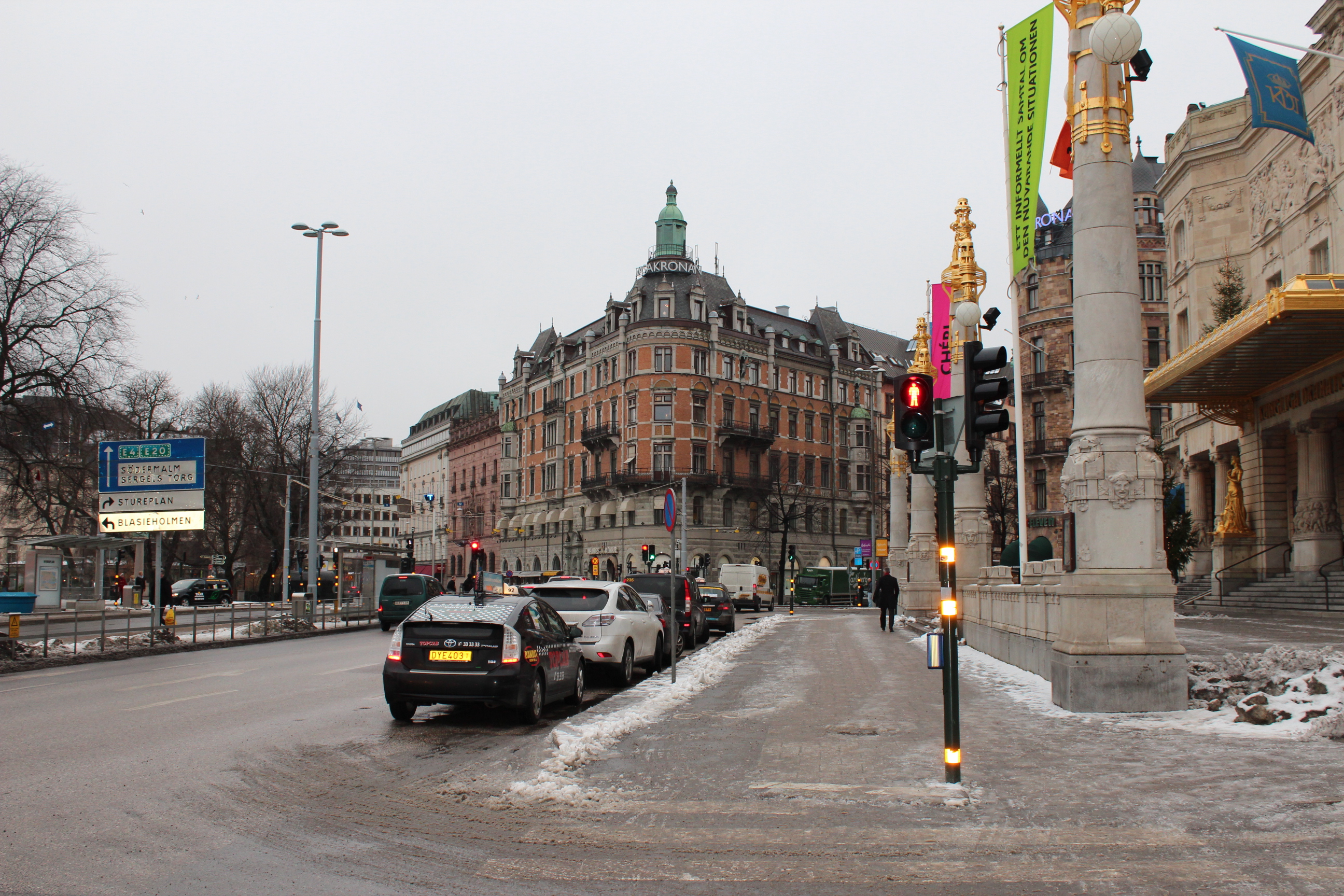
Featured image: Sweden, Stockholm (NordenBladet/Helena-Reet Ennet)

Read also:
WHO ARE rich in Scandinavia? List of Nordic dollar billionaires (Forbes’ 2017-edition of the world’s billionaires)

Scandinavian media mogul Helena-Reet Ennet: MY JOURNEY TOWARDS BECOMING A BILLIONAIRE or How to join the world’s most elite group of people?

24-year-old Gustav Magnar Witzøe is Norway’s richest with a capital of NOK 11.1 billion

TOP 10 Scandinavian media groups – Bonnier, Sanoma, MTG, Schibsted, Egmont, Aller, YLE, Otava, Alma, NordenBladet


Keywords: Economic, Business, EU, European Union, NordenBladet, Sweden, Norway, Denmark, Finland, Scandinavia, Scandinavian, Norden, Nordic, Nordic Model, Nordic Countries, What is the difference between Scandinavian and Nordic countries, What are the Scandinavian countries now, What does a Nordic country mean, What is the Scandinavian style, rich scandinavia dulux, scandinavian countries list, nordic vikings, nordic meaning, why is scandinavian countries rich, how rich is scandinavia, rich scandinavians, scandinavia rich list, scandinavian rich list, oil rich scandinavian country, why is scandinavian countries rich. What makes nordic countries so rich and healthy, success, education, great place, how did sweden get rich, why are the scandinavian countries so happy, why scandinavian countries are successful, richest scandinavian country, why is finland rich, why is norway so rich, why is scandinavia so great, education in nordic countries
WHO ARE rich in Scandinavia? List of Nordic dollar billionaires (Forbes’ 2017-edition of the world’s billionaires)

NordenBladet – According to Forbes’ 2017-edition of the world’s billionaires the world’s richest person is still Bill Gates, with a combined wealth of almost $87 billion dollars. Biggest gainer was Amazon founder Jeff Bezos, who grew his wealth by almost $3 bn in a year. But who are wealthy in Scandinavia? The list also contains 58 people from the Nordics, more than half of them from Sweden. Meanwhile, Norway, with 14 billionaires, has one more than Finland and Denmark combined.

This year, Sweden saw five new billionaires enter the list, whereas oil & gas billionaire Mika Anttonen (ST1) was Finland’s only new entry. Denmark stayed the same, while Norway had investor Svein Stole and cruise magnate Torstein Hagen enter the list.

The region’s biggest family dynasties are duly represented on the Forbes list. H&M, IKEA and Tetra Laval family members take up more than a third of Swedish spots; elevator giant KONE’s inheritors dominate the Finnish list; and Norwegian investment company Ferd’s inheritors Alexandra and Katharina are the world’s youngest billionaires. The third youngest, 23-year old Gustav Magnar Witzoe, is also Norwegian.

The richest Nordic person on the Forbes list is LEGO Group’s former president and CEO, Kjeld Kirk Kristiansen from Denmark. His estimated net worth is $21,2 billion.

Here are the Nordics dollar billionaires 2017, according to Forbes:

Sweden – 31 billionaires

(*Ingvar Kamprad  ­­– $69 bn – 90 years – IKEA) (Died: January 27, 2018)

Stefan Persson ­– 19,6 bn – 69 – fashion (H&M)

Hans Rausing – 12,5 bn – 90 – packaging (Tetra Laval)

Frederik Paulsen – 6,8 bn – 66 – healthcare (Ferring)

Melker Schörling – 6,8 bn – 69 – investments (Securitas)

Jörn Rausing ­– 6,1 bn – 57 – packaging (Tetra Laval)

Finn Rausing – 6 bn – 62 – packaging (Tetra Laval)

Kirsten Rausing ­– 6 bn – 64 – packaging (Tetra Laval)

Antonia Ax:son Johnson – 5,5 bn – 73 diversified (Axel Johnson) Johnson)

Dan Olsson – 5 bn – 70 – diversified

Fredrik Lundberg – 4,1 bn – 65 – real estate, investments

Bertil Hult – 4 bn – 76 – education (EF Education First)

Gustaf Douglas – 3,3 bn – 79 – investments

Lottie Tham – 3,2 bn – 67 – fashion (H&M)

Carl Bennet – 2,5 bn – 65- investments

Stefan Olsson – 2,3 bn – 68 – diversified

Charlotte Söderström – 2,2 bn – 40 – fashion (H&M)

Karl-Johan Persson – 2,1 bn – 41 – fashion (H&M)

Tom Persson – 2,1 bn – 32 – fashion (H&M)

Erik Selin – 2,1 bn – 49 – real estate

Torbjörn Törnqvist – 2,1 bn – 63 – oil trading (Gunvor)

Madeleine Olsson Ericksson – 1,9 bn – 72 – diversified

Markus Persson – 1,4 bn – 37 – computer games (Mojang)

Thomas Sandell – 1,3 bn – 56 – hedge funds

Carl Douglas – 1,2 bn – 55- investments

Eric Douglas – 1,2 bn – 48 – investments

Louise Lindh – 1,1 bn – 37 – investments

Katarina Martinson – 1,1 bn – 35 – investments

Mathias Kamprad – 1 bn – 47 – IKEA, IKANO

Jonas Kamprad – 1 bn – 51 – IKEA, IKANO

Peter Kamprad – 1 bn – 52 – IKEA, IKANO

Erik Paulsson – 1 bn – 75 – construction, real estate

*Not officially on Forbes list.

Denmark – 6 billionaires

Kjeld Kirk Kristiansen – $21,1 bn – 69 years – retail, (LEGO)

Anders Holch Povlsen – 6,3 bn – 44 – Fashion (Zalando)

Niels Peter Louis-Hansen – 3,8 bn – 69 – Medical devices (Coloplast)

Lars Larsen – 3,5 bn – 68 – Retail (Jysk)

Hanni Toosbuy Kasprzak – 2,4 bn – 59 – Shoes (ECCO)

Martin Moller Nielsen – 1,5 bn – 52 – aircraft leasing (Nordic Aviation Capital (NAC))

Finland – 7 billionaires

Antti Herlin – $3,5 bn – 60 years – Elevators (KONE)

Heikki Kyöstilä – 2,1 bn – 71 – Dental products (Planmeca)

Antti Aarnio-Wihuri – 1,9 bn – 77 – Diversified

Mika Anttonen – 1,4 bn – 50 – oil & gas

Niklas Herlin – 1,4 bn – 53 – Elevators (Died: October 10, 2017)

Ilkka Herlin – 1,4 bn – 58 – Elevators

Ilona Herlin – 1,2 bn – 52 – Elevators

Norway – 14 billionaires

Odd Reitan – $5,3 bn – 65 years – Retail, real estate

Johan Johansson – 3,3 bn – 50 – Grocery Stores (NorgesGruppen)

Andreas Halvorsen – 3,1 bn – 55 – hedge funds

Kjell Inge Rokke – 2,9 bn – 58 – shipping, seafood

Arne Wilhelmsen – 2,8 bn – 86 – cruise ships (Royal Caribbean Cruises)

Svein Stole – 2,6 bn – 53 – investments (Pareto Group)

Caroline Hagen Kjos – 2,5 bn – 33 – conglomerate

Stein Erik Hagen – 2,3 bn – 60 – consumer goods (Canica)

Petter Stordalen – 1,6 bn – 54 – hotels (Nordic Choice Hotels)

Gustav Magnar Witzoe – 1,6 bn – 23 – fish farming

Alexandra Andresen – 1,2 bn – 20 – investments

Katharina Andresen – 1,2 bn – 21 – investments

Torstein Hagen – 1 bn – 74 – cruises (Viking cruises)

Alexander Vik – 1 bn – 62 – investments

Look also:
List of Swedes by net worth: https://en.wikipedia.org/wiki/List_of_Swedes_by_net_worth
List of Finns by net worth: https://en.wikipedia.org/wiki/List_of_Finns_by_net_worth
List of Danes by net worth: https://en.wikipedia.org/wiki/List_of_Danes_by_net_worth
List of Norwegians by net worth: https://en.wikipedia.org/wiki/List_of_Norwegians_by_net_worth

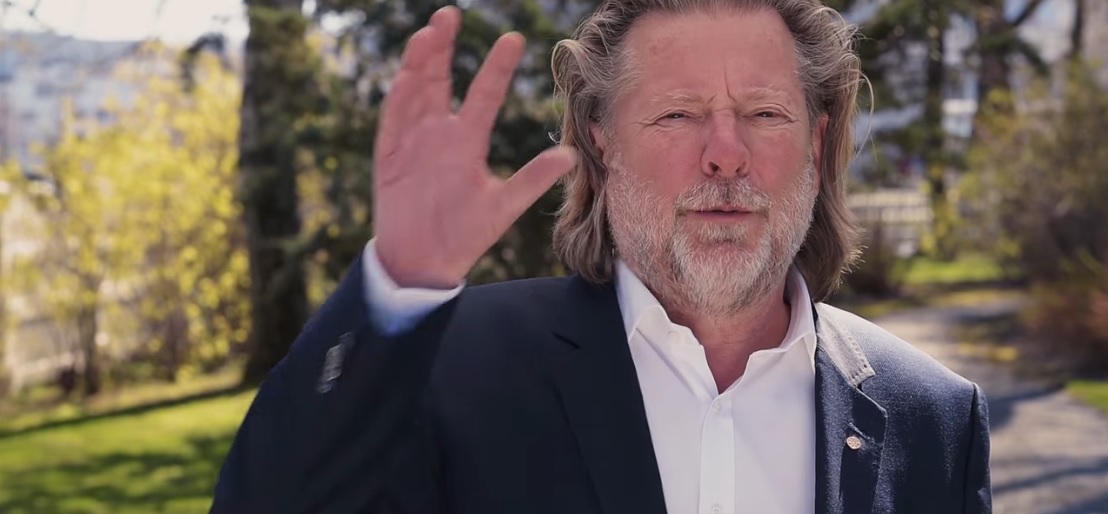
Featured image: Odd Reitan from Norway (NordenBladet)

Read also:

Scandinavian media mogul Helena-Reet Ennet: MY JOURNEY TOWARDS BECOMING A BILLIONAIRE or How to join the world’s most elite group of people?

24-year-old Gustav Magnar Witzøe is Norway’s richest with a capital of NOK 11.1 billion

TOP 10 Scandinavian media groups – Bonnier, Sanoma, MTG, Schibsted, Egmont, Aller, YLE, Otava, Alma, NordenBladet

WHY is Scandinavia so rich? Why are Scandinavian/Nordic countries so wealthy?

Keywords: Denmark, Sweden, Norway, Finland, World´s billionaires, Bill Gates, Amazon, Jeff Bezos, rich people in scandinavia, list, Nordic dollar billionaires, Forbes, List of Swedes by net worth, richest people in Scandinavia, Why is Scandinavia so rich, how did sweden get rich, is sweden a rich or poor country, is iceland a rich or poor country, norway is a rich country because, where does finland get most of its wealth, why are the scandinavian countries so happy. Who are Sweden’s ten richest people, country’s richest billionaires, norwegian billionaires, sweden richest country, richest person in the world, rickard deler billionaire, finnish billionaires, richest states in sweden, billionaire list 2016, billionaire list 2017, info, information, lists, young, ages,  billionaire list 2018, billionaire, Norden, Nordic, Scandinavia, Scandinavian, Nordics’ wealthiest person, Ingvar Kamprad, Stefan Persson, magnate, Carl Stefan Erling Persson, Hans Rausing, Frederik Paulsen, Melker Schörling, Jörn Rausing, Finn Rausing, Kirsten Rausing, Antonia Ax:son Johnson, Axel Johnson Heiress, Dan Olsson, Fredrik Lundberg, Bertil Hult, Gustaf Douglas, aristocrat, Lottie Tham, Carl Bennet, Stefan Olsson, Charlotte Söderström, Karl-Johan Persson, Tom Persson, Erik Selin, Torbjörn Törnqvist, Madeleine Olsson Ericksson, Markus Persson, Thomas Sandell, Carl Douglas, Eric Douglas, Louise Lindh, Katarina Martinson, Mathias Kamprad, Jonas Kamprad, Peter Kamprad, Erik Paulsson. Kjeld Kirk Kristiansen, Anders Holch Povlsen, Niels Peter Louis-Hansen, Lars Larsen, Hanni Toosbuy Kasprzak, Martin Møller Nielsen. Antti Herlin, Heikki Kyöstilä, Antti Aarnio-Wihuri, Mika Anttonen, Niklas Herlin, Ilkka Herlin, Ilona Herlin. How to get rich, how to become wealthy, money, business, investments, blog, Helena-Reet Ennet. Odd Reitan, Johan Johansson, Andreas Halvorsen, Kjell Inge Rokke, Arne Wilhelmsen, Svein Stole, Caroline Hagen Kjos, Stein Erik Hagen, Petter Stordalen, Gustav Magnar Witzoe, Gustav Witzøe, Alexandra Andresen, Katharina Andresen, Torstein Hagen, Alexander Vik. List of Norwegians by net worth, List of Danes by net worth, List of Finns by net worth, List of Swedes by net worth

Sweden: The King holds an audience with the President of the National Assembly of Serbia

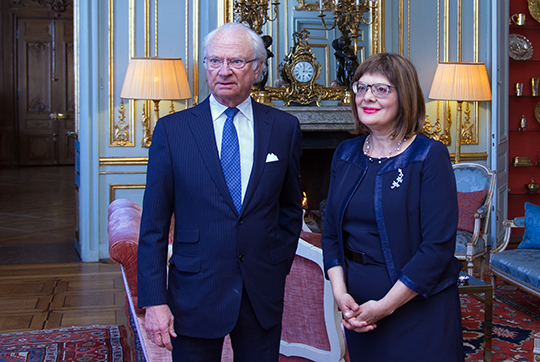
NordenBladet — On Tuesday 20 March, The King held an audience with the President of the National Assembly of Serbia Maja Gojković at the Royal Palace of Stockholm.

During her visit to Sweden, Ms Gojković also held meetings with Minister for Foreign Affairs Margot Wallström and Eva-Louise Erlandsson Slorach, Chair of the Municipal Council of the City of Stockholm.

Featured image: The King with President of the National Assembly of Serbia Maja Gojković during the audience at the Royal Palace of Stockholm. (Photo: Henrik Garlöv/royalcourt.se)
Source: Swedish Royal Court

Find us also on Twitter: @NordenBladet


Sweden: General Jarmo Lindberg receives the Order of the Polar Star from The King

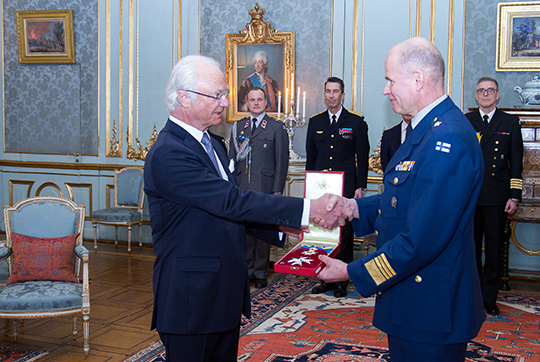
NordenBladet — On Monday 19 March, Commodore of the Finnish Defence Forces General Jarmo Lindberg was awarded the rank of Commander 1st Class of the Royal Order of the Polar Star.

General Lindberg was awarded the Royal Order of the Polar Star with the following motivation:

In recognition of meritorious services in the military cooperation between Finland and Sweden, HM The King has decided to award the Commodore of the Finnish Defence Forces, General Jarmo Lindberg, the rank of Commander 1st Class of the Royal Order of the Polar Star.

The King confers orders on foreign citizens following proposals from the Swedish Government.


The Vice Chancellor of the Royal Orders reads the motivation for the conferral of the order in Princess Sibylla’s Apartments at the Royal Palace of Stockholm. Photo: Henrik Garlöv/royalcourt.se

Featured image: The King presents the Order of the Polar Star to General Jarmo Lindberg during a ceremony at the Royal Palace of Stockholm. In the background is Supreme Commander General Micael Bydén. (Photo: Henrik Garlöv/royalcourt.se)
Source: Swedish Royal Court

Find us also on Twitter: @NordenBladet


Advisory Council on Foreign Affairs at the Royal Palace of Stockholm

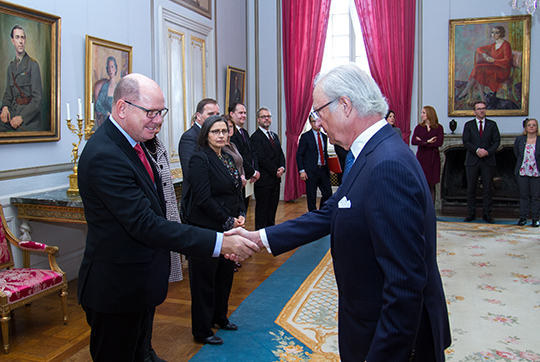
NordenBladet — On Tuesday 20 March, an Advisory Council on Foreign Affairs was held at the Royal Palace of Stockholm. The Council is a consultation group between the Riksdag and the Swedish Government, presided over by The King. The Council consists of the Speaker and nine other members from the Riksdag, together with nine deputies.

The Advisory Council on Foreign Affairs is convened by the Government. According to the Swedish Constitution, “The Government shall keep the Advisory Council on Foreign Affairs continuously informed of those matters relating to foreign relations which may be of significance for the Realm, and shall confer with the Council concerning these matters as necessary.”

The Crown Princess attends the Advisory Council on Foreign Affairs.


The Advisory Council on Foreign Affairs in Queen Lovisa Ulrika’s Dining Hall at the Royal Palace of Stockholm. Photo: Henrik Garlöv/Royalcourt.se

The Advisory Council on Foreign Affairs in the Swedish Constitution:

§11 The Government shall keep the Advisory Council on Foreign Affairs continuously informed of those matters relating to foreign relations which may be of significance for the Realm, and shall confer with the Council concerning these matters as necessary. In all foreign policy matters of major significance, the Government shall confer with the Council, if possible, before making its decision.

§12 The Advisory Council on Foreign Affairs consists of the Speaker and nine other members elected by the Riksdag from among its members. More detailed rules concerning the composition of the Council are laid down in the Riksdag Act.

The Advisory Council on Foreign Affairs is convened by the Government. The Government is obliged to convene the Council if at least four members of the Council request consultations on a particular matter. Meetings of the Council are presided over by the Head of State or, in his or her absence, by the Prime Minister.

A member of the Advisory Council on Foreign Affairs and any person otherwise associated with the Council shall exercise caution in communicating to others matters which have come to his or her knowledge in this capacity. The person presiding over a meeting of the Council may rule that a duty of confidentiality shall apply unconditionally.


Featured image: The King with the Speaker Urban Ahlin and the other members of the Advisory Council on Foreign Affairs. (Photo: Henrik Garlöv/Kungahuset.se)
Source: Swedish Royal Court

Find us also on Twitter: @NordenBladet


WHAT is a Virtual Assistant and what do they do? 12 most commonly asked questions about VA

NordenBladet – Nowadays, especially when looking at job offers, you can often meet the expression Virtual Assistant (VA). Since this is not a very common expression in Scandinavia, you may inevitably have questions: What is it? What is a virtual assistant and what do they do? What is the job description of a virtual assistant? What does a virtual office assistant do? etc.

Virtual assistant may mean:

1) Virtual assistant (occupation), a human. A virtual assistant is generally self-employed and provides professional administrative, technical, or creative assistance to clients remotely from a home office.
2) Virtual assistant (artificial intelligence), a “bot” such as Amazon’s Alexa, Apple’s Siri, Google Assistant, Microsoft’s Cortana, etc. All these intelligent services offer customers a more intuitive way to interact with the technology they use every day.

1. What is a virtual assistant and what do they do?
Most virtual assistants are contract or freelance workers who do their jobs from home and focus on administrative tasks that are similar to those of an executive assistant or secretary. Websites that specialize in contract workers have thousands of listings for virtual assistants.

2. What is the job description of a virtual assistant?
A virtual assistant (VA) can handle many of the everyday clerical, scheduling, and technical aspects that keep your business operating smoothly. Virtual assistants work remotely from their own location, hence the name “virtual,” and can be based in your city or on the other side of the world.

3. What does a virtual office assistant do?
A virtual assistant (typically abbreviated to VA, also called a virtual office assistant) is generally self-employed and provides professional administrative, technical, or creative (social) assistance to clients remotely from a home office. … Virtual Assistants usually work for other small businesses.

4. What skills do you need to become a virtual assistant?
Being a successful VA isn’t simply helping someone with their admin or supporting their business, it’s knowing how to manage and communicate with them. Here you will find a great article which will help you to understand Virtual Assistant business and Qualities every Virtual Assistant needs to have.

5. What are the tasks of a virtual assistant?
Here are 25 Tasks to Outsource to a General Virtual Assistant

1. Email Management/Filtering
2. Setting up Autoresponders (Aweber, Mailchimp). Compare product features and ratings to find the right Email Marketing Software for your organization. You can read more about Autoresponder Software here and here
3. Booking appointments with clients
4. Following up with clients/customers (sending thank you and other reminder emails)
5. Receptionist duties (answering occasional calls)
6. Calendar Management
7. File Management (organizing files using Dropbox etc)
8. Database building (eg. updating email or contact lists on your CRM)
9. Research on certain topics for blog posts, newsletters or others
10. Personal errands (purchasing gifts for loved ones / family members online)
11. Hotel and Flight Search and Booking
12. Transcription (transcribing voicemail, video or audio, podcasts etc.)
13. Taking down minutes of meetings
14. Creating basic reports (reports on weekly tasks, deliverables, sales)
15. Preparing Slideshows (Powerpoint Presentations)
16. Liaison between you and other team members
17. Recruitment (source for other team members like writers or graphic artists)
18. Set-up Social Media Accounts (Facebook, Twitter, LinkedIn, YouTube, Instagram)
19. Manage and update Social Media Accounts
20. Manage your Blog (Basic WordPress Skills)
21. Publish posts on your Blog (content you provided)
22. Filter and reply to comments on your blog
23. Answering support tickets (with the use of Zendesk)
24. Blog commenting (to increase links to your site)
25. Participating in discussion forums or message boards (more promotion!)

6. How much should I charge as a virtual assistant?
The more experienced a VA is, the more they’ll be up to the challenge—and the higher the rate they’ll be likely to charge. On Upwork, freelance virtual assistants charge an average of $18-35/hour depending on skills and experience.

If your organization is larger with a more “corporate” structure and protocols, it may benefit you to hire a VA with corporate office experience who is more comfortable navigating the ins and outs. Some freelance virtual assistants will list prior office experience, corporate positions, or executive administrative assistant roles in their profiles. This should translate to valuable knowledge that can give them the instincts and skills to handle more demanding work.

7. What is the average salary for a virtual assistant?
Virtual Assistant Salary. Women account for the majority of Virtual Assistants in the United States. The entire group has an average salary of $15.57 per hour. Geographic location and tenure each impact pay for this group, with the former having the largest influence.

8. How much do virtual executive assistants make?
The national average salary for a Virtual Executive Assistant is $56,668 in United States. Filter by location to see Virtual Executive Assistant salaries in your area.

9. How much does it cost to hire a virtual assistant?
Whether you are going to hire a part time virtual assistant or a full-time virtual assistant from an agency, you will have to pay from $ 5 to $ 8 per hour. But if you choose a task-based subscription plan, you will have to pay $15 for an hour of work.

10. What is a virtual receptionist?
Virtual receptionists are contract workers and they perform many of the same tasks as traditional receptionists handle. They can take messages, handle phone calls, make follow up phone calls, manage your schedule and more.

11. What is the voice assistant?
A voice assistant is a digital assistant that uses voice recognition, natural language processing and speech synthesis to provide aid to users through phones and voice recognition applications.

Voice assistants are used in help and service phone lines, smartphones and other places to assist users with tasks, including:

a) Listening to an audiobook.
b) Requesting information, similarly to inputting a search query.
c) Making reservations.
d) Adding items to a shopping list.
e) Performing mathematical calculations.
f) Playing music.

12. How can virtual assistants make your life at work easier?
Virtual assistant services can be incredibly useful to help you get more work accomplished, become organized, or just free up time so you can sit down and relax. Here are 5 Ways Virtual Assistant Services Make Your Life Easier.

People also ask:
What is contract workers/ contract employee?
An employee who works under contract for an employer. A contract employee is hired for a specific job at a specific rate of pay. A contract employee does not become a regular addition to the staff and is not considered a permanent employee.

What does it mean to be a contract employee?
Type of Relationship. A worker can have a contract stating he is an employee, but that alone does not define the worker’s status. A company pays benefits such as insurance, pensions, vacations and sick days to employees, while independent contractors generally do not receive such benefits.

Are contract workers considered employees?
Generally, you must withhold income taxes, withhold and pay Social Security and Medicare taxes, and pay unemployment tax on wages paid to an employee. You do not generally have to withhold or pay any taxes on payments to independent contractors.

What is classified as contract labor?
Contract labor is the use of independent contractors. From a tax perspective, the difference between contract labor, or an independent contractor, and an employee is day and night.

Keywords: Virtual Assistant, Virtual Assistent, occupation, virtual assistant job description, virtual assistant jobs europe, virtual assistant for students, virtual assistant wikipedia, virtual assistant programs, virtual assistant course, virtual assistant job offers, virtual assistant job offers, virtual assistant at home jobs, work at home, become a virtual assistant, Microsoft, Microsoft´s Cortana, Google, Google Assistant, personal assistant, your personal digital assistant, Apple’s Siri, Apple, Siri, iOS, iPhone, iPad, Mac, Apple Watch, Apple TV, HomePod, cloud based voice service, artificial intelligence, job description, contract employee, Contract worker, tech, technology, Social Media Accounts, defination. what is a virtual assistant and what do they do, virtual assistant companies, virtual assistant salary, virtual assistant services, virtual assistant ai, virtual assistant job description, virtual assistant websites, hire a virtual assistant.

Sweden: The Crown Princess’ name day is celebrated in the Inner Courtyard

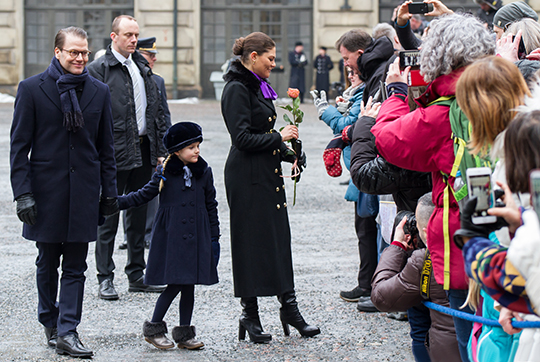
NordenBladet — On Monday 12 March, The Crown Princess’ name day was celebrated in the traditional manner at the Royal Palace of Stockholm.

The celebrations began with a tribute concert by the Army Music Corps, who performed the Swedish Armed Forces’ Parade March, also known as Queen Victoria’s Presentation March.

This was followed by the Victoria March, which was written in the mid-1890s by Gösta Korsgren and adopted as the Västgöta Wing’s march in 1986. Congratulation by Wilhelm Peterson-Berger and Crown Princess Victoria’s Celebratory March, composed by the Army Music Corps’ former Musical Director Mats Janhagen and first performed on The Crown Princess’ 18th birthday, were also played.

The concert concluded with With A Simple Tulip and four cheers, followed by the Victoria Fanfare and the presentation of flowers by the Music Corps, the Main Guard and the Guard of Honour to The Crown Princess.

The celebrations in the Inner Courtyard concluded with The Crown Princess meeting and greeting all those who had come to take part.


Featured image: The Crown Princess is congratulated by the public during the traditional name day celebrations. (Photo: Henrik Garlöv/royalcourt.se)
Source: Swedish Royal Court

Find us also on Twitter: @NordenBladet


Sweaden´s Crown Princess attends the Winter Paralympic Games

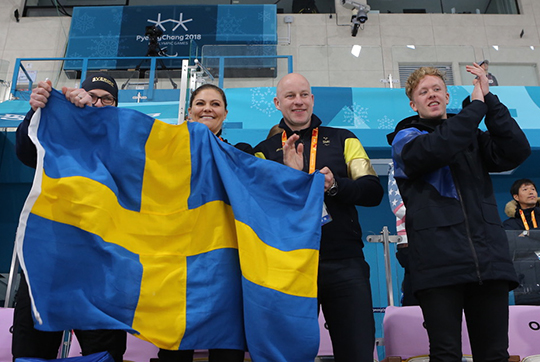
NordenBladet — From Wednesday 14 to Saturday 17 March, The Crown Princess visited the Winter Paralympic Games in Pyeongchang to follow the Swedish competitors.

The Crown Princess’s first day in Pyeongchang began with watching the sprint final, in which Zebastian Modin came second after Brian McKeever from Canada.

After the race, The Crown Princess had the opportunity to congratulate Zebastian on his silver medal.

Later in the day, The Crown Princess watched Sweden’s para ice hockey match against Norway, which ended with Sweden losing 3-1.

The Winter Paralympic Games in Pyeongchang, South Korea, ran from 9 to 18 March 2018.

Featured image: The Crown Princess with Niclas Grön, Sports Director of the Swedish Parasports Federation, and Elias Håkansson, Content Producer at the Swedish Parasports Federation. (Photo: The Swedish Parasports Federation)
Source: Swedish Royal Court
Find us also on Twitter: @NordenBladet


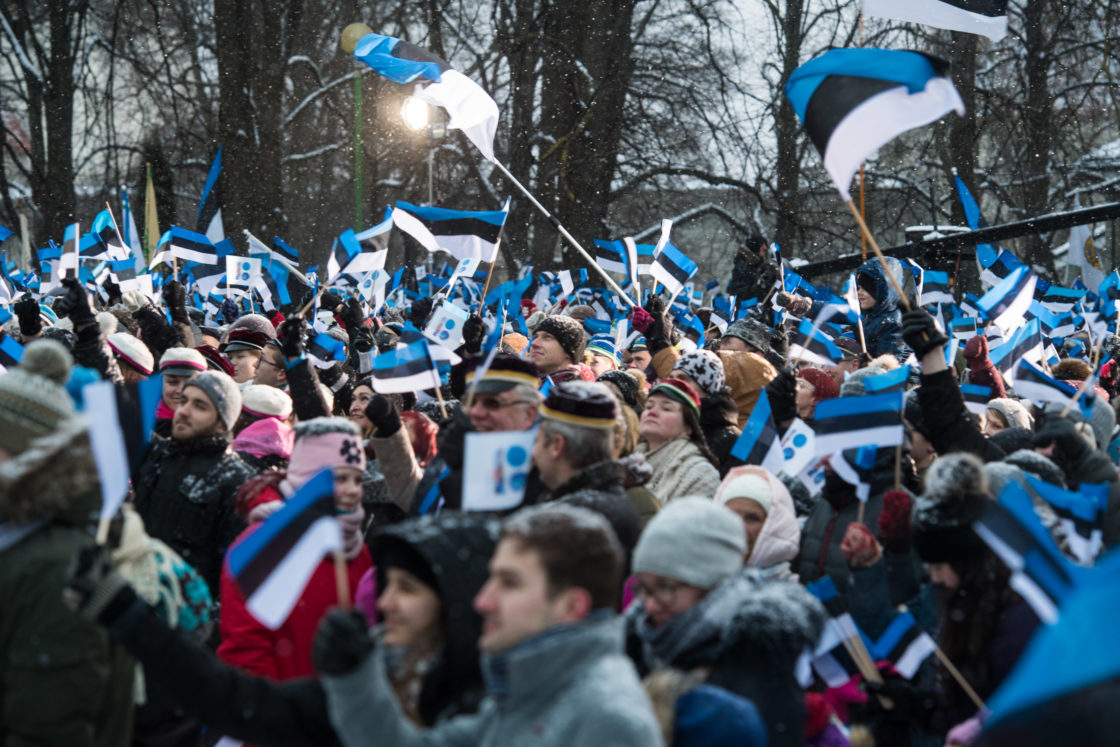
BIG GALLERY! Republic of Estonia 100. Flag hoisting ceremony on February 24, 2018

NordenBladet – The first festive event of the 100th anniversary of the Republic of Estonia was hoisting the flag on the Pikk Hermann tower on Tallinn’s Toompea Hill at sunrise. Every day, the Estonian flag is hoisted at sunrise, and taken down at sunset. On Independence Day this is a special event that attracts plenty of people every year. Representatives of student organizations, choirs, and other groups close to Estonian traditions attend it.

Flag hoisting to the sounds of the Estonian anthem
Estonian Male Choir Association male choirs and the Estonian Police and Border Guard Orchestra
Conductor Hanno Põldmäe

Speech by the President of the Riigikogu Eiki Nestor

“Eesti Lipp”
Music by Enn Võrk, lyrics by Martin Lipp
Estonian Male Choir Association male choirs and the Estonian Police and Border Guard Orchestra
Conductor Peeter Perens

Speech by Tallinn Secondary School of Science final year student Mathias Kübar

“Jää vabaks, Eesti meri”
Music and lyrics by Viktor Konstantin Oxford
Estonian Male Choir Association male choirs and the Estonian Police and Border Guard Orchestra
Conductor Indrek Vijard

Words of blessing by EELC Archbishop Urmas Viilma

“Hoia, Jumal, Eestit”
Music by Juhan Aavik, lyrics by Aleksander Leopold Raudkepp
Estonian Male Choir Association male choirs and the Estonian Police and Border Guard Orchestra
Conductor Ants Soots

Estonian Declaration of Independence, read by fourth year student of the Estonian Academy of Music and Theatre, winner of Voldemar Panso Prize Priit Põldma

“Kodumaa”

March for brass band by Raimund Kull
Estonian Police and Border Guard Orchestra
Conductor Hanno Põldmäe

Approximate end of the ceremony 8.10 a.m.

The ceremony is followed by an informal celebration together with the Estonian Folk Dance and Folk Music Association. You can brush up on your dancing skills with Folk Culture Society Koidupuna, Pelgulinn Community Centre mixed folk dance group Tontar, Folk Dance Society Pääsuke, Tallinn French School dance group Leesikad, Folklore Society Leigarid, and Saku Recreation Centre group Kohevad ja Tugevad.


Fotod: Estonia 100. Flag hoisting ceremony on February 24 (Riigkogu fotoarhiiv/Erik Peinar)

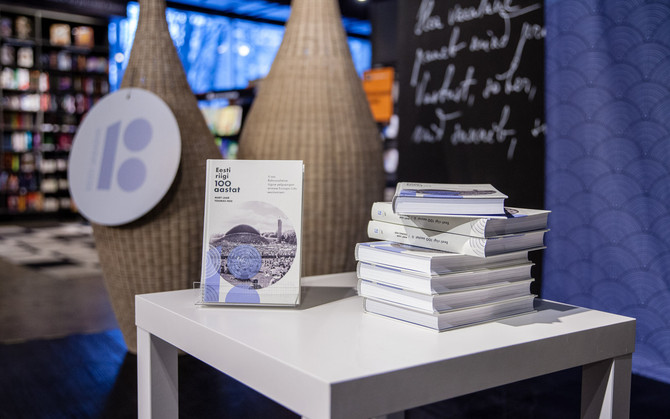
First book of Estonia 100 series introduced – Laar and Hiio introduced the first book on Monday at the Apollo cinema in Tallinn’s Solaris center

NordenBladet – The series of 44 books on a wide range of different topics will eventually provide a broad overview of the first century of Estonian statehood. The first two books revisit the history of the Estonian state and were written by historian and former Prime Minister Mart Laar, and historian Toomas Hiio.

“Writing this book it felt like we’d need at least one hundred books to write down the one-hundred years of history of the Republic of Estonia. Fortunately we were able to fit this story ranging from the birth of the Estonian national movement to the creation of an independent country into two books,” Laar said.

The first book traces the events that led to the Declaration of Independence on Feb. 24, 1918, continues on with the Estonian War of Independence that followed shortly after, the growing pains of a young state, and the years that followed during which the Republic of Estonia was built as a 20th-century state.

Featured image: The first book was introduced on Feb. 19, 43 more will follow, to be published in 2018 and 2019 (Riigikantselei)
Source: News.err.ee