Today, the Riigikogu (Parliament of Estonia) adopted with 88 votes a Statement in which it condemned the annexation of the territories of Ukraine and declared Russia a terrorist regime.
In the Statement, the Riigikogu strongly condemns the military actions of the Russian Federation against Ukraine and the illegal annexation of the territories conquered during the aggression and declares that Estonia will never recognise the violation of the territorial integrity of Ukraine through aggressions and sham referendums. “Violation of law can never create law. Putin’s regime with its threats of nuclear attack has turned Russia into the biggest danger to peace both in Europe and in the whole world,” says the Statement, which was submitted by 85 members of the Riigikogu.
The Riigikogu supports the investigations initiated by the International Court of Justice and the International Criminal Court to identify the crimes committed on the territory of Ukraine and considers it necessary to prosecute those guilty of crimes of aggression in an international special tribunal.
“Supporting the appeal of the Parliament of Ukraine to countries and international organisations, the Riigikogu declares Russia a terrorist regime and the Russian Federation a country that supports terrorism, whose actions we must confront together. The Riigikogu calls on the international community to adopt similar declarations,” the Statement reads.
In the Statement, the Riigikogu also condemns the using of armed groups established with the support of the authorities of the Russian Federation, such as the Wagner Group, in the aggression, and considers it necessary to declare the armed forces of the so-called Donetsk and Luhansk People’s Republics established by the Russian Federation as well as the Wagner private military company as terrorist organisations.
Furthermore, the Statement of the Riigikogu condemns the declaration and implementation of mobilisation by Russia’s regime as breaches of international law, stating that mobilisation carried out for the purpose of continuing the crime of aggression constitutes a crime against peace.
According to the Statement, the Riigikogu supports the request to strip the Russian Federation of its status of a permanent member of the UN Security Council, and calls on the European Union Member States to stand united in implementing additional economic sanctions and the sanctions against private individuals with regard to the Russian Federation and its ally Belarus, and to monitor the strict adherence to the sanctions put in place so far.
The Riigikogu calls on the European Union and NATO Member States to decisively increase military aid to Ukraine, which is needed to stand against the aggression of the Russian Federation and to restore the sovereignty of Ukraine on its territory within its internationally recognised borders. The Statements also says that it is necessary to increase humanitarian aid to Ukraine and to support the country during the post-war reconstruction. “Estonia supports the people, the state, and the army of Ukraine with all the means available and believes in the victory of Ukraine as this is the only way to restore peace in Europe,” reads the text of the Statement adopted today.
This is the fourth Statement the Riigikogu has adopted this year to condemn the activities of Russia and express support to Ukraine. On 18 January, the Riigikogu adopted the Statement in Support of the Territorial Integrity of Ukraine, initiated by 28 members of the Riigikogu; on 23 February, the Statement on the Aggression of the Russian Federation against Ukraine, initiated by 86 members of the Riigikogu; and on 21 April, the Statement on the War Crimes and Genocide Committed by the Russian Federation in Ukraine, initiated by 84 members of the Riigikogu.
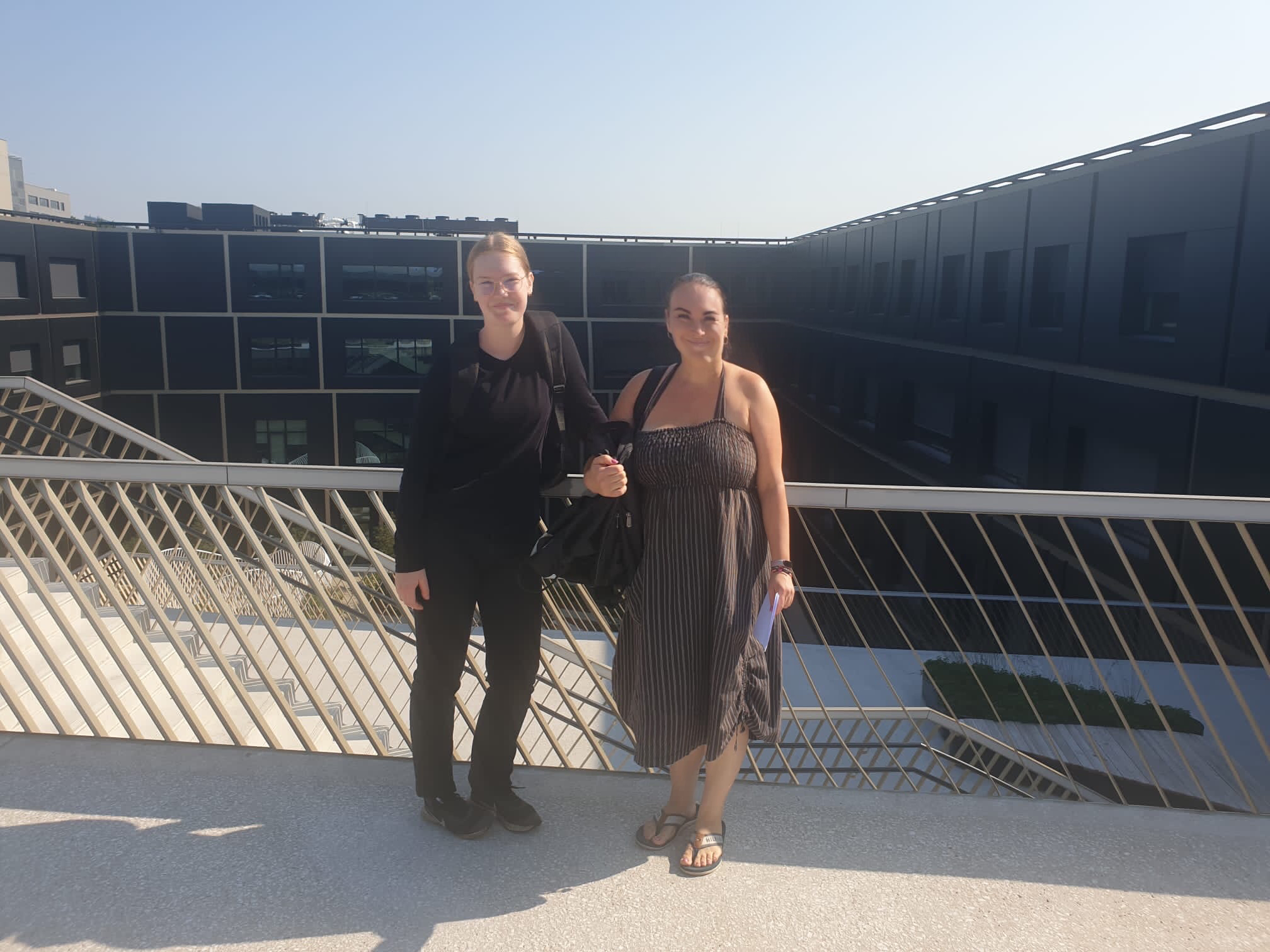
NordenBladet – I still dwell in August with my blog and the reason for that is the abundance of events in August due to which the time for blogging was lacking. While in my last post I wrote that my older daughter Estella Elisheva moved out from home (to MUBA student dormitory) and partly started leading an independent life, then it wasn’t all about August.
This year we have been working on the house and on the garden. Like it is with old houses, everything is falling apart and needs caring and renovation. Therefore we have done a lot of renovation and innovation plans.
We started with the elementary – insulation of the house. (I wrote about the building’s energy efficiency upgrading HERE). The plan was to insulate the windows as well as the basement and paint the house before winter. Unfortunately that wasn’t how far we got this time. Partly because I jumped from one project to another and created new duties on the way a la :
“Listen honey, I´m sorry but can I disturb you for a sec, what do you think about taking this apple tree out,” etc.
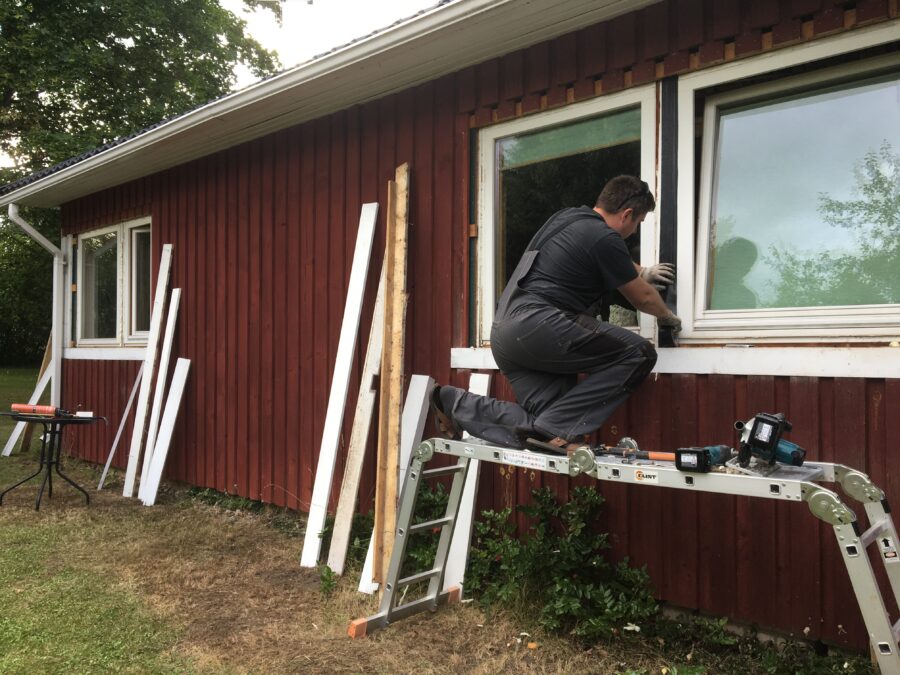
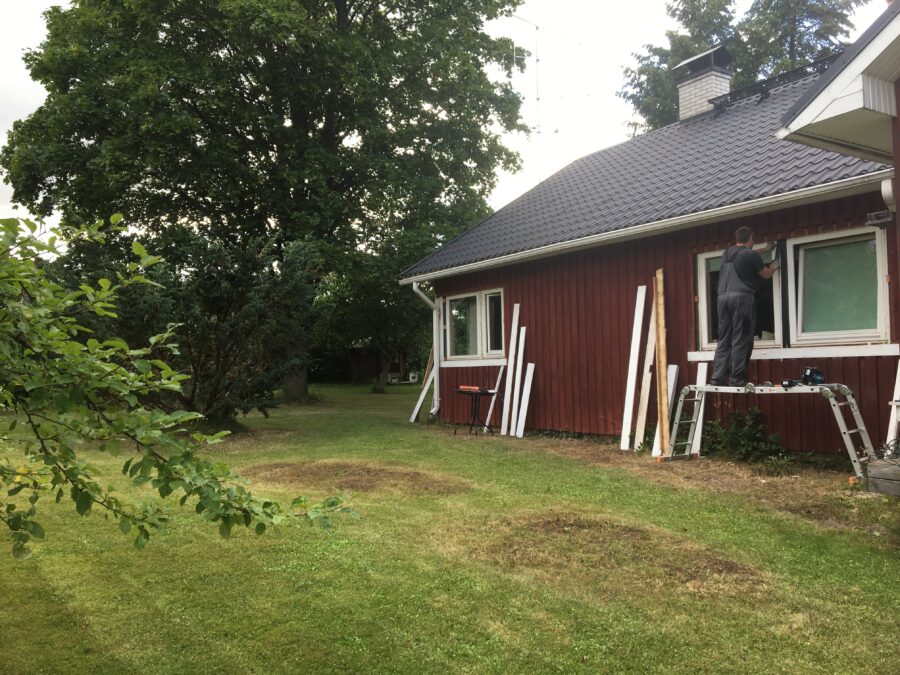
The windows were insulated, new fresh slats were placed, but the insulation of the basement and the painting of the facade will remain for spring. We have already got the materials – nothing will happen to the basement insulation materials but I hope that the paint will endure the winter time.
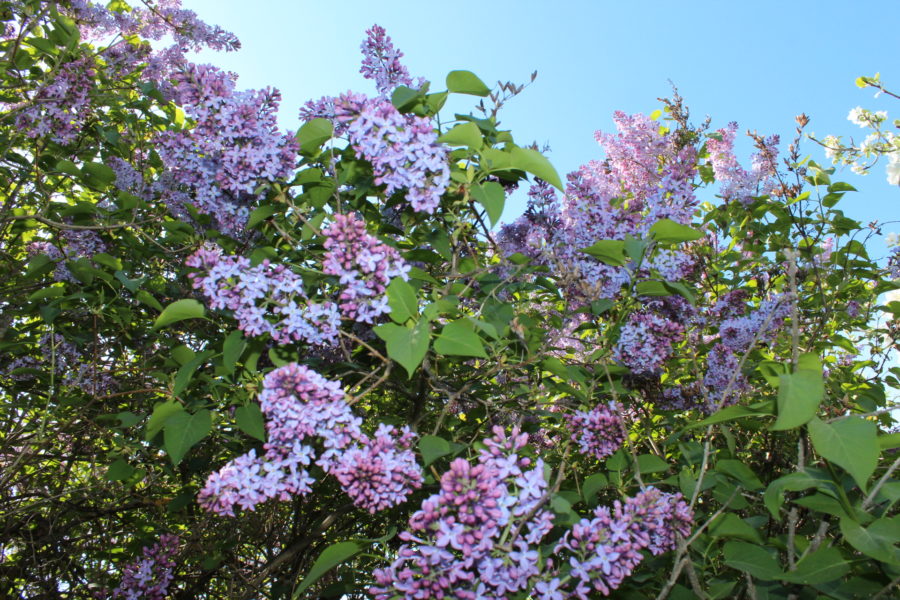
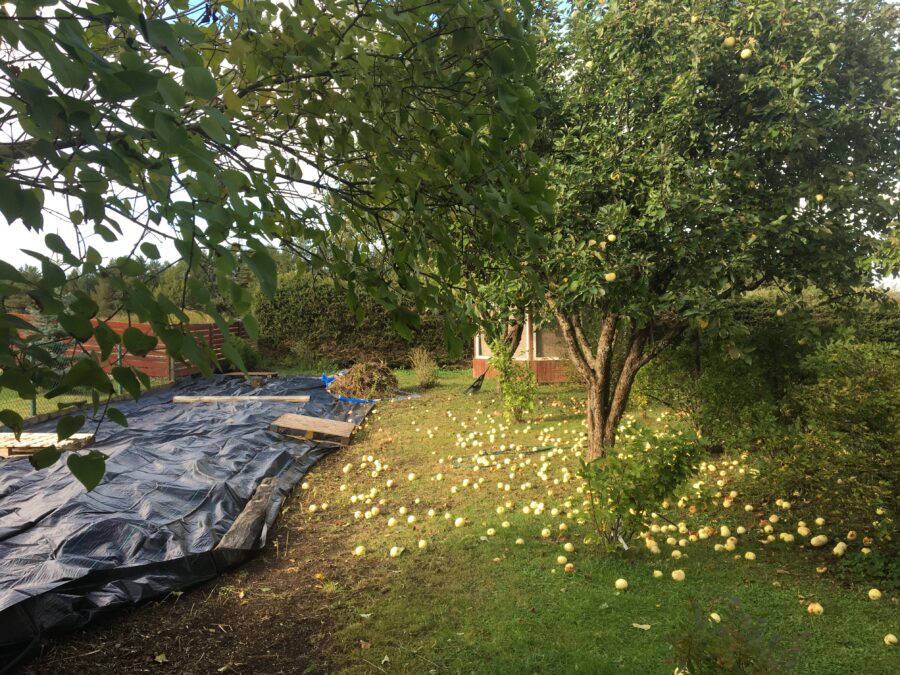
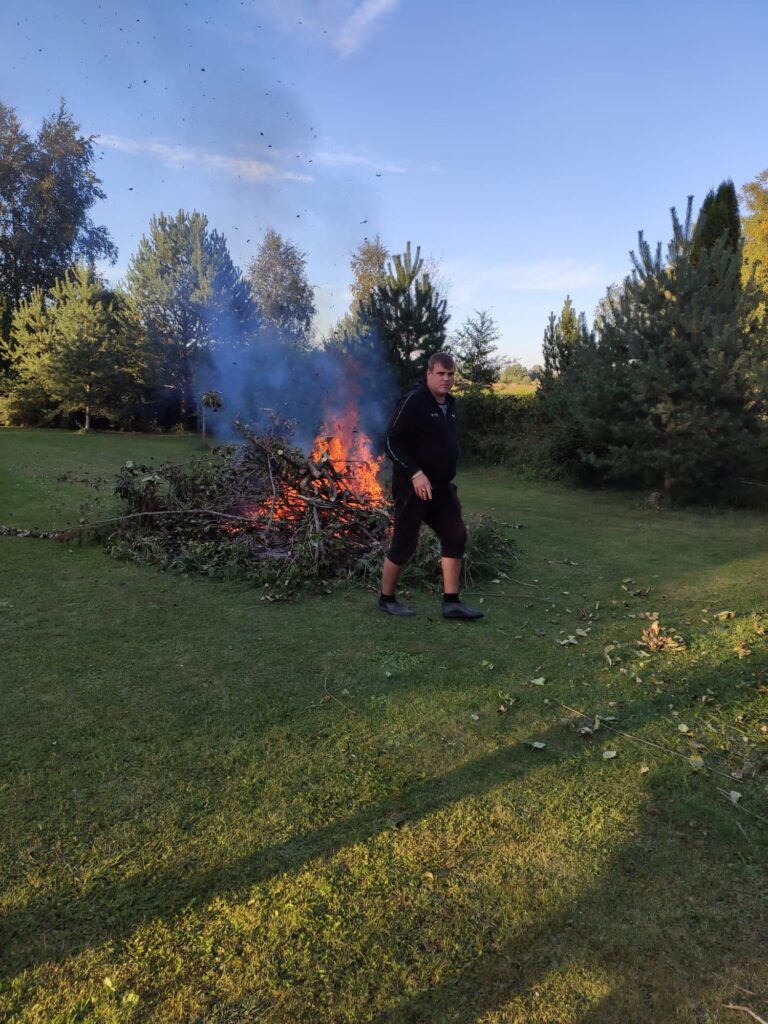
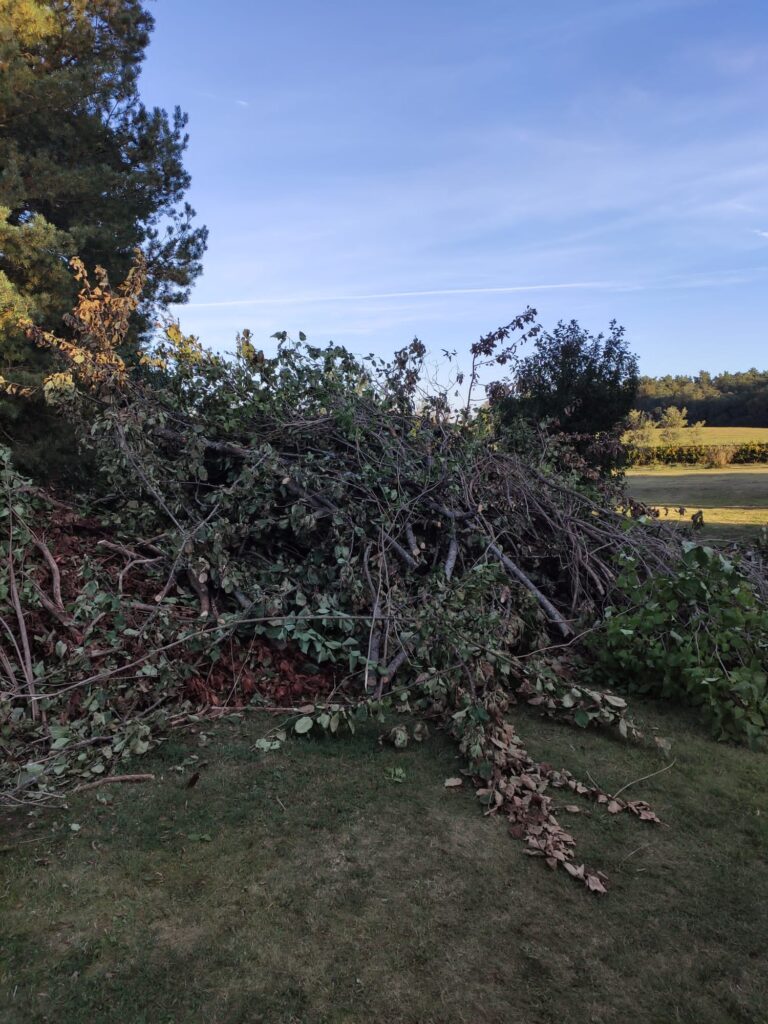
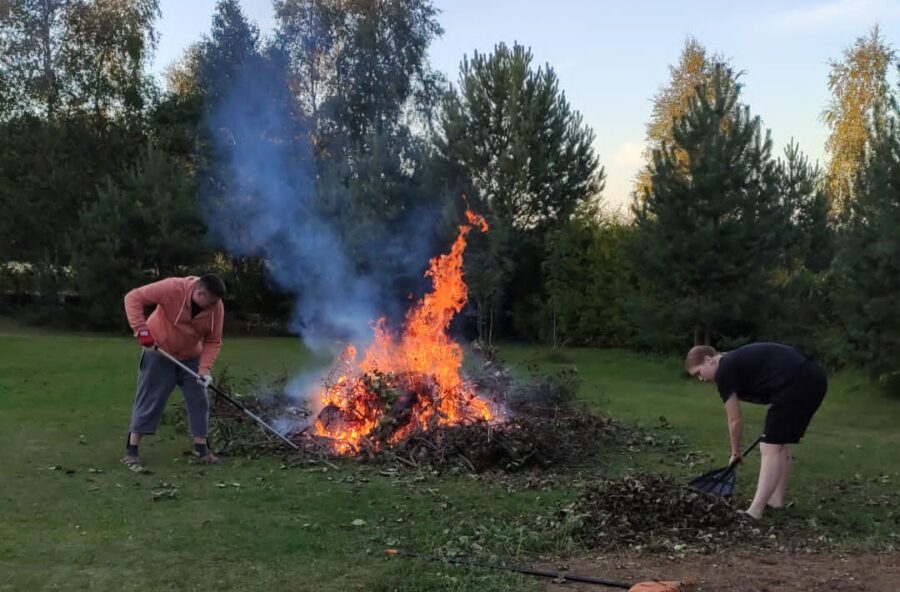
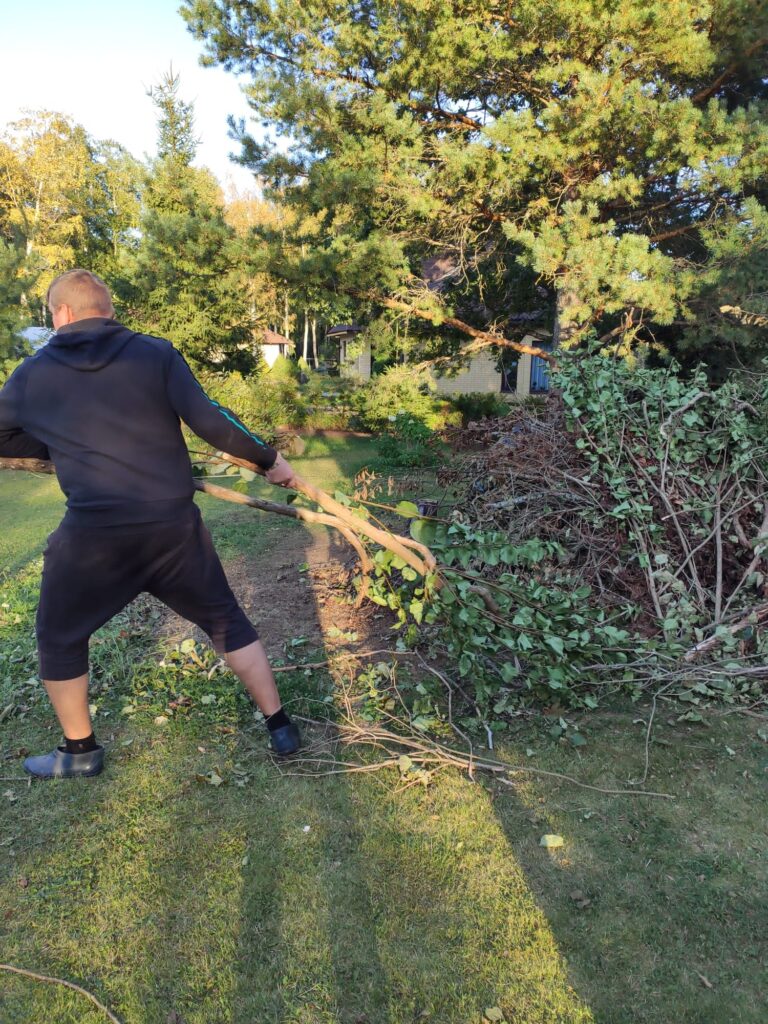
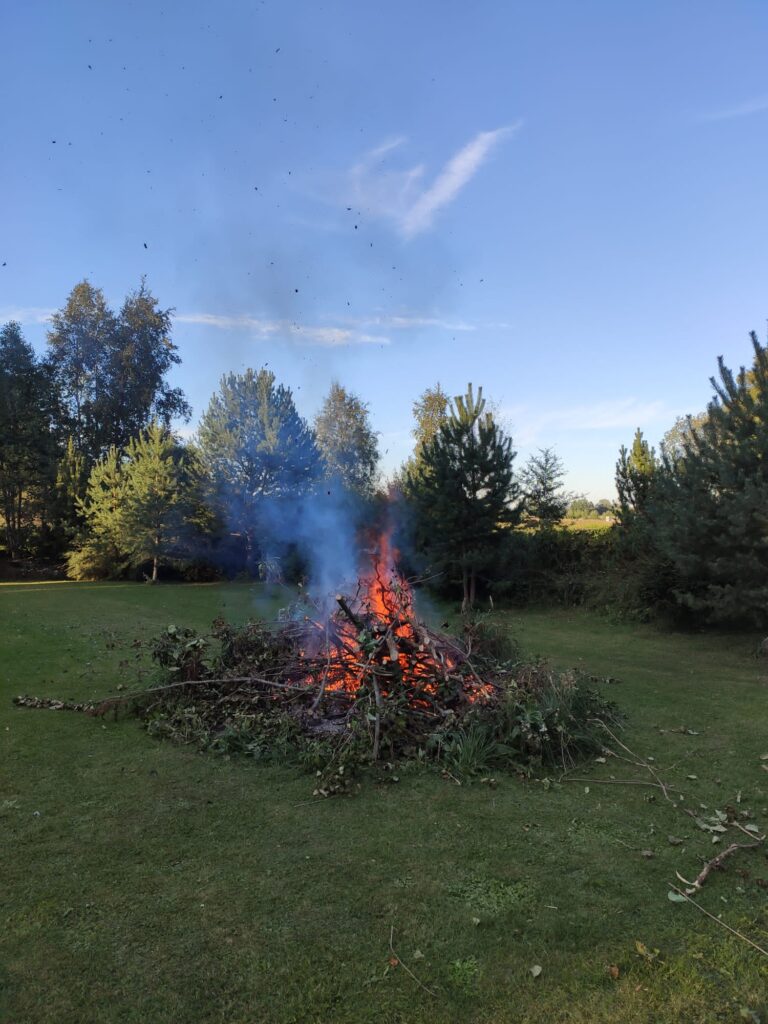
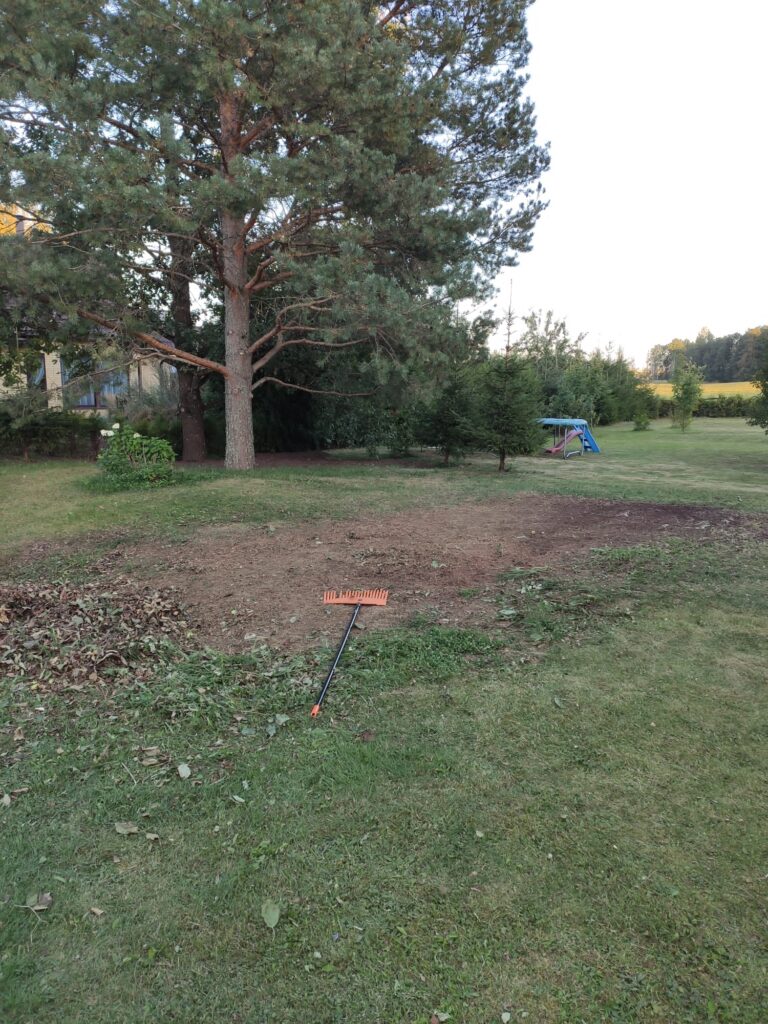
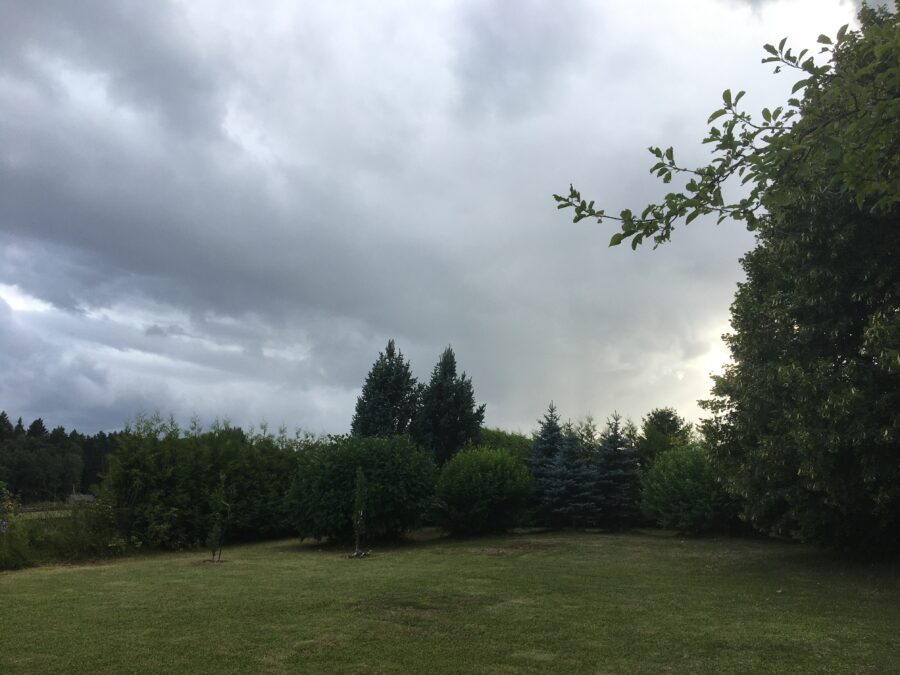
There are also many modifications in the garden. While last year we took down the entire buckthorn plantation, then this year we took down “only” two apple trees, an old pine tree, many berry bushes, a small aronia hedge and half of the big lilac hedge. A lot of branch cutting, a lot of branch carrying and burning and hell a lot of taking out the roots and making the ground even. Hereby I would like to say many thanks to Raido and Marie – doing it all together it all went a lot faster and was more fun!
The toughest was the lilac hedge, since that is one real underwood, The lilacs already took almost 6 meters of garden space, now there is more space. We cut the lilacs near the roots, sprinkled a natural compost accelerator and covered the place with plastic. We hope this will help “suffocate” them. We’ll see next year if and how we can get hold of the roots and if it is still necessary.
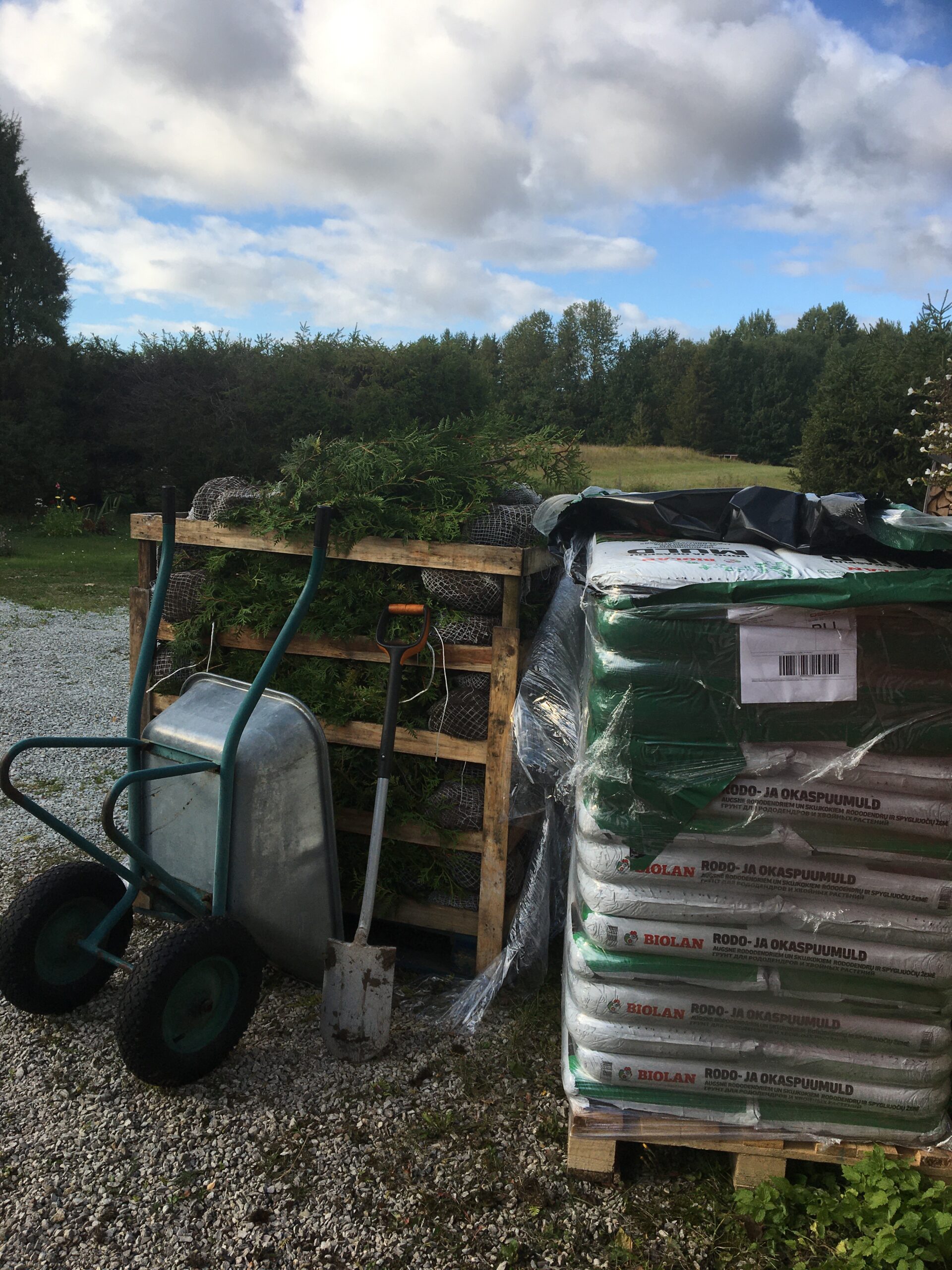
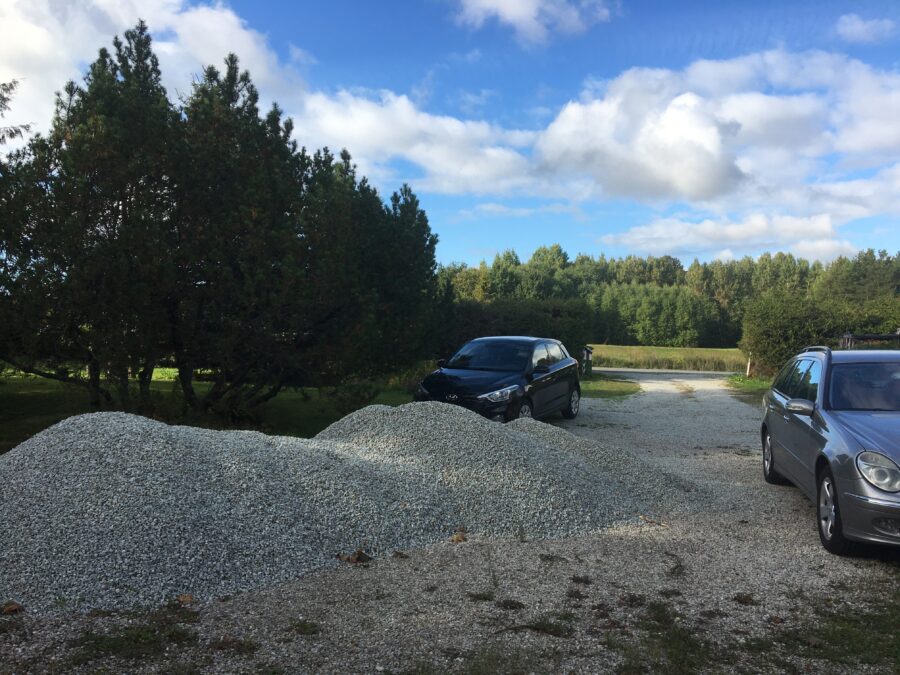
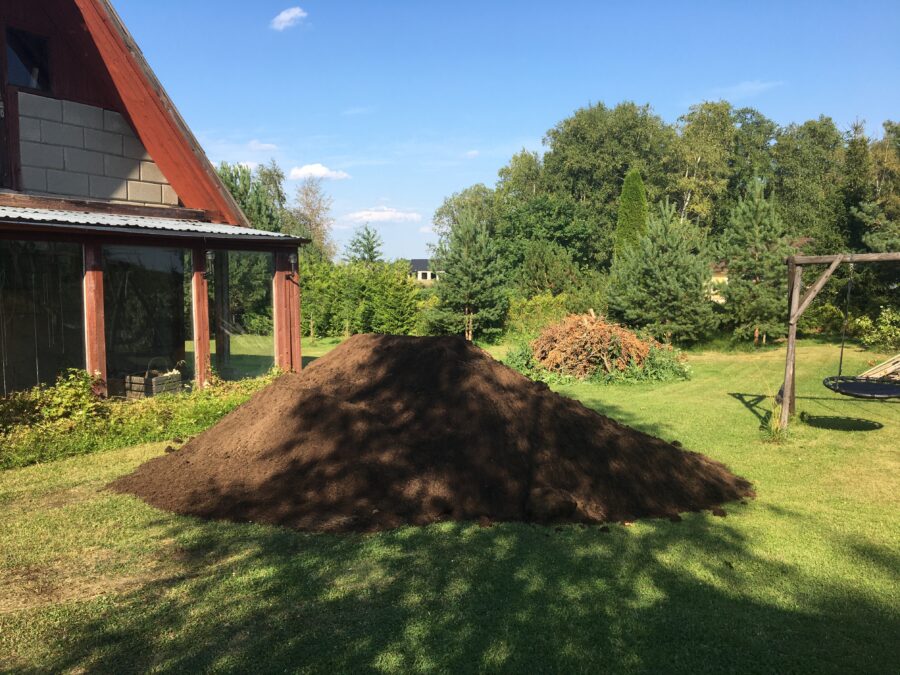
I ordered from Hortes more than a hundred trees of life (100 Brabant and 8 Smaragd) and planted them near the fence where the lilac hedge used to be. Gosh how the garden devours plants! Just trees of life I have bought for the garden over 400 plants. Extra to that I have ordered soil (a pile as well as in bags the rodo as well as coniferous soil) and from Isekallur.ee also some tarmac.
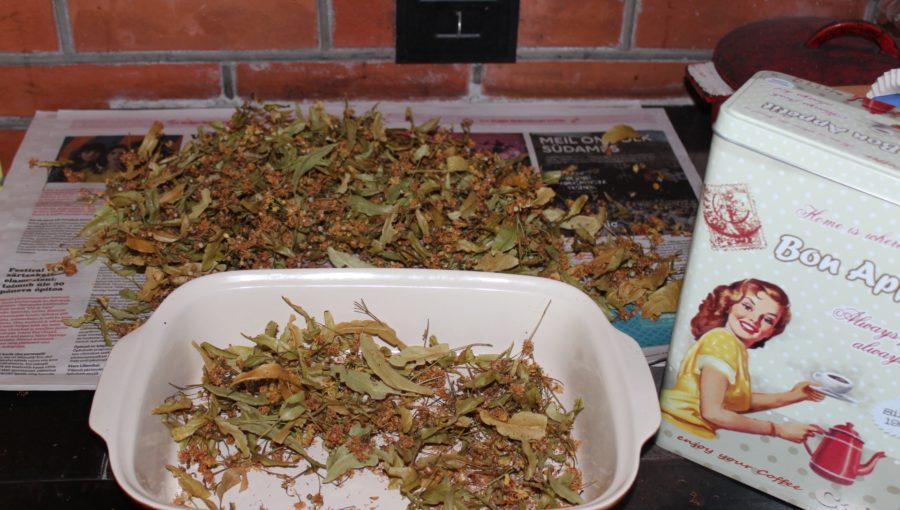
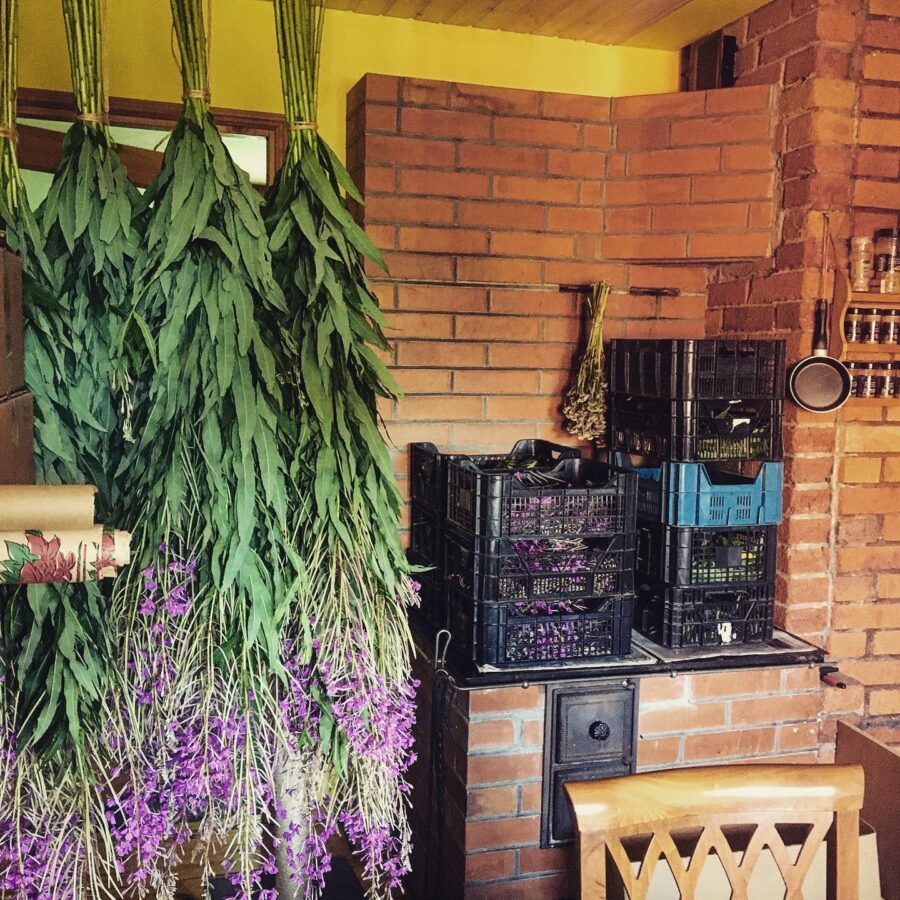
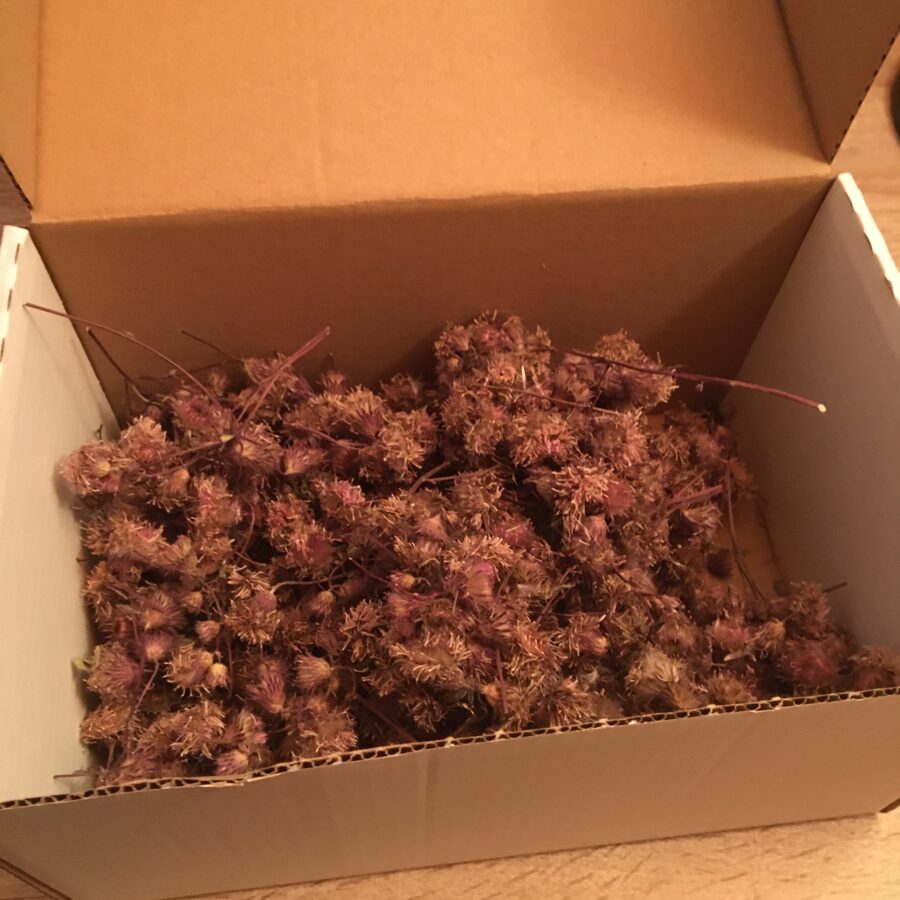
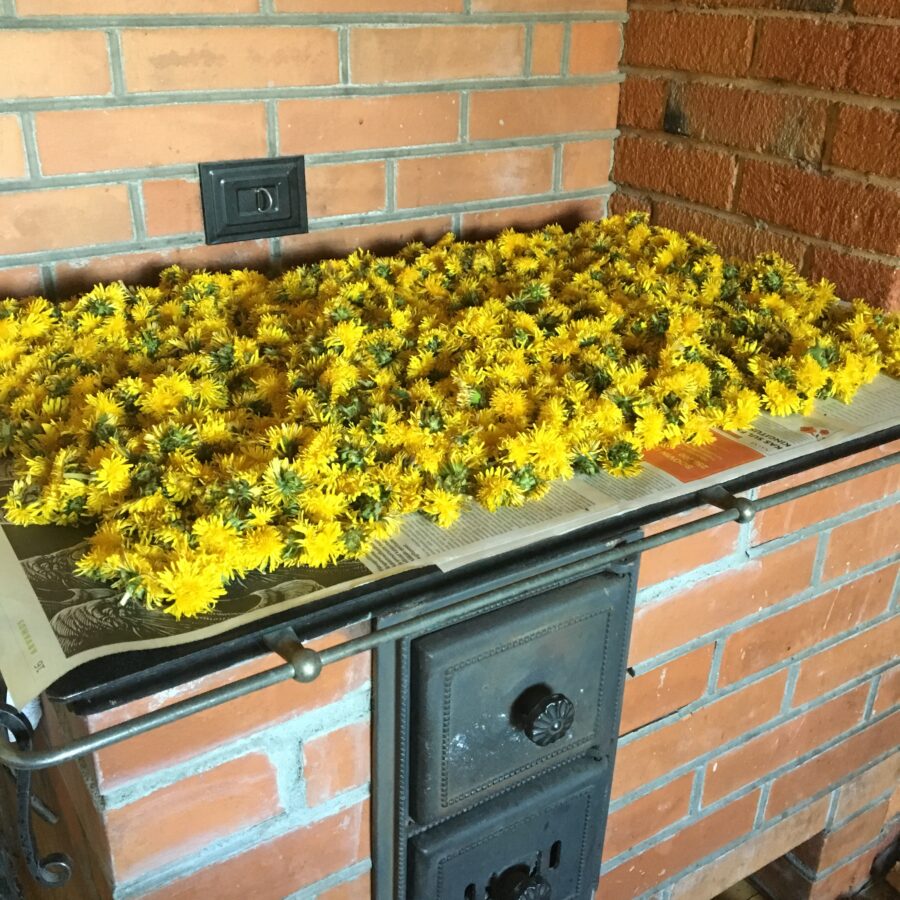
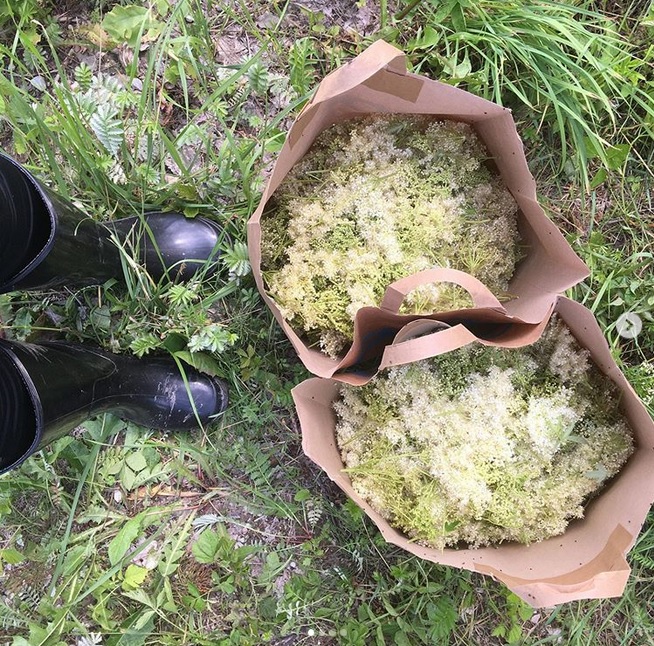
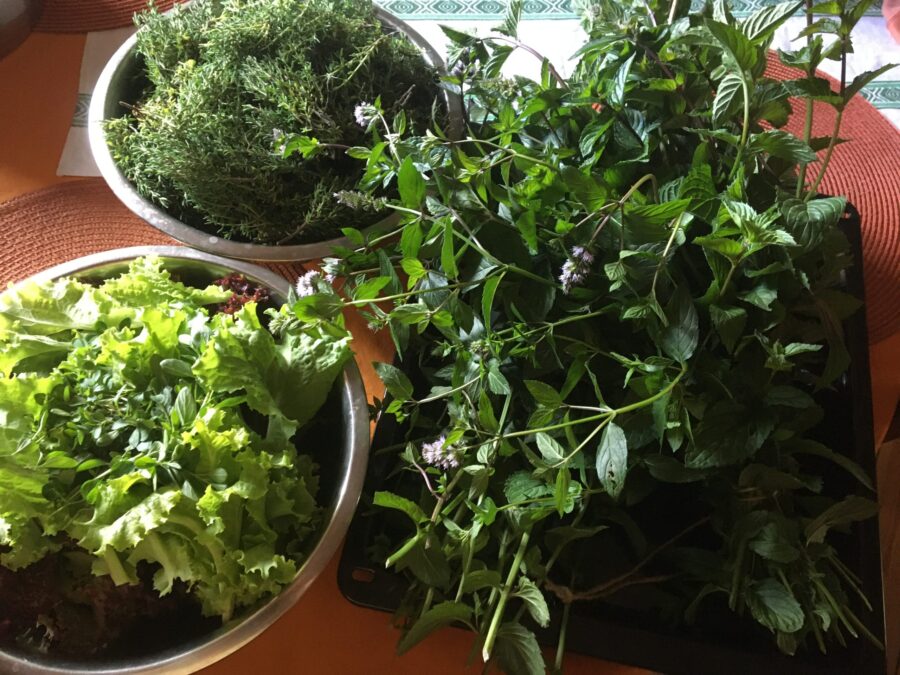
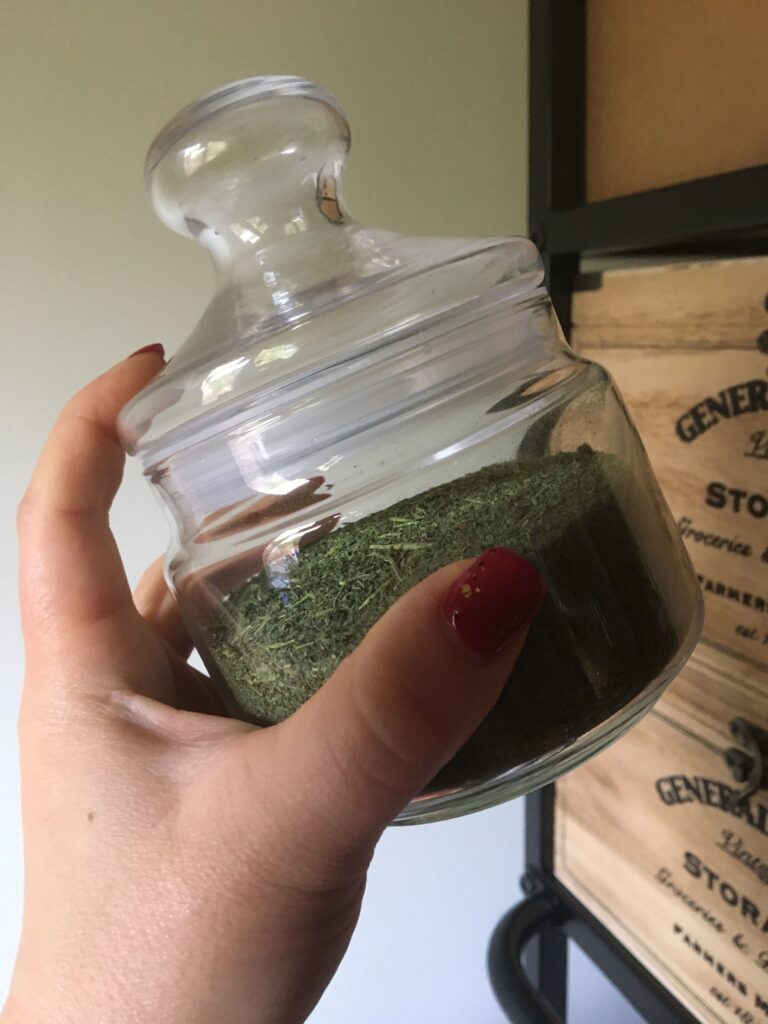
In August I took out most of the herbs and salad materials (chives, salad leaves and onion) but still it is so good to have your own garden! It was only yesterday that I took from the garden some peppermint, oregano and thyme. Herbal teas and herbs all come from my own garden and field (starting with linden blossoms and finishing with primula and all that is between them.. I just love life in the countryside!). Besides, I dry herbs for winter and grind them into jars and my home’s witch kitchen is advanced step by step. This year there were also plenty of apples. We have very good sorts of apples, some of them remain edible for several months I believe.
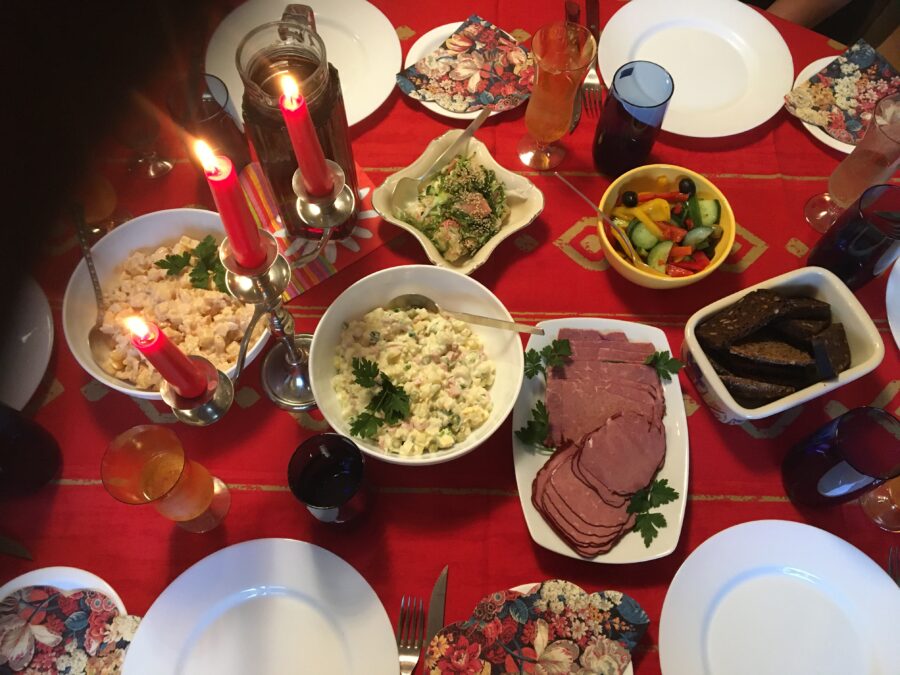
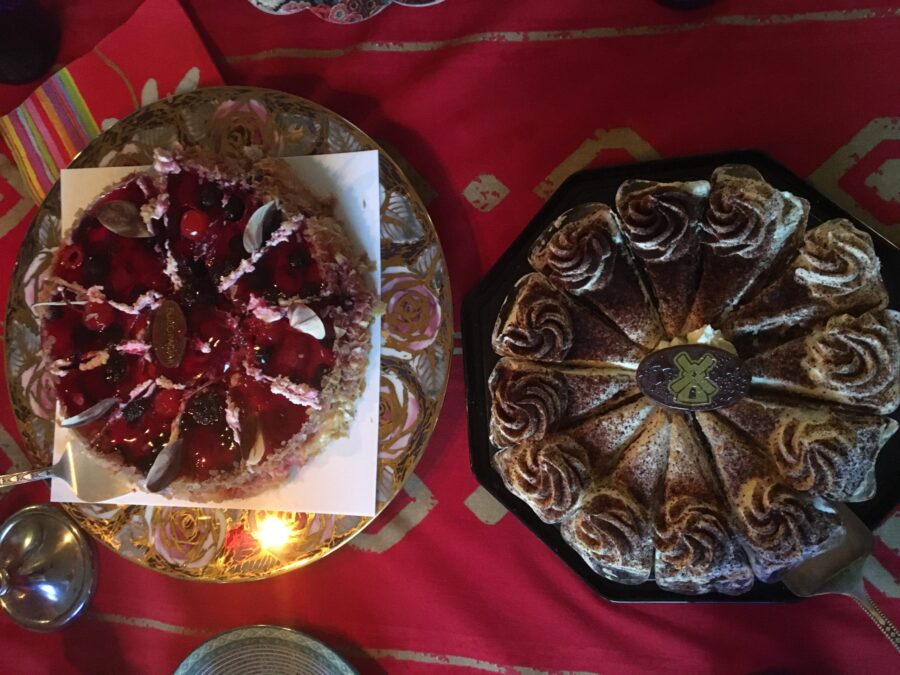
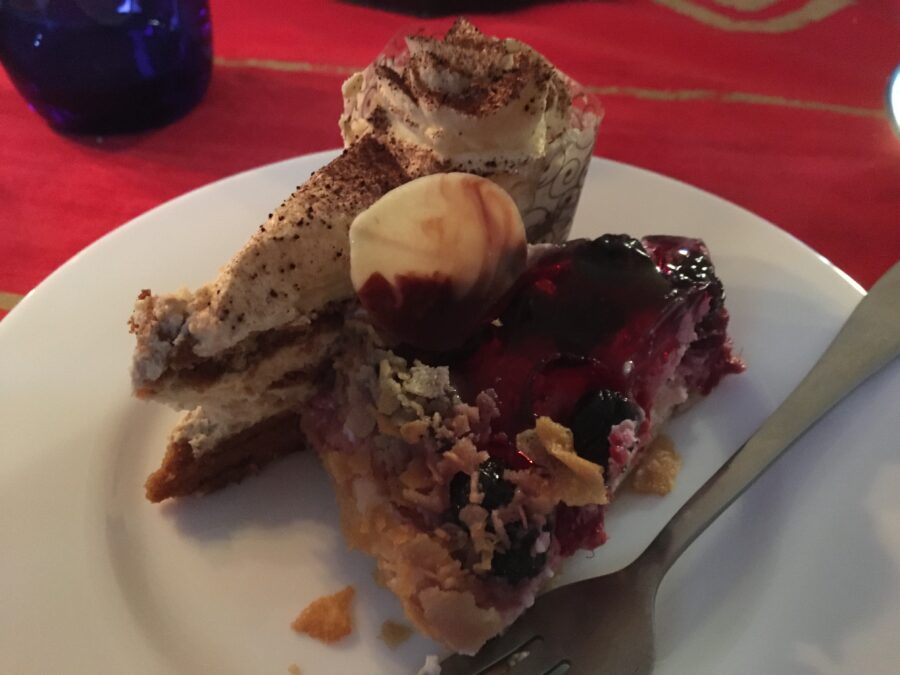
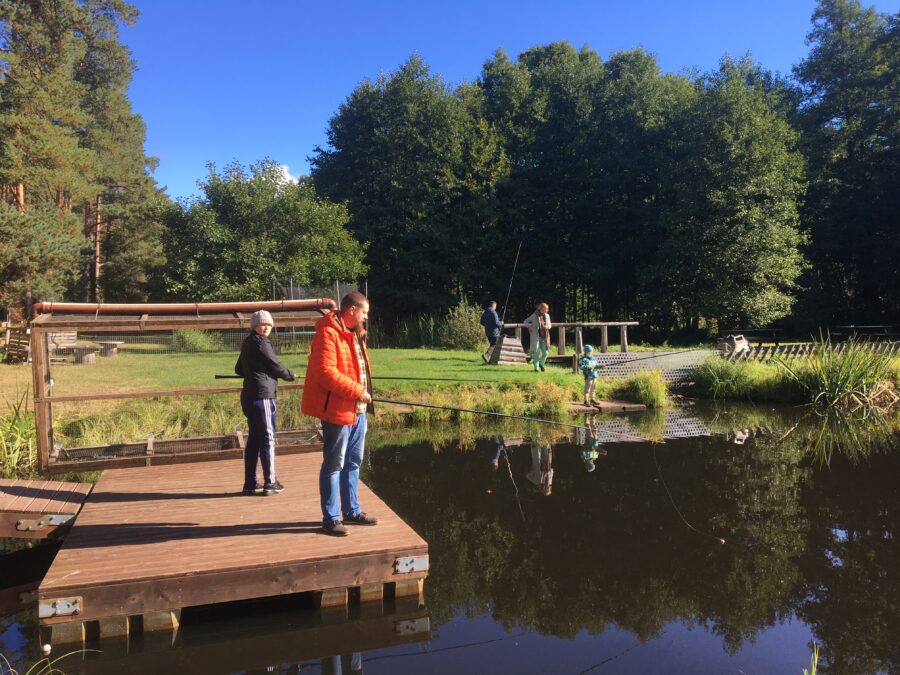
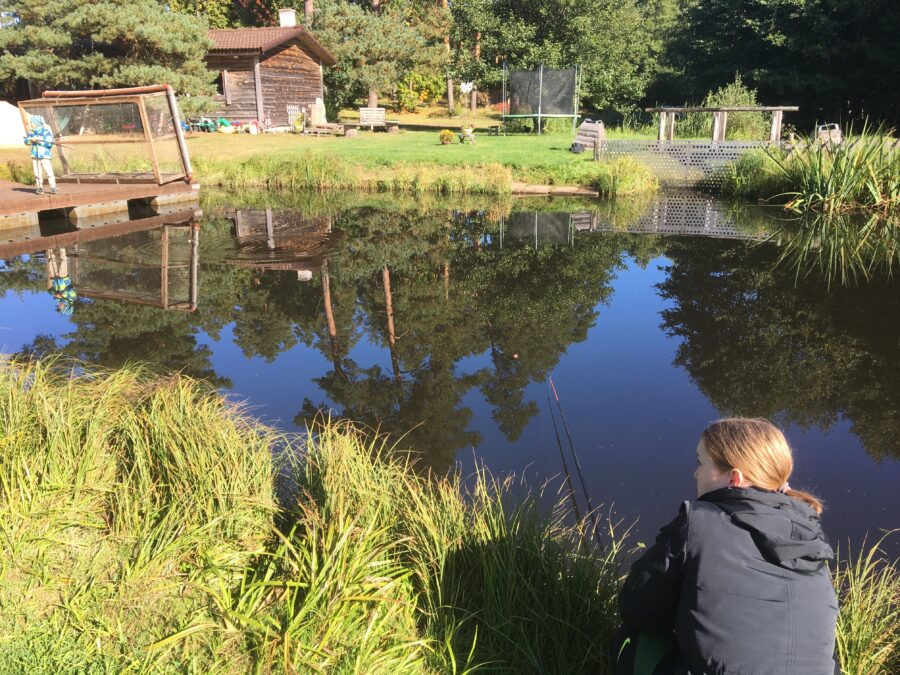
From bigger events I should bring out my father Jüri’s birthday and Allan’s family’s annual fishing tradition that began with Allan’s father Rein’s birthday. Although Rein himself is not with us anymore, the tradition of sending away the summer still lives.
I, too, had a birthday in August but this year once more I did not celebrate. As a matter of fact I have not celebrated for a long time already, I don’t even know why. In the future I will begin to celebrate because for some time already I have the new attitude – and this is: DO NOT FORGET YOURSELF!
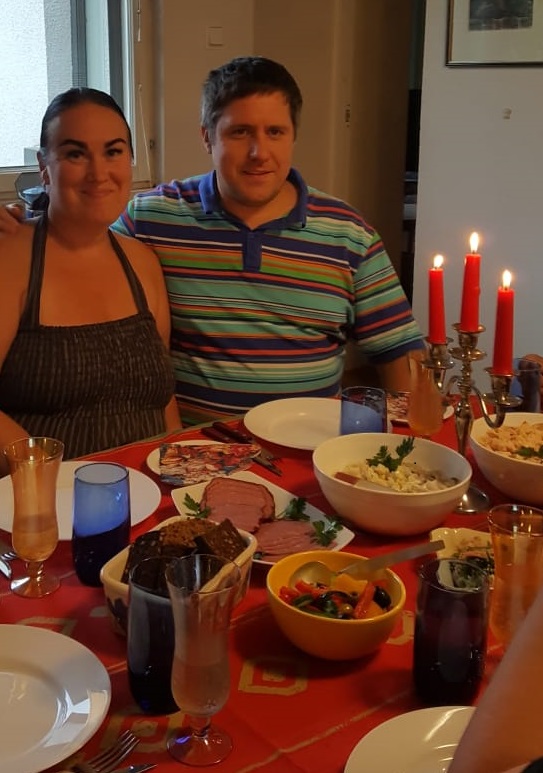
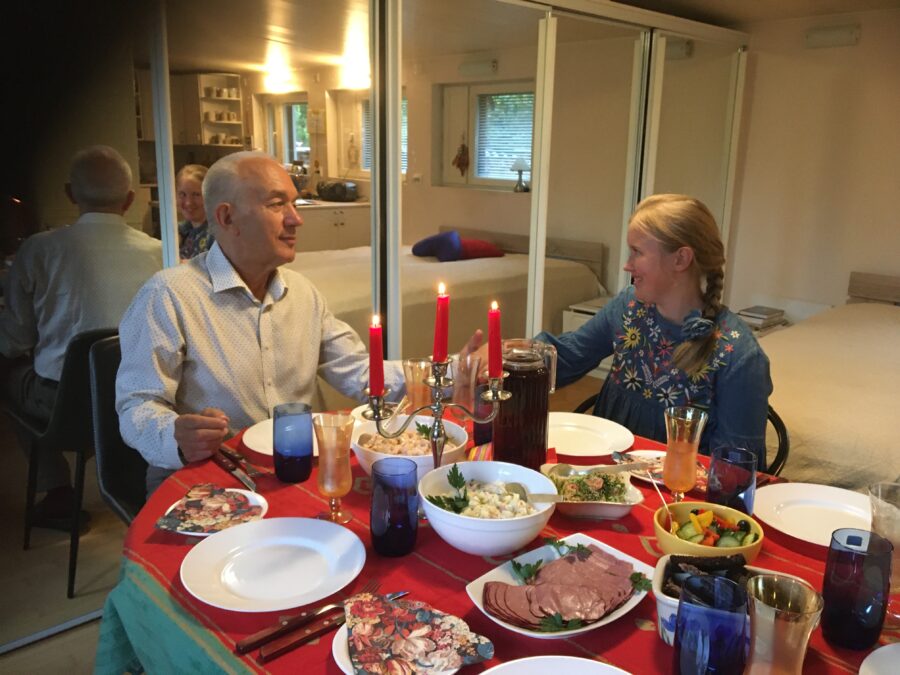
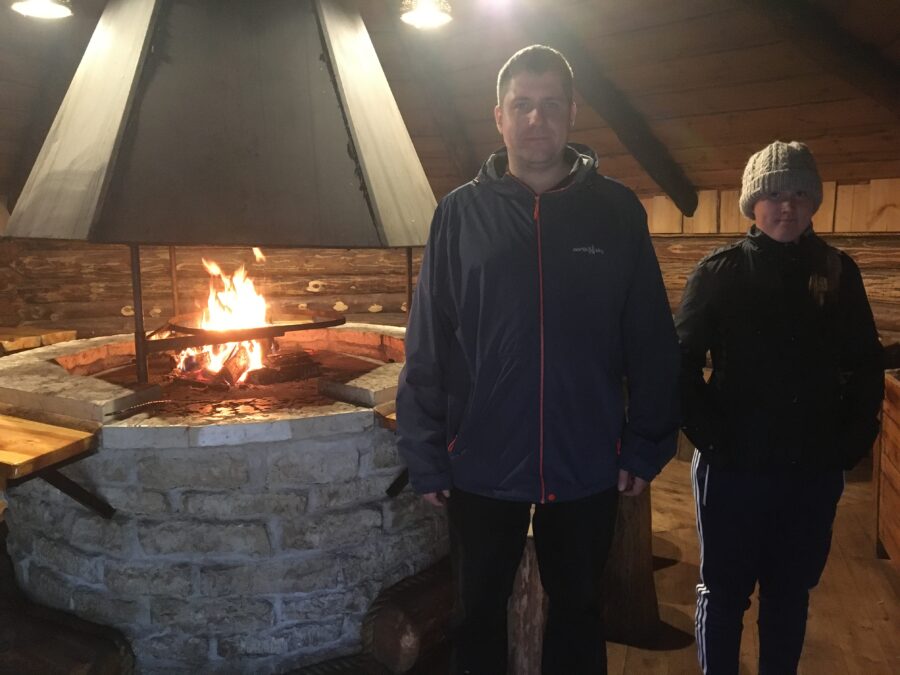
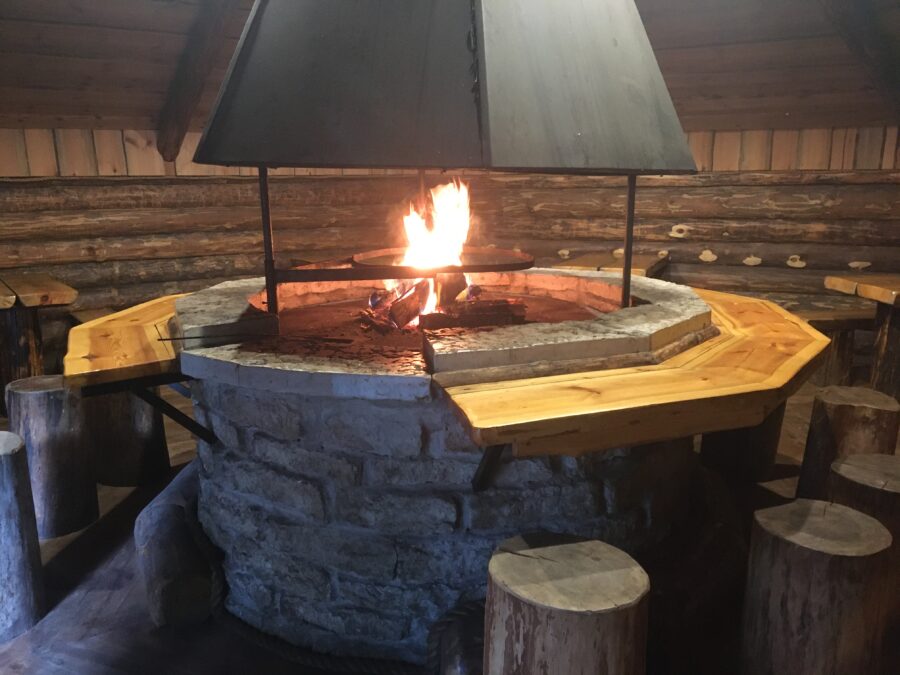
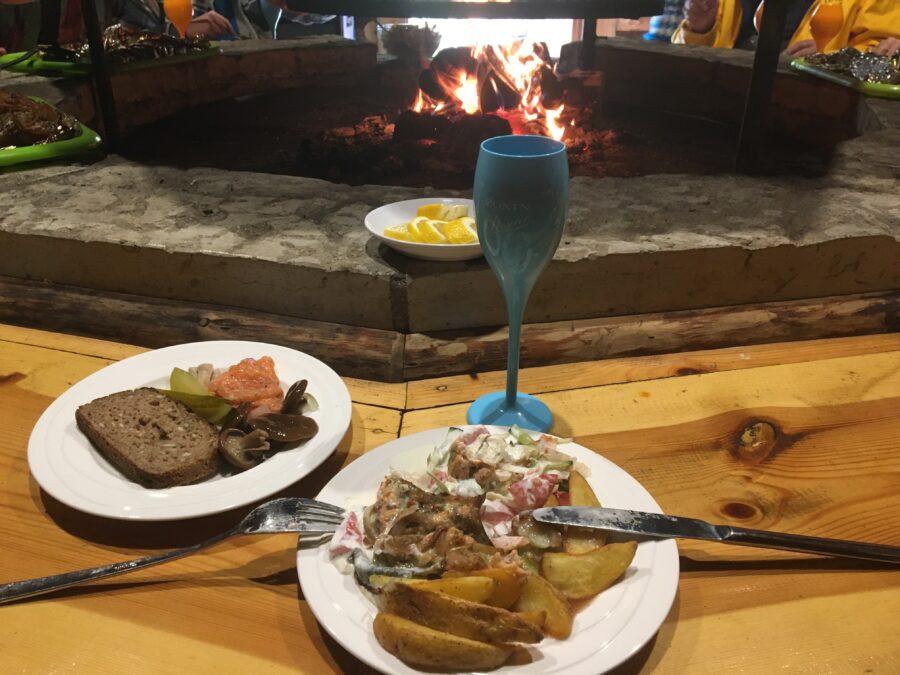
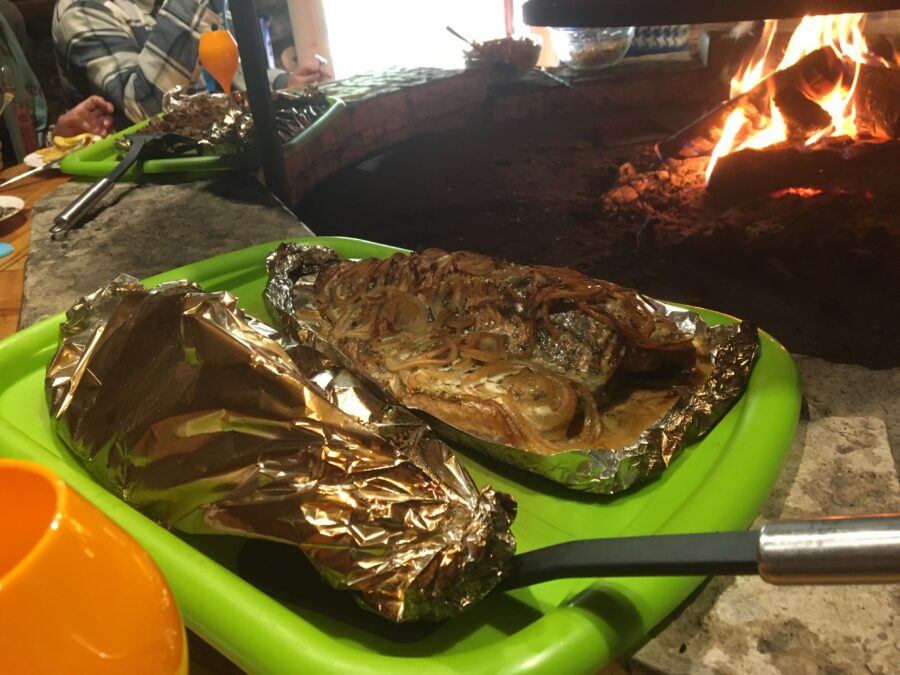
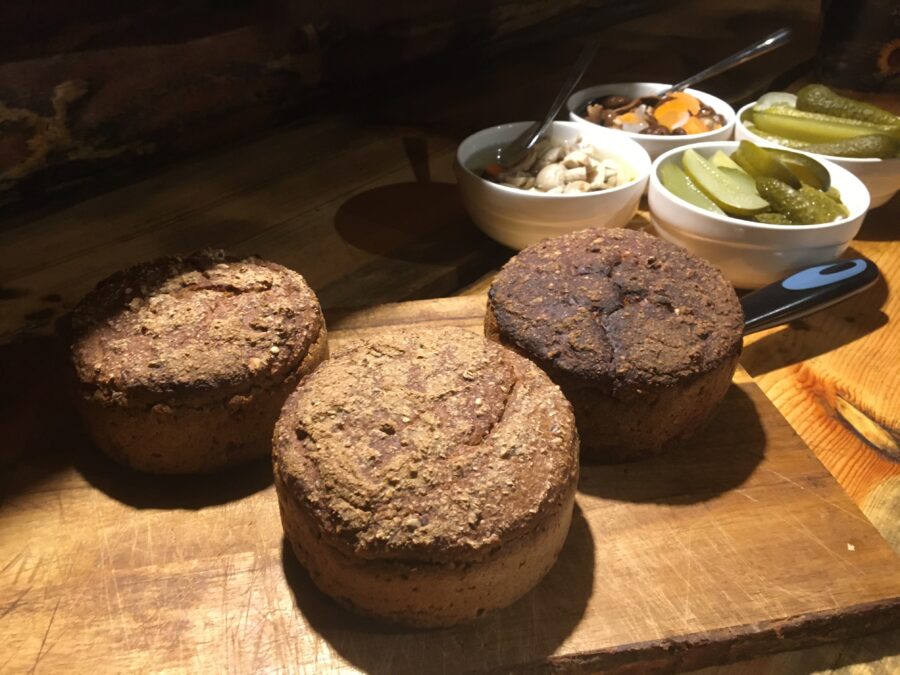
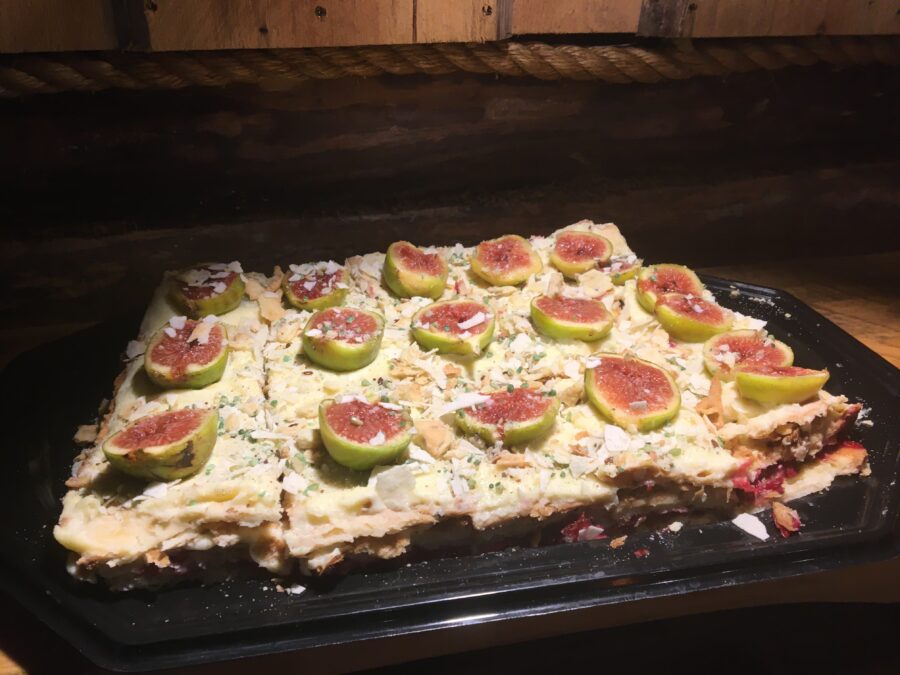
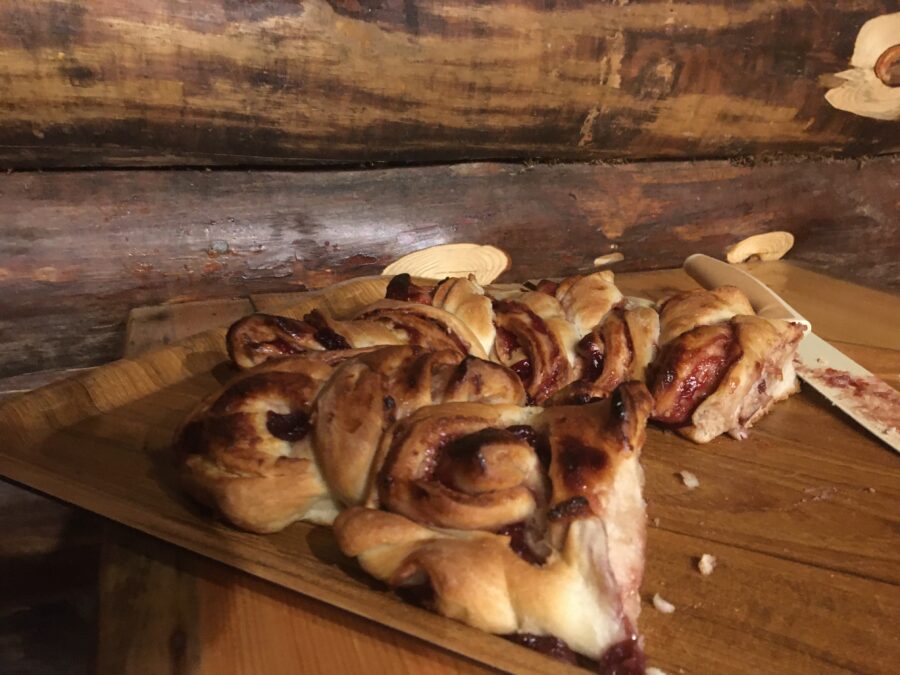
Below you can find pictures from the tiny celebration of my father’s birthday and also from the fishing event.
Today and tomorrow, Chairman of the Foreign Affairs Committee of the Riigikogu (Parliament of Estonia) Marko Mihkelson participates in the meeting of the Chairs of the Foreign Affairs Committees of the parliaments of the Baltic States and the Nordic Countries in Lithuania. Ensuring of regional energy security, granting security guarantees to Ukraine and forming an international special tribunal to investigate Russia’s crimes of aggression are discussed at the meeting.
Mihkelson said that all topics of the meeting were motivated by Russia’s ongoing war of aggression in Ukraine, which, among other things, had led to a rise of energy prices and the need for common solutions across Europe. “Russia’s war is affecting the whole Western world, for which Ukraine is fighting now. Therefore, we must act even more intensely to help Ukraine win and to support in every way possible the strategic defeat of Russia’s regime,” he underlined. “As well as supporting Ukraine’s army, people and economy, we must also offer them a clear NATO perspective, and a special tribunal must be set up to ensure that every war criminal in Russia will be punished.”
The meeting in Palanga, Lithuania, will begin with a discussion on ensuring the energy security of the Baltic States and the Nordic Countries in the situation where Russia is continuing the war in Ukraine. Director of the Lithuanian Energy Agency Virgilijus Poderys will present a report at the discussion.
On Monday, the Chairs of Foreign Affairs Committees will discuss providing international security guarantees to Ukraine. Harry Nedelcu, representative of Rasmussen Global, the consultation company founded by former Secretary General of NATO Anders Fogh Rasmussen, will make a presentation about the strategic document giving recommendations on the guarantees. Ambassador of Ukraine in Lithuania Petro Beshta and Vice-Minister of National Defence of Lithuania Žilvinas Tomkus will participate in the discussion.
The Chairs of the eight Foreign Affairs Committees will also speak about establishing of an international special tribunal to investigate Russia’s crimes of aggression. Former representative of Ukraine in the International Court of Justice in The Hague Anton Korynevych and representative of the Ministry of Justice of Lithuania Ričard Dzikovič will participate in this discussion.
The meeting, which is held in the Baltic and Nordic NB8 format, brings together the Chairs of the Foreign Affairs Committees of the Parliaments of Estonia, Latvia, Lithuania, Denmark, Finland, Iceland, Norway and Sweden.
President of the Riigikogu (Parliament of Estonia) Jüri Ratas met with the delegation of the Verkhovna Rada (Parliament) of Ukraine and Zhytomyr Oblast that is on a visit to Estonia. The head of the delegation is Chairman of the Ukraine-Estonia Parliamentary Friendship Group Arsenii Pushkarenko
Ratas emphasised at the beginning of the meeting, “We understand the gravity of the situation that Russia’s aggression has caused to Ukraine.” He added that tomorrow, 14 October was the Defenders Day in Ukraine. “This is the day when we celebrate the bravery of the Ukrainian armed forces and the Ukrainian people in defending their country. It is also the day when we commemorate those who have given their lives for the freedom and independence of Ukraine and are with their close ones in our thoughts,” Ratas said. “With the price of your lives, you have made the world a better place.”
Ratas said that proceeding from the Declaration of the Verkhovna Rada of Ukraine, on Tuesday 85 members of the Riigikogu had submitted for legislative proceedings in the Riigikogu a draft Statement on condemning the annexation of the territory of Ukraine and declaring Russia a terrorist regime. It is planned to adopt the Statement next week.
Ratas underlined that Ukraine was fighting for its freedom as well as for the future of Europe and the whole democratic world. The President of the Riigikogu stated that we strongly condemned Russia’s barbaric attacks on the Ukrainian people and the civilian infrastructure across Ukraine.
Ratas said that we had already started with the post-war reconstruction of Ukraine in Zhytomyr Oblast. “We focus on reconstructing public buildings and facilities, like building a kindergarten in the city of Ovruch,” Ratas added.
Head of the Ukrainian delegation Arsenii Pushkarenko said that Estonia’s contribution in supporting Ukraine both in the situation of war and in the planned reconstruction was highly appreciated in Ukraine. He recalled with appreciation the visits of Estonian politicians to war-torn Ukraine, which have been of great moral importance.
“Estonia supports the NATO open door policy and Ukraine’s purposeful progress towards NATO membership,” Ratas underlined. He added that Estonia was ready to support Ukraine on the way to the European Union and share its European integration experience. “Your motivation, functioning democratic institutions and progress during the time you are fighting against the aggressor are impressive,” Ratas said.
The Ukrainian delegation also met with Vice-President of the Riigikogu Helir-Valdor Seeder and members of the Estonia-Ukraine Parliamentary Friendship Group, as well as with the members of the Government and the representatives of wood processing companies. Tomorrow they will have meetings with the representatives of the City of Tallinn, and visit the Freedom School of Estonia, a school for Ukrainian war refugee children.
During the meetings, support to Ukraine in the fight against Russia’s aggression, the current situation in the war-torn country, and Estonia’s possibilities to assist Ukraine in post-war reconstruction were discussed. Cooperation in Ukraine’s European integration was also spoken about.
Today, the Parliamentary Assembly of the Council of Europe (PACE) unanimously adopted a resolution on further escalation in the Russian Federation’s aggression against Ukraine, to which the motion to amend of the Estonian delegation to declare the Russian Federation a terrorist regime was added. In the opinion of the head of the Estonian delegation Eerik-Niiles Kross, this is a sign of significant change in Europe’s attitude.
Members of the Estonian delegation Indrek Saar and Maria Jufereva-Skuratovski took the floor at the discussion of the report.
Saar said in his speech that the biggest surprise for Putin, besides the bravery of the Ukrainian people, was European solidarity. “We must keep it up if we want our valued rules-based world order to prevail, and we must not let ourselves be led into traps. One of these has already been set up – immediate ceasefire at any price. That is the road to hell which is paved with good intentions. Peace can only come on the terms of the Ukrainian people,” he said.
In her speech, Jufereva-Skuratovski called on making a distinction between Russia’s terrorist regime and the Russian citizens who are condemning Putin’s regime and actively oppose it. “I also see a need to express support to the political prisoners who have been jailed for their views and activities. Vladimir Kara-Murza, who was awarded the Václav Havel Human Rights Prize, can serve as a great example of someone fighting for a free Russia. We need to keep people like him in our field of vision and not push them away,” she said.
Today morning, President of Ukraine Volodymyr Zelenskyy also delivered a video address to the PACE Autumn plenary session.
At its yesterday’s sitting, the Assembly adopted the report on the situation of democracy in Hungary, where Eerik-Niiles Kross was one of the co-rapporteurs. The report invites the Assembly to closely follow the developments with regard to the functioning of democratic institutions and the rule of law in Hungary.
Member of the Estonian delegation Urmas Reitelmann also participates in the work of the PACE Autumn Session in Strasbourg, France.
Today, the Riigikogu discussed the longer-term perspective of national defence funding as a matter of significant national importance at the initiative of the National Defence Committee. Chairman of the National Defence Committee Raimond Kaljulaid, Minister of Defence Hanno Pevkur and Head of the Economic Policy and Forecasting Division of Eesti Pank Rasmus Kattai made reports.
Chairman of the National Defence Committee Raimond Kaljulaid started his report by saying that, in a certain sense, the war had already extended beyond the borders of Ukraine. “It is not a short-term problem or a crisis where you can hope that, at some point, life will go on as before. The threat Russia poses to its neighbouring countries will not grow less and in that connection the need for long-term and large-scale defence spending will remain with us for decades to come. It is no good hoping that anything will change in Russia any time soon,” Kaljulaid said.
Kaljulaid underlined that the euro directed at national defence came from the pockets of taxpayers and had to be put to the best use. “Since we will also have to manage to discuss and approve a new national security concept within the current parliamentary term, we could also aim to fix a new potential target level for defence spending in this document. Thanks to the decisions on additional funding made this year, defence spending will amount to 2.8 per cent of GDP in the next few years,” he said. Kaljulaid pointed out that many countries in our region were aiming to increase their defence spending. “Estonia’s new target level could mean that defence spending in a longer-term view will account for at least three per cent of our GDP. I am of the opinion that Estonia could also lead the way in NATO to encourage all allies to strive for a higher defence spending level,” Kaljulaid said.
In the words of the Chairman of the National Defence Committee, it will be necessary to draw up crisis plans at both national and local government level, to test exercise them with partners and to ensure the funding necessary to ensure crisis readiness. “Of course, every person in Estonia will also have to think how they will ensure that they themselves and their families will cope during crisis. In a crisis, be it military or not, every person who can help themselves is directly of help to the state. A person who can also help others besides themselves helps the state by several times,” Kaljulaid said.
Kaljulaid also pointed out that Estonia was very strongly contributing to launching the new Defence Innovation Accelerator for the North Atlantic or DIANA, which aimed among other things to identify areas of cooperation between the national defence sector and innovative businesses that developed technologies and whose solutions were usable in both the civil and military sectors. “It will be necessary to bring more investments to the defence industry in order that the Western countries could proceed as soon as possible with their armament procurements and plans to replenish their ammunition supplies,” Kaljulaid said.
Minister of Defence Hanno Pevkur said that Russia’s war in Ukraine was currently the most serious challenge to European security since the Second World War and Ukrainians with their immense courage had already shown that it was not only necessary but also possible to confront aggressor.
“It is necessary to spend on national defence as much as is needed to defend the country. And therefore we all have the task of doing everything possible and in our power to uphold the Estonian state. In my opinion, the first pillar in this is the defence capability of our own country,” Pevkur said. He said that this also meant that every euro the taxpayers had contributed to building up defence capability would have to produce as much defence capability as possible. “Every link, starting from early warning to every unit on the field, will have to function seamlessly,” the minister said.
In Pevkur’s words, the second pillar to uphold the state is cooperation with allies. “If we contribute sufficiently ourselves, we will also be sending a message to our allies that they can help us if we have a need for that,” Pevkur said. He noted that Estonia was hosting around 2400 allied troops at the moment. “It is also a part of the deterrence directed at our opponents,” he added.
“While next year our defence spending will for the first time exceed one billion euro and amount to 2.85 per cent of GDP, in 2024 the defence spending will exceed the three per cent limit,” the Minister of Defence said. He said that it would also be necessary to contribute to defence capability at such a level over a longer-term perspective. “We will need to fix our defence spending at the level of three per cent for a long term, in order to strengthen and uphold and preserve our defence capability,” he said. “We have done a lot of work in national defence over the years, and we have very many important capability developments underway now as well, but the changed security situation simply does not give us other choices.”
In the minister’s words, in the last three years, equipment procurements, investments and economic costs have been totalling around a billion euro, of which 562 million, that is, 56 per cent, has gone to Estonian suppliers.
Head of the Economic Policy and Forecasting Division of Eesti Pank (Bank of Estonia) Rasmus Kattai said that the central bank was following closely the developments in public finances, above all from the point of view of the stability of macroeconomy. He spoke of three aspects: the situation and perspectives of the Estonian economy, its impact on the state budget and the impact of the state budget on the economic situation.
In Kattai’s words, the economy is going through worse times than we have been expecting. “In the second quarter, the Estonian economy took a downward turn. The volume of the economy decreased. Unfortunately, in terms of projections, it is to be expected that the last months of this year will be even worse than the first half of this year. The rapid price rise will start to show its true colours more and more,” he said. The representative of Eesti Pank said that the economic growth like before would no longer be restored. “The average economic growth in the next ten years is going to be about four per cent and this is in current price, which means a growth in the volume of economy both in units produced and the impact of price rise added to this. This is more or less twice less than in earlier decades,” Kattai said.
According to Kattai, when the economy is growing more slowly revenues are also accruing more slowly and there are smaller opportunities to raise expenditure and narrower opportunities to exit budget deficit. At the same time he added that although the wellbeing of the economy affected the budget position the budget policy choices had much more significant weight. Kattai said that if the budget policy course did not change and the budget continued to be in a deficit of about three per cent every year during the next decade, the government sector debt would increase from the current seven billion euro and 19 per cent of GDP to more than 20 billion euro and 38 per cent of GDP by 2032.
In Kattai’s words, there are two options to reduce the deficit or to exit it: either to restrain the increase in expenditure or to increase the share of revenue. In conclusion, Kattai noted that the number one concern in the economy was the rapid price rise. “If the state channels additional funds into the economy by way of budget deficit, this will also accelerate the price rise,” he said.
The reports were followed by questions to the speakers and remarks by the representatives of political groups and members of the Riigikogu.
During the debate, Kalle Laanet (Reform Party), Marko Šorin (Centre Party), Leo Kunnas (Estonian Conservative People’s Party), Jaak Juske (Social Democratic Party), Heiki Hepner (Isamaa), Alar Laneman (Estonian Conservative People’s Party), Raimond Kaljulaid (Social Democratic Party) and Peeter Ernits (Estonian Conservative People’s Party) took the floor.
A Bill passed the first reading
The Bill on the Ratification of the Agreement for the Termination of the Agreement between the Government of the Kingdom of Norway and the Republic of Estonia on the Mutual Promotion and Protection of Investments (646 SE), initiated by the Government, passed the first reading.
The purpose of the agreement is to terminate the bilateral agreement with Norway on the mutual promotion and protection of investments. The termination of the agreement is necessary in order to ensure that investors from all European Union Member States and Norway are accorded equal treatment based on European Union legislation and the agreement on the European Economic Area.
The video recording of the sitting will be available to watch later onthe Riigikogu YouTubechannel. (Please note that the recording will be uploaded with a delay.)
NordenBladet – A brief answer to this heading would be – who could possibly remember all of it anymore, but some events and affairs I try to revive based on the photos that I have taken.
My life circles, similarly with most common people, around four key words, which are my man, children, home, and work (lately precisely in this order), and besides also around keywords that are not so common among common people – time for myself, and investing.
The major event in August for me was that my older daughter Estella Elisheva (16) partly moved out from home – to MUBA dormitory.
Estella was admitted to Tallinn Music and Ballet School MUBA (more on that I wrote HERE) and started her studies on the four year study program with the major in classical violin, in vocational secondary education studies. She will be, so to say, the first set of MUBA alumni. SUPER beautiful and top level school! Estella is sharing the room with two other students.
I would have so much liked to attend school in that fashion that you can go to class in your slippers if you wish. Living in the school building saves so much time that can instead be used for learning and practising. Besides, now she obtains the skills of financial literacy and managing her finances. Three nights she spends at home – from Friday to Monday, and the rest of the time she plans her own schedule. I give her 150 euros monthly for food, her dad Margus adds to that another 100.- and from home she gets a proper food supply when she leaves for school. The extra costs – pocket-money, clothes, events, hobby classes and unexpected costs etc I pay together with Allan separately.
Unbelievable, just lately I did not allow her to go further than the home alley… Just lately she was so small yet so matter-of-fact…
I have been very liberal yet super caring and pampering mother – children were so to say „the kernel and meaning of my life”, until their teenage years – I took children to school from door to door, drove them back home from door to door, warm meals were waiting at home, then I took them to hobby classes, during hobby classes I sat in the car and waited, then we would spend a planned evening at home which largely accommodated „raising their egos”. I have never been counting praise, also I never emphasized children’s grades, because from early on I have told them that all that they do they do for themselves. I believe that such education works, because my kids are quite reasonable (ok, Ivanka Shoshana is a child with special needs, living with autism, sometimes she digresses from the reasonable… but still… give your children freedom to decide, encourage and praise them, and they will be reasonable)…
Estella Elisheva has been super good / an exemplary economizer. She doesn’t make up her costs and spendings and she is good at saving. I really appreciate that! Instead of telling her: „But you have sums in your bank account,” I tell her: „I’ll cover the same sum as what you have saved, you are a good one that you don’t waste money, you are a good one that you honestly discuss your costs with me!”
Besides, I must admit that at her 16 years of age she is a lot wiser than I used to be at the age of 30. She gave me 950.- euros and told me to invest it into shares. The condition was that when I don’t do well and cannot make her money grow, I must return the original sum that she trusted with me for the investments.
Should you be interested, then I took such a conservative position regarding her money, different from my daily tradings that include quite a big risk and are so to say venture transactions. I decided to invest her money in the home market – Nasdaq Baltic stock exchange shares of Tallinn Harbour (TSM1T.TL). Today, the 12th of October the shares are at 1,384 and I am rather convinced that in the long run this is a good investment. Firstly, the shares are well-priced right now, and secondly, it has a favourable history of dividends. If I am proven wrong, then at least we support the Estonian economy.
? ATTENTION! The information provided is not to be considered as investments counseling, investments recommendations or other investments services or side services. Investments entail risk, the market value of investments may rise as well as fall, it is not guaranteed that the investment’s value is preserved or grows. Productivity of earlier times is no guarantee for productivity in the future. Before making an investment decision, be well acquainted with the product’s conditions and other vital information, including the fund chosen / the prospect of shares and other documents, as well as the risks related to investments. Investments may entail financial duties. With inquiries, turn to bank administrative personnel or your tax-, finances, or legal advisor.
Hugs, I’ll soon continue with what has been happening meanwhile. ? Love youuu!
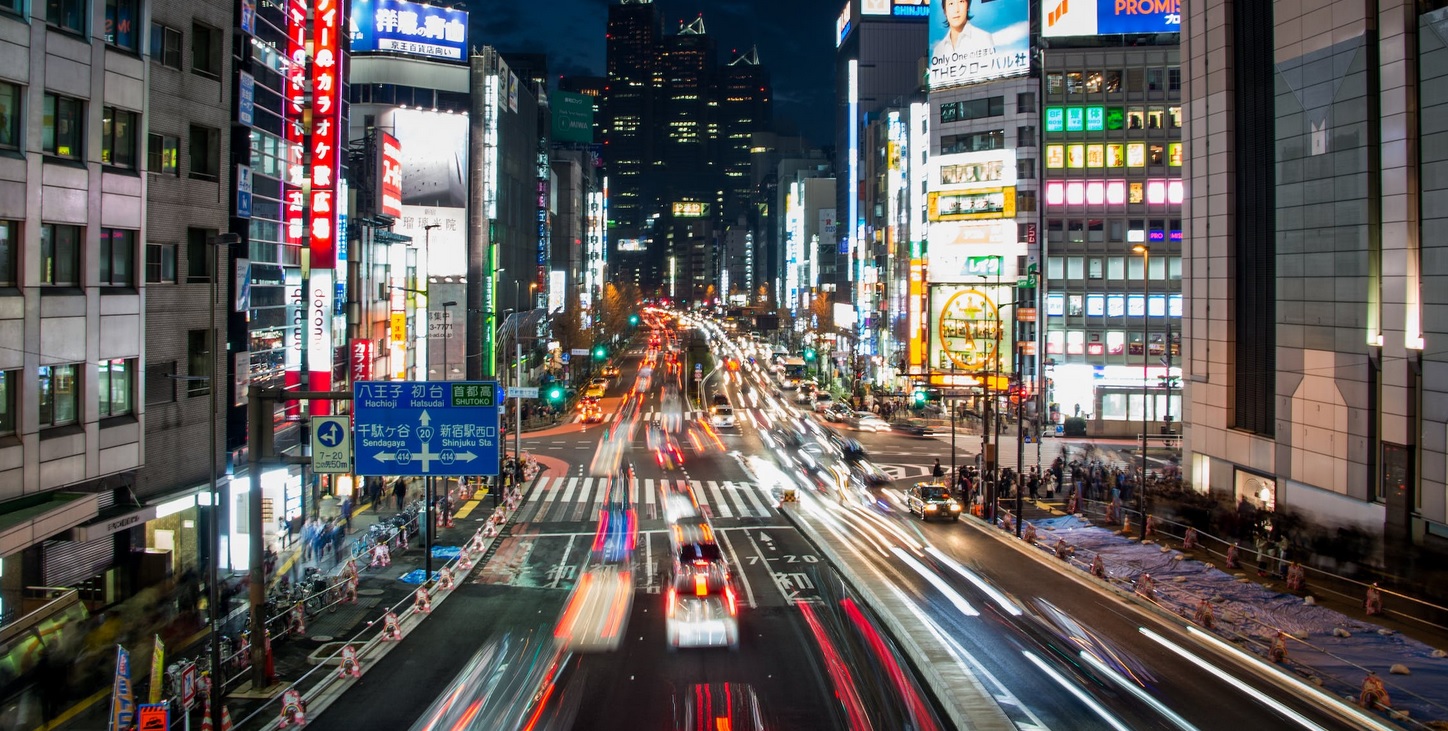
NordenBladet – Tourists can travel to Japan again after the country has had strict corona restrictions for two and a half years.
The Japanese authorities hope that the tourists can give the country an economic boost at a time when the Japanese currency is relatively weak.
Already on Tuesday morning, tourists from Israel, France and Great Britain arrived at the country’s airports.
Japan closed its borders not long after the corona pandemic hit the world.For a period, foreign nationals who were permanent residents of Japan were also not allowed to return.
As of Tuesday, it is possible to travel to Japan without a visa from 68 countries and territories, but travelers must still present documentation that they have been vaccinated or have tested negative for corona no more than three days before departure.
Members of the Estonian delegation to the Inter-Parliamentary Union (IPU) are attending the 145th IPU Assembly, with focus on gender equality and gender-sensitive parliaments as drivers of change for a more resilient and peaceful world.
The Head of the Riigikogu delegation Toomas Kivimägi says in his speech that a broader inclusion of women in national parliaments is indeed a topic that should be discussed and that this is a perfect time for it. Yet, Kivimägi does not see setting up gender quotas as the solution, advocating instead for the elimination of administrative and material favouritism or obstacles that create the premise for unequal treatment in politics, employment, and social life on the basis of gender. “In our zeal for equality, we must not forget that there are fields where a higher percentage of men serves the society and the state better, and other fields where we should make more room for women. However, everyone must have an equal opportunity to compete,” he emphasises.
Members of national parliaments are briefed on the mission of the IPU working group to Kyiv and Moscow. With a view of resolving the war by peaceful means, the working group is seeking ways to help bring about the end of the war in Ukraine. In addition, the Assembly is considering the options for parliaments to deal with international migration and ways to stop human trafficking and violation of human rights. Issues of climate change are also on the agenda.
The Assembly brings together all the statutory bodies of the IPU, including the Governing Council, Standing Committees, Committee on the Human Rights of Parliamentarians, and Committee on Middle East Questions, as well as the Forum of Women Parliamentarians, and the Forum of Young Parliamentarians. The Standing Committees report to the Assembly on their work, and the Plenary Assembly adopts the resolutions of the Standing Committees, as well as the General Debate Outcome Document on the response to equality.
Estonia is represented at the Assembly of the Inter-Parliamentary Union in Kigali, Rwanda, on 11–15 October by the President of the Estonian IPU Group Toomas Kivimägi, and Vice-Presidents Helle-Moonika Helme, Helmen Kütt, and Marika Tuus-Laul. More than 1,000 members from around 120 parliaments are meeting at the Assembly.
The Inter-Parliamentary Union is the oldest and largest organisation of parliaments in the world. It was established in 1889 and has 178 member states from the entire world. Estonia was a member of the Union between 1921–1940 and restored its membership after regaining independence in 1991.
Today, 85 Members of the Riigikogu submitted a draft statement for legislative proceeding, condemning the annexation of the territory of Ukraine and declaring Russia a terrorist regime.
In the draft statement, the Riigikogu strongly condemns the military actions of the Russian Federation against Ukraine and the illegal annexation of the territories conquered during the aggression and avows that Estonia will never recognise the violation of the territorial integrity of Ukraine through aggressions or sham referendums. “Violation of law can never create law. Putin’s regime with its threats of nuclear attack has turned Russia into the biggest danger to peace both in Europe and in the whole world Statement points,” the draft reads.
The draft declares that the Riigikogu supports the investigations initiated by the International Court of Justice and the International Criminal Court to identify the crimes committed on the territory of Ukraine, and considers it necessary to prosecute those guilty of crimes of aggression in an international special tribunal.
“Supporting the call of the Parliament of Ukraine to countries and international organisations, the Riigikogu declares Russia a terrorist regime and the Russian Federation a country that supports terrorism, whose actions we must confront together. The Riigikogu calls on the international community to adopt similar declarations,” reads the draft.
In the draft statement, the Riigikogu also condemns using in the aggression any armed groups established with the support of the authorities of the Russian Federation, such as the Wagner Group, and considers it necessary to define the armed forces of the so-called Donetsk and Luhansk People’s Republics established by the Russian Federation as well as the Wagner private military company as terrorist organisations.
The draft statement also condemns the declaration and implementation of mobilisation by the Russian regime as breaches of international law, stating that the mobilisation which is being carried out for the purpose of continuing the crime of aggression constitutes a crime against peace.
The Riigikogu supports the request to strip the Russian Federation of its status of a permanent member of the UN Security Council, and calls on the European Union Member States to stand united in implementing the additional economic sanctions and sanctions against private individuals with regard to the Russian Federation and its ally Belarus, and to monitor the strict adherence to the sanctions put in place so far.
In the draft statement, the Riigikogu calls on the European Union and NATO Member States to decisively increase military aid to Ukraine, which is needed to stand against the aggression of the Russian Federation and to restore the sovereignty of Ukraine on its territory within its internationally recognised borders. The draft also refers to the need to increase humanitarian aid to Ukraine and to support the country during the post-war reconstruction. “Estonia supports the people, the state, and the army of Ukraine with all the means available and believes in the victory of Ukraine as this is the only way to restore peace in Europe,” reads the text of the draft statement submitted today.
This year, the Riigikogu has already issued three statements to condemn the activities of Russia and express support to Ukraine: on 18 January, the Riigikogu adopted the Statement in Support of the Territorial Integrity of Ukraine, initiated by 28 members of the Riigikogu; on 23 February, the Statement on the Aggression of the Russian Federation against Ukraine, initiated by 86 members of the Riigikogu; and on 21 April, the Statement on the War Crimes and Genocide Committed by the Russian Federation in Ukraine, initiated by 84 members of the Riigikogu.