NordenBladet — In 2020, the Unit for Consular Assistance provided nearly twice as much guidance compared to the previous year. In the spring, during the early stages of the coronavirus pandemic, personal guidance and advice were given to tens of thousands of travellers stranded abroad. Thousands of travellers were assisted in returning to Finland after air traffic ground to a sudden halt.According to the statistics for 2020, Finland’s missions provided services to approximately 176,000 customers, nearly double that of the previous year. The increased number of contacts was also felt at the Foreign Ministry’s on-call centre, which received over 12,000 calls or emails over the year, busiest being March and April. Similar to previous years, most of the services consisted of guidance provided to customers.
NordenBladet — The Ministry for Foreign Affairs has granted EUR 1 026 000 in discretionary government grants to 14 civil society organisations (CSOs) operating in the field of foreign and security policy.The support is granted from 2021 Budget item 24.90.50 (Certain government grants) and it is meant for CSOs’ activities that are related to Finland’s foreign and security policy and international commitments.In the call for government grant applications for 2021, special emphasis was laid on rules-based international cooperation; prevention of conflicts; crisis management and mediation; human rights and human security; the European Union as a global actor; comprehensive transatlantic cooperation; and security threats related to climate change.This is the fifth year when discretionary government grants are awarded based on an open application procedure.By the due date, 18 CSOs had submitted their applications to the Ministry. The amounts applied ranged between EUR 20,000 and EUR 380,000.This year, the Ministry for Foreign Affairs awarded discretionary government grants to the following CSOs:Crisis Management Initiative (CMI)European Movement in FinlandFinnwatchHistorians without Borders in FinlandFinnish League for Human RightsWider Security Network (WISE)Sámi CouncilSaferGlobe FinlandAtlantic Council of FinlandFinnish Red CrossCommittee of 100 in FinlandUN Association of FinlandWorld Federation of the DeafÅland Islands Peace InstituteThe awarded grants are general grants for the CSOs’ activities in 2021. Discretionary government grants are awarded for one year at a time.
NordenBladet — The Ministry for Foreign Affairs has granted EUR 445,000 in discretionary government grants to civil society organisations’ (CSOs) Europe information. Grants were given to 21 CSOs and 23 projects.Discretionary government grants are awarded to CSOs to help them raise awareness and knowledge of the European Union in Finland. CSOs play an important role in enhancing general knowledge and understanding of the EU and in promoting related discussion. The grants strengthen CSOs’ Europe information and improve people’s basic knowledge of matters related to the European Union and Finland’s EU membership.
NordenBladet — On 22 February, the Portuguese Presidency of the Council of the EU will hold an informal videoconference of EU Ministers for Employment, Social Affairs and Equality. Minister of Social Affairs and Health Aino-Kaisa Pekonen, Minister of Employment Tuula Haatainen and Minister for Nordic Cooperation and Equality Thomas Blomqvist will represent Finland at the meeting.The meeting will explore themes to be addressed in the upcoming Action Plan for the European Pillar of Social Rights, which the European Commission will publish at the beginning of March. The EU Prime Ministers will adopt the Action Plan at the Portuguese Social Summit in Porto on 7–8 May 2021. At the meeting, the Ministers of Employment and Social Affairs will hold discussions in several working groups. Minister of Employment Haatainen will participate in the discussion on post-pandemic jobs and employment. Minister Pekonen’s group will discuss measures to prevent and reduce poverty and social exclusion. Minister Blomqvist, for his part, will participate in the discussion of Ministers of Equality on the role of gender equality in advancing COVID-19 recovery. Action Plan for European Pillar of Social Rights aims to strengthen citizens’ wellbeing The EU Prime Ministers adopted the European Pillar of Social Rights at the Social Summit in Gothenburg in November 2017. The Pillar of Social Rights contains 20 basic principles for education, gender equality, employment and the social sector. The principles are divided into three chapters: equal opportunities and access to the labour market, fair working conditions, and social protection and inclusion.Finland’s newly released Government report on EU policy considers the social dimension a top EU priority, and Finland places great importance on its development. The goal is to improve wellbeing in the Union in general and to narrow the gap in living standards by reducing poverty and inequality.Implementing the European Pillar of Social Rights in full is essential in order to strengthen the social dimension, promote fair and inclusive working life and ensure a well-functioning single market. With this in mind, we need a clear and concrete action plan that defines what measures are needed to implement the pillar, from whom and within what timeframe.
NordenBladet — The Ministry of the Environment organised an online survey to gather people’s views and opinions on how emissions can be reduced effectively and fairly. The number of responses that came in during the four weeks the survey was open was very high, more than 18,000. The responses will be used for the preparation of the Medium-Term Climate Change Policy Plan.“It is truly valuable that so many people wanted to share their opinions on how emissions should be reduced. In wish to thank everyone who responded to the survey! The wide interest proves that people consider it important to have the opportunity to have a say in climate policy. The only way to succeed in climate work is to get everyone involved. Giving people an easy way to influence climate decisions is an important part of fair and just climate work,” Minister of the Environment and Climate Change Krista Mikkonen says.A summary of the responses to the survey will be presented to the working group tasked with preparing the climate plan. The summary will also be published on the website of the Ministry of the Environment later this spring.In the survey people were asked to tell their opinions on how acceptable different kinds of measures to reduce emissions would be. They were also asked to consider how the different measures would influence their own behaviour. The themes included in the survey were transport, food and eating and housing, which constitute the highest percentage of our carbon footprint. The survey was open from 19 January to 19 February 2021.To reach the carbon neutrality target, emission reductions are needed in all sectors. Calculated on the basis of the carbon footprint, household consumption is estimated to account for 66% of Finland’s total emissions.Medium-term Climate Change Policy Plan paves the way for a carbon-neutral Finland 2035The medium-term climate change policy plan will be updated to meet the Government’s goal of achieving a carbon-neutral Finland by the year 2035. The plan contains a description of the development of emissions in the past and estimates the development of emissions based on the current policy measures in relation to the targets. The plan also outlines new policy measures, and their effectiveness is assessed in relation to the objectives.To support the preparation of the plan, a working group was set up in October 2020, with representatives from the key ministries and the Climate Panel. The draft plan will be completed in the summer of 2021 and will be submitted to Parliament as a report in autumn 2021.
NordenBladet — Domestic and foreign tourists spent 9.3 billion euros in Finland in 2020, which represents a fall of 42% from the amount spent in 2019, EUR 16.1 billion. In other words, the coronavirus pandemic reduced the spending by tourists in Finland by nearly EUR 7 billion.The figures on Finland’s economic development from last year make this decline apparent: Finland’s gross domestic product is estimated to have fallen by 3% in 2020. These are the conclusions of preliminary estimates on tourism demand in 2020, that is the money spent by Finnish and foreign tourists in Finland during the year. The estimate was prepared by the Ministry of Economic Affairs and Employment, in cooperation with Visit Finland, Statistics Finland, the Finnish Hospitality Association MaRa, and the Association of Finnish Travel Agents SMAL. It appears that the statistics available now confirm the organisations’ earlier assessment on the development of tourism demand in Finland in September 2020.Huge decline in international tourismTravel policies and restrictive measures introduced to stop the spread of the coronavirus pandemic in Finland and other countries had a serious impact on cross-border tourism. According to preliminary estimates, the coronavirus crisis reduced the amount of money spent by foreign tourists in Finland by 67%, or EUR 3.3 billion, in 2020. Meanwhile, demand for foreign travel by Finnish people fell by 73%, or approximately EUR 1.7 billion.The Finnish tourism sector relies heavily on the recovery of international tourism. The recovery of tourism demand, particularly inbound and outbound tourism, will be significantly slower than the demand for domestic tourism.A major drop in domestic tourism, with the exception of summerAfter the challenging spring months, domestic tourism grew in the June-August period, with the level of demand approaching that of 2019. However, following the introduction of more restrictive measures, demand began to fall again in September. Two very different trends can be distinguished in domestic tourism. Demand for rental cottages increased sharply in May and remained high until the end of the year. On the other hand, demand for hotel accommodation experienced a downward trend from March onwards. In other types of accommodation, demand started to grow from July onwards. The preliminary estimates show that domestic tourism demand fell by 20% or EUR 1.7 billion euros in 2020.Estimates for 2021 to be published in MarchThe Ministry of Economic Affairs and Employment, in cooperation with Visit Finland, Statistics Finland, the Finnish Hospitality Association MaRa, and the Association of Finnish Travel Agents SMAL prepared official estimates of the development of tourism demand in 2020. The estimates were published for the first time on 6 May 2020 and were updated on 9 September 2020. The next update of the estimates on tourism demand will be published at a webinar organised by Visit Finland on 17 March 2021.Tourism demand reflects the amount of money tourists spend on purchasing products and services during the year. The total demand for tourism includes the spending of both Finnish and foreign tourists in Finland. The estimates reflect the effects of the coronavirus outbreak on travel and tourism in Finland as a whole.
NordenBladet – Now here comes the most recent IT-news related to my various undertakings. For a start, NordenBladet’s IT-department commences programming several interesting WordPress plugins, and these are completely free of charge for the user! How cool is that?!
The first “Translation plugin By NordenBladet” (in English we added to the plugin the following description: Free WP and Woocommerce Translation plugin by NordenBladet IT department. Multi-language possibilities. Easy translation Plugin for WooCommerce, WordPress Websites and Blogs.) is already in beta-phase, i.e. it is being tested. As soon as we are convinced that it is in tip-top working order and super fine, we will release it as a freeware for everyone interested, to be used free of charge, under WordPress plugins. Currently with this plugin the website Elisheva & Shoshana (ElishevaShoshana.com) has been made 6-lingual (the same links skillfully serve different languages). This is good because everything can be managed centrally, with one and the same link one can display various languages, and neither does one have to cover the double cost for too many pages. Explaining it this way may seem still a bit complicated, but once we release it live free of charge, I will definitely explain in more detail!
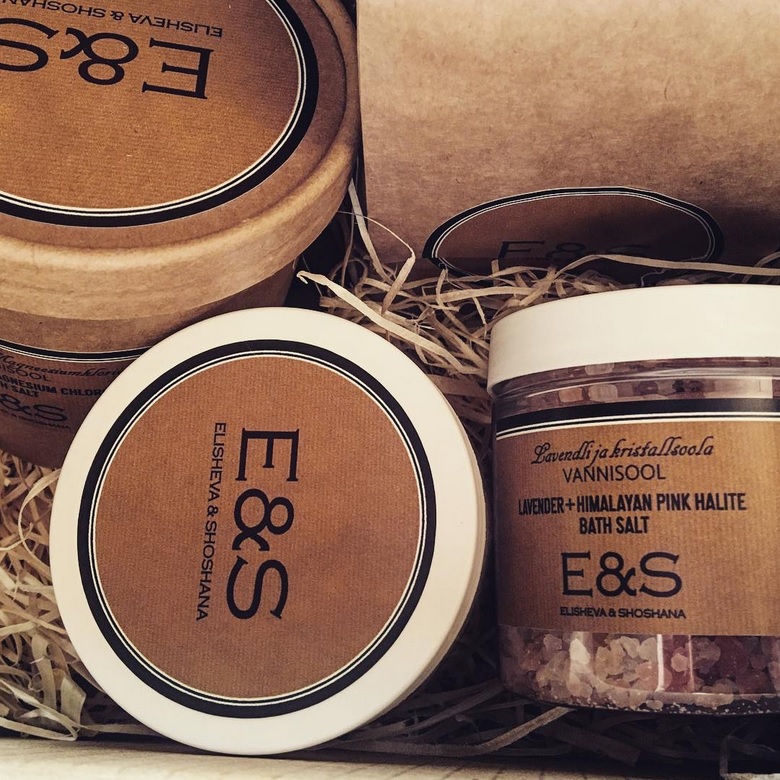
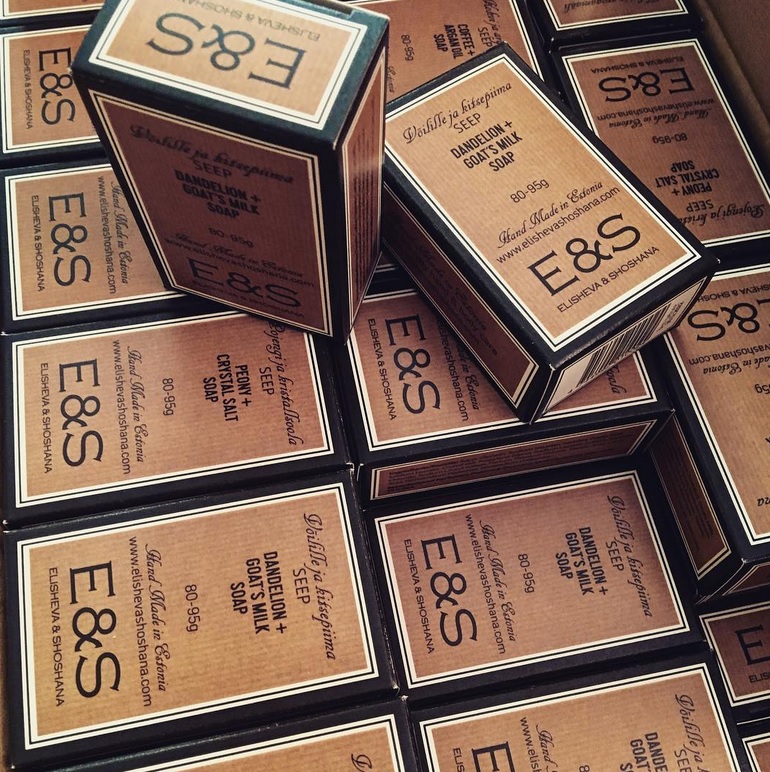
My handicraft page and web store – Elisheva & Shoshana has now been backed up with Maksekeskus AS. Come and purchase!! 🙂 This will enable you to complete payments in addition to the current PayPal also via Estonian, Finnish, Swedish, Latvian, etc bank links. Comfy, easy, and safe! We have chosen them while they are recently most well-known, although on the market there are also other suppliers with slightly more convenient conditions. I hope that the collaboration will be smooth and beneficial. Currently I lack previous personal experience with Maksekeskus and it is difficult to predict if I’d recommend them or not. We’ll see.
Now the purchase of our products via our web store is genuinely simple! Do come shopping!
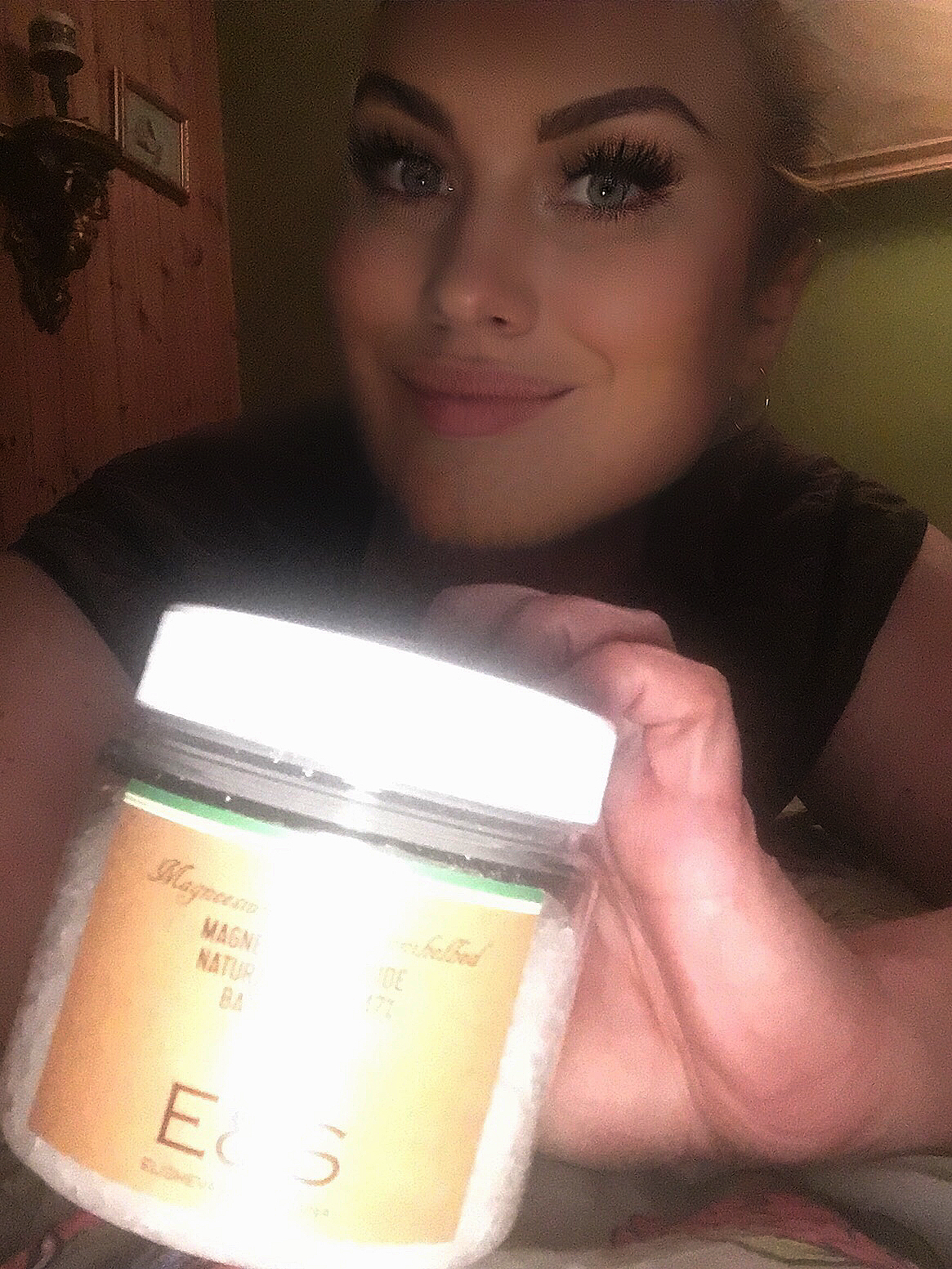
Use the discount /profit / coupon code : “NordenBladet” and enjoy a discount -15% from all products until the end of March!
NordenBladet — The EU foreign ministers will convene in Brussels on Monday 22 February. Finland’s representative at the meeting will be Minister for Foreign Affairs Pekka Haavisto. The ministers will exchange views on Russia, the Strategic Compass for EU security and defence policy, and Hong Kong. Foreign Minister Haavisto will give a report on his visit to Ethiopia and Sudan as Special Envoy of the European Union. The United States Secretary of State Antony Blinken is expected to join the meeting by video conference. On 24 February, Foreign Minister Haavisto will attend a meeting of the North Atlantic Council.
The February Foreign Affairs Council will have a strategic discussion on the latest developments concerning EU-Russia relations and the five principles underpinning them. The ministers will discuss Russia’s current human rights situation in the light of the poisoning and detention of the opposition politician Alexei Navalny and the arrests of demonstrators protesting his detention. Minister Haavisto will give an account of his meeting with the Russian Foreign Minister Sergei Lavrov in Saint Petersburg on Monday 15 February.
The Strategic Compass is an EU initiative to strengthen a common European security and defence culture. Its aim is to specify the objectives of security and defence cooperation defined in the 2016 EU Global Strategy on Foreign and Security Policy, to enhance the implementation of the common level of ambition and to ensure a desired effect of the EU’s defence initiatives. Finland supports a proactive and comprehensive approach to strengthening European security and defence.
The foreign ministers will review the latest developments regarding Hong Kong. In July 2020, the Council adopted conclusions expressing concern over the impacts of the national security legislation adopted last year on the situation and civil rights in Hong Kong. In Finland’s view, it is important that the EU continue to closely monitor the situation in Hong Kong and, if necessary, react to the changes in a timely manner. Any new EU action regarding Hong Kong must be consistent with previous action.
Foreign Minister Haavisto will give the Foreign Affairs Council a report on his visit to Ethiopia and Sudan in early February as Special Envoy mandated by High Representative Josep Borrell. He will also present his proposal for further EU action, among others regarding the humanitarian situation in the Tigray region. The EU foreign ministers will meet the new US foreign minister Antony Blinken by video conference.
During his visit to Brussels, Foreign Minister Haavisto will also attend a meeting of the North Atlantic Council (NAC) and, among other things, have a meeting with NATO’s Deputy Secretary General Mircea Geoană.
NordenBladet — The amendments to the Communicable Diseases Act have been approved, and they will enter into force on 22 February 2021. They will strengthen the possibilities of local and regional authorities to take proactive and swift measures to prevent the spread of COVID-19. Most of the amendments will remain in force until 30 June 2021. Under the amended Act, the authorities can introduce regional restrictions on business and leisure activities when this is necessary to prevent the spread of the epidemic. Any obligations and restrictions will thus be based on avoiding physical contact between people.
Stricter measures to be introduced gradually when the COVID-19 epidemic acceleratesIn line with the action plan for implementing the hybrid strategy to curb the COVID-19 epidemic, the measures are introduced gradually so that obligations and restrictions can be tightened again if earlier measures prove to be insufficient. At the baseline of the epidemic, general hygiene measures are binding in all areas where customers and participants are present. Customers or participants must have the opportunity to clean their hands, and enhanced cleaning measures must be put in place. Customers and participants must also be provided with guidelines on how to prevent the spread of infections.
In the acceleration phase, regional authorities can decide that activities must be arranged in such a way that no close contacts are created. To ensure that their activities are safe, businesses can choose the best way to operate so that customers can avoid close contact with one another in practice. This can mean space arrangements, staggered timetables or, alternatively, restricting the number of customers. The Finnish Transport and Communications Agency can also decide to restrict the number of passengers by a maximum of 50 per cent during the acceleration phase.
In the community transmission phase, the municipality or the Regional State Administrative Agency can close businesses or other facilities that are intended for customers and participants for a period of two weeks. This can only be applied to those facilities and spaces defined in the Act that may generate significant infection chains. These include indoor and other sports facilities, public saunas and swimming pools, dance halls, amusement parks, indoor playgrounds, and public space in shopping centres. The regulation will not be applied to private and family life activities.
More permanent amendments to regulation on isolation and access to information
More permanent amendments were made to the regulation on isolation, for example. In future, isolation could take place in the person’s own home, for example, instead of a health care unit. The amended Act also specifies the regulation on the right of the authorities to obtain information and on executive assistance.
Amendments to be taken into account in the action plan for implementing the hybrid strategy
The Ministry of Social Affairs and Health will update the action plan for implementing the Government’s hybrid strategy to take account of the new powers at different phases of the epidemic. The Ministry will guide and support the regional communicable disease authorities in the application of these powers.
NordenBladet — The Ministry for Foreign Affairs has launched projects to promote peace and reconciliation in Iraq, Afghanistan and Somalia. The aim of the projects that are expected to last until 2023 is to encourage young people to work for peace and to use media skills as a way of exerting influence. The Ministry’s Communications Department is responsible for the projects.
Alyas Rahimi and Faradis Farhat participated in a workshop organised in Kabul.
Lasting a few days at the end of 2019 and 2020, the Salam Programme for Iraq and Afghanistan was implemented by organising workshops for young people. The participants discussed, among other things, storytelling, media work, societal influence and the promotion of peace and reconciliation. After the workshops, the young people were appointed young ambassadors for peace.
Ornina Henry Serkis, an Iraqi citizen, participated in the workshop held in Erbil for the second time.