The seminar will begin at 2 p.m. The first panel discussion of the seminar will be dedicated to good parliamentary practices that parliaments and their members can use. Among other things, information disclosure, as well as code of ethics, transparency of lobbying and declarations of interests will be spoken about.
The second panel discussion will focus on the role of parliament in anti-corruption policy-making. Topics such as beneficial ownership, whistleblowers, public expenditure, as well as oversight of the executive branch will be addressed. Member of the Riigikogu Margit Sutrop will participate in the discussion.
The Seminar will take place from 2 p.m. to 6 p.m., and will be live streamed on the Riigikogu web page. The language of the seminar is English.
The seminar takes place within the framework of the Open Government Partnership Global Summit, which is held in Tallinn, Estonia, on 6 and 7 September. The seminar is organised in the cooperation of the Riigikogu, Open Parliament e-Network and Open Government Partnership.
NordenBladet —The reserve units of Territorial Defence Region North formed in Tapa on Saturday began field training yesterday, where soldiers underwent weapons and medical training and weapons life fire excercises. “First impressions are good. The equipment distribution this time was much faster than on the two previous occasions when I was …
NordenBladet – On September 1, the prices of wines will be increased further in Systembolagets, with some wines the price increase is up to 43%. This is the third time this year that the prices of several popular wines have increased.
At the New Year, the prices of all wines in Systembolaget were increased, this decision was related to the alcohol tax.
In March, several suppliers decided to raise prices due to rising costs.
And now the time is ripe for a price increase again. From September 1, several popular wines will become more expensive. This increase is mainly due to the weakening of the Swedish krona, which makes it more expensive for suppliers to import wine to Sweden.
Systembolaget, colloquially known as systemet or bolaget , is a government-owned chain of liquor stores in Sweden. It is the only retail store allowed to sell alcoholic beverages that contain more than 3.5% alcohol by volume. Systembolaget acts as a portal for private companies selling alcohol on the Swedish market and as of 2023, it represents 1,200 vendors ranging from small local breweries to large scale importers and multinational companies, selling products from a total of over 5,000 producers from all over the world.
Systembolaget also sells non-alcoholic beverages, although this product segment represents less than half a percent of the company’s total sales of beverages. The minimum age to buy alcohol at Systembolaget is 20 years. At Swedish restaurants and bars the legal age to buy alcoholic beverages is 18 years, though bars and clubs may voluntarily set an age limit higher than 18 if they prefer.
Systembolaget’s stores must close no later than 20:00 on weekdays and 15:00 on Saturdays. On Sundays and public holidays all Systembolaget’s stores are closed. Systembolaget’s stores are also closed on Christmas Eve and Midsummer Eve.
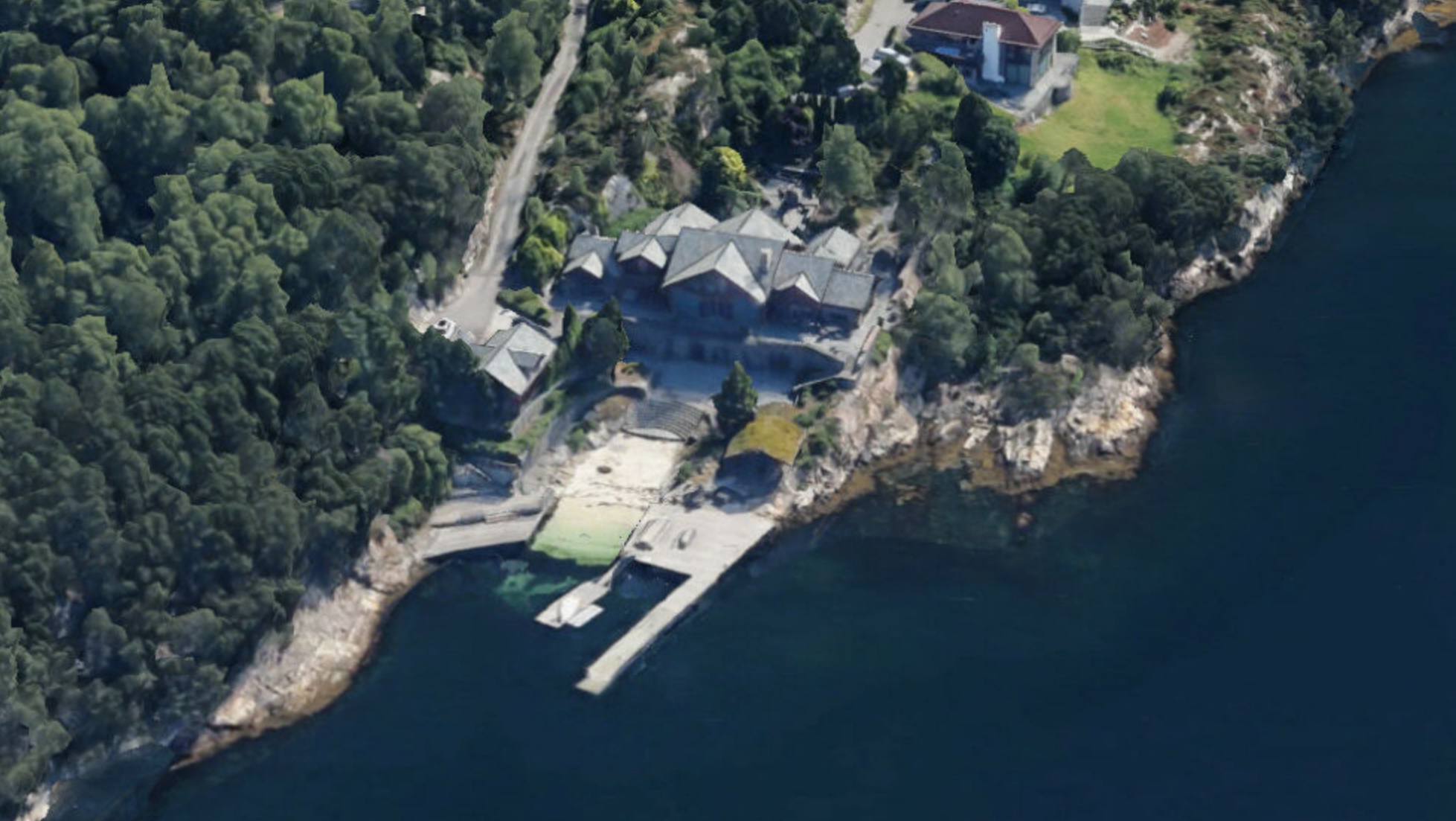
NordenBladet – Influential Norwegian investor and businessman Bjørn Hanevik, who works in real estate, hotels, restaurants and finance through his 100% owned company Bergen Harbor group, is at loggerheads with the municipality of Bergen. Bergen municipality’s planning and construction agency started an investigation regarding Hanevik last year. The news was first reported by Bergens Tidende (BT), NordenBladet.ee mediates.
The municipality issued an order to restore the stair structure, reduce the size of the Garage and dismantle two docks, with an area of 110 and 170 square meters.
Hanevik, which has a good position on this stretch of coastline, one of Norway’s most expensive, opposes the claims and claims that nothing has been built illegally.
“The issue is that it was all built in 1981 and 1982. There was correspondence with the owner at that time in the construction matter, which the municipality has not taken into account in this process. For our part, we have only preserved what has existed since the takeover,” Hanevik told Børsen.
Hanevik states that the fight against the municipality’s order has taken a lot of time in the last two years, and the whole requirement came as a shock to him.
According to BT’s information, the demands have led to the case now moving to political consideration. Settebyord advisor Ruth Grung (Ap) also believes that the breakwater should be removed. He justifies it with the protection of the beach area and draws attention to the fact that the docks have no natural connection with the terrain and the property.
Hanevik assures Børsen that he is not satisfied with the situation and wants to cancel all the demands made to him.
“We must achieve the perfect effect. The big question is what happened in 1982 and 1983,” he said.
According to tax records, Hanevik earned NOK 2.9 million in 2021 and had a net worth of NOK 280 million.
COMPLAINT: The luxury property in Åsane at the end of Våganeset is equipped with two docks, a sandy beach and stairs. It is not known how much of it will be left. Photos: Google Earth screenshot
NordenBladet – Many banks in Norway, including Sparebank 1 Nord-Norge, DNB, and Nordea, are experiencing an increase in applications for deferred loan payments, also known as “avdragsfrihet.” This surge in requests is due to concerns about rising loan costs caused by recent interest rate hikes.
Deferred loan payments allow borrowers to pay only the costs associated with having a loan and postpone the repayment of the principal amount. It’s intended as a temporary solution to help borrowers navigate financially challenging periods.
Stein Vidar Loftås, Chief Communications, Community, and Sustainability Officer at Sparebank 1 Nord-Norge, noted an increase in the number of avdragsfrihet applications. He explained that some borrowers who are in generally stable financial situations may need temporary relief when unexpected expenses arise, such as car repairs or appliance replacements.
One individual, Runar, sought avdragsfrihet to manage increased loan costs resulting from recent interest rate hikes. He initially requested this option to have more financial flexibility during a challenging period but found it especially helpful as interest rates continued to rise.
High loan costs have become a concern for many borrowers in Norway due to interest rate hikes. Kjersti Haugland, Chief Economist at DNB, explained that avdragsfrihet is one way for borrowers to shield themselves from the impact of higher interest rates. However, she emphasized that borrowers can also consider refinancing their loans or extending their loan terms as options to mitigate the effects of rising rates.
While avdragsfrihet can provide temporary financial relief, it’s essential to understand that it postpones loan repayment rather than reducing the total amount owed. Financial institutions, such as Nordea, have reported a significant increase in avdragsfrihet requests, with contributing factors being post-holiday credit card bills and an uptick in divorces.
Despite the increase in applications, many borrowers have prepared for tougher economic times and have established financial buffers. Loftås noted that most borrowers have calculated their financial limits to be higher than current conditions, indicating that the rise in interest rates may not have drastic consequences for the average borrower. When faced with financial challenges, individuals often make adjustments by cutting non-essential expenses or postponing luxury purchases before considering changes to their home loans.
Rising interest rates in Norway have led to an increase in avdragsfrihet requests from borrowers looking for temporary relief from higher loan costs. While this option can provide short-term financial flexibility, borrowers should carefully consider their financial situation and explore other alternatives, such as loan refinancing or extending loan terms, to manage the impact of interest rate hikes.
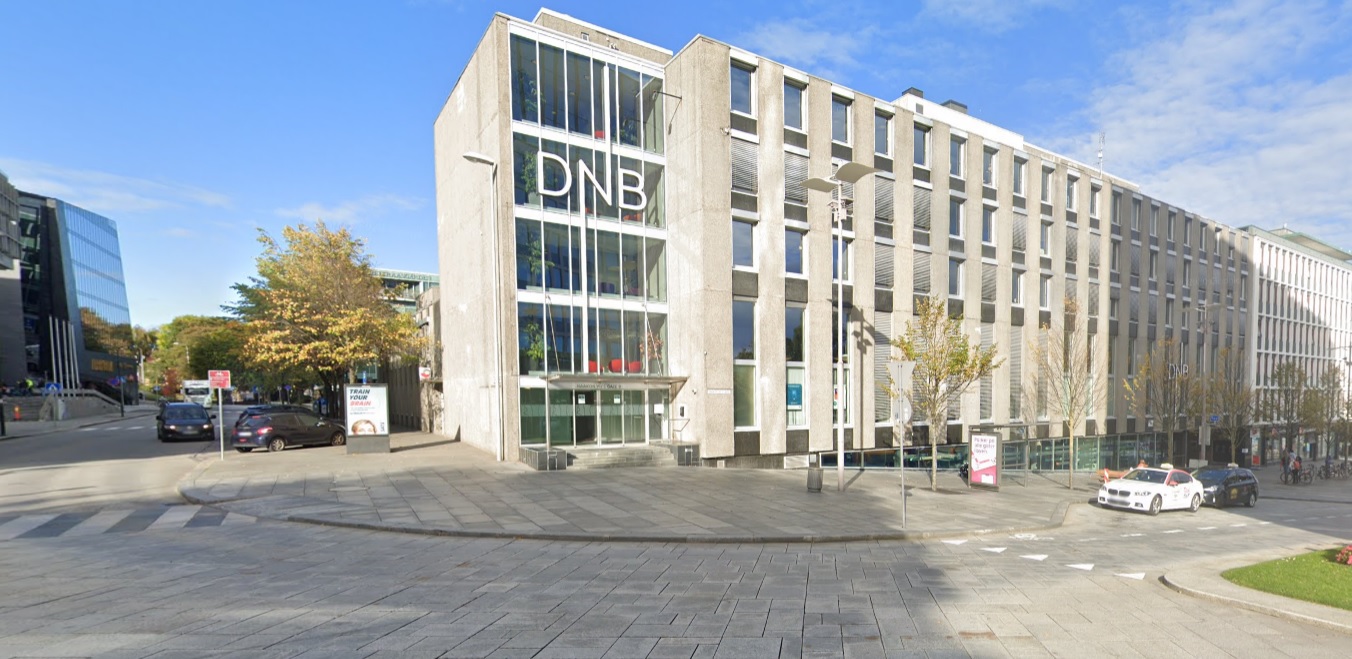
Featured image: DBN Bank in Stavanger, Norway (NordenBladet)
NordenBladet – The Norgesgruppen grocery chain earned NOK 1.6 billion before tax in the first half of 2023. Norgesgruppen owns, among other things, the Kiwi and Meny chains. The group had operating income of NOK 54.3 billion in the first half of the year. Last year, the figure was 49.4 billion, they report in a press release.
Profit before tax fell to NOK 1.61 billion, compared to NOK 1.64 billion last year.
“Our investments in price cuts have kept us competitive in a tough market, and we have achieved solid growth in operating income,” says Group CEO Runar Hollevik in Norgesgruppen.
“At the same time, we are able to make our operations more efficient in order to handle the increased costs, which is crucial in the times we are in when everything costs more,” he adds.
Investments in price cuts over a longer period weakened the operating margin by 0.4 percentage points from 3.4 percent to 3.0 percent in the first half of 2023, the company writes.
“The competition for customers in food markets is fierce, but taken as a whole, Norgesgruppen wins customers. Increased costs for important input factors such as goods, packaging and rent also affect results in the first half of the year. So far in 2023, the extraordinary cost increases from the suppliers have also continued.”
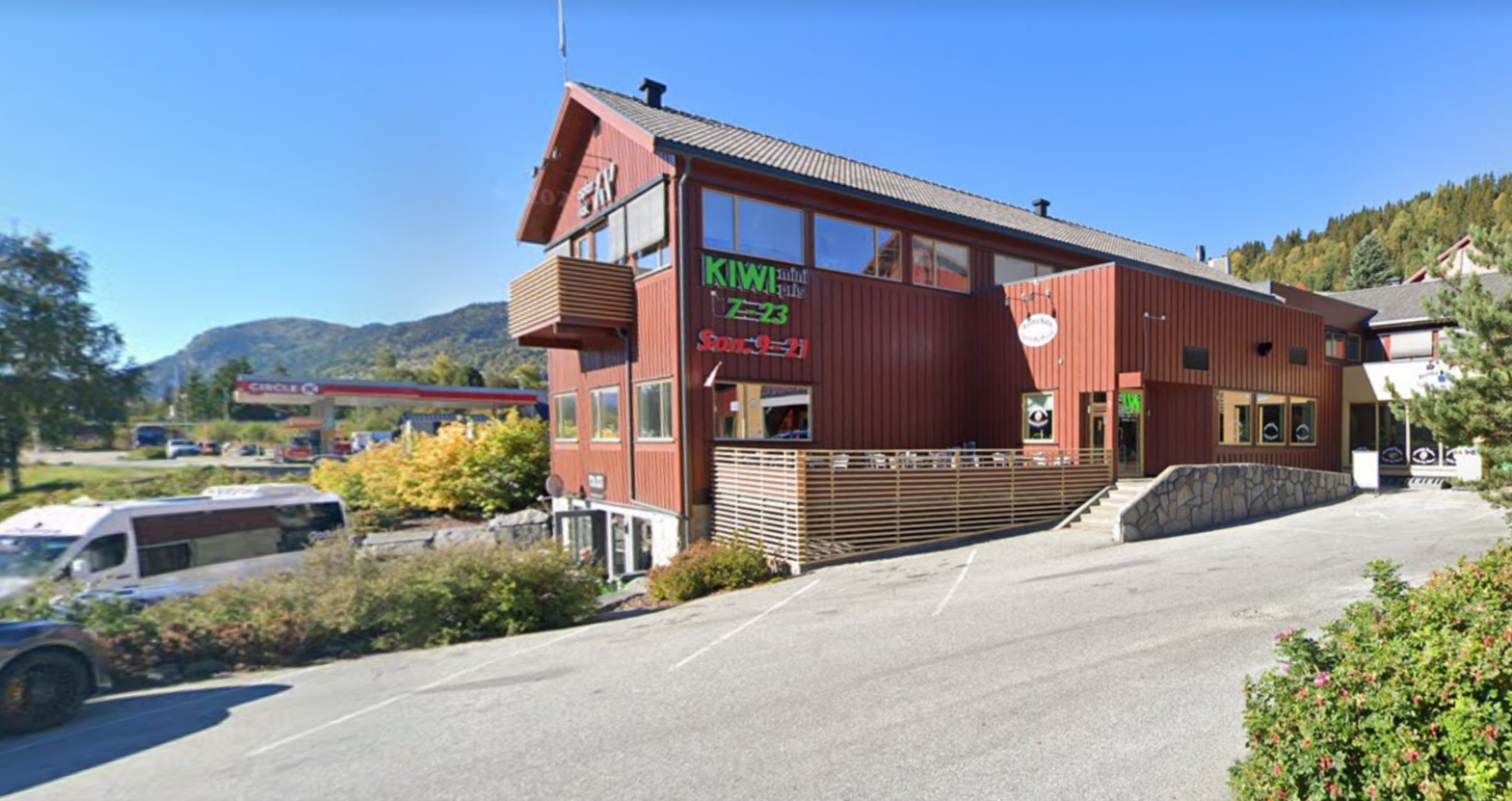
Featured image: Kiwi shop in Ål, Norway (NordenBladet)
NordenBladet – Eating apples with their skin is generally considered healthier than peeling them, primarily because many of the nutrients and dietary fiber are concentrated in or just beneath the skin.
Here’s why:
Fiber Content: Apple skins are rich in dietary fiber, including both soluble and insoluble fiber. Soluble fiber, such as pectin, can help regulate blood sugar levels and lower cholesterol. Insoluble fiber aids in digestion and promotes a feeling of fullness, which can help with weight management.
Vitamins and Antioxidants: The skin of apples contains a significant portion of the fruit’s vitamins and antioxidants, particularly vitamin C and various phytochemicals. These compounds are important for overall health and may help protect cells from damage.
Minerals: Apple skins also contain minerals like potassium, which is essential for heart health, and small amounts of calcium and magnesium.
Phytochemicals: Apples are rich in phytochemicals, including quercetin, which is found in higher concentrations in the skin. Quercetin has antioxidant and anti-inflammatory properties that may contribute to various health benefits.
Gut Health: The fiber in apple skins is essential for promoting a healthy gut microbiome. It acts as a prebiotic, feeding beneficial gut bacteria and supporting digestive health.
While there are clear advantages to eating apples with their skin, some individuals may prefer peeled apples for various reasons, including taste or texture preferences, concerns about pesticides (although washing and organic options can help address this), or digestive sensitivities.
Eating apples with their skin provides a more comprehensive range of nutrients and health benefits. The most important aspect is including apples in your diet, whether you choose to eat them with or without the skin, as they offer a variety of health advantages and can be a delicious and nutritious addition to your meals and snacks.
NordenBladet – Apples, often celebrated as a symbol of good health, are a favorite fruit for many. However, an enduring myth suggests that the seeds of apples contain cyanide, raising concerns about the potential health risks associated with their consumption. NordenBladet will delve into the science behind apple seeds, cyanide, and why the notion of cyanide toxicity from eating apple seeds is largely a misunderstanding.
Understanding Apple Seeds: Apple seeds do indeed contain a compound known as amygdalin, which can release cyanide when metabolized. However, it is crucial to put this fact into perspective. The levels of amygdalin in apple seeds are relatively low and not typically harmful to humans when consumed in moderation. To put it simply, the cyanide content in apple seeds is far too minimal to cause harm with normal consumption.
Cyanide Levels in Apple Seeds: Research has shown that the cyanide levels in apple seeds are generally harmless to humans. To illustrate this point, one would need to consume an exceptionally large quantity of apple seeds in a single sitting to potentially reach harmful levels of cyanide intake. This would be a daunting task as it would require eating hundreds of apple seeds, far more than anyone would naturally consume when eating an apple.
Detoxification Mechanism: Moreover, the human body possesses a natural detoxification mechanism to process small amounts of cyanide that may be encountered in everyday life. Our body’s enzymes are capable of breaking down cyanide and rendering it harmless, provided the levels are not excessive. This ability to detoxify cyanide is well within the capacity of a healthy individual, even if they were to ingest a few apple seeds.
So, the notion that eating apple seeds poses a significant health risk due to cyanide toxicity is largely a myth. While apple seeds do contain amygdalin, the levels of cyanide produced from their consumption are minimal and unlikely to harm humans. Apples, consumed in their entirety, remain a nutritious and delicious addition to a healthy diet. However, it is still advisable to avoid consuming a large quantity of apple seeds to ensure that cyanide levels remain well within safe limits. As with any aspect of nutrition, moderation is key, and there is no need to worry about the cyanide content when enjoying this popular fruit.
NordenBladet – Dubai is embarking on an ambitious airport expansion project as air traffic continues to surge. Dubai International Airport (DXB), already the world’s busiest international traveler hub, is gearing up for a substantial €1.5 to €2.5 billion overhaul over the next 5 to 7 years. These plans, recently revealed by Dubai Airports CEO Paul Griffiths, aim to boost DXB’s annual passenger capacity to 120 million within 15 years.
Yet, this growth is merely the beginning. Once DXB hits its maximum capacity, the focus will shift to Dubai’s second hub, Al Maktoum International Airport (DWC), which developers envision becoming “the world’s largest airport.” Currently handling around 1.6 million passengers annually, DWC’s capacity is poised to soar, potentially accommodating over 250 million passengers by 2050.
As Griffiths explained on Bloomberg Television, there’s a need to expedite efforts to enhance the existing airport’s capacity for the short term, ensuring it covers demands for the next 10 to 15 years. Subsequently, there will be a concerted push to develop the colossal airport of the future.
Dubai World Central Airport currently handles only a small fraction of the city’s incoming travelers. However, there are ongoing discussions among developers about transforming it into the world’s largest airport. A previous €30 billion expansion plan for DWC was postponed, but there’s potential for it to be revived.
According to local reports, the initial phase of this project aims to increase the airport’s capacity to approximately 130 million passengers annually. The entire development will encompass a vast area spanning 56 square kilometers. Dubai South, a comprehensive urban development initiative, has provided glimpses of this project on its social media platforms, highlighting its vision to create the world’s largest airport, complete with a multi-modal transportation network connecting air, land, and sea.
However, it’s important to note that the environmental impact of this expansion is expected to be substantial. In 2019, Dubai International Airport (DXB) alone, with 83 million passengers, was responsible for emitting a staggering 16.65 million metric tons of CO2, ranking it as the world’s highest emitter among all airports.
NordenBladet —This week the exercise “Ussisõnad” (Parseltongue) got underway in Estonia, during which nearly 10,000 reservists from the territorial defence units will refresh their individual basic military knowledge and skills. Additionally, maneuvers will be conducted at the platoon and company levels to practice engaging the adversary, setting up ambushes, and erecting …