Reklaam

Helena-Reet Ennet

Helena-Reet Ennet
4698 POSTS 0 COMMENTS

Study: Complementary migration pathways are a way to combine humanitarian and skills-based immigration

NordenBladet — A research project commissioned by the Government investigated the types of complementary migration pathways available for people in need of international protection. The main focus of the study was on labour-based and study-based complementary pathways. The number of complementary pathway programmes is growing rapidly, and they have the potential to respond to the needs of both people in need of protection and the receiving societies.Complementary pathways provide people in need of international protection with a safe and lawful route to a country that can meet their international protection needs. The routes are referred to as complementary because they are not substitutes for the refugee resettlement systems of different countries but are rather in addition to them.Examples of labour-based and study-based complementary pathways include recruitment channels and scholarship programmes created for people in need of protection, through which they can arrive in the receiving country as workers and students, rather than as asylum seekers or through refugee resettlement.The study’s international comparison revealed that complementary pathways based on work or studies have not been clearly established globally; for the time being, there are a variety of different programmes in place, many of which are still in the pilot phase.Complementary pathways are a rapidly growing phenomenonAs a rule, work-based and study-based complementary pathway programmes use ordinary visas and residence permits granted for work or study. However, they take into account the special situation of experts in need of international protection, such as difficulties in obtaining all of the documents normally required, by providing support at different stages of the application process, granting exemptions to certain criteria for entry, and waiving fees.The study found that the labour market, higher education institutions and NGOs play a key role in the current pathway process. So far, there are more study-based programmes in place than work-based ones.While the number of complementary pathway programmes is growing rapidly, their capacity is still rather modest. That said, the programmes have great potential to meet both the needs of people in need of protection and those of the receiving societies. Complementary pathway programmes cannot replace resettlement, however, as they do not target the most vulnerable refugees.Study helps in assessing opportunities complementary pathways can offerIn recent years, the UN Refugee Agency UNHCR has stressed the importance of developing complementary pathways in order to respond to the refugee situation.  Interest in developing complementary pathways is also intensified by ageing populations and the growing need for labour in many developed countries. The information gathered in the study helps us understand the nature of complementary pathways and their role in migration policy.Representatives from international expert organisations and experts working with individual work-based or study-based programmes in different countries were interviewed for the study. The researchers also organised an expert panel and webinar on complementary pathways and participated in international online events on the topic.The research team consisted of experts from the Rehabilitation Foundation, Oxford Research AB and the Migration Institute of Finland, along with an independent consultant, Dr Joanne van Selm, who specialises in migration and refugee issues.The study was conducted as part of the implementation of the 2021 Government Plan for Analysis, Assessment and Research. The research report was drawn up in English so that other countries can also make use of the information produced.

Source: Valtioneuvosto.fi
Turkish Airlines will no longer accept Syrian, Iraqi nationals on Minsk route

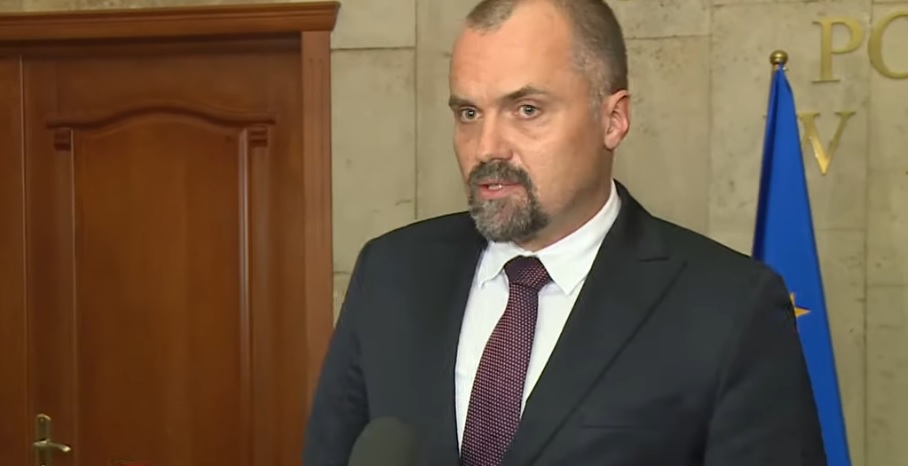
NordenBladet – Turkish Airlines (THY) will no longer accept Syrian and Iraqi nationals on its flights to Minsk except for holders of diplomatic passports, said Jakub Kumoch, the head of the Presidential International Policy Bureau of Poland and former envoy to Turkey, on Thursday.

His statement comes after claims that Turkish Airlines was flying migrants to Belarus amid a migrant crisis there.

Denying the claims as “baseless,” the airline said Turkish Airlines flights to Belarus are in no way aiding in illegal immigration traffic.

Turkey rejected efforts to “portray it as part of the problem” in the migrant crisis along the Poland-Belarus border, the Turkish Foreign Ministry said on Thursday.

Turkey, host to some 4 million mainly Syrian migrants, has been accused of contributing to the migrant flow toward Belarus’ borders. The European Union has accused Minsk of encouraging the migrants to come to its territory then pushing them to cross to Poland and other neighboring countries.

“We reject efforts to portray Turkey, which is not a party to this issue, as part of the problem,” the ministry said in a statement and added Ankara viewed the targeting of its national flag-carrier Turkish Airlines over the matter as “intentional.”

The crisis at the eastern frontiers of Poland, Lithuania and Latvia is fueling calls for the EU to finance the construction of something it never wanted to build: fences and walls at the border.

About 8,000 migrants have entered from Belarus this year, and border guards have prevented about 28,000 attempted crossings, according to European Commission figures.

Photo: Jakub Kumoch (NordenBladet)
Source: Daily Sabah

Read also:
European Union considering ban on Turkish Airlines and FlyDubai within European airports

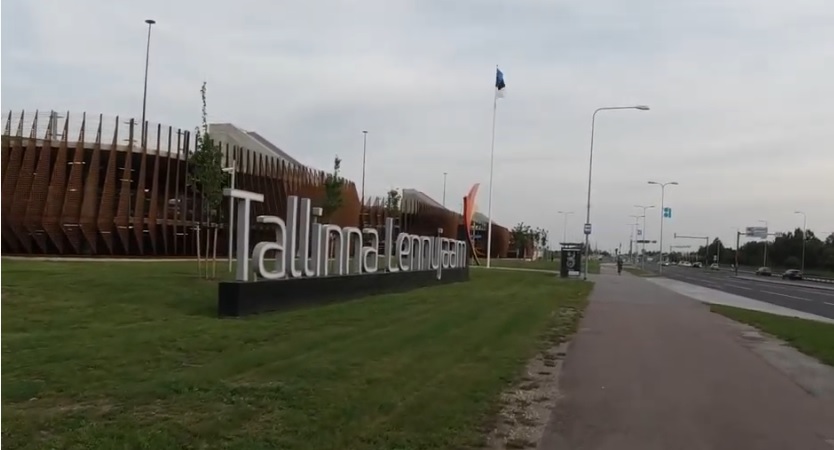
Estonia: Tallinn Airport opens 40 direct flights for winter

NordenBladet – In the coming winter, it will be possible to travel from Estonia to Tallinn Airport’s all-time record 40 destinations. A survey conducted by pollster Kantar Emor in October revealed that 39 percent of the Estonian population assess the risk of coronavirus infection when traveling as low. Tallinn Airport calls everyone to get vaccinated for the upcoming winter holiday season.

The Emor survey also showed Estonians have a great desire to go on holiday. Out of the respondents, 32 percent would fly to the Mediterranean as soon as possible, and one in every four respondents is eager to visit a friend or relative living abroad.

Tallinn Airport’s winter schedule consists of 40 direct destinations, including Egypt and the Canaries and several European capital cities.

Commercial director Eero Pärgmäe said it is understandable that people are currently looking at travel with a wait-and-see attitude. At the same time, tickets have never been cheaper. “The winter flight season lasts until the end of March, so now is the best time to make plans for the new year and next spring. To make travel care-free and easier, I urge everyone to vaccinate themselves and travel responsibly,” Pärgmäe said.

He added that passenger numbers have improved due to vaccinations. “Vaccinated people have understood that travelling does not involve greater risk of infection than, for example, going to a shopping centre, restaurant or theatre. One must behave everywhere in a responsible manner. Also in different European countries, showing a vaccine certificate is an everyday routine and so it is much easier for vaccinated people to enjoy travelling,” the airport director said.

The full list of destinations is available on the airport’s homepage.

In October, more than 184,655 passengers passed Tallinn Airport, being the highest monthly number of passengers served since the beginning of the corona pandemic, making 58 percent of the pre-crisis level. Average seat occupancy on regular flights was 68 percent. Tallinn Airport is moving towards its goal to serve 1.2 million passengers by the end of 2021.

Source: NordenBladet.ee

Piritta Asunmaa appointed as Director General of Political Department in the Ministry for Foreign Affairs

NordenBladet — The Government appointed Piritta Asunmaa to serve as Director General of Political Department for the Ministry for Foreign Affairs for a fixed term from 29 November 2021 to 31 August 2025.Piritta AsunmaaThe Government appointed Counsellor for Foreign Affairs Piritta Asunmaa, Director General of the Department for the Americas and Asia in the Ministry for Foreign Affairs, to serve as Director General of the Political Department for a fixed term from 29 November 2021 to 31 August 2025. She has served in her current position since 2019.In 2015–2019, Asunmaa served as Head of Finland’s Mission to NATO in Brussels. She worked in Brussels also from 2011 to 2015, when she was Finland’s Representative to the EU’s Political and Security Committee. From 2009 to 2011, before transferring to Brussels, she worked as Deputy Director General of the Department for Communication and Culture in the Ministry for Foreign Affairs. Her career in the Diplomatic Service includes posts in Washington DC and Paris and, another period at the Mission of Finland to NATO in Brussels.Asunmaa joined the Ministry for Foreign Affairs in 1992. She holds a Master of Social Sciences degree and has a diploma from ENA, l’École nationale d’administration, where she studied in 1998–1999.

Source: Valtioneuvosto.fi

Two-dose COVID-19 vaccination rate reaches 80 per cent for people aged 12 or over — figures show a clear rise in COVID-19 cases

NordenBladet — On 10 November, 86 per cent of the target population for COVID-19 vaccination in Finland, i.e. people who are 12 years of age or over, had received at least one vaccine dose and 80 per cent two vaccine doses. However, reaching this milestone is not enough to reverse the trend of rising COVID-19 infection rates and the growing need for hospital care.Between 4 and 10 November, the uptake of the first vaccine dose grew by 0.3 percentage points and the uptake of the second dose by 0.9 percentage points. On 10 November, a total of 121,799 people had received their third vaccine dose. It remains very important that everyone gets vaccinated, if they have not done so yet. Vaccination provides very good protection against more severe forms of COVID-19 and it also helps to protect family and friends.The incidence of new COVID-19 cases over the last two two-week period (25 October–7 November) was 167 per 100,000 inhabitants. This is around 26 per cent more than in the preceding two-week period (11–24 October) when the incidence of cases was 133 per 100,000 inhabitants. Between 1 and 7 November, about 5,100 new cases were reported in Finland, while in the preceding three weeks, the average weekly number was 3,700–4,200.A total of 119 new COVID-19 inpatients were admitted to specialised healthcare between 1 and 7 November. Over the past five weeks, the weekly numbers of new COVID-19 inpatients in specialised healthcare have varied between 110 and 135. Last week, 20 new COVID-19 patients were admitted to intensive care. Over the past five weeks, the weekly numbers of COVID-19 patients admitted to intensive care have varied between 13 and 28. At the end of last week, the total number of patients in specialised healthcare was 140, of whom 107 were in inpatient care and 33 in intensive care. The number of COVID-19 patients in specialised healthcare was higher compared to the end of the preceding week when the total number of patients was 115 (91 in inpatient care and 24 in intensive care). The burden on hospital care has remained more or less at the same level for the last month. On 10 November 2021, the total number of COVID-19-related deaths reported to the communicable diseases register was 1,212.The risk of being admitted to specialised healthcare is significantly higher for unvaccinated people than for those who have been vaccinated twice. Between August and October 2021, unvaccinated people with COVID-19 were admitted to specialised healthcare 19 times more often than those who had been vaccinated twice.Over 83,000 COVID-19 tests were taken in Finland last week. The figure is slightly higher than in the previous two weeks when about 76,500–79,500 tests were carried out weekly. Last week, the proportion of positive cases of all samples was 6.2 per cent. The proportion increased compared to the preceding week when it was 5.2 per cent. For the weeks ending on 17 and 24 October, the figures were around 4.5–4.8 per cent. The epidemiological situation is monitored weekly. The situational picture is updated weekly on the website of the Finnish Institute for Health and Welfare. An extensive monitoring report is published on the Institute’s webpage ‘Monitoring reports on the hybrid strategy’ every other week on Thursday afternoons. 

Source: Valtioneuvosto.fi

New programmes adopted for EU Home Affairs Funds for the 2021–2027 programming period

NordenBladet — The Government has adopted new programmes for the European Union Home Affairs Funds for the programming period 2021–2027. The Funds for the programming period include the Internal Security Fund, the Asylum, Migration and Integration Fund, and the Instrument for Financial Support for Border Management and Visa Policy.The total funding of the Home Affairs Funds under the programming period 2021–2027 will be approximately EUR 183 million. In connection with the mid-term review to be carried out in 2024, it is possible to obtain additional funding for the programmes provided that at least 10% of the initial allocation has been covered by payment applications by the time of the mid-term review. Additional funding will be allocated to the Member States on the basis of the criteria defined in the Regulations establishing the Funds.Security-related incidents can be prevented by preparing for newly emerging threatsThe Internal Security Fund (ISF) aims to develop tools, procedures, cooperation and situation awareness to combat and investigate cross-border crime. A further aim is to strengthen crisis resilience and preparedness for newly emerging threats in order to prevent phenomena that undermine security. The Fund also seeks to improve the protection of crime victims. The Internal Security Fund is divided into three specific objectives defined in the EU Regulation establishing the Fund:At the beginning of the programming period, Finland’s share of the funding from the Internal Security Fund will be EUR 36.60 million.Promoting implementation of common immigration policyThe objective of the Asylum, Migration and Integration Fund (AMIF) is to contribute to effective management of migration matters and to the implementation, strengthening and development of the common policy on asylum and the common immigration policy. The Asylum, Migration and Integration Fund is divided into four specific objectives defined in the EU Regulation establishing the Fund, and Finland has included the first three in its programme:• strengthening and developing all aspects of the Common European Asylum System, including its external dimension;
• strengthening and developing legal migration to the Member States in accordance with their economic and social needs, and promoting and contributing to the effective integration and social inclusion of third-country nationals;
• contributing to countering irregular migration, enhancing effective, safe and dignified return and readmission, and promoting and contributing to effective initial reintegration in third countries; and
• enhancing solidarity and fair sharing of responsibility between the Member States, in particular as regards those most affected by migration and asylum challenges, including through practical cooperation.
At the beginning of the programming period, Finland’s share of the funding from the Asylum, Migration and Integration Fund will be EUR 67.93 million. In addition, Member States will receive funding for resettlement and humanitarian admission through the Fund. Between 2021 and 2022, the funding allocated to Finland is estimated at about EUR 33.8 million.Towards strong and effective European integrated border management at external bordersThe Instrument for Financial Support for Border Management and Visa Policy (BMVI) aims to develop and implement strong and effective European integrated border management at the external borders, thereby contributing to ensuring a high level of internal security within the Union, while safeguarding the free movement of persons within the Union and fully respecting the relevant Union acquis and fundamental and human rights obligations. The Instrument is divided into two specific objectives defined in the EU Regulation establishing the Instrument:• supporting effective European integrated border management at the external borders, implemented by the European Border and Coast Guard; and
• supporting the common visa policy.
At the beginning of the programming period, Finland’s share of the funding from the Instrument for Financial Support for Border Management and Visa Policy will be EUR 77.97 million.

Source: Valtioneuvosto.fi

Defending human rights in online environment – Finland organises a virtual Freedom Online Conference

NordenBladet — Finland holds the Chairship of the Freedom Online Coalition (FOC) in 2021. In this capacity, Finland will organise a virtual Freedom Online Conference from 30 November to 3 December 2021, which celebrates FOC’s 10th anniversary. The Conference will culminate with a virtual FOC Ministerial Meeting, hosted by Minister for Foreign Affairs Pekka Haavisto.In addition to the 34 FOC member governments, the Conference will bring together experts in human rights, internet and digitalisation issues from civil society organisations, companies and research institutes. The aim is to share best practices and discuss how to promote a free, accessible and safe internet open to all in the 2020s.Openness, accessibility, inclusionSince FOC’s establishment in 2011, the number of internet users has grown exponentially. Digital technologies offer more and more opportunities, for example, for information exchange and interaction between people. Access to the internet has become necessary because it is a precondition for the availability of services and for economic and social participation. At the same time, a large share of the world’s population do not have access to the internet and digital technologies. Every year, network functions are dismantled for political reasons, and new technologies are exploited for political oppression and in the interest of economic gain. FOC’s mission to defend and promote human rights in the online environments is more topical in the 2020s than ever before.The theme of the 10th anniversary conference is “Openness, accessibility and inclusion – Human Rights Online in the 2020s”.  The programme will include panel discussions focusing on such topics as access to the internet and digital inclusion, the development of artificial intelligence, cybersecurity and challenges posed by authoritarian regimes.Registration for the conference Janette Sorsimo-Kimmo, Unit for Human Rights Policy, Ministry for Foreign Affairs,janette.sorsimo-kimmo(at)formin.fi

Source: Valtioneuvosto.fi

Evaluation: Finland’s guarantee scheme improved SMEs’ access to funding  

NordenBladet — The purpose of Finland’s guarantee scheme was to support the availability of SME financing by providing banks with guarantees for business loans. According to an evaluation commissioned by the Ministry of Economic Affairs and Employment, the guarantee scheme achieved its economic policy objectives well. The scheme provided a tenfold leverage effect on public funding. By granting additional guarantees on business loans, the Finnish guarantee scheme made it easier for small growth companies to obtain financing. Guarantees focused on companies that are new, innovative, experiencing strong growth or in the process of internationalising.“I am very pleased with the results of the guarantee scheme evaluation. The programme has succeeded both in improving the financial position of companies and in expanding the supply of services in the financial markets. Finland, the European Investment Bank Group and the European Commission have cooperated to share the risk, which has resulted in a tenfold leverage effect on public funding. This, if anything, is effective cooperation,” says Minister of Economic Affairs Mika Lintilä. “I am very pleased to see the positive impact of a multiannual effort by the European Commission, the Government of Finland, the EIF and the EIB in support of fast growing and innovative local small businesses. The results from the evaluation study provide a clear evidence that SME Initiative Finland achieved its objectives in increasing access to finance for Finnish SMEs by providing preferential borrowing conditions which would have not been available without the instrument. The European Investment Fund is looking forward to continue its successful cooperation with the Finnish Ministry of Economic Affairs and Employment”, says Alain Godard, EIF Chief Executive.The financing reserved for the guarantee scheme in the years 2016–2020 totalled EUR 40 million. Of this, EUR 20 million was funded from the European Regional Development Fund (ERDF) and EUR 20 million from national funds. The European Investment Fund, which is part of the European Investment Bank (EIB) Group, was responsible for the implementation of the guarantee programme. Five banks acted as intermediaries for the loans: OP Bank, Nordea, Aktia, Oma Savings Bank and Savings Banks Group.Significant amount of support directed to start-upsBy the end of 2020, loans from the guarantee scheme were granted to more than 700 companies. The overall amount of loans granted was about EUR 400 million. Most loans were granted to companies in the industry and trade sectors.The evaluation shows that the guarantee scheme provided funding to start-ups and young companies to a significant degree.  Almost one in three guarantees were granted to companies that were less than one year old at the time of the granting and more than half of the guarantees went to companies less than five years old. The scheme’s objective was to allocate funding to growing companies and, according to the evaluation, this objective was met. On average, the turnover of companies that received funding under the scheme grew much more than the turnover of other SMEs.Guarantee scheme increased number of SMEs obtaining bank financingAccording to the evaluation, the guarantee scheme succeeded in improving the availability of financing for SMEs. It increased the number of SMEs obtaining bank financing.A large part of the guarantees were granted to micro-sized enterprises, start-ups and companies involved in corporate acquisitions or undergoing generational change. The scheme was successfully used in situations where a lack of guarantee typically hampered access to bank financing.The majority of the companies interviewed believed that they would not have received any bank financing without the guarantee offered by the scheme. On the other hand, a large number of companies believed that the funding could have been arranged from other sources. Without the scheme, projects and investments would have been slower and smaller in size, however. The evaluation also examined the scheme’s wider impact on the financial markets and the business sector. The guarantee scheme has expanded the SME loan market, especially for start-ups, and diversified the provision of loan financing to SMEs. The scheme has also helped to expand funding opportunities as banks have utilised EIB’s new financing services. Involving banks and introducing the scheme in bank branches key to successBanks widely introduced the scheme within the framework permitted and the allocation of guarantees was driven in particular by banks’ strategies and focus on certain customer segments or geographic areas. According to the evaluation, it was important for the coverage of the SME market that several banks acted as intermediaries in the scheme and that it was introduced widely in the banks’ branches.  Despite the extensive use of the scheme by banks, some companies may have been excluded from the scheme, as banks geared it towards their preferred markets.  The report states that using the guarantee scheme was easy for companies, because banks were responsible for the administrative work.The evaluation was carried out by 4FRONT Oy.

Source: Valtioneuvosto.fi

President of the Riigikogu is visiting Hungary  

NordenBladet —

The President of the Riigikogu Jüri Ratas is on an official two-day visit to the Republic of Hungary. He is accompanied by the Chairman of the Estonia-Hungary Parliamentary Group Anti Poolamets.

First, the President of the Riigikogu will visit the honorary consulate of Estonia in the Eötvös Loránd University, where he will meet the Head of the Chair of Finno-Ugric Languages, Honorary Consul Andres Bereczki. This will be followed by meetings with the Hungarian Minister of Justice Judit Varga, and the Chairman of the Hungary-Estonia Parliamentary Friendship Group Attila Tilki. The President of the Riigikogu will also pay a visit to the Urban Development Centre and hear about the Budapest Liget Project.

Tomorrow, Ratas will meet the Speaker of the National Assembly of Hungary László Kövér and hear about the work of the parliament. The President of the Riigikogu will then pay a courtesy visit to the President of Hungary János Áder.

Source: Parliament of Estonia

Estonian Government changes event capacity restrictions and vaccination doses

NordenBladet – The government on Thursday decided to change the spectator capacity restriction for public events starting next week, allowing indoor events to be organized for up to 1,000 participants, outdoor events can have 2,000 participants.

“Data from the Ministry of Culture shows that such major events are not scheduled to take place currently. The reason for this restriction is that is not reasonable to organize major events. Although we are in a downward trend, we are right on the edge,” Prime Minister Kaja Kallas (Reformierakond) announced at a press conference.

The government will also allow people vaccinated with the AstraZeneca and Janssen vaccines to get booster doses after five months, because the efficacy of those two vaccines deteriorates faster in time.

Kallas added that the government also recommends family physicians issue sick leave permits for people home with someone infected with the coronavirus.

The prime minister said most Estonians are responsible and listen to recommendations. “Making things mandatory is complicated. Who monitors who lives with who? There are blended families. People have summer homes,” Kallas said.

The prime minister said all decisions are made with two goals in mind. “Number one: an open society. Number two: motivating people to get vaccinated. An order to stay in isolation would decrease motivation. Our vaccination rates are slowing down again,” Kallas said.

Minister of Health and Labor Tanel Kiik (Center) said people vaccinated with Pfizer and Moderna vaccines can receive a booster dose after six months, only people vaccinated with the AstraZeneca and Janssen vaccines can receive an additional dose five months after the initial vaccination process was completed.

He noted that infection indicators are in a downward trend and hospitalization numbers are also improving. “Estimates show that we will enter a downward trend for hospitalization in the coming weeks, which gives hospitals and the Estonian healthcare system an opportunity to avoid the decisions, which would have seen additional hospital beds created for coronavirus patients and the suspension of scheduled treatments,” Kiik said.

“We do not have anything to cheer for, the crisis is not over. There are waves stemming from the Delta variant across Europe,” the health minister said. “The Covid crisis is our main challenge, but we must also look to the future and protect public health. We have agreed to initiate a Public Health Act. We will define terms and principles, which will be referred to when organizing healthcare.”

Photo: Erik Peinar
Source: NordenBladet.ee