Reklaam

Helena-Reet Ennet

Helena-Reet Ennet
4698 POSTS 0 COMMENTS

Finland: Working group on peat proposes ways to help the sector in transition and to increase role of peat in security of supply

NordenBladet — The working group on peat, which was appointed by the Ministry of Economic Affairs and Employment, submitted its report to Minister of Economic Affairs Mika Lintilä on 31 March 2021. The report includes measures to improve the situation of peat industry operators as demand for energy peat declines sharply due to the emission allowance prices rising much faster than previously forecast.

The working group also proposes measures to ensure the security of supply in a situation where the use of peat for energy could fall by as much as 70% by 2025, as per some forecasts. According to the Government Programme, the energy use of peat is to be cut by at least half by 2030.

The transition should take place in a way that is fair and just, both regionally and socially, and that does not jeopardise the security of supply in terms of electricity and heat in Finland. The working group also explored ways in which peat, instead of burning it, could be used for innovative products with higher added value.  “The peat industry is in a difficult situation as the demand for energy peat falls dramatically due to the rising allowance prices. The working group was able to work and cooperate well. In response to the mandate, we highlight 26 measures, which focus on urgently improving the situation of peat industry operators. I hope that during the further preparation the measures will form a mutually supportive package capable of meeting the challenges. This, of course, requires political decisions,” says Timo Korhonen, Chair of the working group.

“According to the Government Programme, the reduction in peat energy use should take place in a way that is fair and just, both regionally and socially, and that does not jeopardise the security of supply in terms of electricity and heat in Finland. The working group is now proposing solutions for this recklessly rapid change to limit the damage to the peat industry. I will submit these proposals to the Government for deliberations,” Mika Lintilä says. “Ensuring the production and availability of horticultural and bedding peat is of paramount importance. For example, the production chains of wood tree seedlings and horticultural production are based on the use of peat-based substrates. In domestic animal production, bedding peat also plays a key role in maintaining animal welfare and production hygiene, and reduces the need for antibiotics,” Minister of Agriculture and Forestry Jari Leppä says.

Different ministries will now evaluate the proposals.Proposals to improve the situation of peat industry operators As the fastest and most effective measure to improve the situation of peat industry operators, the working group proposes a one-off package for them to close down their operations. In this context, consideration would be given to compensation paid in part by the State to peat producers for unsold stock; acquisition of privately owned or leased peat production areas for use by Metsähallitus; appointment of a working group to determine the level of compensation for the disposal of peat production machinery and equipment; an adjustment allowance paid to an operator who discontinues peat production, and preparation of an early retirement pension for older peat industry operators.

The second set of proposals relates to the controlled transition of peat industry companies to new business activities. According to the working group, these proposals would be less effective than the first set of proposals, but could be funded from the EU’s Just Transition Fund. These measures would include supporting new business opportunities for peat industry operators; regional measures focusing on regional vitality, promotion of employment and prevention of exclusion; a programme ‘From peat to bioeconomy, nature management and multisectoral entrepreneurship’ for peat industry operators; financial advice and support to peat industry operators; rehabilitation of personnel of peat companies; and State support for peat industry operators who are at risk of losing real property, including homes, due to bankruptcy.

Proposals relating to security of supply in energy
The proposed measures aim to maintain the possibility of producing energy peat during the transition period as, according to the working group, the use of peat as fuel should be reduced at a moderate rate during the transitional period in order to prevent a risk to security of supply. Expert consultations have clearly demonstrated that peat and wood are needed to ensure security of supply in heat production in the next few years. Other proposals related to security of supply include the definition of the minimum use of peat in energy production in different plants and its development in 2020–2030 and beyond, as well as an annual estimate of the amount of use and production required for security of supply. In addition, it is proposed that the lower limit for the tax-exempt use of peat per plant be raised from 5,000 MWh to 10,000 MWh, which would mean that only the part of production exceeding that level would be taxable. In addition, the floor price mechanism would be supplemented with a flexibility mechanism, where the tax on energy peat would be inversely dependent on emission allowance prices. As the amount of energy peat decreases in the next few years, the need for wood will grow substantially. The working group therefore proposes measures to ensure the availability of domestic forest chips, to encourage district heating companies to better prepare for exceptional situations affecting security of supply, to examine the feasibility of increasing the compensation for security stockpiling of peat, to secure areas for production of horticultural, bedding and energy peat, to examine the use of biocarbon as a fuel for security of supply and to promote non-combustion-based solutions.

The working group also proposes an aid scheme for new peat-based products with higher added value in order to promote product development and exports. The use of new products will also help the ongoing use of horticultural and bedding peat and maintain energy peat as a fuel for security of supply. The package of measures also includes proposals for sustainable use of the peat production areas that will be dismantled and for products to replace peat used for other purposes besides energy.The working group states it has not been able to assess in detail the effects that the proposed aid measures would have on State aid. These issues need to be clarified in further political preparation. The same applies to the use of the EU’s Just Transition Fund.   The working group’s report contains three dissenting opinions and one supplementary statement.

 

Estonia: Nearly 30% of people over the age of 70 have been vaccinated against COVID-19 with at least one dose

NordenBladet — As of this morning, 166,163 people in Estonia have been inoculated against COVID-19 with at least one dose of a vaccine, while 57,003 people have received both doses. A total of 223,166 vaccinations have been carried out. To date, 36% of people over 80 and 29% of those over 70 have been vaccinated with at least one dose. 

‘This week saw the continued vaccination of, primarily, people at increased risk from COVID-19 and, to a lesser extent, frontline workers. Although the quantities of vaccines delivered to Estonia were smaller than expected, more than 30,000 vaccinations were carried out over the week. During the past week, vaccination coverage among people over the age of 70 increased significantly,’ said Minister of Health and Labour Tanel Kiik. ‘In order to prevent serious illnesses and deaths from coronavirus and to alleviate the burden on our health care system, it is essential to immunise those who are the most vulnerable to COVID-19 due to advanced age or poor health as quickly as possible. This will remain our priority in the coming weeks.’

A total of 31,982 vaccinations have been given so far this week, of which 2,285 were given yesterday. In the week ahead, vaccination of people at increased risk will continue at family physicians’ offices; meanwhile, vaccination of educators, social workers, and strategic frontline workers is also underway. Starting yesterday and lasting until Tuesday, additional vaccinations will be given to people over the age of 70 in Maardu, Loksa, and the Lasnamäe district of Tallinn, which are currently the areas with the highest coronavirus infection rates in Estonia.

According to the European Center for Disease Prevention and Control (ECDC), on average 10.3% of the adult population in the European Union is currently vaccinated with at least one dose – 14.1% in Estonia. Estonia has now risen to fourth place in COVID-19 vaccination coverage among EU countries.

In terms of age groups, vaccination coverage is highest among people aged 80 and over, of whom more than a third (36%) across Estonia have received at least one dose of a vaccine. In five counties – Saare County, Hiiu County, Lääne County, Rapla County, and Järva County – more than half of those over 80 years of age have been vaccinated. Over the previous week, vaccination coverage has also increased slightly in Ida-Viru County, where every seventh person over the age of 80 has been vaccinated as of now. Of all persons over the age of 70, 29% have been administered at least one dose of a vaccine, which is 8% more than a week ago.

To date, vaccinations have been performed by a total of 492 health care institutions, including 403 family health centres. More than half of all vaccinations (53%) have been given at family health centres. 33% of vaccinations have been performed at hospitals, 6% by specialist medical care providers, and another 6% by nursing care providers.

Next week, 19,890 doses of the Pfizer/BioNTech COVID-19 vaccine, 10,800 doses of the Moderna vaccine, and 4,800 doses of the AstraZeneca vaccine are expected to arrive in Estonia. The national expert committee on immunoprophylaxis has issued a recommendation to reserve the AstraZeneca COVID-19 vaccine primarily for vaccination of people over 60 years of age in the coming weeks.

The objectives of COVID-19 vaccination are to protect at-risk groups of the population, who have a higher risk of becoming infected or developing severe illness from COVID-19; to prevent and reduce COVID-19-related illnesses and deaths; to reduce the burden on the health care system and the economy; and to ensure the normal functioning of society.


Finland to participate in IEA-COP26 Net Zero Summit ahead of the Glasgow Climate Change Conference

NordenBladet — On 31 March 2021, Finland will participate in the IEA-COP26 Net Zero Summit, which will discuss measures to speed up the transition to clean energy as well as means for States to cooperate more effectively to reduce greenhouse gas emissions to net zero by 2050 in order to achieve international climate goals.

Finland’s representative at the virtual meeting will be Minister of Economic Affairs Mika Lintilä.

The summit precedes the publication of the special report “The World’s Roadmap to Net Zero by 2050” on 18 May, which the International Energy Agency (IEA) describes as the world’s first comprehensive roadmap towards zero emissions by 2050. The Summit will also serve as preparation for the Conference of the Parties (COP26) of the UN Framework Convention on Climate Change, which will be held in Glasgow in November. The meeting will be hosted by the IEA’s Executive Director Fatih Birol and the President of the COP26 Alok Sharma. Participants of the Summit include energy and climate ministers from more than 40 countries, whose gross domestic product and greenhouse gas emissions account for the majority of the world’s economy and emissions. A number of NGOs and companies have also been invited to the meeting.

At the meeting, Finland will participate in a thematic group that will consider ways to build international trust in order to achieve long-term climate objectives. According to Minister Lintilä, ambitious climate goals require rapid and determined implementation globally. In this, using all clean forms of energy, promoting new climate-friendly business opportunities and planning policies based on the best information available are key issues, Lintilä says. The Summit is also available on the following Twitter accounts: @IEA, @fbirol, @COP26 and @Alok_SharmaRDG


Sweden: Crown Princess Victoria: Godmother of Europe

NordenBladet – Crown Princess Victoria is often referred to as the ‘Godmother of Europe.’ She received this rather unusual nickname because she has 18 (yes, eighteen) godchildren.

Crown Princess Victoria is one of Europe’s most popular royals. Every single year she is voted the most popular royal in her own country of Sweden. Many royals seem to like the Crown Princess, as well, as they have often asked her to be godmother to their children. Crown Princess Victoria almost has a godchild in every European country with a monarchy. In addition, she is the godmother to three future Kings and Queens.

Crown Princess Victoria has a very close relationship with Crown Prince Frederik and Crown Princess Mary of Denmark. Victoria is the godmother of the Danish Couple’s firstborn, Prince Christian. Crown Princess Mary is godmother to Victoria’s and Daniel’s firstborn, Princess Estelle, while Frederik is godfather to Prince Oscar.

Princess Catharina-Amalia, daughter of King Willem-Alexander and Queen Máxima of the Netherlands, is also lucky to have Crown Princess Victoria as her godmother. In return, King Willem-Alexander is also one of Princess Estelle’s godfathers. Victoria is also listed as one of Princess Ingrid Alexandra of Norway’s godmothers. Crown Prince Haakon is conversely godfather to Princess Estelle, while Crown Princess Mette-Marit has Prince Oscar as a godchild.

Other royal godchildren of Crown Princess Victoria, who will not become King or Queen one day, are Princess Eléonore of Belgium, daughter of King Philippe and Queen Mathilde and Prince Constantine Alexios of Greece and Denmark, son of Crown Prince Pavlos and Crown Princess Marie-Chantal of Greece. In 2014, Princess Katharina of Saxe-Coburg-Gotha was added to the long list. She is the daughter of the Hereditary Prince and Princess of Saxe-Coburg and Gotha, the heirs of the Ducal Family of Saxe-Coburg and Gotha.

Most of their parents chose Victoria as a godmother to their son or daughter because she is the Crown Princess and future Queen of Sweden, and royals often want other royals to become their children’s godparents. Of course, the bond between Her Royal Highness and the parents of her godchildren is often quite close.


Crown Princess Victoria is godmother of her niece, Princess Leonore (Photo: Anna-Lena Ahlström, Kungahuset.se)

The Crown Princess is also the godmother of various family members. She became Princess Leonore’s godmother in 2014 when her younger sister, Princess Madeleine and brother-in-law, Chris O’Neill, became parents for the first time. Her most recent godchild is Prince Alexander, son of her brother Prince Carl Philip and sister-in-law Princess Sofia. Thus, Victoria is both their aunt and godmother. In return, Prince Carl Philip and Princess Madeleine are respectively godparents to Princess Estelle and Prince Oscar. The children of King Carl XVI Gustaf and Queen Silvia of Sweden created the tradition that the aunts and uncles of the children will also become the godparents according to the birth order.

On her mother’s side, Crown Princess Victoria is godmother to many Sommerlath children. Her first godchild was Vivien Sommerlath, now 24-years-old. She is the daughter of Victoria’s maternal uncle, Jörg Sommerlath. Vivien is also a godchild of Queen Silvia. Giulia Sommerlath, daughter of Victoria’s maternal uncle Thomas Sommerlath is also on the list. Crown Princess Victoria’s cousin, Patrick Sommerlath and his wife Camilla Lundén also asked Victoria to be their son Leopold’s godmother.

On her father’s side, Crown Princess Victoria is the godmother of Ian de Geer, son of Princess Désirées, daughter/ Victoria’s cousin, Tina and Hans de Geer. Also, Madeleine von Dincklage, the daughter of Victoria’s cousin, Sybilla von Dincklage, is one of Victoria’s godchildren. Then there is also Gustaf Magnusson (son of Victoria’s aunt Princess Christina), who asked Victoria to be the godmother of his and Vicky Andrén’s daughter, Désirée.


Crown Princess Victoria is the godmother of her nephew, Prince Alexander. Photo: Mattias Edwall, The Royal Court, Sweden

Furthermore, Crown Princess Victoria is godmother to several children of her good friends. She is a godparent of friends Caroline and Peder Dinkelspiel’s son, Willem; friends Andrea Brodin and Niclas Engsäll’s daughter, Diana; friends Caroline and Jesper Nilsson’s daughter, Chloé; and friends Karl-Johan and Leonie Persson’s son, Ian.

At the wedding of Crown Princess Victoria and Prince Daniel, many of these godchildren were part of the bridal party. Princess Catharina-Amalia, Princess Ingrid Alexandra, Prince Christian, Vivian, Leopold and Giulia Sommerlath, Ian de Geer and Madeleine von Dincklage were pageboys, flower girls and bridesmaids at the wedding. The other godchildren were either too young to participate or not born yet.

After seeing this long list of children, it is no surprise that the Crown Princess of Sweden is also called Europe’s godmother. Victoria has many gifts to buy each year for her many goddaughters and godsons.

Featured image: Elisabeth Toll, The Royal Court of Sweden

Finland: 327,100 unemployed jobseekers in February

NordenBladet — A total of 327,100 unemployed jobseekers were registered at the Employment and Economic Development Offices at the end of February. This was 79,000 more than a year earlier. The number of unemployed jobseekers was down by 5,700 from the previous month.

The number of unemployed jobseekers also includes those fully laid off. These figures are from the Employment Bulletin of the Ministry of Economic Affairs and Employment.At the end of February, the number of people laid off was 72,600 in the whole country; a year-on-year increase of 47,700. The number of people fully laid off totalled 55,700, representing an increase of 36,900 from February the year before. The number of people fully laid off decreased by 2,100 from January.The number of long-term unemployed — that is those who had been unemployed without interruption for at least a year — amounted to 96,100, up 32,900 on the previous year. The number of unemployed jobseekers aged over 50 was 120,000, representing an increase of 26,500 on the year before.

The number of unemployed jobseekers aged under 25 was 38,800, representing an increase of 9,100 from February last year. Among unemployed young people, the period of unemployment ended within three months on average in 51.7% of cases between January and February, which is 12.3 percentage points less than the year before.Increase in new vacanciesThe number of new vacancies reported to Employment and Economic Development Offices during February totalled 78,700, or 5,100 more than in February the previous year. In all, the number of unfilled vacancies at Employment and Economic Development Offices in February amounted to 160,600, showing a decrease of 3,900 from last year.At the end of February, the number of persons covered by services included in the activation rate amounted to 115,200, down 4,000 on the previous year. These services include pay subsidies, labour market training, work trials and self-motivated studies.Statistics Finland: Unemployment rate 8.1%According to the Labour Force Survey issued by Statistics Finland, in February the number of people in employment was 6,000 less than on the previous year. The employment rate was 70.0%, which was 0.2 percentage points lower than in February the year before. According to the Survey, the unemployment total was 220,000, which is 35,000 more than a year ago. The unemployment rate was 8.1%, or 1.2 percentage points higher than the previous year.Press release on the revision of the Labour Force Survey: https://www.stat.fi/til/tyti/tyti_2020-12-22_uut_001_en.html

Key differences between Employment Service Statistics and the Labour Force Survey
This information is based on the Ministry of Economic Affairs and Employment’s Employment Service Statistics and the Labour Force Survey of Statistics Finland. The Employment Service Statistics of the Ministry are compiled on the basis of the information in the Employment and Economic Development Offices’ customer register, while the Labour Force Survey of Statistics Finland is based on sampling.In the Ministry’s Employment Service Statistics, people that are not in an employment relationship or employed in business are listed as unemployed. Persons fully laid-off but not full-time students are also categorised as unemployed in the Employment Service Statistics. The Labour Force Survey of Statistics Finland has a stricter definition of being unemployed: a person is unemployed if he or she has actively sought employment during the preceding four weeks and is available for work over the coming two weeks. The figures of the Labour Force Survey of Statistics Finland are internationally comparable and thus they are the official Finnish unemployment statistics.Further information on the differences in the statistics https://tilastokeskus.fi/til/tyti/tyti_2019-09-13_men_001_en.html


Finland: Act postponing municipal elections approved

NordenBladet — The 2021 municipal elections will be held on Sunday 13 June 2021. The Act on the Postponement of the 2021 Municipal Elections entered into force today.

Election day is 13 June 2021. The advance voting period is from 26 May to 8 June in Finland and from 2 to 5 June abroad. This year, the advance voting period in Finland is longer than usual, two weeks, and municipalities have been granted support for the extra costs arising from the extension.

Candidate applications submitted earlier to the central municipal election boards are still valid. However, it is possible to make changes to the applications and submit new applications until 4 May.


Finland: Study: Careful planning needed to halt biodiversity loss while increasing wood production

NordenBladet — To halt the loss of biodiversity, both nature protection and nature management in commercial forests should be increased. This is the conclusion of a study published on 29 March, conducted by the Natural Resources Institute Finland, Metsähallitus, Pellervo Economic Research Institute, Finnish Wildlife Agency and Finnish Environment Institute.

The study was commissioned by the Government.Besides targets concerning the surface areas, halting biodiversity loss in a cost-effective way requires that we are capable of identifying the sites that at the moment are the best ones in terms of preserving biodiversity and, on the other hand, areas that are less significant for wood production that could be developed in a way that enhances biodiversity. A strong increase in the surface area protected and nature management in commercial forests would cause considerable costs to the State if compensations were also paid for nature management. Growth in the demand for wood at the same time would increase the costs even further, because higher wood prices would mean higher compensations to be paid to landowners for the protected areas.

The project ‘Cost-effective measures for halting biodiversity loss in forests’ (KEIMO), conducted as part of the Government’s analysis, assessment and research activities, analysed the economic and ecological impacts of a strong increase in forest protection and nature management in commercial forests and how these could be reconciled with a simultaneous increase in the demand for wood and felling operations. The EU Biodiversity Strategy 2030 also stresses the need to increase the surface areas protected and nature management in commercial forests to halt biodiversity loss and adapt to climate change

Nature management should be targeted to areas close to protected areas
The biodiversity of forests can be preserved more cost-effectively when the wishes of landowners are taken into account in nature management and measures are targeted to areas where the preconditions for them to succeed are in place. These include areas adjacent or close to areas that are already protected.“However, protection should also be targeted to heathland and peatland forests with an old-growth stand of significant nature value, as well as to favourably located sites with young stands or felling sites for nature management purposes where nature values are still evolving,” says Kimmo Syrjänen, Head of Unit at the Finnish Environment Institute.

The criteria and statistics related to nature management need to be developed further to enable better monitoring of the quality and volumes of nature management measures.Good forest management must support the reconciliation of biodiversity protection and wood productionIn the project six scenario calculations were made that differed from each other with respect to the increase in roundwood removals (72.4–80 million m3), surface area protected and nature management measures in commercial forests (retention trees, mix of deciduous trees and rotation period).

Based on the study, it is not possible to double the surface area of nature conservation areas in southern and central Finland, strongly increase nature management in commercial forests and raise roundwood removals to 80 million m3 at the same time if we also wish to preserve the future felling potential. In commercial forests the volume of the growing stock (amount of wood) stays about the same for the next 30 years in a scenario where protected areas and nature management measures increased as described above but there was no increase in roundwood removals. During the period covered by the study, an increase of roundwood removals to 80 million m3 alone had no impact on the growing stock volume, either.

The cost-effectiveness of preserving biodiversity is the weaker the higher the demand for wood is. There are two main causes for this: protection costs more if the price of wood is higher, and biodiversity leakage is also higher. This means that the increase in protection and nature management measures improves biodiversity in the sites concerned, but more felling is being done and more intensively elsewhere in commercial forests. A strong, simultaneous increase in protection, nature management measures and felling would lead to younger commercial forests and a considerable decrease in the growing stock volume over the next 30 years.

Younger commercial forests would mean that in the long term there would not be enough domestic wood to meet the needs of the forest industry. Domestic wood can be replaced by imports, but this may have adverse impacts on biodiversity somewhere else. Increasing the growth of forests in areas other than those designated to protection or nature management e.g. by means of timely seedling stand management, fertilisation and bred seed and seedling materials would improve the possibilities to increase protection, nature management and felling at the same time. In the long term increase in afforestation would also contribute to this.

“We should bear in mind that scenarios are alternative images of the future, and it is unlikely that the targets for surface areas and roundwood removals presented in them would ever be realised as such. However, scenarios are a good tool for illustrating the challenges associated with preserving biodiversity and increasing wood production,” says Leena Kärkkäinen, Senior Scientist at the Natural Resources Institute Finland.

Voluntary protection measures are important, costs to State economy may be highFor the purposes of the study, the increase in the protected forest area took place on a voluntary basis and landowners received full compensation for the income losses, in accordance with the Forest Biodiversity Programme for Southern Finland. Preserving habitats that are important for game animals and forest bird species also promotes the wellbeing of forest ecosystems.

To double the protected area from the present in southern and central Finland by 2030, the funding of the Forest Biodiversity Programme for Southern Finland Metso should be increased by more than ten-fold to at least EUR 240 million a year. If nature management measures in commercial forests were also increased, the annual costs would rise to an estimated EUR 460 to 530 million. In addition, more resources would be needed for the administration that implements the protection.A strong increase in the protected area would not be possible without less strict selection criteria for the sites, which means that areas where nature values are still evolving would be protected. This would increase the number of sites offered for protection, as well as reduce the costs.

New instruments to enhance biodiversity needed
Cost-effective means to encourage forest owners to offering more sites for protection and interest them in nature management include enhanced communication on the Forest Biodiversity Programme for Southern Finland Metso and the Helmi programme concerned with the restoration of habitats. Area-related payments could provide better incentives to forest owners to preserving structural characteristics of forests that promote biodiversity. In addition, similar offsetting mechanisms could be developed for preserving biodiversity as have been introduced for offsetting greenhouse gas emissions.


Finland: Technology and equality addressed in the Generation Equality forum on 29–31 March – Finland holds an international lead role

NordenBladet — The actions through which the global campaign will promote gender equality in technology and innovations will be announced on a virtual forum held in Mexico. Finland holds a lead role in this work. The forum will be attended by Prime Minister Sanna Marin and Minister for Development Cooperation and Foreign Trade Ville Skinnari.

Coordinated by UN Women, the objective of the Generation Equality campaign is to accelerate the attainment of gender equality objectives worldwide. Last year, Finland was appointed to lead the Action Coalition that focuses on gender equality in the field of technology and innovations. The coalition will publish its concrete action blueprint in connection with the virtual forum held in Mexico.

The priorities put forward by Finland are strongly present in the action blueprint. The requirement for the elimination of gender-based online violence and creation of safe online environments for all is one of the main objectives of the global action plan.The blueprint will be published in a high-level panel discussion, attended by Minister for Development Cooperation and Foreign Trade Ville Skinnari as Finland’s representative. Prime Minister Sanna Marin will speak in the session discussing women’s leadership. Additionally, Johanna Sumuvuori, State Secretary of the Minister for Foreign Affairs, will attend the event to set up a group of friends of gender equality.

“Online violence and harassment are human rights violations and, as such, as reprehensible as any forms of violence taking place offline. Online harassment that targets women, girls and minorities in particular is also a real threat to democracy, as it restricts and hinders participation in social debate. We need global regulation, commitments and actions to eliminate online violence. Succeeding in this requires seamless cooperation between governments, companies and NGOs, to which the Generation Equality campaign offers an excellent opportunity,” says Minister Skinnari.

The action blueprints of five other Generation Equality Action Coalitions will also be published during the three-day event. The coalitions seek solutions to address issues related to gender-based violence, sexual and reproductive health and rights, economic justice, climate change and women’s leadership.The action blueprints will be implemented during the next five years in collaboration with governments, companies, organisations and youth movements.The preparatory phase for the Generation Equality campaign will continue for the rest of the spring and culminate in the high-level forum arranged in Paris from 30 June to 2 July 2021.For more information, please contact:Tanja Leikas-Bottà, Counsellor, tel. +358 50 4087110.


Denmark: Copenhagen Airport renegotiates deal with airlines to kick-start traffic return

NordenBladet – Copenhagen Airport (CPH) and its airlines have announced that they have “struck an agreement” that they believe will provide the necessary commercial framework for a restart of traffic and the route network at the Danish gateway.

The agreement sets out prices and incentives for flying to and from CPH over the coming years following the acceptance that previously agreed fees were no longer realistic.

It admits that in 2018 when it concluded a four-year charges agreement with the airlines for using CPH’s infrastructure, no one could have foreseen that a global pandemic would ground aircraft, “completely changing the conditions applying to the aviation industry”.

In light of the COVID-19 crisis, therefore, CPH has negotiated an adjusted charges agreement that considers the new reality of aviation and creates a sound commercial framework for restarting the flows of incoming and outgoing traffic at CPH.

It notes that this is a restart which, in the short -term, will provide an incentive for the airlines to start up sooner and which, in the longer-term, will give CPH a better financial platform from which to build for the future.

“Being a responsible company, we’ve carefully reviewed all our operations and plans in light of the past year’s market collapse with supply in abundance but no demand,” explains Thomas Woldbye, CEO of Copenhagen Airports A/S.

“The revenue we derive from our core business – aircraft carrying passengers – is the key component of our financial performance, so it was very important for us to reach an agreement with our customers that’ll enable us to build on a new foundation post-corona.

“It’s necessary both for the airlines and for us to have a foundation providing a stable framework. The adjusted agreement provides clarity, which is absolutely essential. For the entire industry, from this point on, it’s all about getting the passengers back.”

The charges agreement has now been approved by the Danish Civil Aviation and Railway Authority in a very efficient process that allows the agreement to take effect already now, in March 2021, and expire 31 December 2023.

The agreement sets out the charges for using the airport runways, terminals and services. Charges have been kept stable relative to historical rates so as to ensure predictability for all parties involved, thus considering the interests of both network carriers and the airlines using the GO terminal.

Combined with various adjustments to the existing incentive programmes and the implementation of a new incentive programme for selected intercontinental routes, the airport states that the adjusted agreement ensures that CPH will retain its competitive position as one of the cheapest major airports in Europe.

Featured photo: Unsplash
Source: VacationHunter.online

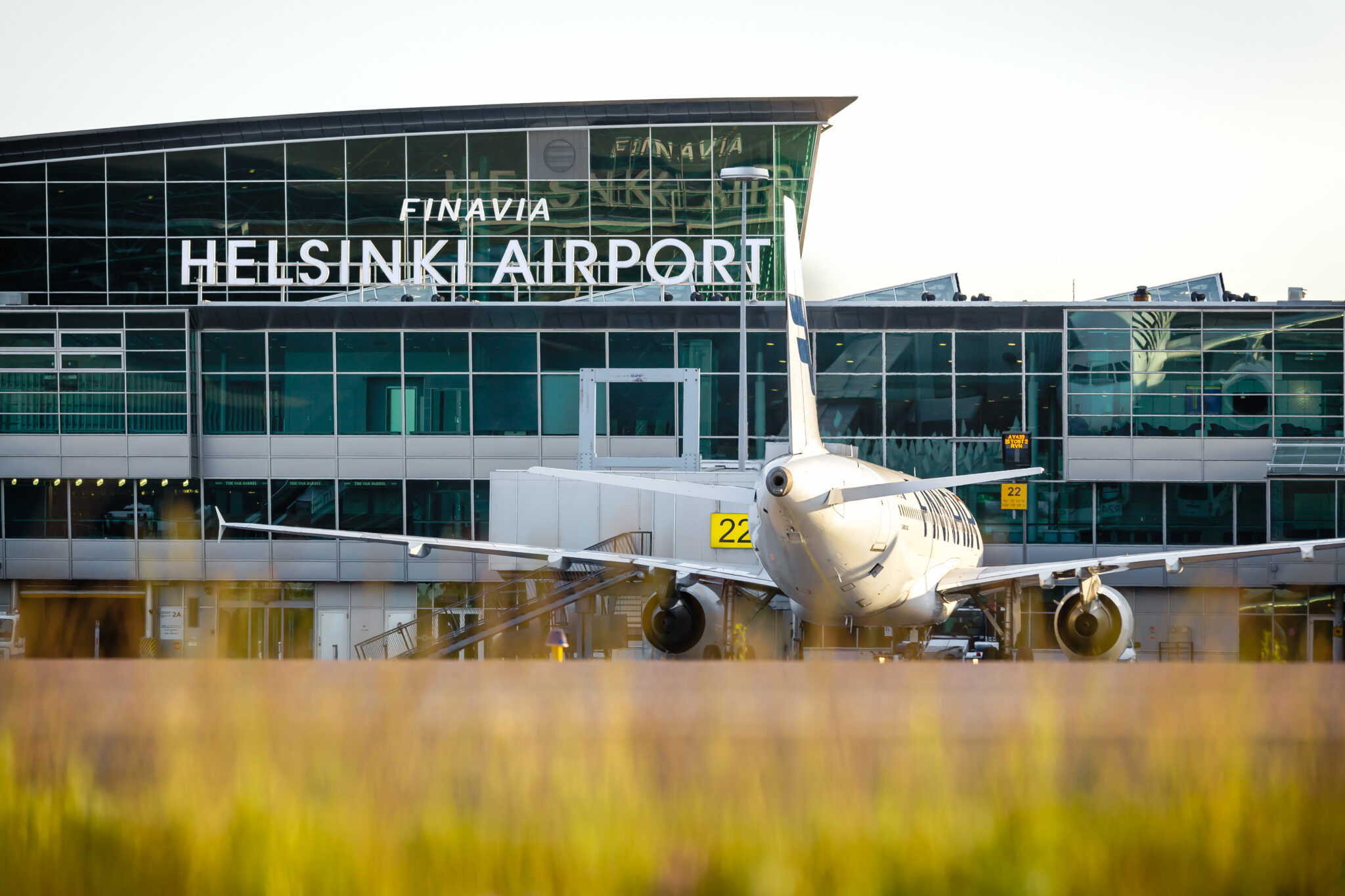
Finland: Helsinki and ten other Finavia operated airports in Finland are set to embrace cloud technology

NordenBladet – Helsinki and ten other Finavia operated airports in Finland are set to embrace cloud technology in a pioneering move to combat COVID-19 disruption and better equip them for future growth. According to IT partner, Amadeus, cloud solutions will help deliver an exceptional check-in and boarding experience at Finland’s gateways and accelerate innovations like contactless payment for a more agile response to COVID-19.

The move comes as Helsinki Airport is currently undergoing the biggest expansion programme in its history. The other gateways set to benefit from the move to the cloud are thought to include Rovaniemi and Turku.

Finavia serves more than 50 airlines that operate scheduled flights and their ground handling companies and has over 600 check-in desks at the airports. The airport company chose Amadeus Flow, an integrated cloud solution, to modernise all aspects of passenger handling including software, hardware and services.

With the new cloud platform, a single internet link connects Finavia’s airports to Amadeus where any airline application can be easily deployed in a matter of hours.

Frictionless payment allows travellers to pay more easily with contactless technology. This is just one example of an additional innovation delivered via Amadeus and the first to be implemented.

Its Airport Pay solution will be deployed from the cloud allowing passengers to pay for ancillary services such as extra baggage or lounge access conveniently and in a contactless manner at all check-in desks.

The flexibility of the cloud infrastructure means that Finavia, airlines and ground handling companies can easily open, close or move check-in desks, boarding gates or services with agility in response to fluctuating passenger demand caused by COVID-19.

This agility will also be used to better cope with seasonal demands at airports like Lapland, where passengers will be able to check in and even drop their bags from Lapland’s hotels in future.

Finavia’s chief information officer, Leyla Akgez-Laakso, said: “We’re moving to an open cloud platform and that means we can roll out new innovations far more easily, without lengthy certification cycles or on-site IT projects.

“We’re now well placed to add innovations like contactless payments quickly and easily without the need for Finavia to become a systems integrator. Airports are digitally transforming and I believe COVID-19 marks a tipping point where our industry goes cloud.”

Discussing one of Finavia’s planned innovations Akgez-Laakso added: “Many of our regional airports are heavily seasonal, imagine Lapland in December. We have plans to harness the cloud to offer airlines a possibility to check in passengers at hotels, reducing queues and the demand on services at the terminal.”

The major technology modernisation will also see a full hardware refresh including 600 agent workstations, printers and scanners which are all fully integrated into the Amadeus Flow platform.

The migration will begin to yield benefits during 2021 and is expected to be fully completed at 11 of Finavia’s 20 airports at the beginning of 2022.

Yannick Beunardeau, vice president for airport IT, EMEA, at Amadeus, said: “The immediate pressures of COVID-19 and the demands of long-term digital transformation both require a new approach to airport technology.

“Airports need to be able to roll out new capabilities quickly and they need to be able to adapt services to changing requirements of passengers. By choosing to run its infrastructure from the cloud with Amadeus, Finavia is ready to innovate for many years to come.”

Source: VacationHunter.online