Reklaam

Helena-Reet Ennet

Helena-Reet Ennet
4698 POSTS 0 COMMENTS

Helena-Reet: Dad’s 80th birthday in Tartu

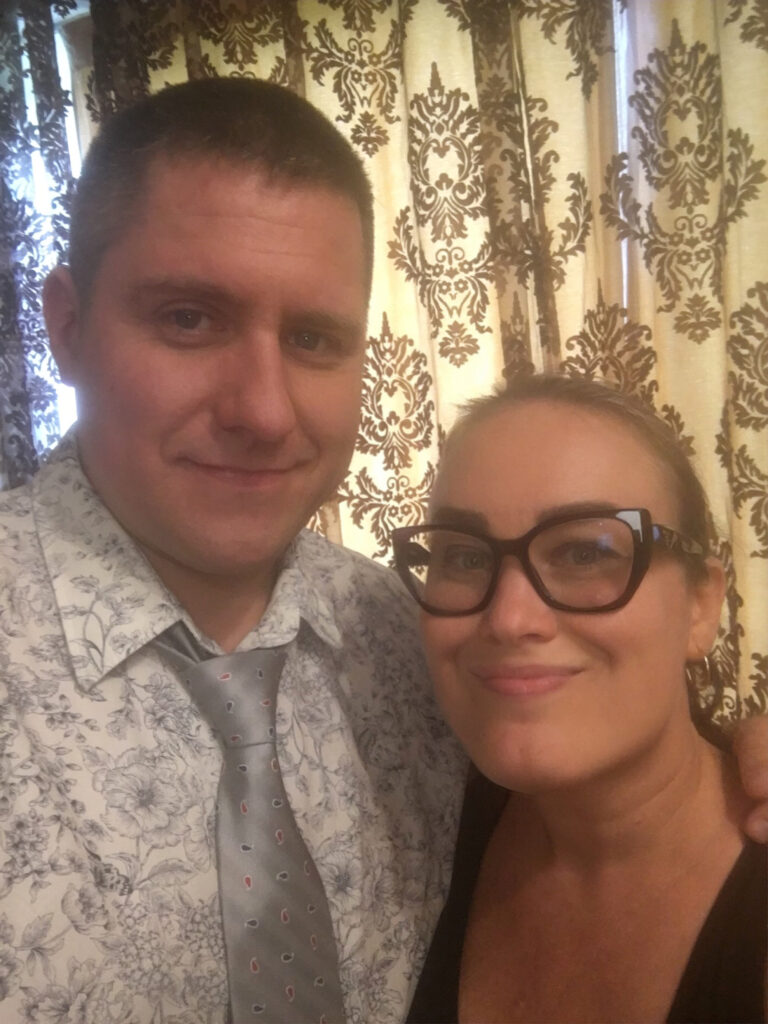
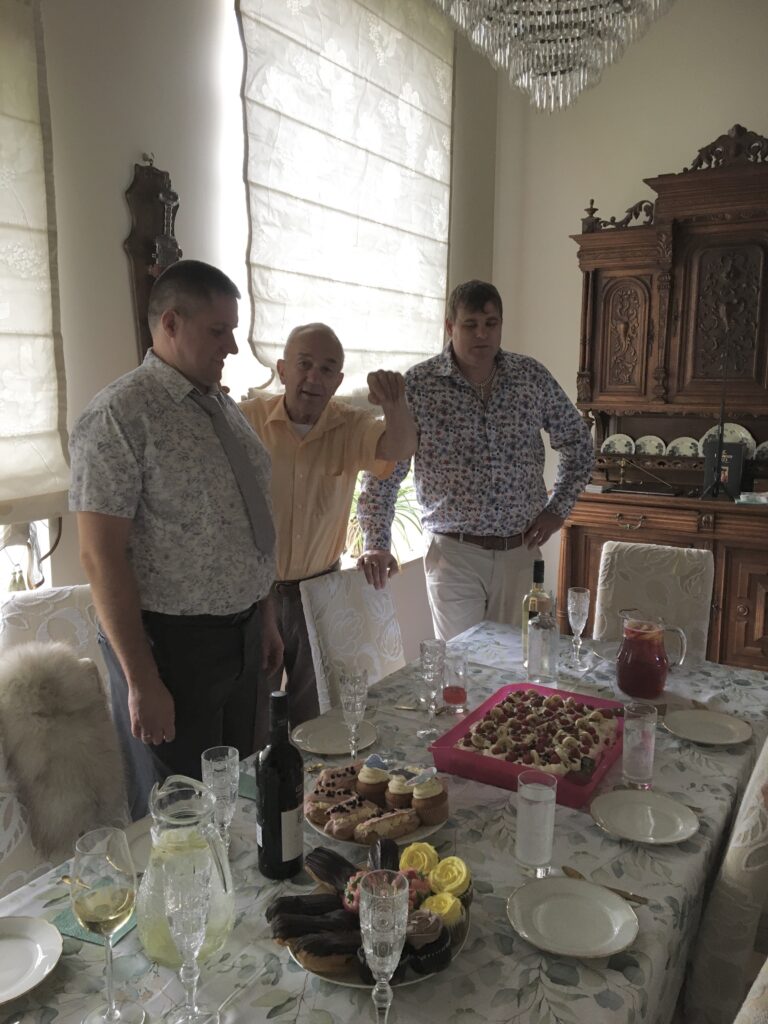
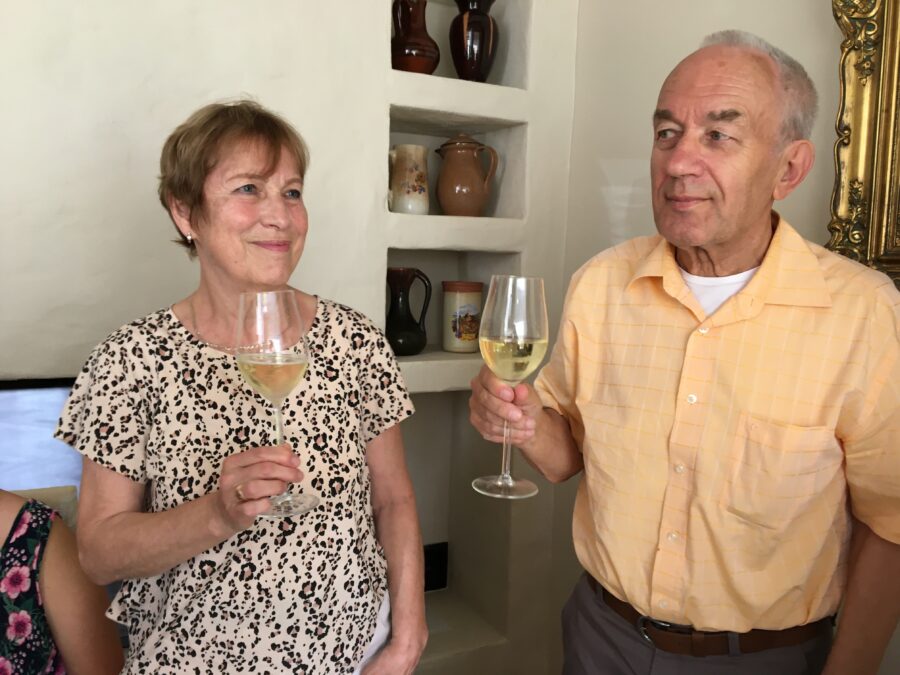
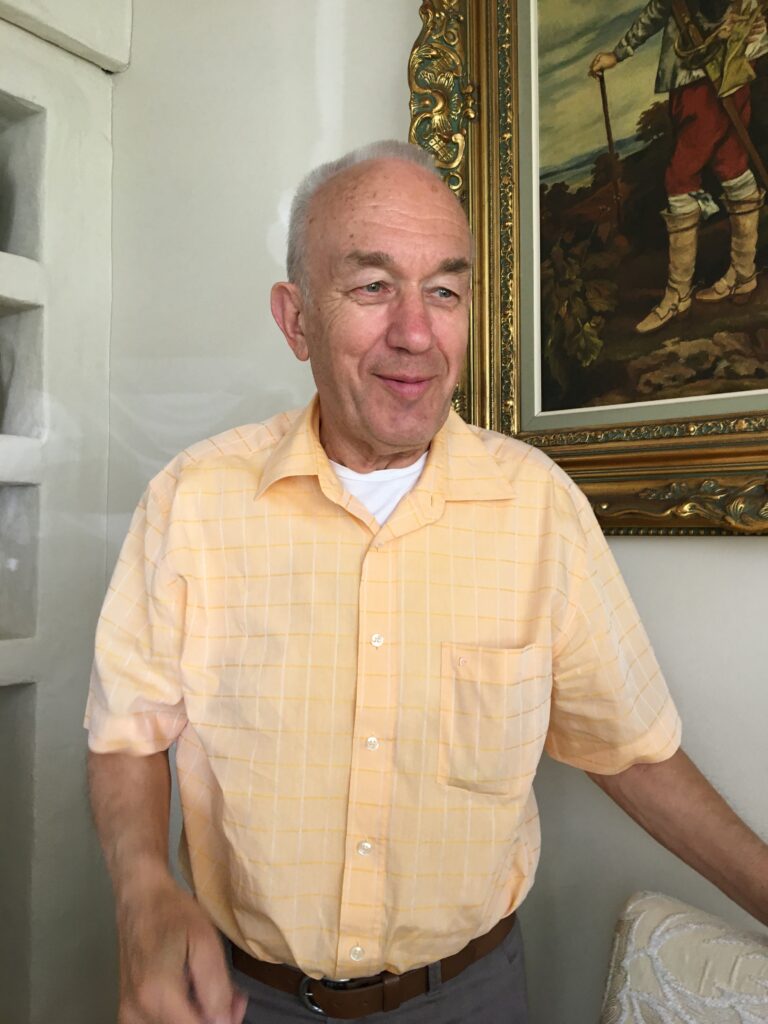
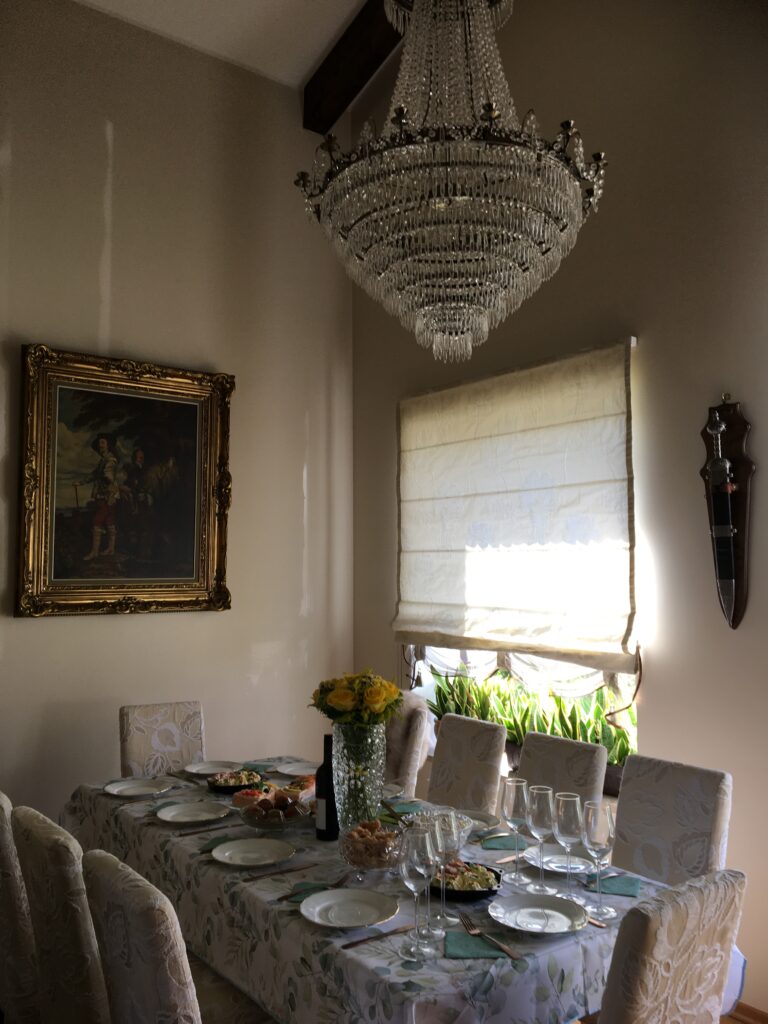
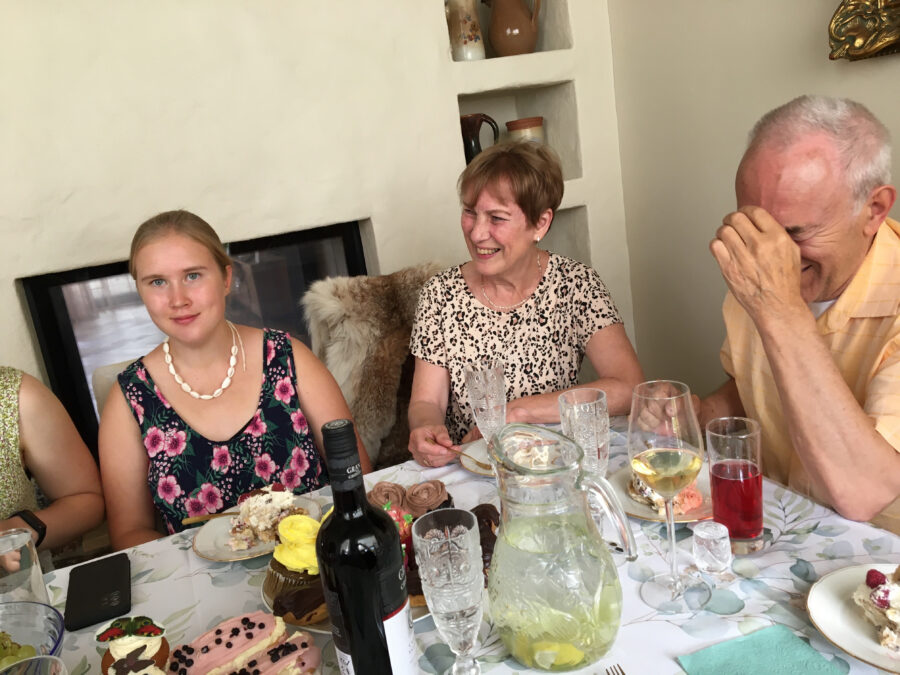
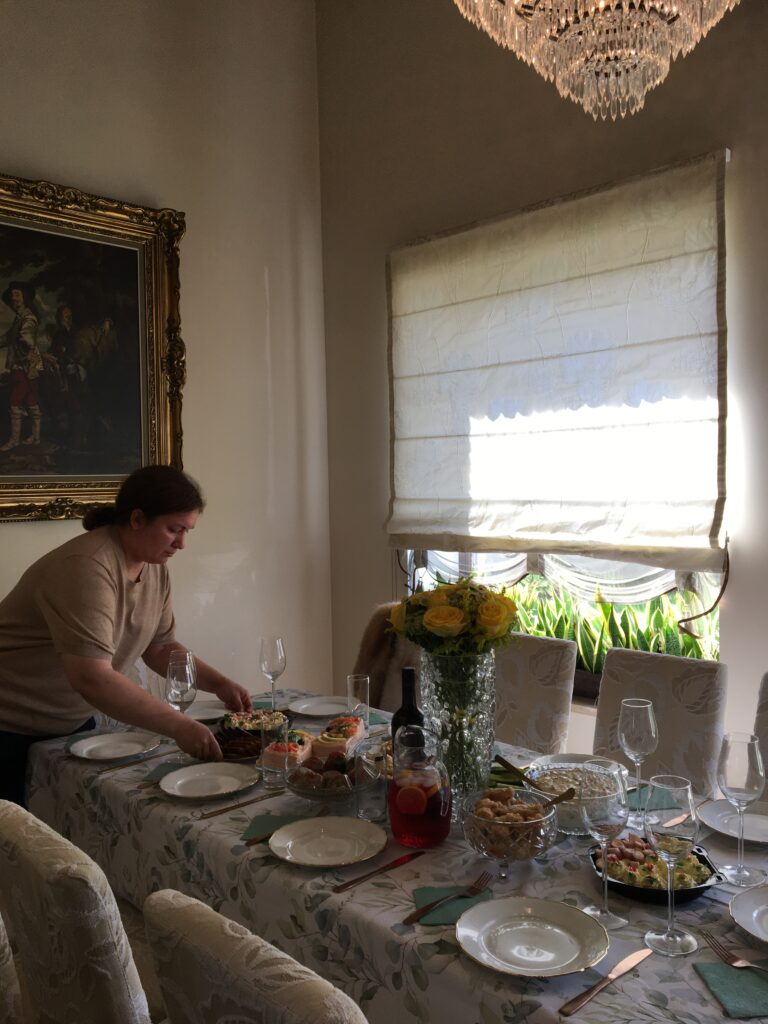
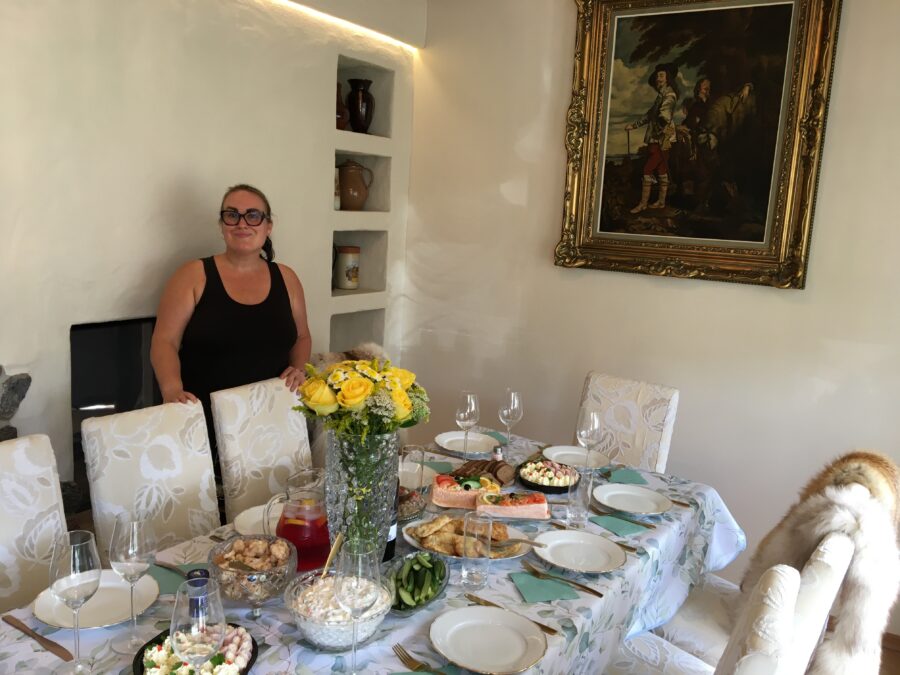
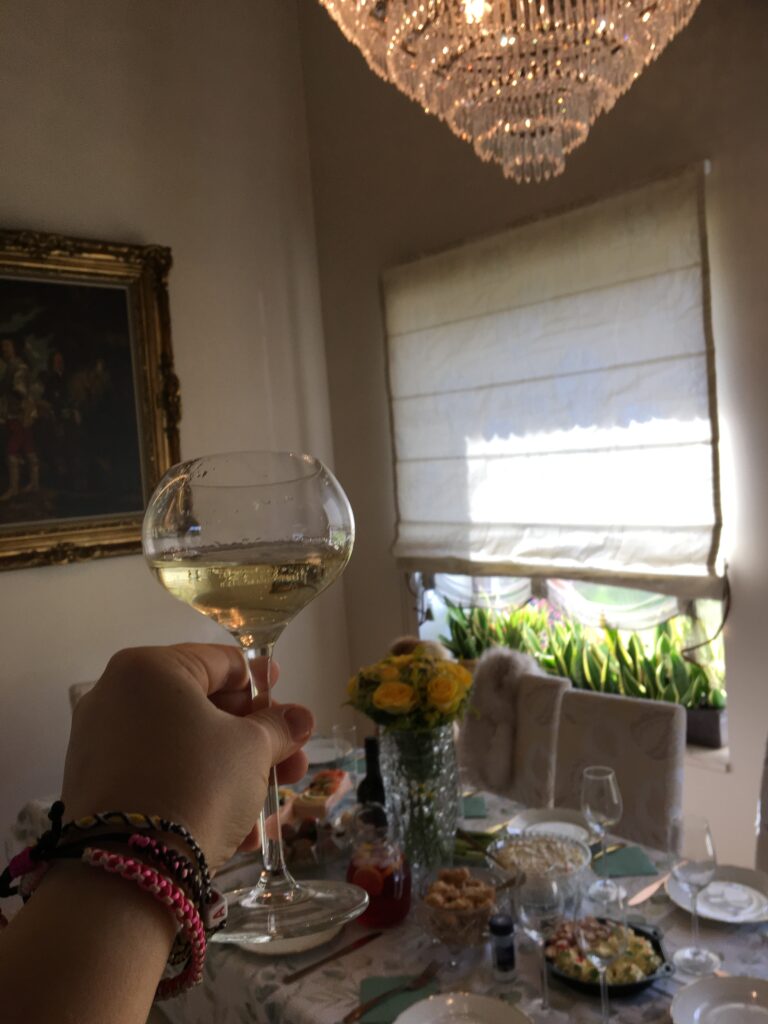
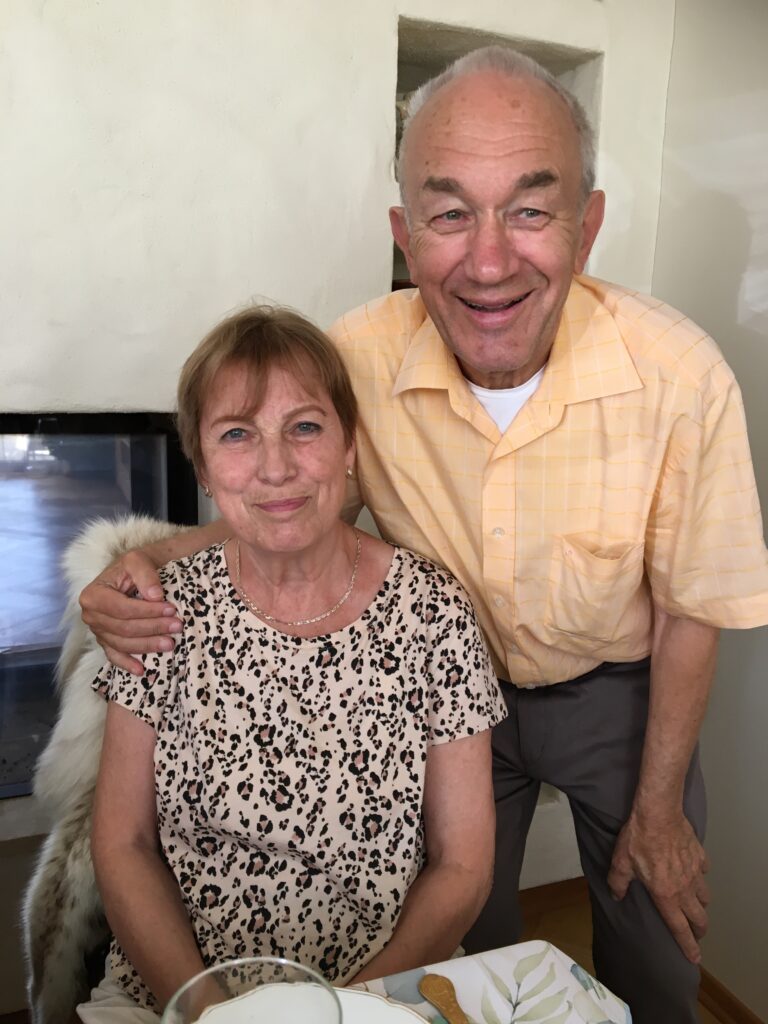
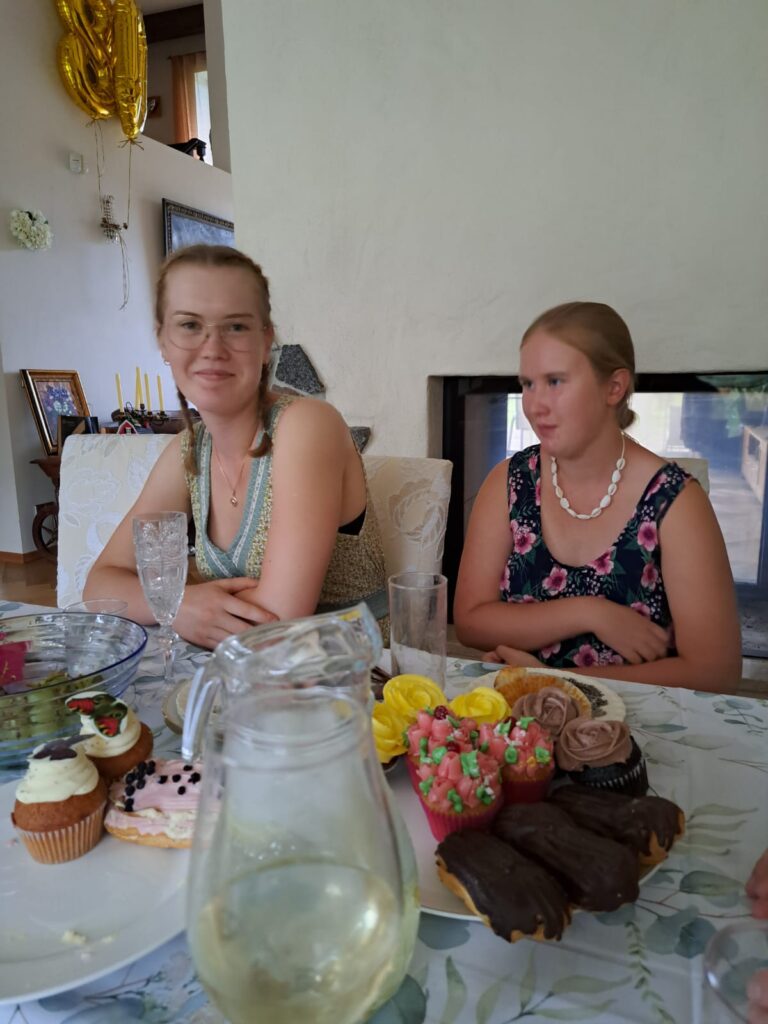
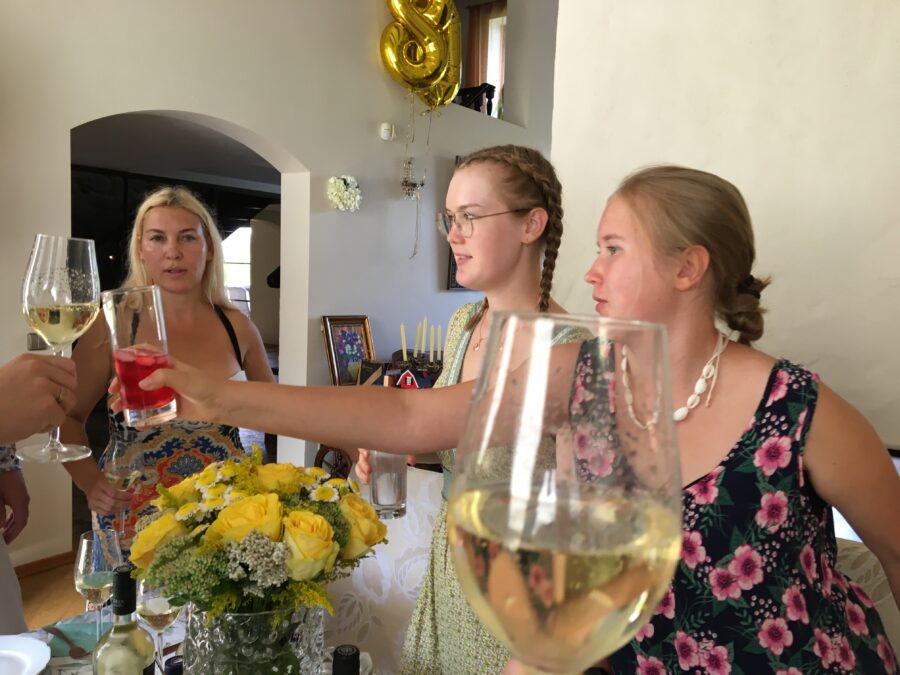
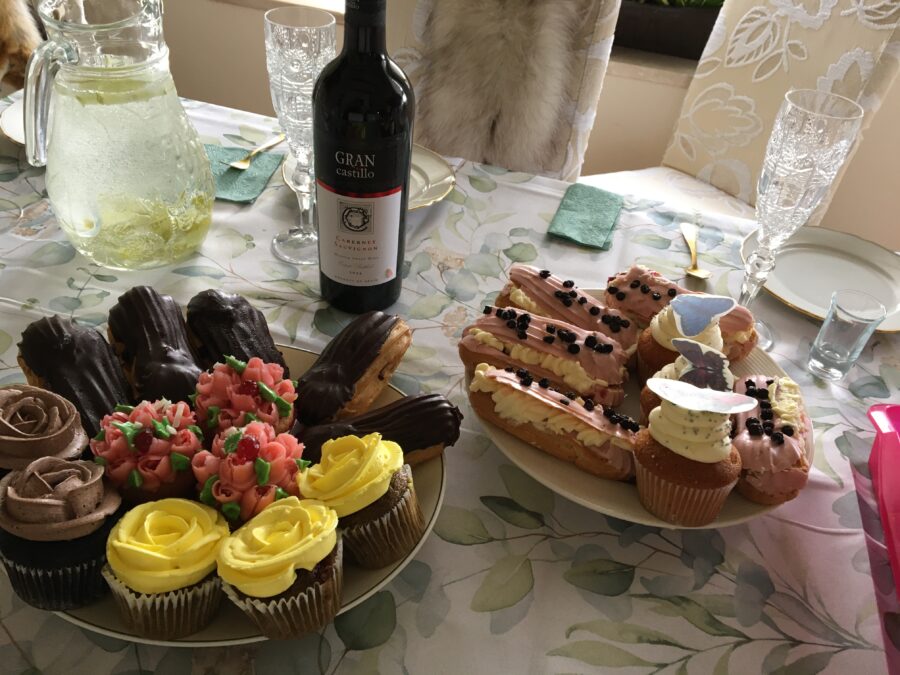
NordenBladet – On August 25th dad turned 80! Dad didn’t want a big party so we celebrated with the nearest and dearest at my older sister’s place in Tartu. I guess I am like my dad in this aspect, because I also don’t tolerate big events at a long table and merely the word “jubilee” brings to the mind’s eye old age, dianthus flowers and a bunch of people that I wouldn’t stand on a voluntary basis. Normal text, heh? Hahaa ?

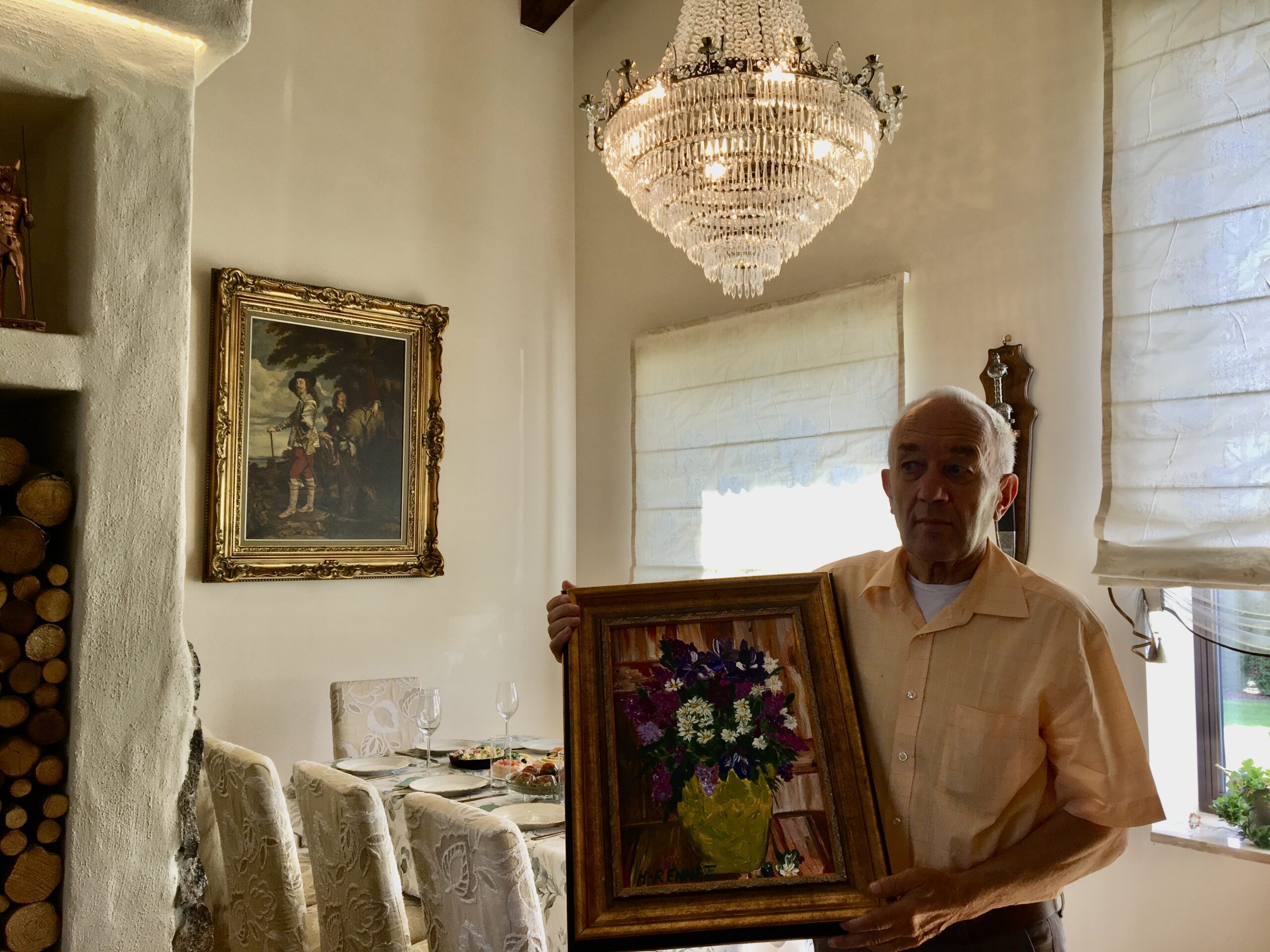
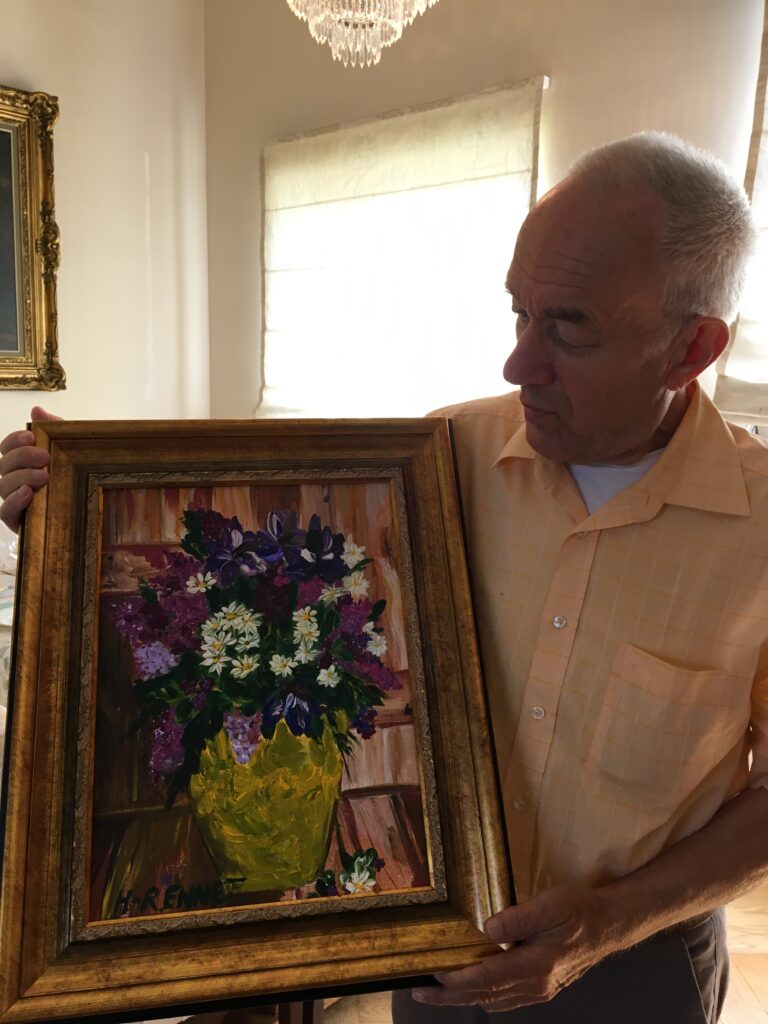
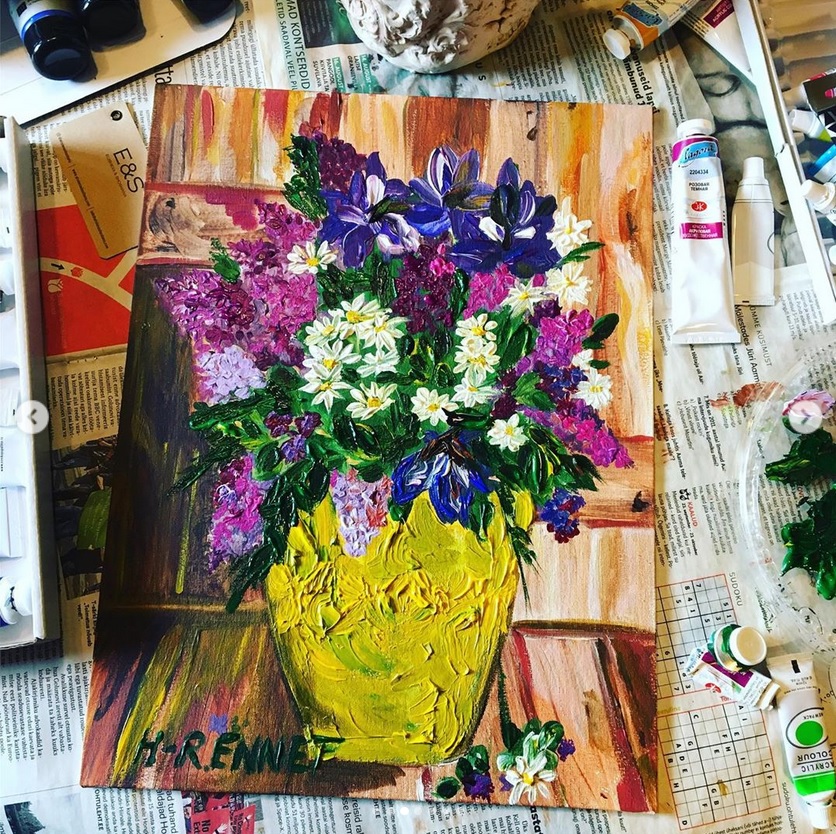
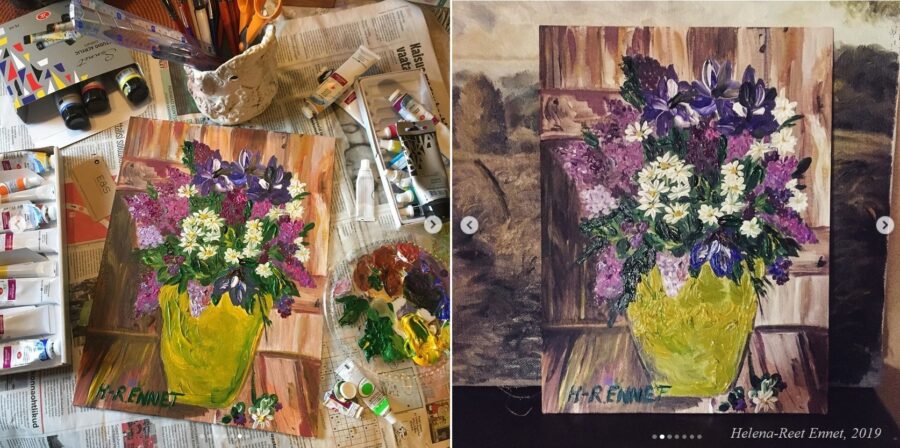
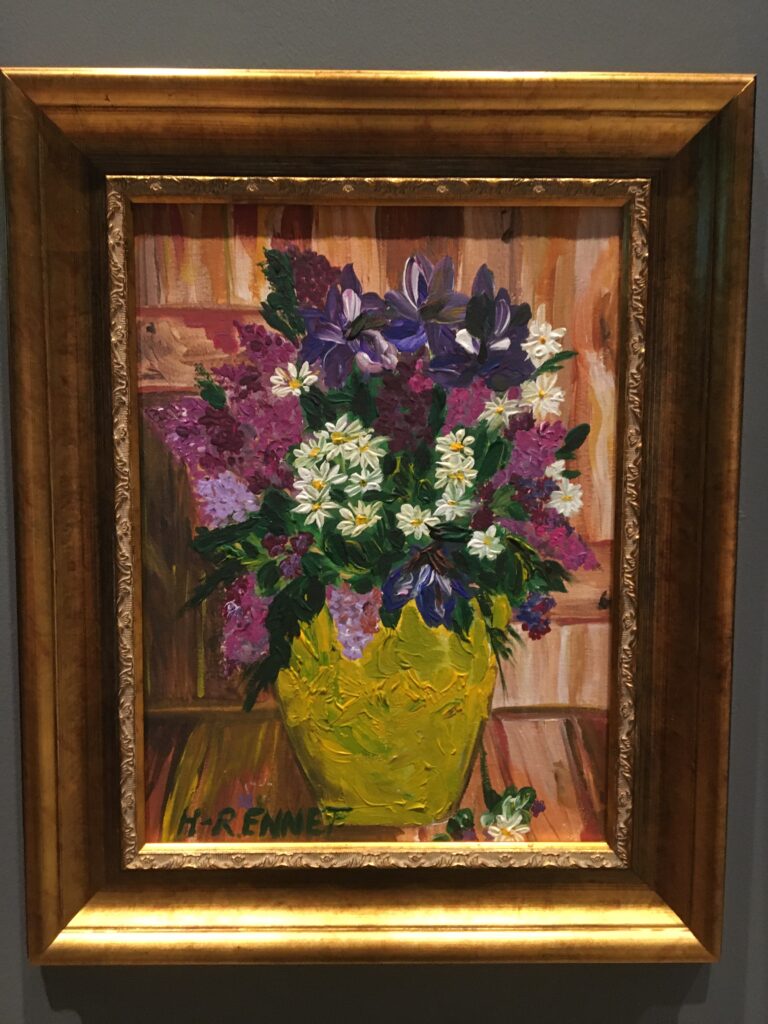
I gave dad as a present the painting from 2019 “Sweden’s National Day” that has also been at an exhibition in the Estonian National Museum. This was my lifetime’s second flower painting, the first flower painting “Syringa vulgaris” I gave to my mom as a present. Besides, I made a raspberry cake and we also gave as a present a wooden bird feeder. Dad is a great fan of birds and every winter he puts up fat balls and seed houses and then watches the birds from his office window, how they scrabble. Cool!

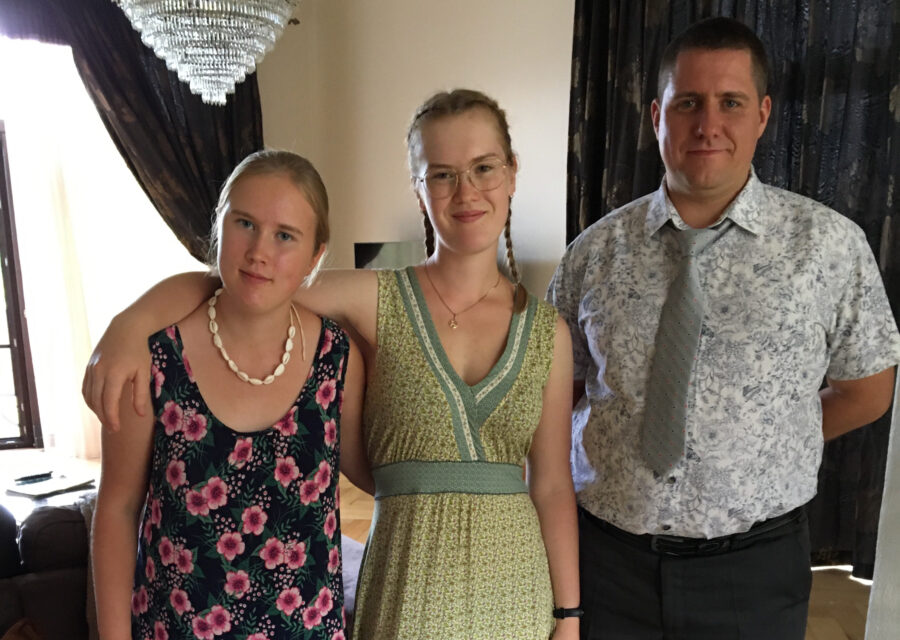
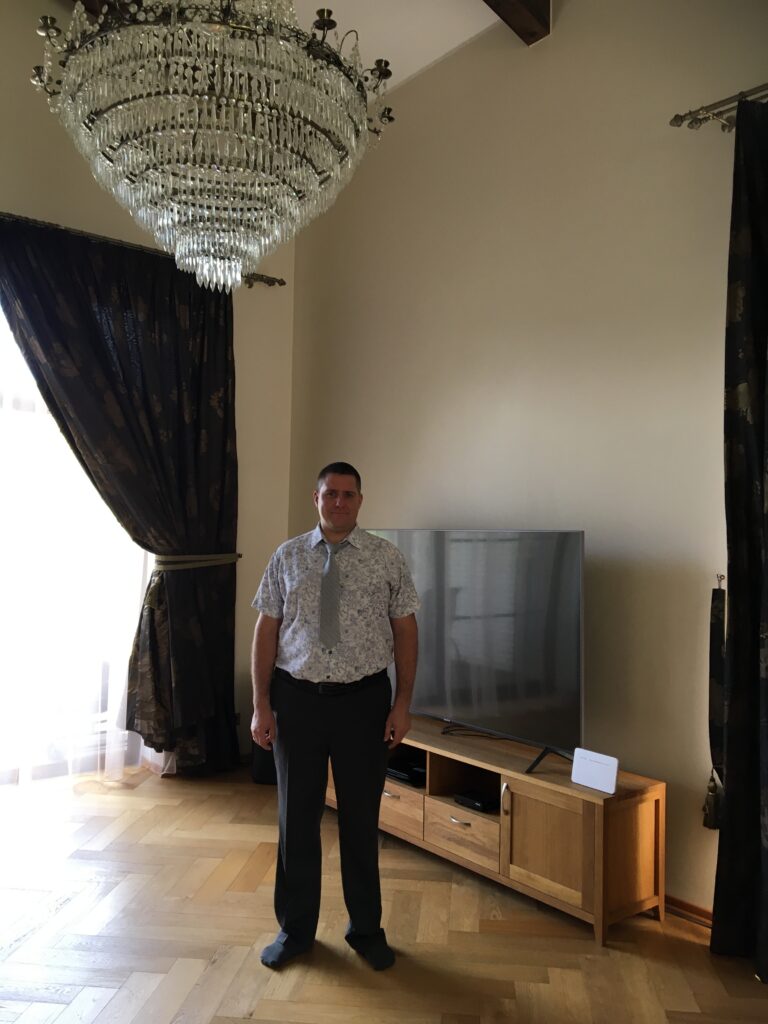
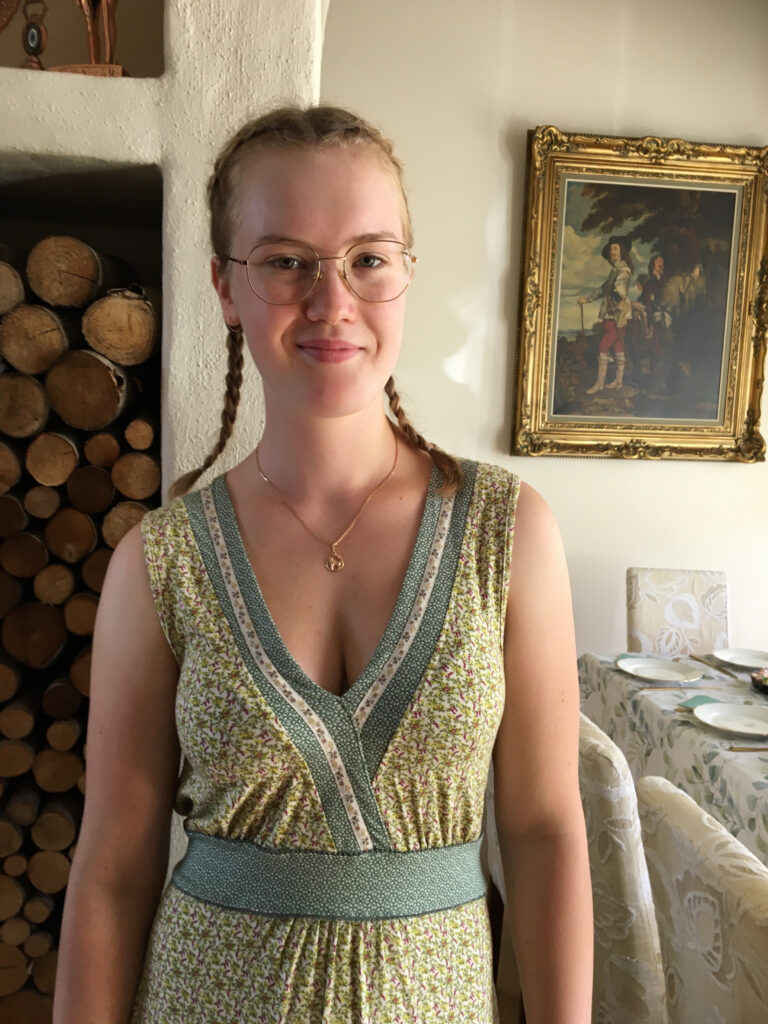
We (me, Allan, Estella and Ivanka) went back to Tallinn in the evening, as Estella had to move to MUBA school the next morning (luckily she also got a room in the dormitory for this year). This means for her several saved hours from the travel to school that she can now use for practising the violin. This year she was accommodated in the same room with two Japanese ballet dancers.

Parents themselves stayed overnight in Tartu at my older sister Marie’s place, since mom and dad made themselves a present, a house.. hahaaa ? and mom wanted to start settling in the next day already. My parents are no believers in the stock market, so they invest all spare money into real estate and land.



The European Union Affairs Committee got an overview of the green claims initiative

NordenBladet —

Chair of the European Union Affairs Committee Liisa Pakosta said that the Committee had gotten a good overview of the amendments proposed with the initiative and the positions of the Estonian stakeholders, and the ministries were presented with several questions to think about. “Today, there are hundreds of ecolabels used in the world and lots of products about which it is misleadingly claimed that it is, for example, biodegradable, environmentally safe or produced with green energy. Nobody checks if such green claims are correct. The aim of the initiative that green labels should be understandable and reliable is very welcome,” Pakosta said. She underlined that the transition period should be sufficiently long to ensure that no packaging that had already been produced would go to waste.

Deputy Chair of the Committee Maria Jufereva-Skuratovski pointed out that if the intention of the initiative was to ensure that a certain label could be used on a product produced in a verifiably CO2-neutral way or using 100 per cent renewable energy, it was important to think carefully about how the environmental impact of electric cars and electrical equipment would be assessed. She emphasised that it was necessary to take into account that CO2 emissions were not the only thing that affected the environment.

It was highlighted at the sitting that the Green Claims Directive covered all products and services on the European Union market and its objective was to improve the clarity and reliability in regard to green labelling. According to the initiative, the companies that wish to present an environmental claim on their product or service have to verify it through a third party. In Estonia, this competent authority will be either the Consumer Protection and Technical Regulatory Authority or the Environmental Board.

Chief Specialist of the Environmental Management Department Kristi Loit and Chief Specialist of Foreign Relations Eliise Merila from the Ministry of Climate, Consumer Protection Adviser at the Ministry of Economic Affairs and Communications Mari-Liis Aas, Policy Adviser to MEP Andrus Ansip Stinne Vaga and Environmental Adviser at the Permanent Representation of Estonia to the EU Jörgen Talkop attended the sitting and gave an overview of the initiative.

The stakeholders were represented by CEO of the Estonian Traders’ Association Nele Peil, Head of Food Policy at the Estonian Chamber of Agriculture and Commerce Meeli Lindsaar, Legal Adviser of the Estonian Chamber of Commerce and Industry Ireen Tarto, Head of the Estonian Food Industry Association Sirje Potisepp and expert of circular economy Üllar Huik, who outlined their positions.

Riigikogu Press Service
Merilin Kruuse
+372 631 6592; +372 510 6179
merilin.kruuse@riigikogu.ee
Questions: press@riigikogu.ee

Link uudisele: The European Union Affairs Committee got an overview of the green claims initiative

Source: Parliament of Estonia

Stoicescu and Mihkelson are discussing strengthening European security in Madrid

NordenBladet —

Stoicescu said that the increase in defence spending and investments in the EU Member States should be much more prominent. Among other things, the production capacities of the defence industry need to be increased significantly to strengthen European security. He would like to see the Western countries be more united in their decisions and actions.

“Russia is and remains a permanent threat for us. This is why we need to ensure that we have sufficient reserves and that we could also support Ukraine with weapons and ammunition, even during a longer period, if needed.” Stoicescu added that the European Union needed to fulfil its pledge to donate one million artillery shells to Ukraine as soon as possible. This was a decision made at Estonia’s initiative which was adopted in spring by the European Council.

Mihkelson said that investments into defence but also consistent foreign policy are paramount in the current security situation. He does not see a possibility for restoring permanent peace in Europe before Ukraine has won Russia’s war of choice.

“Ukraine needs our active help and support until it has achieved victory, Russia has been defeated strategically and has withdrawn its troops from the Ukrainian territory, and the perpetrators of the crime of aggression, starting with Russia’s political leadership, have been prosecuted,” Mihkelson said. In addition to establishing an international special tribunal, we need to continue raising the price of aggression for Russia through sanctions and other restrictive measures.

The participants of the Inter-Parliamentary Conference in Madrid are discussing the priorities, challenges, and developments of the EU foreign and security policy as well as the security and defence policy, Russia’s aggression in Ukraine and its consequences, and strengthening European security. The Conference is part of the Spanish Presidency of the Council of the European Union, which runs from July 1 until the end of this year.

Riigikogu Press Service
Karin Kangro
+372 631 6356, +372 520 0323
karin.kangro@riigikogu.ee
Questions: press@riigikogu.ee

Link uudisele: Stoicescu and Mihkelson are discussing strengthening European security in Madrid

Source: Parliament of Estonia

Hussar attends the European Conference of Presidents of Parliament in Dublin

NordenBladet —

Hussar said that, at the Conference, the presidents of the PACE parliaments planned to discuss how to continue providing the necessary support to Ukraine in Russia’s ongoing war of aggression and how the national parliaments could contribute to this. At the discussion attended by Chairman of the Verkhovna Rada of Ukraine Ruslan Stefanchuk, consequences of Russia’s war of aggression against Ukraine and role of national parliaments in Ukraine’s reconstruction will be spoken about, as well as direct support to Ukraine and holding Russia to account.

During the second part of the Conference, the speakers of parliaments will address the challenges to representative democracy. At this discussion, Hussar as well as the presidents of the parliaments of France and Portugal will deliver a speech. In his speech, Hussar will draw attention to the need to strengthen the resilience of societies to hostile activities, including influence activities and cyber-attacks, and to take technological risks into account. According to him, countries need to invest more in increasing cybersecurity and raising media awareness of the people, pay more attention to the threats posed by the use of artificial intelligence and look for new ways to increase voter turnout, especially among young people.

In the last part of the Conference, the PACE speakers will discuss the issues of equality and diversity in relation to the representation of young people, women and ethnic and social groups in parliaments.

During the Conference, Hussar will have meetings with President of the Parliament of North-Macedonia Talat Xhaferi, Speaker of the Parliament of Georgia Shalva Papuashvili, Speaker of the Parliament of Türkiye Numan Kurtulmuş and President of the Parliament of Armenia Alen Simonyan.

Speakers and presidents of parliament from the member states of the Council of Europe and its partner and observer countries, as well as the heads of parliamentary delegations participate in the Conference. From Estonia, the Head of the Estonian delegation to the PACE Liisa Pakosta also attends the Conference.

Riigikogu Press Service
Karin Kangro
+372 631 6356, +372 520 0323
karin.kangro@riigikogu.ee
Questions: press@riigikogu.ee

Link uudisele: Hussar attends the European Conference of Presidents of Parliament in Dublin

Source: Parliament of Estonia

Hussar spoke of m-voting and lowering the voting age at speakers’ conference

NordenBladet —

Hussar said in his speech at the Conference that free and fair elections formed the basis of representative democracy. He pointed out that Estonia had considered it necessary to make participation in elections simpler and to introduce novel methods to achieve that. He explained that online voting had been possible in Estonia since 2005, and at the Riigikogu elections in March this year, more than half of the votes had been cast electronically.

“Now we are getting ready to take the next step. For many years, Estonia has worked to make it possible to vote with a mobile phone. Our goal is to make this possibility available for the next elections,” Hussar said. In his opinion, it would help involve young people in particular, and thus strengthen democracy.

Hussar underlined that the younger generation should be actively encouraged to take part in the election process. “We have to listen to their voice, because they are often the ones most acutely aware of the challenges of today’s world. Therefore, we have lowered the voting age from 18 to 16 at the local elections, and are now considering doing the same for the Riigikogu elections,” he said.

Hussar also drew attention to the need to strengthen the resilience of societies to hostile activities, including influence activities and cyber-attacks, and to take the technological risks into account. According to him, countries need to invest more in increasing cybersecurity and raising media awareness of the people and pay more attention to the threats posed by the use of artificial intelligence.

In addition to challenges of representative democracy, the PACE speakers today also discussed supporting Ukraine and holding Russia to account. At the discussion attended by Chairman of the Verkhovna Rada of Ukraine Ruslan Stefanchuk, consequences of Russia’s war of aggression against Ukraine and role of national parliaments in Ukraine’s reconstruction was spoken about. Tomorrow, the speakers of parliaments will discuss the issues of equality and diversity in relation to the representation of young people, women and ethnic and social groups in parliaments.

During the Conference, Hussar has had meetings with President of the Parliament of North-Macedonia Talat Xhaferi and Speaker of the Parliament of Georgia Shalva Papuashvili. Tomorrow, he is planning to meet with Speaker of the Parliament of Türkiye Numan Kurtulmuş and President of the Parliament of Armenia Alen Simonyan.

Speakers and presidents of parliament from the member states of the Council of Europe and its partner and observer countries, as well as the heads of parliamentary delegations have gathered in Dublin, Ireland, for the European Conference of Presidents of Parliament. From Estonia, the Head of the Estonian delegation to the PACE Liisa Pakosta also attends the Conference.

Riigikogu Press Service
Karin Kangro
+372 631 6356, +372 520 0323
karin.kangro@riigikogu.ee
Questions: press@riigikogu.ee

Link uudisele: Hussar spoke of m-voting and lowering the voting age at speakers’ conference

Source: Parliament of Estonia

The Riigikogu concluded the first reading of one Bill

NordenBladet —

The Bill on Amendments to § 3 of the Social Tax Act (260 SE), initiated by the Social Affairs Committee, passed the first reading in the Riigikogu. It will give employers the possibility to pay voluntary sickness benefit free of social tax to pregnant employees who fall ill, and thereby it will eliminate unequal treatment of employees.

If an employee falls ill, at first their employer and then the Estonian Health Insurance Fund must ensure replacement income for them. For the 4th until 8th day of sickness, the employer must pay the employee a mandatory sickness benefit which makes up 70 per cent of the average remuneration of the employee. In addition, it is possible for an employer to pay a voluntary benefit tax-free until the end of the period for the payment of the mandatory benefit so that the employee would retain their average remuneration during that time.

However, the current Act does not allow employers to pay voluntary sickness benefit to women released from work due to illness or injury during their pregnancy, and therefore an allowance for the preservation of earnings for a pregnant employee may be lower than that of other employees. The Estonian Health Insurance Fund pays sickness benefit to a pregnant employee to the extent of 70 per cent of their average income in the previous calendar year.

The Bill will give employees an opportunity to also preserve the average pay for pregnant employees during their sickness absence. With a view to ensuring equal treatment, the additional sickness benefit paid until the eighth day of sick leave is exempt from social tax. According to the Bill, the social tax incentive on the benefit will also extend to pregnant sole proprietors.

The Bill was initiated when the Chancellor of Justice proposed that the provisions that do not ensure that, in the event of sickness, pregnant employees have the right to a replacement income which is at least equivalent to that of other employees be brought into conformity with the Constitution.

Three Bills were dropped from the proceedings

The Riigikogu rejected at the first reading the Bill on Amendments to the Value Added Tax Act (33 SE), initiated by Members of the Riigikogu Rene Kokk and Henn Põlluaas. It was intended to increase the VAT on press publications from five per cent to 21 in order to reduce the state budget deficit. According to the Bill, the amendment would have affected both press publications on physical carriers and electronic press publications.

63 members of the Riigikogu supported the motion of the Finance Committee to reject the Bill and 12 voted against it.

The Riigikogu rejected at the first reading the Bill on Amendments to the Value Added Tax Act (34 SE), initiated by Members of the Riigikogu Rene Kokk and Anti Poolamets. It was intended to increase the VAT on press publications from five per cent to 22 in order to reduce the state budget deficit.

54 members of the Riigikogu supported the motion of the Finance Committee to reject the Bill and 11 voted against it.

The Riigikogu rejected at the first reading the Bill on Amendments to the Value Added Tax Act (81 SE), initiated by Members of the Riigikogu Rene Kokk and Evelin Poolamets. It was intended to increase the VAT on press publications from five per cent to 25 in order to reduce the state budget deficit.

59 members of the Riigikogu supported the motion of the Finance Committee to reject the Bill and 9 voted against it.

Verbatim record of the sitting (in Estonian)

The video recording of the sitting can be viewed on the Riigikogu YouTube channel.
(Please note that the recording will be uploaded with a delay.)

Riigikogu Press Service
Eleen Lindmaa
+372 631 6456, +372 5551 4433
eleen.lindmaa@riigikogu.ee
Questions: press@riigikogu.ee

Link uudisele: The Riigikogu concluded the first reading of one Bill

Source: Parliament of Estonia

The Foreign Affairs Committee recommends using historic name Königsberg instead of Kaliningrad

NordenBladet —

Chairman of the Foreign Affairs Committee Marko Mihkelson said that the Committee had found that using the Soviet-era name Kaliningrad in the Estonian language should be discontinued and the historic name Königsberg should be used instead. Members of the Committee also pointed out that the city of Kingissepp in Russia should be called by its former name Jamburg or Jaama.

The Committee made the proposal to consider changing the name to the Language Committee of the Estonian Language Society that participates in defining the standard of the Estonian written language and includes an advisory working group on foreign names. Mihkelson underlined that Latvia, Lithuania and Poland had also decided to use the historic name of the city instead of Kaliningrad.

In 1255, the city with the old Prussian name Twangste was renamed Königsberg in honour of King Ottokar II of Bohemia. After World War II, the city became part of the Soviet Union and was renamed Kaliningrad after the Soviet politician and a leading figure of Stalinist terror regime Mikhail Kalinin.

The Foreign Affairs Committee discussed the name issue in connection with the draft Resolution of the Riigikogu “Proposal to the Government of the Republic to Start Using the Historic Name Königsberg in Estonian” (218 OE). The Committee will continue discussion on the draft Resolution in October. The purpose of the draft Resolution is to make a proposal to the Government to rename Kaliningrad again Königsberg in Estonian and carry out all procedures relating to the name change.

Chief Language Planning Expert of the Institute of the Estonian Language Peeter Päll and Head of the Department of Modern Estonian of the Institute of the Estonian Language Sirli Zupping participated in the sitting of the Committee.

Riigikogu Press Service
Karin Kangro
+372 631 6356, +372 520 0323
karin.kangro@riigikogu.ee
Questions: press@riigikogu.ee

Link uudisele: The Foreign Affairs Committee recommends using historic name Königsberg instead of Kaliningrad

Source: Parliament of Estonia

Estonian and Finnish defence committees: capability of defence industries has to be increased significantly

NordenBladet —

Chairman of the National Defence Committee Kalev Stoicescu said that Finland’s accession to NATO had provided the opportunity to have closer defence cooperation and to strengthen the deterrence and defence posture in the whole Baltic Sea region. In his opinion, Russia will remain a constant threat to NATO and the Allies must take this into account in their activities.

Stoicescu underlined the importance of NATO’s regional defence plans that were approved at the Vilnius Summit, but noted that the plans alone would not protect our security. According to him, the plans have to be jointly exercised and filled with real capabilities. “We very much look forward to Sweden becoming a member of NATO as soon as possible,” he said.

At the meeting, the Defence Committees also discussed the need to continue supporting Ukraine. “The West must remain patient and continue giving military, political and economic assistance to Ukraine as long as Ukraine needs it,” Stoicescu said.

He highlighted the decision taken by the European Union, at Estonia’s proposal, to acquire one million artillery shells to help Ukraine, and noted that this promise must be met as soon as possible. “The Committees agreed that the Western countries had to significantly increase the capabilities of their defence industries. In the neighbourhood of aggressive Russia, it is especially important that we had adequate supplies of weapons and ammunition. We also have to continue supporting Ukraine,” he said.

The Defence Committee of the Eduskunta of Finland is on a two-day visit to Estonia. Today, they also had meetings with Permanent Secretary of the Ministry of Defence Kusti Salm and Commander of the Defence Forces, General Martin Herem. Tomorrow, the delegation consisting of 14 MPs will visit the NATO Cooperative Cyber Defence Centre of Excellence in Tallinn and the military base in Tapa.

The National Defence Committee of the Riigikogu and the Defence Committee of the Eduskunta have been cooperating closely and holding annual working meetings since 1993.

Photos (Erik Peinar / Chancellery of the Riigikogu)

Riigikogu Press Service
Karin Kangro
+372 631 6356, +372 520 0323
karin.kangro@riigikogu.ee
Questions: press@riigikogu.ee

Link uudisele: Estonian and Finnish defence committees: capability of defence industries has to be increased significantly

Source: Parliament of Estonia

The Legal Affairs Committee sent whistleblower protection bill to the first reading

NordenBladet —

Chairman of the Legal Affairs Committee Eduard Odinets said that the Bill would help companies detect significant breaches and ensure the confidentiality and protection of reporting persons. “In the future, the employees will have the possibility to inform the employer in a secure manner when they see that something is done wrong at the workplace. It is of course possible to report problems now, but the Bill will help ensure that breaches can be reported without having to fear loss of work or unfair treatment,” Odinets said. “If a company creates the necessary channels for reporting of breaches, it shows a wish to prevent breaches and eliminate them as soon as possible.”

It was pointed out at the sitting that the Bill would be applied to reporting of breaches in such areas as public procurements, prevention of money laundering and terrorist financing as well as public health. It will be possible to report internally or to a competent authority, and the whistleblower must have grounds to believe that the information is true. It was also noted at the sitting that several companies were interested in reporting channels and the new Act so that the employees would not be discouraged to inform the employee of potential breaches and the problems could be solved internally.

According to the Bill, knowingly reporting wrong information would be punishable. Hindering reporting or retaliating against whistleblowers would also be punishable. Thus, the rules to be established by the Bill would help preclude malicious reporting.

Currently there is no common and cross-sectoral whistleblower protection regulation in the Estonian law. In the future, administrative agencies, enterprises having 50 or more workers and municipal agencies will have the obligation to establish internal reporting channels. The amendment is connected with the whistleblower protection directive of the EU, and the Bill will focus narrowly on reporting breaches of European Union law. The Member States were obliged to transpose the directive by December 2021.

Minister of Justice Kalle Laanet and Mare Tannberg, Adviser at the Department of Criminal Law and Procedure of the Criminal Policy Division of the Ministry of Justice, participated in the sitting and presented the Bill.

The Legal Affairs Committee decided to send the Bill on the Protection of Persons Reporting Work-related Breaches of Union Law (257 SE) initiated by the Government, to the first reading at the plenary sitting of the Riigikogu on 18 October.

Riigikogu Press Service
Merilin Kruuse
Phone: +372 631 6592, +372 510 6179
E-mail: merilin.kruuse@riigikogu.ee
Questions: press@riigikogu.ee

Link uudisele: The Legal Affairs Committee sent whistleblower protection bill to the first reading

Source: Parliament of Estonia

HOW TO create easy-to-follow installation instructions for just about anything!

NordenBladet – Whether you’re assembling a piece of furniture, setting up software, or installing a new gadget, following a step-by-step guide can make the process hassle-free. In this article, we’ll provide you with a simple template for creating easy-to-follow installation instructions for just about anything.

Materials Needed:

Before you start creating your step-by-step installation instructions, make sure you have the following materials on hand:

Pen and Paper or Digital Device: You’ll need something to write or type your instructions on.

Camera or Smartphone: You might want to include pictures to illustrate the steps.

Now, let’s get started on creating those clear and straightforward instructions!

Step 1: Title

Begin with a clear and concise title that describes what you’re installing or assembling. This helps the user understand the purpose of the instructions.

Example: “Assembly Instructions for XYZ Bookshelf.”

Step 2: List of Required Materials

Create a list of all the materials or tools needed for the installation. Be specific and include everything necessary for the task.

Example:

XYZ Bookshelf components
Screwdriver
Screws (included in the package)
User manual (included)

Step 3: Start with Safety

Always prioritize safety. If there are any safety precautions or warnings, include them at the beginning of your instructions.

Example:

Wear safety goggles when handling tools.
Keep small parts away from children and pets.

Step 4: Step-by-Step Instructions

Now, break down the installation process into simple, numbered steps. Each step should be clear and concise. Use action verbs to describe what the user needs to do.

Example:

Step 1: Lay out all the XYZ Bookshelf components on a clean, flat surface.

Step 2: Using the screwdriver, attach the side panels (A) to the top panel (B) using the provided screws (C).

Step 3: Secure the bottom panel (D) to the side panels (A) using screws (C).

Step 4: Attach the back panel (E) to the assembled structure using screws (C).

Step 5: Insert the shelves (F) into the designated slots on the side panels (A).

Step 6: Make sure all screws are tightened securely.

Step 7: Your XYZ Bookshelf is now assembled and ready to use!

Step 5: Visual Aids (Optional)

If possible, include photographs or diagrams to visually illustrate each step. A picture can often convey instructions more effectively than words alone.

Step 6: Troubleshooting Tips (Optional)

If there are common issues or challenges users may face during installation, provide troubleshooting tips. Address frequently asked questions or potential problems.

Step 7: Final Check

At the end of the instructions, remind the user to double-check their work and ensure everything is properly assembled or installed.

Step 8: Additional Information (Optional)

If there are any additional details, maintenance instructions, or warranty information, include it at the end of the document.

Creating easy-to-follow installation instructions doesn’t have to be complicated. By following this simple template and using clear language, you can help users successfully complete their installation or assembly tasks with confidence. Remember, the key is to keep it straightforward and user-friendly!

Featured image: Unsplash