Reklaam

Helena-Reet Ennet

Helena-Reet Ennet
4698 POSTS 0 COMMENTS

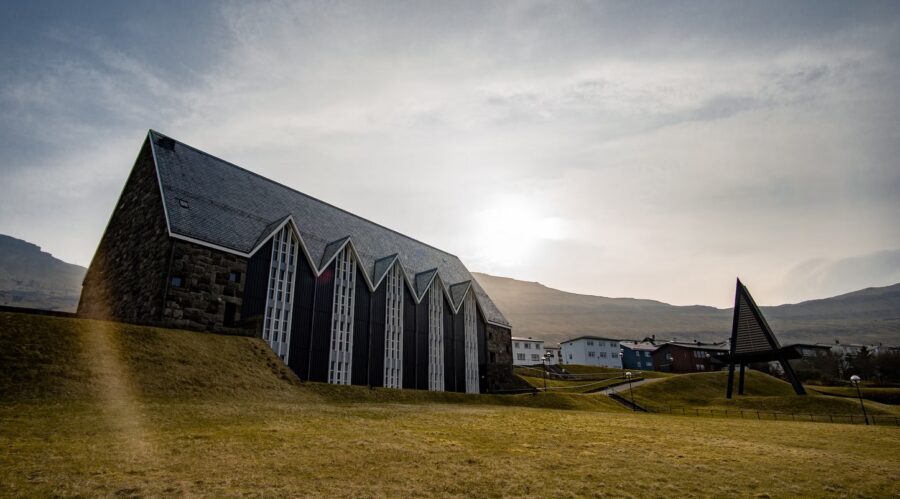
Nordic charm: The Allure of Scandinavian turf-roofed (sod roof) houses + EASY step-by-step installation instructions!

NordenBladet – In the heart of Scandinavia, nestled among breathtaking landscapes, you’ll find a timeless architectural gem – the turf-roofed house (torvtak). These traditional dwellings, also known as sod-roofed houses, harken back to a bygone era and stand as a testament to the ingenuity and connection to nature that define Nordic and Scandinavian cultures. In this article, we’ll explore the allure of these unique structures, delving into their history, construction, and enduring charm.

Historical Significance

Turf-roofed houses have a rich history dating back hundreds of years, with their origins rooted in the harsh climates and limited building resources of the Scandinavian region. These houses were primarily constructed in rural areas and served as homes, barns, and storage buildings for farmers and their families.

The practice of using turf as roofing material was borne out of necessity. Thick layers of grass, moss, or sod provided insulation, offering protection from the frigid winters. Over time, the technique evolved, incorporating timber frameworks and stone foundations, resulting in sturdy and sustainable structures.

Construction Techniques

Turf-roofed houses are characterized by their distinctive green or brown roofs, which are essentially living roofs covered in vegetation. The construction process typically involves the following steps:

Foundation: Builders lay a stone foundation to provide stability and prevent moisture from seeping into the structure.

Wooden Framework: A wooden framework is erected to create the shape and structure of the building, including walls and roof support.

Sod Layers: Layers of turf, often cut from the surrounding landscape, are carefully stacked on top of the wooden framework. These layers provide insulation and are held in place by wooden pegs.

Vegetation: Grass, moss, or other suitable plants are planted on the turf roof. These plants help regulate temperature, absorb rainwater, and blend the structure into the natural surroundings.

Environmental Benefits

The environmental advantages of turf-roofed houses are significant. Their green roofs absorb rainwater, reducing runoff and helping to mitigate flooding. They also act as natural insulation, improving energy efficiency and reducing heating costs. Additionally, the vegetation provides a habitat for local wildlife, contributing to biodiversity.

Modern Adaptations

While turf-roofed houses were once commonplace throughout the Scandinavian countryside, they became less prevalent with the advent of modern construction materials and techniques. However, there has been a resurgence of interest in preserving and even reinventing these traditional structures in recent years.

In modern architecture, turf roofs are being incorporated into contemporary designs, creating sustainable and eco-friendly homes that pay homage to the past while embracing the future. These modern adaptations often combine traditional aesthetics with cutting-edge technology, making them both visually striking and environmentally responsible.

Cultural Significance

Turf-roofed houses hold a special place in the hearts of Nordic and Scandinavian communities. They symbolize a deep-rooted connection to the land and a commitment to sustainable living. These houses have also become iconic representations of the unique blend of tradition and innovation that characterizes the region.

Visiting Turf-Roofed Houses

For those eager to experience the charm of turf-roofed houses, Scandinavia offers numerous opportunities. Open-air museums and historical villages often feature well-preserved examples that provide a glimpse into the past. In addition, many contemporary homes in rural areas have incorporated this traditional roofing style, allowing visitors to witness the fusion of old and new.

Scandinavian turf-roofed houses stand as a living testament to the enduring relationship between humanity and nature. They reflect a deep respect for the environment and a commitment to sustainability that has endured for centuries. As modern architecture continues to rediscover and adapt these traditional designs, the allure of turf-roofed houses remains as strong as ever, offering a glimpse into the timeless beauty of Nordic and Scandinavian culture.
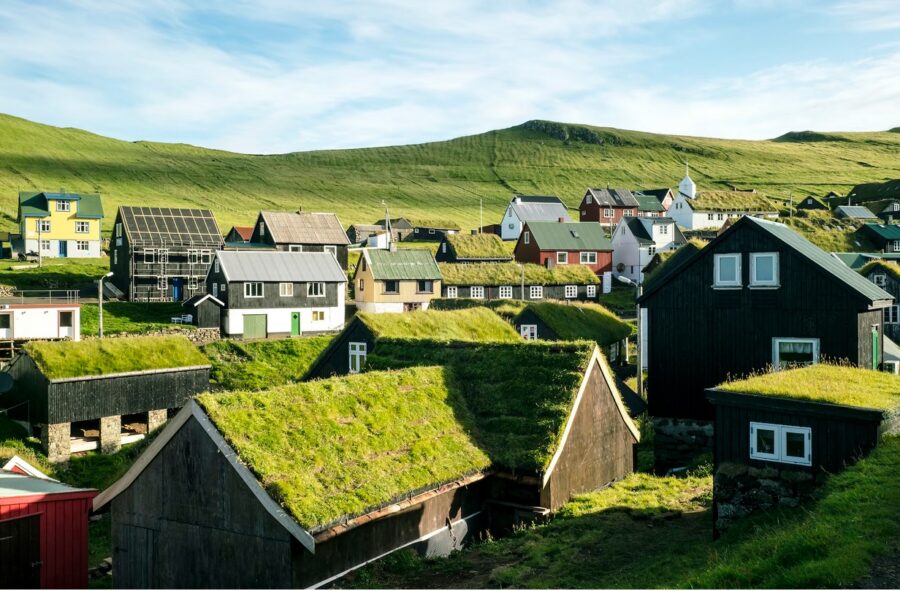
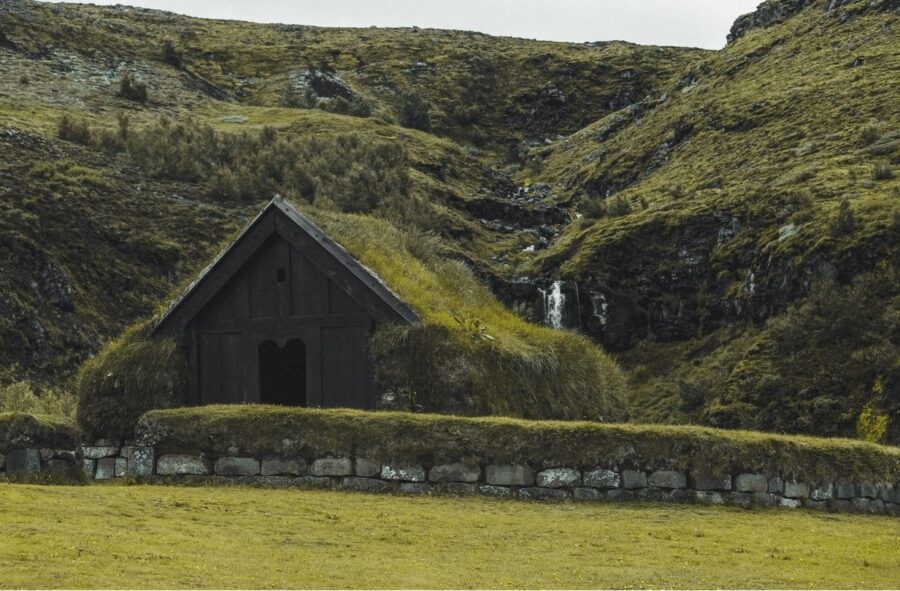
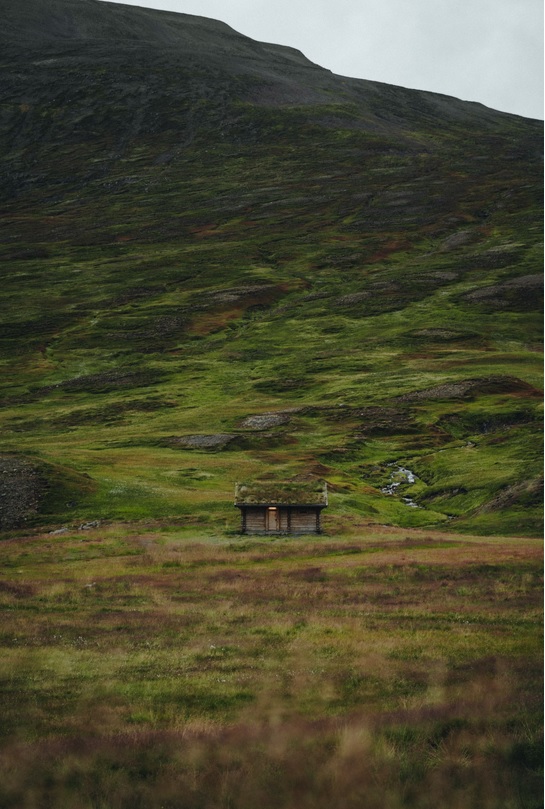
Photos: Nordic sod roof houses (3x Unsplash)

Easy Turf Roof Installation Guide

Here’s a simplified step-by-step guide for installing a turf roof:

Materials Needed:

Turf sod (grass and soil)
Wooden planks or boards
Waterproof membrane (optional)
Staples or nails
Grass seeds (optional)
Watering can or hose

Step 1: Prepare the Structure
Ensure your building or structure has a sturdy wooden frame or roof structure in place.

Step 2: Waterproof Membrane (Optional)
If you want extra protection against leaks, you can lay down a waterproof membrane on the roof structure.

Step 3: Lay Wooden Boards
Lay down wooden planks or boards over the roof structure. This creates a stable base for the turf.

Step 4: Add a Layer of Soil
Spread a layer of soil evenly over the wooden boards. Make sure it’s about 4-6 inches deep.

Step 5: Plant Grass Seeds (Optional)
If you want a more traditional look, plant grass seeds evenly across the soil layer. Water them thoroughly.

Step 6: Lay Turf Sod
Place the turf sod (grass-side up) over the soil or grass seed layer. Press it down gently to ensure good contact.

Step 7: Secure the Turf
Use staples or nails to secure the edges of the turf to the wooden boards. Make sure it’s securely attached.

Step 8: Water and Maintain
Water your newly installed turf roof regularly, especially during dry spells, to help the grass grow and keep the turf healthy.

Step 9: Enjoy Your Turf Roof
Your turf roof is now installed! It will provide natural insulation and add a touch of beauty to your structure.

Tips:

Choose drought-resistant grass species if you live in a dry climate.
Trim the grass on your turf roof regularly to maintain its neat appearance.
Check for any leaks or damage to the wooden structure periodically to ensure the roof’s integrity.

Note: Installing a turf roof is a labor-intensive process and may require careful planning. It’s essential to ensure that your building’s structure can support the added weight of the soil and turf. Consider consulting with a professional for larger projects.

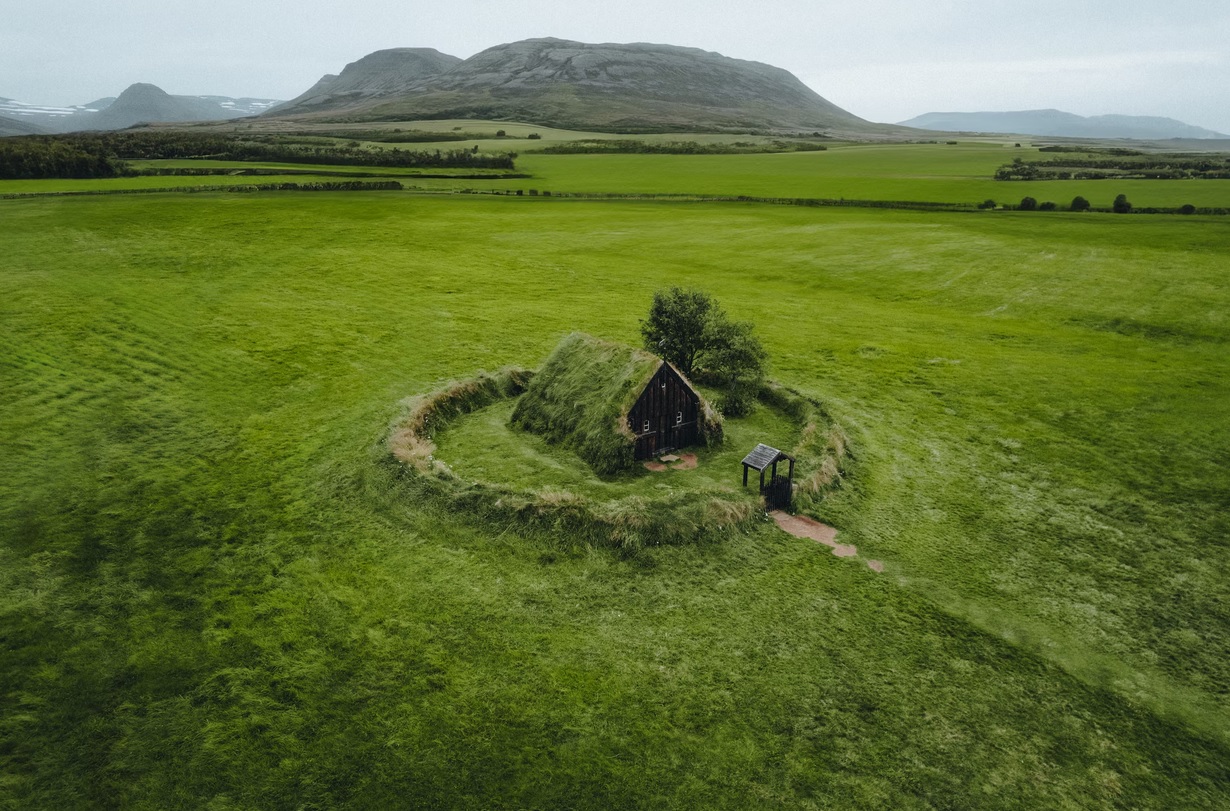
Featured image: Turf roofed house in Iceland (Unsplash)

tags: #scandinavianstyle #scandinaviandesign #scandinavianhome #Scandinavian #Nordic #nordicdesign #nordicdecor #nordichouse #TurfRoof #sodroof #torvtak #ecofriendly #ecofriendlyliving #scandinavianheritage #scandinavianculture #NordenBladet
Discovering Egilsstaðir: A Gateway to the heart of the enchanting East Fjords of Iceland

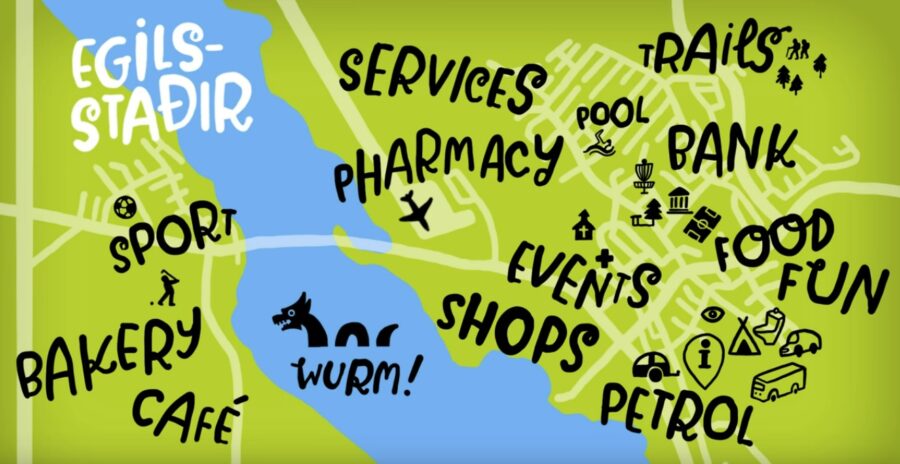
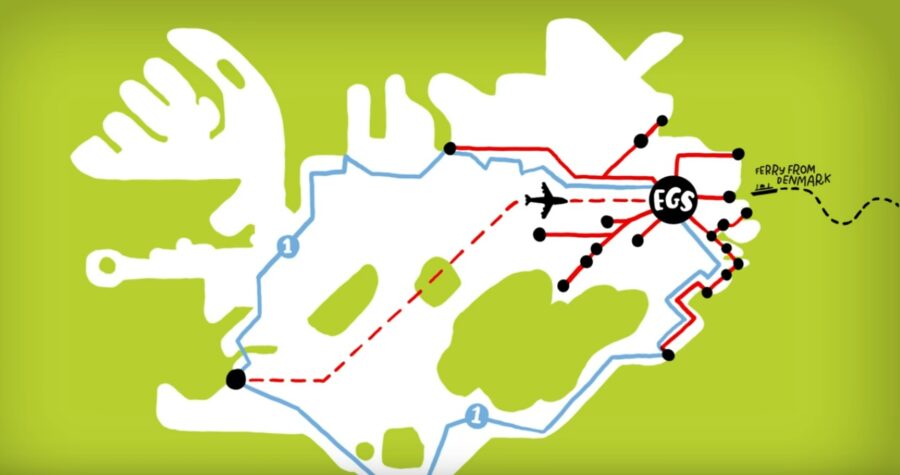
NordenBladet – Situated in the heart of the enchanting East Fjords of Iceland, Egilsstaðir is a lovely small town that serves as a gateway to the region’s natural wonders, fascinating history, and unique culture. In this article, we’ll delve into the captivating world of Egilsstaðir, uncovering its intriguing facts, stories, attractions, and the resilient people who call it home.
Location and Geography

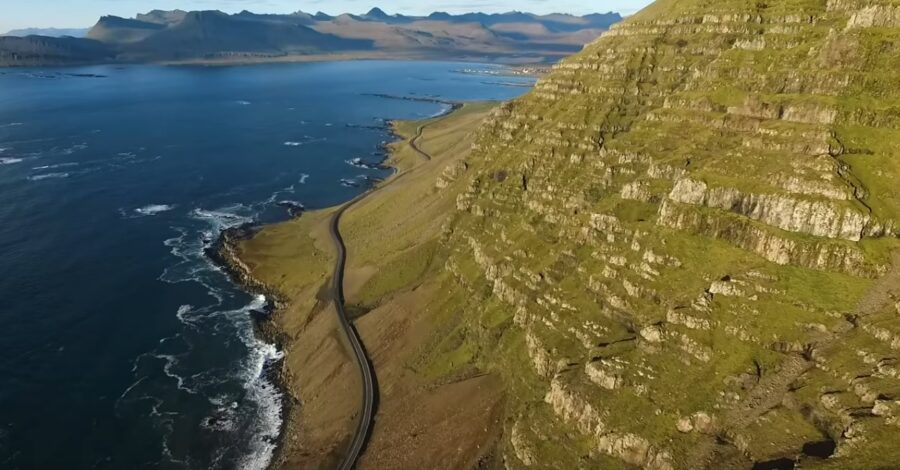
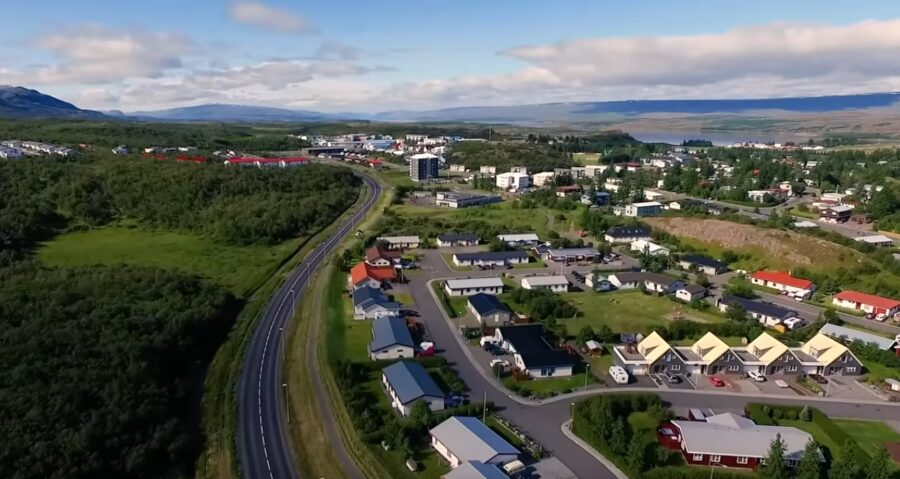
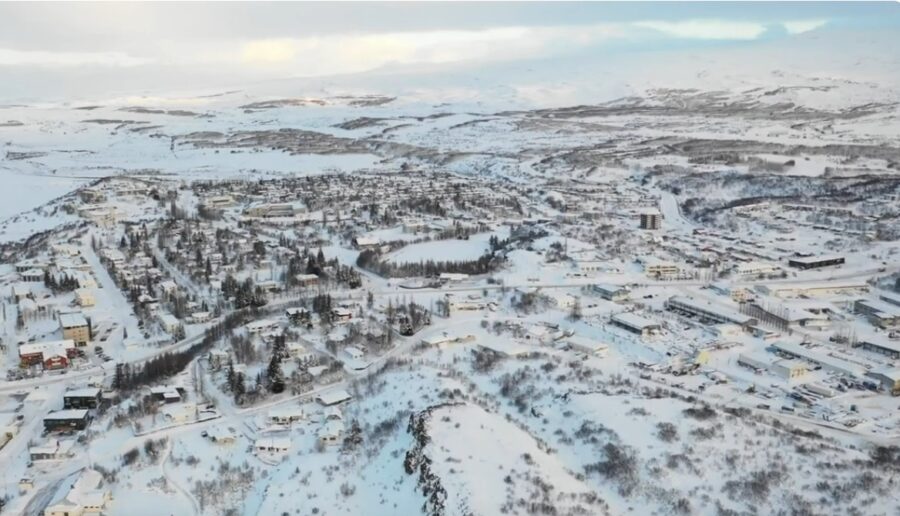
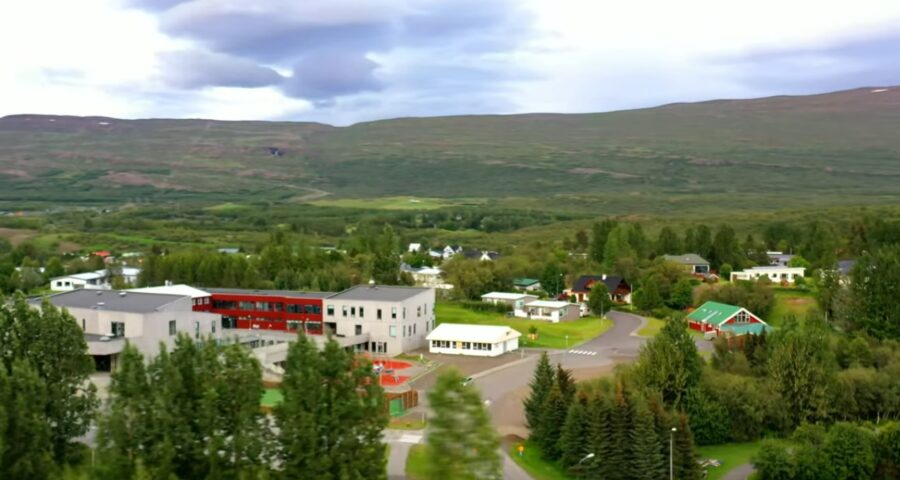
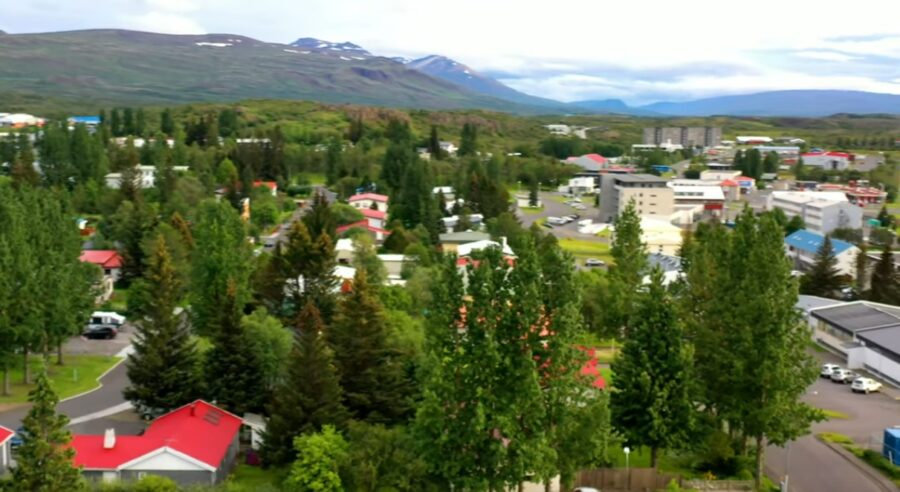
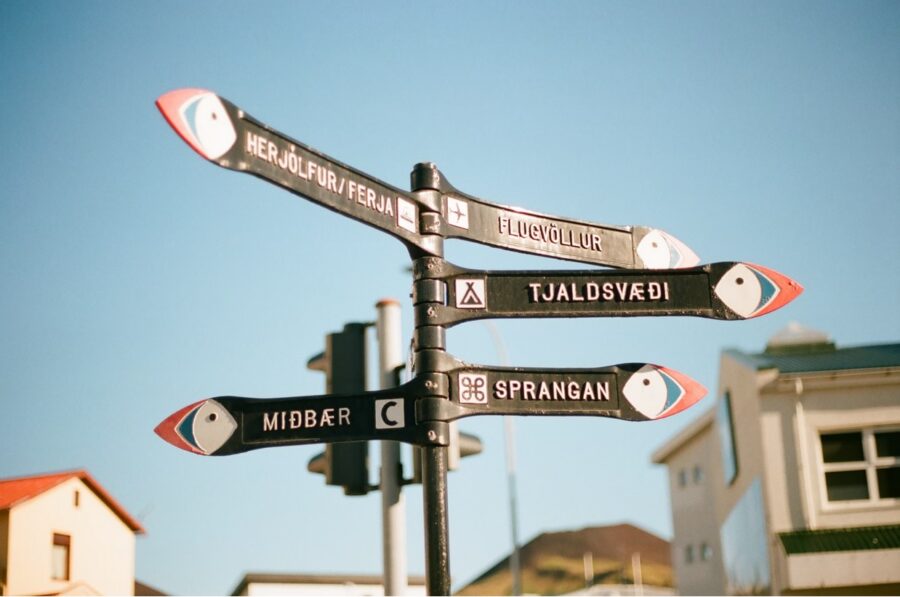
Egilsstaðir, the largest settlement in East Iceland (Icelandic: Austurland), is situated on the banks of Lagarfljót Lake (also called Fljótið). Surrounded by towering mountains, lush valleys, and pristine rivers, the town boasts breathtaking scenery in every direction. Its strategic location on the Ring Road or Route 1 (Icelandic: Þjóðvegur 1 or Hringvegur), which encircles the island, makes it an ideal base for exploring the region.


Photos: 2x VisitEgilsstadir.is

History and Culture

Egilsstaðir’s history is deeply intertwined with the settlement of Iceland itself. The area has ancient roots dating back to the earliest Norse settlers, and evidence of their presence can still be found in the form of archaeological sites and historical landmarks.

One of the town’s most notable attractions is the East Iceland Heritage Museum (official website: minjasafn.is), where visitors can learn about the rich cultural heritage of the region. The museum showcases artifacts, photographs, and stories that provide insight into the lives of the people who have called this area home for centuries.

The Legend of the Lagarfljót Worm

Egilsstaðir is perhaps best known for its connection to the Lagarfljót Worm, a mythical creature said to inhabit the nearby Lagarfljót Lake. This cryptid serpent is called Lagarfljótsormurinn by locals. According to legend, the worm is a massive serpentine monster that has been sighted periodically throughout history. While skeptics dismiss the sightings as natural phenomena, the worm’s legend adds an air of mystery and intrigue to the area.

Natural Attractions

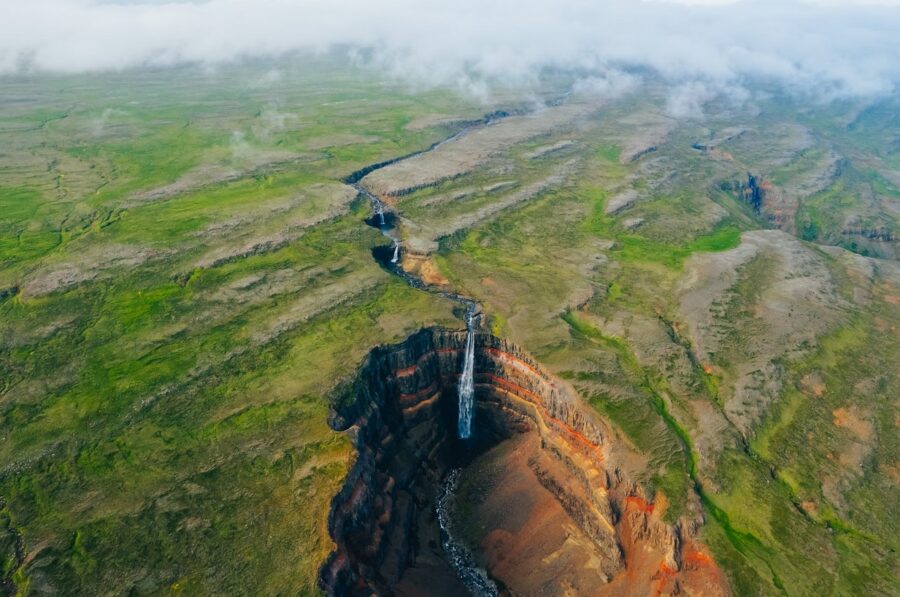
The surrounding landscape offers a plethora of natural attractions for outdoor enthusiasts. A short drive from Egilsstaðir will take you to Hengifoss, one of Iceland’s tallest waterfalls. It is 128 meters and is located in Hengifossá in Fljótsdalshreppur, East Iceland. What sets it apart is the striking red layers of clay between the basaltic rock, creating a stunning contrast.


Hengifoss waterfall in Iceland (Unsplash)

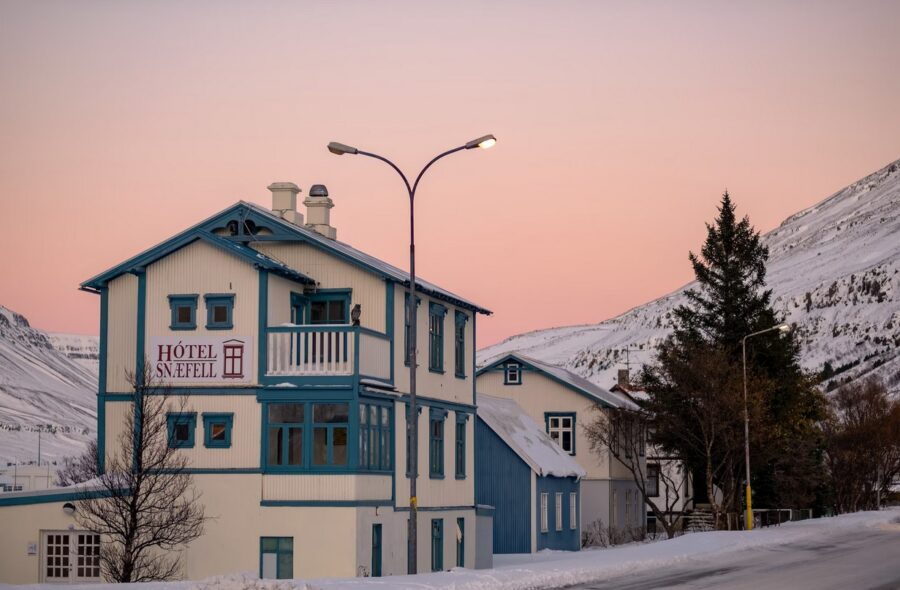
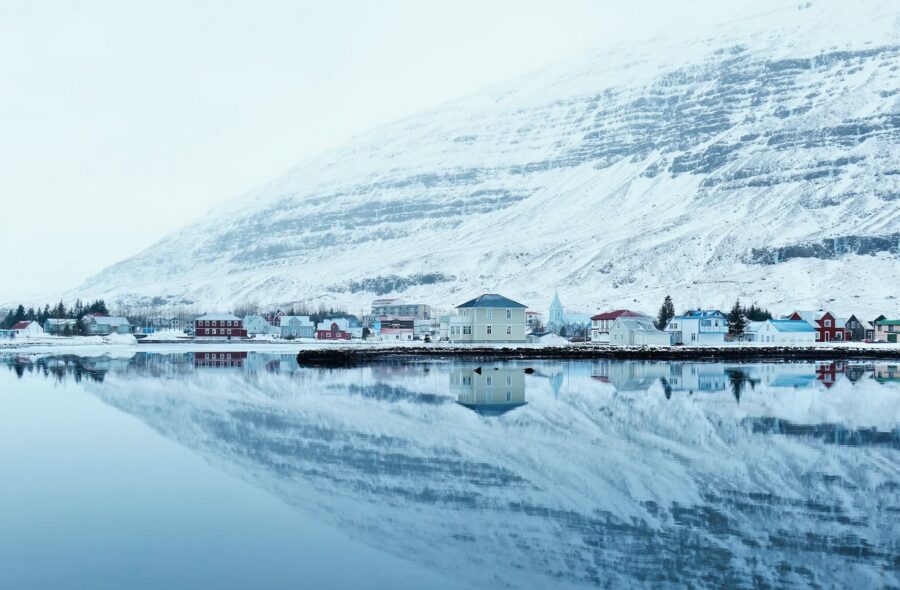
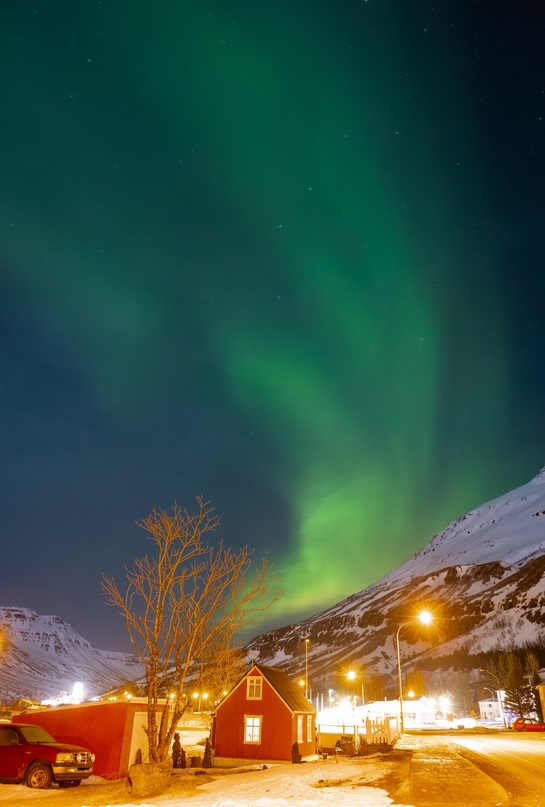
Seydisfjordur, a nearby fjord town, is famous for its charming, colorful houses, and the scenic drive through the mountains to reach it is an adventure in itself. Seydisfjordur is also a vital cultural hub, hosting an annual arts festival that draws visitors from around the world.


Seydisfjordur, Iceland (4x Unsplash)

Activities and Adventures

Egilsstaðir provides a range of activities for adventure seekers. The region’s rivers offer excellent fishing opportunities, while hiking trails meander through lush forests and pristine wilderness. The town is also a popular starting point for those embarking on the challenging but rewarding adventure of exploring the Vatnajökull National Park, home to Europe’s largest glacier.

Community and People

Egilsstaðir’s (with a population about 2,572) small but close-knit community is known for its warmth and resilience. The people here have a strong connection to the land and a rich cultural heritage, which they are eager to share with visitors. The town’s vibrant arts scene, including music and traditional Icelandic crafts, reflects the deep cultural roots of the region.


Practical Information

When planning a visit to Egilsstaðir, it’s essential to consider the weather, which can be unpredictable. It’s advisable to dress in layers, prepare for rain, and check road conditions if you plan to travel around the region. Accommodation options range from cozy guesthouses to comfortable hotels, and local restaurants offer a taste of Icelandic cuisine with a focus on fresh, locally sourced ingredients.

Egilsstaðir, nestled in the heart of East Iceland, is a captivating destination that offers a blend of history, culture, and stunning natural beauty. From its legendary lake monster to its breathtaking waterfalls and friendly community, this charming town is a gateway to the Eastern Fjords’ hidden treasures. For travelers seeking an authentic Icelandic experience off the beaten path, Egilsstaðir is a must-visit destination that will leave a lasting impression.

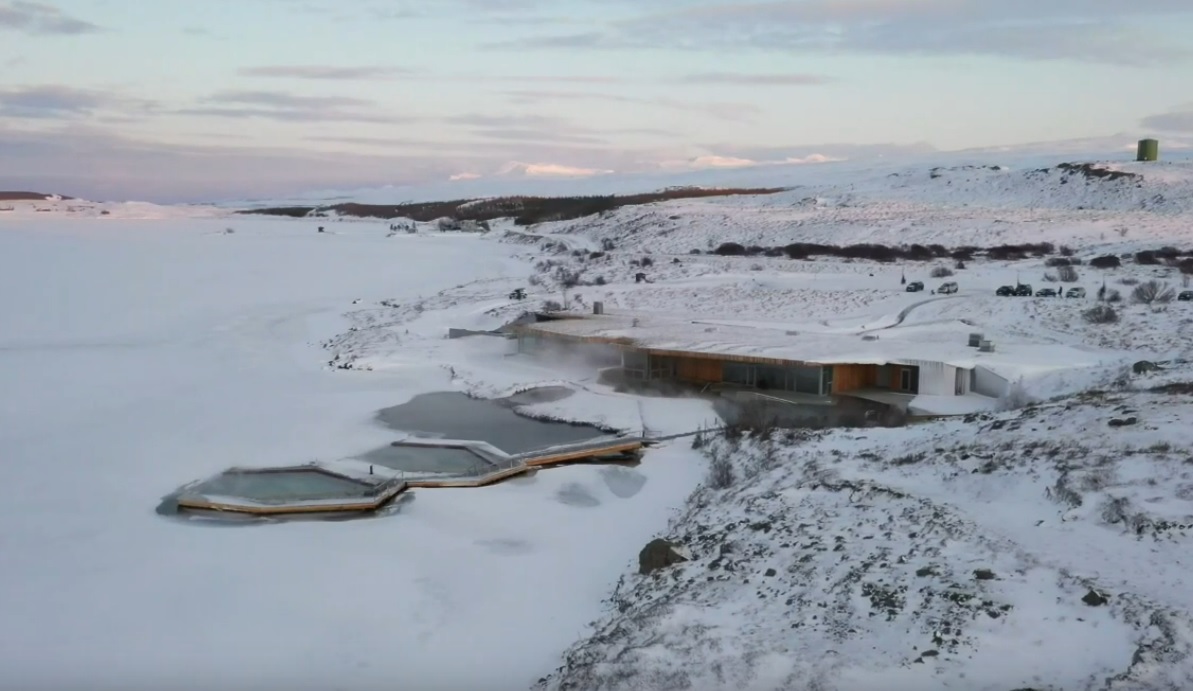
Featured image: Vök Bath in Egilsstadir, Iceland (NordenBladet)

Read also:

23 COMMON QUESTIONS with answers about Iceland

WHAT IS The Golden Circle in Iceland?

WHAT IS The Golden Circle in Iceland?

NordenBladet – Iceland’s stunning landscapes and unique geological features are a magnet for travelers seeking adventure and natural beauty. Among the country’s many treasures, the Golden Circle stands out as a must-visit destination for those looking to immerse themselves in Iceland’s natural wonders. In this article, we’ll take you on a journey through the Golden Circle, revealing everything you need to know to make the most of your visit.
What is the Golden Circle?
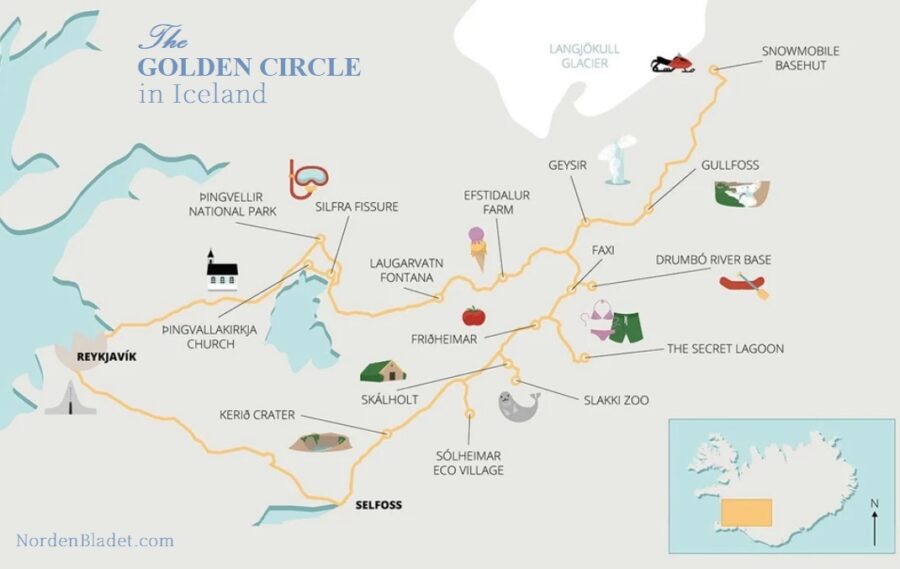
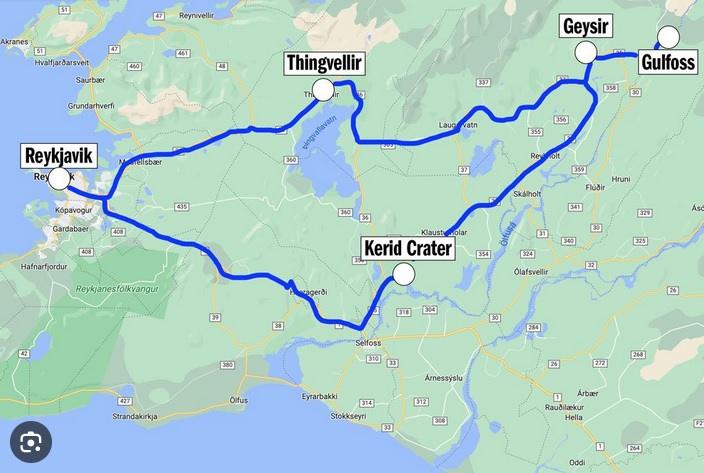
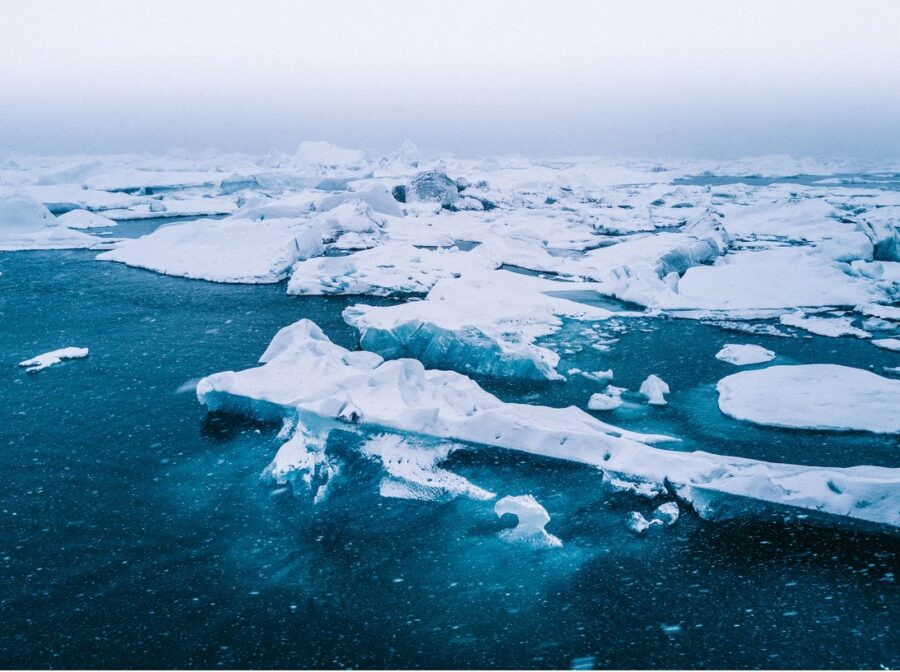
The Golden Circle is a popular tourist route in southwestern Iceland, known for its geological marvels and historic sites. This 300-kilometer (190-mile) loop begins and ends in Reykjavik, Iceland’s capital, making it easily accessible to travelers. The route typically includes three primary stops: Þingvellir National Park, Geysir Geothermal Area, and Gullfoss Waterfall. Each of these locations offers a unique and awe-inspiring experience.


1. Þingvellir National Park
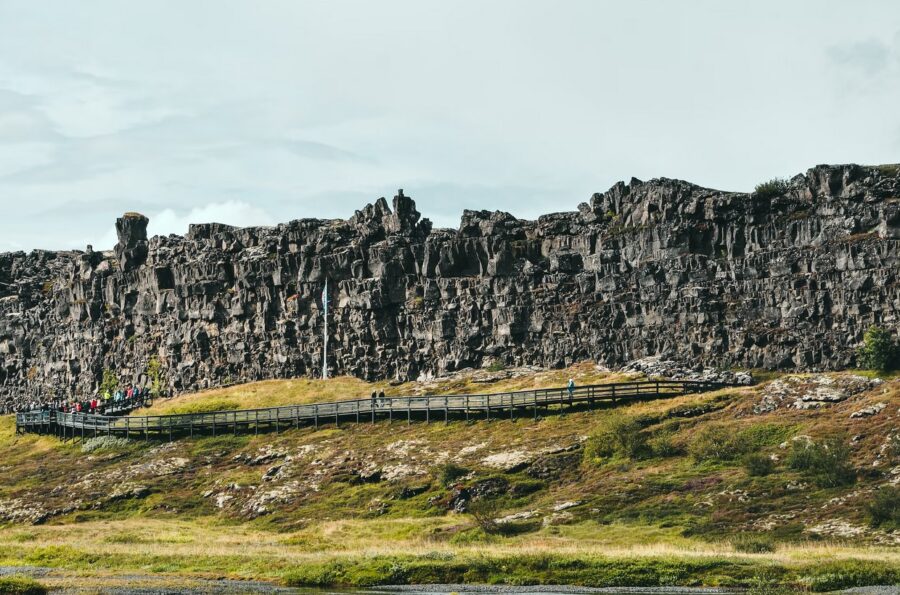
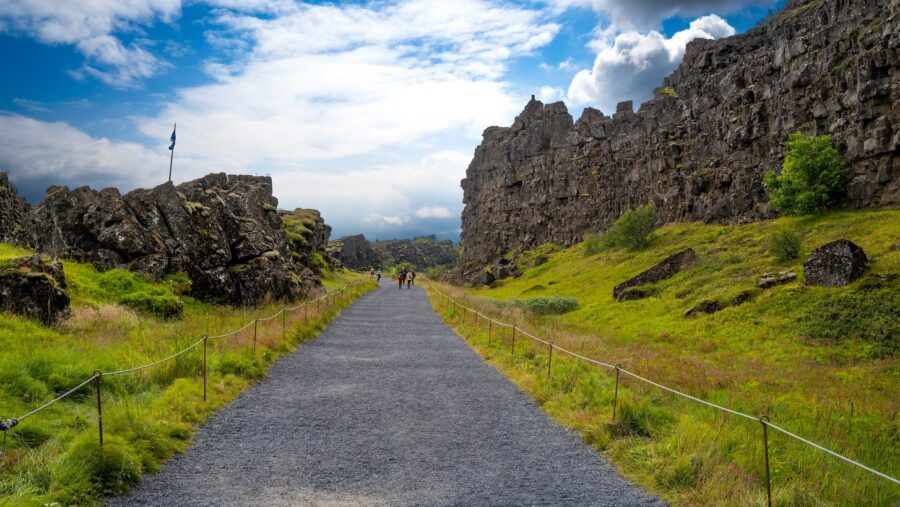
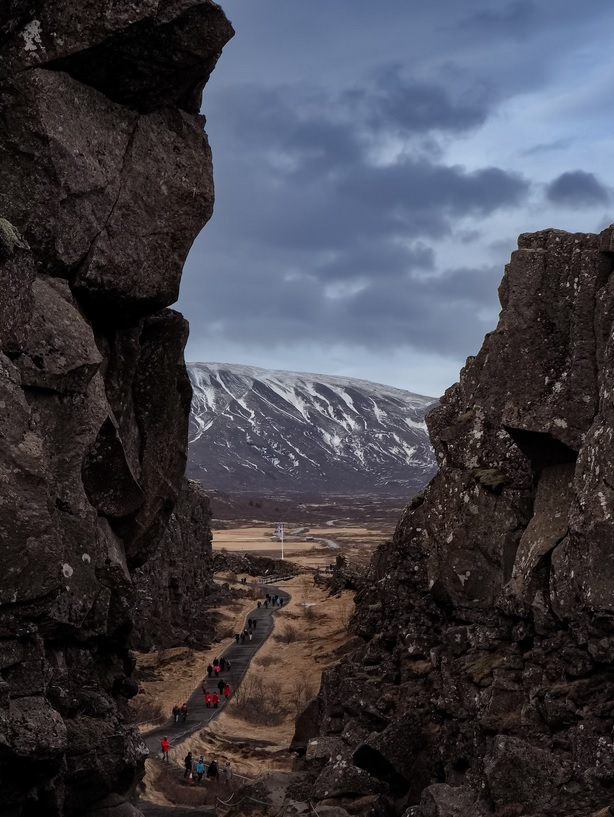
Þingvellir (pronounced “thing-vet-leer”) National Park (anglicised as Thingvellir) holds historical and geological significance. It’s here that Iceland’s ancient parliament, the Alþingi (official website: althingi.is), first convened in 930 AD, making it one of the world’s oldest parliaments. The park’s cultural and political importance is coupled with its geological wonders.

The park is situated in a rift valley formed by the Mid-Atlantic Ridge, where the Eurasian and North American tectonic plates are pulling apart. Visitors can walk along the Silfra Fissure, a crystal-clear underwater crevice between the tectonic plates, or dive and snorkel in its frigid waters. The stark beauty of the rocky landscape is complemented by Öxarárfoss waterfall and the opportunity to explore various hiking trails.


Þingvellir National Park (Unsplash)


Beautiful Icelandic landscape (Unsplash)


Þingvellir National Park (Unsplash)

2. Geysir Geothermal Area
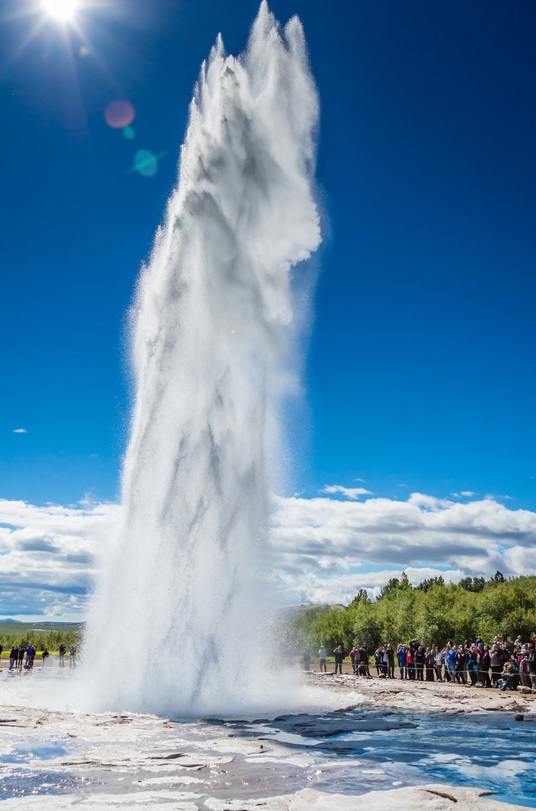
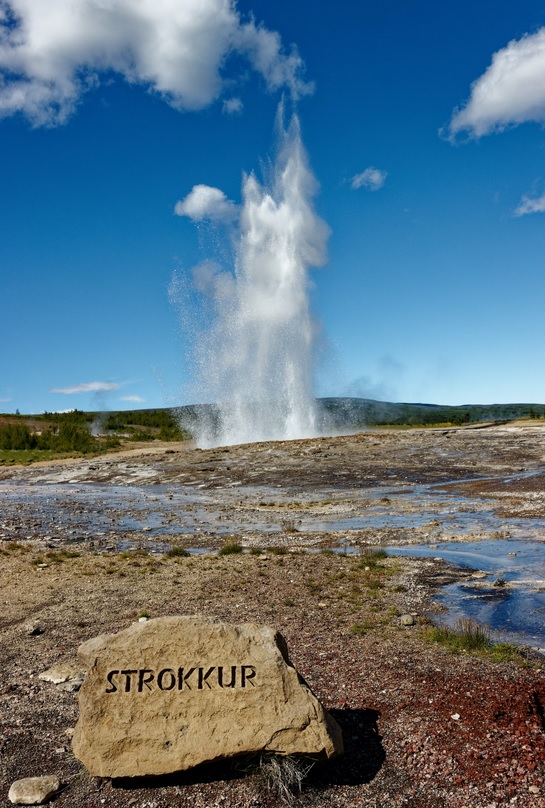
The Geysir Geothermal Area is home to a spectacular array of hot springs, geysers, and bubbling mud pots. The most famous geyser here is Strokkur, which erupts every 5-10 minutes, shooting hot water up to 30 meters (98 feet) into the air. Watching Strokkur’s impressive display is a highlight of any visit to the Golden Circle.

Adjacent to Strokkur, you’ll find the original Geysir (from which the word “geyser” is derived), although it erupts less frequently. The surrounding area is a vivid display of colorful mineral deposits and steam vents, creating an otherworldly atmosphere.


Strokkur, Haukadalsvegur, Iceland (2xUnsplash)

3. Gullfoss Waterfall
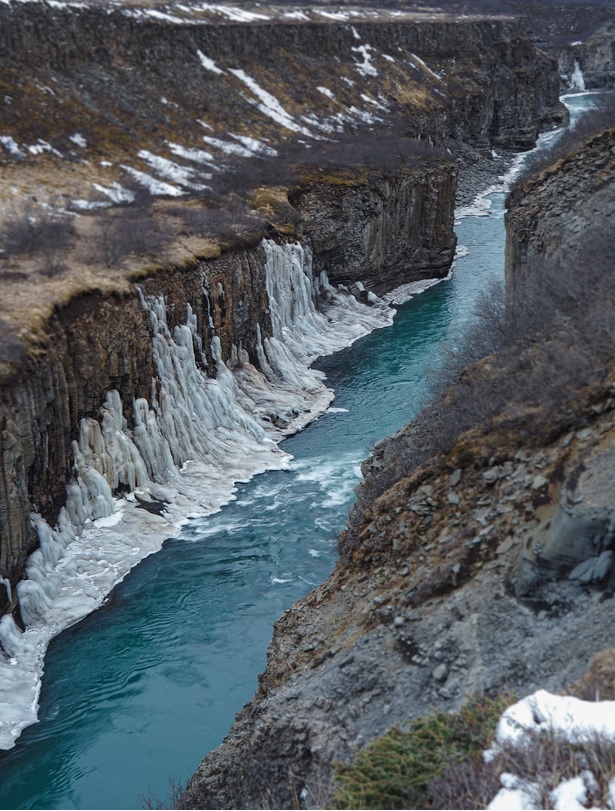
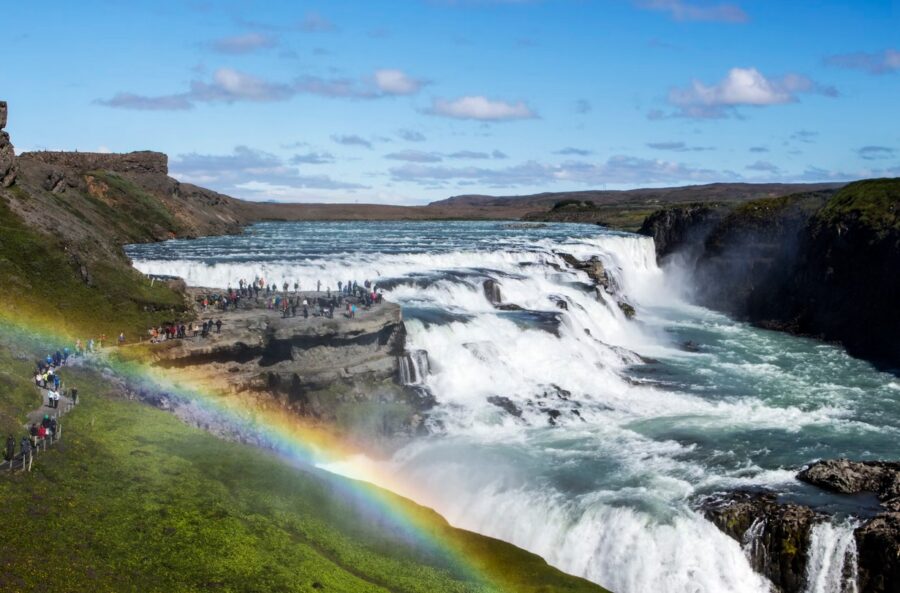
Gullfoss, or the “Golden Falls,” is one of Iceland’s most iconic waterfalls and a true testament to the raw power of nature. The Hvítá River plunges into a two-tiered canyon, creating a mesmerizing spectacle. On a sunny day, rainbows often form in the mist, adding to the waterfall’s enchantment.

You can view Gullfoss from multiple platforms, allowing you to appreciate its grandeur from different angles. Be sure to bring waterproof clothing, as the mist can be intense, especially on windy days.


Gullfoss Falls, Iceland (2xUnsplash)

Additional Stops and Activities
While Þingvellir, the Geysir Geothermal Area, and Gullfoss are the primary attractions of the Golden Circle, there are other stops and activities you can include in your itinerary. These include:

Friðheimar Tomato Farm: A unique greenhouse where you can enjoy lunch amidst rows of tomato plants and even try tomato-based dishes.

Kerid Crater: A volcanic crater lake with vivid blue waters, surrounded by striking red volcanic rock.

Fontana Geothermal Baths: Relax in natural hot springs and enjoy traditional Icelandic rye bread baked using geothermal heat.

Horseback Riding: Experience the Icelandic horse, a small and sturdy breed famous for its unique gait, tölt.

Practical Tips for Visiting the Golden Circle


Iceland (Unsplash)

Weather: Iceland’s weather is unpredictable, so dress in layers and be prepared for rain and wind.

Timing: The Golden Circle can be explored in a day, but consider taking your time to truly enjoy each stop.

Transportation: Renting a car is a popular option, but guided tours are also available from Reykjavik.

Respect Nature: Remember to respect the environment and follow Leave No Trace principles.

The Golden Circle is a captivating journey through Iceland’s natural and historical wonders. Whether you’re interested in geology, history, or simply experiencing the breathtaking beauty of the Icelandic landscape, the Golden Circle has something for everyone. So, put on your adventure hat and embark on a journey you won’t soon forget in this land of fire and ice.

Featured image: Iceland. Unsplash

Read also:

23 COMMON QUESTIONS with answers about Iceland

Nordic Wonders: HOW to get the most out of your next trip to Scandinavia

Riigikogu supports extending temporary protection to Ukrainian war refugees

NordenBladet —
Chair of the European Union Affairs Committee Liisa Pakosta noted that as Russia’s war in Ukraine continued, many homes and workplaces in Ukraine had been destroyed and civilians were still being murdered, continuing of support to war refugees was clearly necessary. “Many people cannot return home because their homes no longer exist or they have to run to shelters every night. The Riigikogu decided to extend granting of temporary protection to Ukrainian refugees. This will give each Ukrainian family a possibility to decide whether they continue to need temporary protection and when they can return home, because before that, new homes, workplaces or maybe whole settlements have to be rebuilt,” Pakosta said.

Deputy Chair of the Committee Maria Jufereva-Skuratovski pointed out that Ukraine was interested in the returning of its people to their homes, but at the moment, the country most of all needed weapons to fight for its territory and freedom. “At the moment, the Ukrainian refugees have no place they can return to. When the time comes, we are naturally ready to support it,” Jufereva-Skuratovski said. She added that it was clear that Ukraine would need to carry out extensive reconstruction work before that.

It was stated at the meeting that one-year extension meant an additional need of 1.6 million, which would cover the costs relating to both international and temporary protection. It was also pointed out that if the war continued after a year, the implementation of the Temporary Protection Directive could be extended again, but this would have to be a decision taken by all Member States.

The European Union Affairs Committee approved Estonia’s positions for the EU Justice and Home Affairs Council meeting that will be held in Brussels on Thursday. The representatives of the Estonian Conservative People’s Party Parliamentary Group abstained at the voting, saying that it was necessary to deal separately with deserters, whose maintenance was not right in their opinion.

For more information, please contact: Liisa Pakosta, phone +372 502 6191

Riigikogu Press Service
Merilin Kruuse
Phone: +372 631 6592, +372 510 6179
E-mail: merilin.kruuse@riigikogu.ee
Questions: press@riigikogu.ee

Link uudisele: Riigikogu supports extending temporary protection to Ukrainian war refugees

Source: Parliament of Estonia

23 COMMON QUESTIONS with answers about Iceland

NordenBladet – Iceland, with its stunning landscapes, rich history, and unique culture, has long fascinated travelers from around the world. Whether you’re planning a trip to this captivating country or just curious about what makes Iceland so special, we’ve compiled a list of 23 common questions with answers,  to provide you with a comprehensive insight into Iceland.
1. Where is Iceland located?
Iceland is situated in the North Atlantic Ocean, between Greenland and Norway.

2. How big is Iceland?
Iceland covers an area of approximately 103,000 square kilometers (39,768 square miles).

3. What is the capital city of Iceland?
Reykjavik is the capital and largest city of Iceland. Reykjavík is the centre of Iceland’s cultural, economic, and governmental activity, and is a popular tourist destination among foreigners. It is among the cleanest, greenest, and safest cities in the world.

4. What is the official language of Iceland?
Icelandic is the official language of Iceland. Icelanders (Icelandic: Íslendingar) are an ethnic group and nation who are native to the island country of Iceland.

5. Is Iceland a part of the European Union?
No, Iceland is not a member of the European Union (EU). It is, however, a member of the European Free Trade Association (EFTA).

6. How many people live in Iceland?
Iceland population is approximately 356,991 people.


Siglufjörður, Iceland (Unsplash)


Þingvellir, Iceland (Unsplash)


Iceland (Unsplash)

7. What is the currency of Iceland?
The currency used in Iceland is the Icelandic Króna (ISK).

8. What is the weather like in Iceland?
Iceland has a subarctic climate characterized by cool summers and cold winters. It can experience rapid weather changes due to its proximity to the Arctic Circle.

9. Are there any active volcanoes in Iceland?
Yes, Iceland is home to numerous active volcanoes, including Eyjafjallajökull and Hekla.

10. Does Iceland have glaciers?
Yes, Iceland has several glaciers, including Vatnajökull (with older name Klofajökull), the largest glacier in Europe.


Iceland (Unsplash)

11. What is the Golden Circle in Iceland?
The Golden Circle (Icelandic: Gullni hringurinn) is a popular tourist route in Iceland, which includes three key attractions: Þingvellir National Park (anglicised as Thingvellir), Geysir Geothermal Area, and Gullfoss waterfall.

In article “WHAT IS The Golden Circle in Iceland?“, we’ll take you on a journey through the Golden Circle, revealing everything you need to know to make the most of your visit.

12. Can you see the Northern Lights in Iceland?
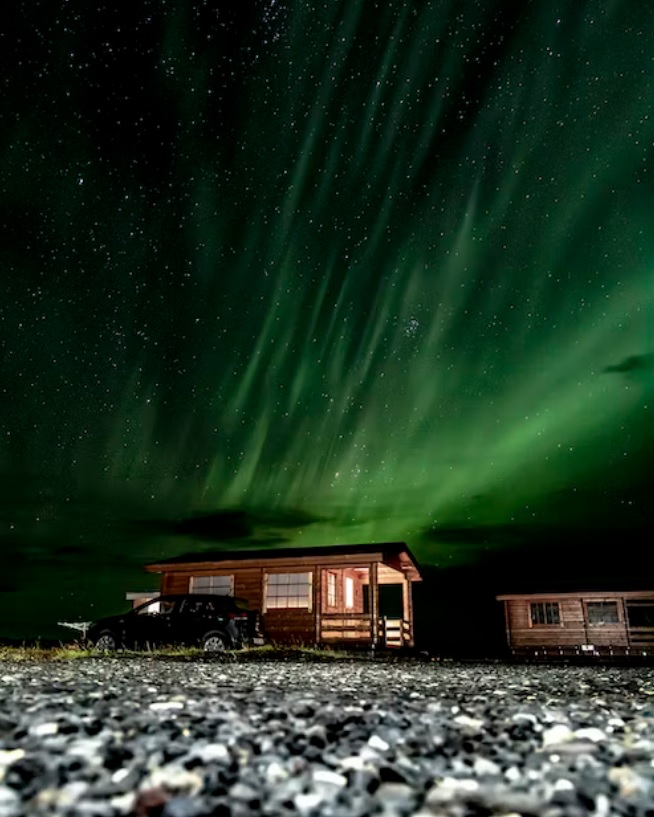
Yes, Iceland is one of the best places to see the Northern Lights, or Aurora Borealis, during the winter months.


Northern Lights in Iceland (Unsplash)

18 common questions with answers: WHAT is Aurora Borealis? What causes the Northern Lights? Where is the best place to go and see the northern lights? Do the Northern Lights give off radiation? etc.

Nordic Wonders: HOW to get the most out of your next trip to Scandinavia

13. How do you travel around Iceland?
Travel around Iceland can be done by car, bus, or domestic flights. Many tourists choose to rent a car to explore the country at their own pace.

14. Are there any hot springs in Iceland?
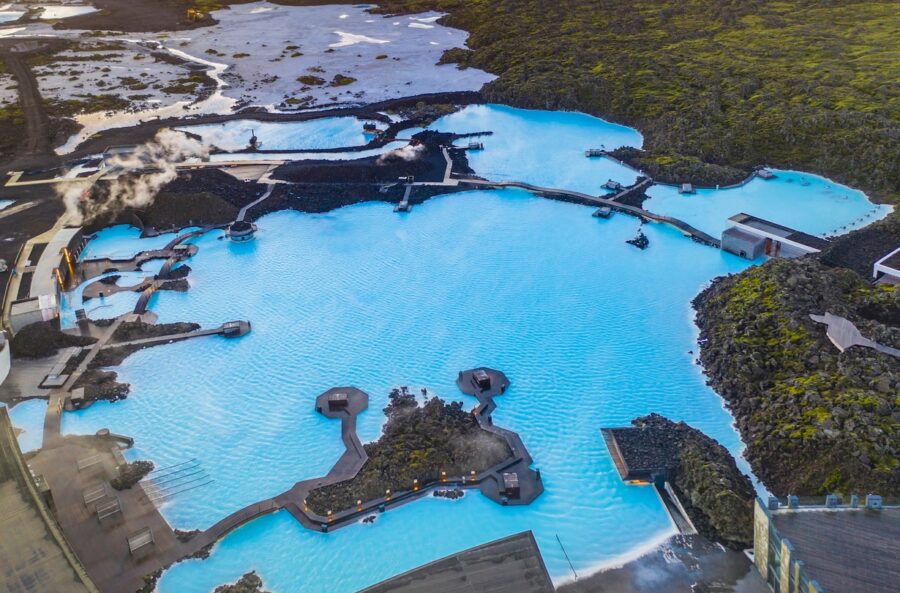
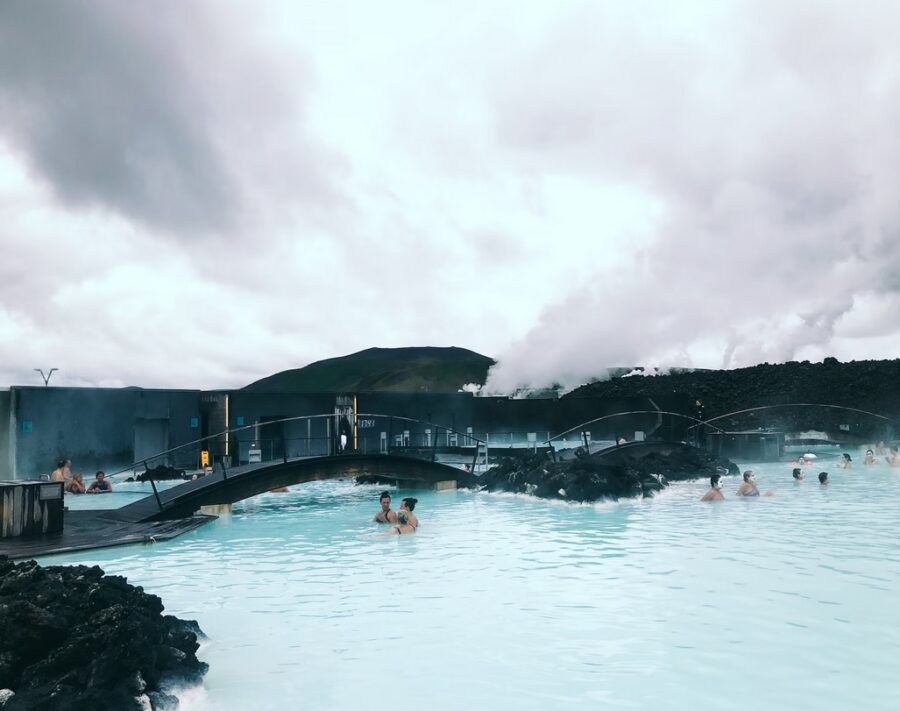
Yes, Iceland is famous for its geothermal hot springs, including the Blue Lagoon (Icelandic: Bláa lónið) and numerous natural hot pools. The Blue Lagoon is approximately 20 km (12 mi) from Keflavík International Airport, and is one of the most visited attractions in Iceland.


The Blue Lagoon (2xUnsplash)

15. Is the tap water safe to drink in Icelandff?
Yes, tap water in Iceland is safe to drink and of high quality.

16. What are some traditional Icelandic dishes?
Traditional Icelandic dishes include hákarl (fermented shark), skyr (a type of yogurt), and lamb stew.

17. Is Iceland expensive for tourists?
Yes, Iceland is known for being relatively expensive for tourists, particularly in terms of food and accommodations.

18. Are there any puffins in Iceland?
Yes, Iceland is home to one of the world’s largest puffin populations, and you can often see them along the coast during the summer months.

Iceland: Lundey Island (Puffin) declared protected area in Iceland

19. What is the most common religion in Iceland?
The most common religion in Iceland is Lutheranism, with the Church of Iceland (Icelandic: Þjóðkirkjan) being the largest Christian denomination.

20. Are there any traditional Icelandic festivals?
Yes, Þorrablót (translated as thorrablot) is a traditional midwinter festival in Iceland where locals celebrate with traditional food and music. The Þorrablót is an evening with dinner where participants hold speeches and recite poems, originally to honour the Norse god Thor (Þórr), whose name is taken to be associated with Þorri. Calling the feast a blót (a sacramental feast held in honor of a god in Norse mythology) makes clear the reference to pre-Christian times, which many nationalists of the 19th century considered a golden age of Icelandic history.

21. What is the significance of Icelandic horses?
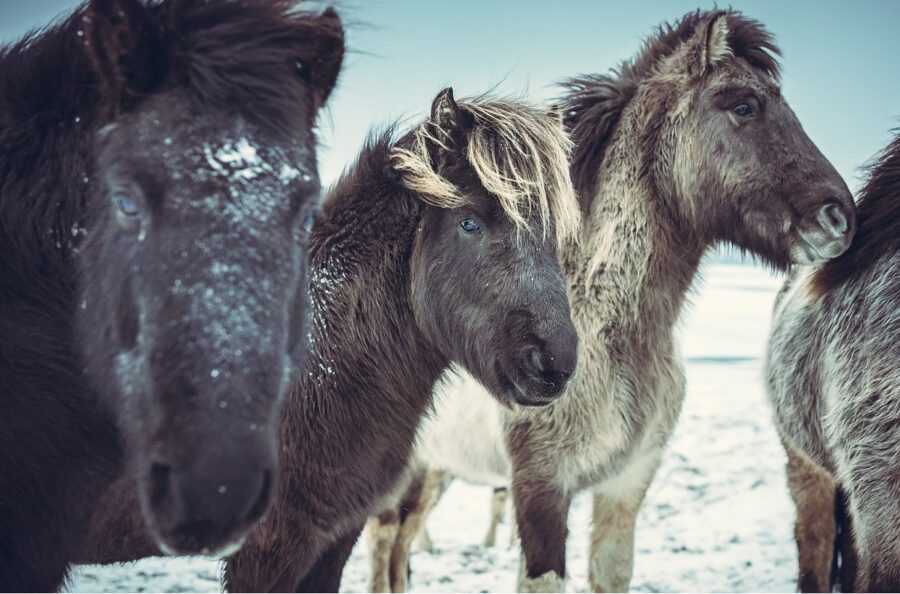
Icelandic horses (Icelandic: íslenski hesturinn) are a unique breed known for their strength, stamina, and five gaits. They have been a vital part of Icelandic culture for centuries.


Icelandic horses. Snaefellsnes, Iceland (Unsplash)

22. What is the population density in Iceland?
Iceland has a low population density, with around 3.3 people per square kilometer (8.6 people per square mile).


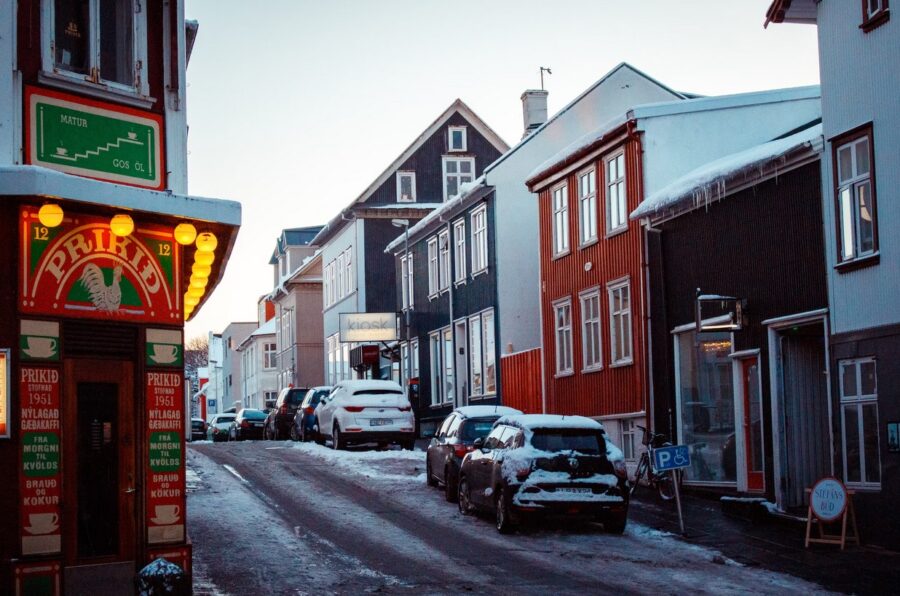
Reykjavík, Iceland (Unsplash)


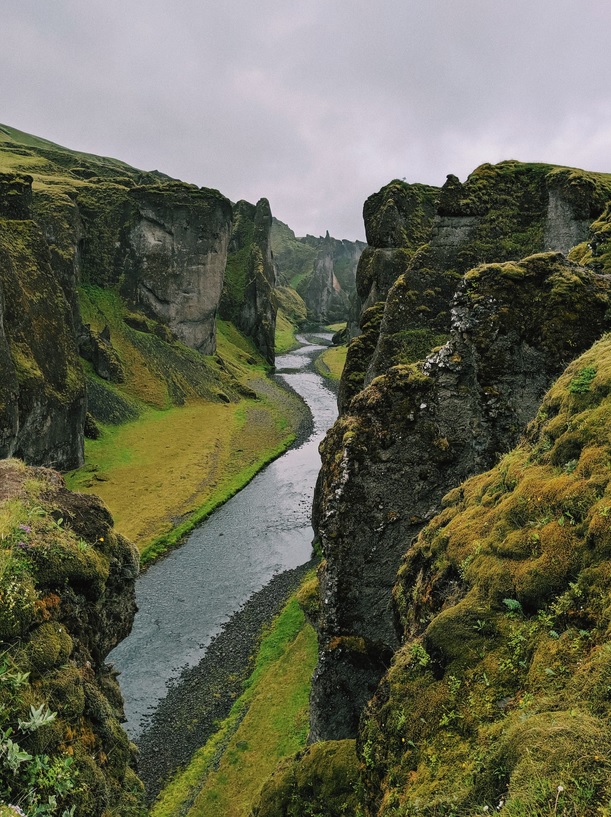
Fjaðrárgljúfur, Iceland (Unsplash)

23. Can you visit ice caves in Iceland?
Yes, you can explore ice caves in Iceland, particularly in glacier regions like Vatnajökull. With an area of 7,900 km2, Vatnajökull is the second largest ice cap in Europe by volume (about 3,000 km3) and area (after the still larger Severny Island ice cap of Novaya Zemlya, Russia, which is in the extreme northeast of Europe). On 7 June 2008, it became a part of the Vatnajökull National Park.

Featured image: Reykjavík, Iceland (Unsplash)

The Faroe Islands: THE Place where legends and reality merge

NordenBladet – Nestled in the North Atlantic Ocean, midway between Norway and Iceland, the Faroe Islands are a place where nature and culture have blended for centuries, creating a unique tapestry that defies easy description. Beyond the breathtaking landscapes and charming villages lies a history and local culture that is as fascinating as it is captivating.
1. The Land of Sagas and Legends:

Before the written word documented their history, the Faroese people passed down their stories and legends through oral tradition. These sagas, known as the “Faroese Sagas,” (Færeyinga saga) are a captivating blend of myth and reality. They feature tales of heroic Viking warriors, mysterious sea creatures, and dramatic battles. One of the most famous sagas, the “Saga of Tróndur,” (Tróndur í Gøtu) tells the story of a Viking chieftain who famously fought a giant troll.

2. Grindadráp: A Controversial Tradition:

While the Faroe Islands are known for their stunning natural beauty, they are also known for a controversial tradition called “grindadráp” or grind hunting. This centuries-old practice involves the communal hunting and slaughter of pilot whales. Despite the outcry from animal rights activists, grindadráp remains deeply rooted in Faroese culture, where locals argue it is a sustainable way to source food for their remote community.

3. Unique Language and Identity:

The Faroese language is unlike any other in the world. Derived from Old Norse, it has evolved over the centuries to become a distinct and vibrant language. Interestingly, the Faroese government (Faroese: Føroya Landsstýri) actively promotes and preserves the language, even coining new words to ensure it remains relevant in the modern world. The strong connection to their language is a testament to the Faroese people’s commitment to preserving their unique cultural identity.

4. The Power of Sport:

Football (soccer) has a special place in the hearts of the Faroese people. Despite their small population, the Faroe Islands have produced remarkable football talent and compete at the international level. The national team’s famous victory over Austria in 1990 is still remembered as one of the most significant moments in Faroese sports history. The Faroe Islands’ passion for football extends to grassroots efforts, with a strong emphasis on community and camaraderie.

5. The Lure of the Sea:

For generations, fishing has been the lifeblood of the Faroese economy. The harsh North Atlantic waters have molded the character of the Faroese people, instilling them with an unyielding determination and resilience. Today, modern fishing practices have supplanted many traditional methods, but the connection to the sea remains strong.

6. Architectural Marvels:

While traditional turf-roofed houses may be the iconic image of the Faroe Islands, the archipelago also boasts some stunning contemporary architecture. The Faroese have blended their modern needs with a respect for their environment. Notable examples include the glass-walled Nordic House in Tórshavn (official site: nlh.fo), designed to capture the natural light and surrounding landscape, and the modern Christian’s church in Klaksvík (Christianskirkjan), which stands as a testament to the evolving architectural identity of the islands.


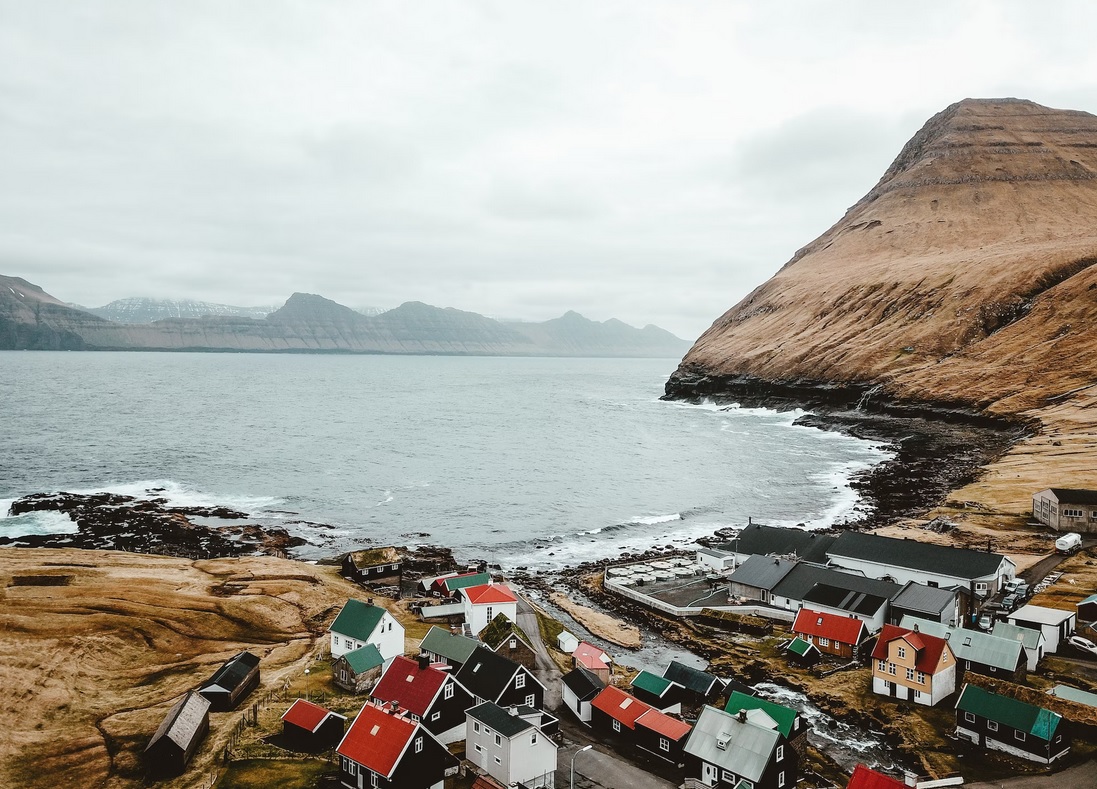
Traditional turf-roofed houses in Faroe Islands (Unsplash)

Christian’s church (Faroese: Christianskirkjan) in Klaksvík (Unsplash)

7. The Faroese Diaspora:

Beyond the islands themselves, a Faroese diaspora has formed in various parts of the world. Many Faroese people have emigrated, primarily to Denmark and other Nordic countries, in search of education and career opportunities. However, they maintain strong connections to their homeland, participating in cultural events and preserving their heritage.

The Faroe Islands are more than just picturesque landscapes and rugged coastlines; they are a living testament to the enduring spirit of a people who have thrived in one of the world’s most challenging environments. Their unique culture, steeped in history and tradition, offers a glimpse into a world where legends and reality are seamlessly intertwined, creating a tapestry of life that is both captivating and inspiring.

Featured image: Faroe Islands (Unsplash)

Read also:

Experience the extreme North! Travel & culture guide: WHAT to do in the Faroe Islands?

Quick facts about The Faroe Islands (Føroyar)

Tórshavn: A fascinating capital of the Faroe Islands

Mykines Island: A must-visit destination in the Faroe Islands

Picturesque travel destinations in Faroe Islands: Múlafossur Waterfall and the Island of Vágar

Faroe Islands: Streymoy and Kvívík offer a wealth of natural beauty, cultural heritage, and outdoor activities


Nordic Wonders: HOW to get the most out of your next trip to Scandinavia

NordenBladet – Nestled in the northern reaches of Europe, Scandinavia is a land of enchanting landscapes, vibrant cities, and a rich cultural heritage. Comprising the countries of Sweden, Norway, Denmark, Finland, and Iceland, this region offers a unique blend of natural beauty, history, and modernity. To ensure you make the most of your trip to Scandinavia, we’ve compiled a comprehensive guide that draws on reliable sources and insider tips to help you navigate this captivating part of the world.
Plan your timing carefully

Scandinavia experiences dramatic seasonal changes, and your trip experience can vary greatly depending on when you visit. Summer (June to August) offers long daylight hours, ideal for exploring the great outdoors and experiencing the famous midnight sun in the northern regions. On the other hand, winter (December to February) opens up opportunities for witnessing the mesmerizing Northern Lights, especially in Norway and Sweden. The choice is yours, but plan accordingly!

Scandinavians guide to planning the perfect luxurious getaway

ANSWER These Questions and You will find out if you are a Comfort Traveler or a Backpacker at heart

Helena-Reet: Packing for the journey to Finland… about to find out how many belongings a small car can accommodate

WHY is Scandinavia so rich? Why are Scandinavian/Nordic countries so wealthy?

Explore the majestic Fjords of Norway

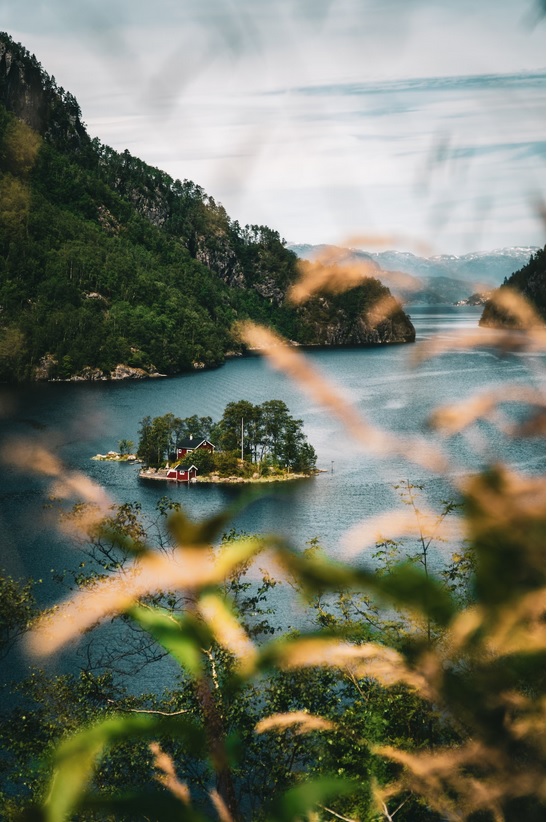
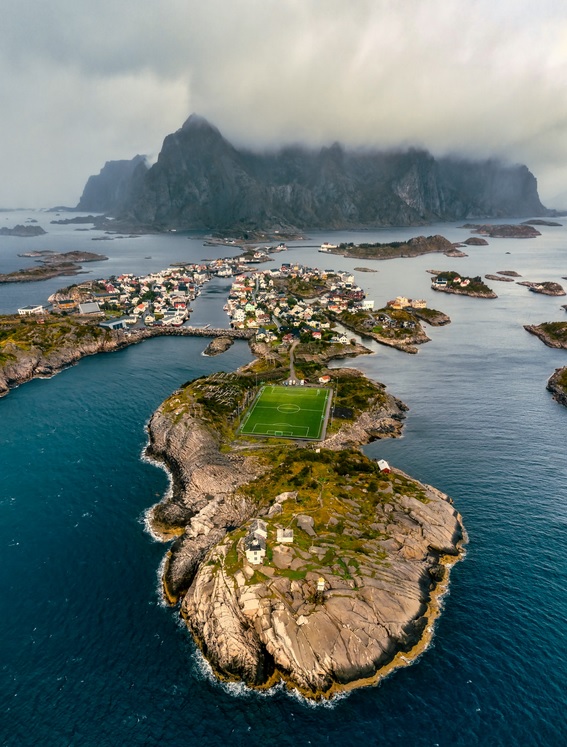
Norway is renowned for its stunning fjords, including the iconic Geirangerfjord and Nærøyfjord, both UNESCO World Heritage Sites. Embark on a cruise or hike the surrounding trails to witness the sheer cliffs, cascading waterfalls, and serene waters that define these natural wonders.


Photo: Lovrafjorden, Sand, Norway (Unsplash)


Photo: Henningsvær, Norway (Unsplash)

North Norway’s polar night is about to begin! ALL THE FACTS you need to know about the ‘dark time’ above the Arctic Circle in Norway

TOP 12 Environmentally friendly attractions in Norway

18 common questions with answers: WHAT is Aurora Borealis? What causes the Northern Lights? Where is the best place to go and see the northern lights? Do the Northern Lights give off radiation? etc.

Popular tourist destinations in Norway are now available on Google Street View Nature

Embrace hygge in Denmark

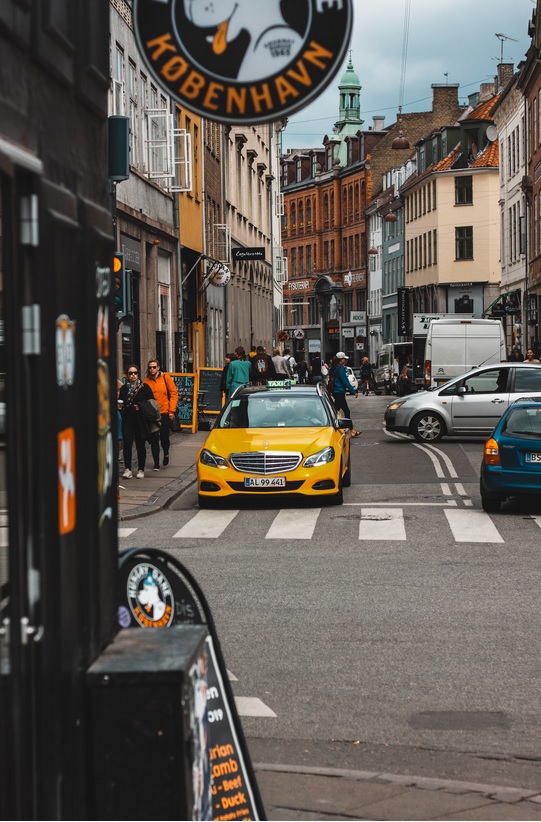
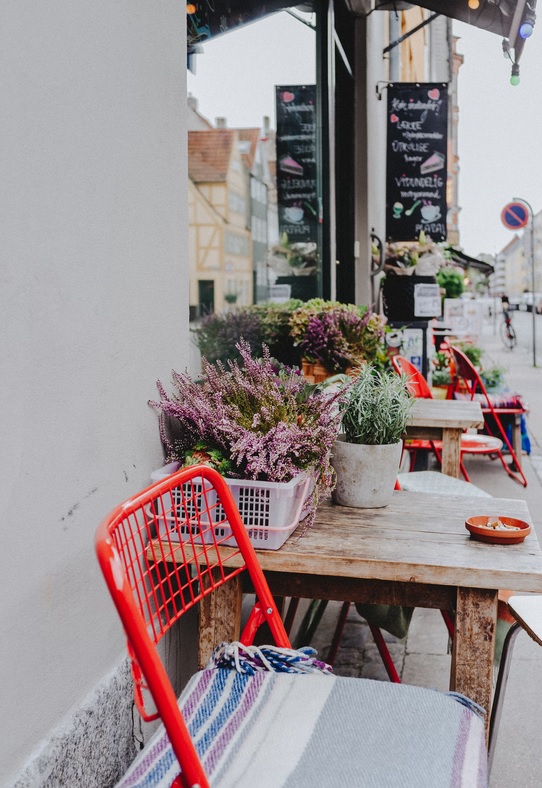
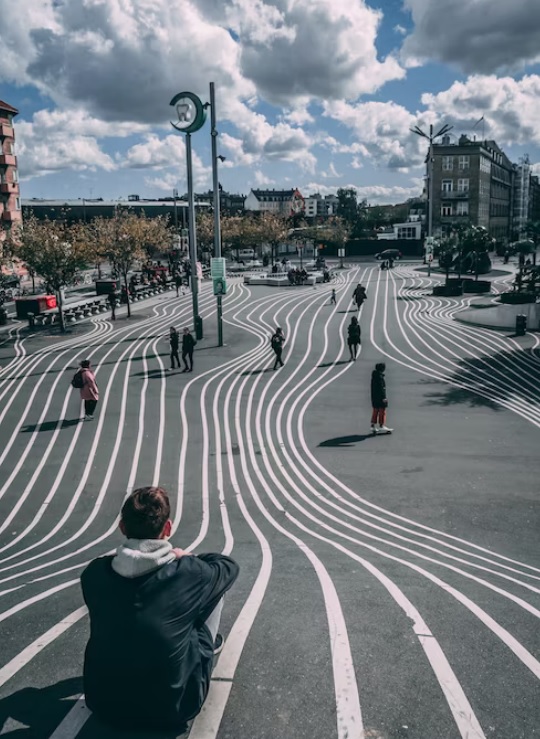
The Danish concept of hygge (pronounced ‘hoo-ga’) embodies coziness and contentment. Explore the charming streets of Copenhagen, visit quaint cafes, and indulge in delicious pastries while experiencing the warm and welcoming atmosphere that defines Danish culture.


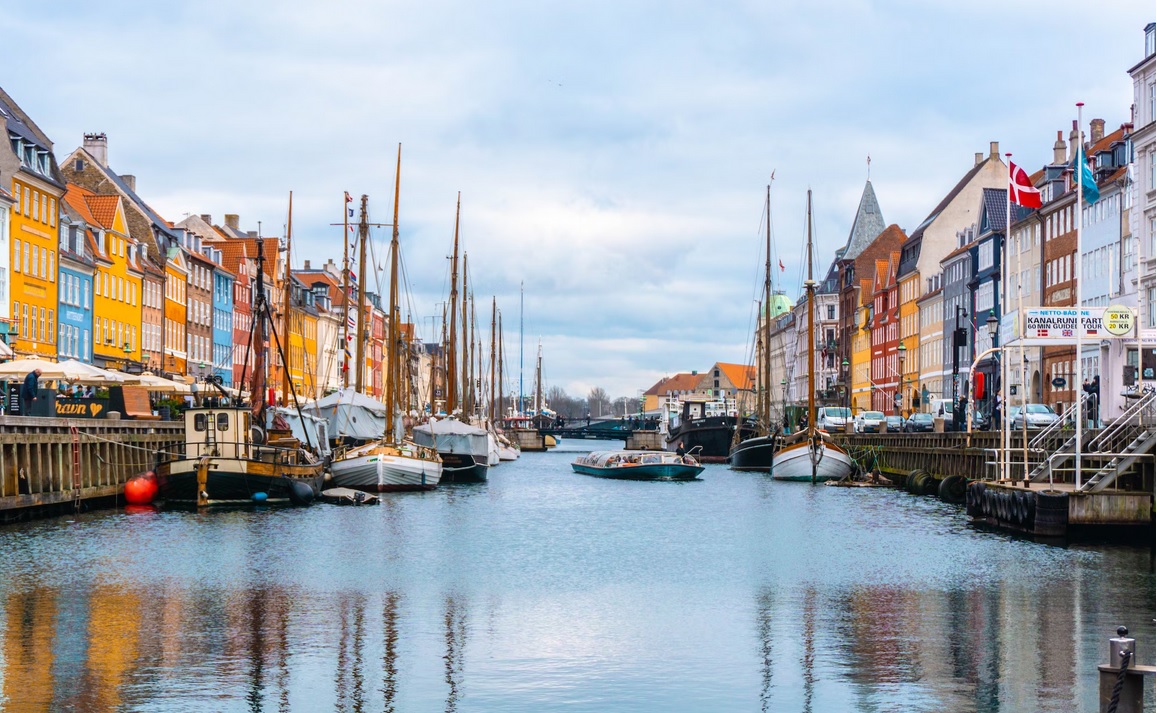
Photos: Copenhagen, Denmark (3xUnsplash)

HYGGE – a Danish and Norwegian word for a mood of coziness. What is Scandinavian Hygge? 10 common questions with answers

COOLEST TOPICS covered by many Scandinavian bloggers

WHAT are the most fascinating facts about Scandinavians?

Helena-Reet: Today’s Scandinavian style “hygge” Tuesday

Experience the extreme North! Travel & culture guide: WHAT to do in the Faroe Islands?

Picturesque travel destinations in Faroe Islands: Múlafossur Waterfall and the Island of Vágar

Discover Finnish sauna culture

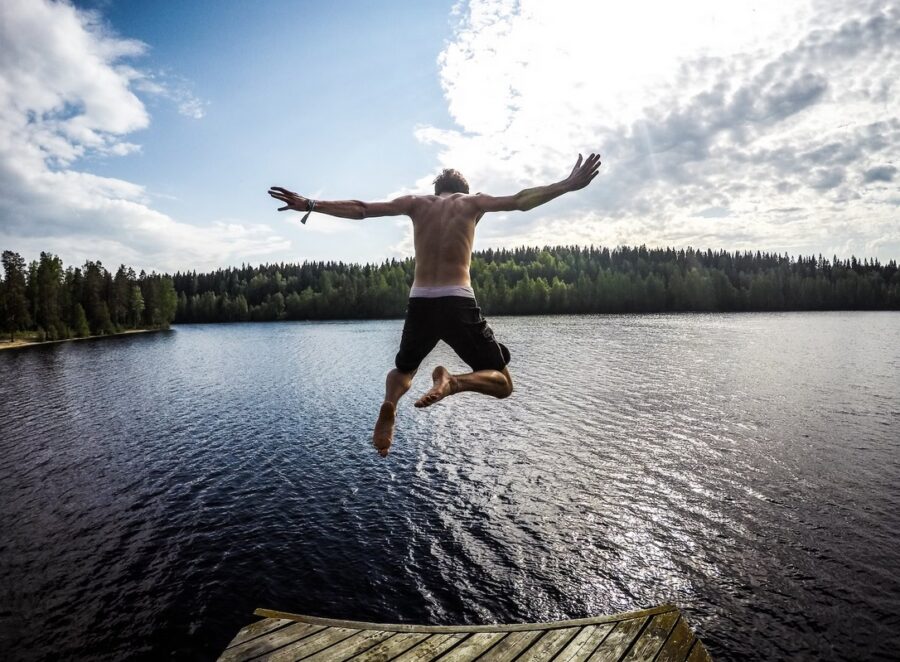
Finland is famous for its sauna culture, with nearly 2 million saunas for its 5.5 million inhabitants. Visit traditional saunas, and if you dare, take a dip in an ice-cold lake afterward for a true Finnish experience. Helsinki, the capital, is a fantastic starting point for your journey into Finnish culture.


Photo: Finland (Unsplash)

44 COMMON QUESTIONS with answers about Finland

8 REASONS why you should go on a road trip in Nordic countries

Helena-Reet: With children on a road trip around Finland (VOL6 – Levi Hotel SPA in Sirkka, restaurant Kekäle, magnificent nature, ski slopes, etc) + MANY PHOTOS!

Helena-Reet: With children on a road trip around Finland (VOL4: Journey from Vöyri near Vaasa and through Kokkola and Kalajoki Oulu and the evening in SPA) + PHOTOS!

Venture beyond the Arctic Circle in Lapland

Lapland, which stretches across northern Sweden, Finland, and Norway, is a magical destination for winter enthusiasts. Experience the thrill of dog sledding, meet indigenous Sami people, and, if you’re lucky, encounter the elusive reindeer and Northern Lights.

Levi – one of the Finland’s most interesting tourism destinations + LINKS, PHOTOS & INFO!

Enontekiö, the Finnish part of Lapland – municipality overview and info + PHOTOS!

The Arctic Centre at the University of Lapland

Indulge in Swedish design and innovation

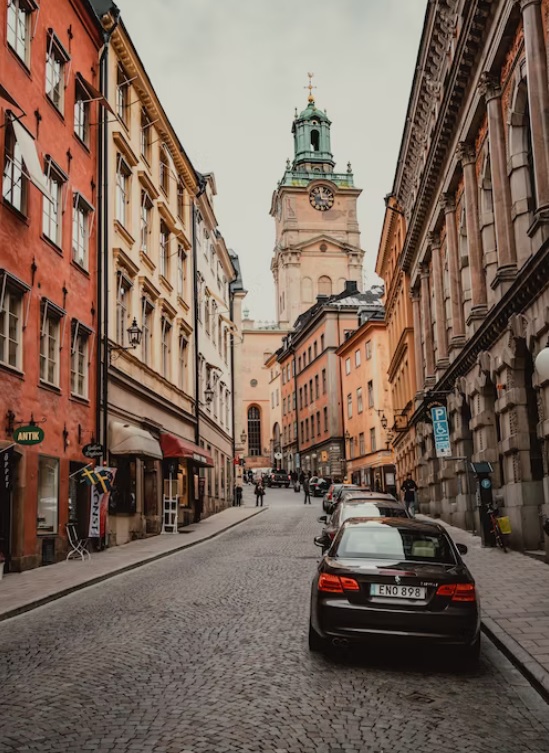
Sweden is known for its minimalist design and innovative technology. Explore Stockholm’s Gamla Stan (Old Town), where history meets modernity, and visit the ABBA Museum and the iconic Vasa Museum, showcasing the salvaged 17th-century warship.


Photo: Stockholm, Sweden (Unsplash)

75 COMMON QUESTIONS with answers about Sweden

Helena-Reet: Scandinavian theme parks – with children in Astrid Lindgren’s world in Vimmerby, Sweden + BIG GALLERY!

20 THINGS to know before visiting or moving to Sweden

Swedish weather and nature – Seasons and climate

Stockholm´s museums: The Viking Museum – tourist info, guides, pictures

Stockholm´s museums: The Medieval Museum – tourist info, guides, pictures and videos (FREE ADMISSION!)

Swedish history and culture: The Vasa Museum (Vasamuseet) + GALLERY!

Sweden: The Royal Palace, with the Royal Apartments, the museums and gift shop, is open year round + PHOTOS!

Take a road trip in Iceland

Iceland’s dramatic landscapes include glaciers, volcanoes, and geothermal wonders. Consider renting a car and embarking on the Ring Road journey, which encircles the island and provides access to breathtaking sights like the Golden Circle, Blue Lagoon, and Jökulsárlón Glacier Lagoon.

23 COMMON QUESTIONS with answers about Iceland

WHAT IS The Golden Circle in Iceland?

Discovering Egilsstaðir: A Gateway to the heart of the enchanting East Fjords of Iceland

Iceland: Guðlaug pool nominated for Mies van der Rohe Award

Iceland adopts the WTTC global safety and hygiene stamp

Iceland: Limited Number of Tourists Allowed in Some Ice Caves

Sample Nordic cuisine

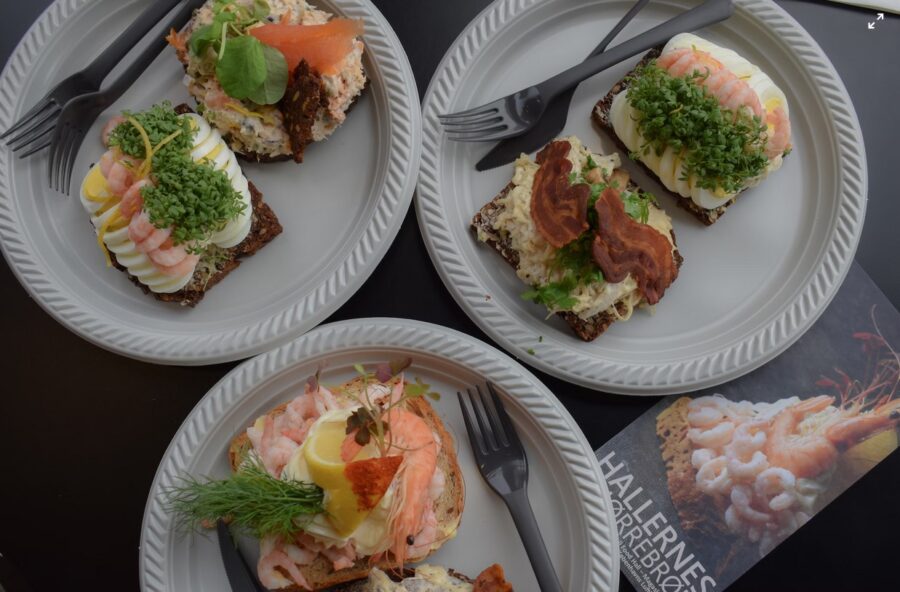
Scandinavian cuisine is experiencing a renaissance, with a focus on local, sustainable ingredients. Try traditional dishes like Swedish meatballs, Norwegian salmon, Danish smørrebrød (open sandwiches), and Finnish reindeer stew. Don’t forget to savor the famous Icelandic hot dogs and fermented shark for an adventurous palate.


Photos: 2xUnsplash

Food of Iceland: What is Laufabrauð and how to make it? + Recipe and VIDEOS!

Stay in unique accommodations

Scandinavia offers a range of distinctive lodgings, from ice hotels in Sweden and Finland to picturesque cabins in the Norwegian wilderness. Consider booking a stay in one of these unique accommodations for an unforgettable experience.

Respect the environment and local culture

Scandinavians take their commitment to the environment seriously, and you should too. Practice sustainable tourism by respecting local wildlife and nature, recycling, and conserving water. Additionally, learn about the local customs and traditions to interact respectfully with the indigenous Sami people and other local communities.

EXHAUSTIVE OVERVIEW: who were the ancient Scandinavian origin Vikings and when was the time of the Vikings?

HOW nalbinding from Scandinavia rose to glory and laid the foundations for today’s handicraft techniques

THE DARK HISTORY of witch trials in Scandinavia

From Finland to the forests: THE STORY and the legacy of the Forest Finns

Preserving Heritage and Identity: Swedish Finns (finlandssvensk) -the Swedish-Speaking Minority in Finland

A trip to Scandinavia promises an unforgettable adventure filled with natural beauty, cultural treasures, and a warm embrace of Nordic hospitality. By planning your trip carefully and immersing yourself in the unique experiences each country has to offer, you’ll create memories that will last a lifetime. Whether you’re chasing the Northern Lights in Norway or indulging in Danish hygge, Scandinavia has something extraordinary in store for every traveler. So, pack your bags and get ready to unlock the wonders of this captivating region!

Featured image: Denmark (Unsplash)


European Space Conference focuses on space economy

NordenBladet —
“Cooperation with Russia is also out of the question in space. The aim of the European space sector should be total isolation of Russia, in order to raise our capability in space together with Ukraine in the future,” Head of the Estonian Delegation to the European Interparliamentary Space Conference Mario Kadastik said.

Head of the Estonian delegation Mario Kadastik and member of the delegation Tõnis Lukas attend the session.

Kadastik explained that the aim of the EISC is to offer the national parliaments of Europe an opportunity to exchange information, hold discussions and make analyses relating to the space policy sector. The resolutions adopted at the meetings of the EISC are not binding for the national parliaments, but the organisation helps define the role of the legislators of European countries in dealing with space issues.

Estonia’s activities in the space sector are closely connected with membership in the European Space Agency (ESA) and the space programme of the European Union. In the Estonian space sector, the ESA performs the role of a procurement agency until a relevant state structure is established.

The purpose of Estonia’s space programme is to enable the development of high-technology based business in Estonia and, as a result, increase the export of products and services, develop the local space industry, education and science. It is important to improve the position of Estonian companies in the supply chain and contribute to the emergence of main contractors in Estonia.

After the annual session, the celebrations of the 20th anniversary of the European Space Policy Institute are also held in the Parliament of Austria, where the representatives of the European Space Agency and other space sector stakeholders are invited.

The European Interparliamentary Space Conference was established in 1999. Its full members are the national parliaments of the Member States of the European Union and the European Space Agency that have created a parliamentary body dealing with space affairs.

Riigikogu Press Service
Gunnar Paal, +372 631 6351, +372 5190 2837
gunnar.paal@riigikogu.ee
Questions: press@riigikogu.ee


Link uudisele: European Space Conference focuses on space economy

Source: Parliament of Estonia

Government agreed to the European Union Affairs Committee’s amendments relating to the repair of goods initiative

NordenBladet —
“Repairing of things is very important for the environment, because the longer a thing is used, the smaller its environmental impact is,” Chair of the European Union Affairs Committee Liisa Pakosta said. She explained that the Committee had discussed the initiative regarding the repair of goods at two sittings in summer and decided to significantly amend Estonia’s positions on this issue.

“Just making an additional webpage funded by the state or sending a washing machine from Võru to France to be repaired are not reasonable solutions. The Riigikogu Committee in every way supports the idea that goods must be repaired more, but the obligations should be appropriate and reasonably enforceable. We found in our Committee that instead of imposing the obligation to repair on the producers, it would be of greater help if the producers had the obligation to ensure access to all spare parts and repair instructions to local repairers and end users in Estonia. If all spare parts can be ordered online and the drawings necessary for making repairs are accessible, it will also contribute to reducing transport footprint,” Pakosta said about the changes the Riigikogu had introduced into Estonia’s positions.

If the EU wanted to create a webpage to help find local repair services, it should be done centrally in the Committee’s opinion. Pakosta added that the information necessary for repairing should be communicated to the user already before ordering the work from the repairer, and it was also the usual practice because it was often asked what the repairs would cost and how long it would take. The Riigikogu does not support the creation of a long repair information form for comparing the repair offers that was proposed in the European Commission initiative.

The European Union Affairs Committee discussed the positions submitted by the Government at its sittings on 7 and 21 July and decided to amend them significantly in cooperation with the Ministry of Justice. The amended positions were presented to the Government, who supported the positions proposed by the Committee at its yesterday’s sitting. Thus, Estonia’s positions regarding the initiative are approved and the representatives of Estonia can proceed from them at the negotiations held in Europe.

For more information, please contact: Liisa Pakosta, phone +372 502 6191

Riigikogu Press Service
Merilin Kruuse
Phone: +372 631 6592, +372 510 6179
E-mail: merilin.kruuse@riigikogu.ee
Questions: press@riigikogu.ee

Link uudisele: Government agreed to the European Union Affairs Committee’s amendments relating to the repair of goods initiative

Source: Parliament of Estonia

Presidents of the Baltic Assembly and the Nordic Council signed new cooperation priorities at the annual summit

NordenBladet —
“The Baltic States and the Nordic Countries hold a common opinion that Russia’s aggression in Ukraine is a threat to our region and to the whole Europe. Therefore, we first agreed that we will help Ukraine in post-war reconstruction. We also need a comprehensive defence cooperation policy that includes cyber security as well as increasing the resilience of the Baltic and Nordic societies to the fake news and propaganda coming from authoritarian regimes,” Suslov said.
On behalf of the Nordic Council, the document was signed by President of the Nordic Council Jorodd Asphjell.

The list of cooperation priorities also includes supporting transition to democracy in the Eastern Partnership countries, energy security of the region, alignment of the transport and energy infrastructures and ensuring digital interoperability, mitigation of climate change and sustainable, energy efficient circular economy, as well as compatibility of education systems, including mutual recognition of higher education diplomas.

The annual summit of the BA and the Nordic Council started today at 11 a.m. in the Conference Hall of the Riigikogu (Parliament of Estonia). The summit will have two panels which will focus on cyber defence cooperation and supporting the Eastern Partnership countries in transition to democracy. The sitting is chaired by President of the BA Timo Suslov. Member of the Presidium Enn Eesmaa and Chairman of the Security Committee of the BA Peeter Tali also participate in the sitting. Before the official start of the summit, the delegations of the BA and NC visited the NATO Cooperative Cyber Defence Centre of Excellence in Tallinn.

Riigikogu Press Service
Maris Meiessaar
Phone: +372 631 6353, +372 5558 3993
E-mail: maris.meiessaar@riigikogu.ee
Questions: press@riigikogu.ee


Link uudisele: Presidents of the Baltic Assembly and the Nordic Council signed new cooperation priorities at the annual summit

Source: Parliament of Estonia