Reklaam

Helena-Reet Ennet

Helena-Reet Ennet
4698 POSTS 0 COMMENTS

European Countries take a step back on Transgender Rights

NordenBladet – Several European countries that previously supported transgender rights are quietly rolling back on their policies. This change is coming at a time when there has been a significant increase in people reporting gender dysphoria, a condition where people feel their assigned gender at birth does not align with their personal identity.

Sweden, for example, known for being a pioneer in LGBTQ rights, started restricting gender-affirming hormone therapy for minors, allowing it only in very rare cases, and limiting mastectomies for teenage girls wanting to transition to a research setting.

This change is a complete reversal of the 2015 Swedish Health Authority’s position that puberty blockers and cross-sex hormones were safe. The National Board of Health and Welfare states that the reason for the rollback is that little is known about the long-term effects of these treatments, and the risks outweigh the benefits currently. Experts say that these treatments were designed for exceptional cases, to begin with. Sweden has seen a sharp rise in diagnoses of gender dysphoria* in recent years, with an increase of 1,500% among 13- to 17-year-olds assigned female at birth between 2008 and 2018. However, the reason behind this increase remains largely a “mystery,” according to experts.

Sweden’s change in policy is all the more notable since the country was the first to authorize legal gender transition in 1972, paving the way for sex reassignment surgery to be covered by its universal healthcare system. As the government revisits its policies, some in the transgender community are concerned. The change could mean that these people might need more care and invasive procedures in the future because the medical decision could not be made earlier, even though the need was there.

Several other European countries are also stepping back from gender-affirming care. Finland restricted hormone therapy for minors in 2020, while France called for “the utmost reserve” on hormone treatments for young people. Hungary passed a law in 2020 banning trans or intersex people from legally changing their gender. The UK government blocked the Scottish government’s Gender Recognition Reform Bill in January, which made it easier for people to self-identify as transgender without the need for a medical diagnosis.

Only Spain is bucking the trend, having just passed a controversial law allowing anyone over 16 to freely change their gender on their ID card. Until now, adults in Spain could only request the change with a medical document attesting to gender dysphoria and proving they had undergone hormonal treatment for two years. Minors needed judicial authorization.

____________________________
* Dysphoria or dysphoric mood is a mental state in which a person has a profound sense of unease or dissatisfaction. While not a mental health diagnosis on its own, dysphoria is a symptom associated with a variety of mental illnesses, some of which include stress, anxiety, depression, and substance use disorders.

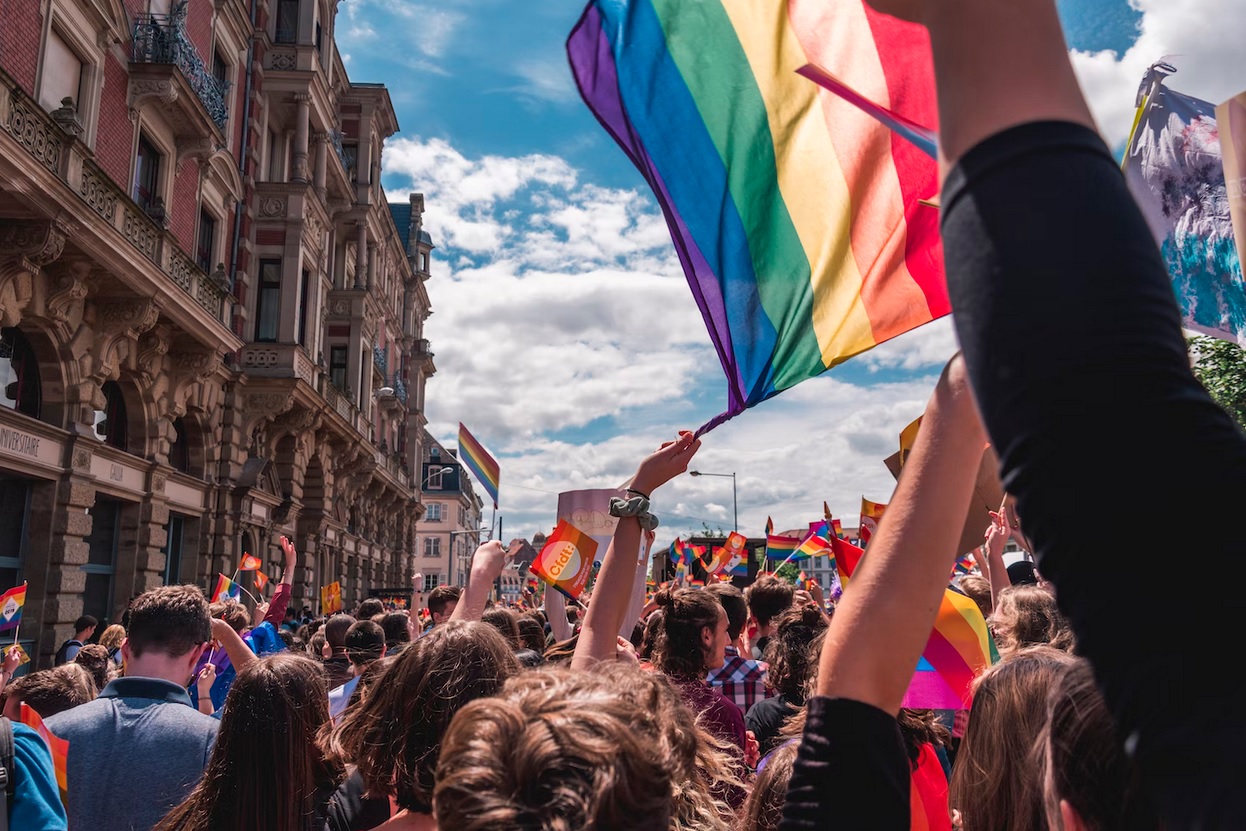
Featured image: Pride parade in France (Unlspash)

Berlin International Film Festival’s European Film Market (EFM): The “Baltic Countries in Focus”

NordenBladet – The 73rd Berlin International Film Festival’s European Film Market is set to return as an in-person event in 2023, with Estonia, Latvia, and Lithuania being the focus of the “Countries in Focus” program.

It is the first time that several countries have joined forces since the program’s inception in 2017. The “Baltic Countries in Focus” program aims to provide a platform for the three countries to showcase their filmmaking, network with producers, distributors, and financiers, and present their extensive film history, recent films, and media content. The initiative was signed by Edith Sepp, CEO of the Estonian Film Institute, Laimonas Ubavičius, Director of the Lithuanian Film Centre, and Inga Blese, Deputy Director of the National Film Centre of Latvia, among other officials.

“In the history of the Berlinale, films from Estonia, Latvia and Lithuania have consistently added interesting perspectives to the Berlinale programme. The three Baltic countries have consolidated their individual strengths by joining forces and thus have set a great example in Europe and beyond. Especially in times of increased collaboration, artists and industry professionals alike can learn from the innovative and collaborative Baltic approaches to culture,” says Mariette Rissenbeek, Executive Director of the Berlinale.

The event will take place from February 16 to 22, 2023, during the European Film Market of the Berlin International Film Festival.


HOW does Estonia’s electoral system work?

NordenBladet – Estonia’s electoral system aims to provide fair representation for all political parties and ensure a diverse range of voices in the parliament. Estonia goes to the polls on March 5, 2023, to elect the 101 members of the XV composition of the country’s unicameral legislature, the Riigikogu. Riigikogu elections are held every four years, in early March.

The Estonian Riigikogu’s electoral system is a complex process that requires political parties to reach a minimum threshold of votes to gain representation in the parliament. Estonia’s unicameral parliament has 101 seats, which are allocated based on the proportion of votes that each political party receives. The process involves two types of elections: constituency and proportional representation.

In the first stage of the election, voters choose their preferred candidate from their constituency, of which there are 12. The candidates with the most votes from each constituency will then advance to the next stage, while the others will be eliminated. This results in 101 candidates for the next stage.

The second stage is a proportional representation election, where political parties submit a list of candidates to fill the remaining seats in parliament. In this stage, each party’s total votes are divided by the number of seats they received in the constituency election, plus one. This number is then used to determine the proportion of seats the party will receive in the parliament.

Parties must receive at least 5% of the vote in the proportional representation election or win a seat in one of the constituencies to gain representation in the Riigikogu. If a party fails to reach this threshold, they will not receive any seats in parliament.

More info in English about Parliamentary elections 2023 (Ministy of Foreign Affairs)

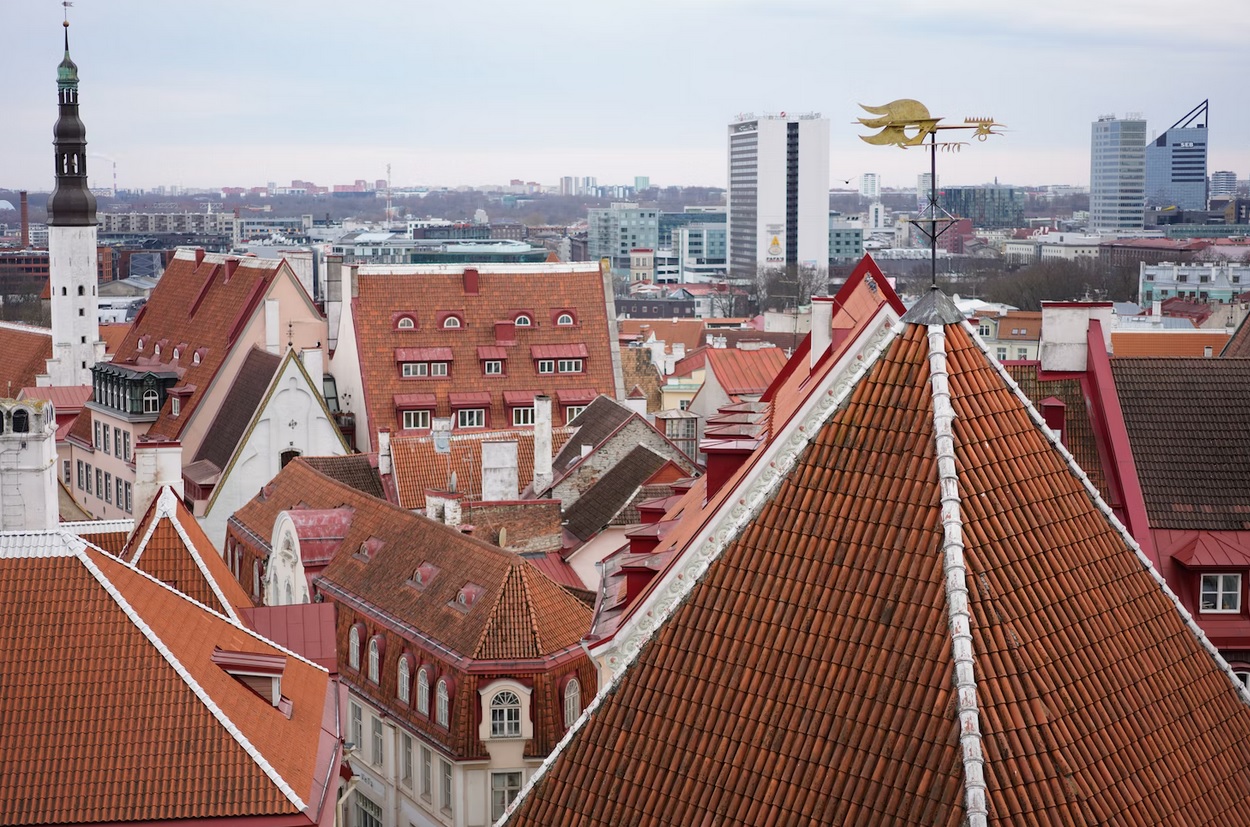
Featured image: Tallinn, Estonia (Unsplsh)


Estonia: Tallinn plans to create a new cycle pathway to connect the seafront with Kadriorg Park

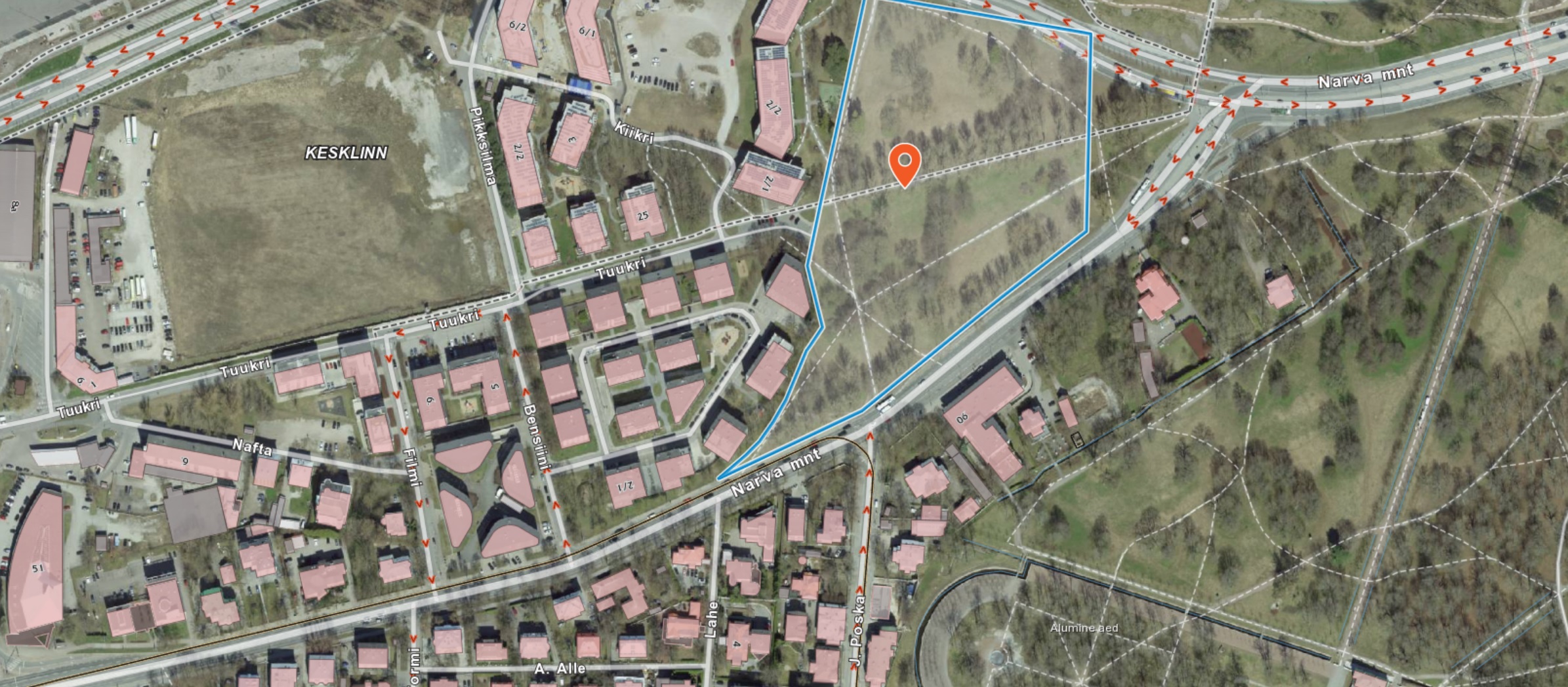
NordenBladet – Tallinn City Government is seeking opinions from locals about a proposal to create a new cycle path that will link the seafront with Kadriorg Park.

The proposed cycling path will connect Reidi tee with J. Poska tänav and will be built adjacent to the existing cycling path. The plan includes constructing a 3-meter-wide asphalt-paved cycle lane and a 2.5-meter-wide paved footpath, which will be designed to match the park-like setting of the area and accommodate easy access for scooters and wheelchairs. In addition, new street lighting and vegetation will be added to the path.

Deputy Mayor Vladimir Svet emphasized the need for a new solution to connect Kadriorg Park with Reidi tee and J. Poska Street. The area currently has cycling paths and footpaths, which were created during the redevelopment, and are convenient for cycling. The new cycle path will provide a natural and safe corridor for cyclists separated from other road users.

The design of the new cycle path is available for consultation and suggestions until March 2 on the Tallinn website: https://www.tallinn.ee/et/poska-reidi


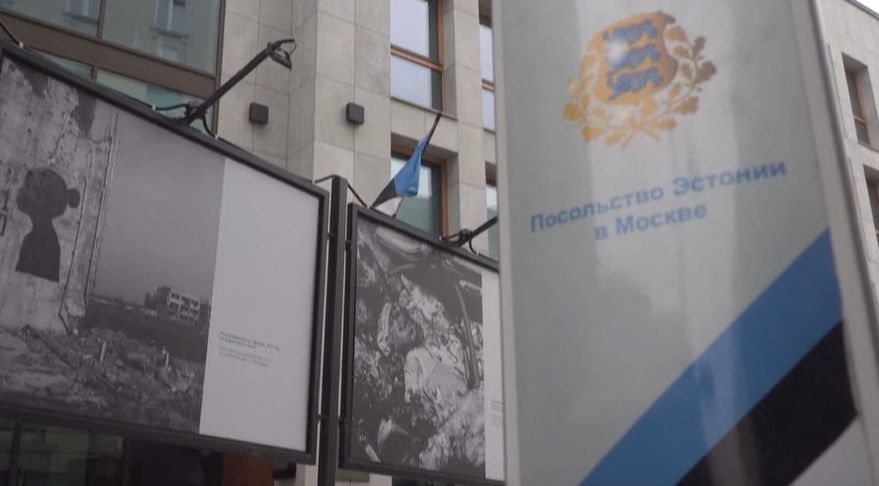
Estonian ambassador to Moscow says access to information more difficult without high representative in Moscow

NordenBladet – Margus Laidre, the former Estonian Ambassador to Russia, who left Moscow at Russia’s request, has spoken about the challenges of diplomacy and information gathering without a high representative in Moscow.

Margus Laidre notes that a higher-ranked diplomat would have greater access to specific events, meetings, and people. He points out that although the United States had a deputy ambassador in Moscow for a few months, his access was limited. Laidre also emphasizes that it is important to synthesize information from both inside and outside sources to form a comprehensive picture. Laidre acknowledges that although none of the Baltic republics have an ambassador in Moscow, the Estonian Embassy has a capable temporary deputy, Jana Vanamölder, who is familiar with Russia and will continue to operate effectively.

Commenting on the Russian people’s attitude to the war in Ukraine, Laidre notes that they can adapt to difficult circumstances, but he also observes occasional bursts of anxiety, limited store selection, and rising costs of living in Moscow. He adds that Russians are reluctant to discuss the war for both psychological reasons and fear of punishment, and that they follow current events and use VPNs to circumvent country-specific internet restrictions.

Laidre also notes that Western sanctions are having an impact on Russia, but it takes time to show results. Although there are currently no signs of a power vacuum in Moscow, Laidre points out that Russia’s history has demonstrated events can begin quickly and that it is difficult to predict when a tipping point will occur. Regarding the possibility of Russian athletes being banned from participating in the Paris Summer Olympics, Laidre believes that it would have an effect on Russia, given the importance of sport in Russian politics.

Featured image: YouTube
Source: The article is referenced from ERR. Read the original article titled “Without ambassador it will be harder to get information from Moscow” here


Party ratings: MOST-supported candidates in each of Estonia’s twelve electoral districts

NordenBladet – Pollsters Kantar Emor have conducted a fresh survey of the most-supported candidates in each of Estonia’s twelve electoral districts, ahead of the March 5 Riigikogu election.

These are as follows:

Electoral district nr. 1 (Tallinn Haabersti, Põhja-Tallinn and Kristiine districts): Kristen Michal (Reform), Vadim Belobrovtsev (Center) and Signe Riisalo (Reform).

Electoral district nr. 2 (Tallinn City Center, Lasnamäe and Pirita districts): Mihhail Kõlvart (Center), Siim Kallas (Reform) and Leo Kunnas (EKRE).

Electoral district nr. 3 (Tallinn Mustamäe and Nõmme districts): Lauri Laats (Center), Martin Helme (EKRE) and Urmas Paet (Reform)

Electoral district nr. 4 (Harju- and Rapla counties): Kaja Kallas (Reform), Jüri Ratas (Center) and Henn Põlluaas (EKRE).

Electoral district nr. 5 (Hiiu-, Lääne- ja Saare counties): Kalle Laanet (Reform), Kalev Stoicescu (Eesti 200) and Helle-Moonika Helme (EKRE).

Electoral district nr. 6 (Lääne-Viru County): Hanno Pevkur (Reform), Anti Poolamets (EKRE) and Siret Kotka (Center).

Electoral district nr. 7 (Ida-Viru County): Yana Toom (Center), Maksim Iljin (Eesti 200) and Arvo Aller (EKRE).

Electoral district nr. 8 (Järva- and Viljandi counties): Jürgen Ligi (Reform), Jaak Madison (EKRE) and Helir-Valdor Seeder (Isamaa).

Electoral district nr. 9 (Jõgeva- and Tartu counties): Urmas Kruuse (Reform), Peeter Ernits (EKRE) and Aivar Kokk (Isamaa).

Electoral district nr. 10 (Tartu City): Urmas Klaas (Reform), Jaak Valge (EKRE) and Kristina Kallas (Eesti 200).

Electoral district nr. 11 (Võru-, Valga- ja Põlva counties): Liina Kersna (Reform), Anti Allas (SDE) and Igor Taro (Eesti 200).

Electoral district nr. 12 (Pärnu County): Annely Akkermann (Reform), Mart Helme (EKRE) and Toomas Kivimägi (Reform).

Election week begins on Monday, February 27 and ends on Election Day, Sunday, March 5.

In Riigikogu elections, you can also vote in Estonian embassies abroad. Voting in foreign embassies takes place on at least two days from February 18 to February 23.

E-voting can only be done on a computer. In order to identify yourself and vote, you need either an ID card and an ID card reader or a mobile ID and the accompanying PIN codes. E-voting can be done from Monday to Saturday during the election week. On Sunday, it is possible to cancel your e-vote by voting in the polling station.

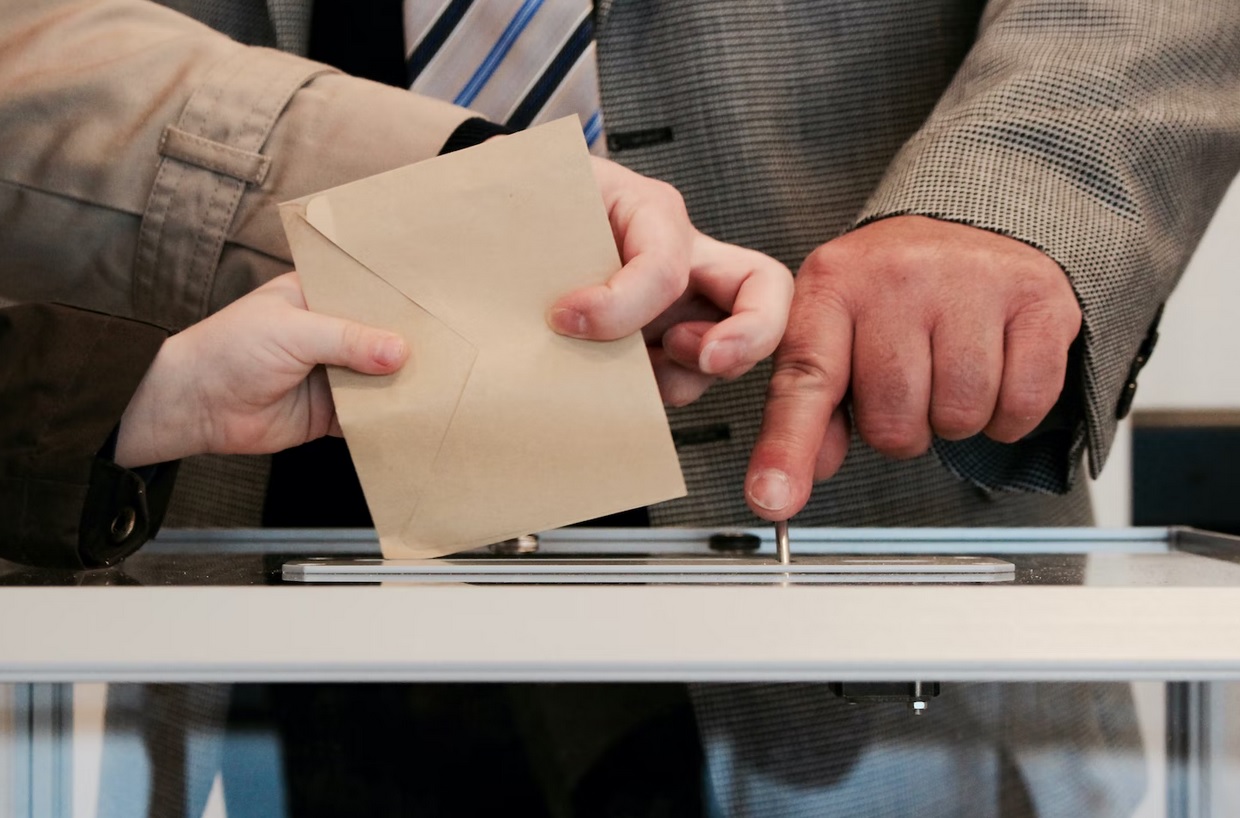
Featured image: Unsplash

Estonia: Nearly 25 tons of oranges arriving from Egypt were returned by the Estonian Agricultural and Food Board at the Muuga border

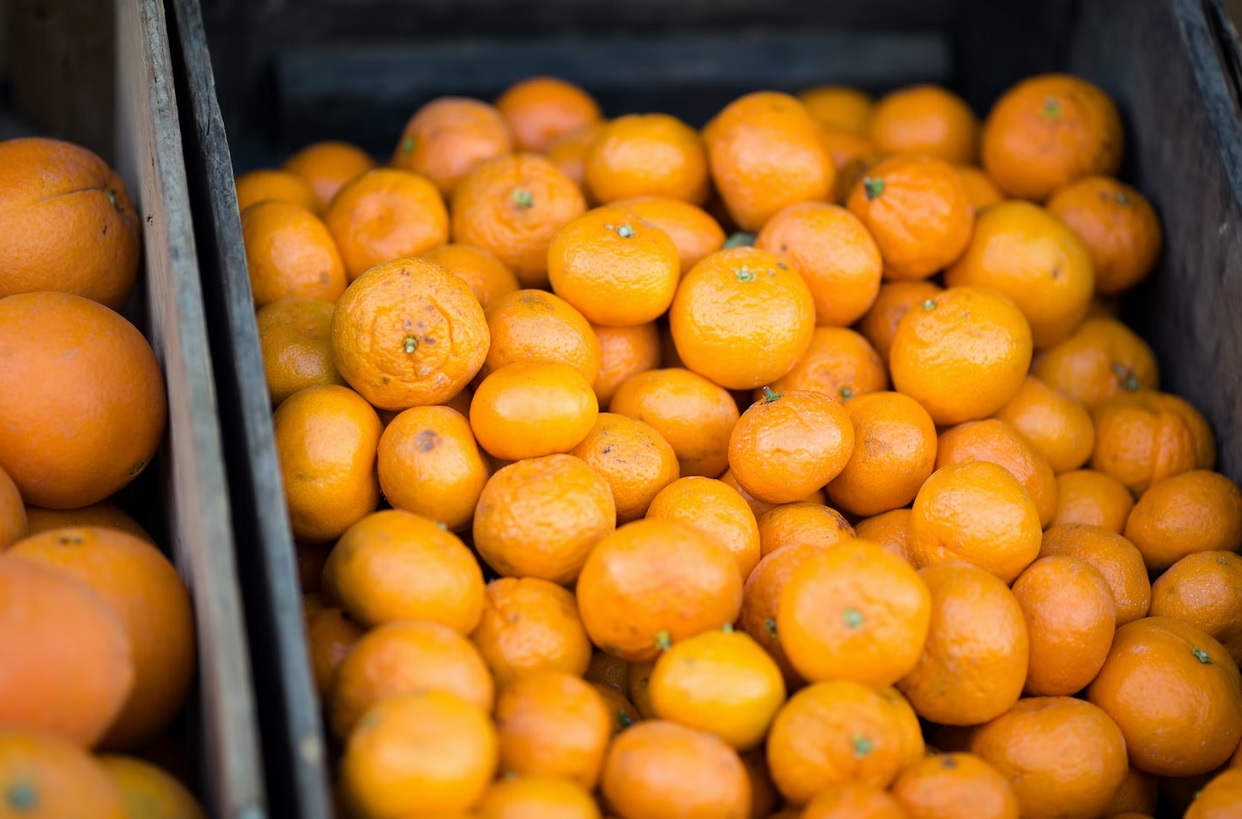
NordenBladet – Nearly 25 tons of oranges arriving from Egypt were returned by the Estonian Agricultural and Food Board at the Muuga border crossing due to the detection of residues of plant protection products not recognized in the European Union.

The contaminated oranges were discovered during a routine inspection, where all high-risk non-animal products are checked at the border, including documents and samples taken with a certain frequency. The Navel oranges from Egypt exceeded the maximum limit for the residues of three plant protection products not recognized in the EU, namely cyfluthrin, omethoate, and dimethoate. As a result, the oranges were sent back to their country of origin.

Regina Pihlaka, the head of the border inspection department of the Agriculture and Food Board, explained that non-compliance was also detected in two non-animal products last year. In the case of rice, the documents did not meet the requirements, and bamboo plastic products intended for food contact were not allowed in the European Union. The products came from China and were destroyed. The agency continues to take samples to detect pesticide residues in food, allowing them to identify potentially hazardous products and remove them from sale or send them back at the border point.

Featured image: Unsplash

Intimate videos leading to blackmail and extortion – a Growing Concern in Estonia

NordenBladet – Since the publication of the so-called Nigerian letters, ETV´s television show “Pealtnägija” has made plenty of stories about all kinds of cynical schemes, how people are being robbed of money from a distant land. Unfortunately, this field of work does not end. Since the beginning of last year, police have received at least 50 official complaints from people who carelessly made intimate videos online and became victims of blackmail.

In Estonia, the number of people falling victim to blackmail and extortion due to intimate videos has been on the rise over the past year. This worrying trend has left many feeling vulnerable and violated.

Intimate videos, often recorded consensually between partners, are being used by perpetrators to demand money or other favors from their victims. The fear of these videos being leaked to family members, friends, or posted online can leave victims feeling helpless and trapped.

“It’s worth thinking about yourself in a real environment. First of all, if someone asks you to take off your pants after a few minutes of communication, has this ever happened in real life? You’re walking down the street and a girl walks up to you and says please take off your pants and show me something. This is never happen in real life and it won’t happen on the internet either,” warned Urmet Tambre, head of the Northern Prefecture Criminal Bureau.

According to Tõnu Tammer, head of cert.ee, which deals with cyber security incidents, extortions with intimate videos are unfortunately frequent.

This issue highlights the need for greater education and awareness around the dangers of sharing intimate content online. It is important for individuals to understand the potential risks and consequences before sharing such content, and to take necessary precautions to protect themselves and their privacy.

Featured image is illustrative: Unsplash

Read also:
Finland sees increase of romance scams online
It has been estimated that roughly 3.8 million Euros have been lost in total due to online romance scams in Finland in the first half of 2022.

Norway: Oslo on course to become first capital city with zero-emissions public transport network

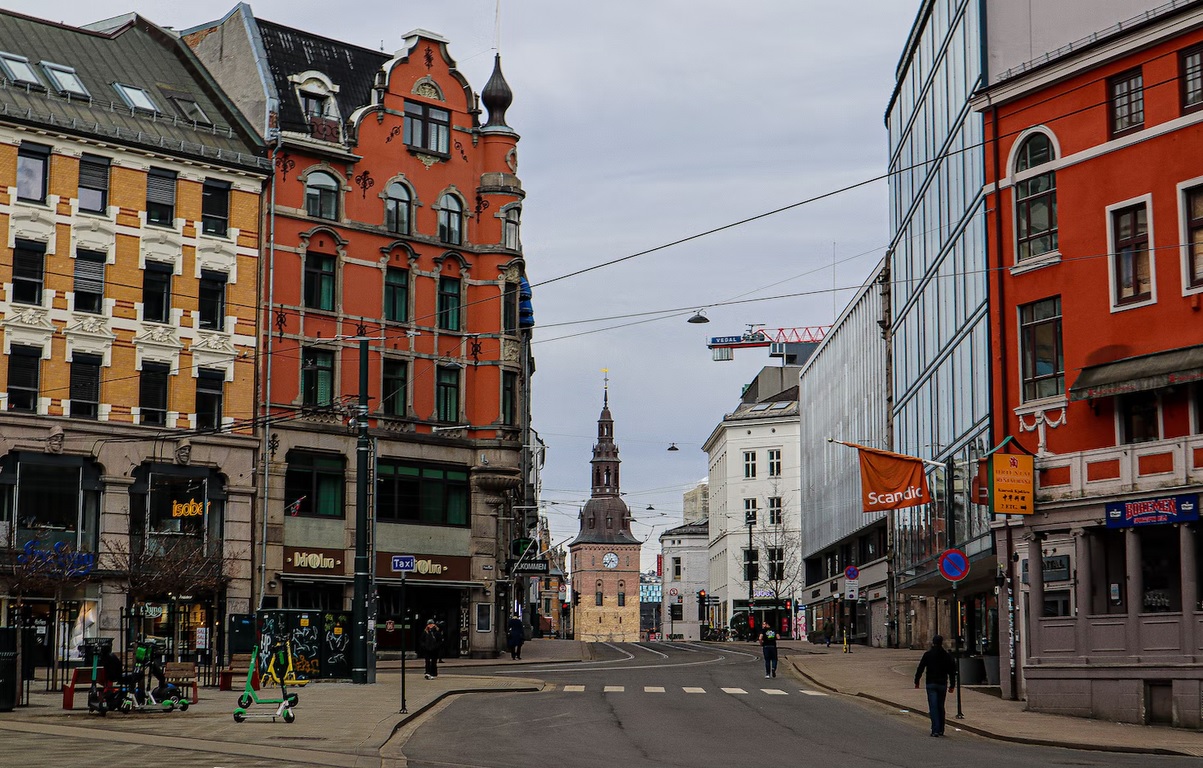
NordenBladet — Norway’s capital Oslo is set to become the first capital in the world to provide an all-electric public transport system, creating zero emissions. By the end of 2023, Oslo aims to become the world’s first wholly emissions-free city.

As part of this push, the city’s diesel-fuelled buses with be replaced by 450 electric buses. The program is set to cost 500 million Krone, aiming to save the city money over the long term.

According to Oslo’s last tender, e-buses were 5 percent cheaper than those with diesel engines.

Sirin Stav, Oslo’s Vice-Mayor responsible for environment and transport, explains, “The maintenance is cheaper, it’s also cheaper for the operators of the electric buses…All in all, this is a win-win situation.”

Featured image: Oslo, Norway (Unsplash)


Denmark: Icelandic artist Haukur Halldorsson unveiled his latest sculpture “Skydbladir” at his gallery in Tønder

NordenBladet — Icelandic artist Haukur Lárus Halldórsson (85) has unveiled his latest sculpture design, “Skydbladir,” at his gallery in Tønder, Denmark. The piece is a modern interpretation of the ancient Norse ship of the same name.

In Norse mythology, “Skydbladir” was the name of the magical ship belonging to the god Frey. The ship was said to be able to fold up like a cloth and fit in a pocket and could be sailed on both land and sea. Halldorsson’s sculpture captures the sense of movement and fluidity associated with the ship. The material used will be shaped and manipulated to create the impression of waves and wind, and the overall effect is one of dynamic energy and power.

“I wanted to create a sculpture that would be both timeless and modern. I believe ‘Skydbladir’ achieves that balance, and I am thrilled to share it with the public.” said Halldorsson. “

The exhibition will be on view at the Reykjavik Art Museum until April 30th. Admission is free.

_______________________________________

Haukur Halldórsson (born 1937 in Reykjavík) is an Icelandic artist and illustrator. After beginning his career as a graphic designer and illustrator he developed into a visual artist. Halldórsson’s work also includes sculpture. He is a co-author of the Yggdrasil Divination Deck together with his daughter Gunnhildur Hauksdóttir.

His first art exhibition was in Gallery Djúpið in Reykjavík in 1978 with Einar Þorsteinn Ásgeirsson. His first solo exhibition was in Reykjavík in 1980 in Gallery Torg run by the composer Jóhann G. Jóhannson. Since then he has made numerous exhibitions in Europe, China and the United States. Allthough his main medium is drawing and illustrations, he works in, and explores various mediums such as painting, sculpture, and jewel making.

Halldorsson’s main subject matter revolves around themes of folklore of his home country Iceland, the Brothers Grimm, Celtic mythology and Nordic mythology. He has created numerous drawings and illustrations on the subjects. Halldórsson has travelled widely to research art, to China, various countries in Europe, and the United States. In New Mexico he encountered Navajo Indians, and observed the art of sand-casting, which he later applied in his own art practice.

His selection of works from 1978 to date combines disparate elements from the worlds of fantasy, myth and everyday experience. His artwork often contains mythical and magical entities as much of his practice revolves around North-European mythology and Nordic mythology. He has gathered information about historical pagan European calendars and myths associated with different parts of the year, which has been the basis for some of his works.

One of his most famous works is the Arctic Henge (Heimskautsgerðið), a series of circles and basalt columns that began its construction in 2004 at the village Raufarhöfn in northeastern Iceland. It has a diameter of 52 meters, functioning as a pagan calendar with numerous references to Norse mythology particularly the Dvergatal of the Poetic Edda.

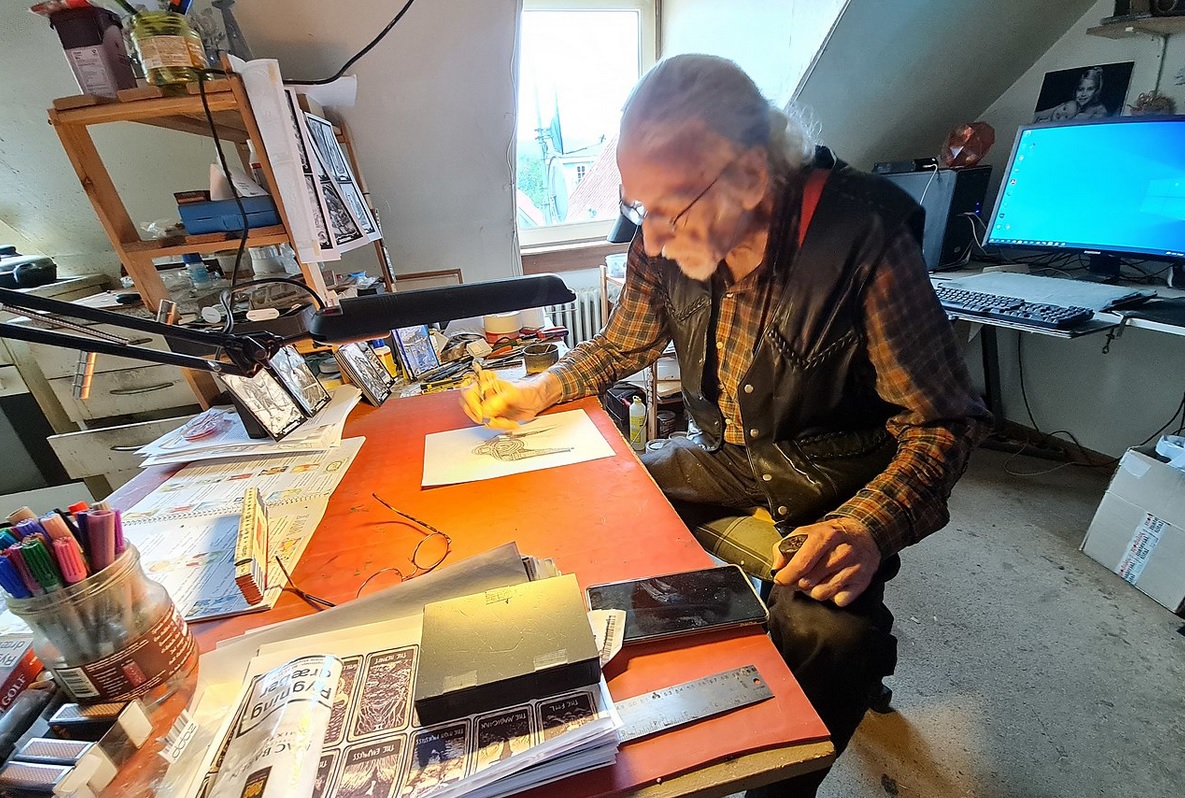
Featured image: Haukur Lárus Halldórsson at work (Wikipedia / CC BY-SA 4.0)