Reklaam

Helena-Reet Ennet

Helena-Reet Ennet
4698 POSTS 0 COMMENTS

Preserving Heritage and Identity: Swedish Finns (finlandssvensk) -the Swedish-Speaking Minority in Finland

NordenBladet – The Swedish-speaking minority in Finland, also known as the Swedish Finns (finlandssvensk), constitute about 5% of the Finnish population and have a long history of settlement in the country. The Swedish Finns are one of the two official minority languages in Finland, along with the Sami language.

The Finnish Swedes have a rich cultural heritage and a strong sense of identity, and they work hard to preserve these traditions for future generations. Through their education system, cultural organizations, media outlets, political representation, and community celebrations and festivals, they are able to ensure that their heritage and culture continue to thrive in Finland.

The Swedish-speaking population in Finland has its roots in the Middle Ages, when Swedish settlers arrived in the coastal regions of Finland. The settlement of Swedish-speaking people in Finland increased significantly during the late Middle Ages and early modern period, when Finland was part of the Kingdom of Sweden*. During this time, the Swedish language became the dominant language in many parts of Finland, particularly in the coastal areas and on the islands.

After Finland gained independence from Russia in 1917**, the status of the Swedish-speaking minority became a significant political issue. The Swedish-speaking Finns have maintained their cultural identity and language throughout the 20th century, and their rights have been protected by the Finnish constitution. The Swedish-speaking minority has its own cultural organizations, such as the Swedish Cultural Foundation in Finland (Svenska Kulturfonden or Stiftelsen för utbildning och kultur på svenska i Finland sr), and its own media, including several Swedish-language daily newspapers.

The Swedish-speaking minority*** in Finland is concentrated in certain areas, particularly in the archipelago of the Åland Islands, where Swedish is the sole official language. The Swedish-speaking minority is also well represented in other coastal areas, such as the Helsinki metropolitan area and the Turku region.
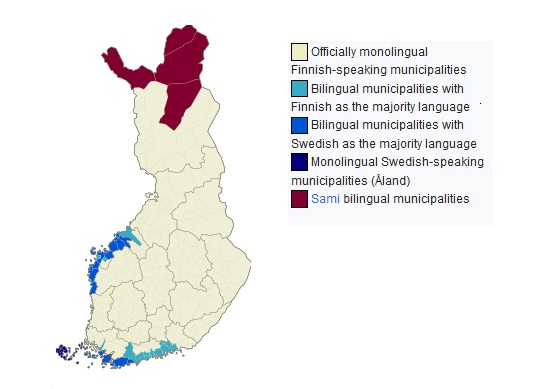

More than 17,000 Swedish-speaking Finns live in officially monolingual Finnish municipalities, and are thus not represented on the map. Finland is a bilingual country according to its constitution. This means that members of the Swedish language minority have the right to communicate with the state authorities in their mother tongue. 

In terms of education, the Swedish-speaking minority in Finland has its own comprehensive school system, which provides education in Swedish from early childhood education to upper secondary education. Swedish-speaking students also have the option to study in Finnish-language schools if they so choose.

In terms of employment, the Swedish-speaking minority is well represented in a range of professions, including the public sector, where many Swedish-speaking Finns work as civil servants. Swedish-speaking Finns are also well represented in the private sector, particularly in areas such as commerce and industry.

Overall, the Finnish Swedes have a long history of preserving their heritage and identity in the country. This is achieved through various means, including the following:

Education: The Finnish Swedes have their own comprehensive school system, providing education in Swedish from early childhood education to upper secondary education. This helps to ensure that the Swedish language and culture are passed down from generation to generation.

Cultural Organizations: The Swedish-speaking minority has its own cultural organizations, such as the Swedish Cultural Foundation in Finland, which promote and preserve Swedish language and culture in the country.

Media: The Finnish Swedes have their own media outlets, including several Swedish-language daily newspapers, which provide a platform for the community to express their views and share information about their heritage and culture.

Political Representation: The Finnish government and society have a long-standing commitment to protecting the rights and interests of the Swedish-speaking minority. This includes ensuring that the community is represented in government and other political institutions, and that their voices are heard in important decisions that affect their community.

Community Celebrations and Festivals: The Finnish Swedes participate in community celebrations and festivals that promote and celebrate their heritage and culture. This helps to keep the community connected and strengthen their sense of identity.

The Swedish-speaking minority in Finland plays a significant role in the country’s cultural and linguistic diversity, and its members are proud of their heritage and identity. The Finnish government and society have a long-standing commitment to protecting the rights and interests of the Swedish-speaking minority, and efforts are ongoing to promote and preserve the Swedish language and culture in Finland.

________________________________
* Finland was part of Sweden for almost 700 years from around 1150 until the Finnish War of 1809 after which Finland became an autonomous part of the Russian Empire as the Grand Duchy of Finland.

** Finland declared its independence on 6 December 1917. The formal Declaration of Independence was only part of the long process leading to the independence of Finland.

*** About 5.2 percent of Finland’s population are part of the Swedish-speaking minority, but the population has steadily declined since the 18th century, when nearly 20 percent spoke the language. However, Swedish remains one of the country’s official languages.

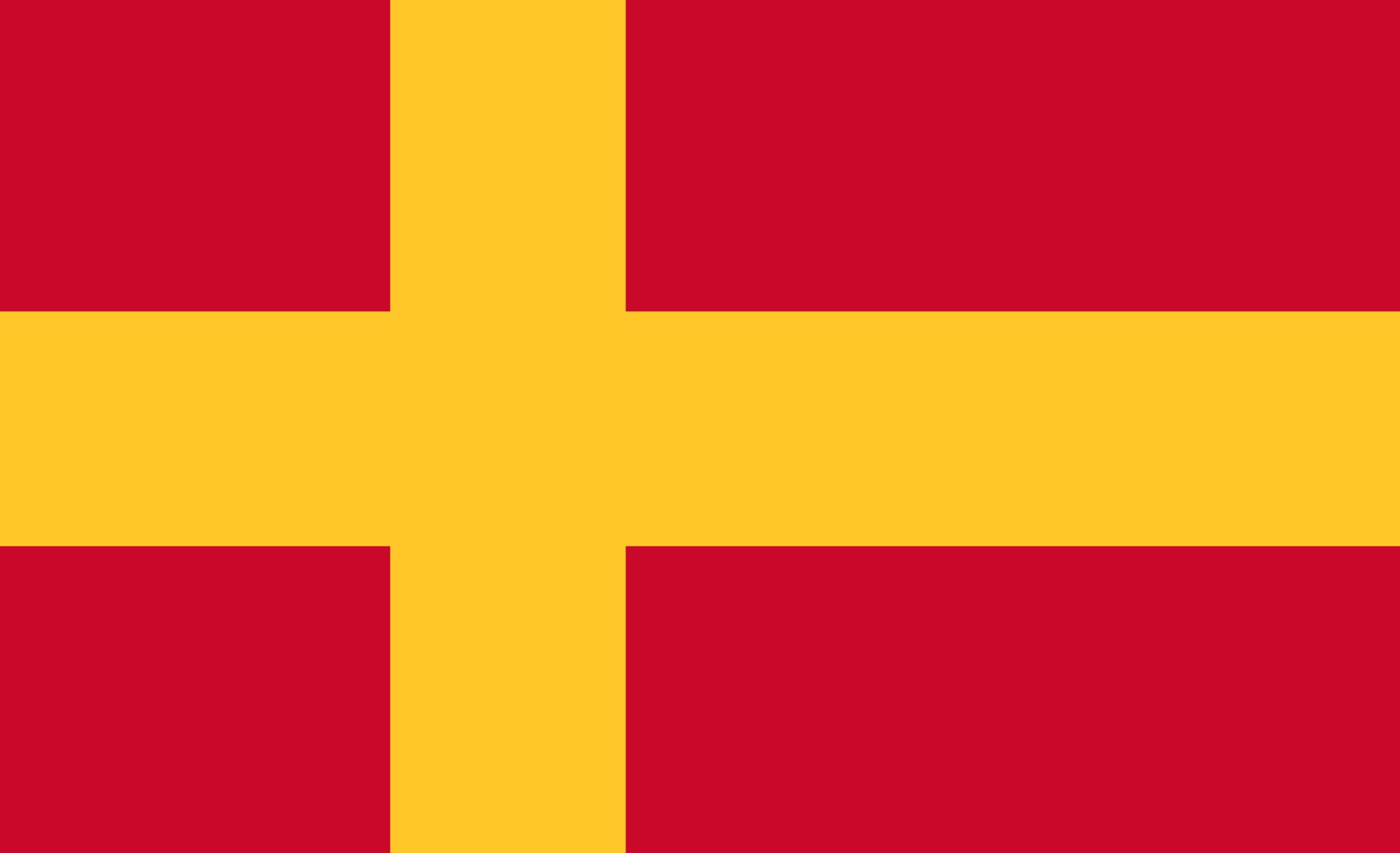
Featured image: An unofficial flag of the Swedish-speaking minority of Finns

Read also:
Preserving Heritage and Identity: Finnish-speaking minority in Sweden

The Impact of Parental Decisions on children and young people

NordenBladet – The decisions made by parents have a significant impact on the lives of children and young people. By including the knowledge and perspective of children and young people in decision-making processes, parents can help to promote sustainable development, gender equality, and a child rights and youth perspective.

It is important for parents to actively listen to the views and opinions of their children and young people and to adopt a child-centered approach to decision-making. This can help to build trust, strengthen relationships, and provide children and young people with the opportunities and skills they need to shape their own lives.

Emotional Effects: Children and young people can be deeply affected by the decisions made by their parents. They may feel a range of emotions such as fear, anger, anxiety, or sadness, particularly if those decisions impact their security, stability, or relationships.

Life Choices: The decisions made by parents can also impact the life choices available to their children and young people. For instance, financial decisions made by parents can affect the educational and career opportunities available to their children.

Self-esteem: A child’s sense of self-worth and self-esteem can also be impacted by the decisions made by their parents. Children and young people may feel rejected, unwanted or unloved if they perceive that their parents do not value or listen to their opinions or needs.

Building trust: Including children and young people in decision making processes can help to build trust and strengthen relationships. This can also provide them with valuable life skills and foster a sense of ownership and responsibility.

Active Listening: To include the knowledge and perspective of children and young people, it is important for parents to listen actively and non-judgmentally to their opinions. This can involve asking questions, acknowledging their feelings, and being open to new perspectives.

Encouraging Participation: Parents can also encourage the active participation of children and young people in decision-making processes by providing opportunities for them to express their views and opinions. This could include household decisions, educational choices, and community involvement.

Child-centered Approach: A child-centered approach to decision-making can help to ensure that the rights, needs and perspectives of children and young people are taken into consideration. This approach considers the impact of decisions on children and young people, and seeks to empower them to be active participants in shaping their own lives.

Featured image: Pexels


THE GROWING popularity of machine learning in Scandinavia: Opportunities and Challenges

NordenBladet – Machine learning is a rapidly growing field that has the potential to transform many aspects of our lives. The technology is already being used to improve healthcare, finance, and education, among other industries. In Scandinavia, machine learning is gaining popularity among professionals, educators, and students, who are curious about its potential and eager to develop the skills to use it.

In the Nordic countries, there has been a growing interest in machine learning in recent years, driven by advancements in technology and the recognition of its value. Professionals with experience in the field are in high demand, as companies seek to leverage machine learning to improve their operations and create new products and services.

One of the reasons for the popularity of machine learning in Scandinavia is the strong emphasis on education and professional development in the region. Nordic countries are known for their commitment to providing high-quality education, and there is a growing number of courses and programs available that focus on machine learning and other areas of technology.

Read also:

SOME of the technologies that are commonly used in machine learning and AI development
The backend of companies that develop and promote friendly AI in the form of advanced machine learning models are likely made up of a combination of several different technologies and architectures, including..

The Future of Jobs: A look at the professions with the MOST POTENTIAL
In the rapidly changing world of work, it’s important to understand which jobs are likely to have the most growth and stability in the future. This is especially true for people who are just starting their careers or considering a career change. With advancements in technology and shifting job market demands, some traditional jobs may become obsolete, while new and exciting careers may emerge.

This is particularly true for younger professionals, who are eager to develop their skills in the field. According to several surveys, machine learning is one of the most popular areas of technology among students and young professionals in the Baltic and Nordic countries. This is due in part to the exciting possibilities that the technology offers, as well as the recognition of its value in the job market.

While machine learning is growing in popularity in Scandinavia, there are also challenges that must be overcome. One of the biggest challenges is the financing of machine learning projects, as many companies struggle to find the resources to invest in new technologies.

Another challenge facing machine learning in is the lack of professionals with the necessary skills. While there is a growing interest in the field, there is still a shortage of professionals who have the knowledge and experience to apply machine learning to real-world problems.

To address this challenge, many universities in the region are working to incorporate machine learning into their curriculums, and companies are investing in training programs to help employees develop the skills they need to be successful in the field.

Machine learning is becoming increasingly popular in Scandinavia, as professionals, educators, and students recognize its value and potential. While there are challenges that must be overcome, such as financing and the lack of skilled professionals, there is also a growing interest in the field and a commitment to developing the necessary skills and resources.

With the right education and experience, professionals in the Nordic countries can position themselves for success in the rapidly growing field of machine learning. By leveraging the latest technology and trends, they can contribute to the development of the region and help drive innovation and progress.

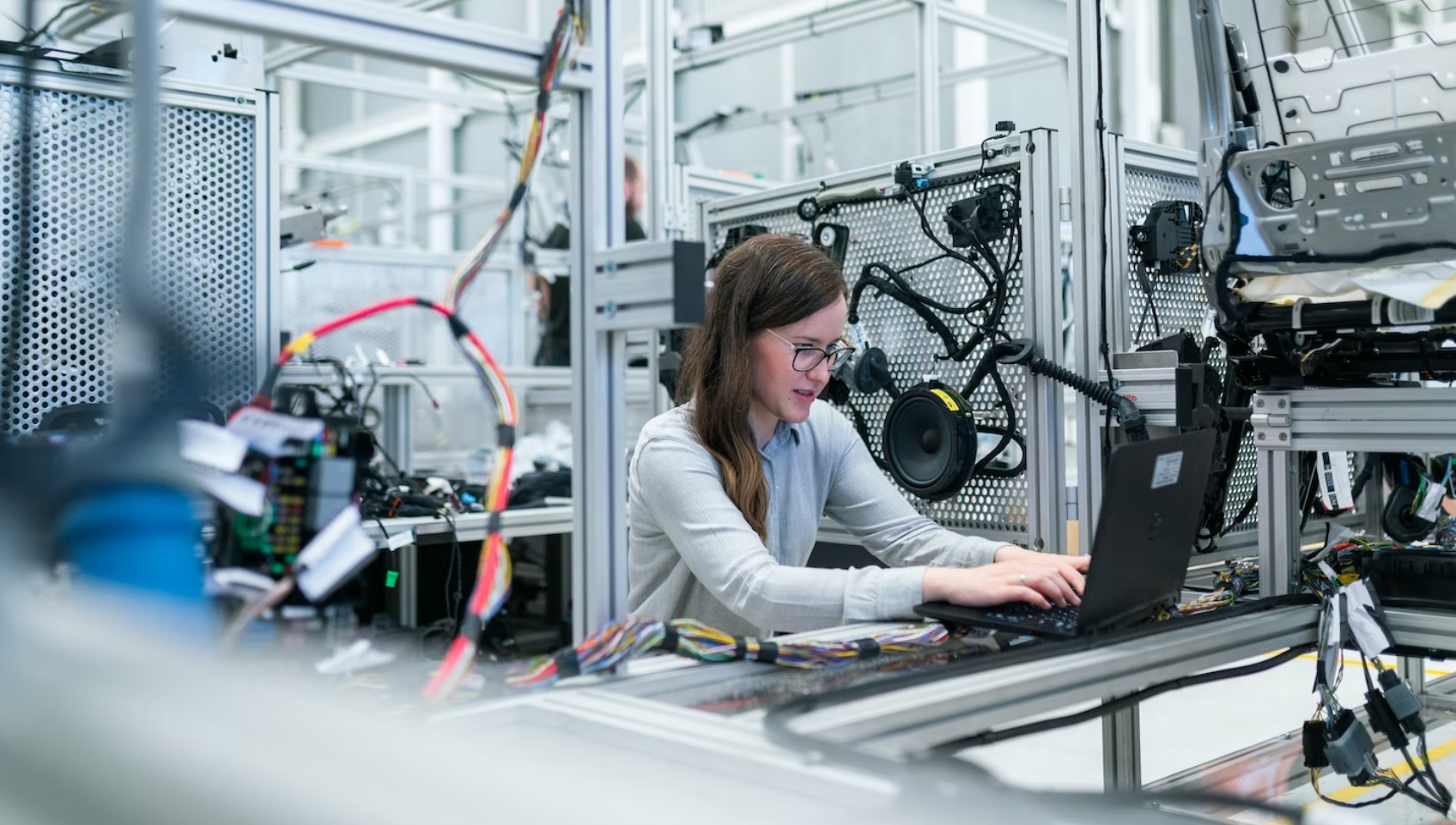
Featured image: Unsplash

The Future of Jobs: A look at the professions with the MOST POTENTIAL

NordenBladet – In the rapidly changing world of work, it’s important to understand which jobs are likely to have the most growth and stability in the future. This is especially true for people who are just starting their careers or considering a career change. With advancements in technology and shifting job market demands, some traditional jobs may become obsolete, while new and exciting careers may emerge.

According to a report by the World Economic Forum, the job market will continue to evolve, with jobs in technology, healthcare, and education among those that are likely to experience the most growth. Curiosity, experience, and education are all important factors that can help professionals stay ahead of the curve and secure a successful future in their chosen careers.

One of the industries that is poised for growth is technology. As digital transformation continues to impact every aspect of our lives, there will be an increased demand for professionals who are knowledgeable in areas such as artificial intelligence, cybersecurity, and data analysis.

Read also:
THE GROWING popularity of machine learning in Scandinavia: Opportunities and Challenges
Machine learning is a rapidly growing field that has the potential to transform many aspects of our lives. The technology is already being used to improve healthcare, finance, and education, among other industries. In Scandinavia, machine learning is gaining popularity among professionals, educators, and students, who are curious about its potential and eager to develop the skills to use it.

Healthcare is another sector that is likely to see strong job growth in the coming years. As the population continues to age, there will be a need for healthcare professionals, such as doctors, nurses, and health technicians, to provide care and support to an aging population.

Education is also poised for growth, as the demand for skilled professionals in this field continues to rise. This includes teachers, administrators, and professionals with expertise in areas such as curriculum design and education technology.

It is difficult to predict exactly which jobs will have the most growth and stability in the future, as it is subject to change due to various factors such as technological advancements, global economic conditions, and shifting societal needs. However, certain industries and fields are generally considered to have a promising future.

Jobs in technology: As technology continues to advance, there will likely be a growing demand for professionals with skills in areas such as artificial intelligence, machine learning, data analytics, and software development.

Healthcare jobs: With an aging population and advances in medical technology, the healthcare industry is expected to continue to grow. This includes jobs in fields such as nursing, health informatics, and medical research.

Renewable energy jobs: With increasing concern about climate change, there is a growing demand for professionals with skills in renewable energy, including solar and wind power.

Cybersecurity, due to the growing concern about cyber attacks and data breaches and the need for businesses and governments to protect their networks and data.

Logistics, transportation and supply chain management. Due to the growing e-commerce and the need for efficient and fast delivery.

While these careers are expected to be in high demand, it’s important to note that traditional jobs may also become obsolete. For example, the rise of automation and artificial intelligence may lead to job losses in areas such as manufacturing, retail, and finance.

To stay ahead of the curve, it’s important for professionals to continuously develop their skills and stay up-to-date with the latest technology and trends in their fields. This can be achieved through attending courses, participating in professional development programs, and staying curious about new developments in their industries.

Statistics from the Bureau of Labor Statistics show that the healthcare industry is expected to grow by 18% from 2019 to 2029, adding 1.9 million new jobs. Meanwhile, employment in the technology sector is expected to grow by 12% over the same period, adding over 500,000 new jobs.

As the job market continues to evolve, it’s important for professionals to stay informed about the industries that are poised for growth and those that may be in decline. Jobs in technology, healthcare, and education are expected to be in high demand, while some traditional jobs may become obsolete due to advancements in technology. To stay ahead of the curve, professionals should continuously develop their skills and stay informed about new developments in their industries. With the right education and skills, professionals can position themselves for success in a rapidly changing job market.

It’s important to note that these are just examples and that the job market is constantly evolving and new jobs will emerge as the economy and technologies change. It’s also important to consider your own interests and skills when choosing a career path, and stay informed about the current job market trends to make the best choice.

Featured image: Some of the jobs that are expected to have a high demand in the future are related to technology, healthcare, and renewable energy. (Unsplash)

WHAT the future holds for cryptocurrency

NordenBladet – The future of cryptocurrency is a topic of much debate and speculation. Cryptocurrency, such as Bitcoin and Ethereum, is a digital or virtual currency that uses cryptography for security. It operates independently of a central bank or government.

Advocates of cryptocurrency argue that it has the potential to revolutionize the financial industry by providing a decentralized and more secure means of conducting transactions. They also believe that it has the potential to empower individuals by giving them more control over their own money.

Critics, on the other hand, argue that the lack of regulation and oversight of the cryptocurrency market makes it a breeding ground for fraudulent activity and financial crimes. They also point to the volatility of the market, which can make it a risky investment.

Despite these criticisms, the use of cryptocurrency has been on the rise. A growing number of businesses and individuals are accepting it as a form of payment, and more traditional financial institutions are starting to explore the potential uses of blockchain technology, which is the underlying technology of most cryptocurrencies.

It is difficult to predict exactly what the future holds for cryptocurrency, but it seems likely that it will continue to play a role in the financial industry. However, the future of crypto is also dependant on the developments in the regulatory environment and the overall acceptance of the crypto by the general public and the financial institutions.

6 Reasons Why Cryptocurrency is Good:

Decentralization: Cryptocurrency operates on a decentralized system, which means that there is no central authority controlling it. Transactions are recorded on a public ledger and are verified through a network of computers, making it transparent and secure.

Increased Security: Cryptocurrency transactions are encrypted and secure, making it difficult for hackers to steal funds. This is a major advantage compared to traditional banking systems, which are vulnerable to hacking and fraud.

Borderless Transactions: Cryptocurrency can be used anywhere in the world, regardless of geographical borders. This makes it easy to send and receive payments internationally, without having to worry about currency conversion rates and fees.

Anonymity: Cryptocurrency transactions can be made anonymously, which is a desirable feature for people who value privacy.

Cost-effective: Transactions made using cryptocurrency are usually cheaper compared to traditional banking methods, as there are no fees charged by intermediaries such as banks.

Accessibility: Cryptocurrency is accessible to everyone with an internet connection, making it an inclusive financial system that is not limited by geography or financial status.


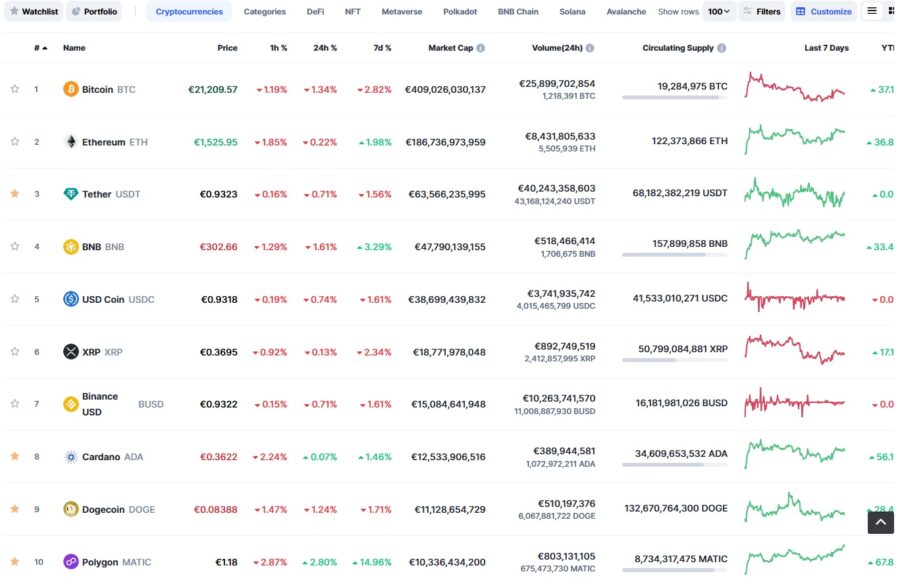
Excerpt from CoinMarketCap.com January 8, 2023


6 Reasons Why Cryptocurrency is Bad:

Volatility: Cryptocurrency values are highly volatile, and can fluctuate greatly in a short period of time. This can make it a risky investment, and can also make it difficult to use as a regular currency.

Lack of Regulation: Cryptocurrency is not regulated by any central authority, which can lead to increased risk of fraud and scams.

Complexity: Cryptocurrency can be confusing for the average person, and requires a certain level of technical knowledge to use.

Limited Adoption: Cryptocurrency is still not widely accepted, and there are limited places where it can be used to make purchases. This makes it difficult to use as a regular currency.

Environmental Impact: Cryptocurrency mining requires a lot of energy, and this has a negative impact on the environment.

Lack of Legal Protection: Cryptocurrency transactions are not covered by any legal protections, which means that there is no recourse if funds are stolen or lost.

Cryptocurrency has both advantages and disadvantages. While it offers increased security, anonymity, and accessibility, it also has its drawbacks such as volatility, lack of regulation, and complexity. Whether cryptocurrency will become the money of the future or exist alongside traditional money is still up for debate. It is likely that cryptocurrency will continue to evolve and mature, and that its role in the financial world will become clearer in the years to come. Ultimately, it will be up to the market and consumers to determine the future of cryptocurrency.

It’s important to keep in mind that the crypto market is highly speculative and can be highly volatile, so it’s important to conduct thorough research and consult a financial advisor before investing in any cryptocurrency.

Featured image: Unsplash

The Riigikogu re-appointed Janar Holm Auditor General

NordenBladet —

Holm assumed the office of Auditor General on 9 April 2018 and his powers last until 8 April 2023. Last December, President Alar Karis made a proposal to appoint Holm to the office of Auditor General for another five years.

Holm said in front of the Riigikogu that the last five years had been out of the ordinary, but in general the problems of the state had remained the same whilst many of them had become even more acute. “Five years ago I emphasised here that it is important that the National Audit Office look into the core functions of the state which most concern people’s lives: health care, the organisation of education, and social welfare. Infrastructure developments, large investments, energy, and the development of defence capabilities are resource-intensive. The National Audit Office has sent a number of reports on all these issues to the Riigikogu. All these issues should also be in the focus of the National Audit Office in the future as well. On top of that, there are the issues of how clear the distribution of our money is and how understandable the state budget is for decision-makers,” he said.

According to him, attention must also be paid to the green transition as it is a process that concerns all areas of life and its scale is even difficult to perceive. “I am emphasizing here that only in substantial debates does it actually become clear what is real and rational and what is really feasible and possible within the planned timeframe and what is not. Perhaps it would be necessary to become more sector-based and specific in this sphere, and to speak of what we are specifically doing in the energy sector, transport, agriculture, waste management, construction, and industry – so that there would be clarity and certainty for businesses, society and, ultimately, the state system,” Holm said.

Henn Põlluaas from the Estonian Conservative People’s Party Faction took the floor during the debate.

At the secret ballot, 61 members of the Riigikogu supported the passing of the Resolution of the Riigikogu “Appointment of Janar Holm to the Office of Auditor General” (769 OE), submitted by the President. 14 voted against it.

At today’s sitting, the Riigikogu also passed the Resolution of the Riigikogu “Appointment of Margit Vutt a Justice of the Supreme Court” (752 OE), submitted by Chief Justice of the Supreme Court. It appoints judge of Tartu Circuit Court of Appeal Margit Vutt a justice of the Supreme Court as of 17 July.

In the opinion of the Chief Justice of the Supreme Court Villu Kõve, Vutt is an experienced and recognised lawyer whose long and diverse professional experience in the judicial system and as lecturer of civil law at the School of Law of the University of Tartu will allow her to contribute significantly to the work of the Civil Chamber of the Supreme Court and the further development of Estonian civil law.

A public competition had been organised to find a new justice of the Supreme Court after the Supreme Court en banc had decided at the end of last November to release justice of the Supreme Court Peeter Jerofejev from office as of 15 July.

At the secret ballot, 55 members of the Riigikogu supported the appointment of the new justice of the Supreme Court and 10 were against it.

Today, the Riigikogu also deliberated again the Act on Amendments to the Foreign Service Act and Amendments to Other Associated Acts (45 UA), which the President of the Republic had refused to promulgate, and decided not to pass it again, without amendments.

The Riigikogu passed the Act in June 2020, in order to harmonise foreign service with the principles of public service and to make the current regulation clearer and simpler. Among other things, the Act was intended to update the foreign service salary system and to change the principles of the payment of the foreign mission allowance and reimbursement of the costs relating to long-term assignments abroad as well as the procedure for the assignment of specialised diplomats and non-staff administrative officials to foreign missions.

The President had refused to proclaim the Act, finding that it was in conflict with the Constitution as it prescribed that the allowance for spouse is paid to the spouse accompanying an official employed in a foreign mission when the official is sent on a long-term assignment abroad, but it is not paid to the official’s partner registered under the Registered Partnership Act.

The Constitutional Committee and the Foreign Affairs Committee moved not to pass the Act without amendments and the plenary of the Riigikogu also supported it. 21 members of the Riigikogu supported the passing of the Act without amendments but 35 voted against.

Photos (Author: Erik Peinar / Chancellery of the Riigikogu)

Verbatim record of the sitting (in Estonian)

The video recording of the sitting will be available to watch later on the Riigikogu YouTube channel. (Please note that the recording will be uploaded with a delay.)

Riigikogu Press Service
Karin Kangro
+372 631 6356, +372 520 0323
karin.kangro@riigikogu.ee
Questions: press@riigikogu.ee

Link uudisele: The Riigikogu re-appointed Janar Holm Auditor General

Source: Parliament of Estonia

The Riigikogu discussed the updated national security concept

NordenBladet —

According to the Draft Resolution of the Riigikogu “Approval of “The National Security Concept of Estonia”” (775 OE), submitted by the Government, the updated national security concept will be approved. It describes the security environment as at the beginning of 2023, clarifies Estonia’s objectives in the increasingly tense security environment and describes the activities necessary to achieve the objectives.

The Prime Minister Kaja Kallas said that the objective of Estonia was and had always been to make aggression against the Estonian state impossible. “However, we are now doing much more on our own and with our allies to ensure our security,” Kallas noted. She explained that Estonia had raised its defence spending to a historically high level. The defence spending of Estonia in 2023 will exceed one billion euros with 2.85 per cent of GDP. In 2022, we allocated an additional more than 1.2 billion euros to military defence.

The new national security concept points out that the greatest strategical challenge of the current security environment is the intensified confrontation between various political, economic and social systems. The value space based on democracy, market economy, rule of law and human rights is under pressure and the ideological counterbalance to it is increasing.

The Prime Minister said that we had gone from covert competition to open confrontation, including large-scale military action in Europe. “Although Tallin and Kyiv are separated by 1,200 kilometres, our common neighbour is the aggressor. It is existentially important to Estonia that we are part of the democratic community and the democratic community stays united and strong. The past year has brought out particularly clearly that which we have always known: upholding democracy is also part of security policy. In addition, the war in Ukraine has shown – once again – that working together is the key to our strength,” Kallas said.

“One of the main changes is that we jointly point out that the biggest security threat to Estonia is the Russian Federation. The goal of the Russian Federation is to dismantle and reshape the European security architecture and the rules-based world order and to restore the policy of spheres of influence,” the Prime Minister noted.

The national security concept covers Estonia’s activities in five areas: social cohesion and national resilience, economic security and vital services, internal security and public order, military defence, and international activities. Among other things, the base document prescribes defence spending at the level of at least three per cent of GDP, to which the funding of the expenses of Estonia as a host country for allies will be added. According to the national security concept, in the national budget strategy, permanent funding will also be ensured to the development of civil protection.

The document is based on an updated strategic threat assessment and builds on the National Security Concept adopted in 2017.

During the debate, Leo Kunnas (Estonian Conservative People’s Party), Mihhail Lotman (Isamaa), Kalle Laanet (Reform Party), Jaak Juske (Social Democratic Party) and Marko Šorin (Centre Party) took the floor.

The Draft Resolution of the Riigikogu “Amendment of the Resolution of the Riigikogu “Extension of the Time Limit for the Use of the Defence Forces in the Fulfilment of the International Commitments of the Estonian State in the International Military Operation Inherent Resolve”” (776 OE), submitted by the Government, will enable Estonia to contribute to the operation with up to 110 servicemen instead of the up to five servicemen as decided earlier.

The Government’s proposal is to start contributing to the United States-led operation on Iraqi territory this spring with a unit of the size of a reduced infantry company which would perform the tasks of a base defence and rapid reaction force. The unit would be supplemented with a national support element, staff officers and non-commissioned officers in the battalion-level headquarters in Erbil and the division-level headquarters in Baghdad of the United Kingdom-led operation. Estonia is ready to contribute additionally with a special operations force.

Estonia is wishing to increase its contribution to the operation to up to 100 servicemen until the end of 2023. However, in order to contribute additionally and flexibly in a limited amount where necessary, the draft Resolution prescribes giving a mandate for up to 110 servicemen.

The Riigikogu heard the reply to an interpellation

The Minister of Health and Labour Peep Peterson replied to the interpellation concerning the immunisation of students (No. 161), submitted by members of the Riigikogu.

During the open microphone, Mihhail Stalnuhhin and Tarmo Kruusimäe took the floor.

Verbatim record of the sitting (in Estonian)

Video recordings of the sittings of the Riigikogu can be viewed at https://www.youtube.com/riigikogu.
(Please note that the recording will be uploaded with a delay.)

Riigikogu Press Service
Gunnar Paal,
+372 631 6351, +372 5190 2837
gunnar.paal@riigikogu.ee
Questions: press@riigikogu.ee


Link uudisele: The Riigikogu discussed the updated national security concept

Source: Parliament of Estonia

Scandinavian history & Norse culture: Viking-era longhouses and burial mounds

NordenBladet – Viking-era longhouses and burial mounds are important archaeological artifacts that provide insight into the Viking way of life.

Viking-era longhouses and burial mounds are an important part of Viking history and provide valuable insight into the way of life of this fascinating and powerful civilization. These artifacts are an important part of the cultural heritage of Scandinavia, and they are preserved today through archaeological excavations and museum displays. Many of these sites are also open to visitors, offering a unique opportunity to experience the history and culture of the Viking era.

In addition to providing information about daily life, longhouses and burial mounds also offer insight into Viking religious and cultural beliefs. For example, some burial mounds were constructed in specific patterns, such as in the shape of a ship, which suggests that the Vikings believed in the afterlife and the importance of a proper send-off for the dead.

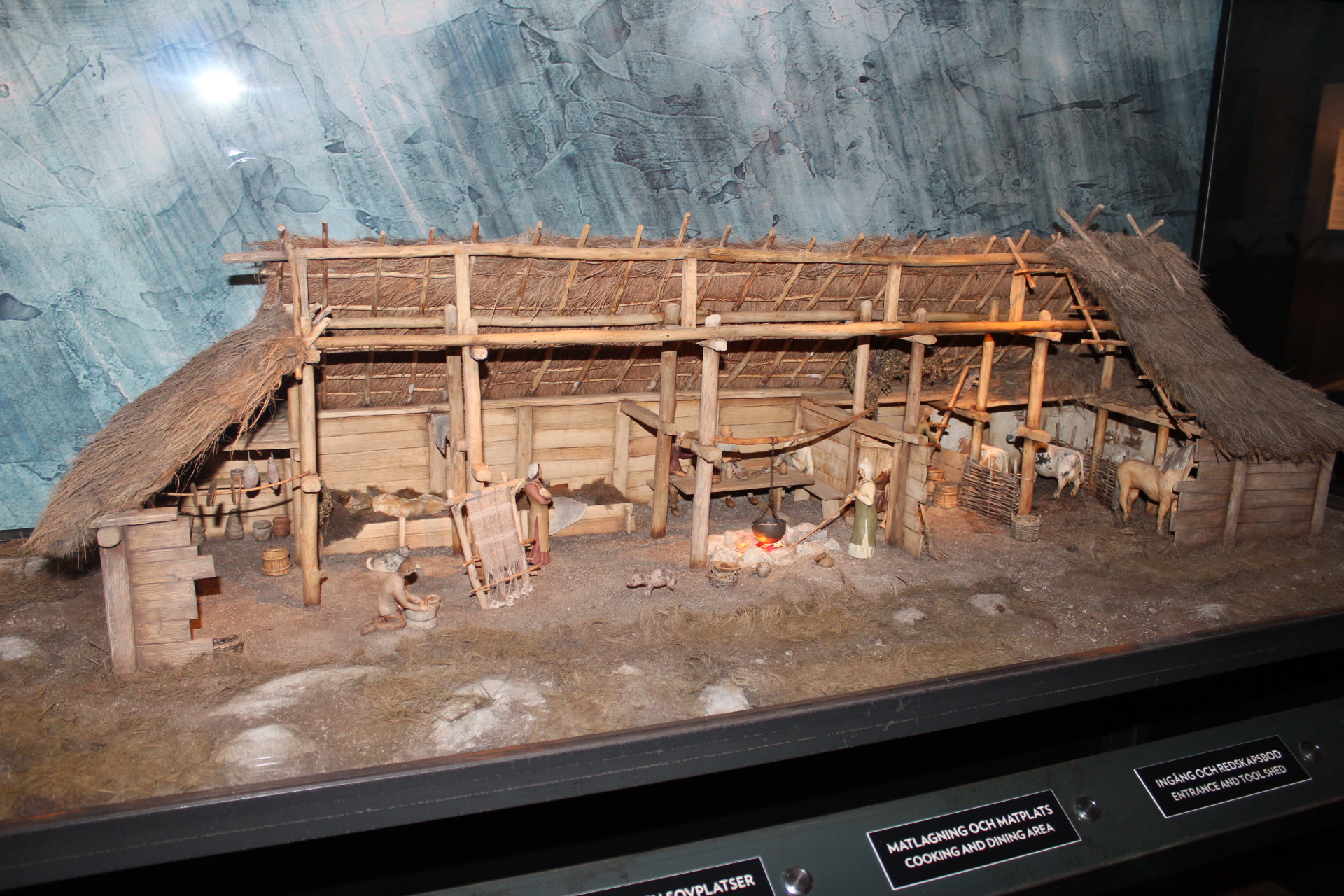
Longhouses: Viking-era longhouses were large, rectangular buildings that were used as homes and community spaces by Viking families. These houses were often built using wooden poles and thatched roofs, and they could be up to 80 feet long and 20 feet wide. Longhouses were typically divided into several rooms, including a central hearth room and several smaller rooms for sleeping and storage. Viking longhouses were an important aspect of Viking society and were used for both living and working, serving as the center of daily life for families and communities.

14 questions with answers and facts about Viking Longhouses:

Why did Vikings live in longhouses?
One end of the Viking longhouse was used to house cattle and other animals as well as stored crops and other tools. The opposite end of the longhouse was often set up for the Vikings to create artisanal crafts. The center of the longhouse hall was reserved for living, sleeping, cooking, and eating.

What is a Viking longhouse called?
Throughout the Norse lands, people lived in longhouses (langhús), which were typically 5 to 7 meters (16 to 23 ft) wide and anywhere from 15 to 75 meters (49 to 246 ft) long, depending on the wealth and social position of the owner.

How long did a longhouse take to build?
It depends on what resources and materials were available. A possible estimate is one to two years (the reconstruction took one year to build), but we must also consider that the house seems to have been continually added to and maintained.

What are the disadvantages of a longhouse?
Longhouses were notoriously smoky as the fumes from cooking and fires could only escape through small holes in the ceiling. Villages of longhouses were built in the forest, usually near water. They were surrounded by tall palisades or sharpened logs stuck vertically in the earth.

How many fires were in longhouses?
Fireplaces or hearths were spaced down the length of a central corridor in the house (an average of 1-6 fires), and were flanked with two platforms: the lower for sleeping, and the upper for food and storage.

Who lives in a Viking longhouse?
A Viking family—often an extended family—all lived in the Viking longhouse, where they ate, worked, talked and slept with little or no privacy.

What is inside a longhouse?
Dried meats and corn, as well as other food and personal belongings, were stored on platforms built high up on the walls of the longhouse. Firewood was stacked in areas near the entrances at either end of the structure. Covered pits dug inside the house also stored food.

Why did Vikings cover their houses in grass?
The Vikings, however, had brought with them a solution: turf homes, something already popular in Norway and many places in Scandinavia. For the next millennium or so, these grass-roofed dwellings protected Icelanders from blistering winds, rains, and even earthquakes.

What was the purpose of longhouses?
Longhouses have another thing in common besides their shape: they were built to serve as a home for a large extended family. An extended family includes a number of family units consisting of parents and children, plus grandparents, aunts, uncles, cousins, etc.


What are some facts about Viking longhouses?
Despite the harsh living conditions, the Norse who occupied longhouses tried to make the longhouses as comfortable as possible. Viking houses were built of wood. The longhouses had bowed walls in plan, forming a ship-like outline. The walls were lined with clay or consisted of wooden planks placed vertically into the ground, which supported the roof, along with two rows of internal posts. Outside the house was often supported by sloping posts.

How long was the longest/largest longhouse?
The biggest longhouse ever found was excavated in 1983 in Lofort, Norway. It was most likely a chieftain´s house, and it was initially 22ft. (67 meters) long. It was built around 500 AD and upgraded around 700, extending it to 83 meters.

Did Viking houses have toilets?
Interesting enough, according to the BBC Primary History site, there were no bathrooms in the Viking home. Most people probably washed in a wooden bucket or the nearest stream. Instead of toilets, people used cesspits, which are holes dug outside for toilet waste

How many rooms are in a Viking longhouse?
Interior: On the inside, the Longhouse was just one long room. But Viking families found a way of dividing up the space for better use using rows of wooden posts.

Do any Viking longhouses still exist?
In Garðabær town, which is a part of the Great Reykjavík Area, a Viking Settlement Age farm was discovered back in 1986. This large Viking longhouse dates back to around 870-930 and is 8 x 30 meters on the outside, but the inside floor surface is 170 sq. m.

7 questions with answers and facts about VikingBurial Mounds:

Burial Mounds: Viking-era burial mounds are another important aspect of Viking society. These mounds were built to honor the dead and were typically located near the longhouses where the deceased lived. Viking burial mounds were usually constructed using stone and earth, and they were often topped with a large stone or wooden marker to commemorate the dead. The burial mounds themselves were also an important part of Viking culture, with some mounds being used as communal graves for entire communities, while others were used to honor important leaders or warriors.

What are Viking burial mounds called?
Tumuli are also known as barrows, burial mounds or kurgans, and may be found throughout much of the world.

What is a burial mound?
Burial mound, artificial hill of earth and stones built over the remains of the dead. In England the equivalent term is barrow; in Scotland, cairn; and in Europe and elsewhere, tumulus.

Why are graves mounded?
Before burial vaults, when coffins were made of wood, the coffin would eventually collapse in on itself, leaving a depression at the grave site. Mounding was protection against that.

Why were Vikings buried with horse heads?
Why the Vikings were buried with male horses is unclear, although it may have had to do with an association between stallions and virility, according to zooarchaeologist Albína Hulda Pálsdóttir of the University of Oslo. However, she notes, horse burials were not reserved for men.

Did Vikings get buried with their wives?
So it must have been some kind of comfort for a relatively important Norseman to know that, when they died, they’d be shuffling off this mortal coil through a grave crowded with friends, wives, slaves, pets, and livestock—all dead, of course.

Have any Viking graves been found?
Many of the 60 or so Viking Age graves discovered in Oslo have been found by construction workers. Many of these were found at the very beginning of the 20th century when Oslo underwent rapid expansion, including areas such as St. Hanshaugen, Grünerløkka, Bjølsen, Tåsen and Sinsen.

How did Vikings bury their deceased?
Cremation (often upon a funeral pyre) was particularly common among the earliest Vikings, who were fiercely pagan and believed the fire’s smoke would help carry the deceased to their afterlife. Once cremated, the remains also might be buried, usually in an urn.

In conclusion, Viking-era longhouses and burial mounds are an important part of the cultural heritage of Scandinavia, and they offer a unique and fascinating look into the daily life, religious beliefs, and cultural practices of the Viking era.

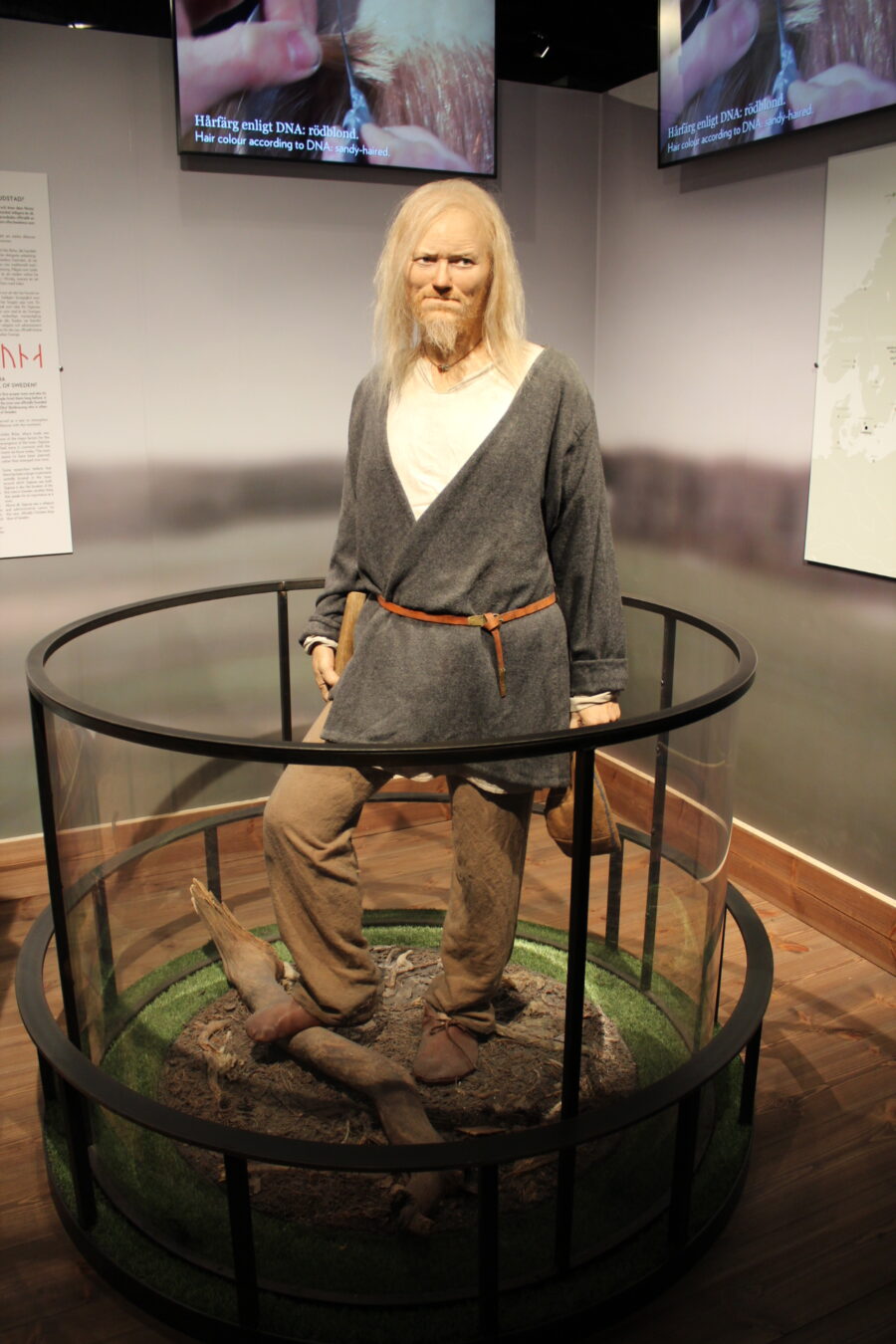
All images: The pictures were taken at the Viking Museum in Sweden (NordenBladet/Helena-Reet Ennet)

Read also:

THE DARK HISTORY of witch trials in Scandinavia
EXHAUSTIVE OVERVIEW: who were the ancient Scandinavian origin Vikings and when was the time of the Vikings?
From Finland to the forests: THE STORY and the legacy of the Forest Finns


Mykines Island: A must-visit destination in the Faroe Islands

NordenBladet – Mykines Island is a remote and ruggedly beautiful island located in the Faroe Islands, an archipelago located in the North Atlantic Ocean. The island is renowned for its picturesque landscapes, rich wildlife, and breathtaking natural beauty. Despite its remote location, Mykines is a popular destination for tourists and nature lovers who seek to escape the hustle and bustle of modern life and experience the unspoiled beauty of the Faroe Islands.

The island is located in the western part of the Faroe Islands and is the westernmost point of the archipelago. Mykines is just over 2 square kilometers in size and is home to a small permanent population of around 20 people. The island is connected to the main land of the Faroe Islands by a regular ferry service and is also accessible by helicopter.

Mykines is famous for its incredible landscapes and unique wildlife. The island is dominated by steep cliffs that rise from the ocean, providing breathtaking views of the surrounding sea and sky. The cliffs are home to a large colony of puffins, as well as other seabirds such as guillemots, razorbills, and kittiwakes. The island is also home to an array of wildlife, including seals, whales, and even the occasional dolphin.

The natural beauty of Mykines is not limited to the coast. The island is also home to rolling hills and verdant meadows, which are dotted with wildflowers and other vegetation. The island’s streams and waterfalls are a popular spot for swimming and fishing, and the local community maintains several well-marked hiking trails that offer spectacular views of the surrounding landscape.


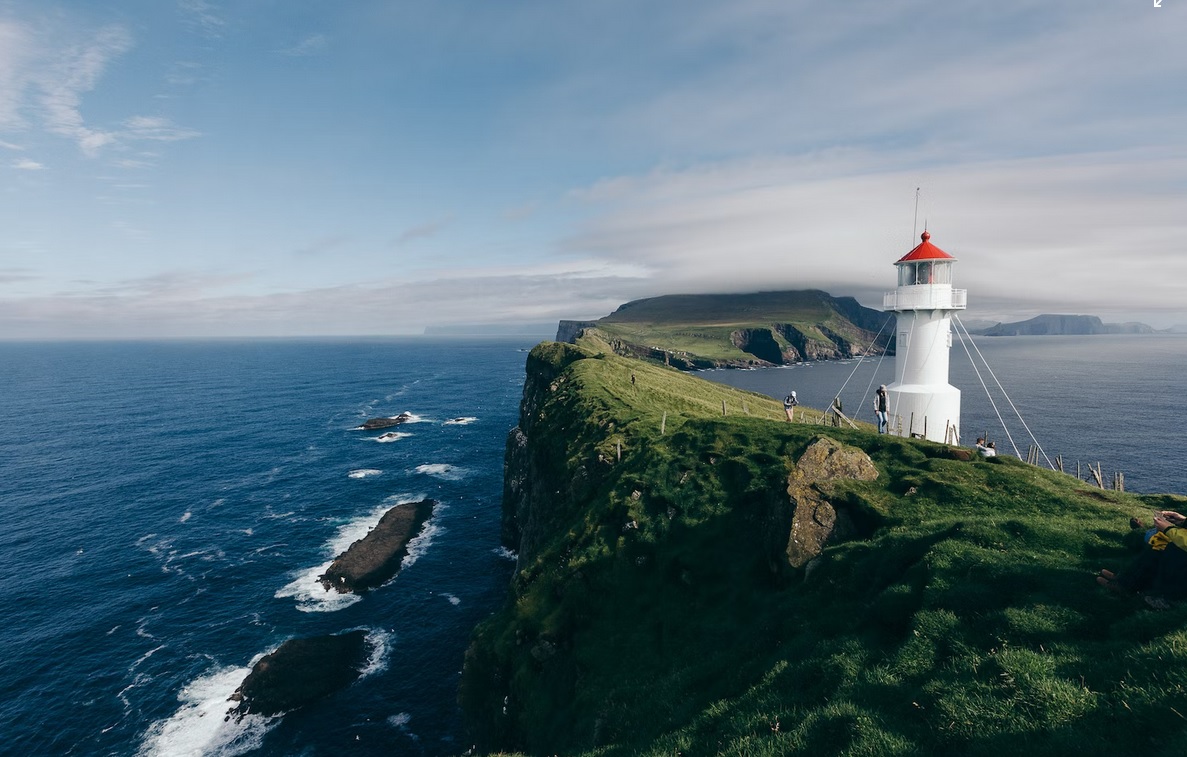
Photos: Mykines belongs to the oldest part of the Faroe Islands and was formed about 60 million years ago. The Faroese basalt is divided into three phases of eruption: the lower and oldest, the middle, and the upper and youngest; the lowest formed by the eruption of low-viscosity lava through long fissures, forming flat volcanoes. In the sound between Mykines and Mykineshólmur, Holmgjogv, one can see one of the most abundant of such flows on the Faroes, with a depth of about 50 m. The interspersed layers of softer volcanic tuff between the layers of basalt are differentially eroded, so forming, especially on the steep northern side of the islet, some of the richest bird cliffs in the world. The highest peak on the island is Knúkur at 560 metres above sea level. (Unsplash)

Despite its remote location, Mykines has a rich cultural history that dates back centuries. The island has been inhabited for over a thousand years, and many of its historic buildings and structures remain well preserved. Visitors can explore ancient ruins, visit traditional Faroese homes, and even experience the unique Faroese way of life by staying in one of the island’s traditional guesthouses.

The Faroe Islands are known for their distinctive culture and heritage, and Mykines is no exception. The island is home to several unique festivals and celebrations, including the annual Mykines festival, which celebrates the island’s rich cultural heritage with music, food, and dance. Visitors can also enjoy the local cuisine, which is heavily influenced by the surrounding sea and features fresh seafood and traditional dishes.

In recent years, Mykines has become increasingly popular as a tourist destination, attracting nature lovers and adventure seekers from around the world. The island offers a range of activities and attractions, from birdwatching and wildlife watching to hiking and fishing. Visitors can also explore the island’s historic sites and traditional Faroese villages, and experience the island’s unique way of life.

Mykines Island is a lovely island located in the Faroe Islands. It is popular for its breathtaking landscapes, rich wildlife, and rich cultural heritage, and is a much loved destination for nature lovers and adventure seekers. Whether you are interested in exploring the island’s natural beauty, experiencing its unique culture, or simply relaxing in its peaceful surroundings, Mykines Island is a must-visit destination in the Faroe Islands.

There are three ways of getting to Mykines:
By sea:
Ferry
In the summer – from May 1. until August 31. the ferry “M/F Jósup” sails to Mykines twice a day when weather conditions allow. Cancellations will be announced on the company website and by email.
For more information about timetable and booking, please visit: mykines.fo

RIB boat
Day tours by RIB boat are also arranged twice a day.
For more information timetable and booking, please visit: guidetofaroeislands.fo

By air
The Helicopter has an all year round timetable – if the weather allows.

The main purpose of the helicopter is public transport of locals and goods to and from the islands. This is the reason for the relatively low prizes – the helicopter is funded by the Faroese tax-payers. Hence, visitors are not recommended to do trips with the helicopter. If you want a helicopter trip, we recommend the weekly roundtrip that Atlantic Airways has scheduled HERE, where you get a guided tour to see many of our top attractions.

There are only 12 seats in the helicopter, and it is therefore very important to book these seats in advance. The helicopter can be booked up to seven days in advance.

You should be aware of the fact that if you book the helicopter one way and the boat the other way, and the boat is canceled, there will be no refund for the helicopter trip. Cancellations must be made at least 24 hours before departure.

Important information about Mykines (Valid until March 2023)

Due to a landslide on Mykines in October 2021, that crossed the path to the islet of Mykineshólm and the lighthouse, the path is closed until further notice. There is an imminent risk of further landslides in the area, therefore it is not safe to go past the memorial monument at the moment. The risk of further landslides will be reviewed in March 2023.

Between early may to end of August there is still plenty of opportunity to see puffins in the monument area and on the island in general.

Hikes to other areas on the island are available.

Hiking Fee
If you want to hike in Mykines, you can pay the hiking-fee online via hiking.fo, or by creditcard or cash at The Locals café in Mykines upon arrival. They also have information about hikes in the area.

Mykines – A Ramsar site
Ramsar is an intergovernmental treaty on protecting wetlands of global importance, including bird cliffs. Ramsar sites are to be managed sustainably, the natural environment preserved, the area utilized sensibly, and measures should be taken to protect the environment.

Because of the growing pressure from the steadily increasing number of travelers from all over the world wanting to go to this small delicate area, there have been installed some safety measures to limit the number of people going to this Ramsar area and to protect this wildlife.

Implemented rules for the area:

1 ) A hiking fee of DKK 250,- is to be paid for each traveler (no fee for children under 7 years of age. DKK 125,- for children from 7-14 years of age). You need to pay this fee before being allowed to hike on Mykines Island. Payment online via hiking.fo, or upon arrival in Mykines at The Locals café. They accept payments in cash and by credit card.

2 ) A recommendation for everyone not to access the Ramsar area between 17-11, to give the birds and wildlife some peace.

3 ) A recommendation for everyone walking through the Ramsar area and to the lighthouse to be accompanied by a certified guide. The path is however closed due to imminent risk of landslides.


Featured image: On the northern side of the island is the valley of Korkadalur, where there are great columns of basalt, called the Stone-wood. To the west of Mykines is the 1 km long islet Mykineshólmur, with several sea stacks clustered at its western end, where a lighthouse was built in 1909. A 40m-long footbridge connects its eastern end with Mykines. The lighthouse in Mykines Island (Unsplash)

Read also:
Faroe Islands – WONDERFUL TRAVEL DESTINATION for bird watchers and photography fans

Tórshavn: A fascinating capital of the Faroe Islands

NordenBladet – Torshavn*, located in the Faroe Islands, is a small yet charming capital city that boasts a rich history, friendly people, and a unique architectural style. This city is the oldest and the smallest capital in the world and has remained largely unchanged for centuries, offering visitors a glimpse into the past.

The city’s history can be traced back to the Viking era, and its name literally means “Thor’s harbor.” Tórshavn was once a thriving center of commerce, and it played a key role in the region’s maritime trade. Today, Torshavn is still a hub of activity and is considered the cultural and economic center of the Faroe Islands.

The city is home to a vibrant community of friendly locals, who are proud of their rich cultural heritage. Visitors to Torshavn can expect to be warmly welcomed and will quickly feel at home in this cozy city.

One of the defining features of Torshavn is its unique architecture, which combines traditional Faroese design with modern elements. The city is characterized by its colorful wooden houses, which are built on hillsides and surrounded by lush greenery. Many of these houses are also adorned with intricate wooden carvings, adding to the city’s unique charm.

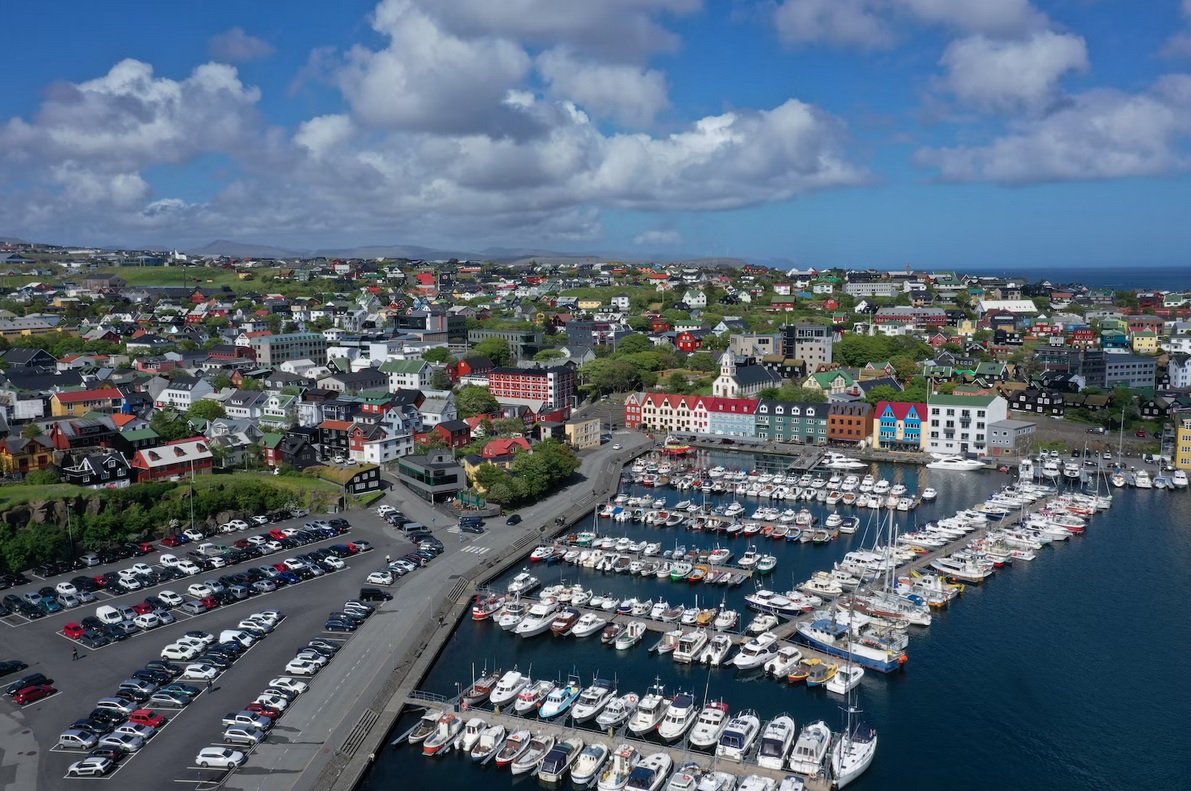
Photo: Torshavn is a fascinating and charming city that offers visitors a unique blend of history, culture, and natural beauty. From its rich history and friendly people to its unique architecture and delicious cuisine, Torshavn is a must-visit destination for anyone interested in exploring the Faroe Islands. (Unsplash)

As a tourist, there are many interesting places to visit in Torshavn. One of the most popular attractions is the Faroese Parliament (The Løgting), which is housed in a historic building in the heart of the city. This building is an important symbol of the Faroese people’s independence and self-government.

Another must-visit destination in Torshavn is the Faroese National Museum (Tjóðsavnið), which is dedicated to preserving the country’s rich cultural heritage. Visitors can learn about the Faroe Islands’ history, including its Viking roots, through exhibits and interactive displays.

Torshavn is generally considered to be more expensive compared to the rest of Scandinavia. The cost of living in the Faroe Islands is higher than in many other Scandinavian countries, and this is reflected in the prices of goods and services in Torshavn.

Food, accommodation, and transportation are all relatively expensive in Torshavn, especially when compared to other cities in Scandinavia. However, there are ways to save money while visiting the city, such as staying in budget accommodations and eating at local restaurants, which offer more affordable options.


Photo: Torshavn is a great destination for those looking for a unique and off-the-beaten-path experience, but it may be more expensive than some other Scandinavian destinations. (Unsplash)

For those looking to explore the city’s stunning natural surroundings, Torshavn is surrounded by breathtaking landscapes and scenic hiking trails. The nearby mountains offer stunning views of the city and the surrounding ocean, making it a perfect destination for outdoor enthusiasts.


Photo: Unsplash

Visitors to Torshavn should not miss the chance to sample the city’s delicious cuisine. The Faroese cuisine is characterized by its use of fresh, locally sourced ingredients and its incorporation of traditional Viking techniques and recipes.

______________________________
* Tórshavn, usually locally referred to as simply Havn, is the capital and largest city of the Faroe Islands. It is located in the southern part on the east coast of Streymoy. To the northwest of the city lies the 347-meter-high (1,138 ft) mountain Húsareyn, and to the southwest, the 350-meter-high (1,150 ft) Kirkjubøreyn. They are separated by the Sandá River. The city itself has a population of 14,001 (2022), and the greater urban area has a population of 21,078, including the suburbs of Hoyvik and Argir.

Featured image: Tórshavn in Faroe Islands (Unsplash)

Look also: