NordenBladet – In Estonia and Nordic countries child’s upbringing and environment plays a crucial role in shaping their beliefs, values, and attitudes.
The upbringing and environment of a child play a crucial role in shaping their beliefs, values, and attitudes in Estonia and Nordic countries due to the cultural emphasis on these factors as key determinants of personal development.
In Estonia and Nordic countries, the family is considered the primary agent of socialization, with parents and other caregivers providing the foundation for a child’s growth and learning. The educational system also supports this model, with a strong emphasis on child-centered learning and the development of critical thinking skills.
Additionally, the Nordic welfare state provides a comprehensive network of social services and support for families, including access to high-quality early childhood education and care, health care, and family leave policies. These resources help to create a supportive environment for children to grow and thrive.
The effectiveness of this model is demonstrated by the high levels of social trust, equality, and well-being that are characteristic of Nordic societies. Children in these countries have better educational outcomes, lower levels of poverty and inequality, and higher levels of health and well-being compared to many other countries.
These tips below demonstrate the many different factors that can shape a child’s beliefs, values, and attitudes and why it is important to consider the full range of influences on child development. By providing a supportive and nurturing environment, families, educators, and communities can help children grow into well-rounded, confident, and compassionate individuals.
Family Influence: The family is the primary source of socialization for a child and shapes their values, beliefs, and attitudes through modeling and teaching.
Educational Experience: Schools and other educational institutions play a key role in shaping a child’s beliefs and values by providing structured learning experiences and shaping their critical thinking skills.
Social and Cultural Context: The broader social and cultural context, including religious beliefs, political values, and community norms, also shape a child’s beliefs and attitudes.
Peer Relationships: Peer relationships and social networks play an important role in shaping a child’s beliefs and attitudes, particularly during adolescence.
Media and Technology: The media and technology that children are exposed to, including TV, movies, and the internet, can have a significant impact on their beliefs, values, and attitudes.
Personal Experiences: A child’s personal experiences, such as significant life events, can also shape their beliefs and attitudes by influencing their perspectives and worldview.
The Nordic model of child-rearing and upbringing provides a holistic approach to child development that recognizes the importance of both the family and the broader social environment in shaping a child’s beliefs, values, and attitudes. While it is not without its challenges, it remains an effective and widely admired approach to raising healthy, happy, and well-adjusted children.
NordenBladet – How to involve young people in solving crisis situations? Young people can play an instrumental role in addressing crisis situations. They are the future leaders and they bring new ideas, energy, and a fresh perspective to the table. In order to involve young people in crisis response, the following 12 solutions can be applied:
Engage in youth-led initiatives: Encourage young people to take the lead in creating their own initiatives aimed at addressing the crisis. This will empower them to drive change and provide them with a sense of ownership and responsibility.
Provide opportunities for youth volunteering: Create programs that allow young people to volunteer their time and skills to crisis response efforts. This will give them a sense of purpose and a way to contribute to the solution.
Emphasize the importance of youth involvement: Raise awareness about the importance of youth involvement in crisis response and the role they can play in making a difference.
Foster youth leadership: Provide training and resources to young people so they can develop their leadership skills and become effective advocates for change.
Encourage collaboration and partnership: Foster partnerships between young people, government, NGOs, and other organizations to create a more unified response to the crisis.
Engage young people through social media: Utilize social media to reach out to young people and involve them in crisis response efforts. This will allow them to share their ideas, opinions and experiences with a wider audience.
Promote youth-led research: Support young people in conducting research to understand the root causes of the crisis and develop evidence-based solutions.
Encourage youth-led innovation: Encourage young people to use their creativity and innovative thinking to develop new and innovative solutions to crisis situations.
Provide mentorship and support: Provide mentorship and support to young people to help them grow their skills and achieve their goals in crisis response efforts.
Create opportunities for youth participation in decision-making: Ensure that young people have a voice in decision-making processes that affect their communities and their futures.
Provide access to resources and funding: Provide young people with access to resources and funding to support their efforts to address the crisis.
Celebrate and recognize youth achievement: Recognize and celebrate the achievements of young people in crisis response efforts. This will encourage them to continue their efforts and inspire others to get involved.
By implementing these solutions, young people can be fully engaged and empowered to make a meaningful contribution to addressing crisis situations. They have the potential to bring about real change, and it is important that we provide them with the support and resources they need to succeed.
Here are some examples of how young people are involved in crisis response efforts in the Scandinavian region:
Sweden: In Sweden, youth organizations such as the Swedish Red Cross Youth (https://migrationsmartpractices.ifrc.org) and the Swedish Save the Children Youth (https://resourcecentre.savethechildren.net)are actively involved in disaster relief and crisis response efforts. These organizations engage young volunteers in providing support to those affected by crisis situations.
Norway: In Norway, the Norwegian Red Cross (https://www.rodekors.no)has a youth program that provides young people with the opportunity to volunteer and get involved in disaster relief and crisis response efforts. The organization also provides training and support to young people to help them develop their leadership skills and become effective advocates for change.
Denmark: In Denmark, youth organizations such as the Danish Red Cross Youth (https://www.urk.dk) and the Danish Youth Council (https://en.duf.dk) are involved in disaster relief and crisis response efforts. These organizations provide young people with opportunities to volunteer and contribute to the solution, and they also advocate for youth involvement in decision-making processes.
These are just a few examples of how young people are involved in crisis response efforts in the Scandinavian region. By leveraging the passion, creativity, and energy of young people, organizations and governments can create more effective and inclusive crisis response efforts that benefit all members of society.
NordenBladet – Streymoy, also known as Strømø, is the largest of the Faroe Islands and is home to the picturesque village of Kvívík (Kvivig). This island is a popular tourist destination, offering a wealth of natural beauty, cultural heritage, and outdoor activities for visitors to enjoy. Here is an overview of what you can expect from your visit to Streymoy and Kvívík.
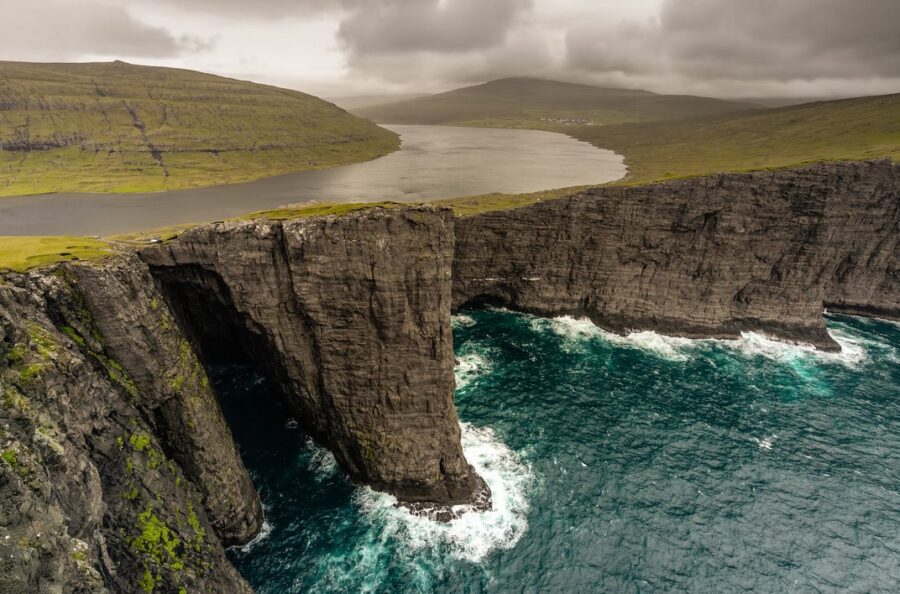
Weather and Climate: The Faroe Islands have a temperate maritime climate, characterized by mild winters and cool summers. The average temperature in the summer months is around 12°C, while in the winter months it is around 4°C. Rain is common throughout the year, but the amount of precipitation varies depending on the time of year. Despite the rain, the islands are known for their stunning landscapes and dramatic cliffs, making them a popular destination for outdoor enthusiasts and photographers.
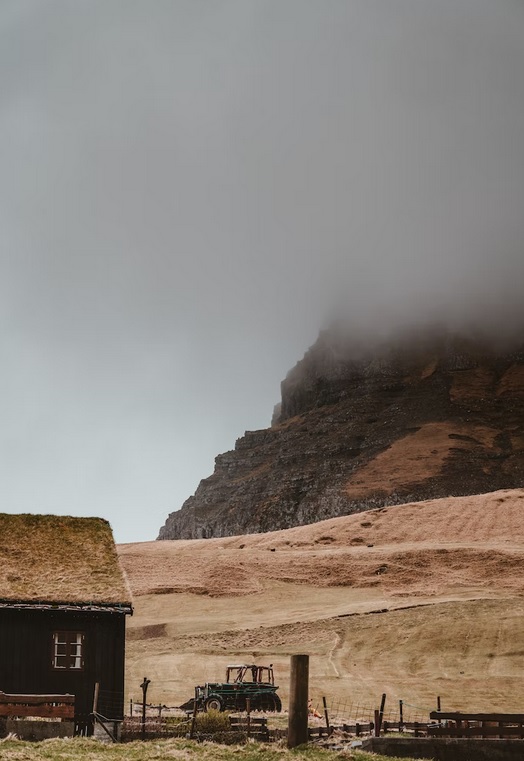
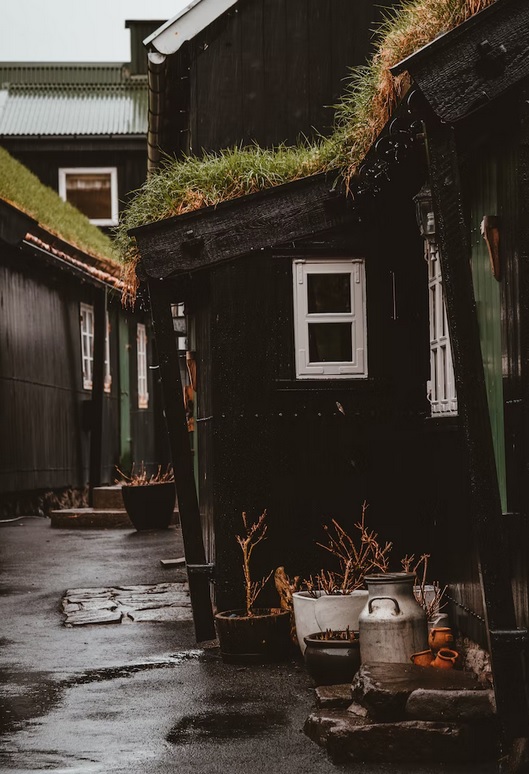
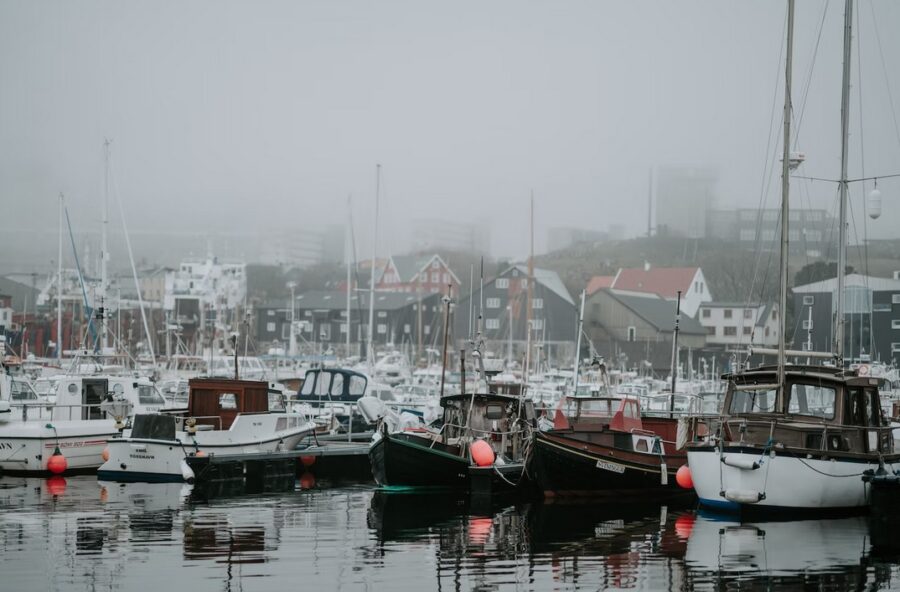
Faroe Islands (Photo: 2 x Unsplash)
History: The Faroe Islands have a rich cultural heritage, with a history dating back to the Viking Age. Streymoy and Kvívík have played an important role in the island’s history, and there are several historic sites and monuments that visitors can explore. In Kvívík, for example, you will find the remains of a Viking settlement, where you can learn about the island’s early history and see how people lived in the Viking Age. There are also several museums and cultural centers on Streymoy, where you can learn about the island’s history and cultural heritage.
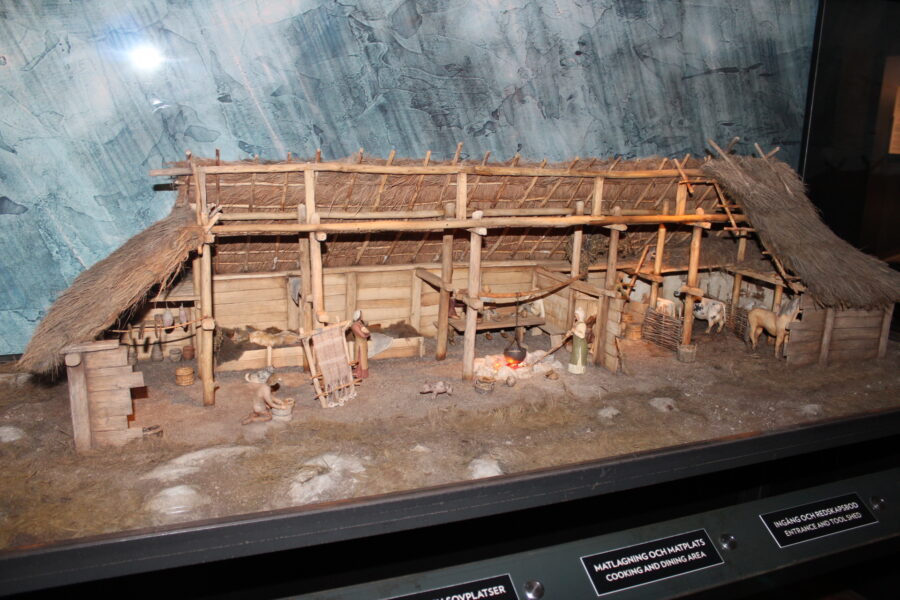
Viking-era longhouses and burial mounds are also an important part of the history of the Faroe Islands, which were settled by the Vikings in the 9th century. These artifacts can be found throughout the Faroe Islands, offering tourists and locals alike a unique glimpse into the past.
In comparison to other Scandinavian countries, the Faroe Islands have a unique and well-preserved collection of Viking-era artifacts, including longhouses and burial mounds. The islands also have a rich cultural heritage, with many traditional Faroese buildings and settlements still standing today, providing a unique and fascinating window into the history of the Viking era.
Historical Sites: In addition to the Viking settlement in Kvívík, there are several other historical sites and monuments on Streymoy that visitors can explore. For example, the Tinganes Peninsula, located in the capital city of Tórshavn, is the oldest part of the city and is home to several historic buildings, including the Parliament building and the Prime Minister’s office. Another important historical site on Streymoy is the Slættaratindur Mountain (also known as Flat peak), which is the highest peak on the Faroe Islands and offers stunning views of the surrounding landscape.
Outdoor Activities: Streymoy and Kvívík offer a wealth of outdoor activities for visitors to enjoy. From hiking and fishing to bird-watching and wildlife tours, there is something for everyone. One of the most popular outdoor activities is hiking, with several trails and paths winding through the island’s stunning landscapes. Visitors can also explore the island by bike, take a wildlife tour to see seals, whales, and other wildlife, or go fishing to catch Atlantic salmon or cod.
Fascinating Facts: One of the most fascinating facts about Streymoy and Kvívík is that they are part of the Faroe Islands, a self-governing territory within the Kingdom of Denmark. The Faroese people have a rich cultural heritage and unique language, which they have preserved despite centuries of Danish rule. Another fascinating fact is that the islands are home to several unique bird species, including the puffin and the Arctic tern, making them a popular destination for bird-watching enthusiasts.
In conclusion, Streymoy and Kvívík offer a wealth of natural beauty, cultural heritage, and outdoor activities for visitors to enjoy. From exploring historical sites to enjoying the great outdoors, there is something for everyone on this beautiful and diverse island. Whether you are interested in history, culture, or nature, a visit to Streymoy and Kvívík is a must for anyone visiting the Faroe Islands.
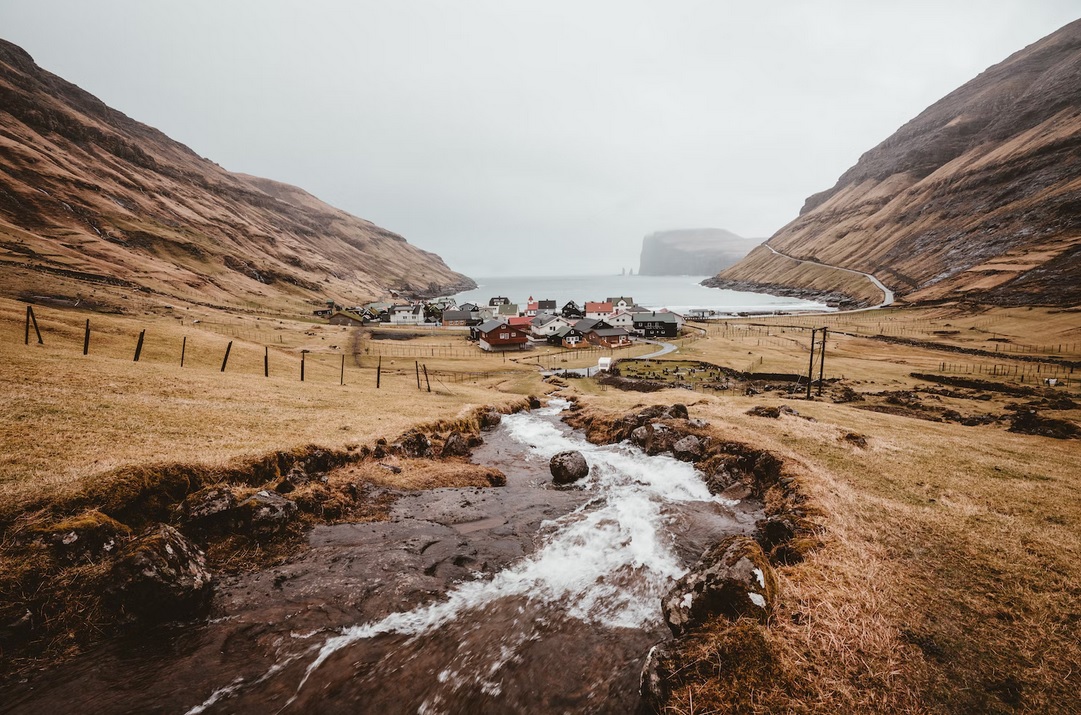
Featured image: Tjornuvik, Streymoy, Faore Islands (Photo: Unsplash)
NordenBladet – Raising a child is a complex and rewarding journey. As a parent, it is important to nurture your child and help them develop the skills they need to become self-sufficient adults. An independent child is one who is confident, self-reliant, and capable of making their own decisions. Such a child is able to handle the challenges of life with resilience and determination, and is able to make the most of opportunities as they arise.
This educational series “HOW to raise an independent child?” prepared by NordenBladet consists of eight useful recommendations that can help you raise your child to be independent and successful. We will explore what it means to raise an independent child and offer tips and strategies to help you support your child as they grow and develop.
Here are some key points for raising an independent child:
1. Encourage independence: Give children the chance to make their own decisions, within reason. Let them solve problems and make mistakes on their own. This will build their confidence and self-reliance.
Read also: The Impact of Parental Decisions on children and young people
3. Foster independence in daily activities: Encourage your child to do things on their own, such as getting dressed, brushing their teeth, and making their own meals.
7. Foster independence in social situations: Encourage your child to make friends and engage in social activities on their own. Teach them how to handle conflicts and navigate social situations.
Read more: Building confidence and independence in children’s SOCIAL SITUATIONS
Remember, the goal is to raise an independent child who is confident, self-reliant, and capable of making their own decisions. By following these steps, you will be well on your way to achieving this goal.
NordenBladet – Green infrastructure, such as flower beds, can play a key role in managing urban stormwater runoff and reducing the impact of floods. Bioretention systems, which incorporate plants into their design, are becoming increasingly popular as they improve water quality and help to control runoff volume and peak flows. A recent study compared the performance of four different plant species commonly used in bioretention systems, including Cornus sericea, Juncus effusus, Iris versicolor, and Sesleria autumnalis.
The study found that all bioretention systems, regardless of the plant species used, were effective in reducing water volume and flow as well as pollutant levels during both the growing and dormant periods. The plants helped to improve the removal of macronutrients, including nitrogen and phosphorus, and also improved the removal of trace elements such as heavy metals.
The study also found that the species of plant used played a significant role in the effectiveness of the bioretention system. The results showed that the species with the highest evapotranspiration rates, such as Cornus sericea, were the most effective in reducing runoff volume and improving water quality. The results of the study highlight the importance of selecting the right plant species for bioretention systems in temperate climates.
In conclusion, incorporating flower beds and other forms of green infrastructure into urban design can help to mitigate the impacts of floods and improve water quality. This study highlights the significance of plant species selection in bioretention systems, and the potential for flower beds to play a key role in reducing runoff volume and improving water quality during floods.
NordenBladet – While their numbers still haven’t recovered to pre-pandemic levels, more than 3.5 million foreign tourists visited in Estonia in 2022, spending a combined €1.1 billion while here, according to a statistical release published by the Bank of Estonia on Thursday.
Foreign tourists spent around €1.1 billion in Estonia in 2022, up by €670 million on year, but still €340 million less than in the record, pre-pandemic year of 2019. In all, a total of 3.5 million foreign visitors visited Estonia last year, still down by some 40 percent compared with 2019, but up 168 percent on year.
Estonian residents, meanwhile, spent around €1 billion abroad, €240 million less than in 2019 but nearly half a billion more than in 2021. In all, Estonian residents made some 2.7 million trips abroad last year, a quarter fewer than in 2019 but 112 percent more than in 2021.
Sutt said that, at the meeting, the members of the Foreign Affairs Committee confirmed their support to the democratic movement and to all people who fight for democracy and human rights in Russia. “The Free Russia Foundation is doing excellent work to ensure that violations of human rights and international law in Russia will not go unnoticed. It is important to ensure that the voices of those who do not support the Russian regime and the ongoing war of aggression against Ukraine are also heard,” he said.
According to him, the members of the Committee condemned at the meeting the suppression of freedom of speech and independent media in Russia. “We also consider it important that Vladimir Kara-Murza, who was imprisoned last spring, and other Russian political prisoners are released and that the organisers of the repressions are brought to justice,” Sutt added.
Free Russia Foundation was founded in 2014. It is an international organization supporting civil society and democratic development in Russia. Founder of the Foundation Natalia Arno, workers of the Foundation Grigory Frolov and Nikolai Artemenko and Project Manager and translator Yevgenia Kara-Murza participated in the meeting with the Foreign Affairs of the Riigikogu. Yesterday, Yevgenia Kara-Murza accepted the Cross of Merit of the Estonian Ministry of Foreign Affairs awarded to her husband, Russian political prisoner Vladimir Kara-Murza for his consistent and long-time work in standing for human rights and civil liberties in Russia.
In April last year, the chairs of the Foreign Affairs Committees of 18 national parliaments and the European Parliament issued a Joint Statement in which they called on Russia’s authorities to immediately release Vladimir Kara-Murza.
NordenBladet – The Forest Finns were Finnish migrants who settled in forested areas of Sweden and Norway in the late 16th and early-to-mid-17th centuries. They were known for their use of slash-and-burn agriculture, a method of turning forests into farmlands, and their strong cultural connection to the forest environment. The Forest Finns also had a rich musical heritage, unique language, and close-knit communities. Over time, the term “Forest Finns” has also come to refer to a broader group of Finnish people with similar cultural heritage, including those who remained in Finland.
There is a growing appreciation for the close relationship between the Forest Finns and the forest environment, and this is inspiring people to explore the forest in new ways and to rediscover its importance for our well-being and spiritual connection.
While it is unlikely that the Forest Finns’ traditional lifestyle will be fully revived, their legacy and cultural heritage will continue to live on and influence future generations.
Forest Finns* (Finnish: Metsäsuomalaiset, Norwegian bokmål: Skogfinner, Norwegian nynorsk: Skogfinnar, Swedish: Skogsfinnar), also known as Finnish Tavastians(Finnish: Hämäläiset, Swedish: Tavaster), are a Finnish ethnic group with historical roots in the Häme region of Finland. Savonians (Finnish: Savolaiset, Savonian: Savolaaset, Savolaeset) are descendants of Tavastian and Karelian peasants who, during the Middle Ages, had settled in the areas that would later become known as Savonia in order to find new lands suitable for slash-and-burn agriculture. They have a distinct cultural identity that sets them apart from other Finnish groups, and their traditions and way of life have been influenced by the forested landscape in which they live.
The Forest Finns have a long history in Finland, with evidence of their presence in the Häme region(Swedish: Tavastland, Latin: Tavastia) dating back to the Middle Ages. They are thought to have originated from the Tavastian people, an ancient Finnish tribe that lived in the area. Over time, the Forest Finns developed a unique culture and traditions that were shaped by their close relationship with the forest environment.
One of the key features of Forest Finn culture is their traditional way of life, which revolves around the use of the forest for subsistence. Forest Finns have a long history of hunting, fishing, and gathering wild plants for food, as well as using the forest for building materials and fuel. This close relationship with the forest has also shaped their spiritual beliefs and practices, with many Forest Finns having a strong connection to nature and the environment.
Another important aspect of Forest Finn culture is their musical tradition. They have a rich heritage of traditional music and dance, which is an important part of their cultural identity. Many Forest Finns are accomplished musicians and play a variety of instruments, including the fiddle, accordion, and harmonica. Their music is often played at community gatherings and celebrations, and it is an important way for Forest Finns to preserve their cultural heritage.
Despite their distinct cultural identity, the Forest Finns have faced challenges in maintaining their traditions and way of life. The modernization of Finland in the 20th century brought new economic and social pressures, and many Forest Finns were forced to move to urban areas in search of work. This led to a decline in the number of Forest Finns living in the Häme region, and a loss of traditional skills and knowledge.
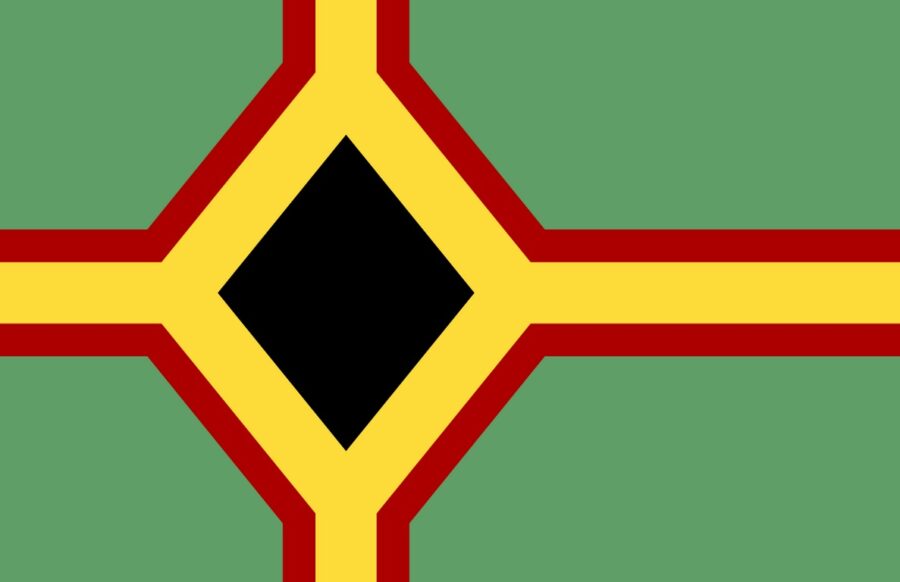
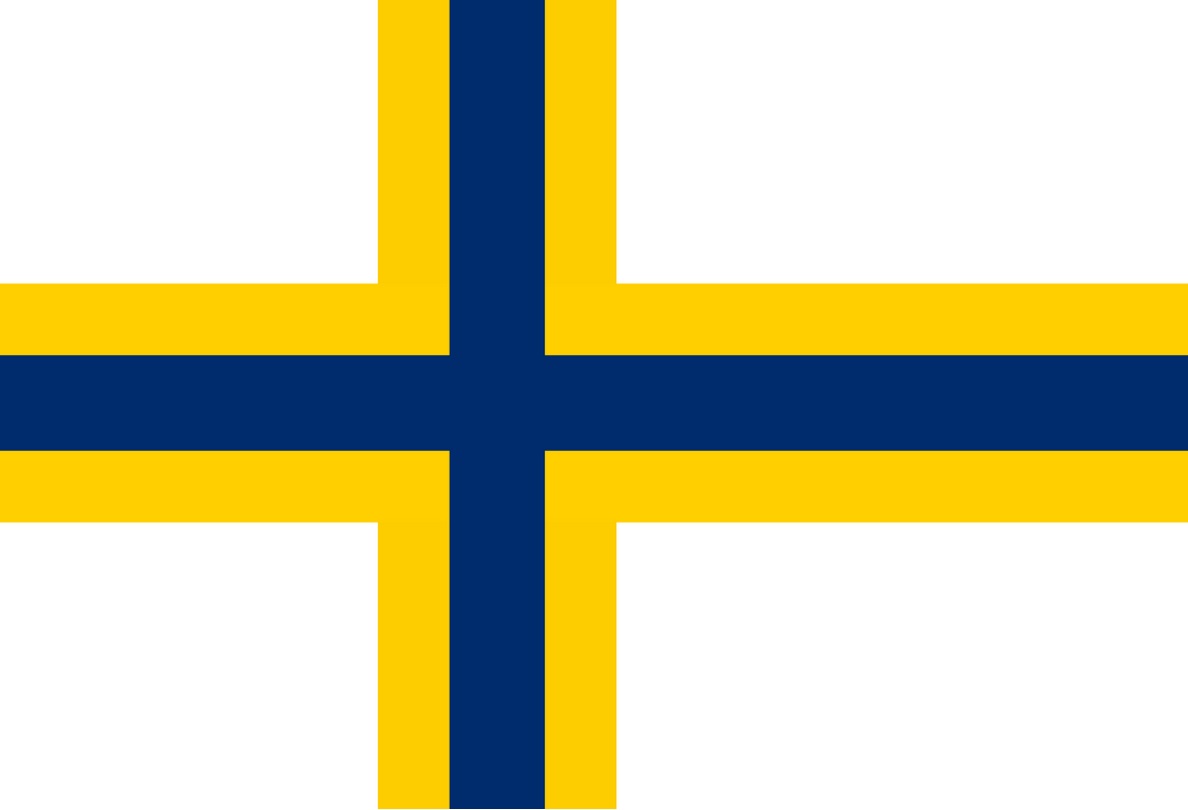
Flag of Forest Finns as adopted by several cultural associations
In recent years, however, there has been a resurgence of interest in Forest Finn culture, and efforts are being made to preserve and promote their traditions and way of life. Several organizations in Finland, Sweden, Denmark, and Norway have been established to support the Forest Finn community, and to raise awareness about their cultural heritage.
In conclusion, the Forest Finns are a unique and important part of Finnish cultural heritage. Their close relationship with the forest has shaped their way of life, and their traditional music and dance are an important part of their cultural identity. Despite the challenges they have faced, the Forest Finns are working to preserve their heritage and promote their cultural traditions.
What set Forest Finns apart from other Finnish groups?
There are several things that are characteristic of Forest Finns and set them apart from other Finnish groups. Some of the most notable include:
Slash-and-burn agriculture: The Forest Finns were known for their use of slash-and-burn agriculture, a method of turning forests into farmlands by cutting down trees and burning the brush. This was a key part of their way of life, and set them apart from other Finnish groups who practiced more traditional agricultural methods.
Close relationship with the forest: The Forest Finns have a strong cultural connection to the forest environment, which has shaped their way of life and beliefs. They have a long history of hunting, fishing, and gathering wild plants for food, and their spiritual beliefs are closely tied to the forest.
Traditional music and dance: The Forest Finns have a rich musical heritage, and their traditional music and dance are an important part of their cultural identity. Many Forest Finns were accomplished musicians, and their music was often played at community gatherings and celebrations.
Unique language: The Forest Finns spoke a unique dialect of Finnish, known as Värmland Savonian, which was distinct from the standard Finnish language. Although the language is now extinct, it was an important part of their cultural heritage.
Close-knit communities: The Forest Finns were known for their close-knit communities, and for their strong sense of community and family. This was an important part of their way of life, and helped to sustain them as they established themselves in their new homes in Sweden and Norway.
These are just a few of the things that are characteristic of Forest Finns and set them apart from other Finnish groups. Their unique cultural identity and traditions, as well as their close relationship with the forest environment, are what make the Forest Finns a distinct and important part of Finnish cultural heritage.
The Legacy of the Forest Finns: A Cultural Treasure
The Nordic forest has always been a magical and mythical place and the Forest Finns were believed to have magical powers. They believed in nature and with spells, sacrifices and rituals they kept friends with the forest gods.
There has been a recent resurgence of interest in the Forest Finns and their cultural heritage, and there are efforts underway to preserve and promote their traditions. It is unlikely, that the time of the Forest Finns will return and that their traditional lifestyle will be completely revived but some communities have started to practice traditional slash-and-burn agriculture once again, and there are initiatives to preserve the Forest Finns’ musical heritage and traditional dances.
It is difficult to determine a specific “golden age” for the Forest Finns, as their history is characterized by both challenges and triumphs. However, their migration to Sweden and Norway in the late 16th and early-to-mid-17th centuries was a significant period of growth and expansion for the group – a group of Finnish people with a shared cultural heritage and close connection to the forest environment. During this time, they established themselves in their new homes and made important contributions to the local communities and economies.
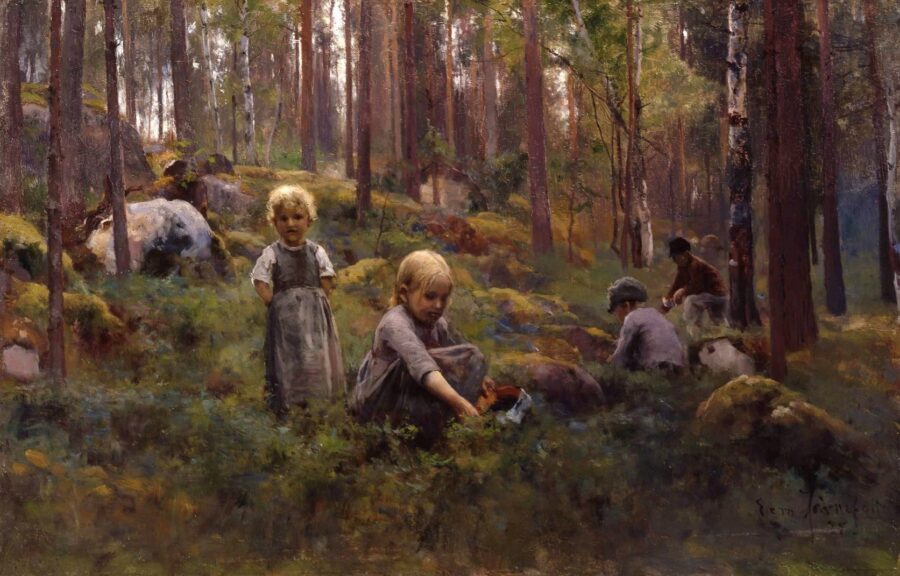
Painting Berry Pickers by Finnish painter Eero Järnefelt (Wikipedia / Public domain)
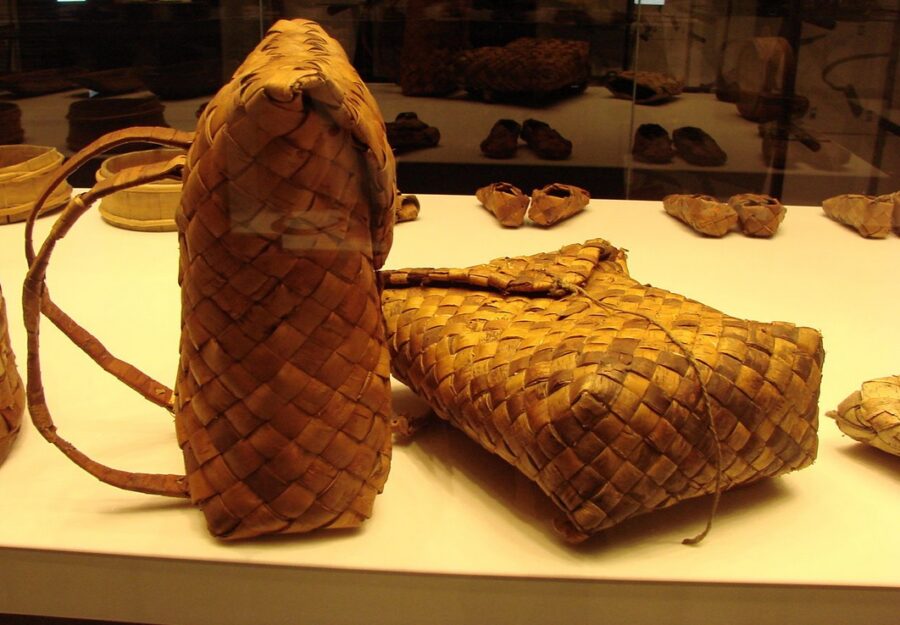
A Forest Finn handmade backpack, or kontti. (Wikipedia /CC BY-SA 4.0)
Forest Finns migration from Finland to Sweden and Norway
The migration of the Forest Finns from Finland to Sweden and Norway in the late 16th and early-to-mid-17th centuries was driven by a variety of factors. One of the main reasons was the pressure to find new land to support their growing population. In Finland, the slash-and-burn agriculture practiced by the Forest Finns was becoming increasingly difficult due to the limited available land and the increasing competition for resources.
Another factor that contributed to their migration was the political situation in Finland at the time. During the late 16th century, Finland was under Swedish control, and many Finns felt oppressed by the Swedish authorities. This, combined with the search for new land, led many Forest Finns to look beyond the borders of Finland for opportunities.
The Forest Finns were drawn to the forested areas of Sweden proper and Norway because they were familiar with the forest environment and knew how to make use of the resources it provided. They established themselves in these areas and continued their traditional slash-and-burn agriculture, which involved cutting down trees and burning the brush to clear the land for farming. Over time, the Forest Finns became well established in these areas and made significant contributions to the local communities and economies.
Despite their successful migration, the Forest Finns faced challenges in maintaining their cultural identity and traditions. The process of assimilating into the local cultures was gradual, but over time the Forest Finns became largely assimilated into the Swedish and Norwegian cultures. As a result, their language, a variety of Savonian Finnish, became extinct, although it survived among a tiny minority until the 20th century.
Today, the Forest Finns are remembered as a significant part of the history and cultural heritage of Sweden and Norway. Their legacy can be seen in the customs and traditions that they passed down, as well as the way they shaped the local landscapes through their slash-and-burn agriculture. Despite the challenges they faced, the Forest Finns are an important part of the Nordic cultural heritage, and their migration story is a testament to their resilience and determination in the face of adversity.
___________________________________
* The term “Forest Finns” originally referred to the Finnish migrants who settled in forested areas of Sweden and Norway, but over time, the term has also been used to refer to a broader group of Finnish people with a similar cultural heritage. This group includes not only those who migrated to Sweden and Norway, but also those who remained in Finland and continued to practice slash-and-burn agriculture and maintain the Forest Finn cultural traditions.
In Finland, the Forest Finns are often considered to be a subgroup of the larger Finnish population, and their cultural heritage is an important part of the country’s national identity. While the exact definition of the term “Forest Finns” can vary depending on the context, it is generally understood to refer to a group of Finnish people with a shared cultural heritage and close connection to the forest environment.
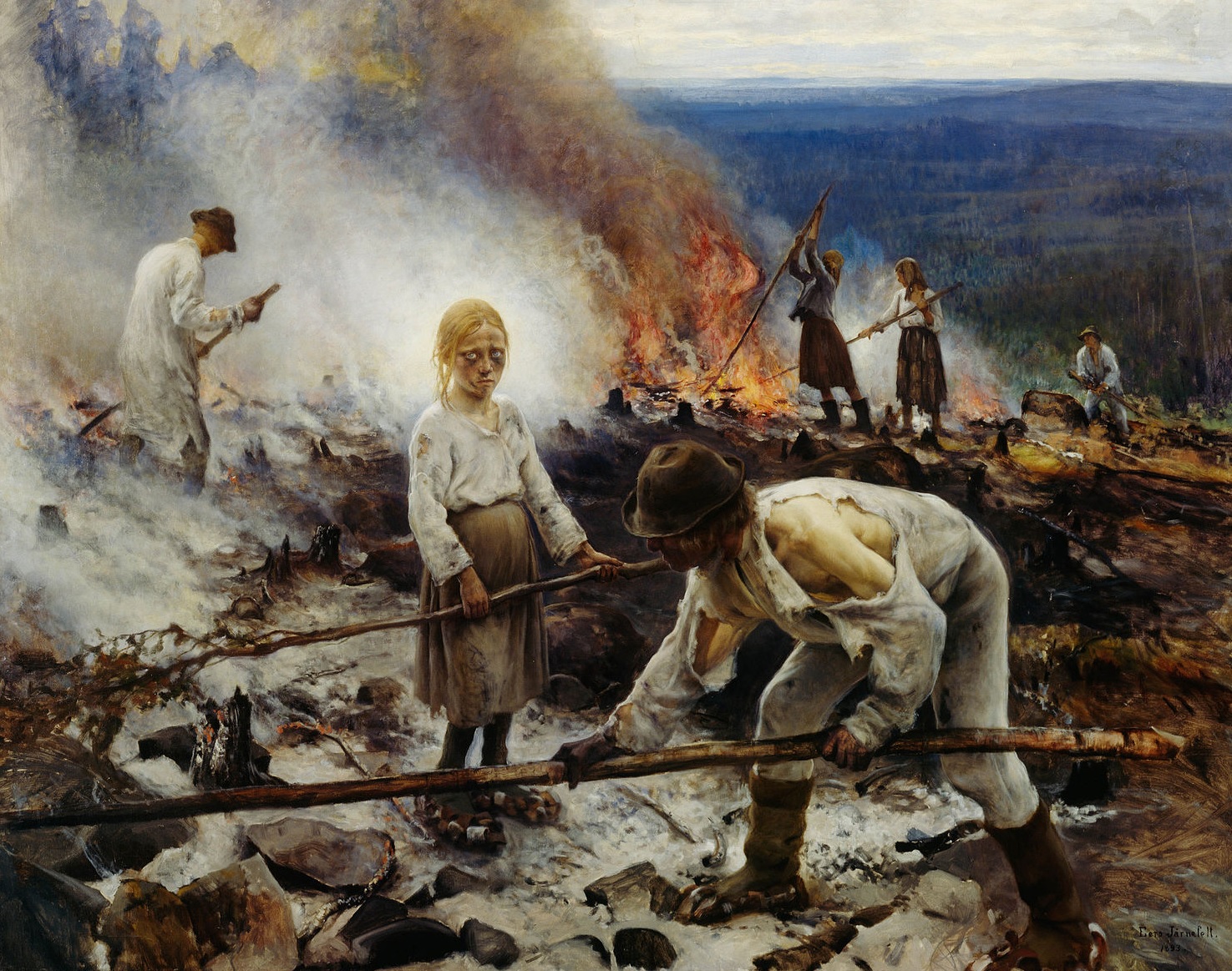
Featured image: Painting of forest-burning by Finnish painter Eero Järnefelt (1863-1937) (Wikipedia / Public Domain)
NordenBladet – Mulafossur Waterfall and the Island of Vagar are two popular tourist destinations located in the Faroe Islands. The Faroe Islands is an archipelago of 18 volcanic islands located in the North Atlantic Ocean, between Iceland and Norway.
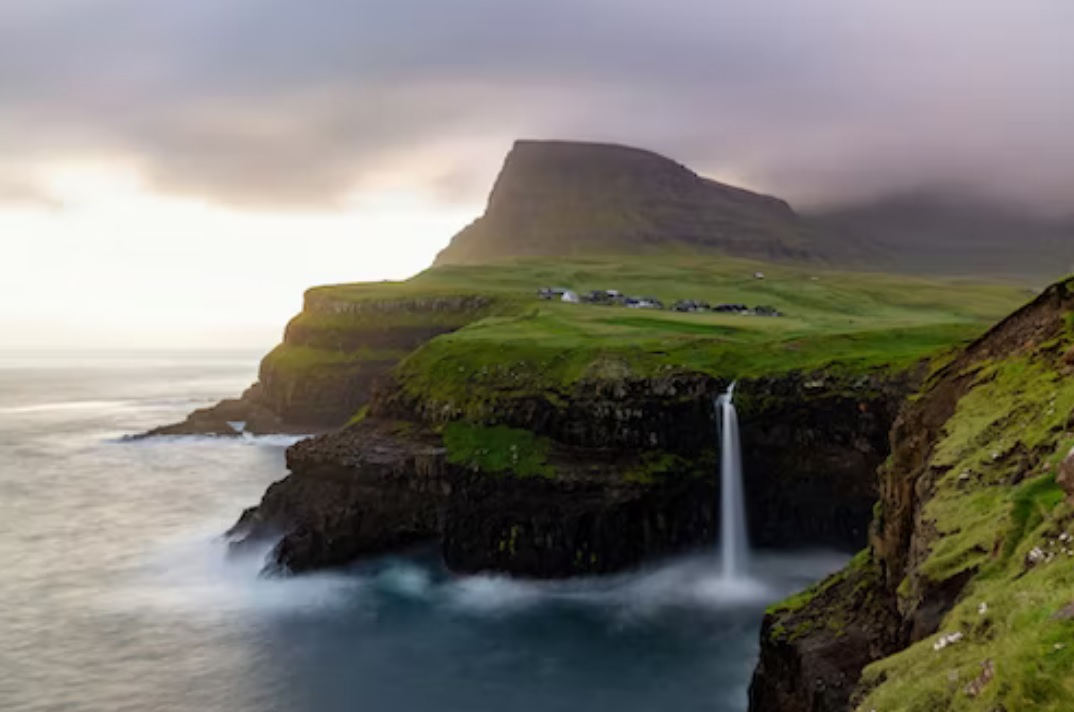
Múlafossur Waterfall (also known as Gásadalur Waterfall) is one of the most picturesque waterfalls in the Faroe Islands. It is located on the island of Vagar, near the village of Gásadalur (Gasadalur or Gåsedal). The waterfall is approximately 80 meters tall and is fed by a small lake on the top of a cliff. It is a popular spot for tourists and locals alike, offering breathtaking views and an opportunity to experience the raw beauty of the Faroe Islands.
Photo: Múlafossur Waterfall (Unsplash)
Photos: 2x Vagar.The island of Vagar has much to offer. Whether you are interested in natural beauty, cultural heritage, or outdoor adventure, there is something for everyone on this beautiful and diverse island. (Unsplash)
One of the most fascinating facts about Mulafossur Waterfall is that it was hidden from the outside world for centuries. The waterfall was not accessible to the public until 2004, when a tunnel (Gásadalstunnilin) was built through the mountains to connect the village of Gasadalur with the rest of the island. This made the waterfall much more accessible and popular with tourists, who come from all over the world to see its beauty.
The island of Vágar (Danish: Vågø), on which the waterfall is located, is a unique and beautiful destination in its own right. It is the second-largest island in the Faroe Islands (176 km2 / 68 sq mi) and is home to several villages and settlements. The island is known for its breathtaking landscapes, including towering cliffs, rolling hills, and pristine lakes. Visitors can also experience traditional Faroese culture and hospitality in the villages on the island.
When it comes to comparisons with similar waterfalls in Scandinavia or the Baltic countries, Mulafossur Waterfall can be compared to the Skogafoss waterfall in Iceland. Skógafoss is also located near a village and is fed by a small lake on the top of a cliff. It is approximately 60 meters tall, making it slightly shorter than Mulafossur. However, both waterfalls are known for their breathtaking beauty and are popular tourist destinations.
Mulafossur Waterfall and the island of Vagar are two of the most beautiful and unique destinations in the Faroe Islands. Tourists from all over the world come to see their breathtaking landscapes and experience traditional Faroese culture. Whether you are interested in natural beauty, cultural heritage, or both, these destinations are definitely worth a visit.
What else one can do in Vagar?
Vagar is a beautiful and diverse island in the Faroe Islands, and there is much more to see and do here than just visit Mulafossur Waterfall. Here are some of the other attractions and activities available on the island:
Village of Gasadalur: The village of Gasadalur, which is located near Mulafossur Waterfall, is one of the main settlements on the island. Visitors can experience traditional Faroese culture and hospitality in this small, charming village. There are also several restaurants and cafes where you can try traditional Faroese cuisine.
Photos: 2x The village of Gasadalur (Unsplash)
Bøur Village:Bøur is another charming village on the island of Vagar. It is known for its picturesque harbor, old wooden houses, and traditional Faroese architecture. Visitors can take a stroll through the village, admire the views of the surrounding landscape, and try local cuisine in one of the restaurants.
Trælanípa Cliffs (Slave Cliffs): The Trælanípa cliffs (rock walls) are one of the most dramatic natural attractions on the island of Vagar. They offer breathtaking views of the North Atlantic Ocean and the surrounding landscape. Visitors can take a hike to the top of the cliffs for a panoramic view, or simply admire the view from below. Hike on your own, or join a private guided tour and hear stories about the Viking Age and the Slave Cliff (Trælanípan) where disobedient slaves were pushed off the mountain straight to their death.
Photo: The Trælanípa cliffs (Unsplash)
Sørvágsvatn Lake:Sørvágsvatn is a stunning lake located near the village of Sørvágur. It is surrounded by towering cliffs and is one of the most photographed natural attractions in the Faroe Islands. Visitors can take a hike around the lake, swim in its crystal-clear waters, or simply admire the view from the nearby hillside.
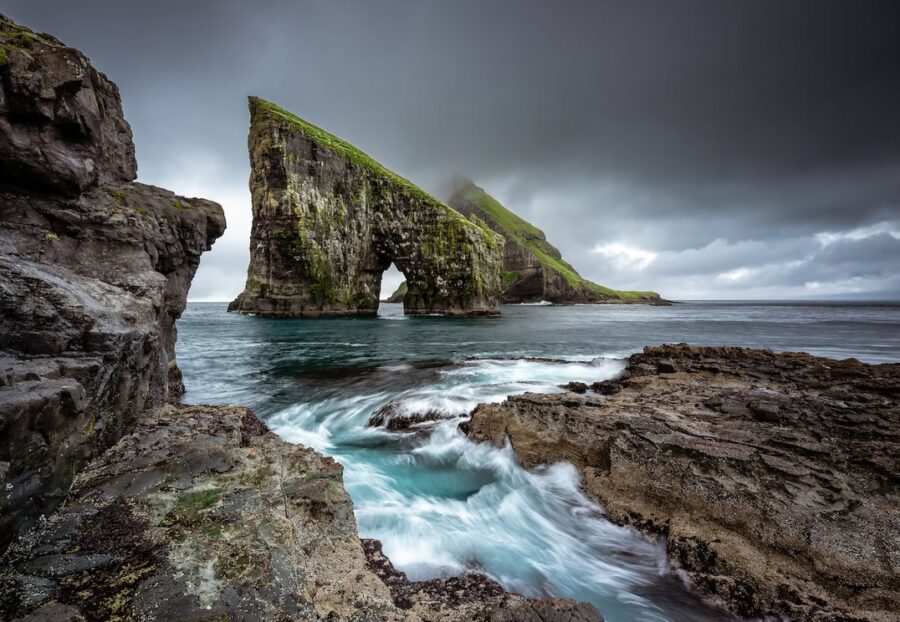
Rinkusteinar: Rinkusteinar ( in Oyndarfjørður, Eysturoy) is a unique geological formation located near the village of Sørvágur. It consists of two massive basalt columns that rise from the ocean and are a popular spot for tourists and photographers.
In addition to these attractions, there are also several places to stay on the island of Vagar, including hotels, guesthouses, and vacation rentals. There is also a campground near Sørvágsvatn lake. Whether you are looking for a cozy place to stay or a delicious meal, you will find what you are looking for on the island of Vagar.
NordenBladet – The Finns in Sweden, also known as the Finnish-speaking minority in Sweden, constitute a significant portion of the country’s immigrant population. Although the exact number of Finns in Sweden is not known, estimates suggest that there are approximately 150,000 to 200,000 Finns living in the country.
The history of the Finns in Sweden dates back to the late 19th and early 20th centuries, when significant numbers of Finns immigrated to Sweden for economic reasons. This trend continued throughout the 20th century, with many Finns choosing to settle in Sweden for better job opportunities and a higher standard of living.
Finns in Sweden are primarily concentrated in the cities of Stockholm, Gothenburg, and Malmö, although there are also significant Finnish communities in other parts of the country. These communities are usually made up of both first- and second-generation Finnish immigrants, and they work hard to preserve their cultural heritage and identity.
It is difficult to determine the exact number of Swedish Finns living in Northern Sweden as there is no official data on the exact number of Finnish-speaking individuals in the region. However, according to estimates by the Swedish-Finnish Cultural Association of Northern Sweden, there are approximately 5,000 Finnish-speaking individuals living in Northern Sweden. This number may be higher or lower, depending on various factors such as migration patterns and demographic changes.
Forest Finns (Finnish: Metsäsuomalaiset, Norwegian bokmål: Skogfinner, Norwegian nynorsk: Skogfinnar, Swedish: Skogsfinnar) were Finnish migrants from Savonia and Northern Tavastia in Finland who settled in forest areas of Sweden proper and Norway during the late 16th and early-to-mid-17th centuries, and traditionally pursued slash-and-burn agriculture, a method used for turning forests into farmlands. By the late 18th century, the Forest Finns had become largely assimilated into the Swedish and Norwegian cultures, and their language, a variety of Savonian Finnish (Värmland Savonian dialect), is today extinct, although it survived among a tiny minority until the 20th century.
It is important to note that the Finnish-speaking minority in Northern Sweden is a small but active community, and they work hard to preserve their cultural heritage and identity. Through cultural organizations, community events, and language classes, the Finnish-speaking minority in Northern Sweden is able to ensure that their heritage and culture continue to thrive in the region.
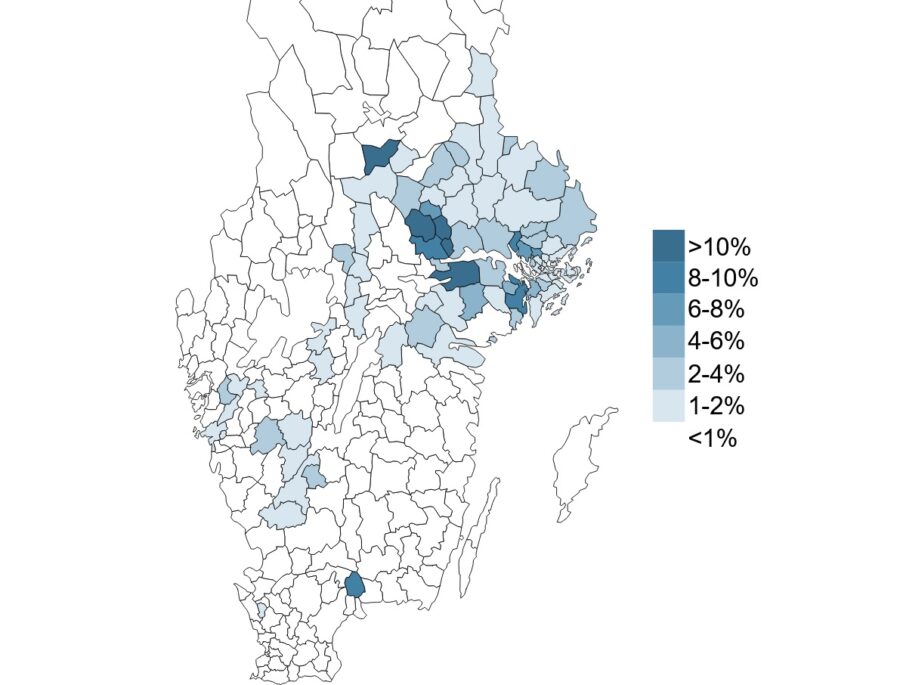
Map of areas with Finnish speaking population in southern Sweden, 2005. Original version created by Mikael Parkvall 2005. Photo: Wikipedia /CC BY-SA 4.0
Today Finnish is an official minority language of Sweden. The benefits of being a “minority language” are however limited to Finnish-speakers being able to use Finnish for some communication with local and regional authorities in a small number of communities (Borås, Borlänge, Botkyrka, Degerfors, Enköping, Eskilstuna, Fagersta, Finspång, Gällivare, Gävle, Göteborg, Gislaved, Hällefors, Håbo, Hallstahammar, Haninge, Haparanda, Hofors, Huddinge, Järfälla, Köping, Kalix, Karlskoga, Kiruna, Lindesberg, Ludvika, Luleå, Malmö, Mariestad, Motala, Norrköping, Nykvarn, Olofström, Oxelösund, Pajala, Söderhamn, Södertälje, Sandviken, Sigtuna, Skövde, Skellefteå, Skinnskatteberg, Smedjebacken, Solna, Stockholm, Sundbyberg, Sundsvall, Surahammar, Tierp, Trelleborg, Trollhättan, Trosa, Uddevalla, Umeå, Upplands-Väsby, Uppsala, Västerås, Norrtälje, Upplands-Bro, Älvkarleby, Örebro, Örnsköldsvik, Österåker, Östhammar, Övertorneå) where Finnish immigrants make up a considerable share of the population, but not in the rest of Sweden.
Despite the challenges that come with immigration, the Finnish-speaking minority in Sweden has worked hard to preserve its cultural heritage and identity. This is achieved through various means, including the following:
Cultural Organizations: The Finnish-speaking minority has its own cultural organizations, such as the Finnish Cultural Association in Sweden, which promote and preserve Finnish language and culture in the country.
Media: The Finns in Sweden have access to Finnish-language media, including Finnish-language newspapers and radio stations, which provide a platform for the community to express their views and share information about their heritage and culture.
Education: There are Finnish-language schools in Sweden, offering education in Finnish from early childhood education to upper secondary education. This helps to ensure that the Finnish language and culture are passed down from generation to generation.
Community Celebrations and Festivals: The Finnish-speaking minority in Sweden participates in community celebrations and festivals that promote and celebrate their heritage and culture. This helps to keep the community connected and strengthen their sense of identity.
Political Representation: The Finnish-speaking minority in Sweden has a voice in the political system, with representatives from the community serving in local and national government bodies. This helps to ensure that the community’s interests and concerns are heard and addressed.
In conclusion, the Finns in Sweden form a significant and vibrant part of the country’s immigrant population, and they work hard to preserve their cultural heritage and identity. Through their cultural organizations, media outlets, education system, community celebrations and festivals, and political representation, the Finnish-speaking minority is able to ensure that their heritage and culture continue to thrive in Sweden.
Finns in Sweden (Swedish: sverigefinländare) and Sweden Finns (Swedish: sverigefinnar, Finnish: ruotsinsuomalaiset)
Regarding the distinction between “Finns in Sweden” and “Sweden Finns,” it is important to note that the English language sometimes lacks the distinction between these two terms. The term “Finns in Sweden” emphasizes nationality rather than linguistic or ethnic belonging and thereby includes all Finnish heritage regardless of language. On the other hand, the term “Sweden Finns” emphasizes linguistic and ethnic belonging rather than nationality and usually excludes Swedish-speaking Finns.
In other words, “Finns in Sweden” refers to all people of Finnish descent who live in Sweden, regardless of the language they speak or their ethnic background. “Sweden Finns,” on the other hand, refers specifically to Finnish-speaking individuals and communities in Sweden who identify with the Finnish language and culture, and who may or may not have a Swedish-speaking background.
This distinction is important because it helps to clarify the different identities and experiences of Finnish-speaking individuals and communities in Sweden. While some Finns in Sweden may choose to fully assimilate into Swedish culture, others may choose to maintain a strong connection to their Finnish heritage and identity. By understanding the distinction between “Finns in Sweden” and “Sweden Finns,” it is possible to gain a deeper appreciation for the rich cultural heritage of the Finnish-speaking minority in Sweden.
Sweden Finns’ Day Sweden Finns’ Day (Finnish: Ruotsinsuomalaisten päivä; Swedish: Sverigefinnarnas dag) is an anniversary celebrated in Sweden on 24 February. The anniversary was approved by the Swedish Academy in 2010, and was held for the first time in 2011. 24 February was chosen as the date of the anniversary, as this was also the birthday of Carl Axel Gottlund, a collector of folk poetry and a defender of the status of the Finnish language. The purpose of the day is to celebrate the Sweden Finns and to recognize their history, language and culture as a part of Sweden’s cultural heritage.