Reklaam

Helena-Reet Ennet

Helena-Reet Ennet
4698 POSTS 0 COMMENTS

Finland: Government proposes to extend labour market support for entrepreneurs until the end of September

NordenBladet — Entrepreneurs have been temporarily entitled to labour market support because of the coronavirus pandemic. On 12 May 2021, the Government submitted a proposal to Parliament to extend the right of entrepreneurs to labour market support until 30 September 2021. The aim is to ensure the livelihood of entrepreneurs in the uncertain situation caused by the pandemic.

The temporary extension to entrepreneurs’ right to unemployment benefit currently in force is scheduled to end on 30 June 2021.

“While coronavirus epidemic shows signs of subsiding, it will take some time before demand will resume and business activities return to normal in all sectors. Labour market support has been one of the key tools to support entrepreneurs during the coronavirus crisis and we consider extending it necessary at this time,” Minister of Employment Tuula Haatainen says.

22,500 entrepreneurs receive labour market support every monthAccording to data from Kela, 22,500 entrepreneurs on average received labour market support each month in the early part of 2021. The Ministry of Economic Affairs and Employment estimates that the extension would apply to around 22,000 entrepreneurs a month unless the epidemic and employment situation changes significantly. The government proposal on labour market support to entrepreneurs is included in the third supplementary budget proposal for 2021. Extending the temporary amendment until the end of September is estimated to increase spending on unemployment security by about EUR 48 million.

All entrepreneurs entitled to support regardless of sector The temporary extension to entrepreneurs’ right to unemployment benefit entered into force on 8 April 2020. The extension made entrepreneurs eligible for labour market support in a situation where the amount of work or income received from business activities has decreased due to the pandemic. The right to claim labour market support applies to all entrepreneurs regardless of whether they engage in business as self-employed persons or in the form of a company. Support can be granted to entrepreneurs in all sectors.Closing down the business is not a condition for being entitled to labour market support. When entrepreneurs or self-employed persons close down their business, they become eligible to unemployment benefit under other provisions of the Unemployment Security Act.

How can entrepreneurs apply for labour market support?
The entrepreneur registers as an unemployed jobseeker and provides an account of the termination of their full-time employment or decrease in income due to the coronavirus epidemic.The TE Office issues a labour policy statement to Kela.The entrepreneur applies to Kela for labour market support.Kela pays the labour market support to the entrepreneur.Entrepreneurs, who have already registered as unemployed jobseekers at the TE Office and receive labour market support due to the extension of the amendment, will continue to interact with the TE Office as agreed.
 

Finland: Government proposes a legislative amendment to continue the advance booking service for border traffic

NordenBladet — On 12 May 2021, the Government submitted to Parliament a proposal to amend the Act on Transport Services.

The purpose of the amendment is to provide for continuation of the advance booking service in Vaalimaa and to extend it to other road border crossing stations between Finland and Russia.

The Act on Transport Services would include a new section on the control and management of goods transport at road border crossing stations between Finland and Russia.As part of its task of ensuring the smooth flow of traffic, the provider of road traffic control and management services could offer these services for goods traffic arriving at road border crossing stations as well as for the purpose of ensuring the smooth flow of the related customs measures and border checks. When providing the services, it could, as a data controller, process the relevant personal data. It would be possible to collect data in the information system by automatic identification of a registration number or other unique identifier.

The Act is scheduled to enter into force on 1 July 2021.What next?A referral debate will be held on the proposal now submitted by the Government to Parliament. The timetable for the debate will be listed on Parliament’s website (upcoming plenary sessions).After the referral debate, the proposal will be taken to a Parliamentary Committee. After the Committee submits a report, the matter will be discussed in a plenary session.


Helena-Reet: Mother’s Day + Month of May activities in the garden

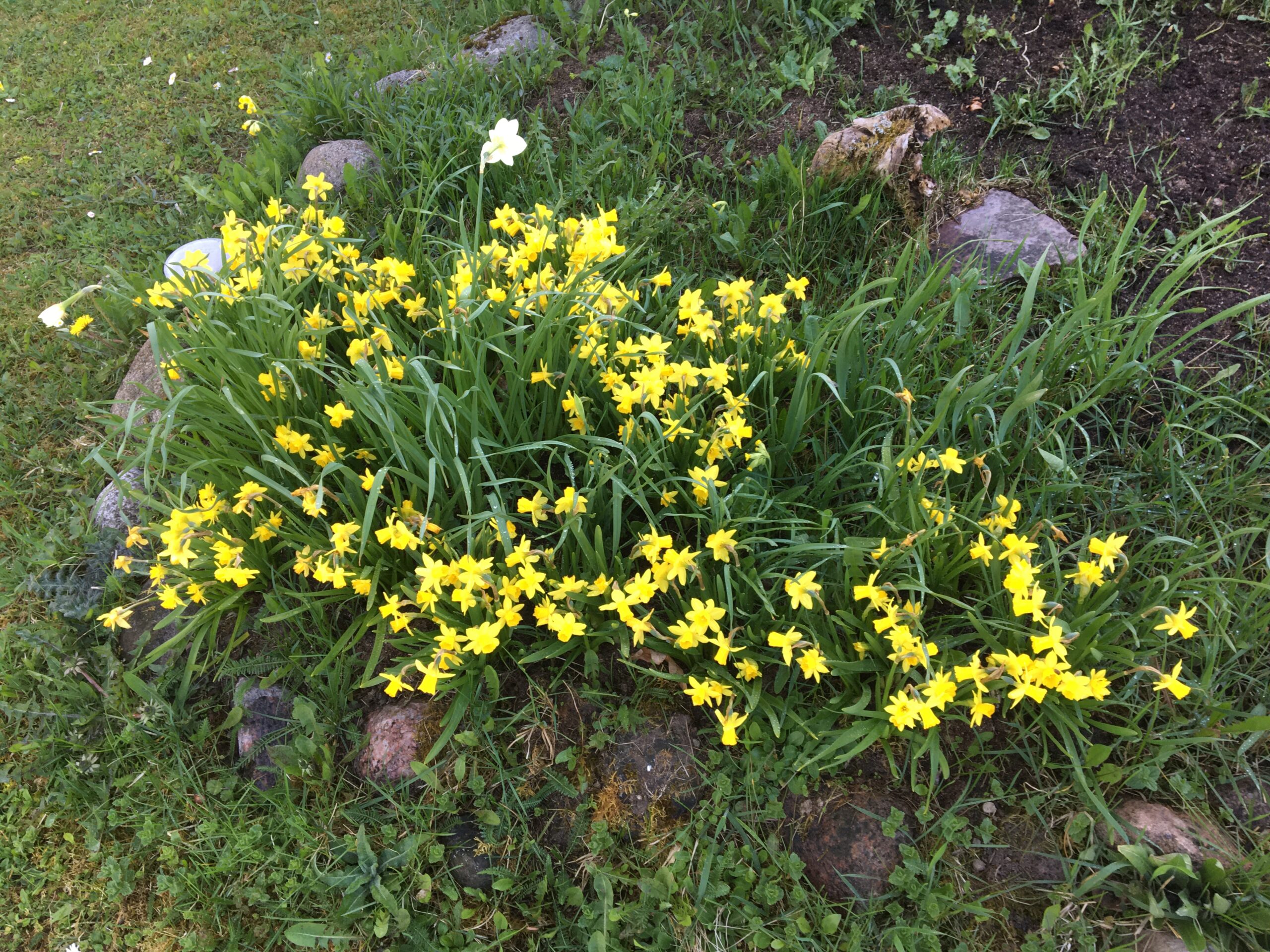
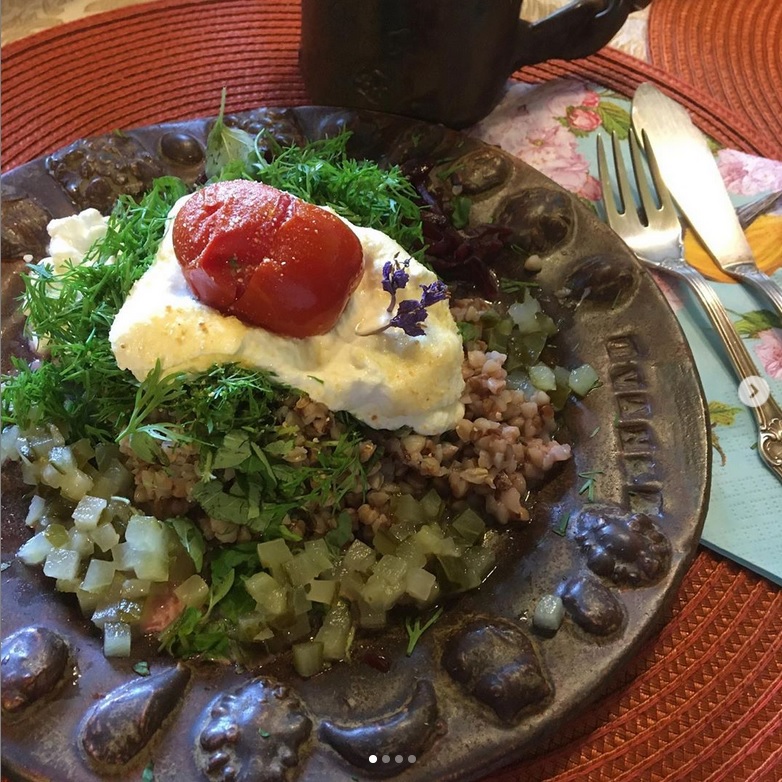
NordenBladet – Good morning! The weather is already so good that in the morning there is no desire to stay in bed very long. At about five or six o’clock I lose sleep and then wish to start working in the garden at once. Yesterday I was indeed looking forward to mow the lawn, but had to wait for some time before switching on the machine not to wake my neighbours. I instead extended enjoying the morning coffee peacefully, and made buckwheat porridge (I garnished it with cottage cheese, beet, dill, and pickled tomato and cucumber). Thereafter I sent my family to work and to school and went outside to gather primrose to be dried for winter. Gathering herbs and drying them is one of my great hobbies!

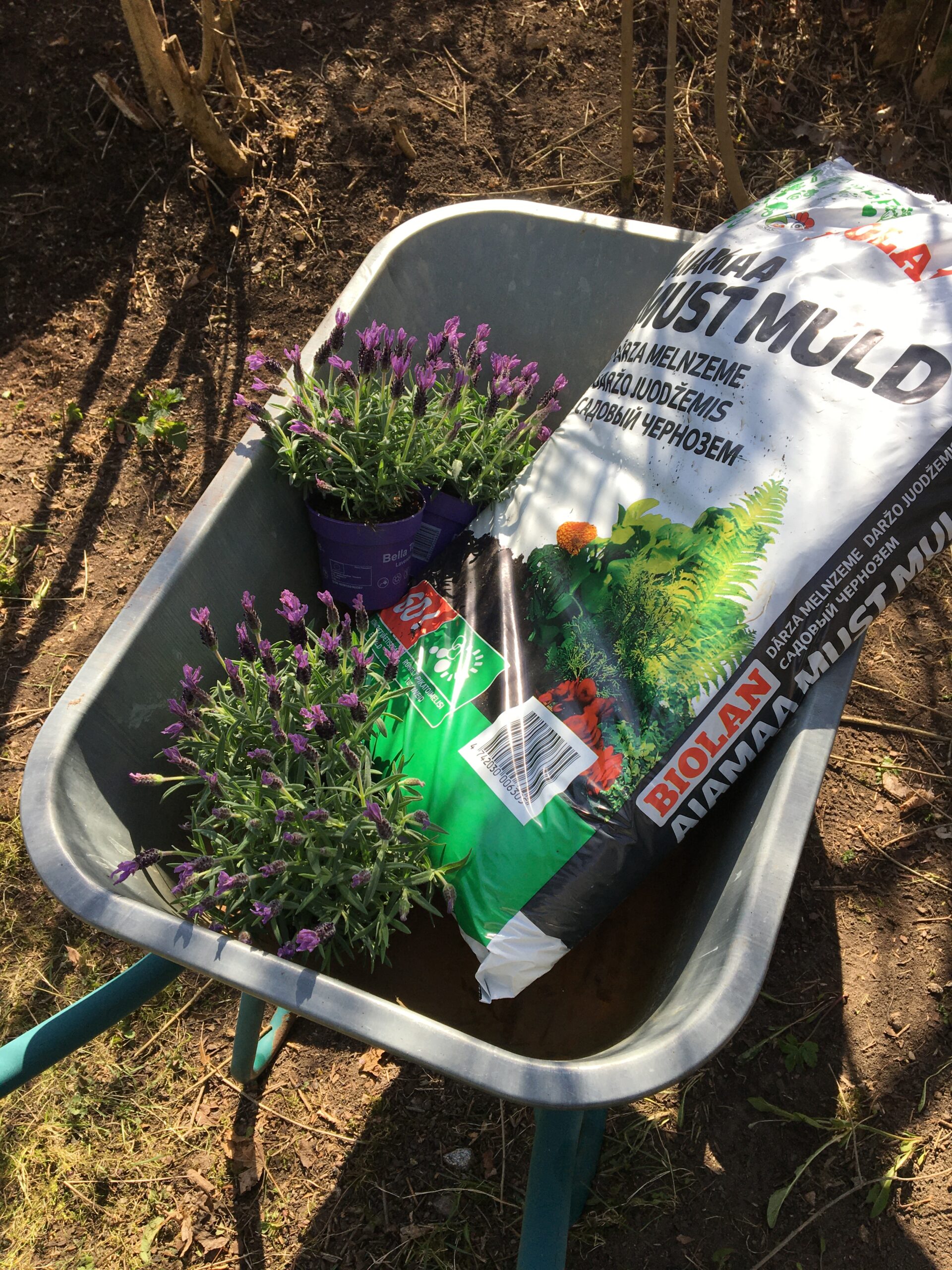
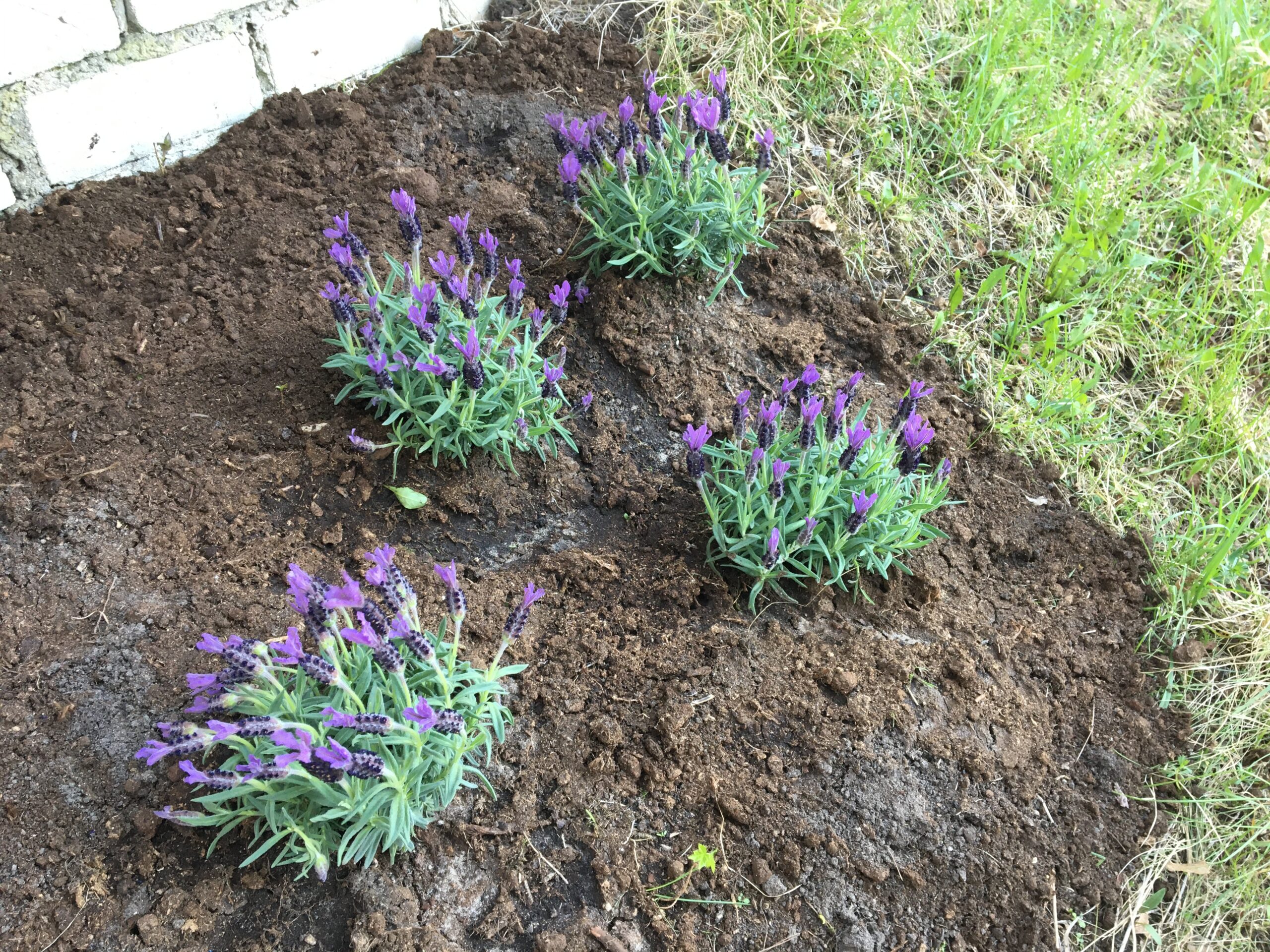
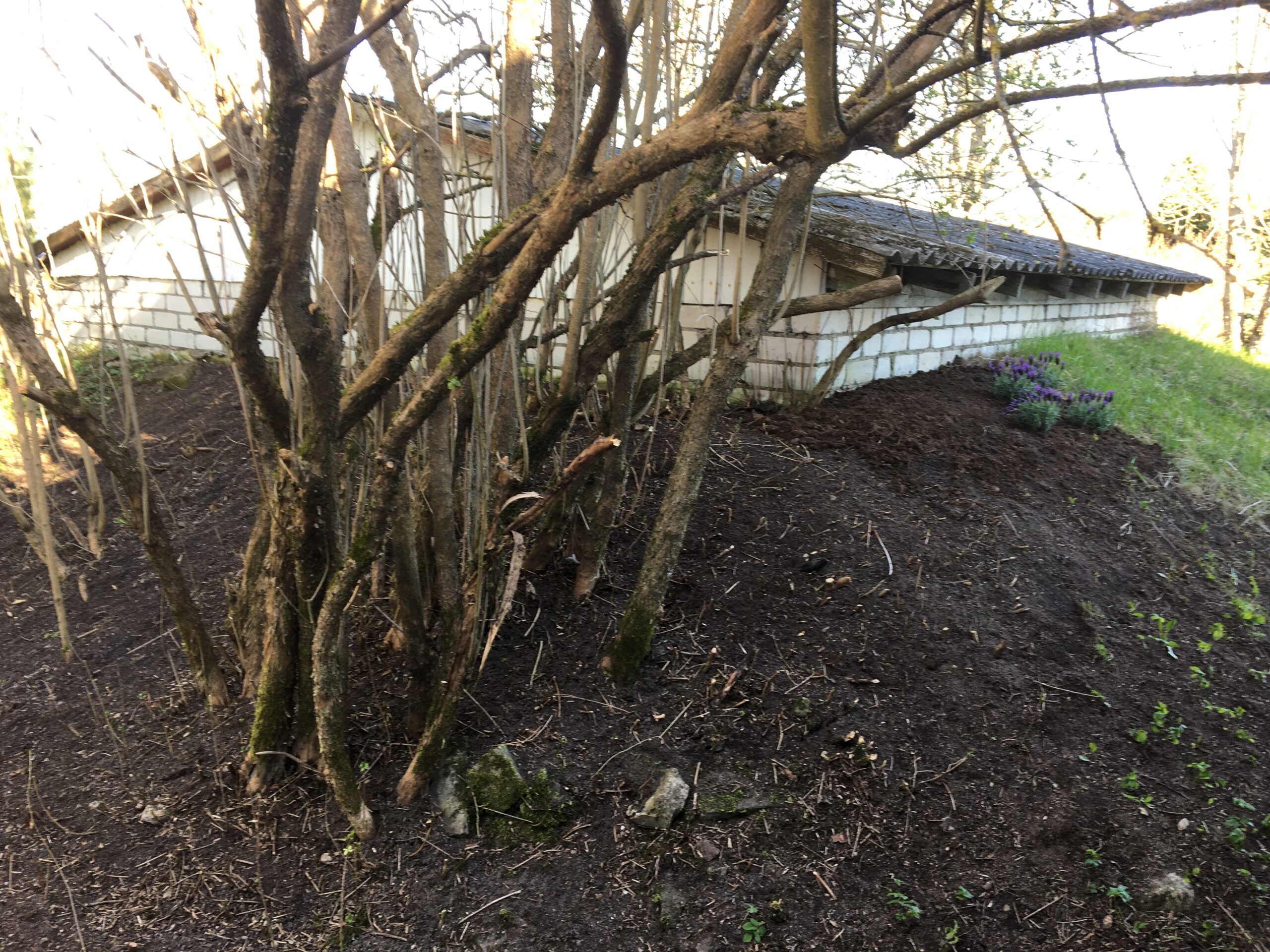
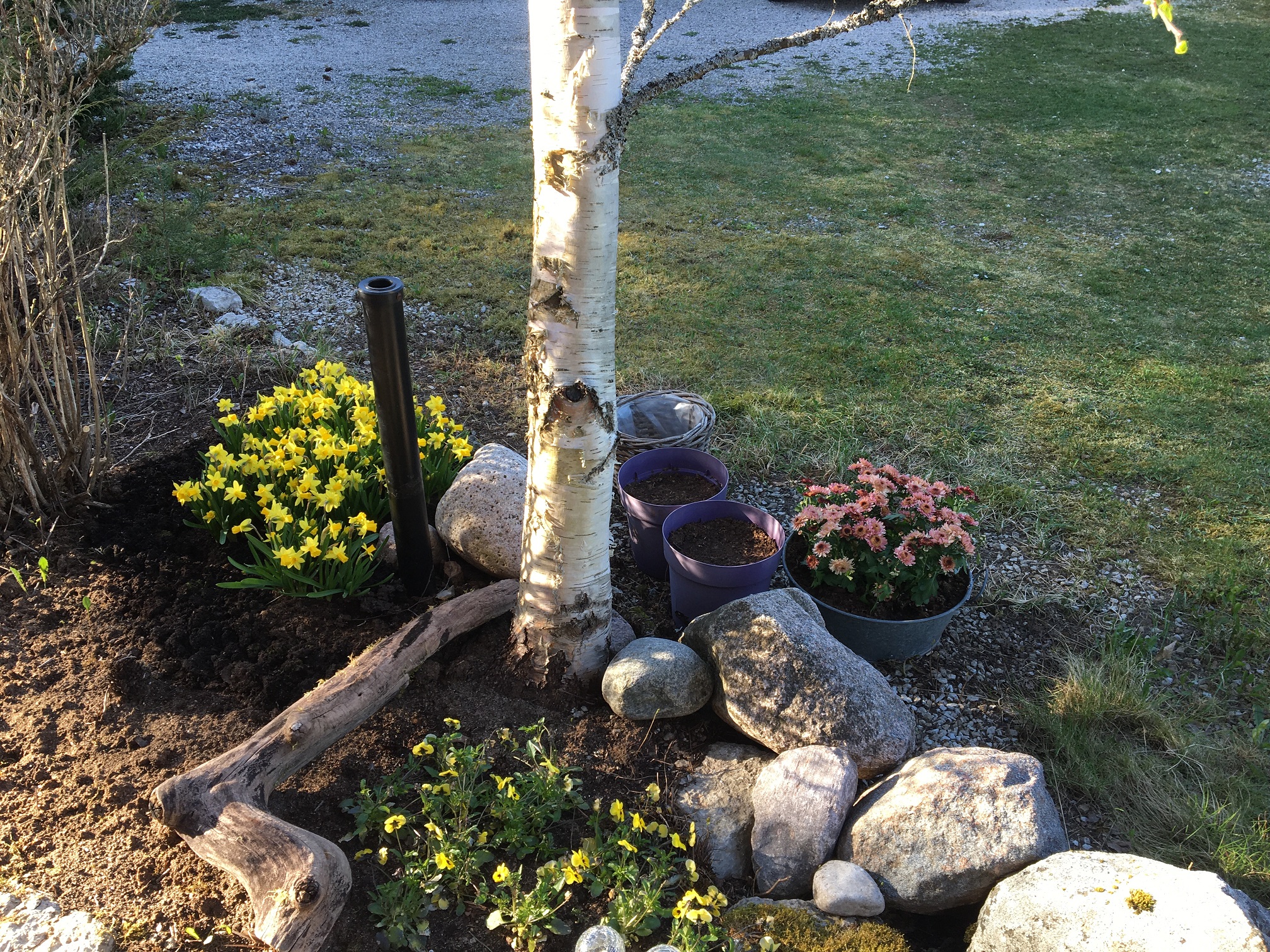
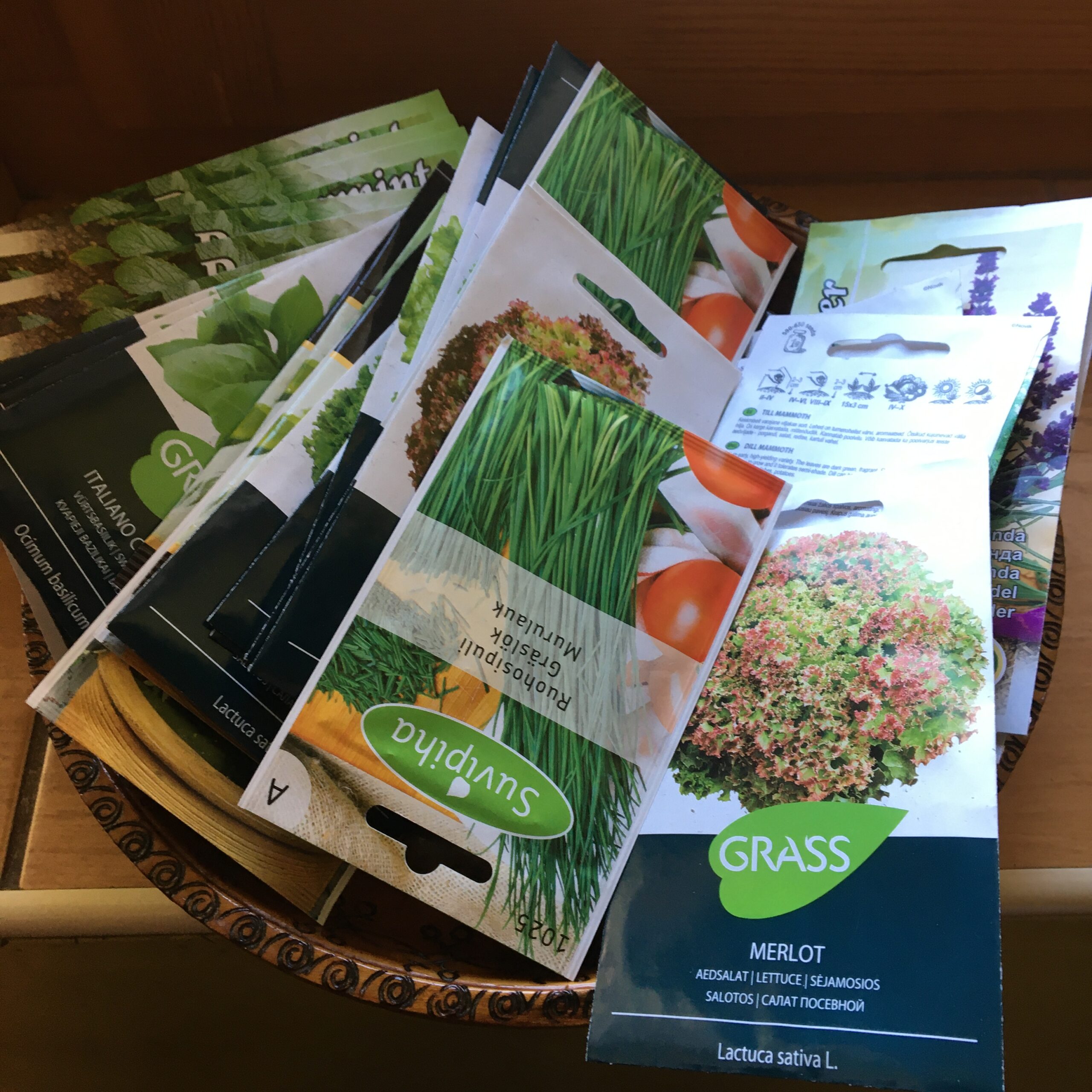
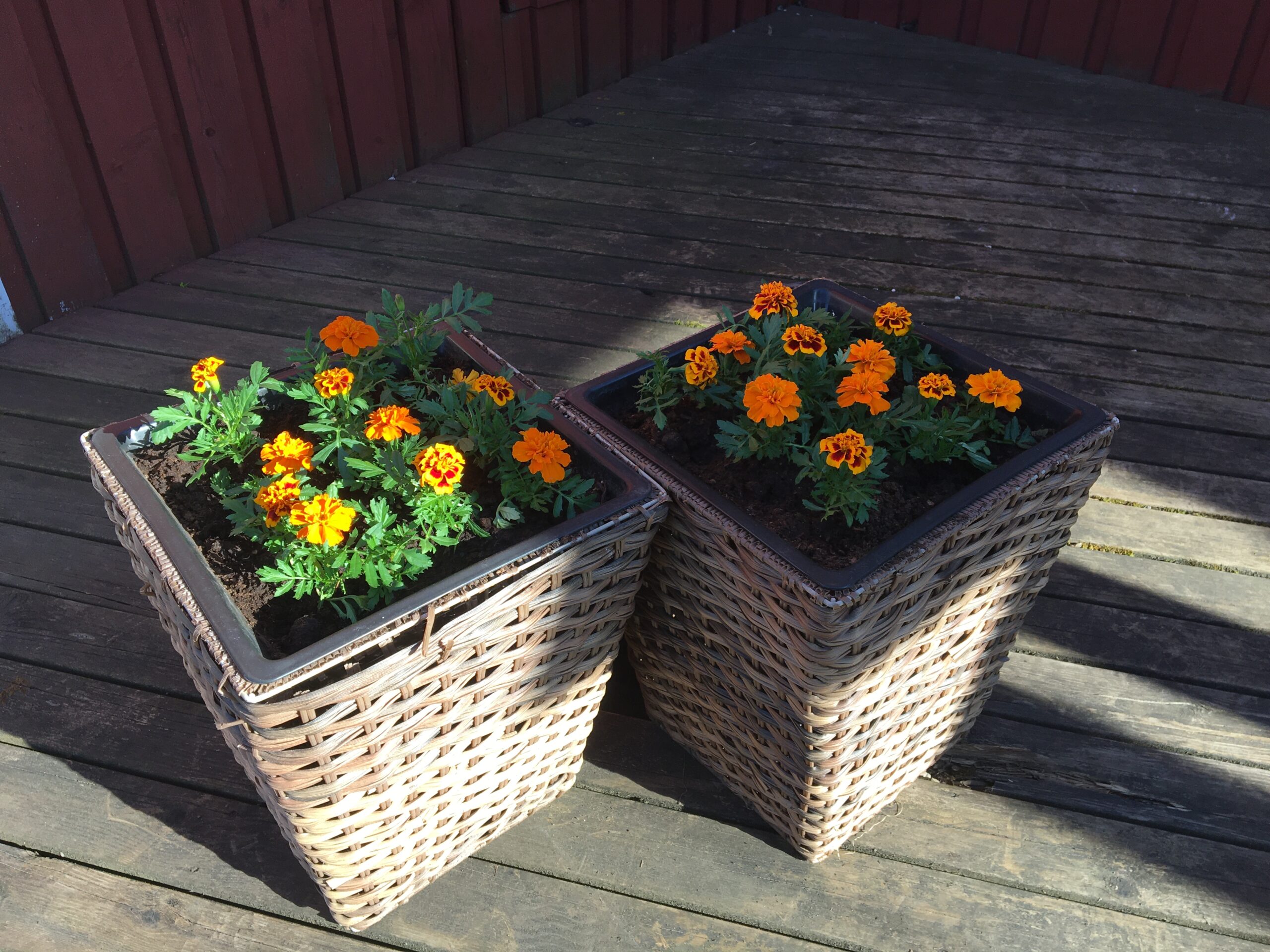
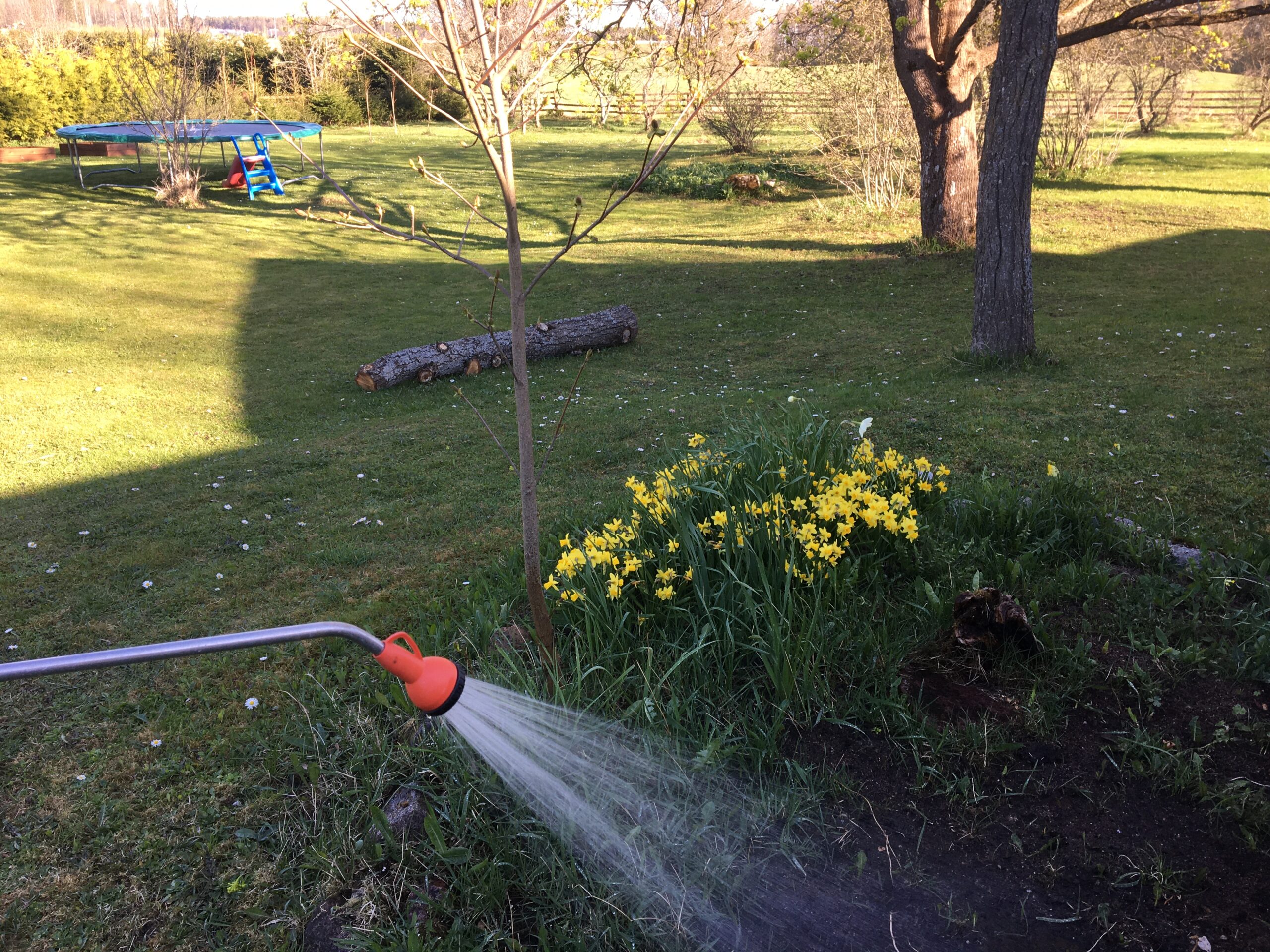
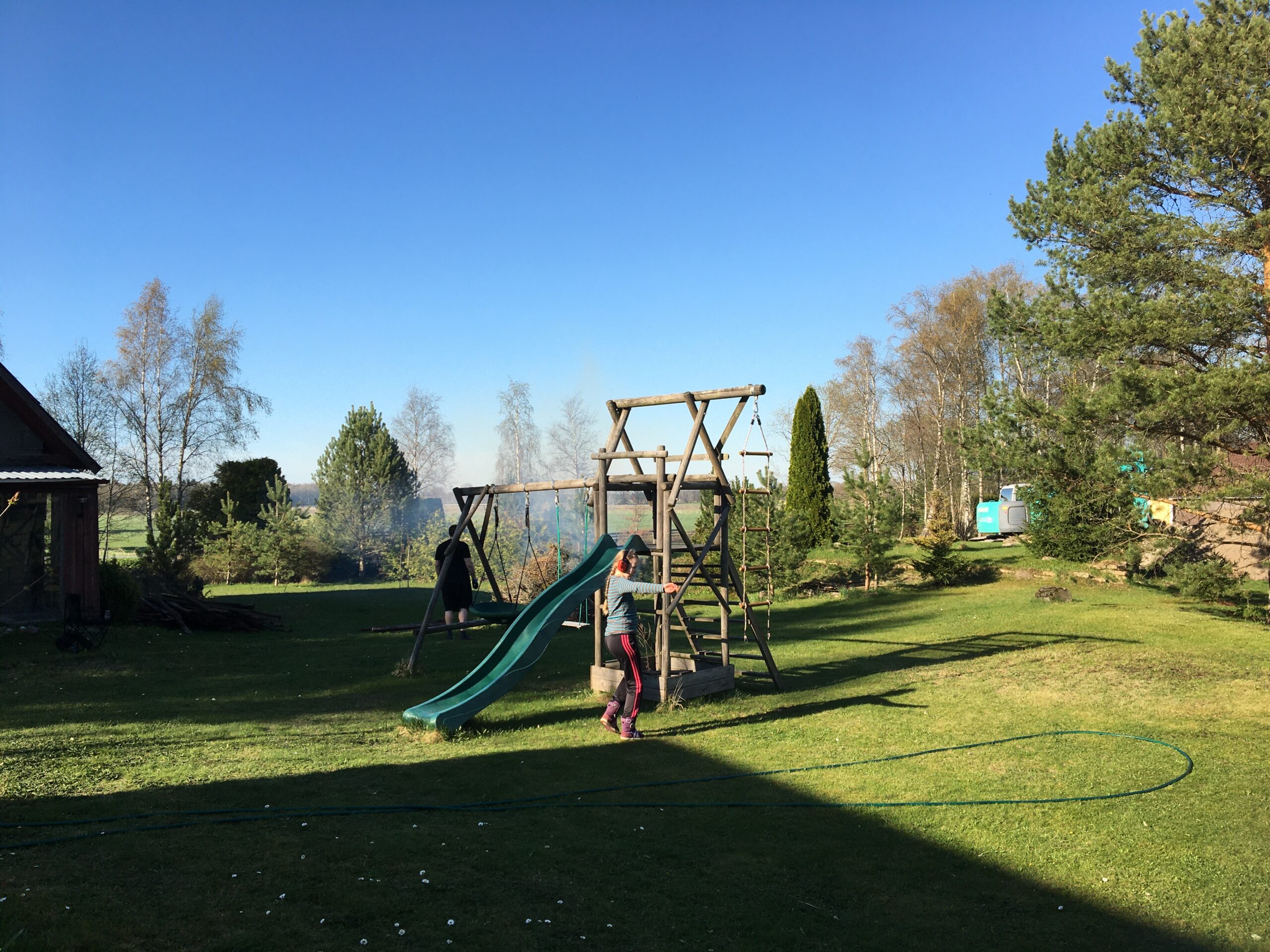
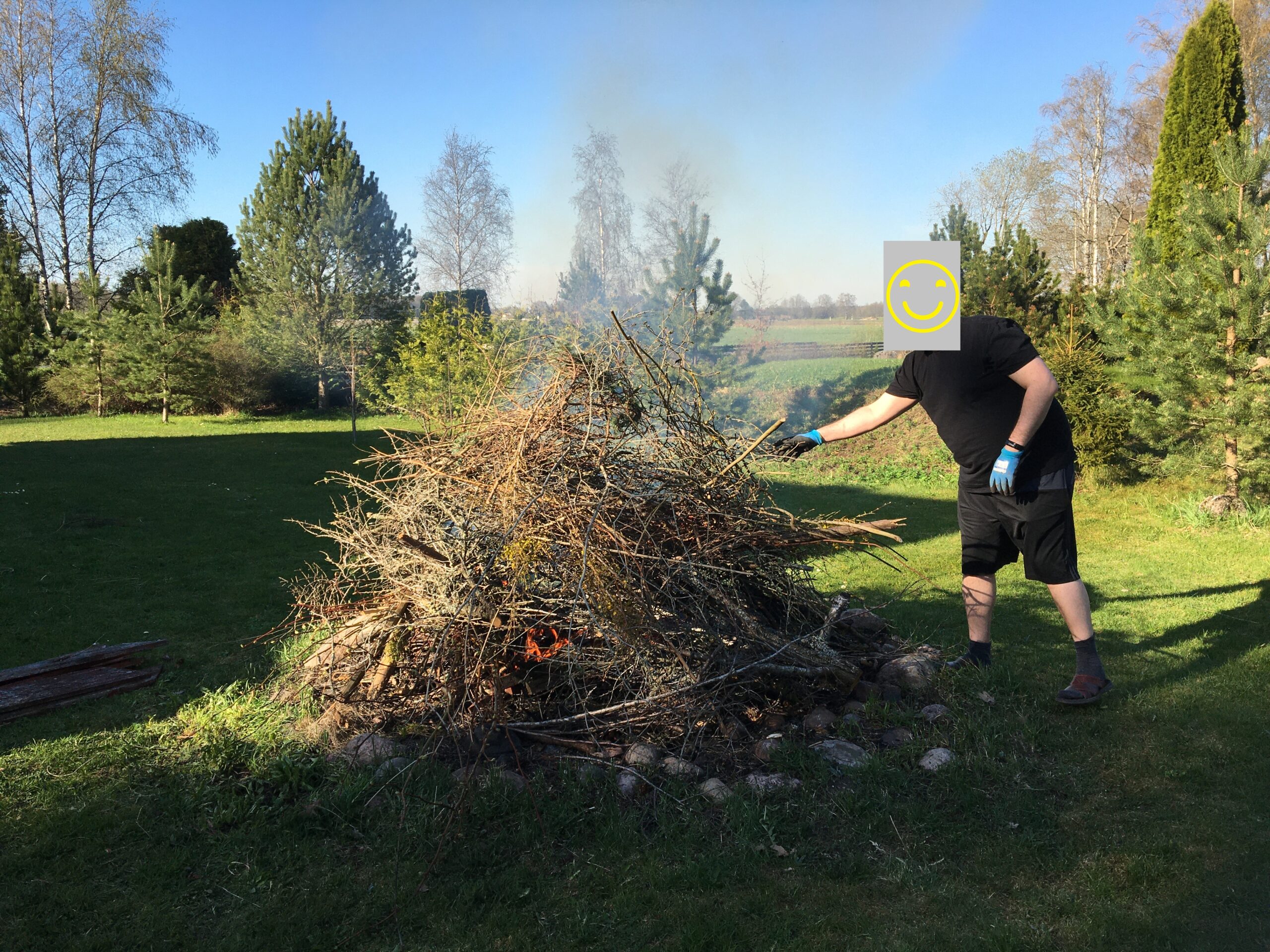
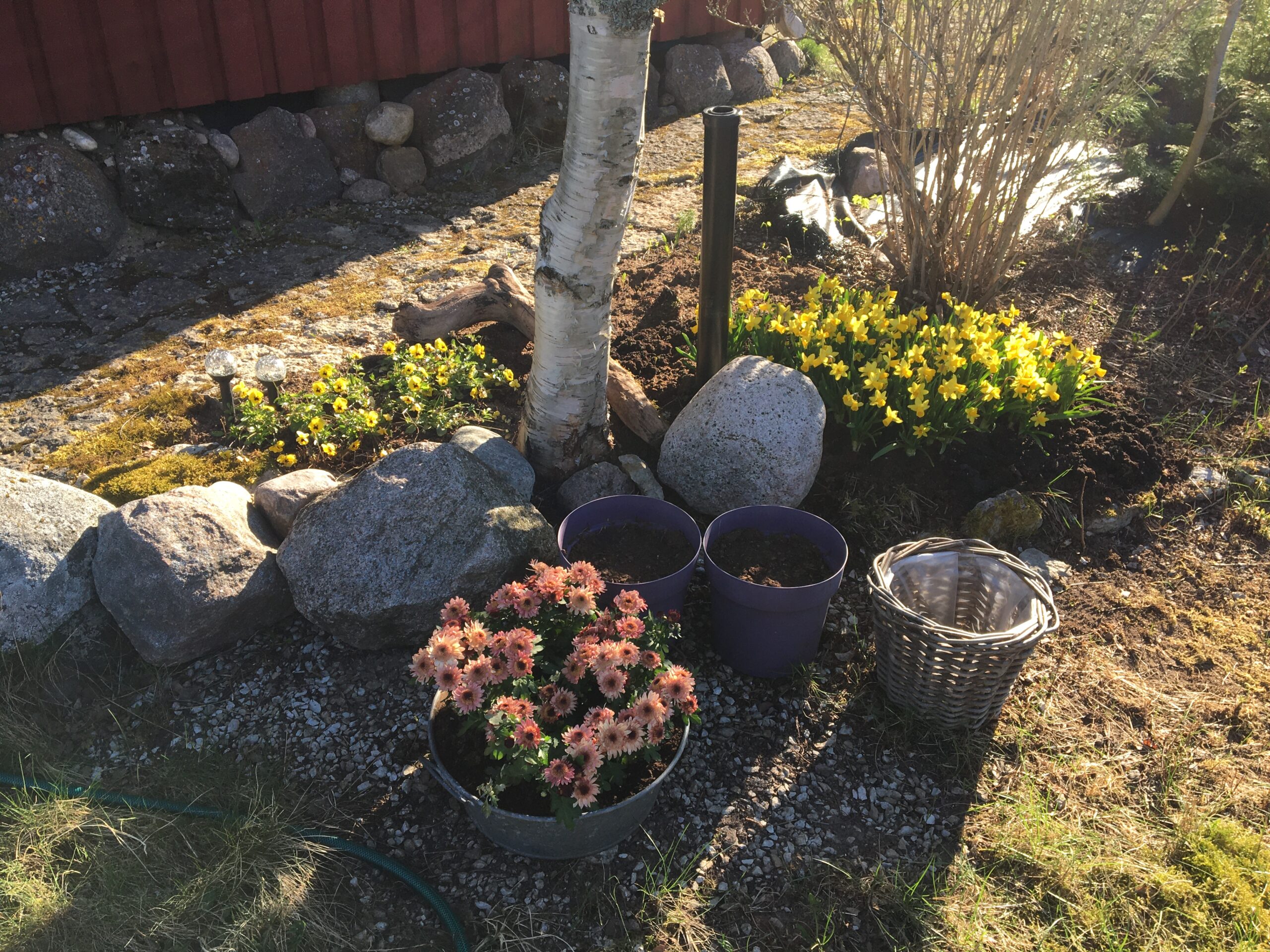
Then I started mowing the lawn and tidying the garden. Most of May has passed by under the title of garden works. I cut down some of the lilac bush and planted lavender on top the cellar. In the flower boxes I planted marygold flowers. Since the spice beds are still in progress (the boxes are ready and have also been stained to endure the climate, but they haven’t yet been set in place), thus I planted a bunch of thyme and oregano in a large flowerpot. I cut the lower branches from the spruce trees, those which were against the ground, in order to make it easier to care for the garden, and spread coniferous type soil around the tree trunk. During these works I ran into a giant snail/slug. At first I was scared that this might be the dreadful Portuguese slug Arion lusitanicus, but when I took a closer look I realized that it was a quite innocent local Leopard slug that eats decay and dead plants and can rather be considered a useful fellow in the garden. Many times this year we have been able to burn branches and decay – for example we have partly torn down the old fence that went straight into the fire. Today is the time when 200 (80-100 cm tall) Brabant arborvitae should arrive from Hortes. There is a plan to plant them partly as the hedge in the places where the fence was torn down. In 2017 I bought from Hansaplant a hundred 100cm arborvitae plants (see the blog HERE), these have already become quite tall as of today.

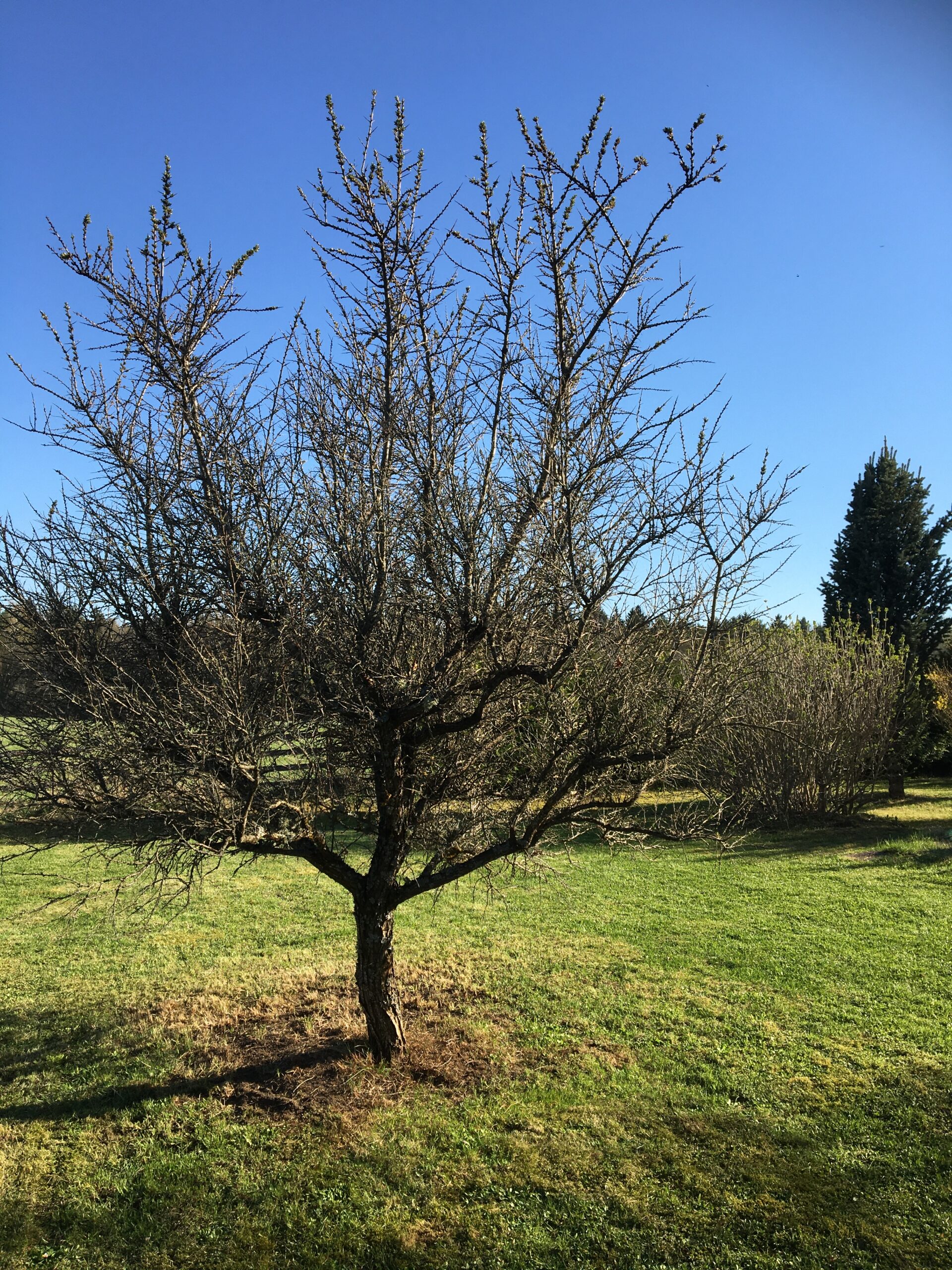
In the evening a few guest came by and brought a large sack of freshly picked wild garlic from the wood. Yummi… this will be made into a delicious fresh salad today! In return I offered them frozen buckthorn berries picked from our garden last year.

Hugs!

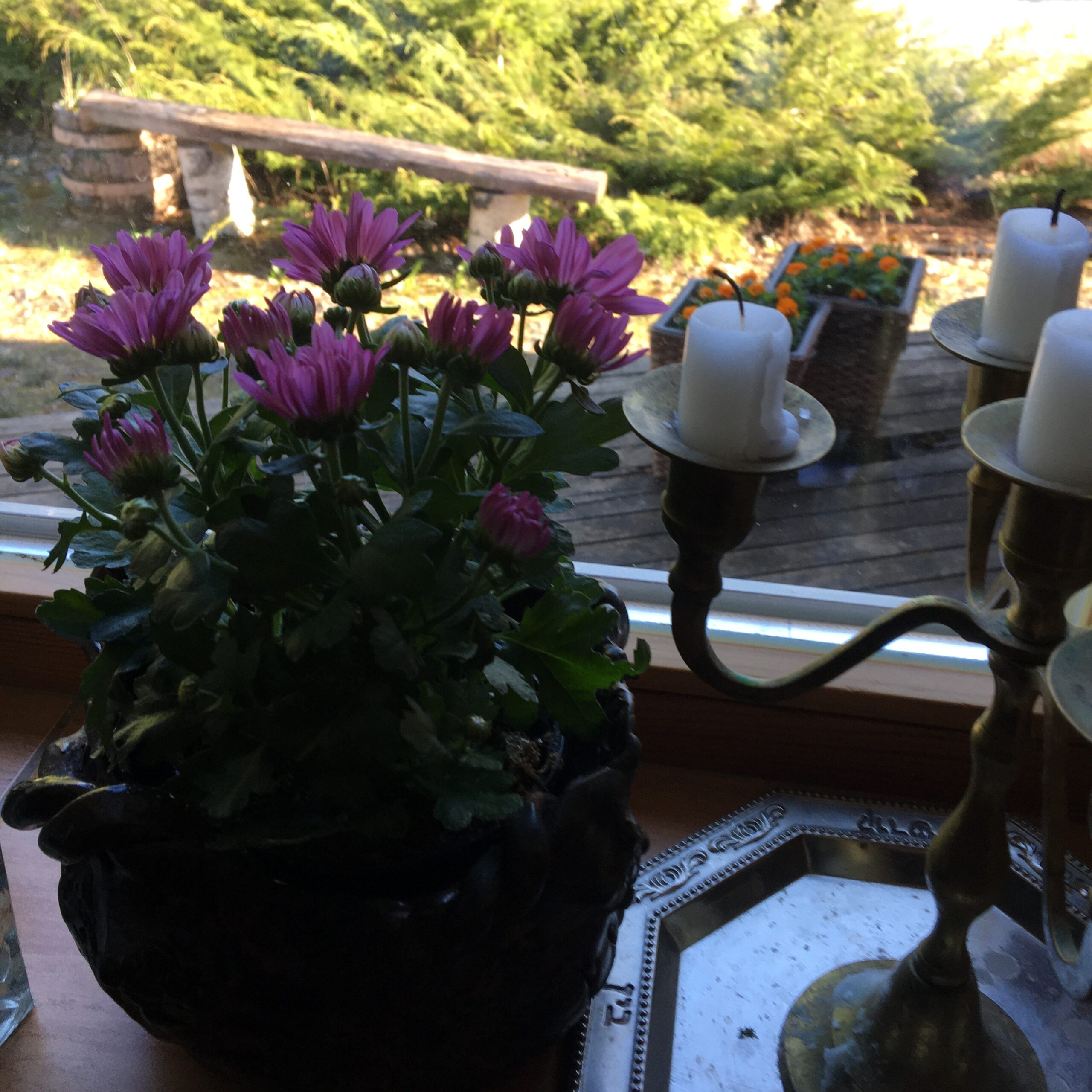
(below the garden gallery you will find yet another gallery where I post some photos from the recent Mother’s Day).


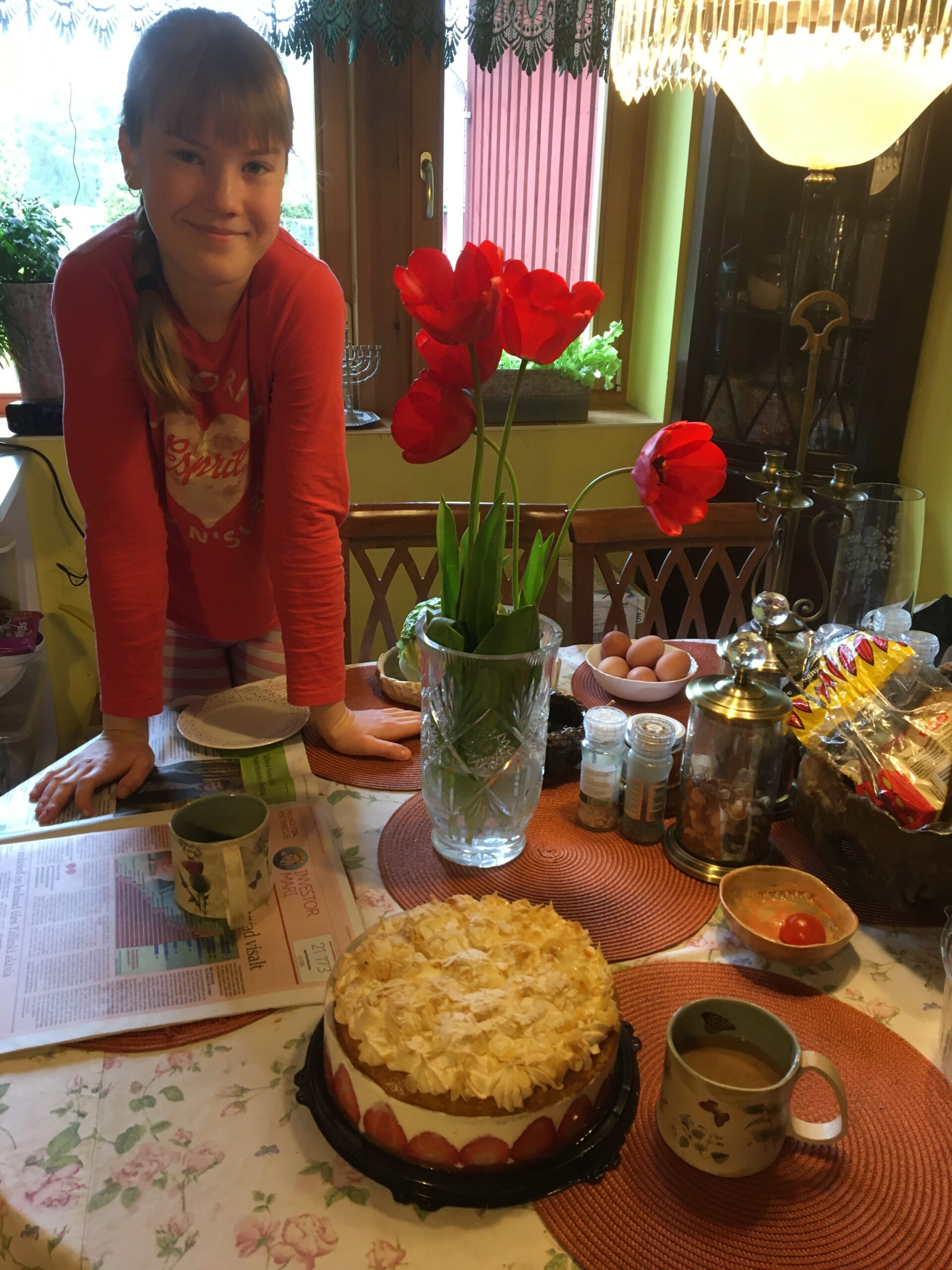
Sunday 9th of May was Mother’s Day! I got a lovely flower plant and a box of salmon from Estella (she knows salmon is among my favourite food) and Ivanka had prepared for me an assortment of greeting cards! I love the both of you so much – Estella Elisheva and Ivanka Shoshana!! You are my treasures, my delight and my concern!


Do read also my previous blog posts (all posts are available in four languages – Estonian, Finnish, Swedish and English!)

Photography: NordenBladet (Helena-Reet Ennet)

Finland: EU steps up dialogue and deepens partnerships with the countries of origin and transit of migration

NordenBladet — On 11 May, the EU Member States and a group of African countries invited by Portugal met via a video conference at the Ministerial Conference on Management of Migratory Flows. The Conference was organised at the initiative of the Portuguese Council Presidency, and Finland was represented by State Secretary Olli-Poika Parviainen.  The Conference was also attended by the European Commission, the European External Action Service, the African Union, EU agencies and international organisations related to migration.

During the first half of its Presidency, Portugal has focused on deepening partnerships between the EU and selected countries of origin and transit of migration.  Another priority has been to promote legal pathways.  Both these issues were also on the agenda at the Conference.

“Today we had a great opportunity to engage in a broad dialogue with our partner countries. The discussion highlighted the need for tailored, genuinely mutually beneficial and equal partnerships with the countries of origin and transit of migration,” says State Secretary Olli-Poika Parviainen.

Resettlement of refugees protects the most vulnerable
The promotion and development of legal pathways is a key part of the EU’s migration and asylum reform. Resettlement of refugees in the Member States is an effective way of providing protection for the most vulnerable refugees and sharing responsibility globally.“We should increase resettlement of refugees. The global need for this may be greater than ever. We also need to find complementary legal pathways for those who need international protection. Finland is actively participating in this debate in the EU,” says Parviainen.

Effective cooperation is needed to tackle human smuggling
The Conference also discussed the management of migration flows at the EU’s external borders, challenges of return and readmission as well as common solutions for tackling human smuggling and trafficking. The European Commission will update its action plan against migrant smuggling this year.“Tackling human smuggling calls for effective cooperation between the law enforcement and judicial authorities of the EU Member States and the countries of origin and transit. Such cooperation is essential if the smugglers are to be prosecuted and tried,” says Parviainen.


Finland: Finland sends material assistance to help India fight COVID-19 epidemic

NordenBladet — On 11 May, Finland will send material assistance to India through the European Union Civil Protection Mechanism to tackle the COVID-19 crisis, which has overburdened the country’s healthcare system. Finland’s assistance consists of medical oxygen tanks and pulse oximeters.

Indian authorities have requested material assistance from EU countries because medical supplies and oxygen are currently in short supply and hospitals are not able to admit new patients. The material assistance will be delivered through the EU Civil Protection Mechanism as part of the European Union’s joint assistance mission. The same cargo plane will carry ventilators supplied by Germany and medical oxygen tanks supplied by Greece.

The Ministry of the Interior has cooperated in this matter with the Ministry of Social Affairs and Health, the Ministry for Foreign Affairs, the National Emergency Supply Agency, the Finnish Red Cross, Oy Linde Gas Ab and Lyreco. The European Commission is coordinating the pooling of assistance and supports Member States in the arrangement of logistics and in transport costs.

Finland has offered material assistance to Nepal as wellOn 11 May, the Ministry of the Interior decided to offer material assistance to Nepal as well, following the country’s request for assistance through the EU Civil Protection Mechanism. Finland is offering face masks and other personal protective equipment to Nepal. If the Nepalese authorities accept the offer of assistance, the materiel assistance will be sent to Nepal through the EU Civil Protection Mechanism as part of the EU’s joint assistance mission at a later date.


Finland: European gender equality ministers call on all European countries to join Istanbul Convention without delay to reduce violence against women

NordenBladet — Today, 11 May 2021, marks the 10th anniversary of the opening for signature of the Council of Europe Convention on preventing and combating violence against women and domestic violence, also known as the Istanbul Convention. In order to mark this occasion, European gender equality ministers and many other ministers from EU Member States have signed a common initiative calling on European countries to quickly accede to the Convention.

Minister of Family Affairs and Social Services Krista Kiuru and Minister for Nordic Cooperation and Equality Thomas Blomqvist have signed the initiative on behalf of Finland. The other signatories are Austria, Belgium, Estonia, Denmark, Finland, France, Germany, Ireland, Italy, Luxembourg, the Netherlands, Norway, Spain, Greece, Cyprus and Sweden.

The significance of the Istanbul Convention has recently been questioned in many countries. This is the case even though the COVID-19 pandemic has led to increased negative effects particularly on women. With the initiative, the ministers wish to stress the importance of the Convention and encourage those EU countries that have not yet acceded to the Convention to do so and to take concrete action to prevent violence against women.

About one in three women has experienced violence after reaching the age of 15A total of 33 countries have ratified or acceded to the Istanbul Convention. Finland ratified the Convention in 2015.

The Convention aims to prevent and eliminate violence against women and domestic violence. It also aims to protect victims of violence and bring perpetrators of violence to justice. The Istanbul Convention is the first pan-European instrument to set legally binding standards to prevent and combat violence against women.

Violence against women is a global human rights problem, and the COVID-19 pandemic has only exacerbated this problem. It is estimated that one out of three women in the EU has experienced physical and/or sexual violence after reaching the age of 15. In the EU, about 50 women die from domestic violence every week. The cost of violence against women is estimated to be over EUR 225 billion per year in the EU.

Finland is a strong supporter of the Istanbul Convention and promotes the widest possible acceptance of the Convention. Finland also supports the EU’s accession to the Convention. Finland’s goal is for the EU to work even harder to reduce all violence against women. In addition, Finland advocates the full implementation of the Convention in all EU activities. In Finland, the Action Plan for the Istanbul Convention was drawn up for 2018–2021. The Committee for Combating Violence against Women and Domestic Violence (NAPE) will prepare an Action Plan for 2022–2025 during this year.

In 2020, the Government also adopted an Action Plan for Combating Violence against Women for 2020-2023. Preventing and combating violence against women is also one of the priorities of Prime Minister Sanna Marin’s Government.


Finland: Visual image of the Ministry of Education and Culture harmonised with that of the Government

NordenBladet — The Ministry of Education and Culture has a new visual image. The new emblem is in conformity with that of the Government, the Prime Minister’s Office and the Ministry of Finance. The motif that the visual image expresses draws on the Government rosette design, which is derived from the heraldic rosette of the Finnish coat of arms.

The new emblem of the Ministry of Education and Culture is a fixed combination of the Finnish heraldic lion and the Ministry’s name logo in either a vertical or a horizontal position. The Government, the Prime Minister’s Office and the Ministry of Finance all use a similar emblem. The Ministry’s previous emblem, the Sinettileijona, was in use for 23 years.‒ By joining the Government, the Prime Minister’s Office and the Ministry of Finance in this pride of lions, we want to communicate that we are part of the Government, said Director of Communications Mari-Kaisa Brander.

The aim is that from now on communications materials can be easily combined with the visual image of the Government and different applications can be planned in cooperation. A harmonised visual image also makes is possible to communicate clearly and come across in a uniform way in different communications channels.Shades of green-cyan will be kept as the Ministry’s main colour. The other colours of the Ministry are dark blue, grey, brown, brick red and orange. The motif that the visual image expresses draws on the Government rosette design, which is derived from the heraldic rosette of the Finnish coat of arms. The visual image was designed by the Ministry’s graphic designer Arja Aikavuori together with graphic designer Timo Kuoppala.

‒ Photos are an important part of the new look. The branch of government of the Ministry of Education and Culture is exceptionally visual in nature. Photos describe education, science, culture, art and physical exercise and sport as reflected in people and activities, said Arja Aikavuori.

The new visual image will be visible especially on the Ministry’s website and social media channels, and also in printed matter and other materials. Some of the Ministry’s printed material will only be updated in the autumn once the email addresses of all the ministries have changed into new ones.The logos of the Ministry of Education and Culture can be downloaded from the Government Image Bank.


Finland: Conference on the Future of Europe now underway

NordenBladet — The Conference on the Future of Europe is a unique and topical opportunity to discuss Europe’s challenges and objectives. Wherever you come from and whatever you do, the conference provides an opportunity to reflect on what kind of future you want for the European Union.

The purpose of the conference is hear the views of citizens on the future challenges and opportunities of the EU. This will be done by organising a wide range of “bottom-up” events at the EU, national, regional and local levels, including using digital participation tools.

The conference launch event took place on Europe Day, 9 May, in Strasbourg. Due to the pandemic, it was held partially online. Attendees at the launch event included French President Emmanuel Macron, President of the European Parliament David Sassoli, European Commission President Ursula von der Leyen and Prime Minister António Costa of Portugal, which currently holds the EU Council Presidency. The aim is for civil society to participate actively in the conference and to organise various events. Information on conference events will be collected on the Commission’s multilingual digital platform. Citizens can also use the digital platform to share their thoughts and submit their proposals.

“We should also use this opportunity to highlight Finnish grassroots views at the EU level. By taking an active part in the debate, we can make sure that the Finnish mental landscape is reflected in the final conclusions of the conference,” says Minister for European Affairs and Ownership Steering Tytti Tuppurainen.

The conference is expected to present its conclusions by spring 2022. The European Parliament, the Council of the EU and the European Commission are all committed to listening to Europeans and to following up on the conclusions reached, within their spheres of competence and within the framework of EU Treaties.


Finland: Nationwide COVID-19 restrictions to be eased — biggest changes in areas in acceleration phase

NordenBladet — On 10 May 2021, the Ministry of Social Affairs and Health made the decision to discontinue the nationwide tiers of COVID-19 prevention measures. Going forward, COVID-19 prevention in Finland will focus on regional restrictions and recommendations.

The Ministry of Social and Health has instructed all areas to discontinue the additional measures related to the tiers, such as the restrictions on gatherings with more than six people.Although the tiers of prevention measures are discontinued, areas are instructed to continue to follow the recommendations and restrictions corresponding to the phase of the epidemic in each area. The action plan for implementing the Government’s hybrid strategy divides the epidemic into three phases: baseline, acceleration phase and community transmission phase.

The biggest changes in the measures will take place in areas where the epidemic is in the acceleration phase. In these areas, public premises, such as libraries and museums, could be reopened, outdoor group leisure activities could be allowed and public events could be organised with restrictions on the number of participants.

The competent authorities in each area will decide on the restrictions and recommendations based on both their own consideration and the existing legislation.

Restrictions must be lifted systematically
The Ministry of Social Affairs and Health emphasises that it is necessary to adopt a systematic approach and to assess the situation in a broad and comprehensive manner when lifting the restrictions. To be able to dismantle the restrictions in a controlled manner, it is important for the regional authorities to draw up their own plans. When lifting the restrictions, it is imperative to take account of the principle of children and young people first and to continue to behave safely. Regional measures will play a key role in curbing the spread of infections and preventing the re-escalation of the epidemic. If the epidemiological situation worsens, it is crucial to respond quickly and proactively to it by introducing effective and epidemiologically appropriate measures.

Ministry of Social Affairs and Health is updating the action plan implementing the hybrid strategyThe Ministry of Social Affairs and Health has started updating the action plan implementing the hybrid strategy and the recommendations relating to the different phases of the epidemic. The recommendations will comply with the current action plan until the action plan has been updated. Action plan implementing the hybrid strategy, part 3: Adoption of recommendations and restrictions, in Finnish


Finland: Ministers for European Affairs to prepare for European Council and discuss coordination of EU response to COVID-19

NordenBladet — The main themes of the General Affairs Council meeting on Tuesday 11 May in Brussels will be the preparations for the special European Council on 24–25 May and the coordination of the EU’s response to COVID-19.

Minister of European Affairs and Ownership Steering Tytti Tuppurainen is unable to attend the meeting due to quarantine regulations and Parliament’s vote on the EU recovery package on Wednesday 12 May. As a result, Finland’s permanent representative to the European Union, Ambassador Marja Rislakki, will represent Finland at the meeting.

The topics of the special European Council will be the EU’s actions to combat climate change, the coordination of the EU’s response to COVID-19 and relations with Russia. The General Affairs Council will take note of the agenda for the special European Council. With regard to EU coordination in response to COVID-19, Finland’s view is that the EU’s joint vaccine procurement has proved to be a successful and indispensable practice, but every effort must still be made to speed up the vaccine delivery timetable. Finland is prepared to advocate for a common European vaccination certificate and stresses the importance of promoting global solidarity in order to guarantee vaccine availability.

The Council will also be briefed by the Portuguese Presidency on the progress of the Conference on the Future of Europe and on matters related to EU enlargement and EU-Switzerland relations.

As a result of the COVID-19 pandemic, this is the first meeting of the General Affairs Council to be held in person since October 2020.In the General Affairs Council (GAC), the EU Member States are primarily represented by their ministers for European affairs. The tasks of the Council include preparations for the European Council meetings. The GAC is also responsible for a number of cross-cutting policy areas, including negotiations on the multiannual financial framework and EU enlargement. Questions relating to the rule of law are also an established part of the Council’s agenda.