NordenBladet — On Friday 11 December, the President of the Republic decided on three side-accreditations.
The President of the Republic decided to authorise the Head of the Finnish Embassy in Canberra, Ambassador Satu Mattila-Budich, to represent Finland in Vanuatu, the Head of the Finnish Embassy in Maputo, Ambassador Anna-Kaisa Heikkinen, to represent Finland in Madagascar, and the Head of the Finnish Embassy in Nur-Sultan, Ambassador Soili Mäkeläinen-Buhanist, to represent Finland in Kyrgyzstan.
NordenBladet — The Ministry of Finance has set the base rate to -0.50 per cent as of 1 January 2021 until the end of June 2021. The base rate has been at -0.25 per cent since 1 January 2020ia.
The base rate, calculated twice a year, is determined on the basis of the average for the 12-month market interest rate quoted over the three months prior to the rate being set. The Ministry of Finance sets the base rate to the nearest one quarter of a percentage point (Act on certain reference rates 996/1998)
NordenBladet — The number of new coronavirus infections is still at a high level and a number of regions are in the community transmission phase. It is possible that the epidemic will take a sudden turn for the worse across the country. However, there are indications that the sharp increase in new cases we saw in mid-November seems to have levelled off. We will have to wait a few weeks more before we can see the effects of the regional restrictions and recommendations. Between 30 November and 6 December, a total of 3002 new cases were reported to the communicable diseases register, representing an increase of 132 from the previous week. The incidence of new cases was 54 per 100,000 inhabitants, while in the previous week it was 57.
The total number of new cases in the last two-week period (23 November–6 December) was 6136, which was 1895 cases more than in the preceding two-week period. The incidence of new cases was 111 per 100,000 inhabitants, while in the preceding two-week period it was 77.
Currently, the estimated basic reproduction number is 1.05–1.25, with a 90 per cent probability.
One in five new cases were reported among people already in quarantine.
During the period of 30 November–6 December, around 13,000–22,000 samples were analysed daily. The percentage of positive COVID-19 cases of all samples was about 2.3%.
Infections among older adults and need for hospital care on the riseYounger age groups and working-age adults still account for the majority of new cases. During the period of 30 November–6 December, people under 50 years of age accounted for around 75 per cent of all cases and people under 30 years of age for nearly 40 per cent of the cases.Around 15 per cent of all new cases were detected in people over 60 years of age. This is three percentage points higher than in the preceding week. The share of people over 70 years of age, whose age put them at high risk, exceeded eight per cent, which is about three percentage points up on the preceding week.
On 9 December 2020, a total of 233 patients were receiving hospital care due to the COVID-10 disease, and 27 of them were in intensive care. It is estimated that about 20,000 people, which is nearly 70 per cent of all confirmed cases, have recovered from the disease. The total number of confirmed cases in Finland now stands at 29,572. The number of deaths from COVID-19 has risen in recent weeks, reaching 433 deaths on 9 December.
Tracing of infections slightly more successful even in the Greater Helsinki area
In Finland as a whole, the source of infection was traced in about 60 per cent of all new cases during the period of 30 November–6 December The tracing of infections improved in the Hospital District of Helsinki and Uusimaa, and a source was identified in roughly half of all cases.
About half of all cases with a known source of infection were household transmissions. Occupational transmission accounted for about 15 per cent of all known sources of infection, while some two per cent of infections were traced back to food and beverage services and some three per cent to recreational activities.
About four per cent of the cases were traced back to educational institutions and about one per cent to early childhood education and care. The number of exposed students and staff in basic and upper secondary education reported by municipalities totalled 35,349 on 4 December. The number of confirmed infections was 446, accounting for 1.3 per cent of all school exposures. The National Institute for Health and Welfare (THL) has been collecting the data since the start of the autumn term.
Restrictions and recommendations cut back mass exposures
The number of mass exposures to COVID-19 remains high in Finland, and nearly all hospital districts reported at least one incident during the period of 30 November–6 December. One in three mass exposures were reported in the Hospital District of Helsinki and Uusimaa. It is important that people follow the regional restrictions and recommendations in place to avoid situations leading to mass exposure.
NordenBladet — To mark the anniversary of the UN Women, Peace and Security Resolution and the 75th anniversary of the United Nations, the Ministry for Foreign Affairs of Finland and the Embassy of Canada to Finland are co-organising a webinar entitled Advancing meaningful participation of uniformed women in UN peace operations. The event will be held on 17 December 2020 at 17.00–18.30.
Finland and Canada want to contribute to the development of the participation of women in peacekeeping operations through the Elsie Initiative for Women in Peace Operations and through other projects supporting the career advancement opportunities of women in peace operations.
The webinar will be opened by the Ambassador of Canada to Finland, Jason Tolland. Under-Secretary of State for Foreign and Security Policy Kai Sauer from the Finnish Ministry for Foreign Affairs, Director General of Peace & Stabilization Operations Program Gwyneth Kutz from the Global Affairs Canada, and Brigadier-General Lise Bourgon from the Canadian Armed Forces will speak at the event. UN Women Chief of Peace and Security Päivi Kannisto will discuss the matter from the UN’s perspective. Former peacekeeper Eevi Pöntinen will share her views and experience of working in the field. The event will be moderated by Beth Woroniuk, Coordinator of the Women, Peace and Security Network – Canada. She will bring civil society organisations’ viewpoints to the discussion.
There will be plenty of time for discussion, and questions can be sent to the organisers also in advance or during the webinar. The content of the event is described in more detail in the invitation (PDF).
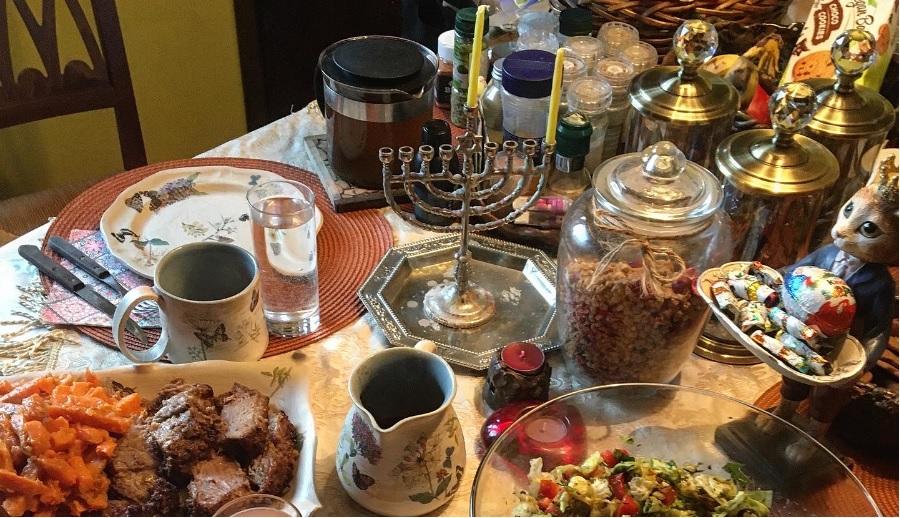
NordenBladet – Yesterday was the beginning of Hanukkah*, one of my favourite holidays. This time, instead of potato latkes -or potato pancakes- I prepared fried sweet potatoes, onion sauce, beef and fresh pesto salad. For dessert I made some rhubarb cheesecake with almonds! In the evening we lit the first Hanukkah candle! Below you can see pictures depicting my cooking merit and our holiday table. Since Hanukkah lasts for as long as eight days in a row (this year from 10 to 17 December, or according to Hebrew calendar from 24.Kislev to 02.Tevet), then in the kitchen there is a lot of cooking and there will be many a feast.
Preparation:
Underneath goes the puff pastry (roll it evenly across the plate), then spread over it the curd paste and the creamy cheese. While the creamy cheese is thick then just measure little portions with the tablespoon to be dispersed over the surface. Then add the rhubarbs and season the cake with cinnamon and vanilla sugar. On top of everything make the classical powder coating (chop butter in a bowl and mix with flour) and on top of that in turn pour some of the almond flakes. The cake will be ready after half an hour in the oven at 200 degrees. It tastes wonderful while still hot (then it is slightly liquid) or the next day served cold! Yummi! Bon appetit and season’s greetings!
______________________________
*Hanukkah (/ˈhɑːnəkə/ HAH-nə-kə; Hebrew: חֲנֻכָּה ḥanuká; a transliteration also romanized as Chanukah, Ḥanukah, Chanuka, Hanuka) is a Jewish festival commemorating an early victory in the Maccabean revolt against the Seleucid Empire: the recapture of Jerusalem in the year 164 B.C.E. and rededication of the Second Temple. It is also known as the Festival of Lights (Hebrew: חַג הַאוּרִים, ḥag ha’urim).
Hanukkah is observed for eight nights and days, starting on the 25th day of Kislev according to the Hebrew calendar, which may occur at any time from late November to late December in the Gregorian calendar. The festival is observed by lighting the candles of a candelabrum with nine branches, called a menorah (or hanukkiah). One branch is typically placed above or below the others and its candle is used to light the other eight candles. This unique candle is called the shamash (Hebrew: שַׁמָּשׁ, “attendant”). Each night, one additional candle is lit by the shamash until all eight candles are lit together on the final night of the festival. Other Hanukkah festivities include playing the game of dreidel and eating oil-based foods, such as latkes and sufganiyot, and dairy foods. Since the 1970s, the worldwide Chabad movement has initiated public menorah lightings in open public places in many countries.
NordenBladet – I like handicraft, and handicraft is held in high regard in our household. I go in for many kinds of handicraft – painting, pottery, knitting, crocheting, sewing, embroidery, making several kinds of nature-friendly handicraft cosmetics (soaps, ointments, lotions, shampoos, tinctures, hydrosols, etc.) under the brand name Elisheva & Shoshana, making jewellery and accessories and sometimes I even try to build a piece of furniture. In good old times I used to make for the Ohmygossip Couture brand many bracelets, earrings and necklaces, that were loved by many celebrities, and even worn by beauty queens on beauty pageants, but then for the reason of lack of time that craft has been largely abandoned, due to the administration of my websites consuming most of my time.
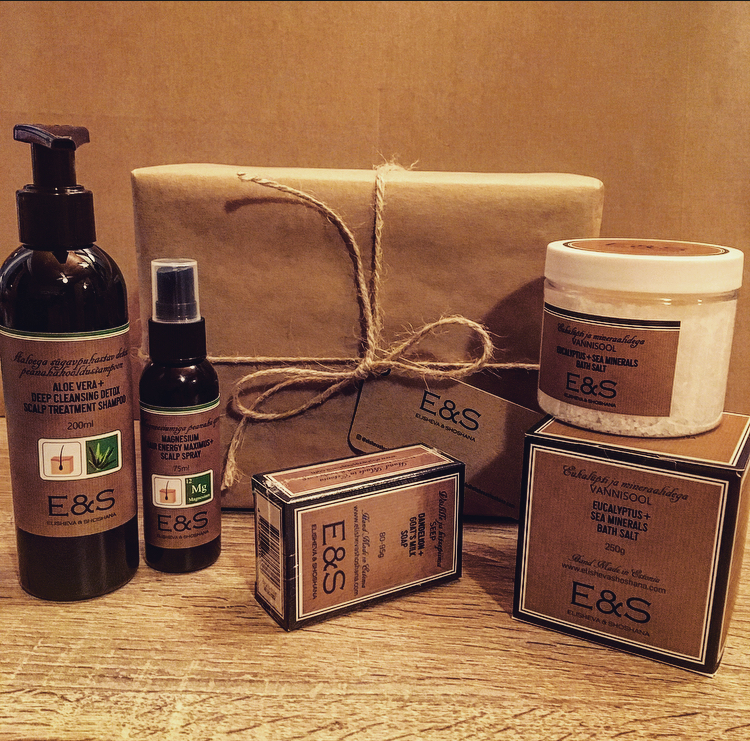
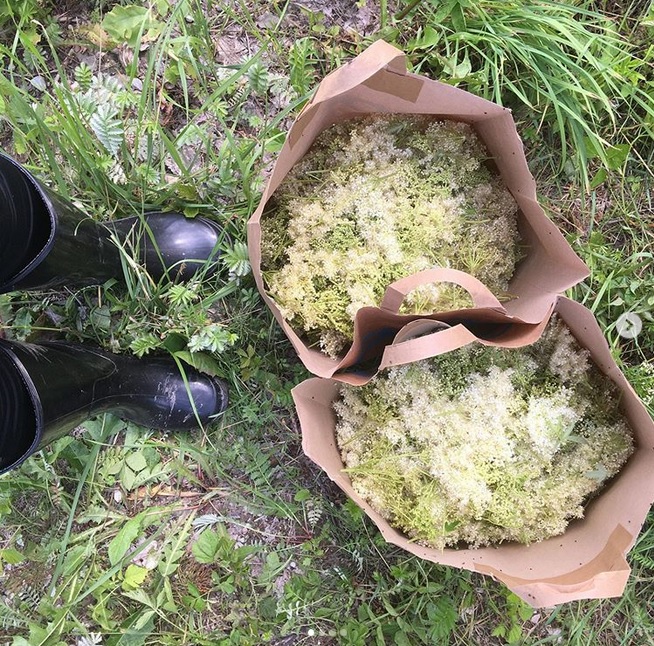
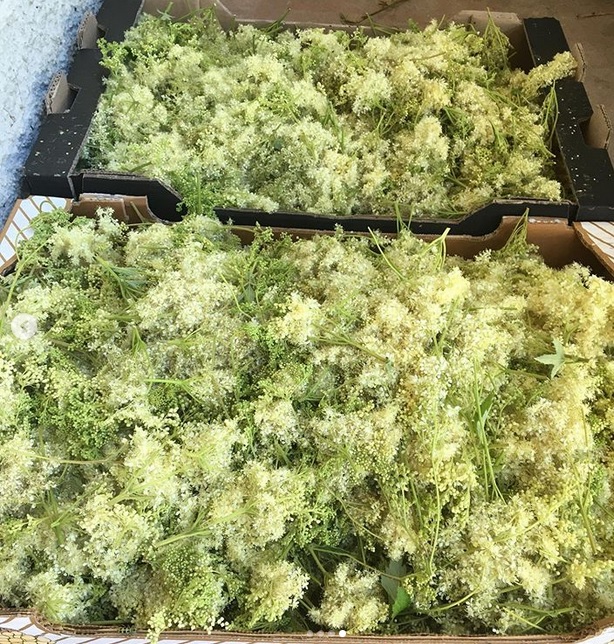
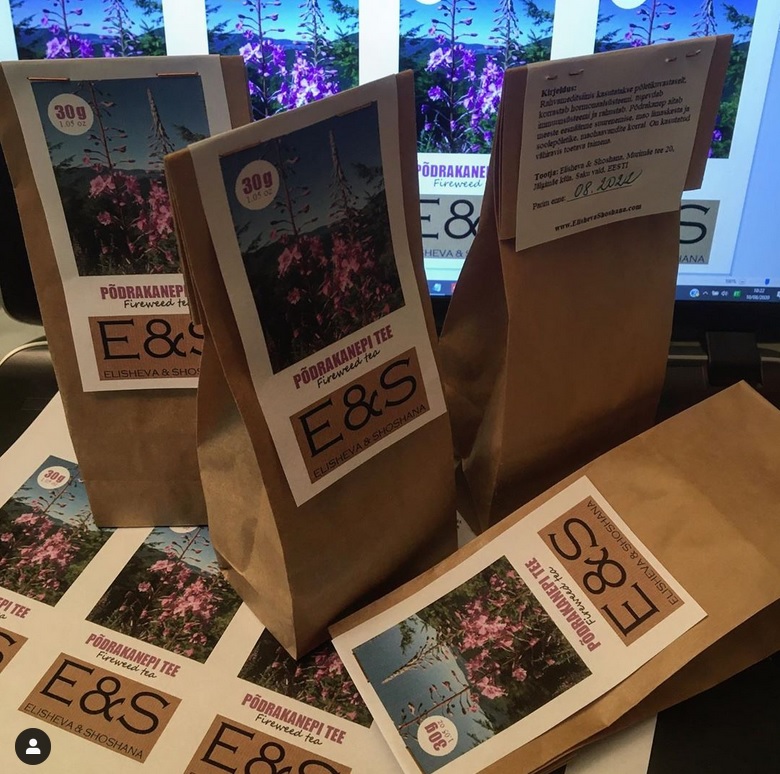
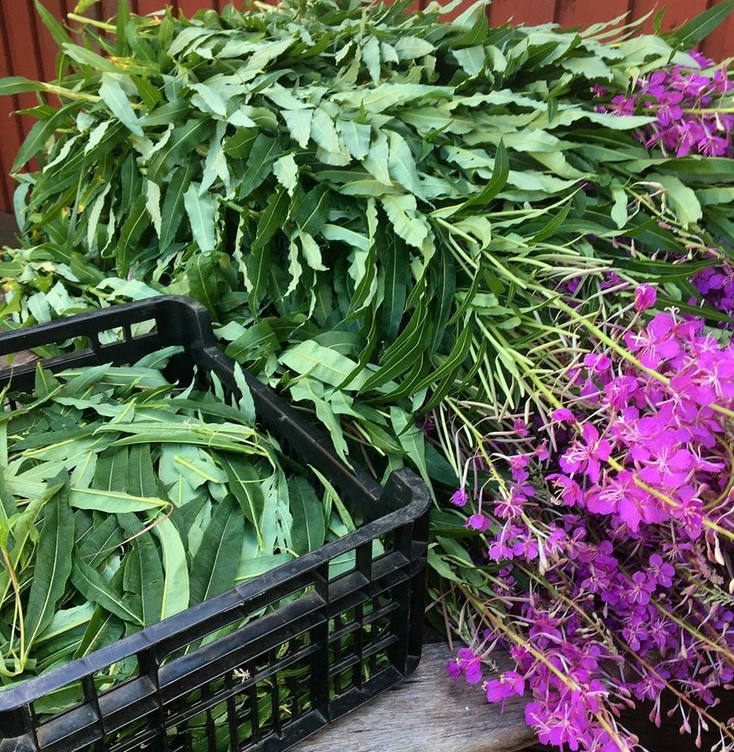
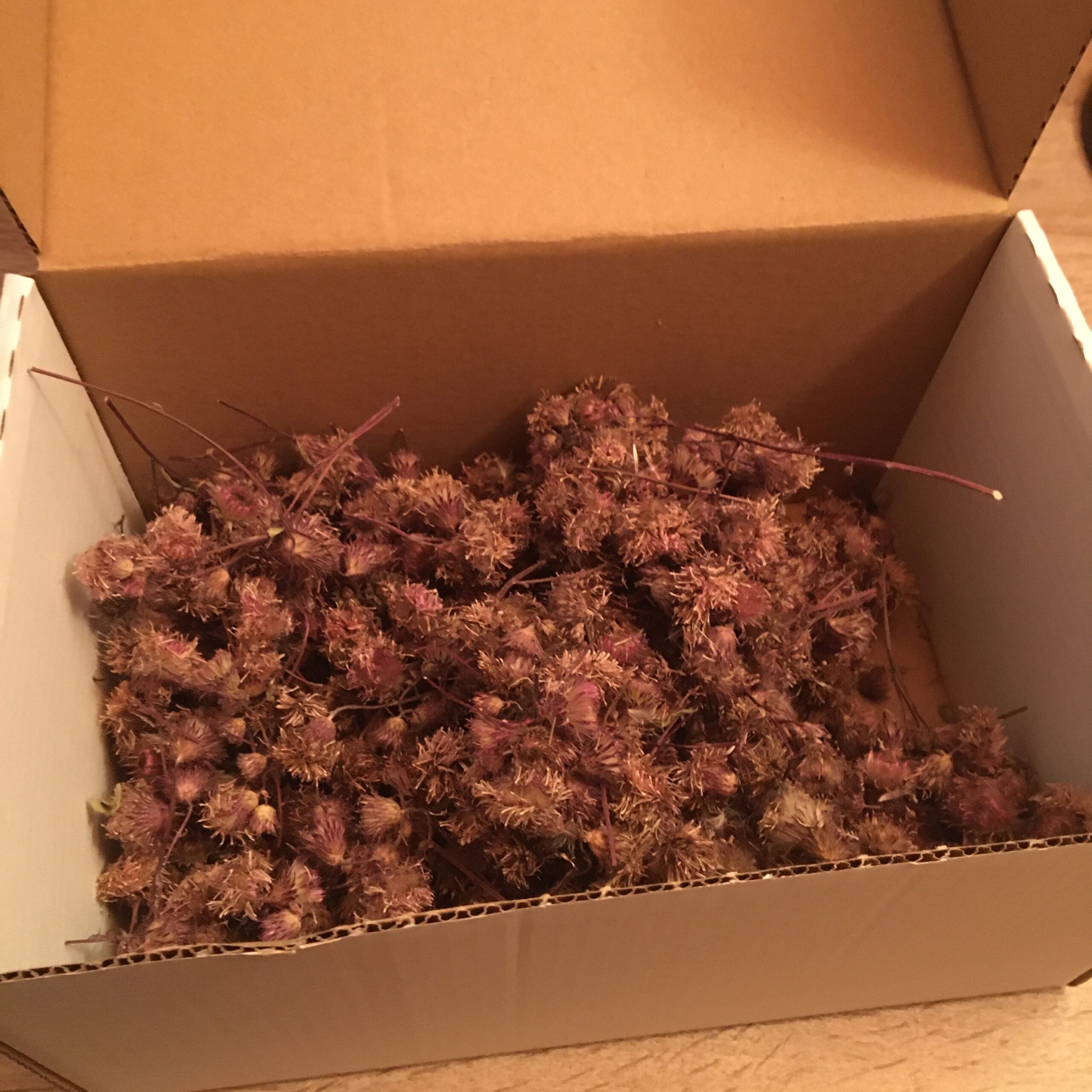
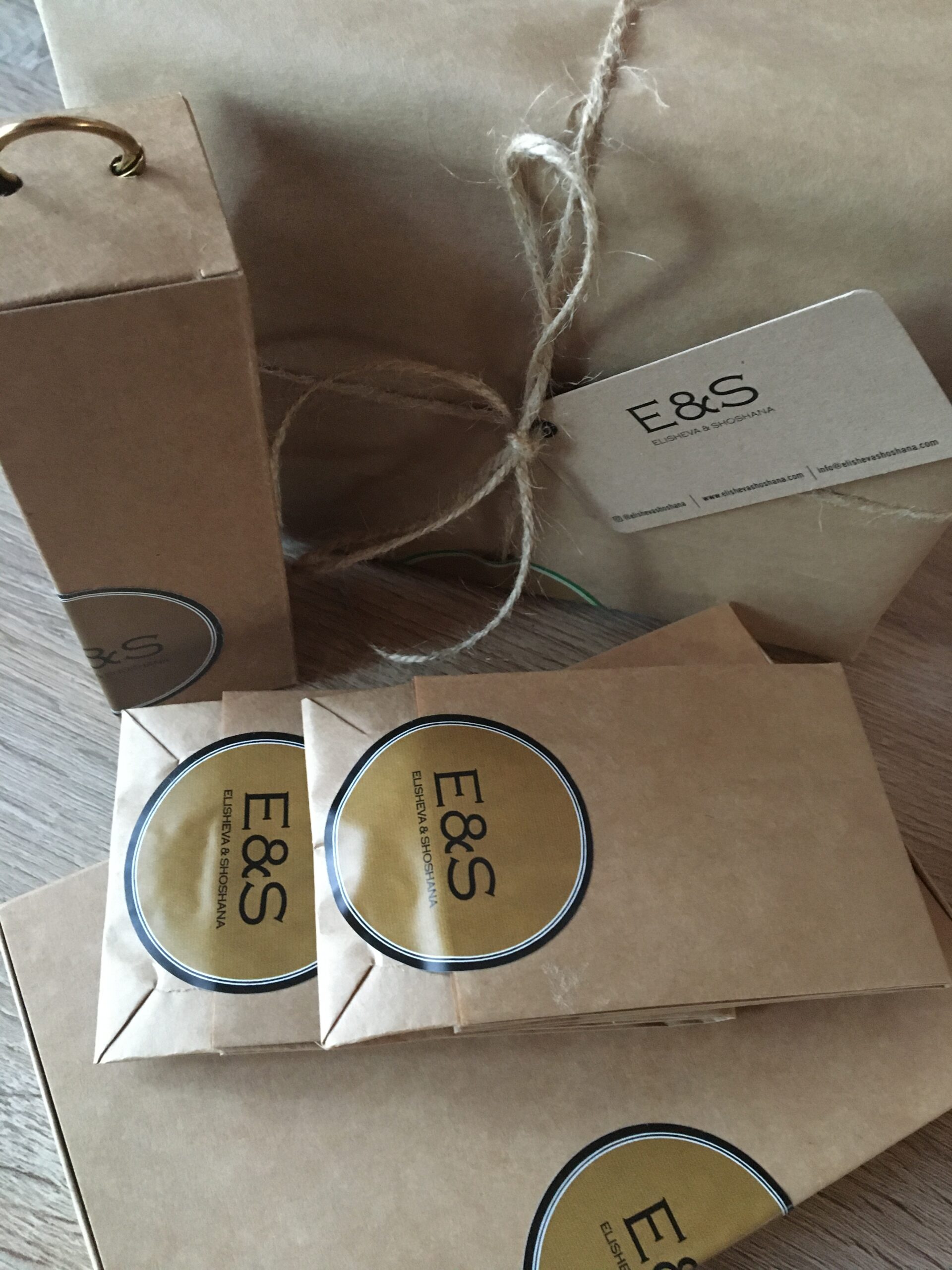
Now I have been pondering what presents to make this year. One gift that I always give is the Elisheva & Shoshana Giftbox. Also this year I prepared a special E&S gift package that in the year 2020 includes four products – scalp spray, deep cleansing shampoo, handicraft soap, and refreshing bathing salt (find out more and purchase, if you will, HERE). Quite a common gift or a component of a gift on my side has also been herbal tea. Every year I spend half my summer on the meadows and in the woods gathering local Estonian herbs, drying them and packing them in ca 30-50 gram packages. This year’s top hits are Fireweed tea (folk medicine acknowledges fireweed as anti-cancer and anti-infertility drug, also fireweed helps build erectile capacity in men. Fireweed is considered even to be the natural Viagra! Also, it alleviates prostate ailments), Meadowsweet tea (natural aspirin that also enhances the joints and cleanses the organism) and Cotton Thistle tea (in Russian phytotherapy used to cleanse the organism in the cases of leukaemia, lung and bone cancer). Should any of you be needing these, please let me know, I hope to add them soon for sale on the Elisheva & Shoshana website.
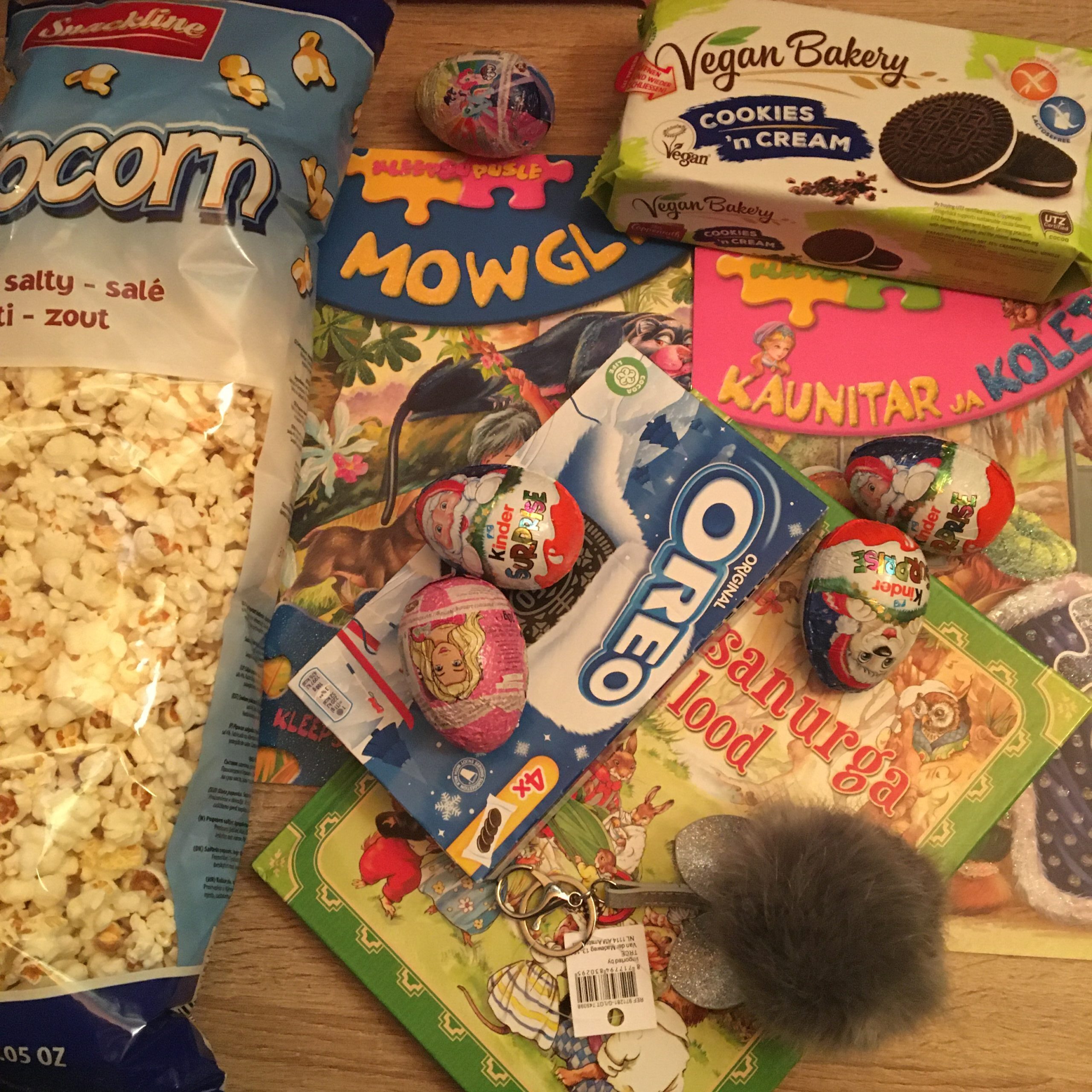
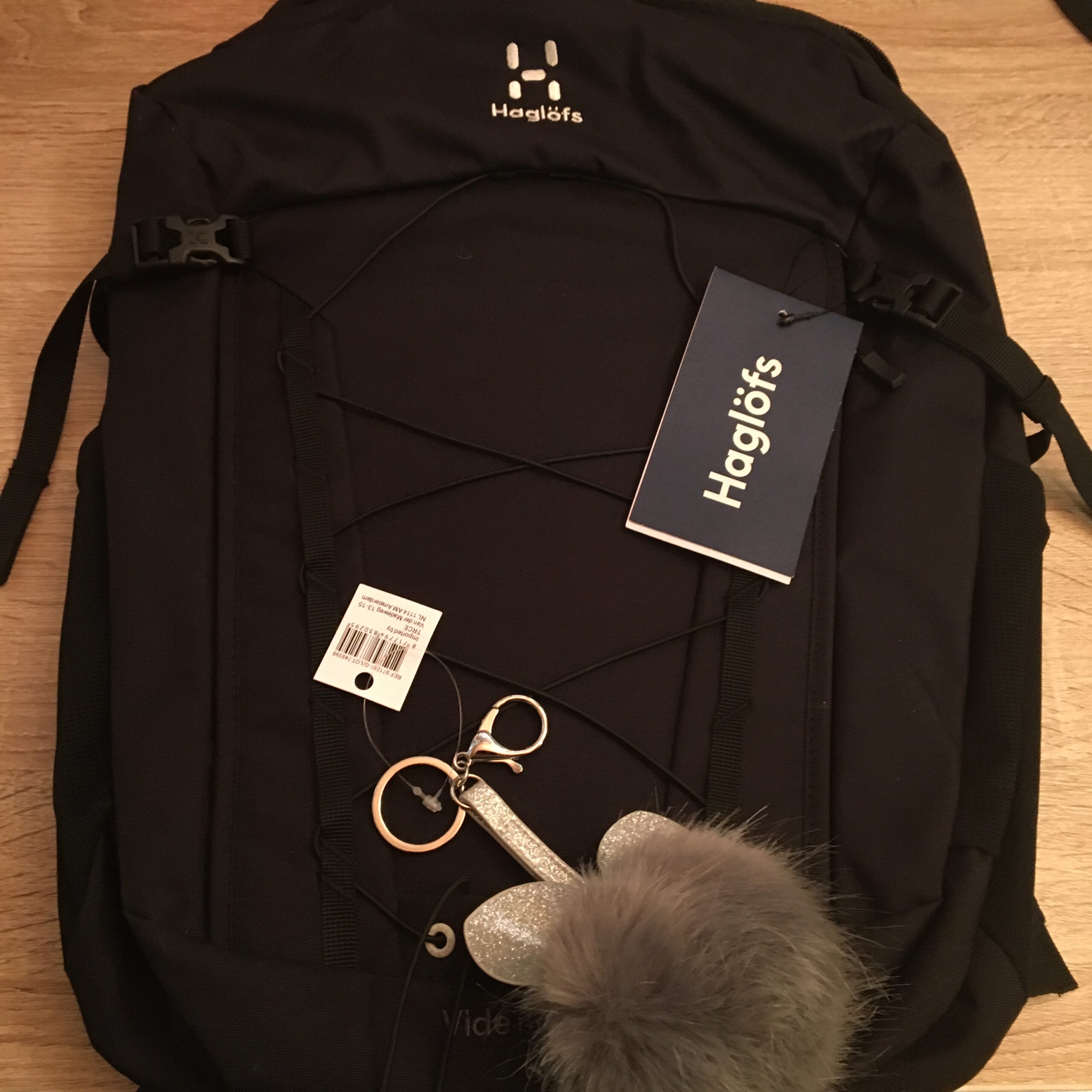
Making presents for children is complicated since they tend to have everything already. As a rule, all year round Ivanka Shoshana has been pointing to pictures from the web with the products that she desires to get for her birthday or with relation to other celebrations, yet this time there has been silence. I do know that her current favourite is “The Loud House” cartoon from Youtube and oftentimes I print out images of the characters for her to colour. I bought for her two fairy-tale sticker-books (Mowgli, and the Beauty and the Beast), and Rene Clocke’s written and illustrated fairy-tale book “Stories from the Wood’s edge”, as well as a very lovely hairball-reflector and some sweets. Estella will also get a reflector and Haglöf’s rucksack.
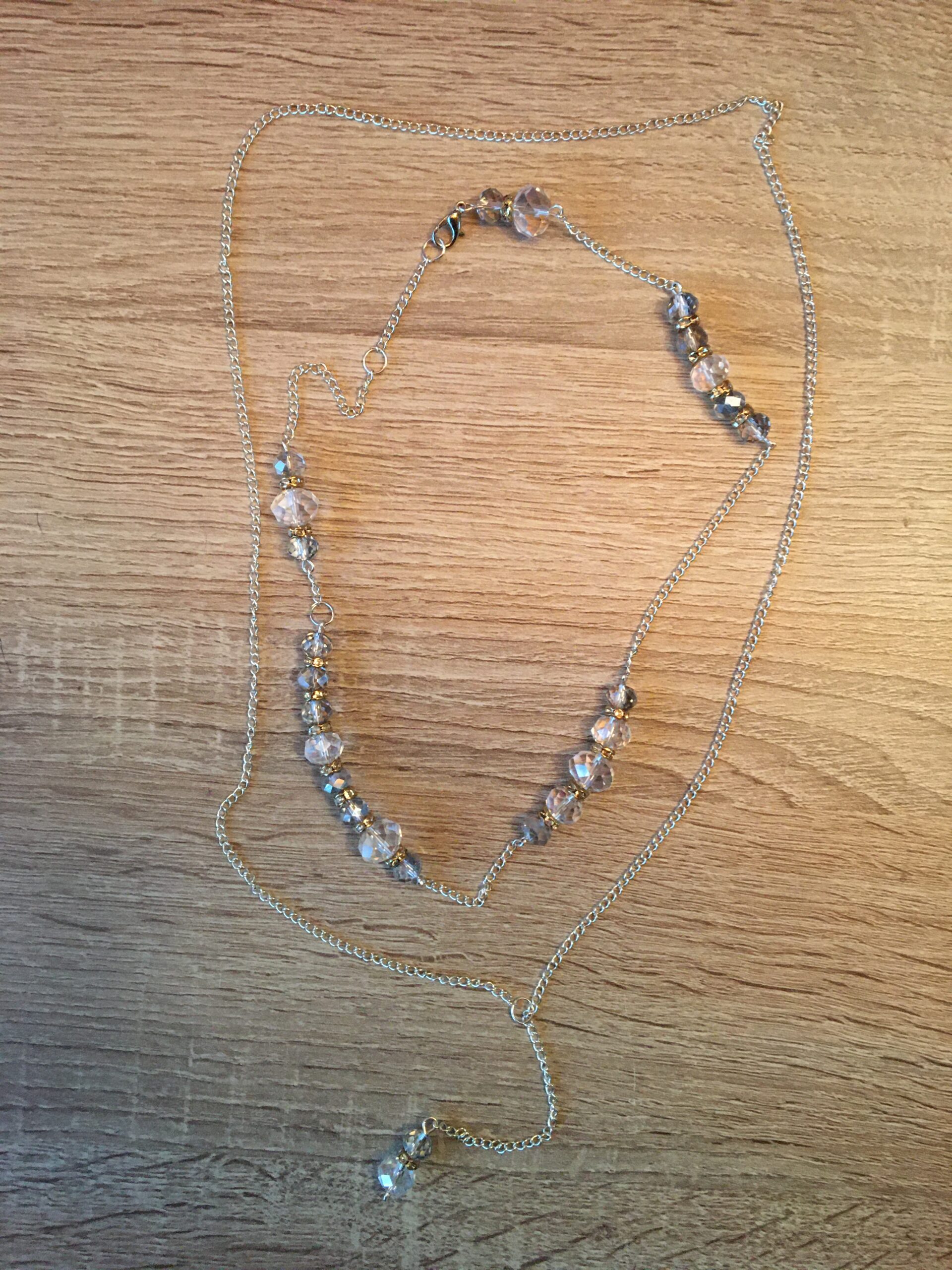
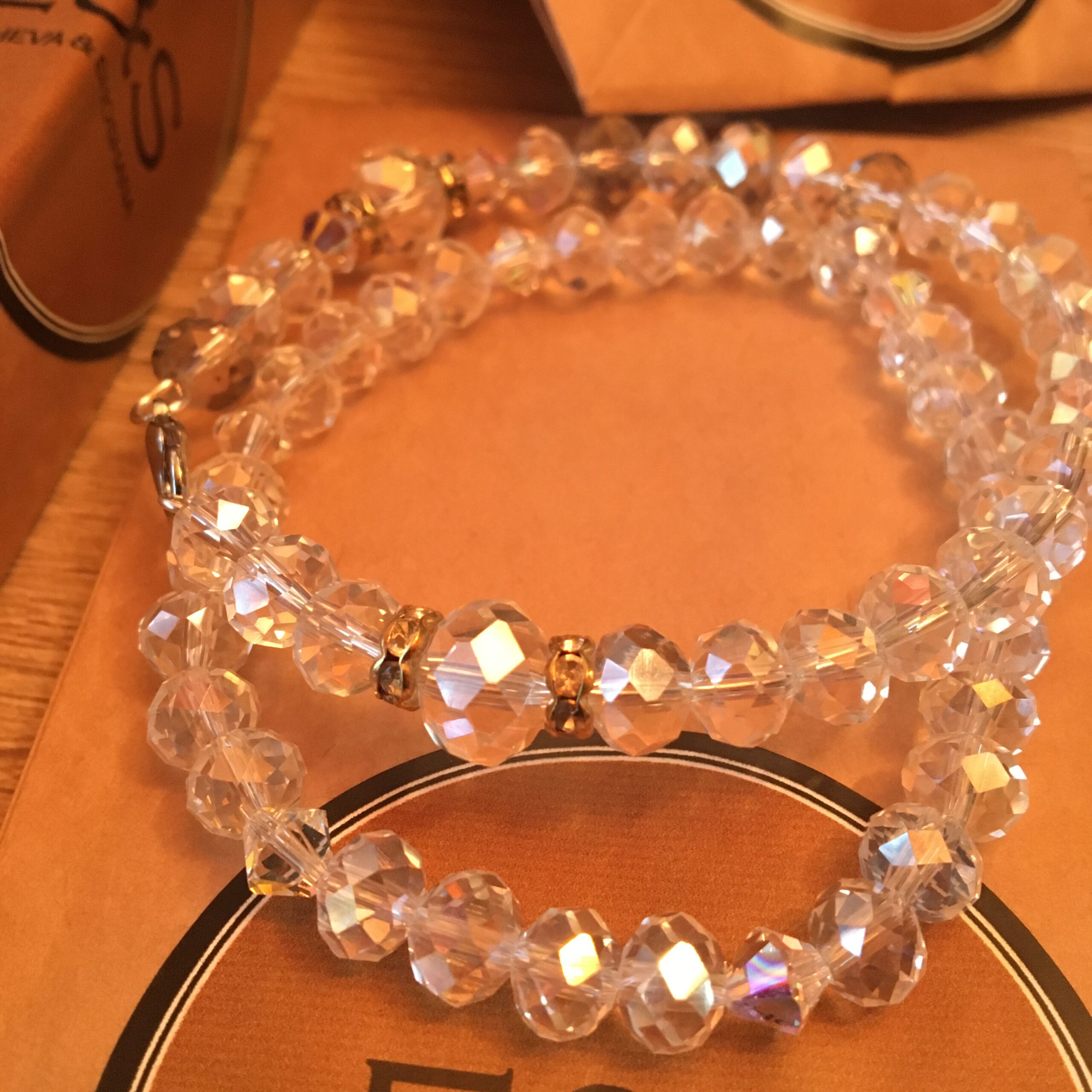
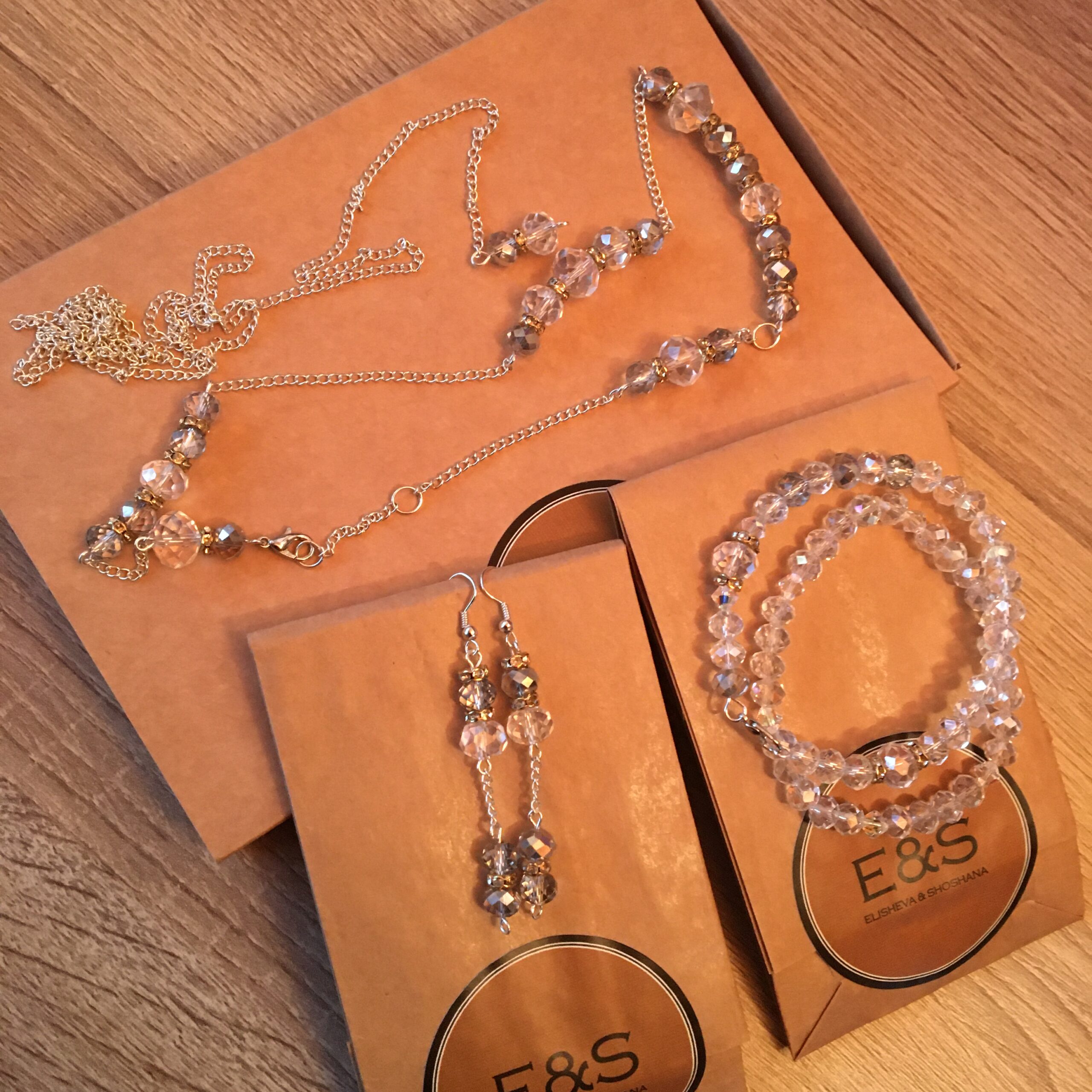
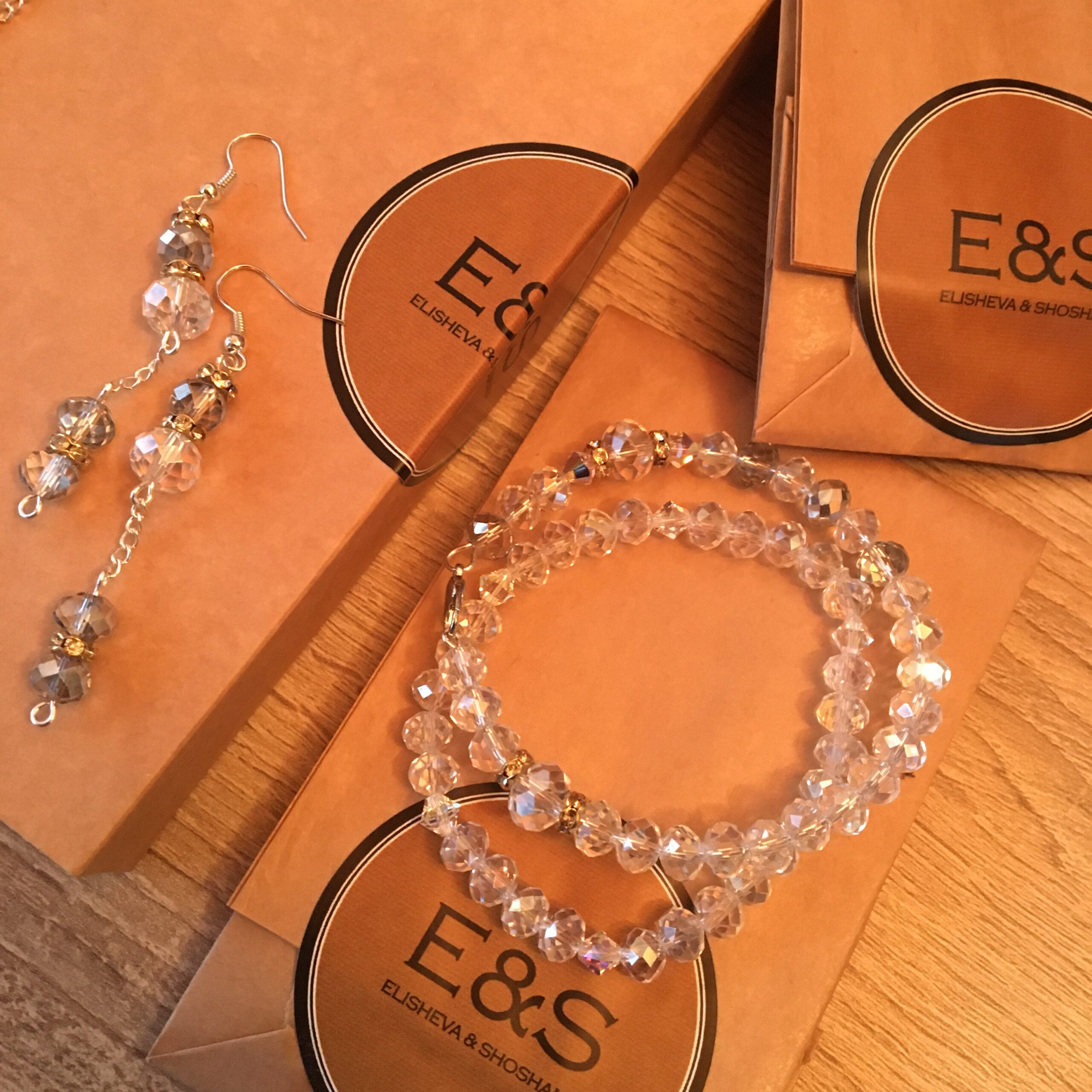
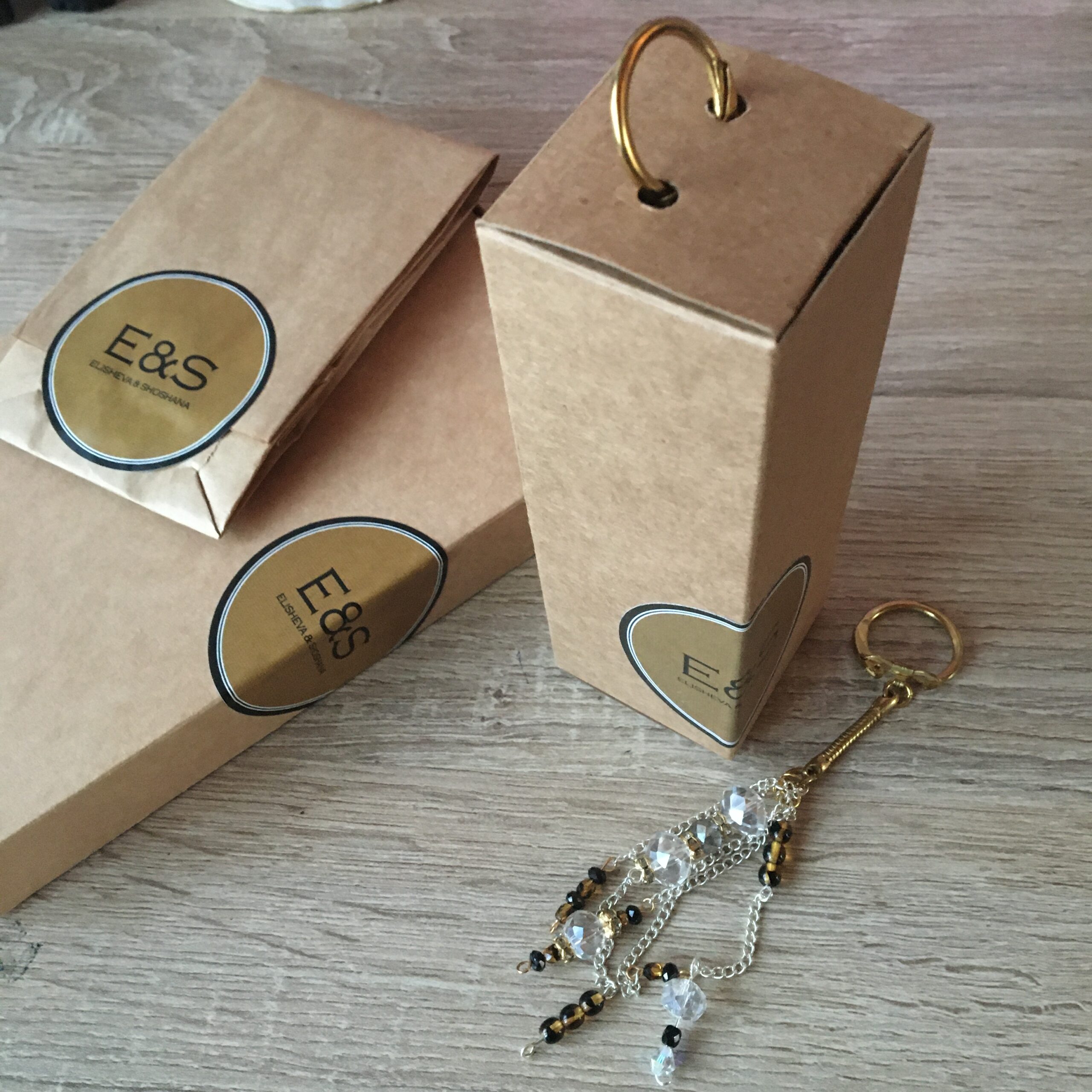
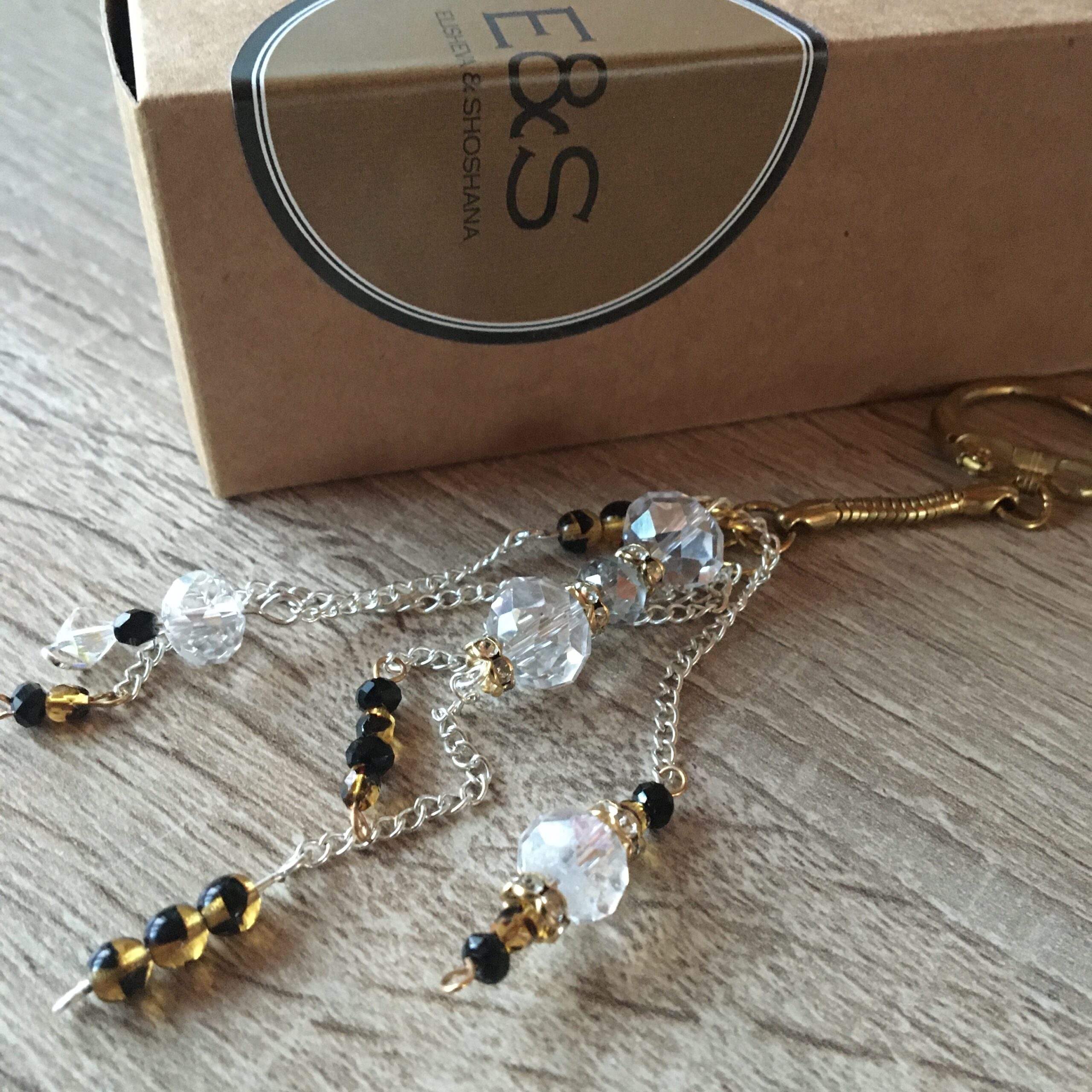
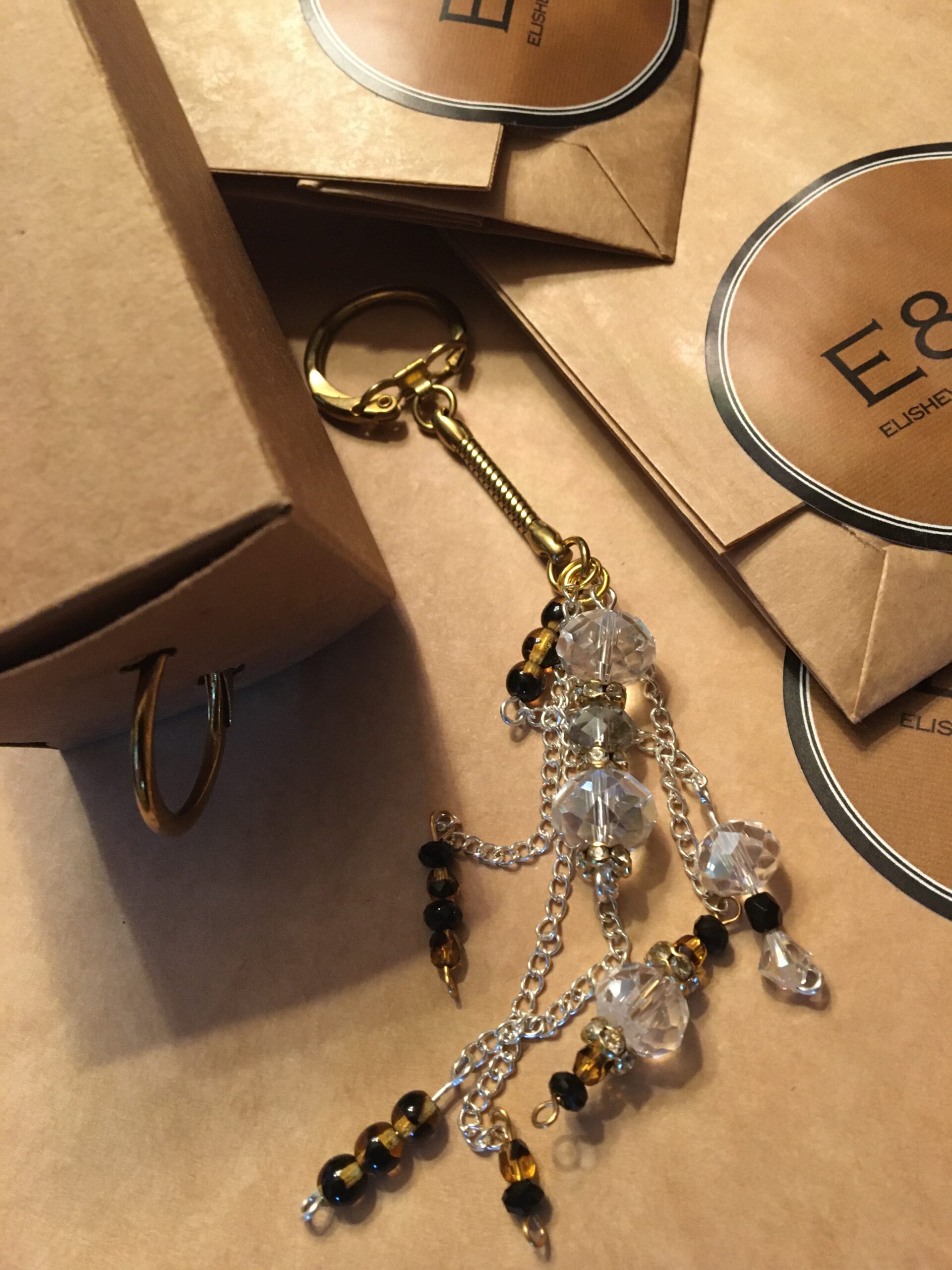
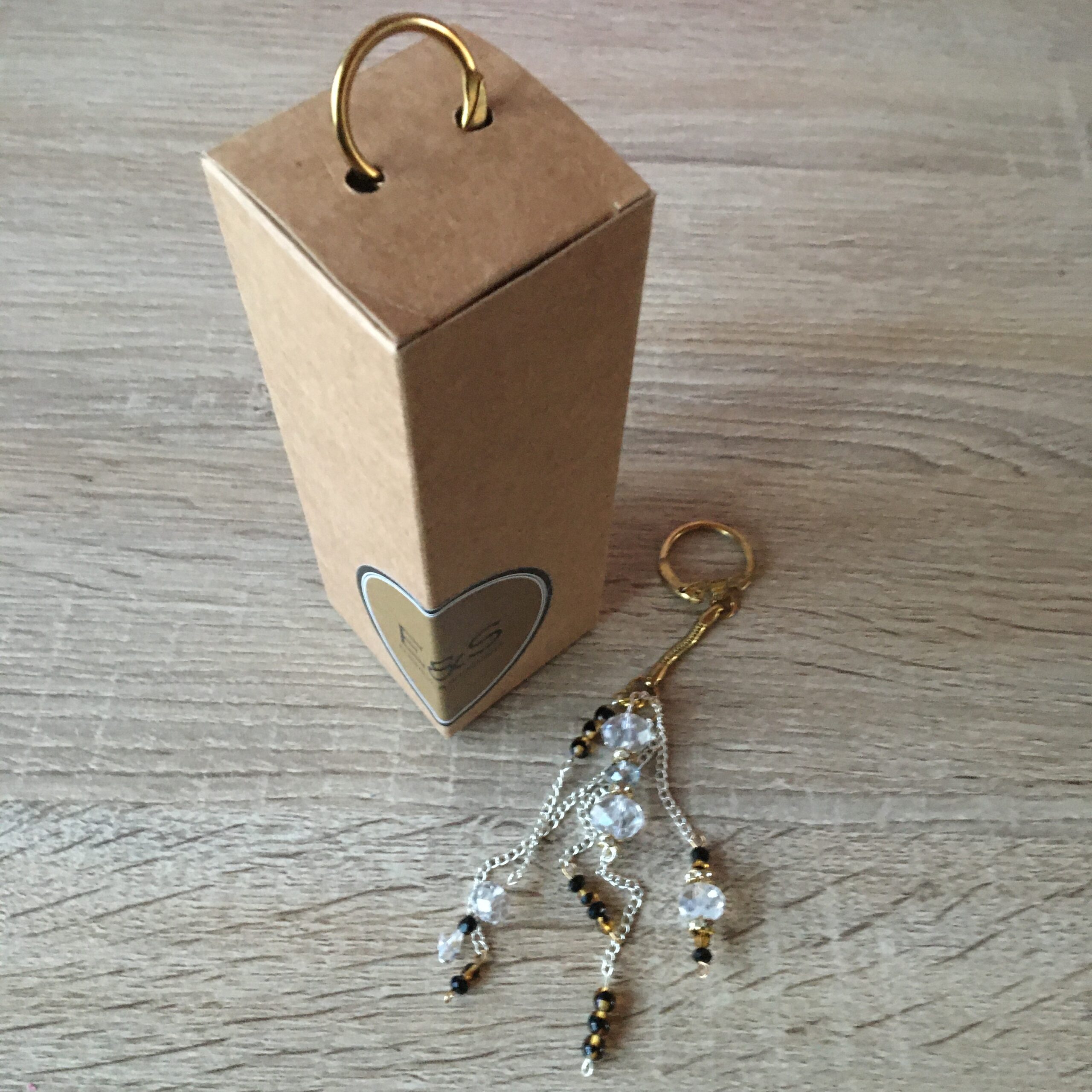
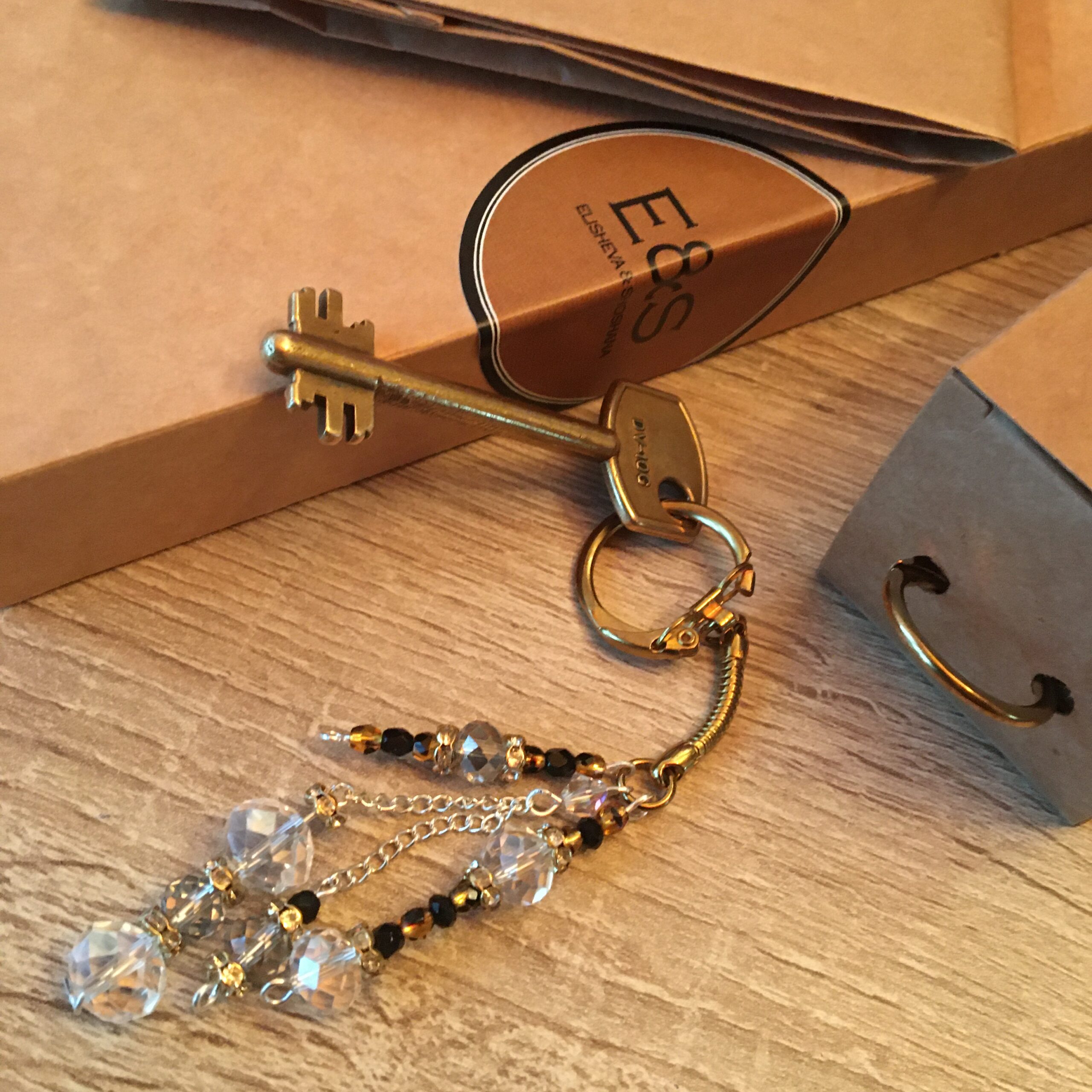
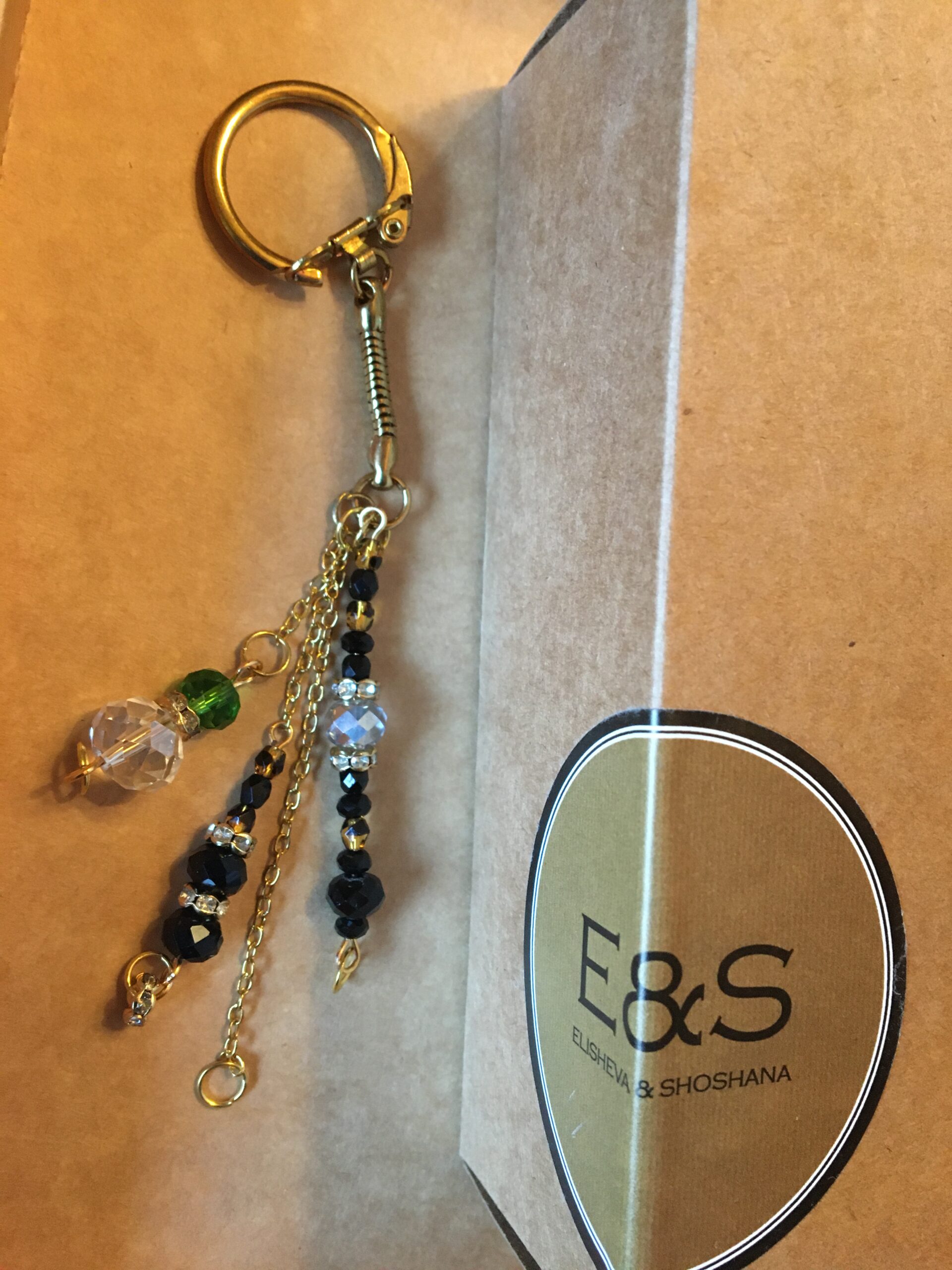
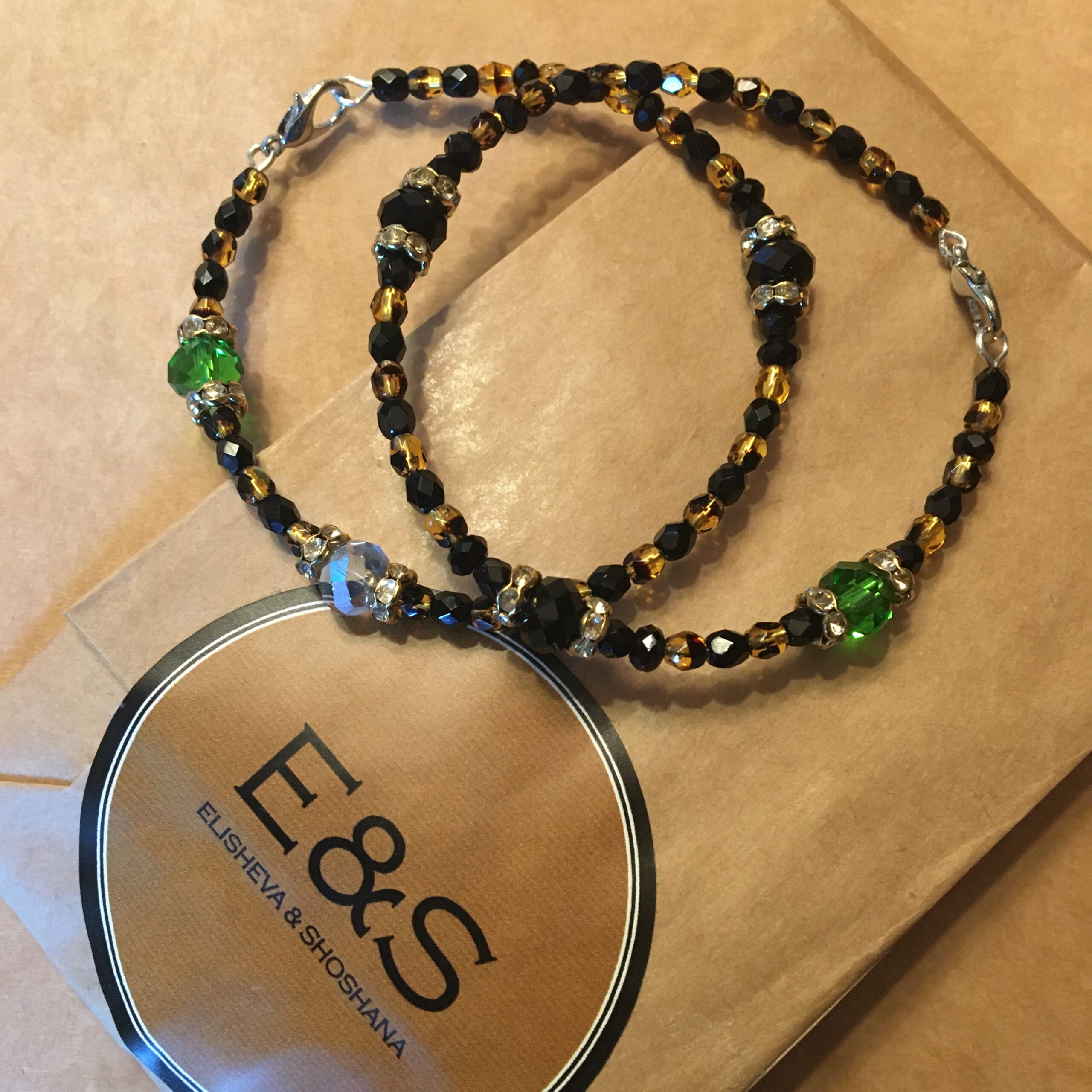
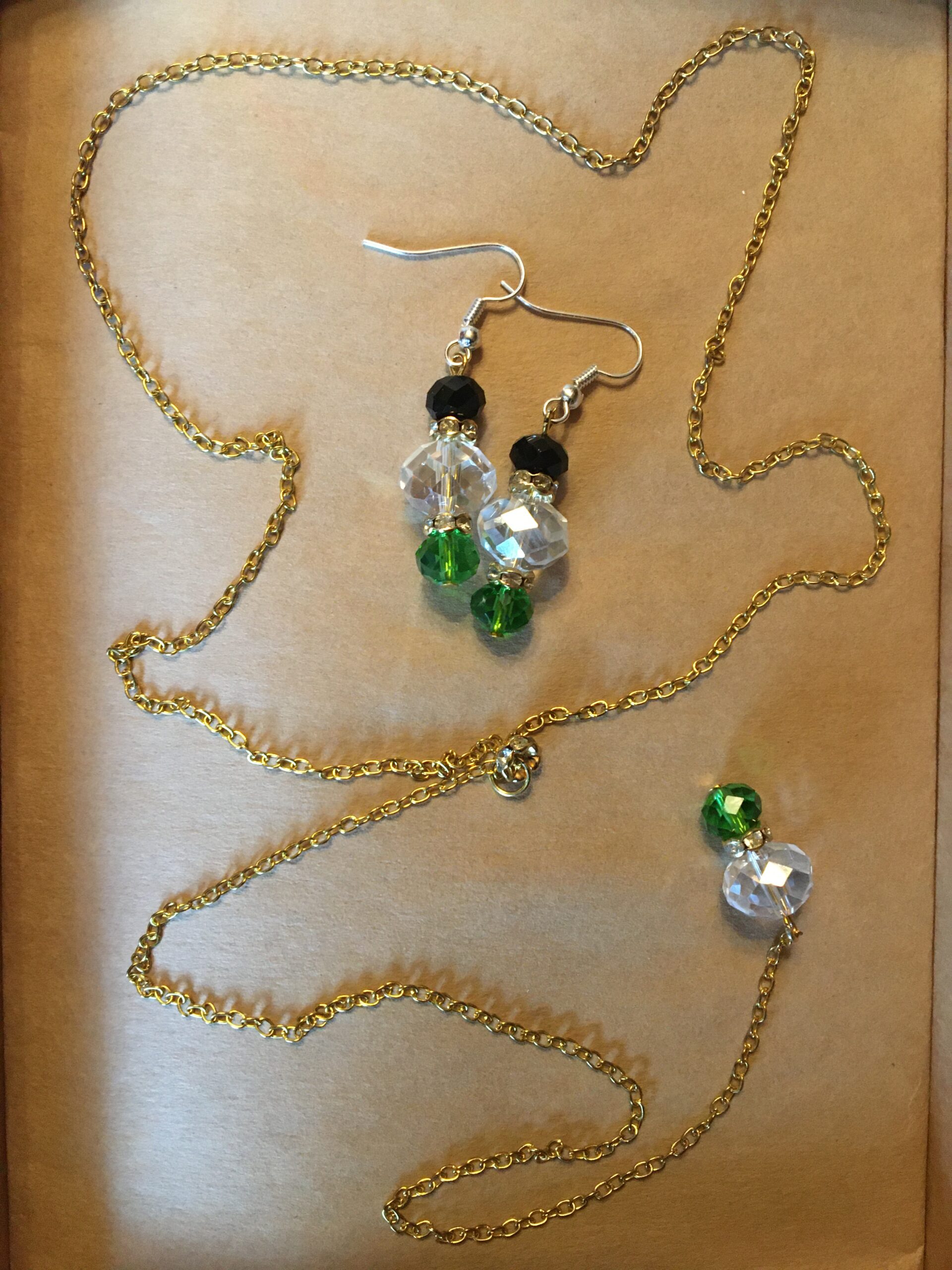
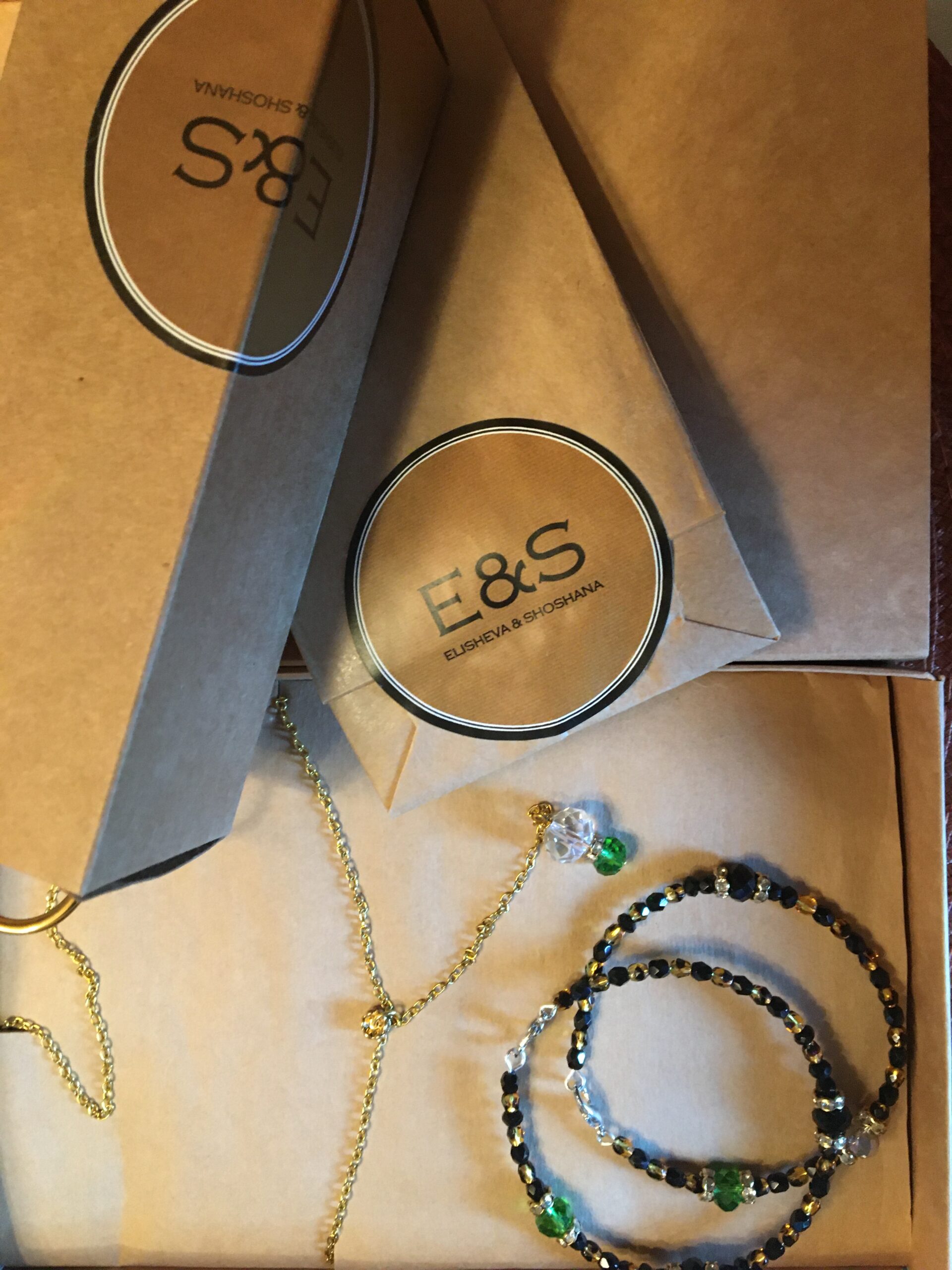
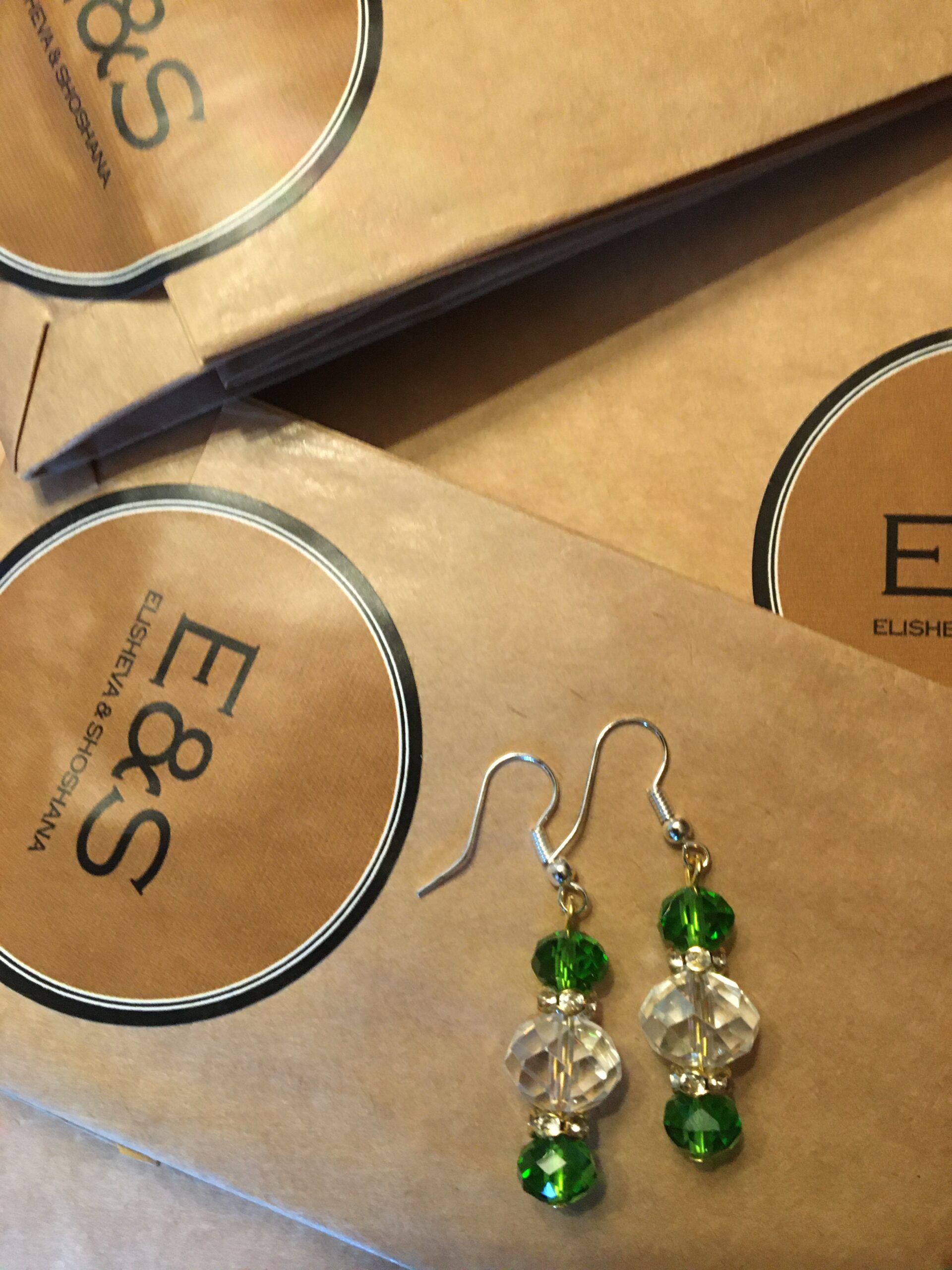
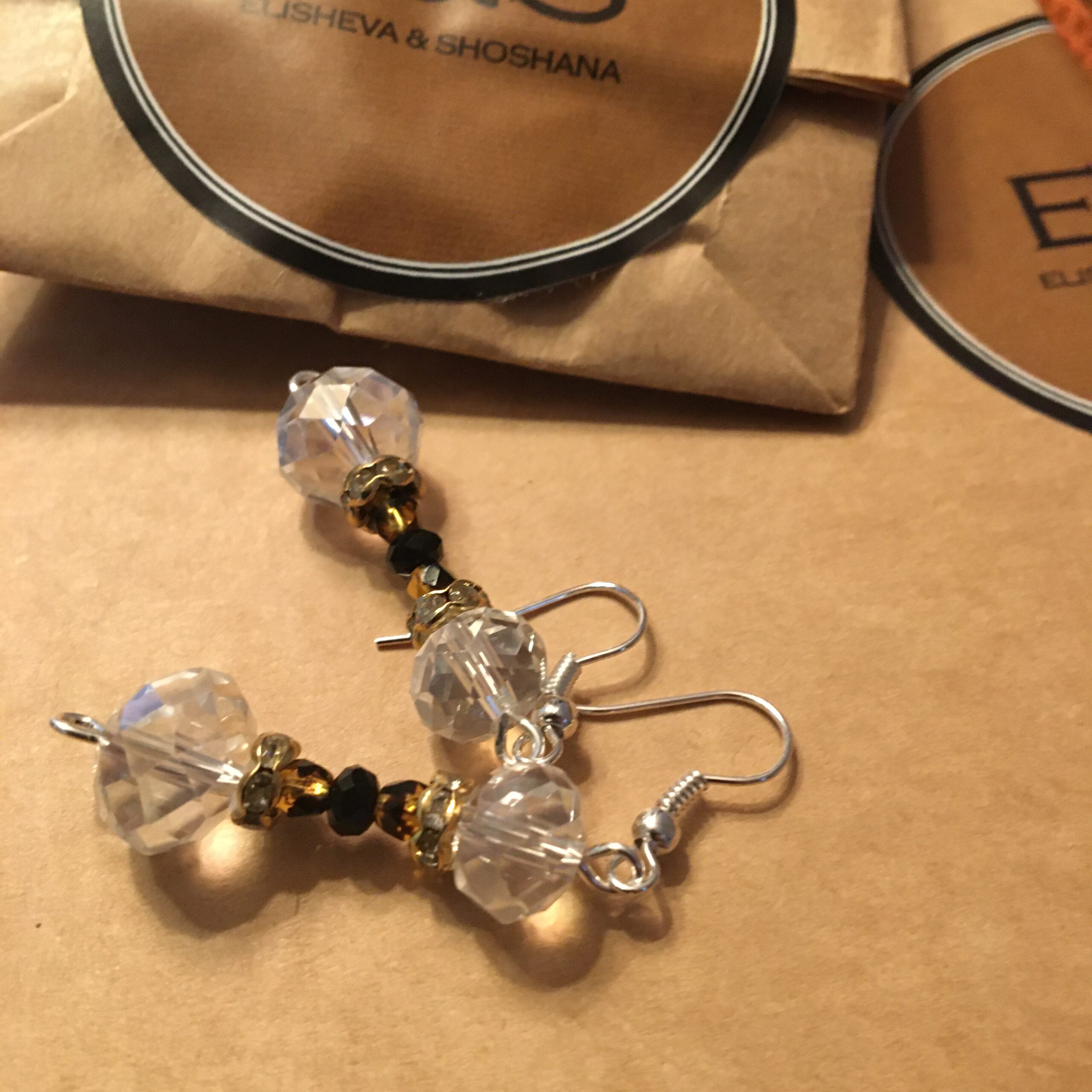
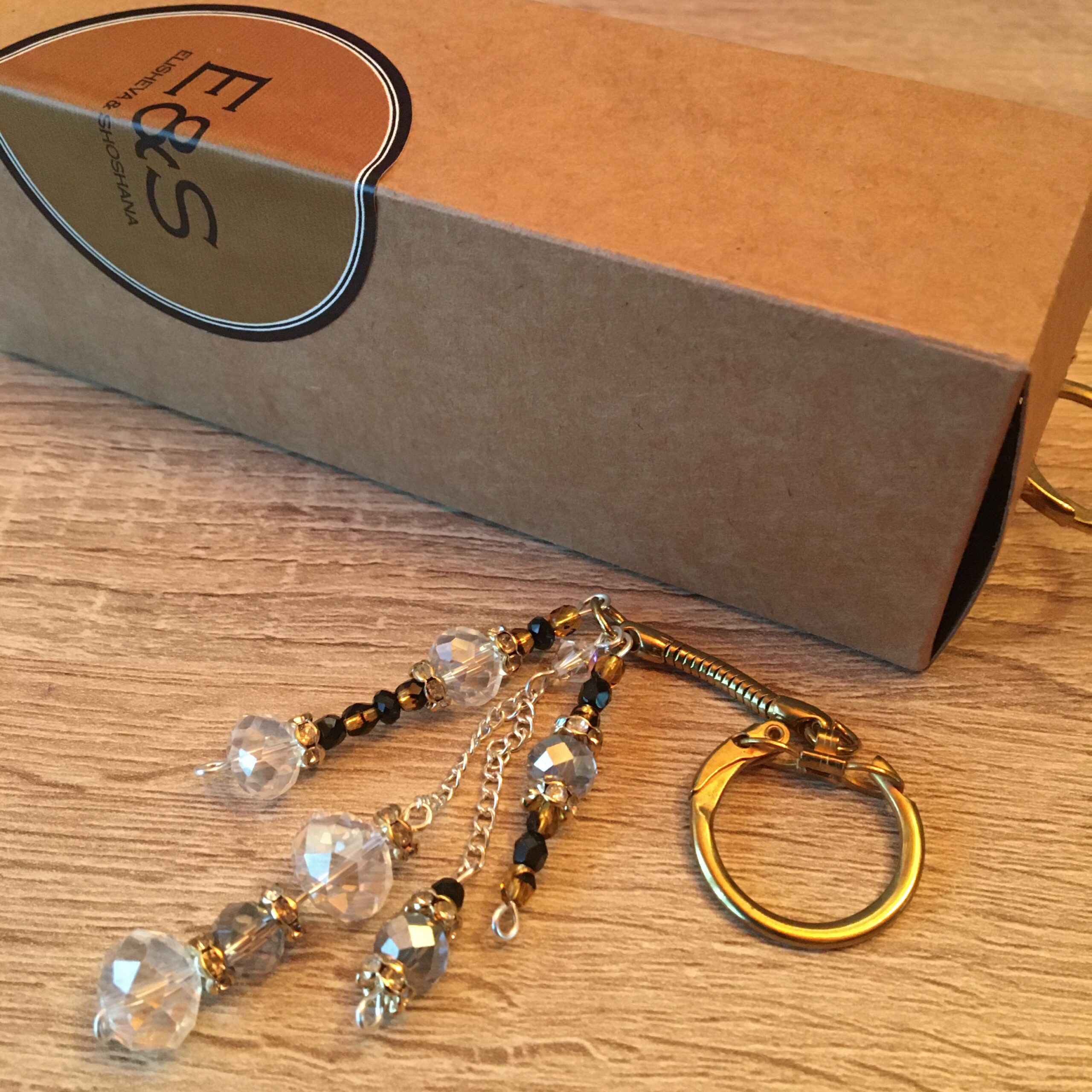
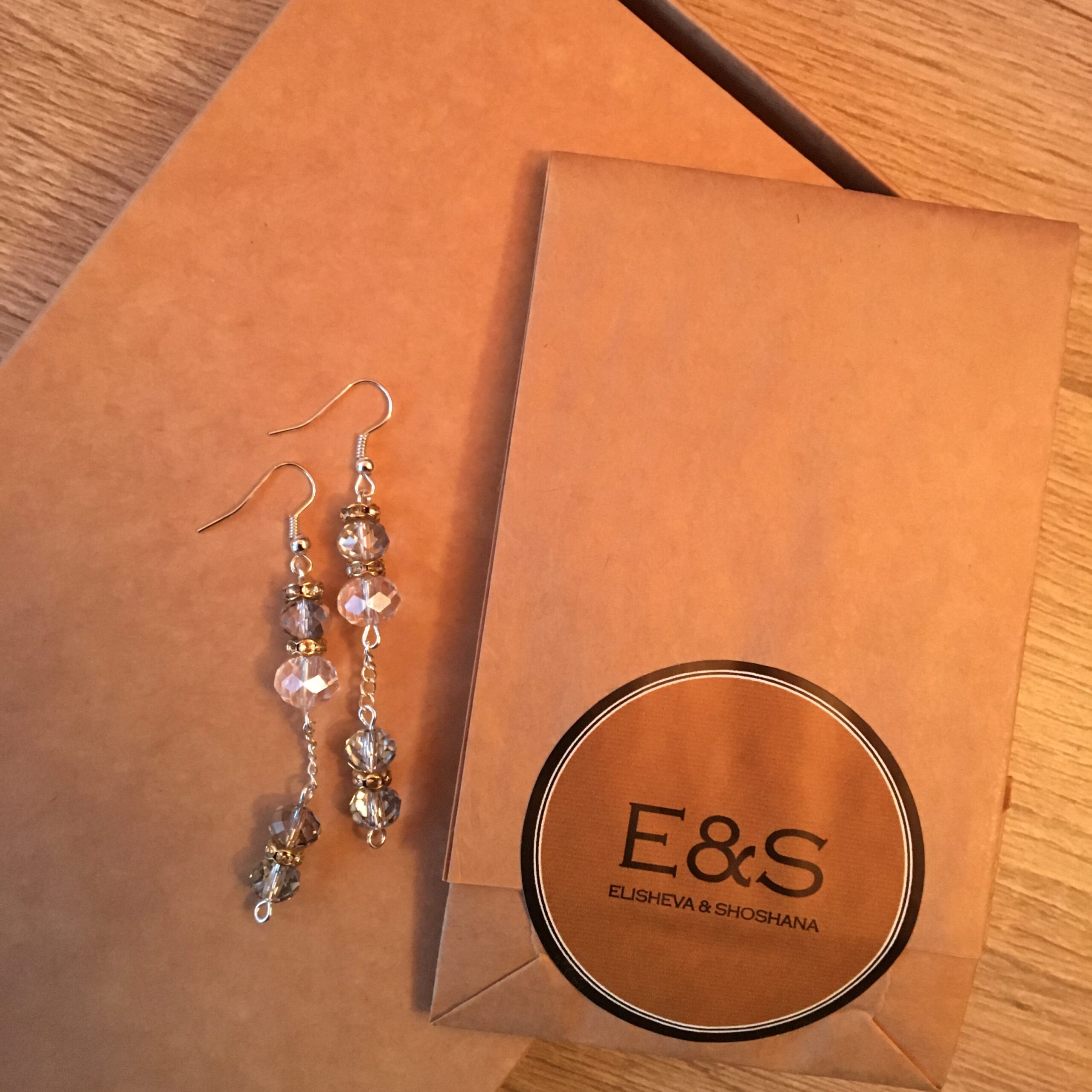
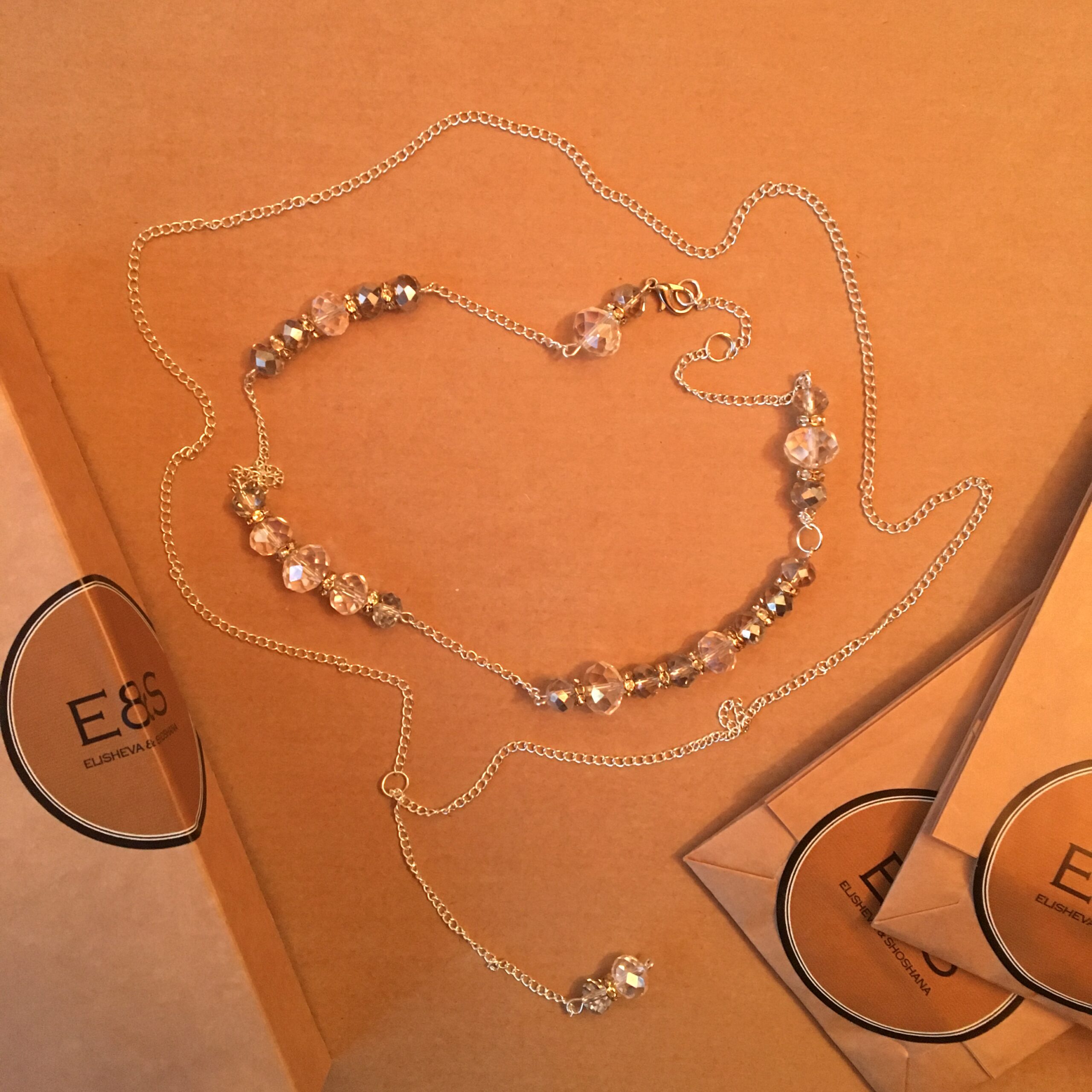
Now back to handicraft. I have re-invented the world of making accessories! So much love doing the needlework.. haha. Since the beginning of all time I have gathered and purchased many beautiful semiprecious stones and blank accessories and now I have been thinking to begin making some jewellery again. In making the jewellery I also use a lot of Swarovski crystals. Self-made things make great gifts, because they come from the heart, are special, unique, and they are handicraft after all. I belong among the people who very much value all handicraft. I have invested several days preparing jewellery and accessories for myself as well as for gifts (earrings, bracelets, necklaces, pendants and keychains. These turned out very festive and glamorous. At least I personally find them adorable 🙂 I will add some pictures here as well and will try to add some of these some time also to Elisheva & Shoshana webshop for sale 🙂 Hereby I will advertise and announce that should anyone desire to be the owner of handicraft accessories, feel free to drop me a line (for example to Facebook), I am tuned to the craft again.
NordenBladet — Just before the International Human Rights Day, 10 December, the EU ministers for foreign affairs adopted a new sanctions regime that will allow to impose sanctions on individuals, entities and bodies responsible for serious human rights violations. The new regime is global and complements the existing sanctions regimes that are often related to individual countries. It reinforces the effectiveness of EU foreign policy. Finland has supported the EU’s initiative from the outset.
On the basis of the new regime, sanctions may be imposed on individuals and entities that are responsible for acts such as genocide, crimes against humanity, torture or extrajudicial killings. The regime covers both state and non-state actors.
“The adoption of the new regime is a positive development and a welcome addition to the EU’s human rights work. Those guilty of serious human rights violations should always primarily be held criminally liable. However, sanctions can work in a situation where the country in question is, for some reason, reluctant to act,” said Minister for Foreign Affairs Pekka Haavisto after the ministerial meeting. The human rights sanction regime entered into force on 8 December.
NordenBladet — The Government issued a new decree restricting the activities of food and beverage service businesses owing to the COVID-19 epidemic. The general obligations of food and beverage service businesses remain unchanged in the decree. Restrictions to the amount of customer seating, opening hours and hours of service of food and beverage service businesses that apply in different parts of the country in different stages of the epidemic remain unchanged. Stricter restrictions on businesses serving food or beverages apply in the regions of Southwest Finland, North Karelia and Lapland and in the Hospital District of South Savo due to an acceleration of the epidemic in these areas.
In addition, the decree clarifies the restrictions on alcohol licensing hours. The decree will enter into force on 12 December 2020 and remain in force until 28 February 2021.
Restrictions being imposed in Lapland seek to address risks posed by the tourism season
By way of exception, restrictions to the amount of customer seating, opening hours and licensing hours will be introduced in the whole of Lapland. The Hospital District of Länsi-Pohja, which is classified as part of Lapland, has reached the acceleration phase of the epidemic, whereas the Hospital District of Lapland is still at the stable level. Uniform restrictions are being laid down because the tourist season will bring tens of thousands of tourists from other countries to Lapland for Christmas and the New Year, especially from places that are in the acceleration and community transmission phase of the epidemic. All food and beverage service businesses in Lapland will be allowed to serve alcohol between 7.00 and 22.00. Restaurants that primarily serve alcoholic beverages may be open between 24.00 and 23.00, and they will be allowed to seat half of their normal number of customers. Other restaurants may be open between 1.00 and 24.00 and seat 75% of their normal number of customers.
The restrictions in Lapland are the same as those previously imposed in regions that reached the acceleration phase of the epidemic. The same restrictions now also apply to the regions of Satakunta, Pirkanmaa, South Karelia, North Karelia, Central Finland, South Ostrobothnia, Ostrobothnia, Central Ostrobothnia, Kainuu and Lapland. In addition, the same restrictions apply to businesses serving food or beverages located in the Hospital District of South Savo, but not to the entire region of South Savo. This is because the epidemic is still at the stable level in the Hospital District of East Savo, which is part of the region of South Savo.
Community transmission phase restrictions apply to restaurants in the region of Southwest Finland
Southwest Finland is among the regions classified as having reached the community transmission phase of the epidemic. Food and beverage service businesses in Uusimaa, Southwest Finland, Kanta-Häme, Päijät-Häme, Kymenlaakso and North Ostrobothnia may stay open until 23.00, and they may, after closing, reopen their doors at 5.00 at the earliest. The restrictions on opening hours will not apply to food and beverage service businesses operating in connection with service stations.
All food and beverage service businesses in these regions must stop serving alcohol by 22.00. The amount of customer seating in restaurants that primarily serve alcoholic beverages will be restricted to half the normal number of seats. Restaurants serving food will be allowed to seat 75% of their normal number of customers. In the regions of North Savo and Åland and in the Hospital District of East Savo, which are at the stable level of the epidemic, there are no restrictions on the amount of customer seating in establishments that serve food and beverages. All food and beverage service businesses will be allowed to serve alcohol between 7.00 and 24.00. Restaurants that primarily serve alcoholic beverages may be open between 2.00 and 1.00. The opening hours of other restaurants will not be restricted.
Further specifications to the provisions relating to alcohol licensing hours
By including a reference to the Alcohol Act to the decree, the decree clarifies the restrictions to the hours when alcoholic beverages may be served. In practice, the restrictions on licensing hours issued in the decree apply to all alcoholic beverages containing more than 1.2% by volume of ethyl alcohol. For example, light beers or light long drinks may not be served after the licensing hours imposed by the decree.
NordenBladet —At their meeting, the government approved an order on the new national restrictions and the restrictions in Ida-Viru County. In Ida-Viru County, the restrictions will take effect on Saturday, 12 December, and the national restrictions will take effect on Monday, 14 December.
Restrictions in force in Ida-Viru County from 12 December to 3 January (inclusive)
Entertainment and accommodation facilities, museums, and exhibitions must be closed to customers and visitors. The restriction on accommodation services does not apply to people directly involved in resolving the emergency situation, such as doctors and nurses who have gone to work in Ida-Viru County from other parts of Estonia.
All sports facilities must be closed to customers, including sports clubs, saunas, spas, swimming pools, water centres, and swimming pools. The restriction does not apply to professional sports activities taking place in the competitive system of sports governing bodies, including members and candidates of adult and youth national teams and big league teams, activities related to the country’s military defence and internal security, and people with special needs.
All sales and service halls of catering companies must be closed to customers. Food takeaway and related courier service will be allowed.
Both outdoor and indoor public meetings and events, including conferences, theatre performances, concerts, and cinema screenings are not allowed.
Churches and other religious venues may remain open under the current requirements.
It is prohibited to conduct youth work, hobby activities and education, refresher training, and refresher courses. These activities may only be continued as individual activities or at a distance. The restriction does not apply to activities related to the country’s military defence and internal security, as well as to people with special needs.
Exercise and training in public indoor areas are not allowed. Contactless individual activities and training are allowed outdoors, either alone or with a trainer. The restriction does not apply to professional sports activities taking place in the competitive system of sports governing bodies, including members and candidates of adult and youth national teams and big league teams, activities related to the country’s military defence and internal security, and people with special needs.
National restrictions in force from 14 December
Outdoor and indoor sports
Only contactless individual activities and training or activities and training done with e-solutions with a trainer are allowed indoors. The 2 + 2 rule applies and a mask must be worn. The obligation to wear a mask does not apply to children under the age of 12 or if it is not possible to wear a mask due to health reasons or the nature of work and activity. Shared items must be disinfected after each use.
Outdoor sports are allowed in groups of up to 10, plus a trainer.
The restriction does not apply to professional sports activities taking place in the competitive system of sports governing bodies, including members and candidates of adult and youth national teams and big league teams, activities related to the country’s military defence and internal security, and people with special needs.
Sports and exercise events are not allowed until 3 January 2021 (inclusive).
Sports competitions
Until January 3 (inclusive), sports competitions are allowed only for big league teams participating in the competitive system of sports governing bodies, professional athletes, and members and candidates of the Estonian national adult and youth team. Spectators are not allowed.
The 2 + 2 rule applies, but not to the competitors during the competition. A mask must be worn indoors. The above exceptions apply to wearing a mask. The organiser of the competition must provide disinfectants.
Youth work, hobby activities and education, refresher training and refresher courses
Youth work, refresher training, and refresher courses are only allowed at a distance or in contactless individual activities and training, which may be done with a supervisor. The 2 + 2 rule applies. A mask must be worn indoors, subject to the above exceptions. Shared items must be disinfected after each use.
Up to 10 people can take part in outdoor hobby education and hobby activities, plus a supervisor or coach.
The restriction does not apply to activities related to the country’s military defence and internal security, as well as to people with special needs. These restrictions do not apply to the Astangu Vocational Rehabilitation Centre.
Education
Until 31 December 2020, the study buildings of general education schools, vocational education institutions, institutions of professional higher education, and universities will be closed. In exceptional cases, distance learning may be conducted at the decision of the school. Personal consultations, olympiads, internships, and examinations and tests may also be carried out exceptionally and at the discretion of the school (compliance must be ensured with the following requirements: 2 + 2 rule, wearing masks indoors with the above exceptions, availability of disinfectants).
Contact teaching can take place for students with special educational needs.
Kindergartens and childcare institutions will remain open.
The restrictions do not apply to institutions and schools for children with special needs.
The Government Communication Unit will publish the order and the explanatory memorandum on the website kriis.ee.
At today’s meeting of the Cabinet of Ministers, Minister of Social Affairs Tanel Kiik introduced the pre-purchase agreement of COVID-19 vaccine between the European Commission and the pharmaceutical company Moderna. It is one of seven pre-purchase agreements for the European Union’s vaccine portfolio that the government decided to join last week. State authorities and the health care system are preparing to start vaccination as soon as the vaccines arrive in Estonia. The first vaccines may receive an EU marketing authorization by the end of the year, and the first deliveries arrive in Estonia in January.
Last week, the members of the government gave their approval to joining all seven pre-purchase agreements with vaccine manufacturers in the joint procurement process of the European Union. “The government received an overview of the COVID-19 pre-purchase agreement between the European Commission and pharmaceutical company Moderna. The common vaccine portfolio of the European Union helps to mitigate the risks in case the development, launch or production of a vaccine should be delayed and ensure that vaccination can start in Estonia at the same time as in other European Union countries, “said Minister of Social Affairs Tanel Kiik. “Both public authorities and the healthcare system are preparing to be ready for the arrival of COVID-19 vaccines in the begging of next year, so we can start vaccinating as soon as possible.”
Estonia has now signed agreements with pharmaceutical manufacturers AstraZeneca, Jannsen Pharmaceutica NV, Pfizer / BioNTech, Curevac and Moderna. In the joint procurement of the European Union, the European Commission has also entered into an agreement with the vaccine manufacturer Sanofi, which Estonia can join later. Negotiations are also ongoing with the vaccine manufacturer Novavax. With the AstraZeneca contract, Estonia purchases COVID-19 vaccine for approx. 600,000 people, Jannsen Pharmaceutica NV for approx. 300,000 people, with the Pfizer / BioNTech contract for approx. 300,000 people, with the Curevac contract for approx. 330,000 people, with the Moderna contract for approx. 117 000 people.
According to the agreements, the vaccines will be delivered to the Member States after the vaccine has been granted a marketing authorization in the European Union. Estonia has an agreement with vaccine manufacturers that vaccines will be delivered to the Health Board, which will ensure the necessary conditions for storing vaccines (incl. particularly low temperatures and compliance with cold chain requirements). Estonia organizes the domestic distribution of vaccines to vaccination points in accordance with the vaccine distribution plan being prepared. Transport shall be ensured in such a way that it is not necessary to create special storage conditions at the vaccination points. Even the most pretentious vaccines can be stored for five days under normal conditions.
“Vaccines will gradually arrive in Estonia over several quarters. Already in the beginning of the summer, we mapped the risk groups for whom we want to enable vaccination as a matter of priority, “said Minister of Social Affairs Tanel Kiik. “These are, first and foremost, health and care workers, people working in healthcare institutions, residents of care institutions, the elderly and people with certain chronic diseases, providers of vital services. There are slightly more than 300,000 people in the COVID-19 risk group in Estonia. After that, it is planned to make vaccination available to all Estonian residents who wish to vaccinate. ”
The necessary conditions for the storage of vaccines are provided by the Health Board. Preparations for the storage and transport of vaccines to vaccination points and for the organization of vaccination (including training of vaccinators) are ongoing. “In order to organize vaccination, we will primarily use the systems used also today – hospitals, nursing homes, family doctor centers,” added Minister Kiik.
Pfizer and BioNTech have applied to the European Medicines Agency for a conditional marketing authorization for COVID-19 BNT162b2. If the data provided provide clear and substantial evidence of the quality, safety and efficacy of the vaccine, the Committee for Medicinal Products for Human Use (CHMP) of the European Medicines Agency will evaluate the vaccine at an extraordinary meeting scheduled for 29 December. However, this deadline may change during the data evaluation and will be notified by the European Medicines Agency.
Moderna Biotech Spain has applied to the European Medicines Agency for a conditional marketing authorization for Moderna COVID-19 (mRNA1273). If the data provided provide unequivocal and fundamental evidence of the quality, safety and efficacy of the vaccine, the Agency’s Committee for Medicinal Products for Human Use will evaluate the vaccine at an extraordinary meeting scheduled for 12 January. However, this deadline may change during the data evaluation and will be notified by the European Medicines Agency.
The main objectives of procuring the COVID-19 vaccine and enabling the Estonian population to be vaccinated are to protect the most vulnerable groups of people, ie groups at risk, who are more likely to be infected or for whom the disease may be particularly dangerous; to protect workers in vital services in order to ensure the normal functioning of society; to reduce and prevent deaths caused by COVID-19 and to provide the opportunity to vaccinate also those Estonian residents who do not belong to the vaccination target group, but who want to be vaccinated.