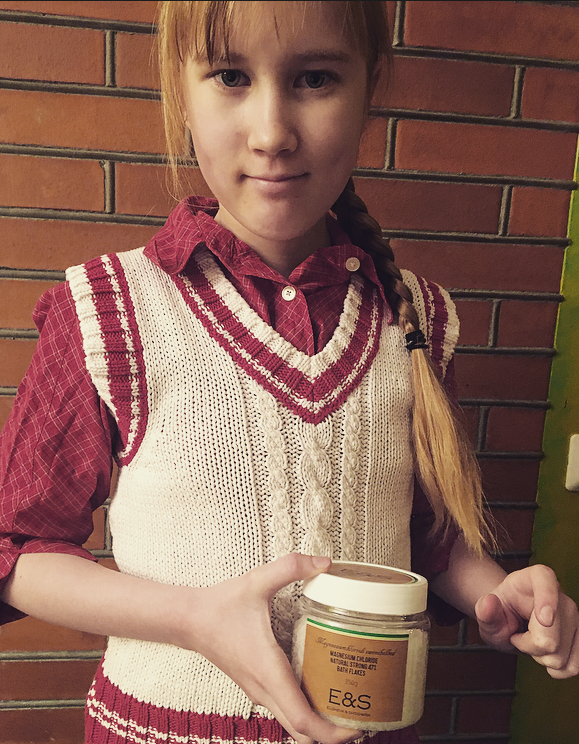
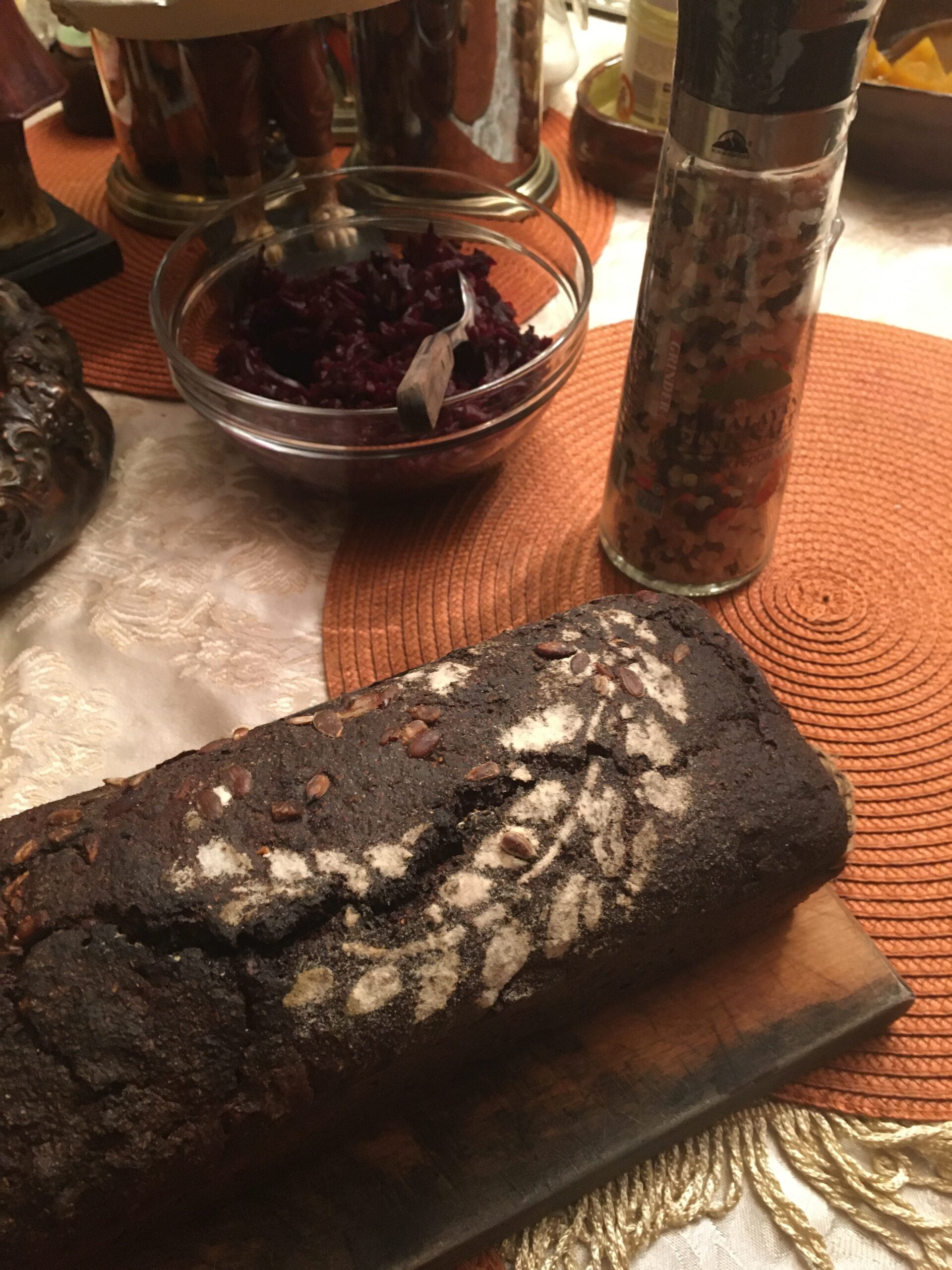
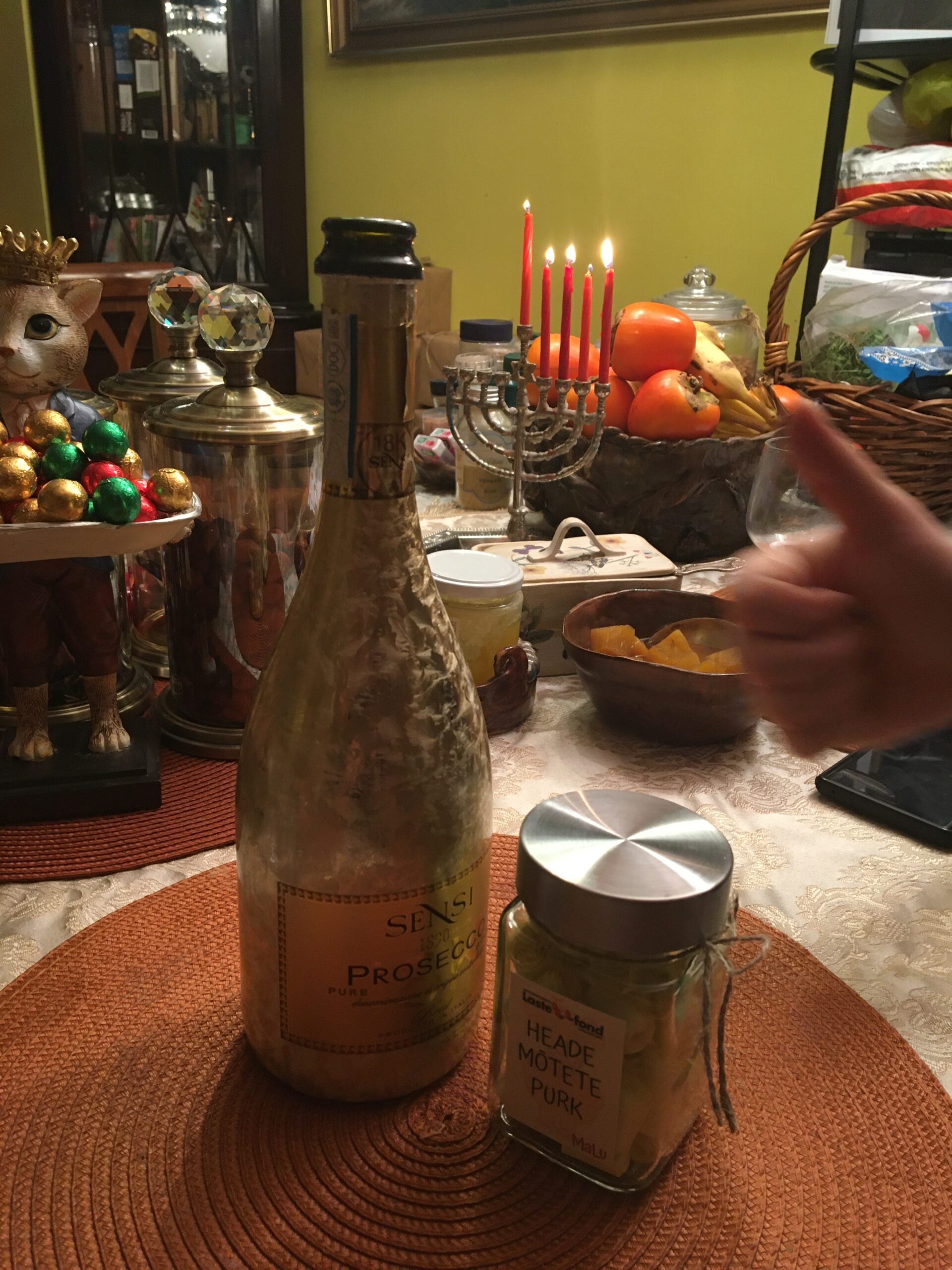
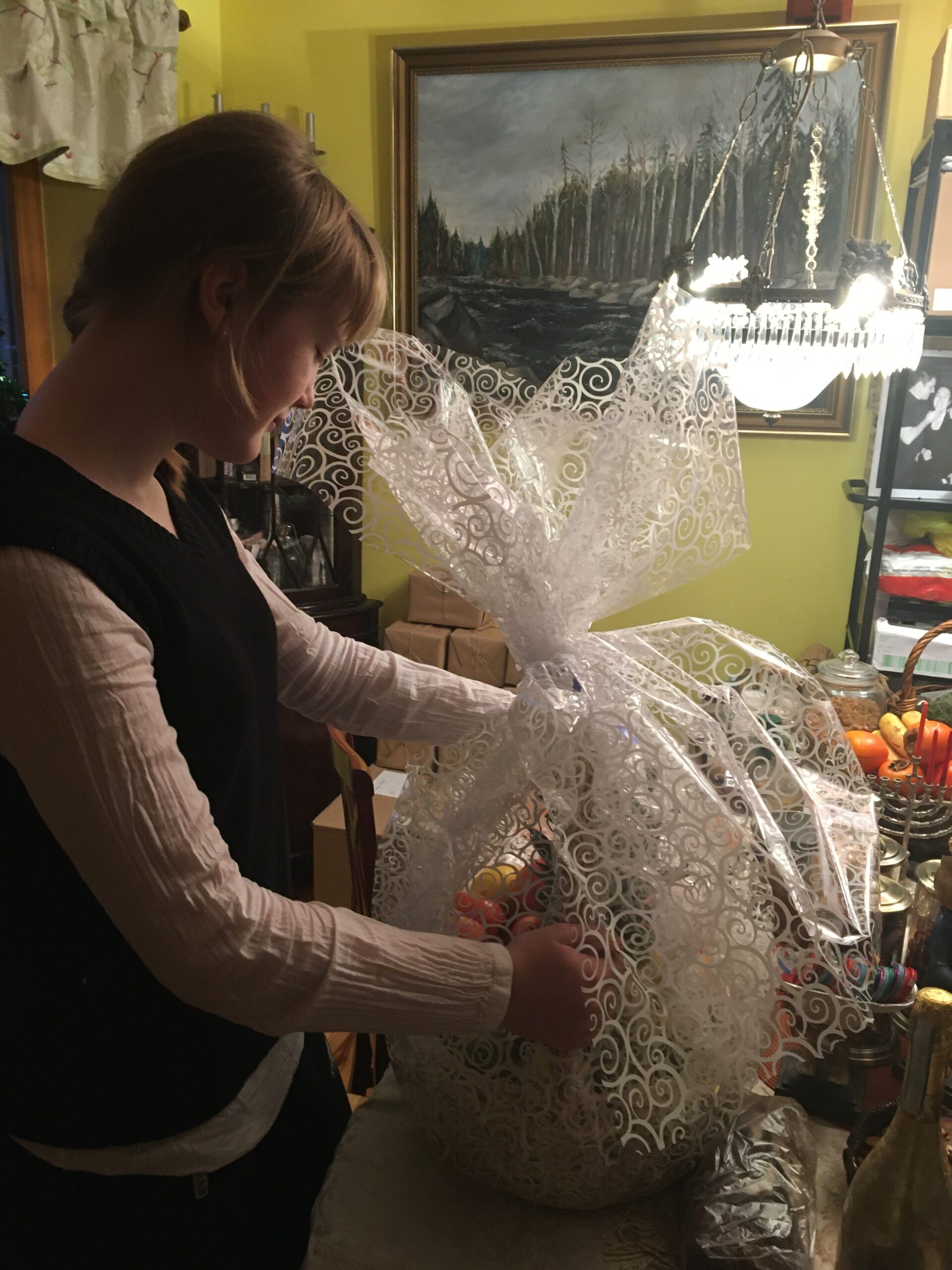
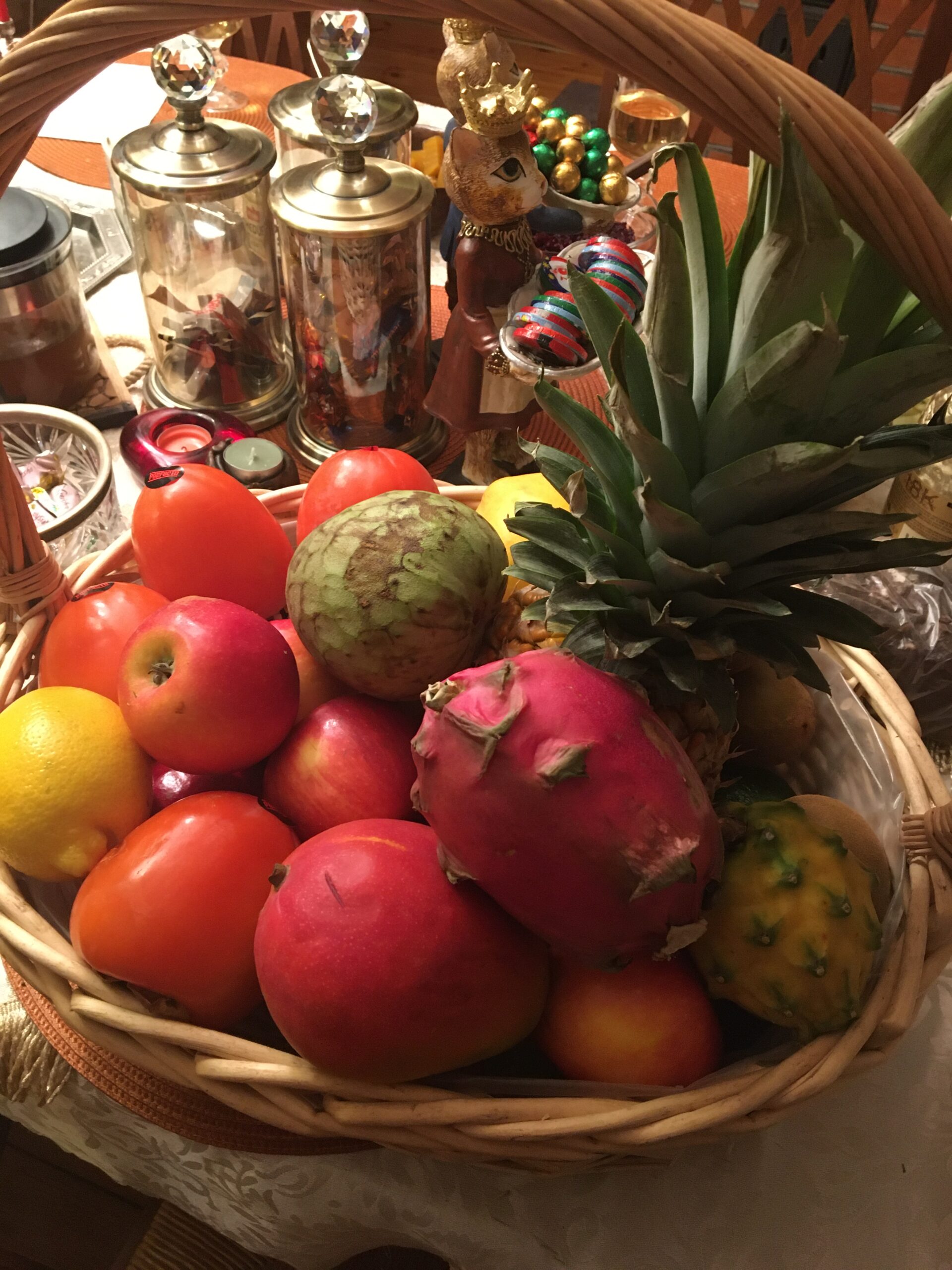
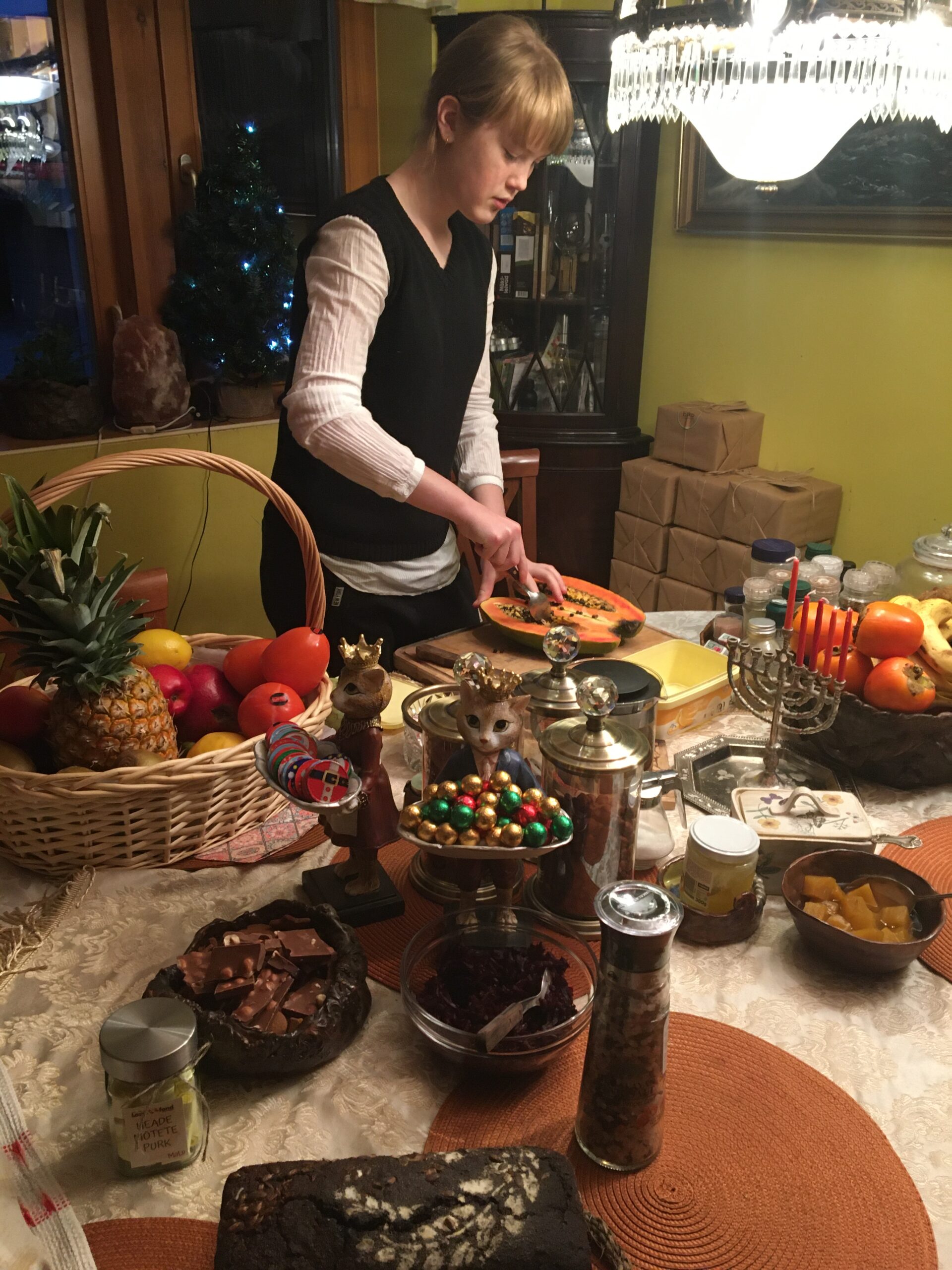
NordenBladet – Monday and Tuesday passed quickly. On Monday I ordered a new set of E&S loop-eyed visit cards that are great for adding to the gift packages, and I did some work on developing the ElishevaShoshana.com web store. The plan is to introduce new payment options besides PayPal (for example several bank links and card payments) and an automatic parcel machines selection system (Itella Smartpost, Omniva, dpd, etc.).
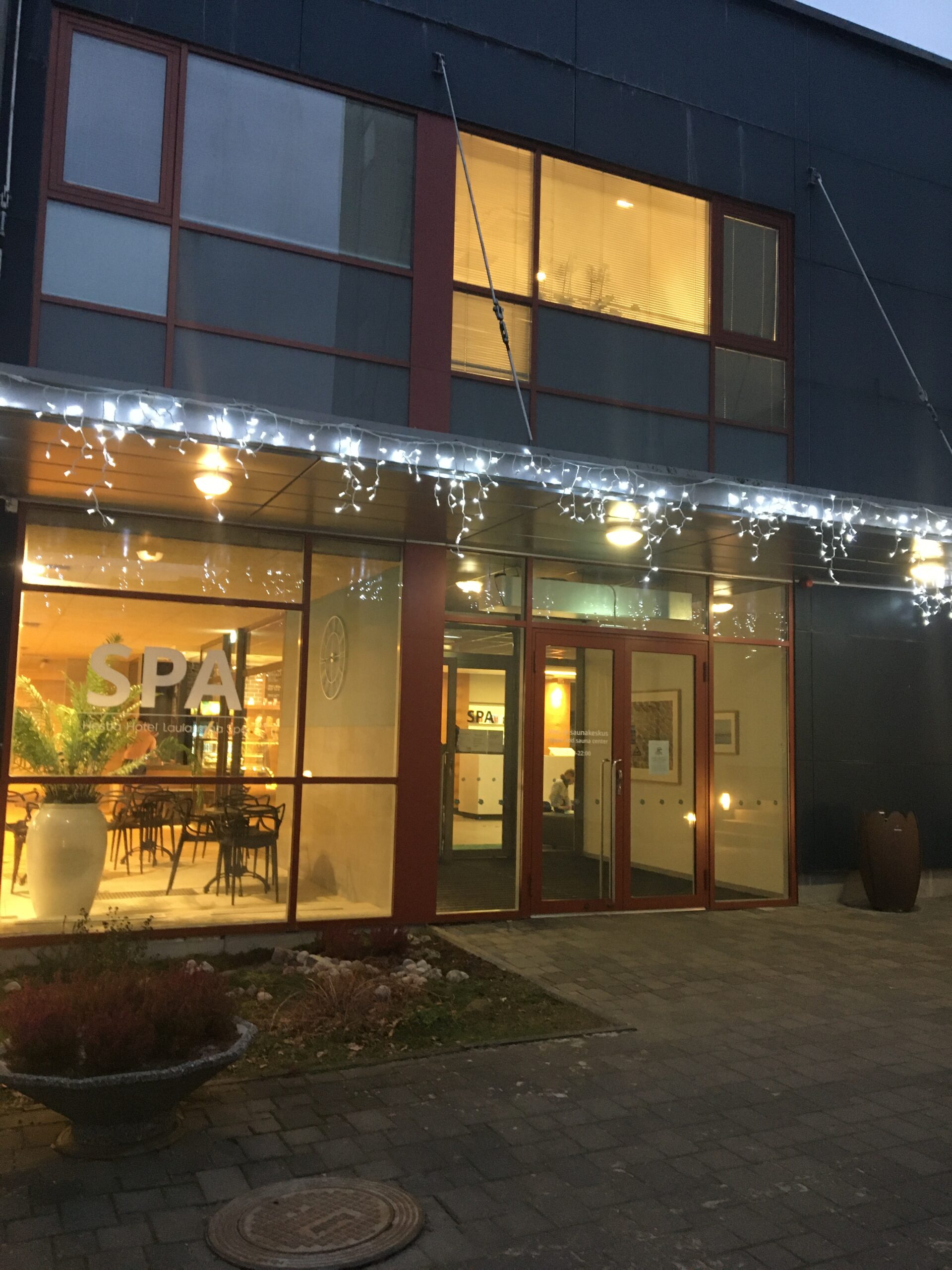
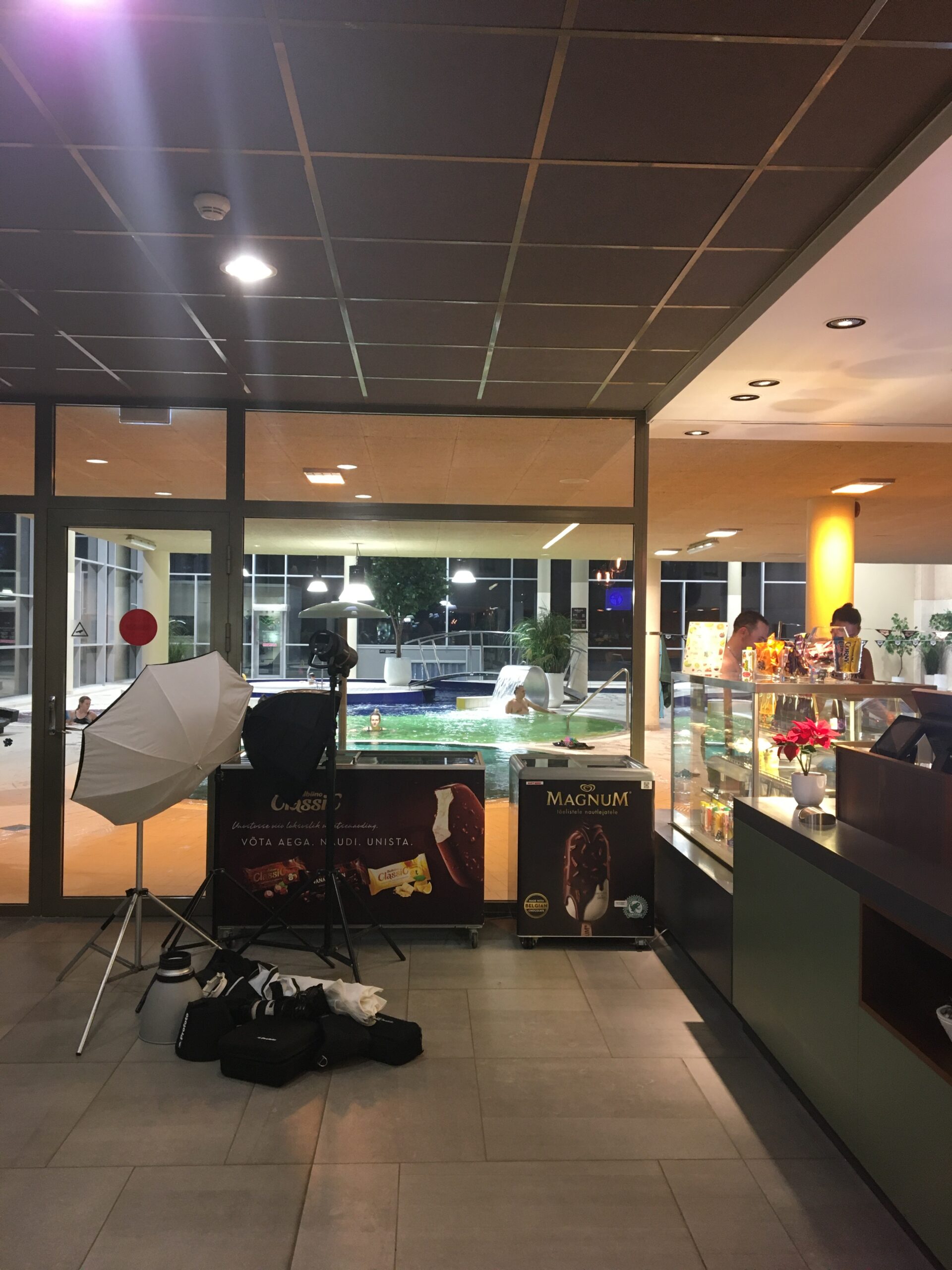
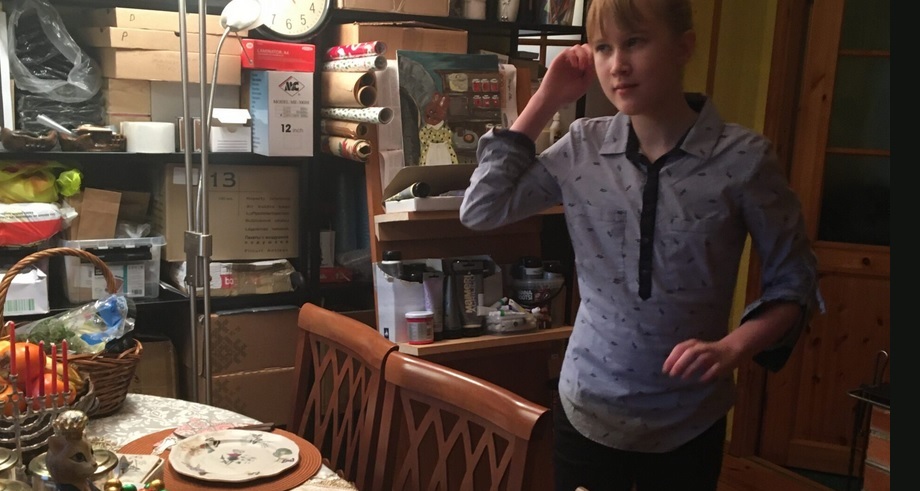
The website does require investment of working hours – new goods and items must be added, several notifications must be translated into six different languages (Estonian, Finnish, Swedish, English, Russian, Latvian) and decision must be made which service provider to join from among those that offer online shopping payment solutions. I need the webstore to run smoothly in the Nordic as well as the Baltic countries, where the majority of our clients dwell. Yesterday also accommodated some other events – the visit to Laulasmaa SPA (luckily it has not yet been closed due to coronavirus pandemic), and a little photoshoot with Ivanka. At least once every week we visit Hestia Hotel’s Aqua- and Sauna centre, due to the convenient location this destination functions as our so to say “home spa”.
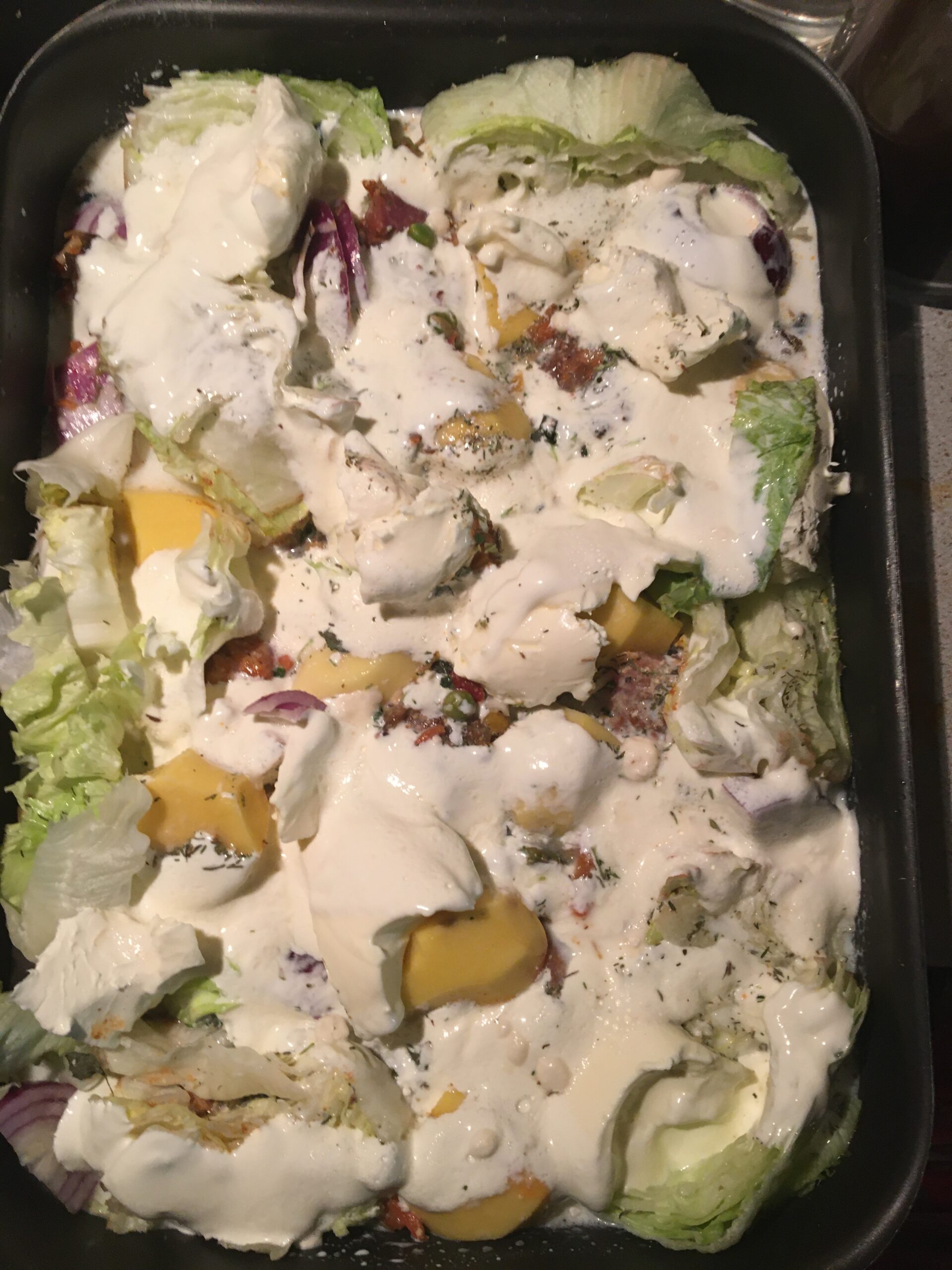
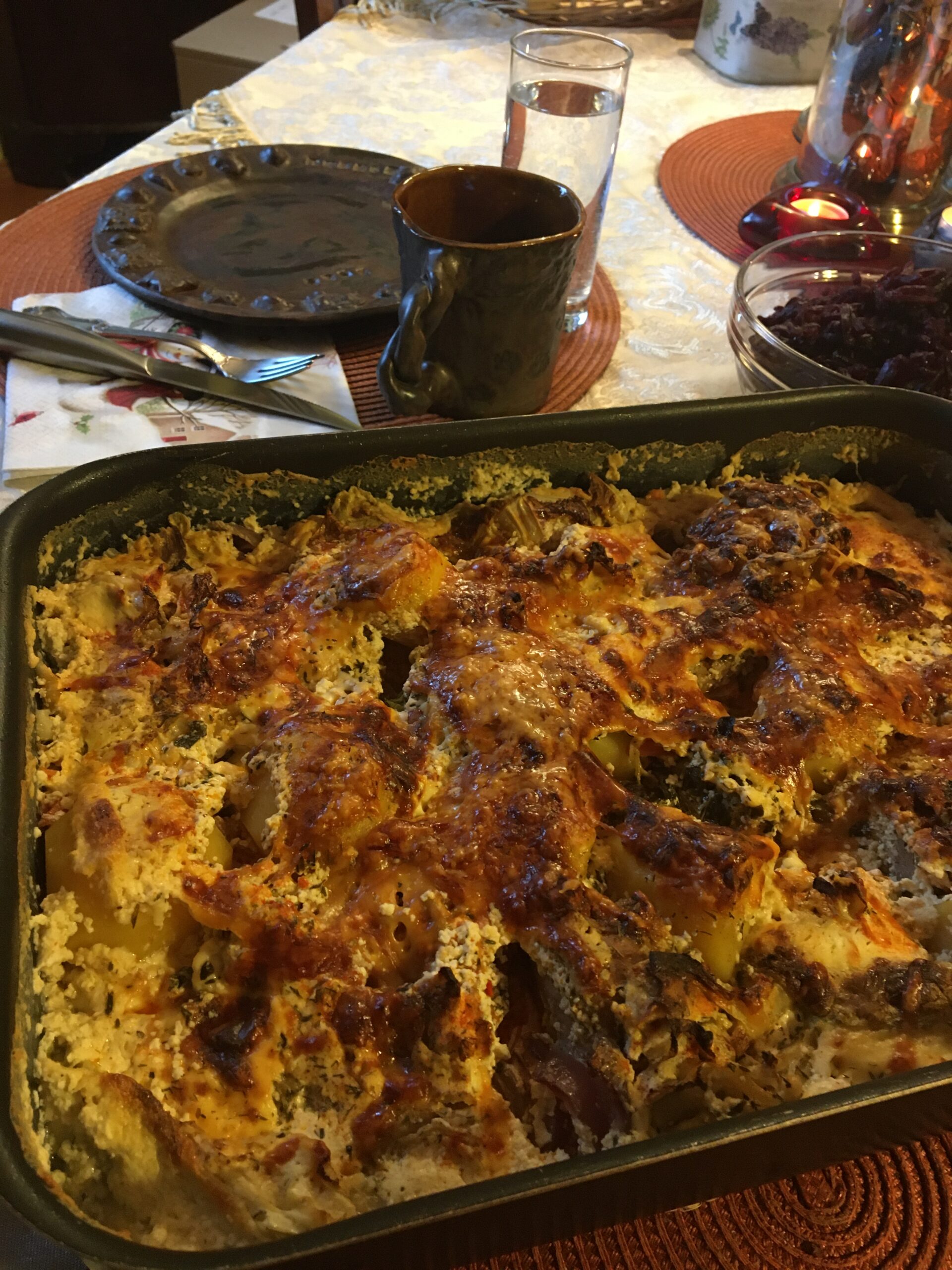
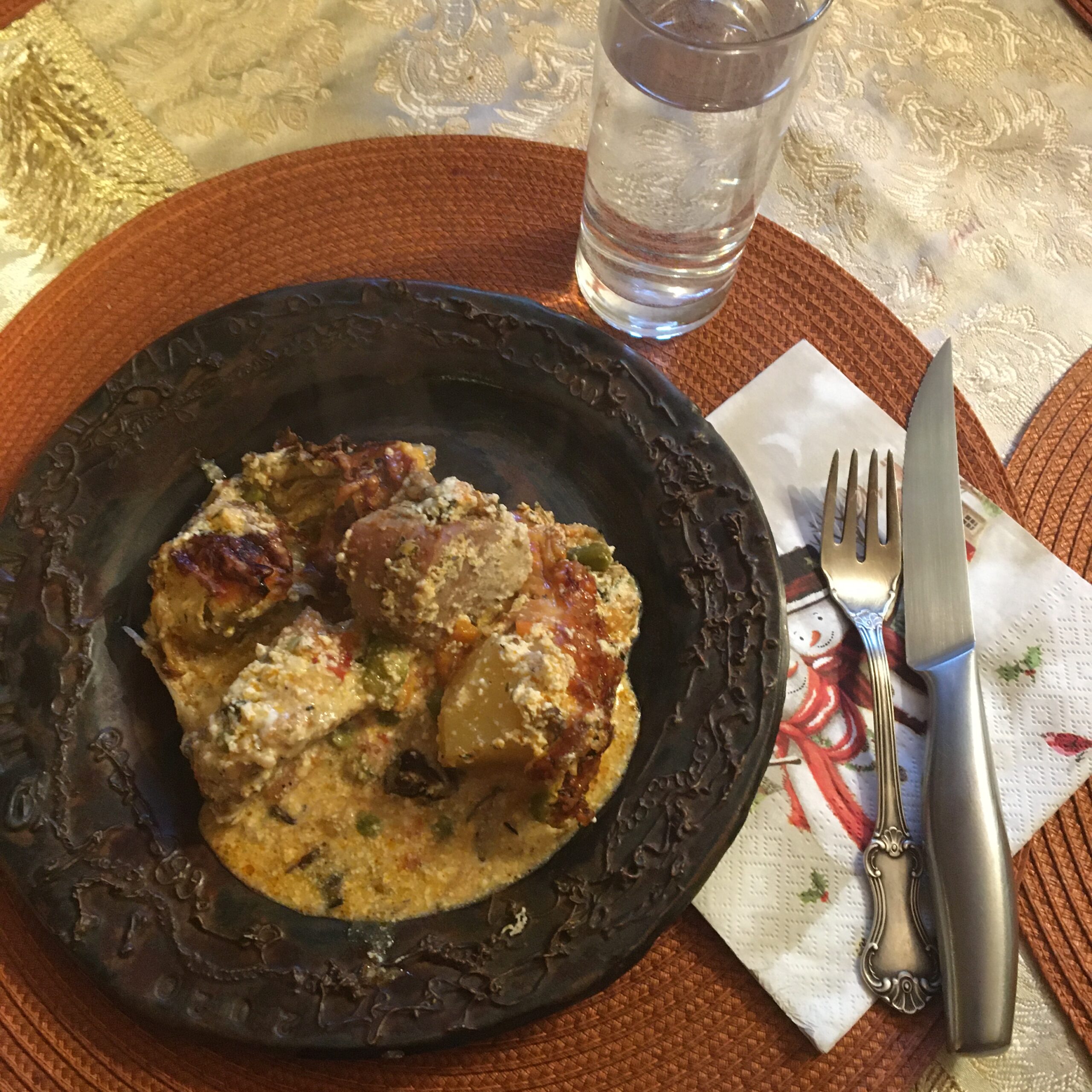
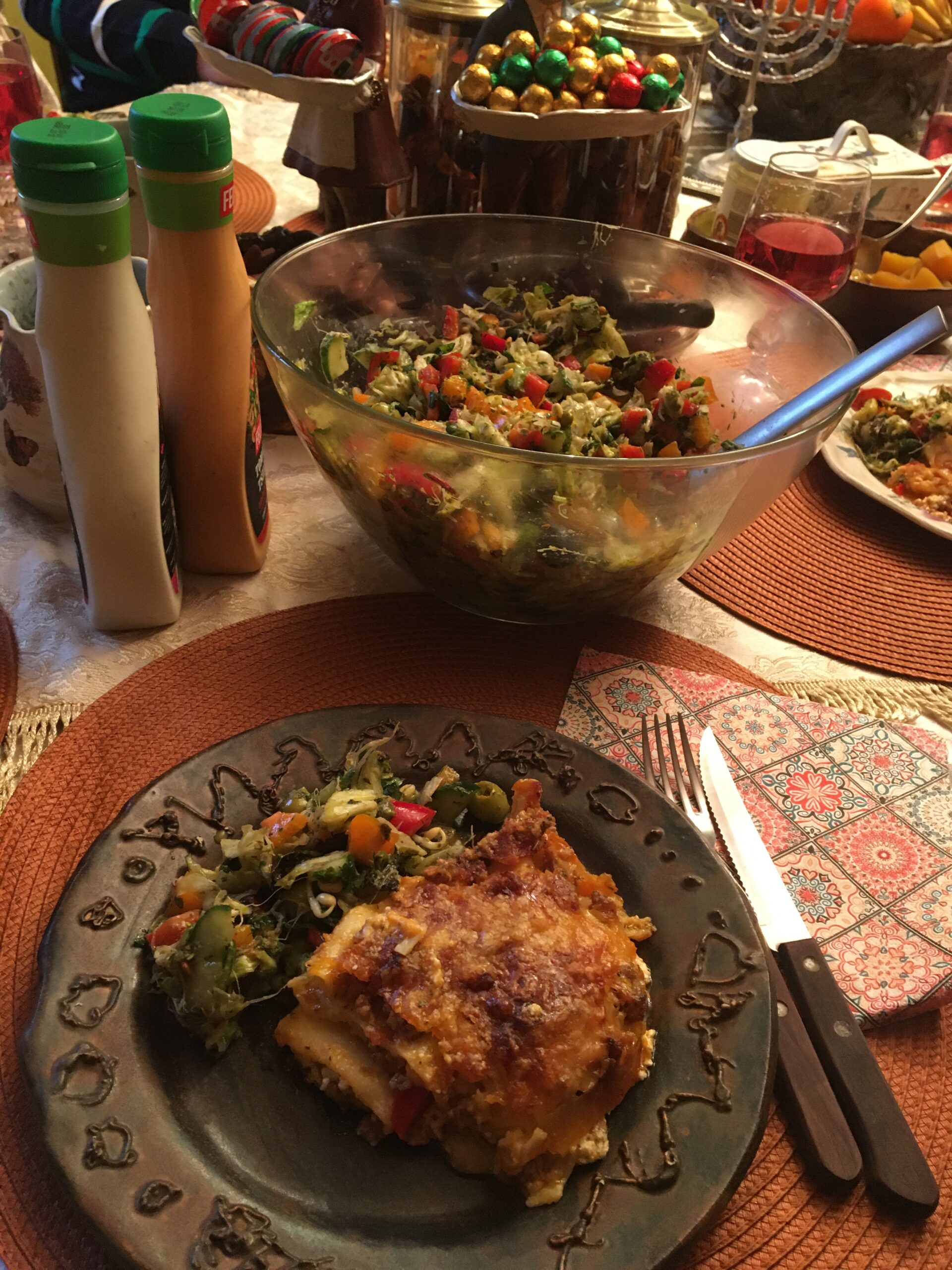
Today I woke at about 6.30. Ivanka Shoshana still attends school this week, but Estella Elisheva already started remote learning this week. In the morning I did several sets of laundry (I have no idea how there can be that lot all the time!), then I went to settle some business in the municipality and thereafter set up to prepare the lunch. I made a wonderful meat dish in a delicious cream cheese sauce. Just like many of the meals that I prepare, I get going with a fantasy recipe based on the products suitably at hand at home. Today’s casserole came out so delightful that I made notes of the recipe for my own sake, to come back to it at a later time. It just tasted so good that you don’t say 🙂
MEAT DISH IN DELICIOUS CHEESE CREAM SAUCE
What you need:
1 kg tenderloin
5-6 potatoes
2 big red onions
1 average size ice salad
200g vegetables (frozen wok mix for example)
400g Farmi “Kitchen Cream Cheese”
500g sour cream
300g milk or coffee cream
100g grated cheese (I used E-piim’s Lepasuitsu cheese)
2 tablespoonfuls of flour
Spices
Preparation:
Place chopped meat, ice salad, onion, potatoes and vegetables on the oven plate. Cover with sour cream and cream cheese (cream cheese is non-fluid so it can be added in bits), mix flour with milk and pour over the covering. Then season the dish (I added thyme, oregano, dill, sweet pepper powder, several peppers, dried garlic, coriander, mustard seeds and salt) and then sprinkle on top the grated cheese. The dish takes 200 degrees and 1.5 hours in the oven to finish.
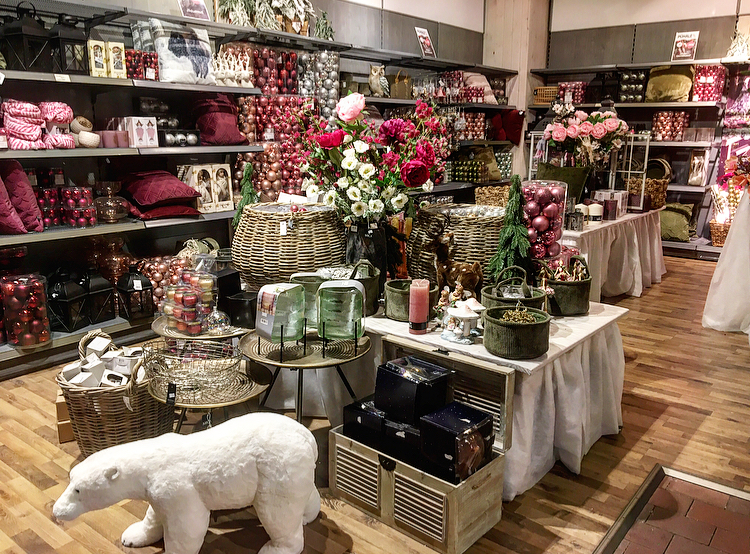
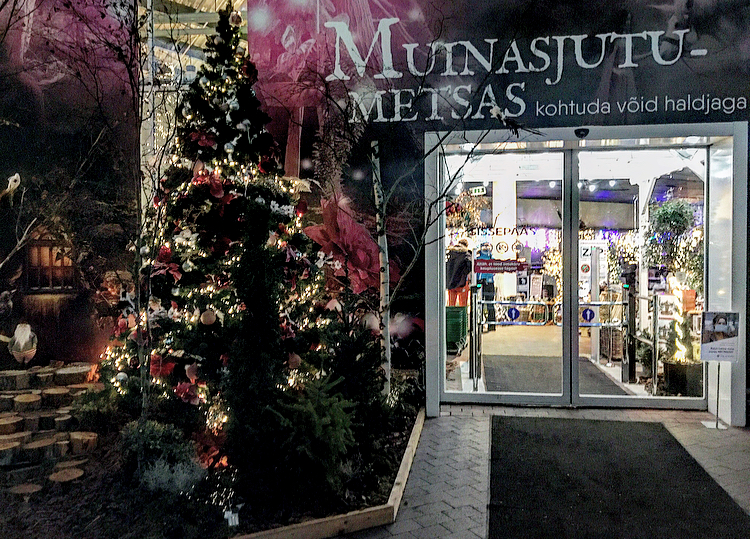
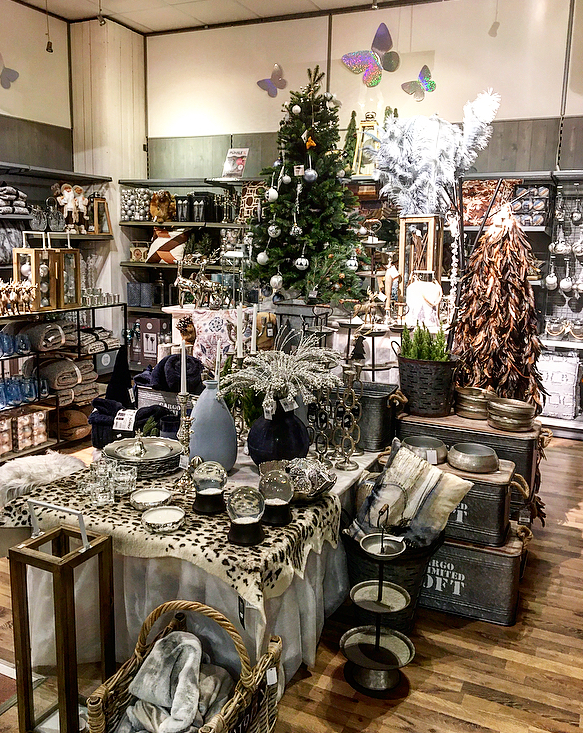
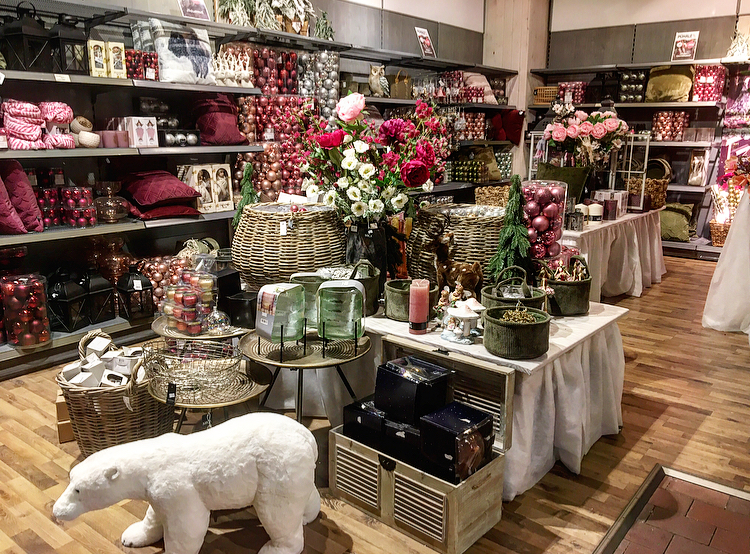
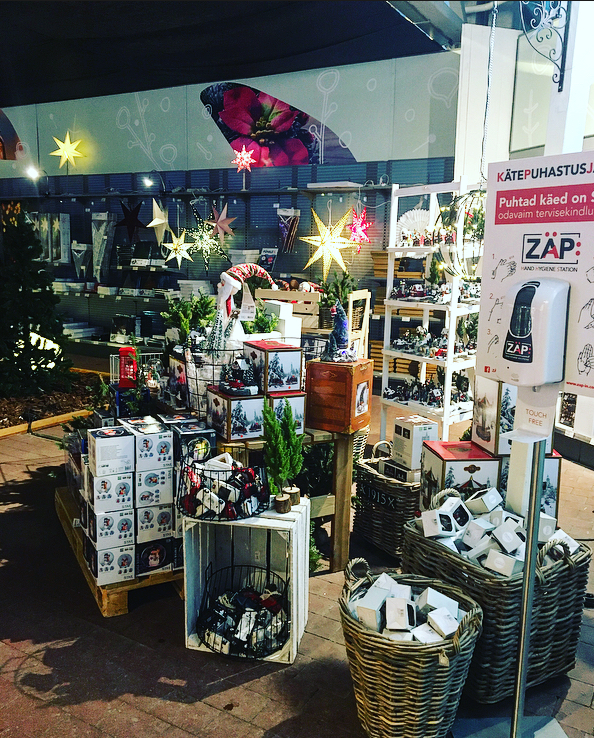
In the evening I went for a tiny shopping-walk, since some of the gift bags still had some space left. I was at Hortes and as it has been so pleasantly decorated then I spent as many as four hours there. The sign on the door welcomed visitors with the announcement: In the fairy-tale forest you are likely to meet a fairy! Just that was the feeling I got! Whoever might be the decorator/artistic director of that store definitely gets a 5+ from me! Hereby I add a few pictures for the blog post for you!
NordenBladet — The amount of business support has multiplied during the COVID-19 pandemic and, at the same time, the policy objectives for business support have completely changed from those applicable in normal times. At the beginning of the crisis, the main aim was to help companies with liquidity problems avoid bankruptcy. In the longer term, financial business support should be directed to the development of business activities.This is the conclusion of the report drawn up by the Research Division on Business Subsidies focusing on the COVID-19 financial support for businesses. The report does not include a detailed assessment of the COVID-19 support, but provides guiding principles for future evaluation by the Research Division. A broader assessment of the support for business development is to be published in spring 2021 as part of the annual report.Support must develop business activities in the long termIn the report, the COVID-19 pandemic is divided into three stages and the focus is on the impact on the economy and businesses. These stages are the partial closure of the economy, the recovery phase and the return to normal conditions.In the early phase of the COVID-19 crisis, the economy partially closed down. Strict restrictive measures quickly weakened companies’ liquidity, but uncertainties about the depth and duration of the crisis restricted companies’ willingness and possibilities for borrowing. This also reduced the effectiveness of guarantees and loans as forms of business support. This speaks in favour of using direct financial support for businesses.In the recovery phase, the role of business support will decrease as the economy returns towards normal conditions. Once companies and their financiers are able to anticipate the future and business risks again, the importance of guarantees and loans as forms of support will increase substantially and the importance of direct support diminish.In the long term, the aim is to reintroduce business support measures that help develop companies and their production rather than maintain the existing business structures and level of employment. Prolonged support periods can maintain business and industry structures that no longer meet demand after the crisis. This increases the risk of companies that are financially less profitable and can only remain in business with the help of financial support that does not encourage them to develop their activities.COVID-19 affects services and private consumptionThe report also compares the COVID-19 crisis with the two previous recession periods which began with the 1990s economic depression and 2008 financial crisis. The findings are very preliminary, as the coronavirus pandemic is still ongoing.The effects of COVID-19 on industrial production seem moderate compared to the financial crisis in particular. The effects of COVID-19 are largely felt by services. Compared to the previous crises, COVID-19 has heavily targeted private consumption, while the impact on investments has been moderate. In terms of the impact on unemployment, the 1990s recession is in a class of its own.Research Division on Business Subsidies will carry out an impact assessment of business development supportAn independent Research Division on Business Subsidies was established in 2019 under the Ministry of Economic Affairs and Employment. It produces information on the development of the business support scheme and promotes high-quality impact assessment and utilisation of research in policy-making and societal discussion. In 2019–2023, the Research Division is chaired by Seija Ilmakunnas (Professor of Practice, University of Jyväskylä). Its members are Minna Martikainen (Professor, Hanken School of Economics), Mikko Puhakka (Professor, University of Oulu), Hannu Salonen (Professor, University of Turku) and Rune Stenbacka (Professor, Hanken School of Economics).In August 2020, the Ministry of Economic Affairs and Employment launched an independent assessment of the business support made available to companies to address the liquidity problems they were experiencing due to the COVID-19 pandemic. The first stage involves assessing the short-term effects of the COVID-19 support.
NordenBladet — Procedural errors in public procurement processes have decreased in light of the case-law, according to a report released by the Public Procurement Advisory Unit maintained by the Ministry of Economic Affairs and Employment and the Association of Finnish Local and Regional Authorities. The purpose of the report was to gain information on those procedures of the procurement process which the Market Court has ruled to be in breach of the Act on Public Procurement and Concession Contracts.For the report, the Market Court’s decisions between 1 January 2017 and 31 December 2019 were analysed. The findings are comparable to those of a similar report compiled by the Unit in 2011.Based on the contract notices published, in 2017–2019 over 40,000 procurements were implemented in Finland in accordance with the 2017 Act on Public Procurement and Concession Contracts. Altogether 364 of the procurement decisions were referred to the Market Court for review, which is 1–2 per cent of the implemented procurements. The corresponding figure was approximately 5% in 2011.The value of the Finnish public sector’s procurements is approximately EUR 35 billion, or on average 16% of the country’s GDP annually. Public procurement often accounts for about half of the general government budget.An error in less than half a per cent of procurementsThe Market Court ruled that a procedural error had been made in 161 cases during the period under scrutiny, which corresponds to only about 0.4 per cent of the implemented procurements. The errors were typically related to an exclusion of a tenderer or tender from the competitive tendering.– The situations to which the Act on Public Procurement and Concession Contracts is applied have become somewhat more complex. Luckily, however, this does not show up in the statistics on case-law, says Senior Legal Counsel Katariina Huikko from the Public Procurement Advisory Unit.Legislative reform has led to fewer procedural errorsThe Public Procurement Advisory Unit assessed in the report that the 2017 amendments to the Act on Public Procurement and Concession Contracts have significantly contributed to the decrease in the number of cases and errors. The reform of the Act raised the national thresholds, made the procedural rules governing national procurements more flexible, and relaxed the regulations related to procurement decisions. In addition, court fees were raised.– The 2017 Act on Public Procurement and Concession Contracts is an improvement on the previous situation. However, it is important that we continue to monitor the situation while developing the procurement legislation, says Antti Neimala, Director General at the Ministry of Economic Affairs and Employment.The Public Procurement Advisory Unit will make use of the results in its own activities, seeking to provide advice especially on the stages and themes of the procurement process that present most challenges.
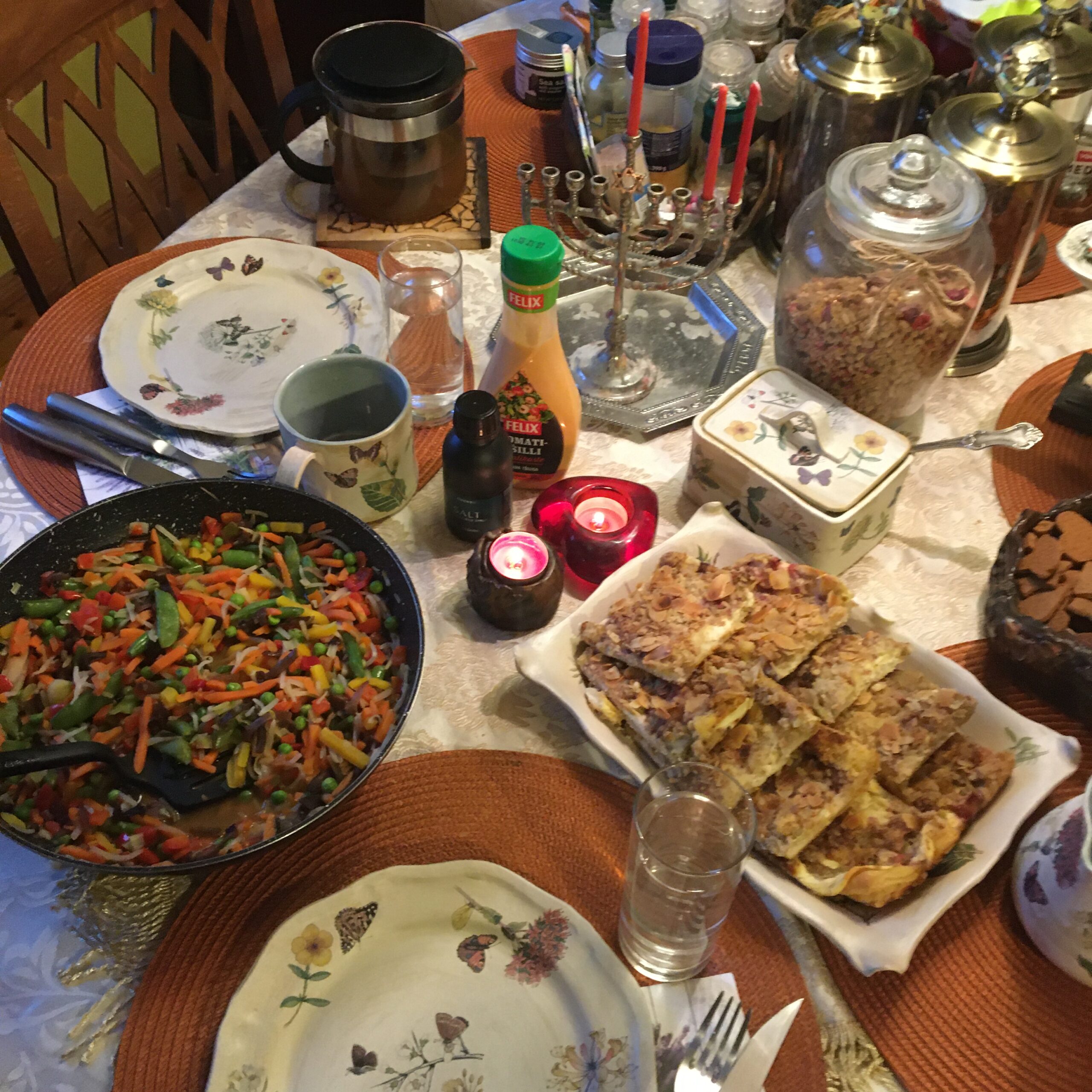
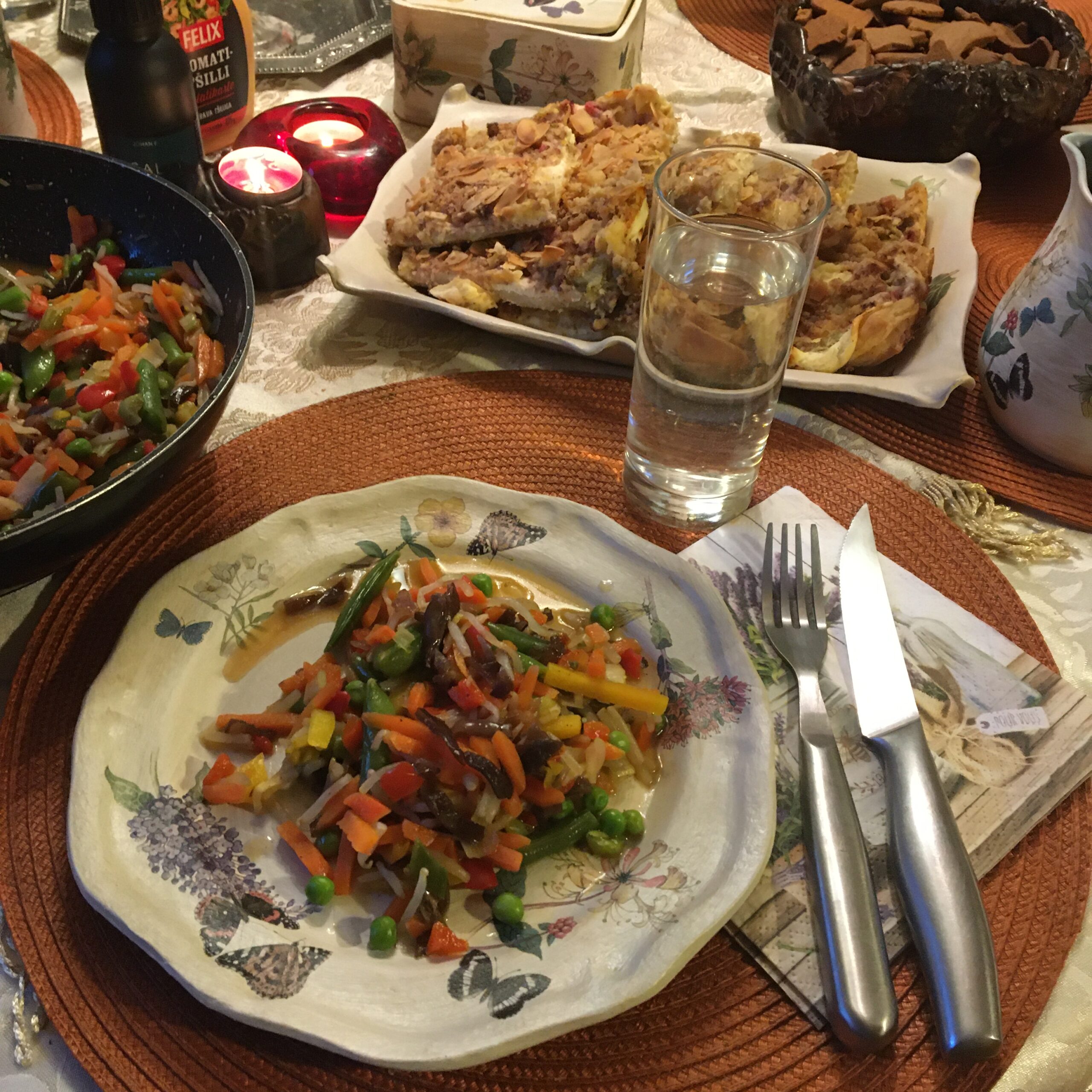
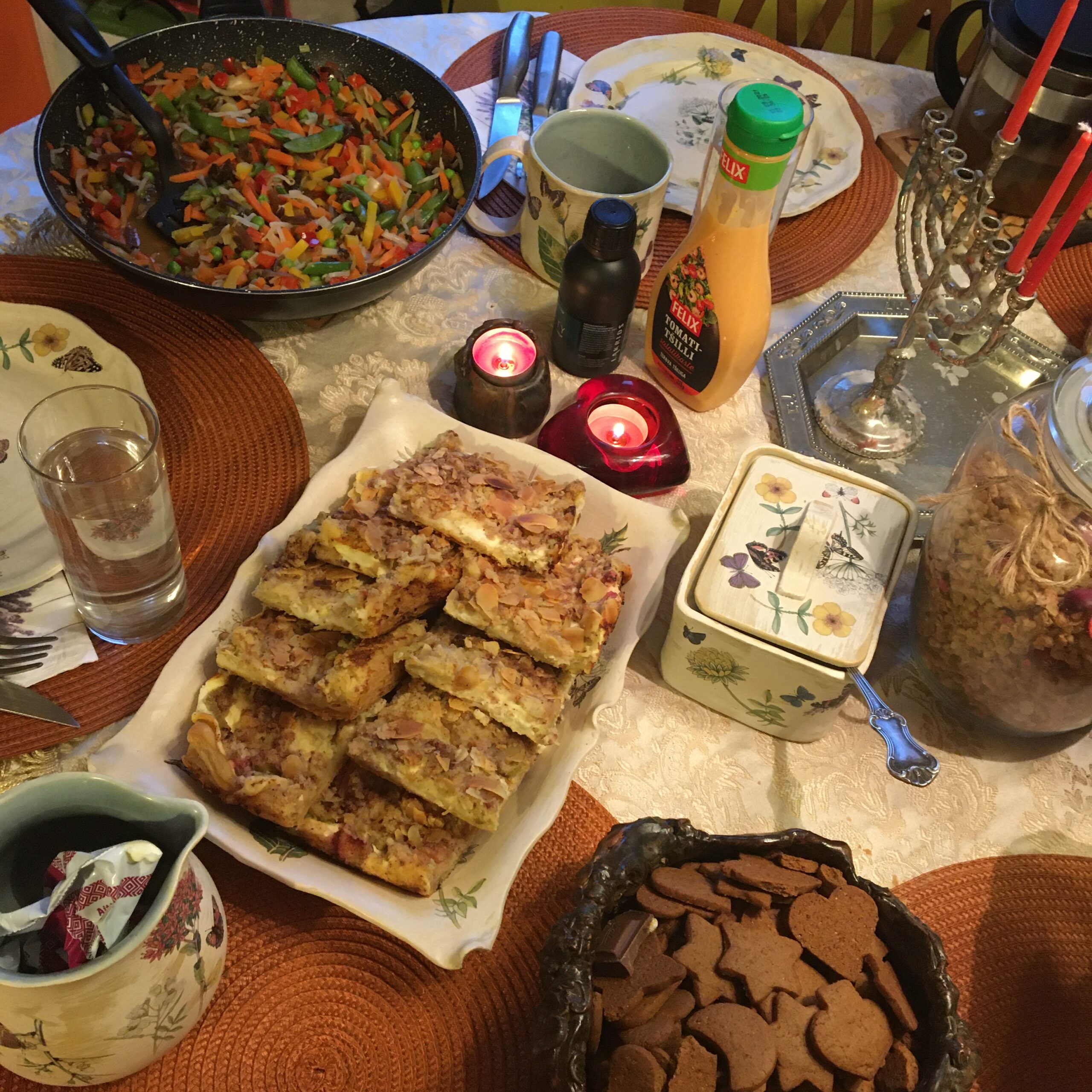
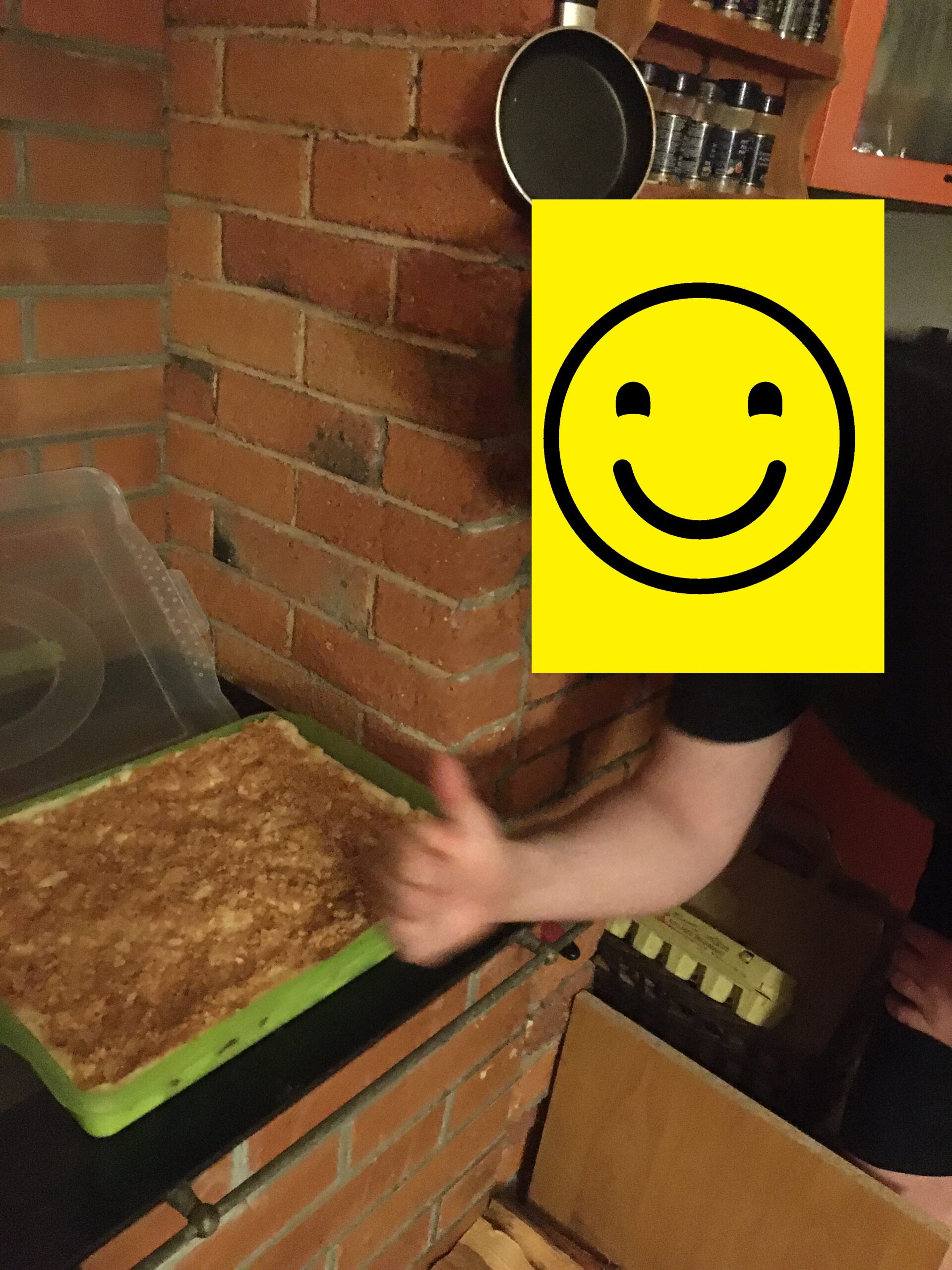
NordenBladet – The weekend has passed under the subtitle of cooking and enjoying delicious food. On Friday I made some tasty wok dish and we ate the rhubarb-almond cheesecake that I has made on Thursday. Along with it I prepared the wonderful meadsweet tea (which naturally was prepared from the herbs gathered and dried by myself). My new favourate is Felix’s tomato-chili sauce, it is a great match to accompany the fresh salad as well as the heated wok dish.
Mostly I take frozen vegetables to make the wok dish. It tastes lovely when you mix Härmavili’s “Wok mix” (400g product contains carrots, mungoa sprouts, red sweet pepper, green peas, black mushrooms, leek and pea pods) and Maahärra “Vegetables with Asian spices for frying” (400g product contains generally the same ingredients as the wok mix). It is a simple food to prepare, when you look for low calories (100g will give just 33kcal) and wish to have the food on the table in an instant.
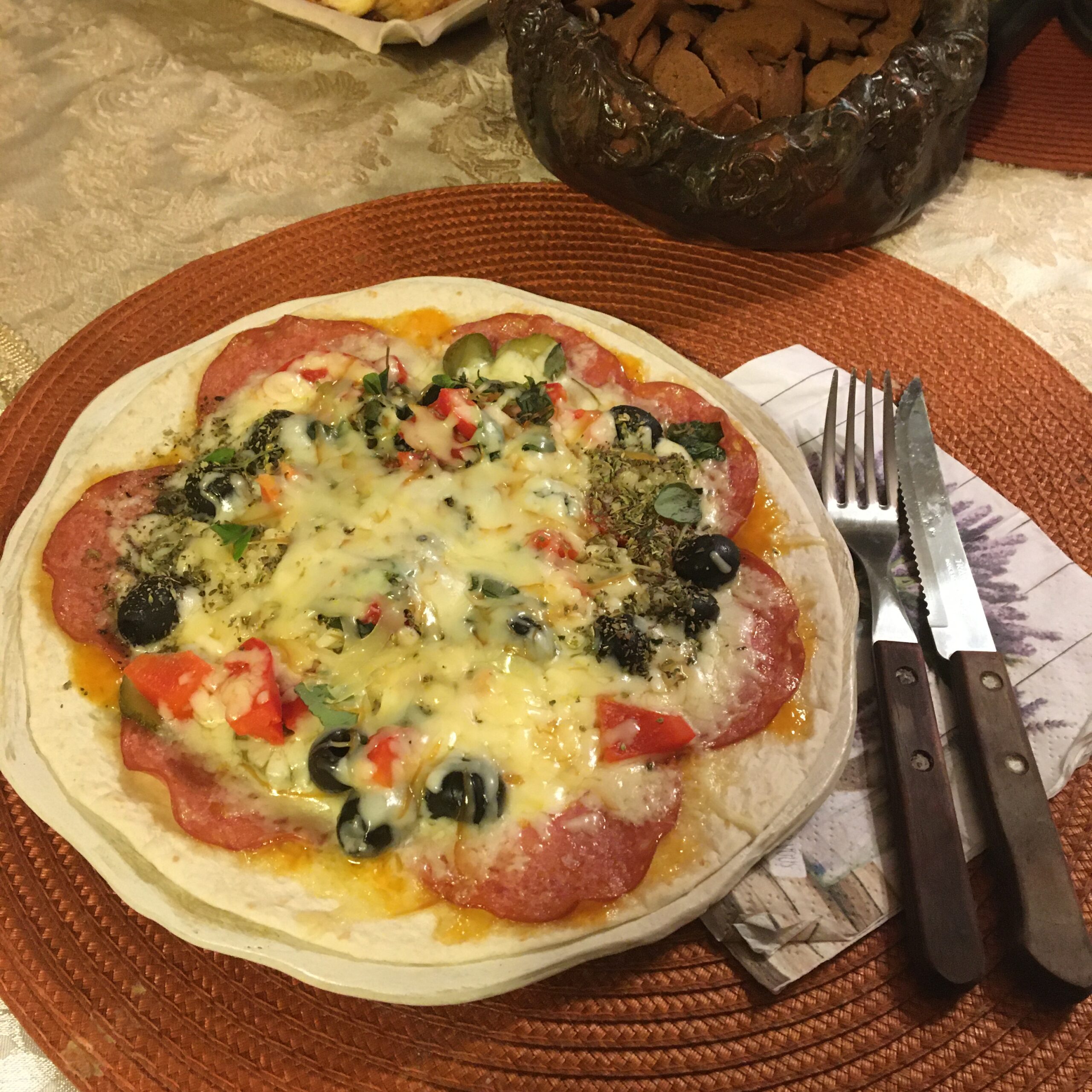
The weekend menu also included a Tortilla pizza. The preparation of that is also incredibly easy and the food is ready indeed in a few minutes. For the pizza base I used Santa Maria “Tortilla Original” wheat flour bread and on top of it I built a covering from what the fridge had: a bit of Felix tomato ketchup, Rakvere traditional salami, black pitted olives, Sunfood pickled cucumber, red sweet pepper and plenty of grated cheese. I seasoned everything with fresh oregano and dried dill and thyme. Then for two minutes to the microwave oven -et voilà- the pizza was ready. Yummi…
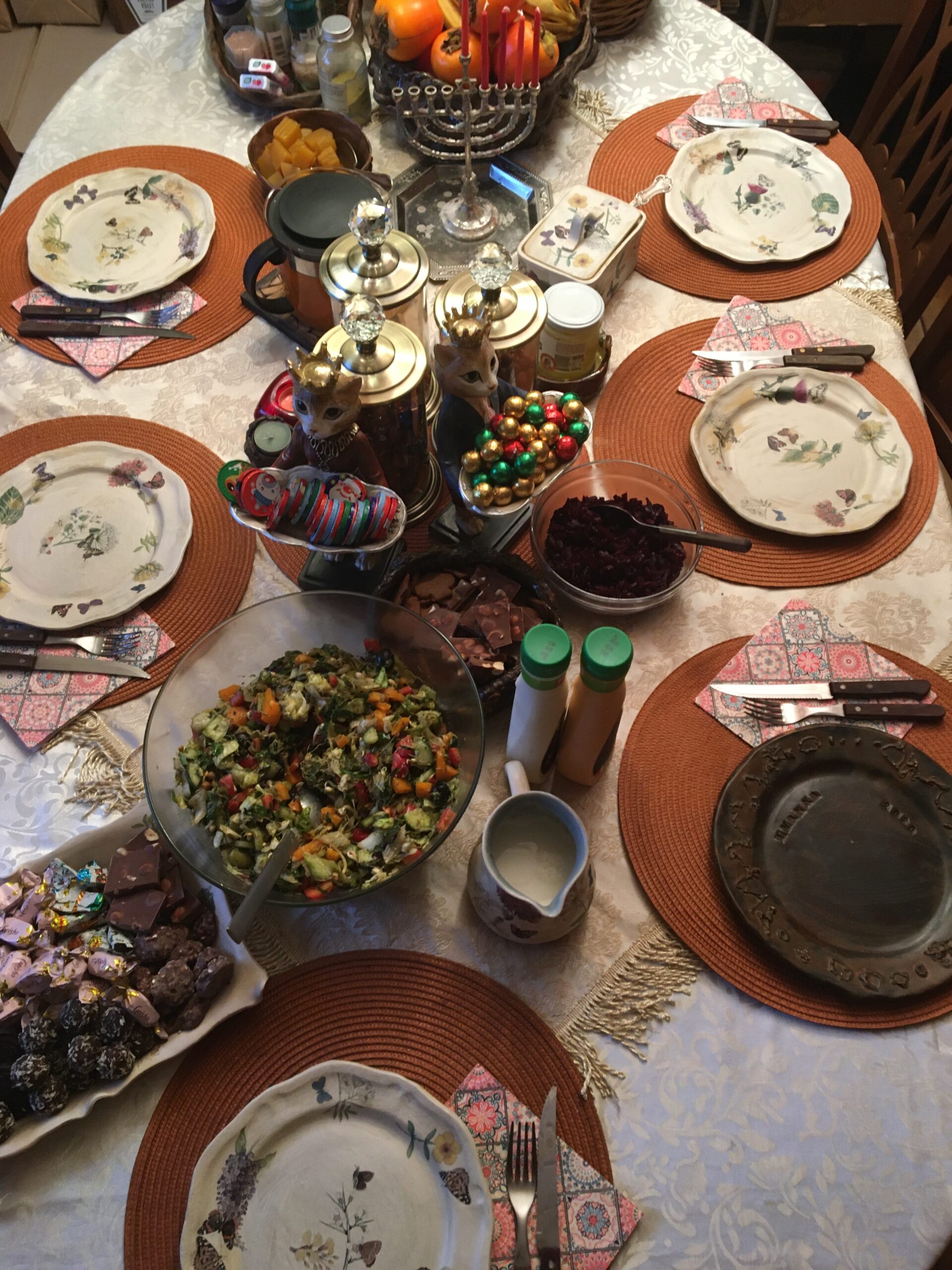
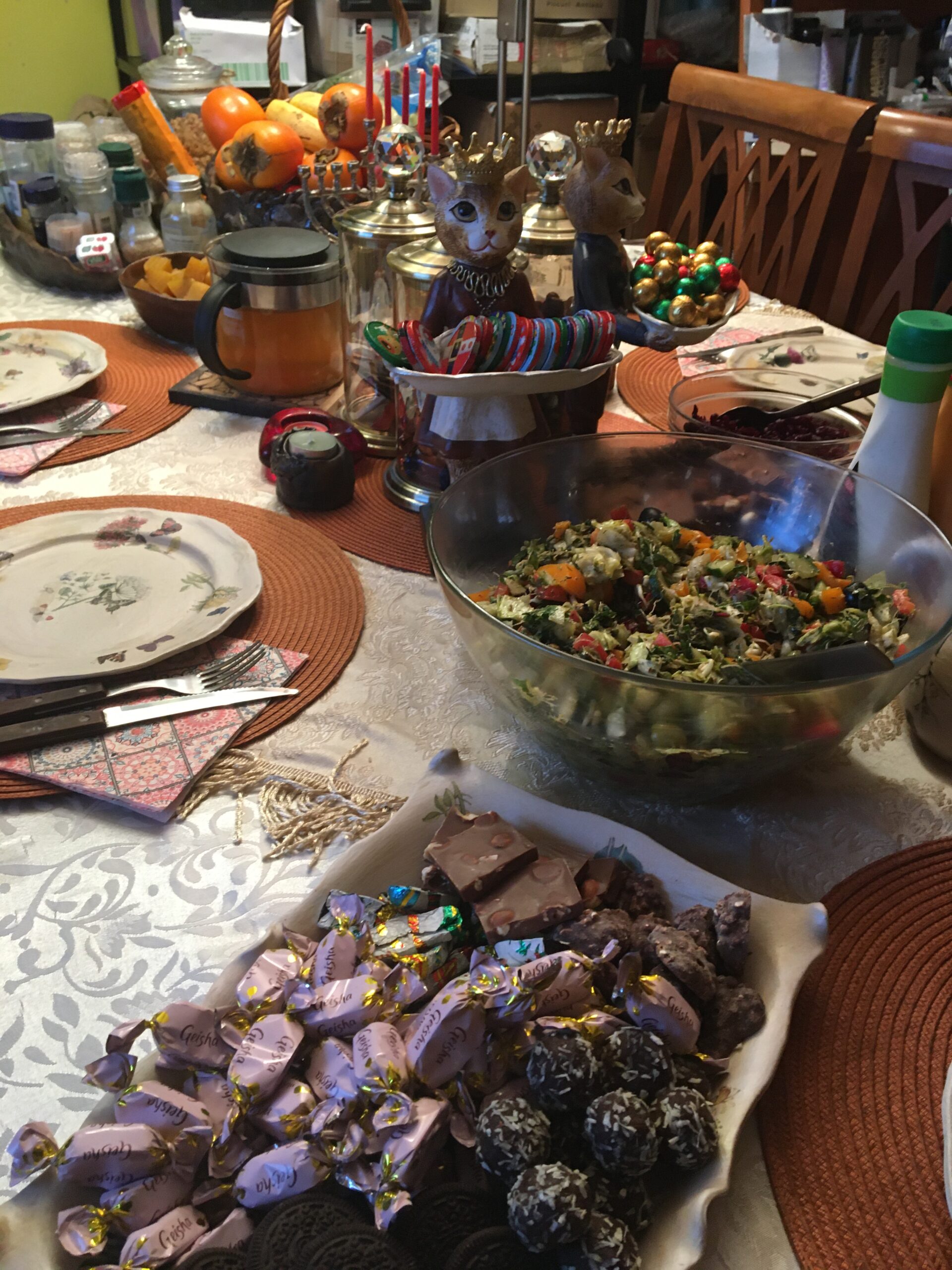
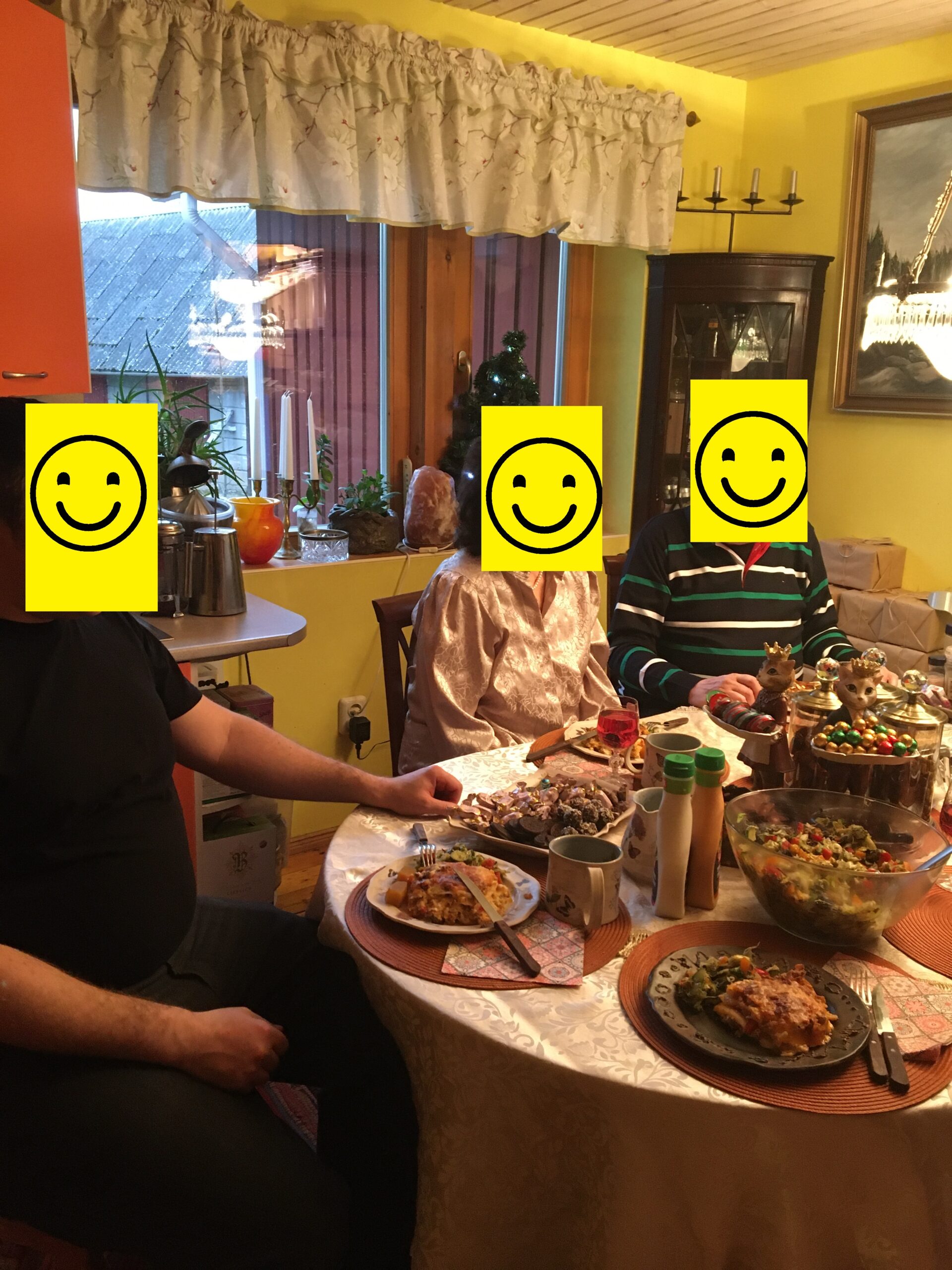
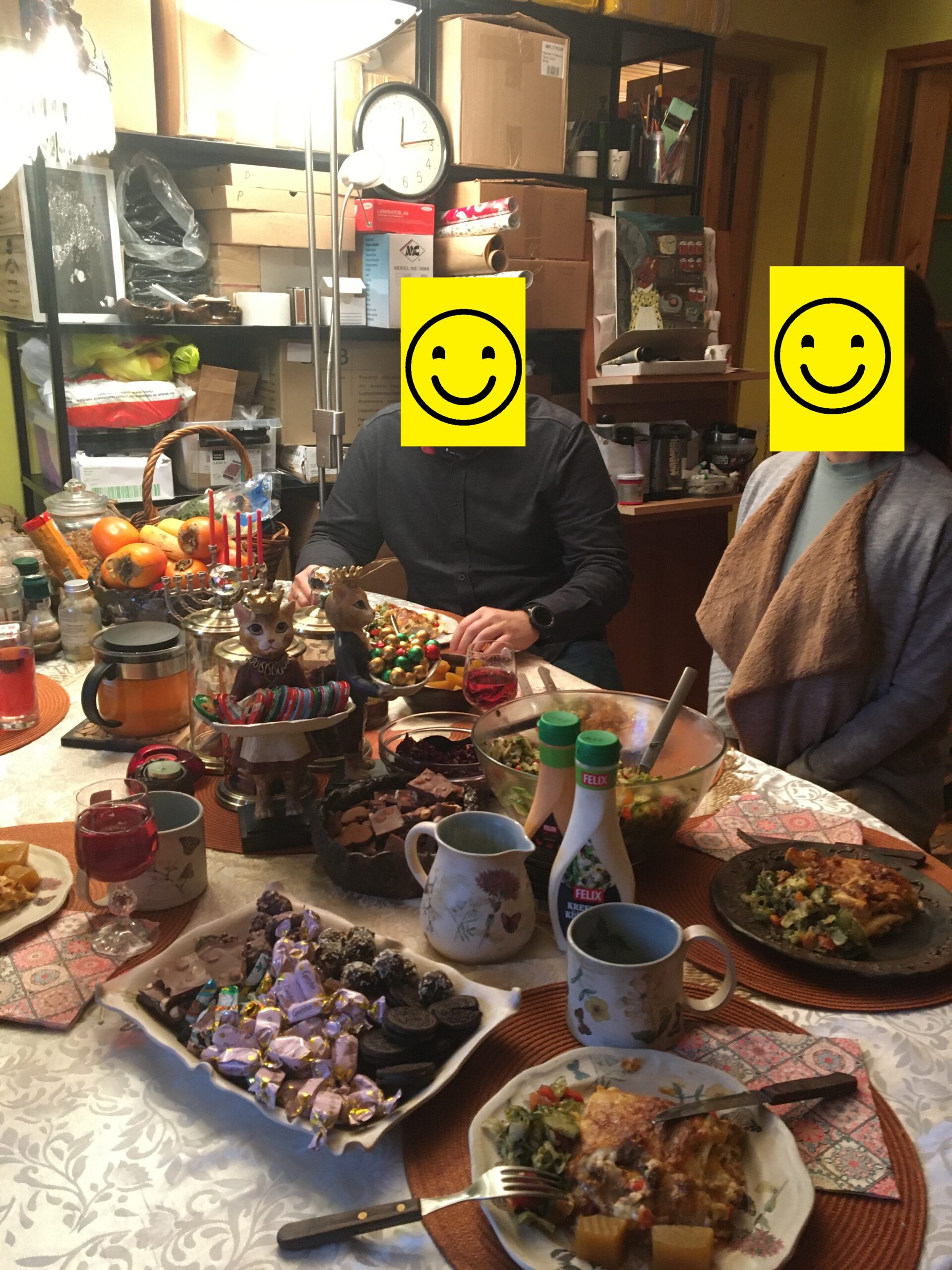
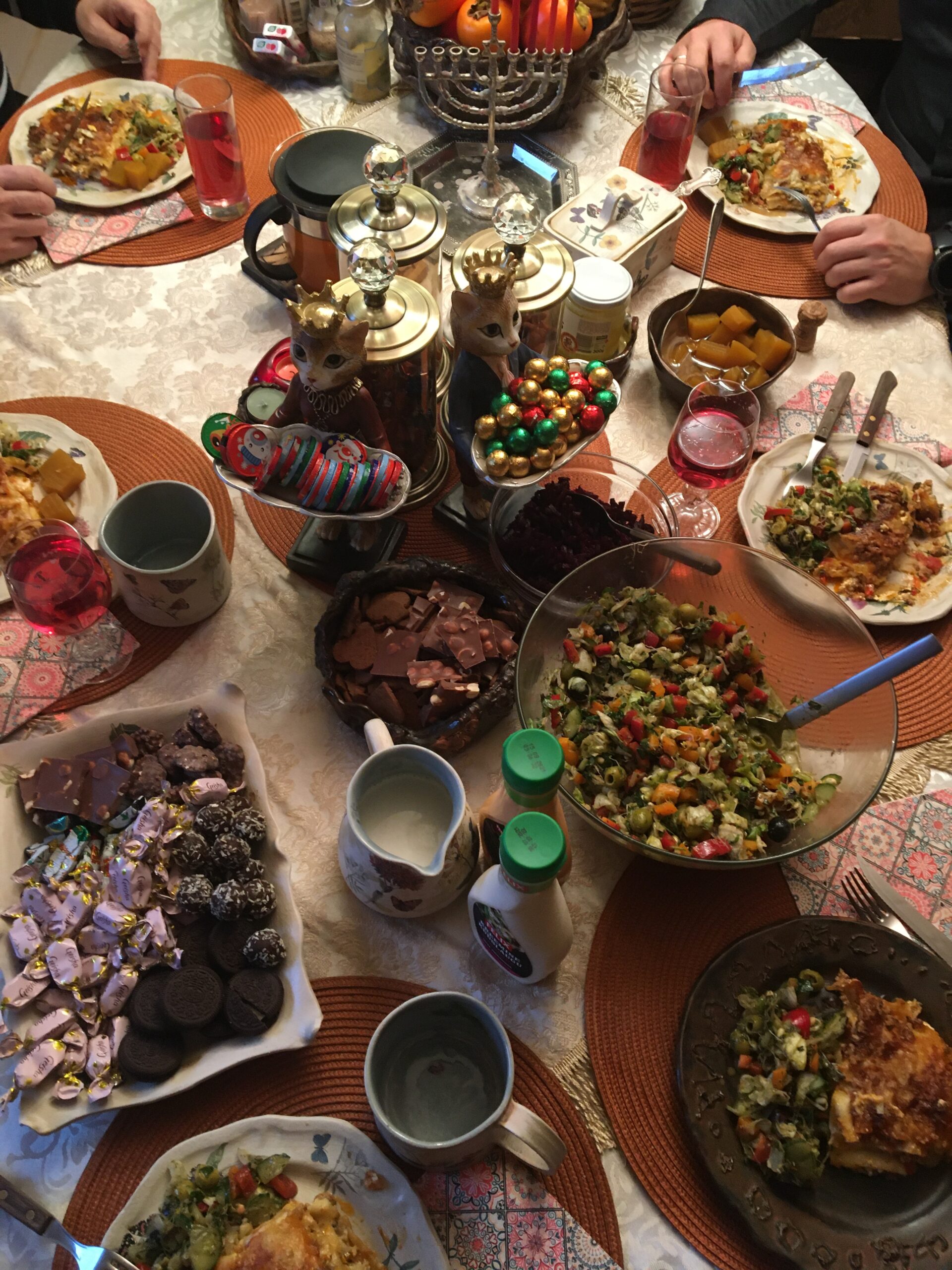
On Sunday the house was packed with guests and for that occasion I prepared lasagne (which is Ivanka’s current favourite), fresh salad, and Napoleon cake. I made the grown-ups’ table in the kitchen and the youngsters’ table in the living room. It was a wonderful day! Estella Elisheva played Telemann’s Fantasy No4, first part on the violin and compiled a grand exciting four-section quiz that covered questions about sport, cinema and music, nature, and general knowledge. We talked, enjoyed the food, lit Hanukkah candles every night, and feasted.
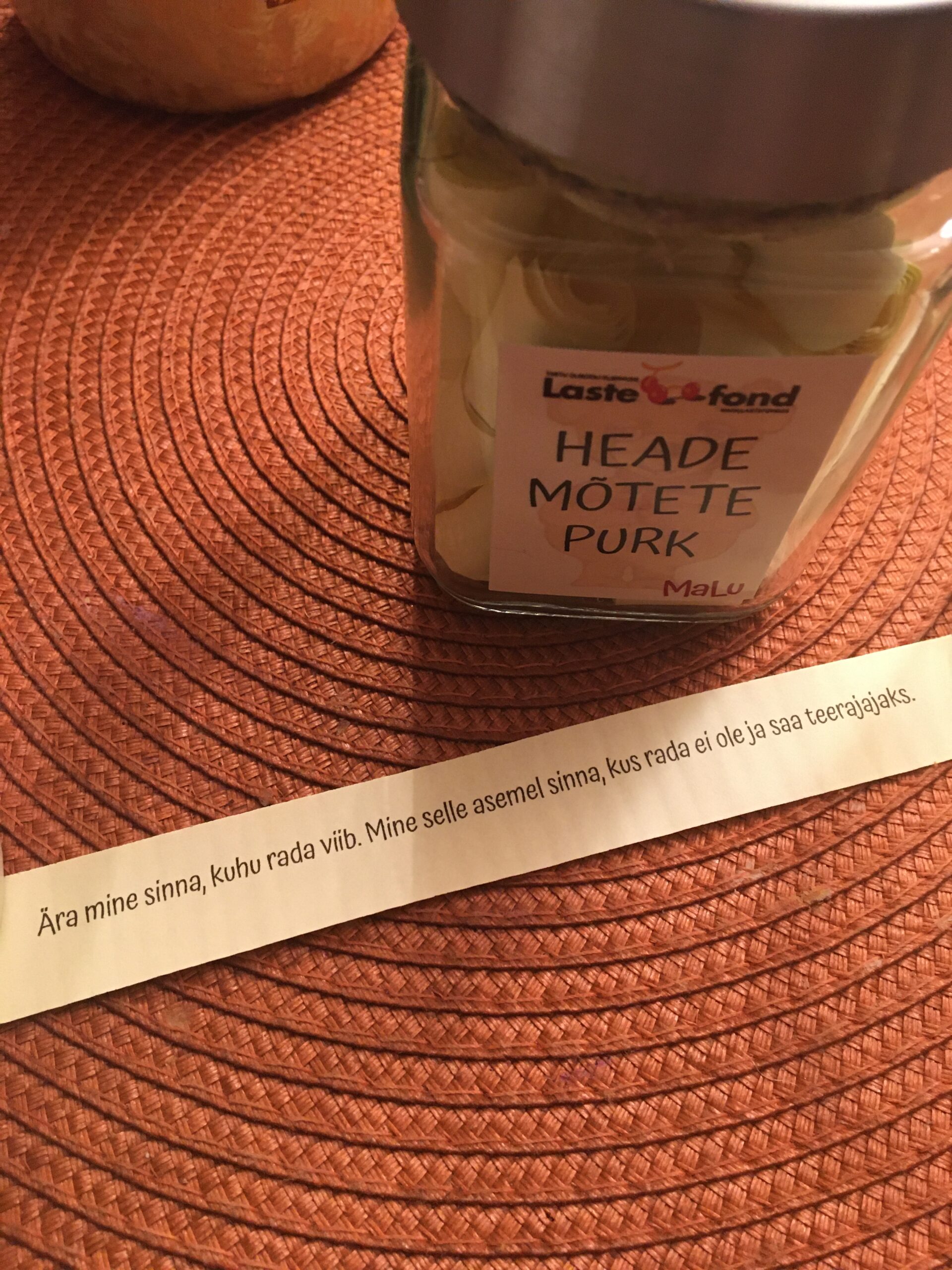
To wrap it up, I quote a great idea from UT Clinic Children’s foundation’s “Jar of good ideas”, which I drew from it yesterday: “Do not follow the path well-treaded. Instead, take another direction and make your own path!” Isn’t that a positive and lovely idea to begin a new productive week!? Hugs!
NordenBladet —European Union heads of state and government agreed on a target of reducing EU-wide greenhouse gas emissions by 55% by 2030 compared to 1990. Last night, the Council also reached a final agreement on the EU’s next seven-year budget and recovery facility.
According to Prime Minister Jüri Ratas, setting a new EU-wide target for reducing greenhouse gas emissions by 2030 is very important to keep a more reasonable pace for achieving climate neutrality in Europe by 2050. The Council will return to this issue in the spring to provide further guidelines before the European Commission presents legislative proposals in June 2021.
“We need to make the green turn in a smart, affordable and realistic way and it must become a strategy for economic sustainability and growth. The transition must also consider the specificities of countries and industries, but also the current dependence on fossil fuels. It is important to ensure equal competition with producers from countries outside the EU,” said the Prime Minister.
According to Ratas, it is very important for 30 percent of the joint funds of the future long-term budget and the recovery facility to be directed to investments necessary to achieve the climate targets. A total of 3.3 billion euros has been allocated to Estonia for activities that reduce environmental and climate impact. This also includes 340 million euros of support from the new Fair Transition Fund, this support is primarily necessary to achieve changes in Ida-Virumaa. Last week, the government decided on specific directions to support the green turn and technological transition throughout the economy.
Estonia’s national target by 2030 is to reduce greenhouse gases by 70%. According to the data of 2019, Estonia has already reduced emissions by 62% compared to 1990. Despite this, Estonia’s carbon footprint is the fourth largest, per capita, in Europe, which is why we have to continue working on the issue.
Ratas welcomed the final agreement on the European Union’s next long-term budget and recovery facility and revealed hope for the necessary procedures being completed quickly so that the budget can be implemented from the start of 2021. “This is a very important agreement for the people of Estonia and all other Member States as well. It will provide the people and economy of both Estonia and other European countries with additional confidence for the future and significant support for overcoming the crisis,” the Prime Minister emphasised.
“The year 2021, when the new seven-year budget period also begins, must be the year for the recovery and revitalisation of the European economy, as the health crisis will be alleviated and a vaccine will arrive. New investments and reforms will help us to revitalise the European economy, secure jobs for our people and create a greener and more digital future,” said Ratas.
Yesterday, the Council discussed joint efforts to combat the COVID-19 pandemic and welcomed recent announcements on the development of operational vaccines and the European Commission’s work to secure the vaccines for EU Member States. State authorities and the healthcare system are making preparations to start vaccination as soon as the vaccines arrive in Estonia. The first vaccines may receive EU marketing authorisation by the end of the year, and deliveries to Estonia are expected in January.
The Council notes in its conclusions that the arrival of vaccines does not mean an immediate end to the pandemic and that the epidemiological situation in Europe remains concerning.
Yesterday, EU heads of state and government approved proposals on how to further strengthen the strategic transatlantic relationship with the United States, based on common values and interests.
The Council called on Turkey to ease tensions and decided to impose further restrictive measures against illegal drilling activity in the Eastern Mediterranean.
The Council also decided to keep the economic sanctions against Russia in effect for the next six months.
Today, on 11 December, heads of state discussed EU relations with its southern neighbours, security issues and the fight against terrorism. President of the European Commission Ursula von der Leyen provided the heads of Member States with an overview of negotiations over future relations being held with the United Kingdom.
The Euro Summit will also be held today, focusing on subsequent steps to be taken by the Banking Union and the Capital Markets Union.
Estonia’s positions are being represented in the Council by Latvian Prime Minister Krišjānis Kariņš, since Prime Minister Jüri Ratas will remain in self-isolation until Saturday, as he came into contact with a person who later tested positive for COVID-19 last week.
NordenBladet —Yesterday, Prime Minister Ratas held a telephone conversation with his Lithuanian colleague, Ingrida Šimonytė, to discuss bilateral relations, Baltic cooperation and the COVID-19 crisis.
‘Lithuania is a great friend and a strategic partner for Estonia, with whom we share common interests and goals. For us, it is important to jointly overcome the COVID-19 pandemic that has ravaged us this year, in a manner that would support all those who have suffered the most. Preparations for vaccination are underway everywhere, but we need one last effort to reduce infections and support the economy’, said the Prime Minister. ‘I wish all the best to Lithuania in their efforts to contain the pandemic’.
Ratas confirmed that cooperation with the new Head of Government of Lithuania will certainly be close and productive. ‘We have clear common goals: we must vigorously continue with the major projects that we have jointly led. During the European Council meeting, held in July, we received confirmation of additional funding for Rail Baltic. Now, we must swiftly put these funds to use, to be able to finish the route connecting the three Baltic States on time. In the field of energy, our main aim is to quickly continue the synchronisation of Baltic energy grids with Central Europe, for which the European Union allocated EUR 720 million’, the Prime Minister added.
In addition, Ratas and Šimonytė discussed the plans of the new Lithuanian Government.
This year, Estonia is the holder of the Presidency of the Baltic Council of Ministers and the leader of Baltic cooperation. A video meeting of the Estonian, Latvian and Lithuanian Prime Ministers, to summarises this year’s events, will be held on 21 December.
NordenBladet — EU home affairs ministers will hold an informal videoconference on 14 December 2020. Finland is represented by Minister of the Interior Maria Ohisalo. The ministers will continue the discussion on the reform of the EU’s migration and asylum policy. Other items on the agenda include the future of internal security and cooperation between law enforcement authorities. No decisions will be made at the informal meeting.
The German Presidency will present a progress report describing the issues where consensus has already been reached and the issues that need to be clarified. The ministers will cover key elements of the reform of migration and asylum policy, including the Common European Asylum System, return issues, relations with non-EU countries and legal pathways. The Presidency will not seek formal approval for the report from the Member States, but Finland supports a comprehensive summary of the discussions held during the autumn as the basis for further work.
“Progress on the migration and asylum policy reform is important for Finland. The work on the basis of the Commission’s proposals of September is only just beginning. Finland consistently emphasises respect for fundamental and human rights and that due consideration is given to the needs of vulnerable persons, such as victims of human trafficking, children and women,” Minister Ohisalo says.
Internal security conclusions promote cooperation between law enforcement authorities of the Member StatesThe ministers will discuss the conclusions on internal security and the European police partnership at their meeting. The conclusions deal extensively with various aspects of internal security and law enforcement cooperation. Finland endorses the Council conclusions on internal security and the European police partnership.
“When it comes to internal security, it is essential to anticipate and develop the capacity of the authorities to respond to changing security threats and to protect the security of citizens, while respecting fundamental and human rights,” says Ohisalo.
The conclusions call on Member States to further strengthen cross-border law enforcement cooperation by making full use of the existing information exchange instruments.
They also emphasise that the threat of terrorism arising from all types of violent extremism remains high in the EU and call for the swift adoption of the regulation on preventing the dissemination of terrorist content online. At the meeting, the German Presidency will inform ministers on the latest developments concerning the regulation.
NordenBladet – Dozens of digital services available to residents through new, national digitalisation programme.
For the past few weeks, Faroe Islanders have been busy comparing their family trees to see if they share a common ancestor, or perhaps even many common ancestors. It turns out many are related to a Norwegian man called Augmund Jorsalafar, born in 1170. The oldest person listed in the genealogy register is Fornjotur, King of Finland, who was born in year 160 and died 90 years later.
The genealogy registry has had this information for some time, but now, through the Faroe Islands’ new national digitalisation programme, called Talgildu Føroyar and launched to the public in October, researching one’s ancestry has become easier and more accessible.
Seeing if one has royal blood is merely one of a few dozen digital services available to the general public. Others include applying for building permits, student grants or pension payments – all on a single, joint digital platform.
From lagging behind into a leading position
Work on digitalising services for citizens, industry and the public sector began in 2015. The idea was to modernise the welfare and services of the population and, ultimately, create competitiveness, growth and production capacity.
Nicolai Balle has been Programme Director since the beginning. He is in no doubt that the new, digital services will be of great benefit for residents, companies and the public sector.
“The digital services make it easier, quicker and safer for Faroese residents to communicate with companies, institutions and the public sector, and vice versa,” says Nicolai. “Common digital solutions make many processes much more effective.”
Jørgen Niclasen, who was Minister of Finance in 2015 and is currently in the same office, has been a leading advocate for the digitalisation project.
“There is no doubt that digital solutions will make life easier for all residents by providing quick and secure services,” says Jørgen. “Digital solutions also save time, effort and money. We have created a solution that suits our needs. A world class solution, created in the Faroe Islands, that puts us in the leading position when it comes to digitalisation in the whole world.”
Prior to the new digital infrastructure, the Faroe Islands had many well-developed digital solutions, primarily used in administration. But the amount and quality of services available to the public and industry was limited.
“Digitally, we were lagging behind,” says Nicolai. “The digital infrastructure now in place takes the public and industry into consideration and makes it possible for us to move further forward much quicker than previously,” says Nicolai.
Samleikin and Vangin
Talgildu Føroyar currently has seven service providers: Faroese Vehicle Administration, The Department of Social Services, Faroese Tax Authority, Genetic Biobank of the Faroe Islands, The Environment Agency of the Faroe Islands and Tórshavn Municipality. These offer a total of 27 digital services. More service providers and digital services are being added each month.
The digital services are available on a portal called Vangin. In order to access Vangin, one must go through a process of verifying one’s digital identity. This is done through Samleikin, which functions as a personal digital key in order to access digital services. Protecting the identity and personal information of all those who use Samleikin has been of utmost importance.
“A safe and secure system is alpha and omega,” says Nicolai. “In Samleikin, for example, our main goal is to be 100 percent sure that the person using the system is, in fact, who they say they are. Much effort has been put into making sure that all international safety standards are met.”
CEO at the Faroese Tax Authority, Eyðun Mørkøre, see lots of advantages in Samleikin, the personal digital key.
“The Faroese Tax Authority believes that a centralised development of the digitalisation is very important,” says Eyðun. “That each entity itself tries to create digital solutions has not been good enough. Using Samleikin is the right way forward.”
Samleikin meets international standards in ‘trusted services’ and has received international approval, the first of its kind in the Faroe Islands. It is also accessible to Faroe Islanders that need to take care of personal affairs abroad; something quite revolutionary in the world of digitalisation. This will have great benefits for Faroe Islanders who work and study abroad and need access to e-services in other countries.
Digital inclusion and access for everyone
Another key element in building the digital infrastructure has been to ensure easy access for all groups of people, such as the blind and visually impaired, those with difficulties reading and writing, and those with cognitive or physical challenges. Vangin includes various helpful functions, such as text and visual alternatives.
“Our ambition is to give everyone who wants to use digital services the opportunity to do so,” says Nicolai. “We have tried to meet international standards according to the Web Content Accessibility Guidelines and will continue to develop this section of our portal.”
MEGD, the Faroese National Society for Persons with Developmental Handicaps, which includes 24 member association, has collaborated with Talgildu Føroyar since 2015 to ensure digital inclusion and access for everyone.
Tóra við Keldu, MEGD chairwoman, says: “According to an estimate based on foreign numbers, around 10,000 Faroese citizens find it challenging to use IT solutions with text, and people that carry some form of disability often face challenges in their daily lives when it comes to digital solutions. We are pleased that Talgildu Føroyar has made sure that the digital services are accessible to a wide-ranging group of people. We hope Talgildu Føroyar will continue to develop these functions and become accessible to all.”
Good reception
Nicolai is pleased with how Faroe Islanders have adopted the digital services. Since launching Samleikin and Vangin in late October, more than 6,400 residents (approximately 16% of those eligible) have received their personal digital key and more than 38,000 logins have taken places, with the large majority being made in Vangin.
“We are positively surprised,” says Nicolai. “Our goal is that around 35,000 residents will have received their personal digital key in 2021. An important step in that process is for Faroese banks to adopt these digital solutions. Work on that has started and will continue in 2021.”
On a long-term level, Talgildu Føroyar will continue to develop and add digital services to Vangin, and will begin to outline a new, joint digital strategy for the future.
NordenBladet — Riigikogu discussed “The green transition – both a challenge and an opportunity for Estonia“ as a the matter of significant national importance today; it was initiated by the Estonian Centre Party Faction.
Reports were heard from the Chairman of the Environment Committee Erki Savisaar, the European Commissioner for Energy Kadri Simson, and the Coordinator of the Just Transition Platform of the Association of Local Authorities of Ida-Viru County Hardi Murula.
Erki Savisaar described the green transition as a huge challenge for Estonia, but also as an extraordinary opportunity to do away with old dependencies and achieve a complete energy autarky. “By nature, green transition is a strategy aimed at bringing about a structural change in the economy and social organisation,” he said. “This strategy should make Europe energy-autarkic and environmentally sustainable.”
The Chairman of the Environment Committee said that the green transition starts on the local level through local actions, and referred to the example of the Farm to Fork strategy that emphasises the need to support small and organic businesses, and the significance of short supply chains. “The strategy serves a double purpose – on the one hand, a cleaner nationally produced food, and on the other, food security. Our ability to produce food and raw food products is vital because we depend on it daily.”
Another important aspect is circular economy, i.e. increasing resource recovery, including reducing refuse, waste, and pollution. He identified two major questions that need to be solved in Estonia to ensure the functioning of circular economy – biodegradable waste and plastic. He also thinks that a balance should be found between reusable and singe-use packaging, which should be as adaptable as possible to circular use or recycling.
Thirdly, Savisaar highlighted energy, which needs to be more sustainable and carbon neutral. While transport has been dependent on oil and power and heat generation on oil shale, he would like to see these replaced with sun, wind, hydrogen, methanol, biofuels, and – for good measure – waste. He stressed that this did not mean closing down manufacturing or power plants with massive carbon emissions but that it was possible to capture this carbon.
“Over the last years, the price of CO2 has reached such a high point that the power produced from oil shale is no longer competitive on the market. The forecasts show that the price will go up further, and faster than before. This means that we must definitely find new methods for generating power. However, in practice, we are still missing a functional solution to oil shale industry,” he said.
Savisaar concluded with a few remarks on hydrogen. “On the one hand, hydrogen is clearly a fuel for the future, but on the other hand, it is also an excellent way to store energy,” he said. He emphasised that Estonia could contribute to hydrogen energy, especially by developing and testing a complete system. He explained that the next year’s budget had planned EUR 5 million for the purpose, with another at least EUR 25 million added in the near future. “Over the next five years, I would like us to reach a level where at least 25% of transport and energy in Estonia is based on hydrogen,” he added.
In her report, Kadri Simson presented the European Union Green Deal, new initiatives, and the Just Transition Fund.
Simson said that the purpose of the Green Deal was to turn Europe into the first climate neutral continent by 2050. “This is a growth strategy which covers all the fields, beginning with transport, environment, health care, and life in rural areas. However, the most important aspect of the Green Deal is energy, because up to 75% of the current CO2 emissions in the European Union come from energy,” Simson said.
She stressed that the Green Deal would remain a long-term priority of the European Commission even regardless of the crisis because the need to clean up European economy and make it more competitive has not gone anywhere. “As we are in a situation where the economy needs a pick-me-up and we can do this through additional investments, the conditions are more than ripe for the green transition,” she said. “Studies show that renewable energy creates more jobs and added values than injecting funds into chains that start with fossil fuels.”
The Commissioner for Energy iterated the clear recommendation of the European Commission to the Member States to use 30% of the EU long-term budget as well as the new recovery package for climate goals related investments.
She pointed to Ida-Viru County as being by far in the most precarious situation in the Estonian context, as it depends largely on the oil shale industry. Simson explained that the region would avoid a decline with the help of the new Just Transition Fund that offers assistance to regions that depend on fossil fuels mining or industries with large CO2 missions.
Simson confirmed that Estonia’s share of the total EUR 17.5 billion is EUR 340 million, with additional resources for technical assistance. She hastened to add that Estonia would receive the highest per capita support in Europe. “These funds can be used in Ida-Viru County, preferably to retrain and train the working age population so that they would find employment in some other field whose ecological footstep is smaller. These funds can and must be used to create new jobs as well,” she said.
As the latest developmental directions in European energy, Simson highlighted the higher emission reduction goals of the EU for 2030, and the strategies for integrating energy systems, hydrogen energy, renewed methane energy, off-shore renewable energy, and wave of renovations. “For us – Estonia and the countries around the Baltic Sea more broadly – wind energy could very potentially give a massive advantage in cheaply producing hydrogen,” she said and added that hydrogen was also an excellent method to store renewable energy or electricity.
Hardi Murula introduced the possibilities of green transition in Ida-Viru County.
He explained that the population numbers of Ida-Viru County have significantly decreased over the recent years, as have the per capita relative wellbeing and relative GDP. “We really treasure our people and we want to maintain their wellbeing, help them find motivation to remain in our County, and contribute to the transition,” Murula said.
Although the oil shale industry might not play the biggest role in the County’s economy in absolute employment figures, the industry does pay the highest salaries and does provide the largest added value. “If we remove this one industry from the equation, all the others stand to suffer as well,” Murula said. “We hope that the transition will increase our share in the national wealth of Estonia, raise our salaries, and ensure a sufficient budget for our local governments to accept these challenges; if not, it would be a clear failure.”
Murula stressed that the transition must be spread out over a longer period and follow an agreed plan. He also said that it was not possible to close and replace the existing structures overnight. A new alternative and the relevant business sector should be built up next to the existing one; after that, the regulations and the changes in the economic environment would contribute to reducing the importance of the oil shale sector in the economy of the County.
Speaking of the Just Transition Fund, Murula emphasised that 90% of its assistance should be directed towards the development of the business sector, including research and development, and 10% into the living environment. He also thinks that Ida-Viru County should receive a guaranteed regional loan, which would help to develop the business sector. Murula also mentioned the need to guarantee a specification in the regional labour taxes through the national level regulations as a way of developing entrepreneurship and ensuring wellbeing and economic growth.
Siim Kiisler (Isamaa), Dmitri Dmitrijev (Centre Party), Katri Raik (Social Democratic Party), Yoko Alender (Reform Party), Imre Sooäär (Centre Party), Mihhail Lotman (Isamaa), Keit Pentus-Rosimannus (Reform Party), and Tarmo Kruusimäe (Isamaa) took the floor during the debate.
NordenBladet — Members of the Foreign Affairs Committee of the Riigikogu (Parliament of Estonia) discussed recent regional and international developments and the issues relating to the COVID-19 pandemic with the Foreign Affairs Committee of the Finnish Parliament Eduskunta at a video conference today.
Chairman of the Foreign Affairs Committee of the Riigikogu Enn Eesmaa emphasised the value of the cooperation between the two committees. “The annual meetings of the Foreign Affairs Committees of the Estonian and Finnish parliaments have become a nice tradition and an important means for developing the parliamentary cooperation between the two countries,” he said.
Eesmaa gave the Finnish parliamentarians an overview of the latest political developments in Estonia, including the adoption of the 2021 budget, and the long-term strategic documents “Estonia 2035” and the Estonian Foreign Policy Development Plan 2030. He also highlighted Estonia’s applying for observer status in the Arctic Council, and spoke of the organisation of the work of the Riigikogu and the Foreign Affairs Committee in the context of the pandemic.
Deputy Chairman of the Foreign Affairs Committee Marko Mihkelson gave an insight into the new Foreign Policy Development Plan. He pointed out that the central topics of the plan were security policy, international relations, foreign trade and trade policy, maintaining relations with the Estonians living abroad and strong foreign service. Mihkelson added that in the last 30 years, the shaping of Estonia’s foreign policy had been based on strong consensus, and this had also been the basis for drafting the new Foreign Policy Development Plan.
The Deputy Chairman said that in spite of the pandemic and the restrictions it had caused, it was necessary to maintain the strong and continuous cooperation between the parliaments of the two countries. Mihkelson thinks that Estonia’s aspiration to become an observer state of the Arctic Council is an important opportunity for cooperation.
Members of the Foreign Affairs Committee of the Riigikogu Maria Jufereva-Skuratovski, Raivo Tamm, Imre Sooäär, Keit Pentus-Rosimannus, Raimond Kaljulaid and Mihhail Lotman also participated in the video conference.