NordenBladet – The winter season in Finland is typically known for its storms, but this year, the weather has been unusually calm. According to the Finnish Meteorological Institute, there were only two storm days measured during the months of November and December, which is significantly fewer than the average.
The winter season in Finland is typically known for its storms, but this year, the weather has been unusually calm. According to the Finnish Meteorological Institute (ilmatieteenlaitos.fi/tuulitilastot), there were only two storm days measured during the months of November and December, which is significantly fewer than the average.
The number of storm days in November and December has not been recorded so low between 2006 and 2021. The reason for the lack of storms is due to the high pressure or weak low pressure systems that have not caused the winds to increase to storm levels. There have also been no named storms or severe weather in Finland since the Aatu storm in June 2021.
Naming a storm is based on the potential for damage and any unusual factors. The last time a full calendar year went without named storms or severe weather was in 2018 and prior to that in 2012. Storms are most common during the early winter and December typically sees an average of 5.8 storm days between 2006 and 2022.
Read Iltalehti’s interview “What happened? There have been no storms in Finland” (with the original title: Mitä tapahtui? Suomessa ei ole ollut myrskyjä) with meteorologist Ville Siiskonen from the Finnish Meteorological Institute HERE (article is in Finnish).
NordenBladet – Lidl* customers in Finland have been left scratching their heads in recent times as the company has made a significant change to its price tags. The prices of products are now printed on the tags in such small font that it is difficult to read them.
The new tags have caused confusion and frustration on social media. Leading consultant Jussi Eronen, for example, has expressed his concerns on Twitter, stating that “for senior citizens, it’s just bullying.”
Lidl has refused to give an interview, and instead responded to a comment request from Iltalehti via email. The Director of Sales and Inventory Management, Akseli Mäkisalo, stated that “the price tag in the image circulating on Twitter is electronic. It’s not immediately visible because the visual appearance of our electronic price tags is very similar to that of paper tags.”
Mäkisalo defended the move to electronic tags by stating that it saves paper and minimizes the risk of human errors when changing tags.
Prices for food and groceries in the country have risen to record highs last year and Lidl, known for its low prices, is no exception. For example, a liter of Lidl’s instant-heat light milk cost 0.95 euros in January but by December the price had risen to 1.49 euros.
There are speculations on social media that the change is intended to make it more difficult for customers to compare prices. Mäkisalo did not respond to questions about whether this is true or how senior citizens or those with visual impairments will be able to read the tags. According to Mäkisalo, the details of the tags are being developed based on customer feedback.
The Competition and Consumer Authority’s, in Finnish Kilpailu- ja kuluttajaviraston, (KKV) specialist Saija Kivimäki states that the Consumer Protection Act regulates the way prices are displayed. KKV guidelines state that “prices must be clearly and individually displayed, so that the consumer does not make a mistake about the product or package. The display must be large enough and easily visible to the consumer.”
Currently, electronic price tags can be found in 16 Lidl stores, but by the end of the year, they will be in use in all stores. So far, there has been very little feedback on the new tags.
__________________________
* Lidl Stiftung & Co. KG is a German international discount retailer chain that operates over 11,000 stores across Europe and the United States. Headquartered in Neckarsulm, Baden-Württemberg, the company belongs to the Schwarz Group, which also operates the hypermarket chain Kaufland.
Lidl is the chief competitor of the similar German discount chain Aldi in several markets. There are Lidl stores in every member state of the European Union as well as in Serbia, Switzerland, the United Kingdom and the United States.
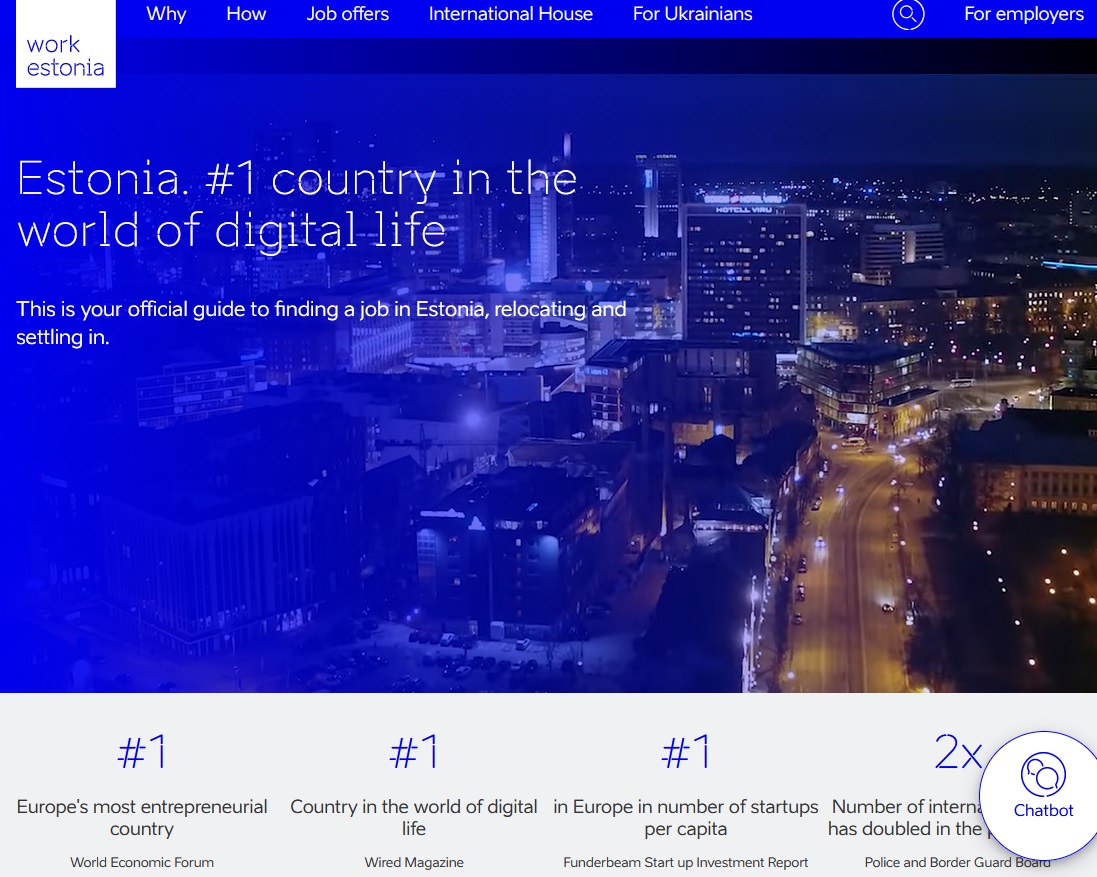
NordenBladet – Estonia is an attractive destination for foreign talent, and the International House of Estonia (IHE) is dedicated to providing support for the adaptation of these individuals. As a unified service center in Tallinn, IHE offers important consultations and public sector services to both foreign specialists and their colleagues, as well as local employers.
What is the International House of Estonia (IHE)?
The International House of Estonia (IHE) is a non-profit organization that aims to promote cultural exchange and understanding between different countries and cultures. They offer a variety of programs and services, such as language classes, cultural events, and support for international students and visitors. The IHE is also a resource center for information and assistance on a wide range of topics related to international living and working in Estonia. Their goal is to help individuals and groups to integrate into Estonian society and culture, and to promote international cooperation and understanding. They are also useful for people who want to learn about other cultures and for people who are looking for an opportunity to practice their language skills.
Language support: IHE provides language classes and resources to help foreigners learn the local language, making it easier for them to communicate and integrate into the community.
Cultural orientation: IHE offers cultural orientation programs to familiarize foreigners with the customs and norms of the local society, helping them to understand and navigate the culture more easily.
Legal advice: IHE provides legal advice and assistance to foreigners on issues related to immigration, employment, and housing.
Networking opportunities: IHE organizes networking events and activities to connect foreigners with local businesses, organizations, and individuals, which can help them find job opportunities and build a support network in their new community.
Job matching services: IHE offers job matching services to help connect foreign job seekers with local employers, including resume reviews, interview preparation, and negotiation support.
Relocation support: IHE provides relocation support services to help foreigners with finding housing, opening bank accounts, and other tasks associated with moving to a new country.
Business advice: IHE offers business advice and support to local employers on issues related to hiring and retaining international employees, including compliance with immigration and labor laws and best practices for multicultural teams.
Employee retention programs: IHE offers employee retention programs to local employers to help them retain international employees and mitigate the costs associated with high turnover.
Diversity and inclusion training: IHE offers diversity and inclusion training to local employers to help them create an inclusive and welcoming workplace for international employees.
Support groups: IHE organizes support groups for foreigners to connect with others who have similar experiences, share information and support.
The Enterprise Estonia (EAS) opened the International House of Estonia (IHE) in the Ülemiste township in November 2018 in cooperation with Mainor AS in order to increase cooperation between the public and private sectors and attract top specialists to work in Estonia. IHE helps Estonian companies whose success depends on smooth foreign recruitment.
Why Estonia?
Estonia is a technologically advanced country where innovation is deeply ingrained in the culture. With 99% of public services available online and the ability to sign documents digitally, it offers a highly efficient and streamlined way of life. Estonians value clear communication and a flat organizational structure, which allows for individuals to be judged based on their skills rather than their position. This allows for young professionals to rise quickly in their careers. Additionally, the country offers a great work-life balance, with short commute times and flexible working hours, as well as access to clean air, nature, and one of the safest cities in Europe. All of these factors make Estonia an attractive destination for foreign talents looking to further their careers and enjoy a high quality of life.
The International House of Estonia:
Street: Valukoja 8,
C wing, ground floor,
Ülemiste City, 11415, Tallinn.
Phone: +372 627 9701 (IHE business hours only)
E-mail: ihe@workinestonia.com
Website: https://workinestonia.com
NordenBladet – Estonia, a beautiful country located in Northern Europe, is often overlooked by travelers but it is a hidden gem that continues to surprise and impress those who visit it. Known for its rich history, literature, and culture, Estonia is also considered a Nordic country and has much to offer in terms of luxury, tradition, and innovation. In this article, we will explore the many facets of Estonia, from its culture to its modern-day financial success, and discover why it is a fascinating destination for any traveler.
Estonia has a long and storied history, dating back to ancient times. Estonia was part of theViking Age trade network and was known as a source of valuable furs and Baltic amber.
Estonian culture has been influenced by a variety of different factors throughout its history. One of the most significant influences has been its geographical location at the crossroads of Northern Europe, which has allowed for a blending of cultures from neighboring regions.
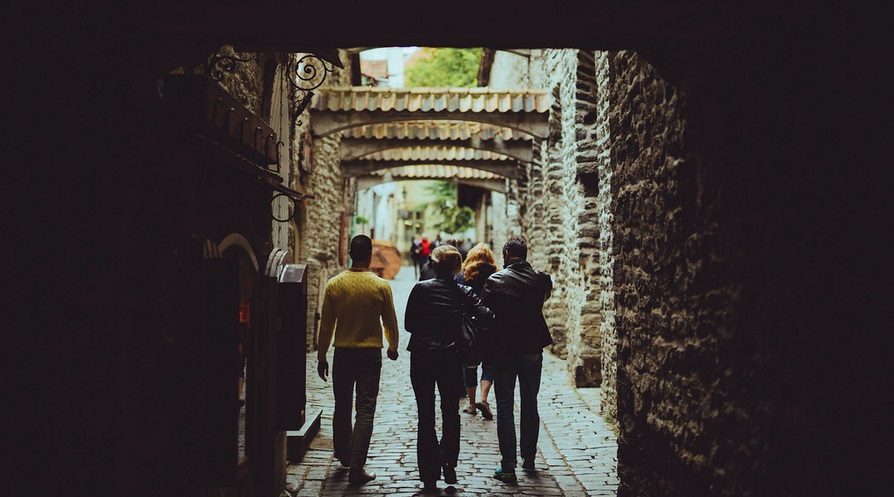
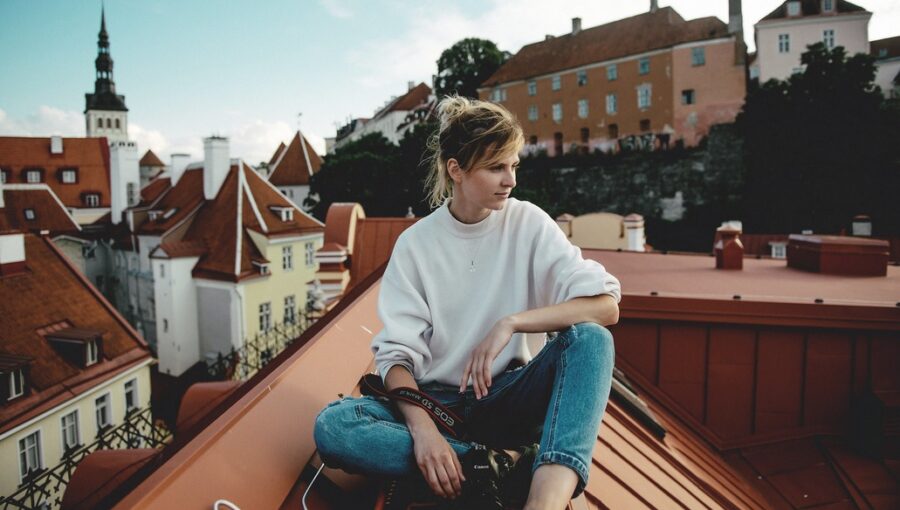
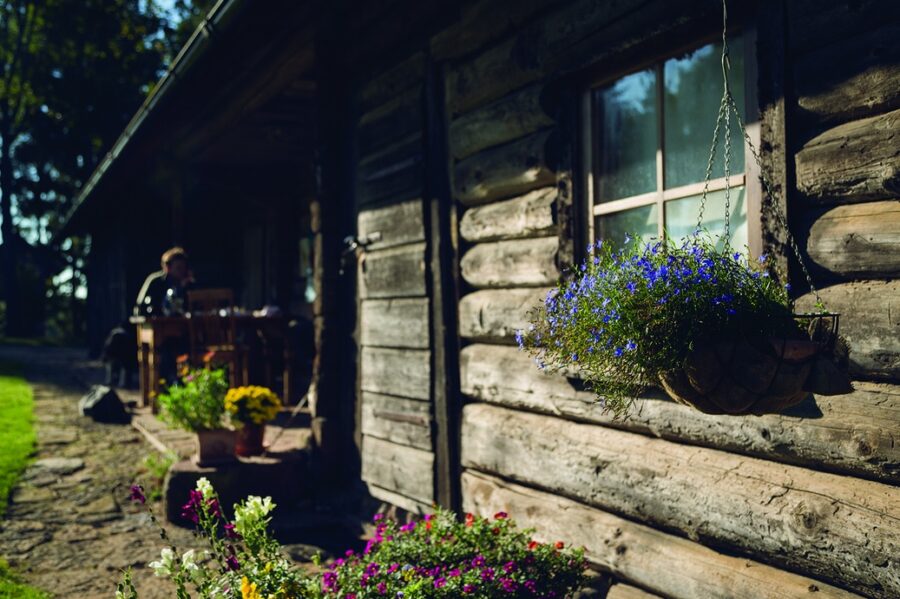
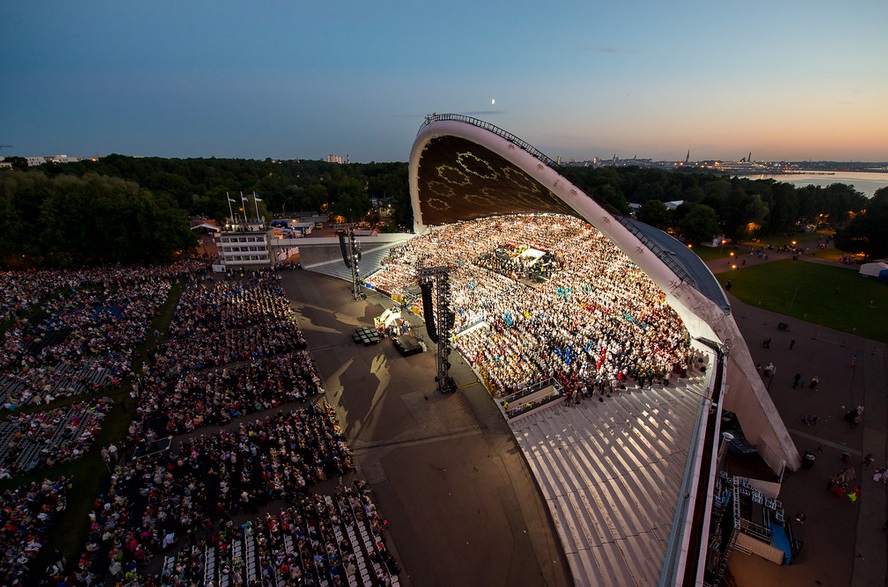
Photo: VisitEstonia/Mariann Liimal (CC BY-NC-SA 2.0)
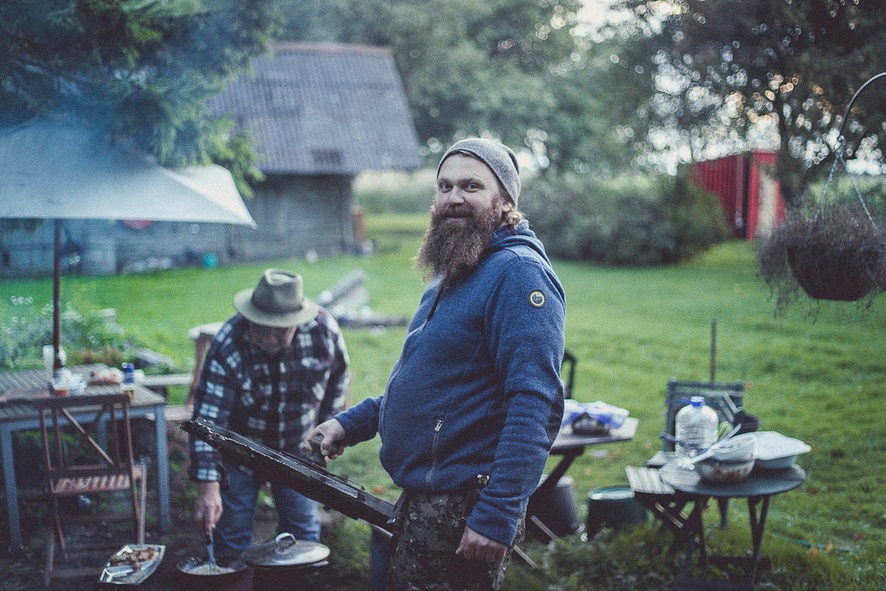
Photo: Mooska farm in Võrumaa, Haanja municipality. VisitEstonia/Oliver Moosus (CC BY-NC-SA 2.0)
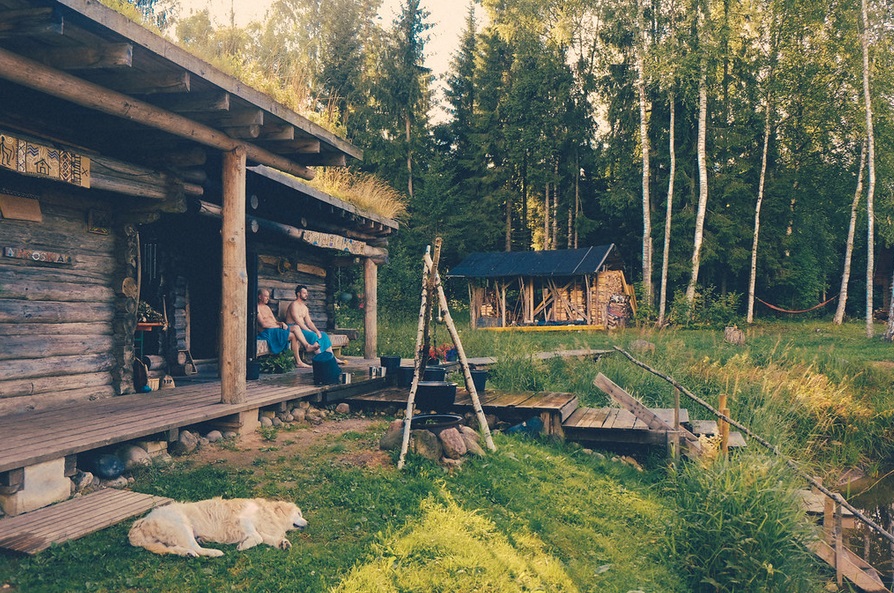
Photo: Tammuri farm in Valga county. VisitEstonia/Danel Rinaldo (CC BY-NC-SA 2.0)
Another major influence has been the country’s history of foreign domination and occupation, including periods of rule by the Danish, Swedes, Germans, and Russians. These periods of occupation have had a significant impact on Estonian culture, shaping its language, customs, and traditions.
Estonia’s indigenous culture and folk traditions have also played a significant role in shaping its culture. This includes traditional folk music, dances, and folktales, as well as a strong connection to the land and nature.
Additionally, the country’s recent history as an independent nation and its integration into the European Union have also had an impact on its culture, bringing about new influences in terms of technology and innovation.
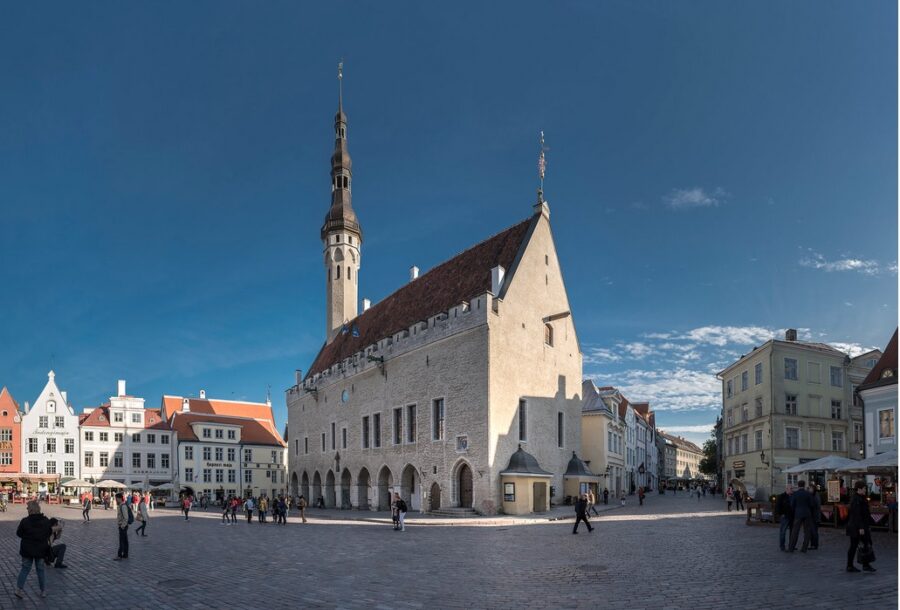
Culture-wise, Estonia is a country of contrasts and surprises. From its medieval Old Towns to its modern-day tech startups, Estonia has much to offer the curious traveler. The capital city of Tallinn, in particular, is a must-see destination, with its beautiful Old Town, which is a UNESCO World Heritage site, and its vibrant nightlife and dining scene.
Estonia is considered a Nordic country, and it shares many characteristics with its Nordic neighbors, such as a strong sense of community and a deep connection to the land. The United Nations (un.org) also named Estonia, Latvia, and Lithuania among the Nordic countries. This Nordic influence is evident in Estonia’s luxurious spa and wellness offerings, as well as its commitment to environmental sustainability.
Estonia’s literature is also rich and diverse, with a long tradition of folktales and epic poetry. One of the most famous Estonian literary works is the “Kalevipoeg,” an epic poem that tells the story of the legendary hero Kalev, who is said to have been the founder of Estonia. The poem is considered a masterpiece of Estonian literature and has been translated into many languages.
In terms of finance, Estonia is a country that is proud of its technology and innovation. According to data from the World Bank, Estonia has one of the highest gross domestic product (GDP) growth rates in the European Union and a low unemployment rate. This financial success is due in part to Estonia’s highly educated workforce and its reputation as a leader in the tech industry.
Estonia is also a country that places a high value on quality and tradition. From its handcrafted pottery and textiles to its delicious traditional cuisine, Estonia is a destination for those who appreciate pure Nordic nature, crafts, luxury and quality. This is also evident in the country’s thriving tourism industry, which offers visitors a wide range of high-end hotels, resorts, and spas.
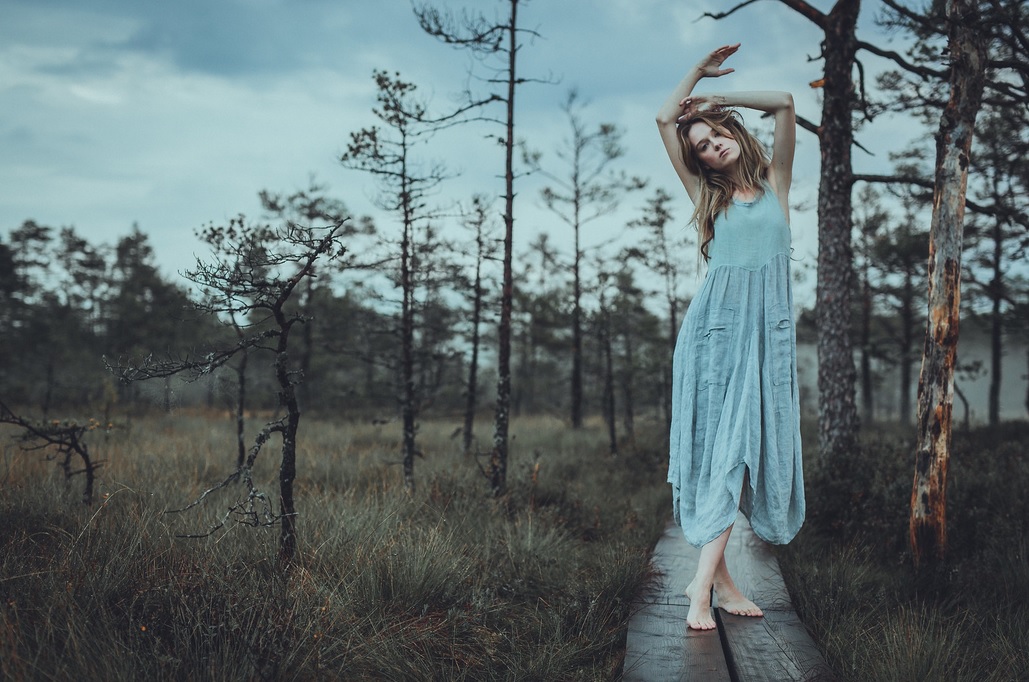
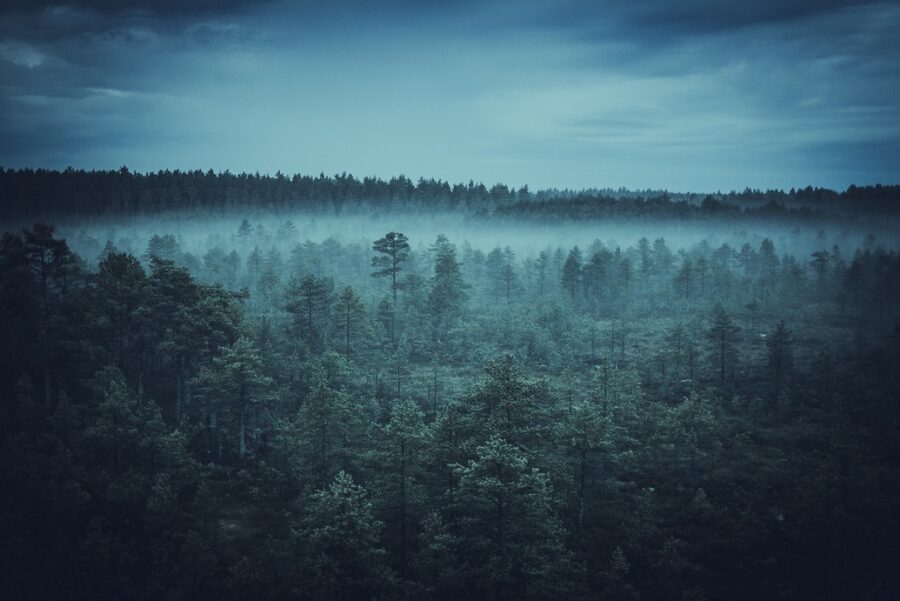
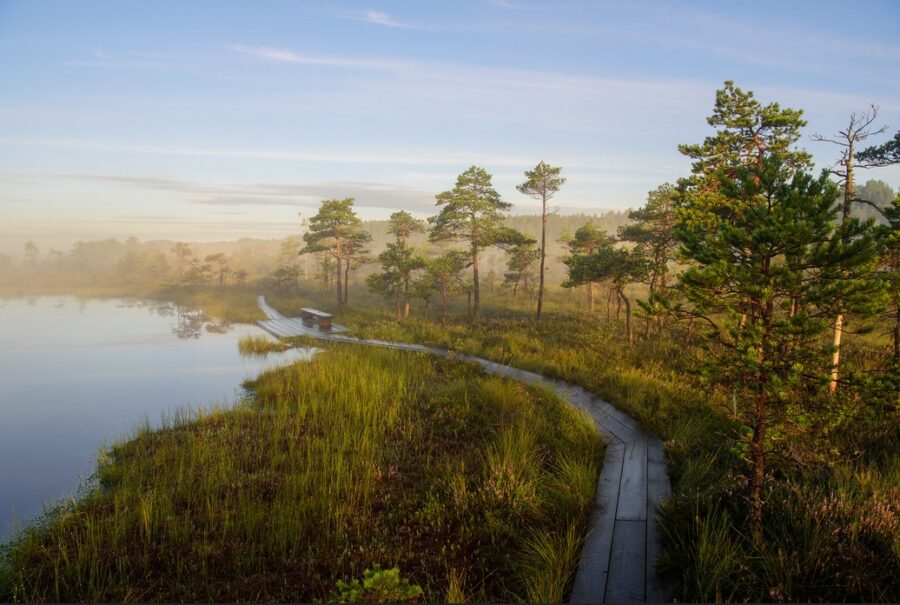
Viru bog in Estonia. Photos: 2 x VisitEstonia/Siiri Kumari (CC BY-NC-SA 2.0)
Estonians are known for being deeply connected to their natural environment and are particularly proud of their thick northern forests, clean nature, and bogs. The country is covered in more than 50% of forest, and it’s been said that there are more trees than people in Estonia. This abundance of forests is a source of pride for Estonians and is deeply ingrained in their culture and traditions.
Estonia is also known for its clean and unpolluted nature. According to data from the World Health Organization (WHO), Estonia has some of the cleanest air in Europe with an annual mean concentration of PM2.5 (particulate matter smaller than 2.5 micrometers) of 7.1 μg/m3, well below the WHO guideline of 10 μg/m3.
Photo: Soomaa National Park. VisitEstonia/Sven Zacek (CC BY-NC-SA 2.0)
Estonia’s bogs, also known as mires, are another unique feature of the country’s landscape. These wetlands are characterized by their spongy peat moss and are home to a wide variety of plant and animal life. They are also an important resource for the country, providing peat, which is used as a fuel source, as well as being a popular destination for hiking and wildlife watching. The bogs are particularly important habitats for many species of birds, such as the black stork and the white-backed woodpecker.
In conclusion, Estonia is a fascinating country that continues to surprise and impress those who visit it. With its rich history, literature, and culture, as well as its commitment to tradition, and innovation, Estonia is a destination that offers something for everyone. Whether you are interested in mythology, medieval architecture, or the latest tech startups, Estonia has much to offer the curious traveler.
Featured image: VisitEstonia/Siiri Kumari (CC BY-NC-SA 2.0)
“Estonian delegation hopes for a pithy discussion on the war in Ukraine and on investigating Russia’s war crimes. PACE is adopting an interim resolution on these topics on Thursday, based on the report that is being drafted during the week. We are also planning to contribute to the report in cooperation with the Ukrainian delegation,” said Eerik-Niiles Kross.
Kross added that he had initiated a draft at the last session of the Assembly together with several dozens of delegates from ten countries on imposing sanctions against the authorities who had imprisoned and repressed the Russian opposition leader Vladimir Kara-Murza. A rapporteur will be elected for the draft at the Assembly. “I intend to apply,” Kross declared.
The Assembly will discuss the legal and human rights aspects of the Russian Federation’s aggression against Ukraine on Thursday. Oleksandra Matvichuk, the Head of the Center for Civil Liberties which won the Nobel Peace Prize in 2022, will speak during the discussion.
Proposals of the PACE will also be submitted to the report of the 4th Council of Europe Summit of Heads of State and Government – #RoadToReykjavik. The Icelandic Prime Minister Katrin Jakobsdottir will speak on behalf of the Presidency country. The Minister of Foreign Affairs of Germany Annalena Baerbock will also speak.
Today, the Assembly will discuss attacks against employees of civil service, tensions between Pristina and Belgrade, and the issue of Daesh foreign fighters and their families returning to Council of Europe member states.
Tomorrow’s topics are conflict-related sexual violence and the impending Reykjavik Summit of the Council of Europe.
Wednesday’s schedule includes the impact of armed conflicts on the environment, issues raised by the use of tracking apps, progress and challenges in implementing the Istanbul Convention, and solutions to preventing gender-based violence and forced marriage.
New rapporteurs will also be elected to monitor Hungary. “Together with the former Prime Minister of Greece Georg Papandreu, we are applying for this task again,” Kross said.
NordenBladet – Personal finance is a complex and ever-evolving field, and it can be difficult to know where to start when it comes to managing your money. However, with the right tools and a little bit of knowledge, anyone can take control of their finances and set themselves up for a secure financial future.
One important principle to keep in mind when managing your money is the Nordic proverb, “A penny saved is a penny earned.” This simple phrase reminds us that even small savings can add up over time, and that being mindful of our spending can help us build wealth.
According to the Federal Reserve, the average American household carries more than $137,000 in debt, with mortgages and student loans being the largest contributors. While it’s not always possible to avoid debt altogether, it’s important to be mindful of the types of debt you take on and to have a plan to pay it off over time.
Here are also some statistics about personal finances and mortgages among Scandinavians:
According to a report by the Organisation for Economic Co-operation and Development (OECD), the average household debt in Denmark is among the highest in the world, at around 270% of disposable income.
In Sweden, the average household debt as a percentage of disposable income is also high, at around 190%. According to the Swedish National Debt Office, the average mortgage debt per household in Sweden was around SEK 1.4 million in 2019.
In Norway, the average household debt as a percentage of disposable income is around 210%.
According to a report by the Nordic Council of Ministers, the homeownership rate in the Nordic countries is among the highest in the European Union, with over 80% of households owning their own homes in Denmark, Finland, and Sweden.
Norway has the highest rate of homeownership in the Nordic region, with more than 90% of households owning their own homes.
According to the Norwegian Ministry of Finance, the average mortgage debt per household in Norway was around NOK 1.6 million in 2019.
It is important to note that these statistics may have changed over time and may vary by region within the Scandinavian countries.
A study by the World Bank shows that financial literacy is positively correlated with savings, investments, and overall financial well-being. By taking the time to learn about personal finance and managing your money effectively, you can set yourself up for a secure financial future.
Personal finance is a complex and ever-evolving field that requires a combination of knowledge, tools, and discipline. By following the tips, you can take control of your finances, achieve your financial goals and set yourself up for a secure financial future.
With these 15 tips, you’ll be better equipped to take control of your finances and achieve financial stability:
1. Review your income and expenses: Make sure you have a clear understanding of how much money you are bringing in and how much you are spending each month.
2. Create a budget: Use your income and expense information to create a budget list that ensures you have enough money to cover your essentials while also setting aside money for savings and investments.
3. Track your progress: Keep a diary or use tools like budgeting apps and financial planning software to track your progress and monitor your spending.
4. Take advantage of technology: Use online and mobile banking services to manage your money on the go, and explore online financial tools and resources that can help you make smarter financial decisions.
5. Be mindful of loans and insurance: It’s important to be mindful of loans and insurance. When taking out loans, be sure to read the fine print and understand the terms and conditions, including the interest rate and repayment schedule. And when it comes to insurance, be sure to shop around for the best coverage and rates, and consider factors such as your age, health, and lifestyle when making your decision.
6. Learn from history: Study how economies and societies have managed their finances in the past, this will give you a better understanding of how to manage your own finances in the present and future.
7. Check your credit report: Make sure that the information on your credit report is accurate, and address any errors you find. You don’t want to pay unnecessary late fees!
8. Pay off debt: If you have high-interest debt, make a plan to pay it off as soon as possible.
9. Build an emergency fund: Set aside money in a savings account so you’ll have it on hand if an unexpected expense arises.
10. Invest for the future: Consider options such as stocks, bonds, or mutual funds to help you build wealth over time.
11. Review your retirement savings: Make sure you are saving enough for retirement and that your investments are allocated appropriately.
12. Review your subscription and memberships: Review all your subscription and memberships services and cancel the ones you don’t use.
13. Review your bills: Review your bills to make sure you’re not overpaying for services.
14. Review your taxes: Review your taxes to make sure you’re taking advantage of all available deductions and credits.
15. Review your goals: Review your financial goals and make sure you’re on track to achieve them. Keep in mind that personal finance is a continuous process, and you should review your finances regularly to make sure you’re on track to meet your goals.
If a person is not interested in the flow of their money, they may end up in a difficult financial situation.
Here are a couple of examples of what can happen:
Accumulation of debt: Without paying attention to how much money is coming in and going out, a person may end up spending more than they earn and accumulating debt. This can be especially problematic if the debt is in the form of high-interest credit card balances, which can quickly spiral out of control.
Difficulty in managing unexpected expenses: Without a proper budget and emergency fund in place, a person may find it difficult to manage unexpected expenses such as a medical emergency or car repairs. This can lead to more debt and financial stress.
Difficulty in achieving financial goals: Without setting financial goals and regularly reviewing their finances, a person may find it difficult to save for retirement, purchase a home, or achieve other financial milestones.
Difficulty in getting approved for loans or credit: A poor credit score and outstanding debts can make it difficult for a person to get approved for loans or credit, which can limit their ability to make important purchases or investments.
Difficulty in building wealth: Without paying attention to how their money is invested, a person may miss out on opportunities to build wealth and increase their net worth over time.
These are just a few examples of the negative consequences that can occur when a person is not interested in the flow of their money. It’s very important to be aware of your finances, and to take the necessary steps to manage them effectively in order to achieve financial stability and security.
NordenBladet – Having a TV or computer in the bedroom can be a convenient way to unwind before going to sleep or to catch up on work in the evenings. However, scientific studies have proven repeatedly that having electronic devices in the bedroom can have negative effects on health.
One of the main concerns is the impact on sleep. The blue light* emitted by electronic devices can suppress the production of melatonin, a hormone that regulates sleep. This can make it more difficult to fall asleep and can lead to insomnia or other sleep disorders. Additionally, the noise and stimulation from the TV or computer can make it harder to relax and wind down before bed.
Another concern is the effect on mental health. Studies have shown that prolonged use of electronic devices can lead to increased stress and anxiety, as well as depression. Furthermore, the constant stimulation from the devices can make it difficult to focus and can negatively impact cognitive function.
For the sake of your health and good sleep, try to follow these tips:
* Avoid using electronic devices for at least an hour before bedtime.
* Use a blue light filter on your devices or install an app that adjusts the color temperature of the screen.
* Keep your bedroom as dark as possible to promote melatonin production.
* Keep your bedroom a technology-free zone.
Having a TV or computer in the bedroom can be convenient, but can have negative effects on health. The blue light emitted by electronic devices suppress melatonin production and make it more difficult to fall asleep. Additionally, prolonged use of electronic devices can lead to increased stress and anxiety, as well as depression. To promote healthy sleep and mental well-being, it is best to avoid using electronic devices in the bedroom and to create a technology-free zone in the bedroom.
__________________ * What is Blue Light?
Blue light, also know as high-energy visible (HEV) light, is a color in the visible light spectrum that can be seen by human eyes. These wavelengths of visible and non-visible light are measured in nanometers (nm), and, in general, the shorter the wavelength, the higher the energy. Blue light is a short wavelength, which means it produces higher amounts of energy.
Unlike other forms of light, the eyes cannot effectively filter blue light, so more can pass through the eye to the retina. Blue light produces both benefits and concerns for our eyes and overall health.
The largest source of blue light is sunlight, but is also emitted by laptops and computer monitors, smartphones, tablets, TV, fluorescent and CFL bulbs.
NordenBladet – Sitting for long periods of time can have detrimental effects on our health, including an increased risk of obesity, heart disease, and back pain. One of the most important factors in maintaining a healthy posture and minimizing the negative effects of prolonged sitting is choosing the right desk chair, NordenBladet.ee mediates.
Recent scientific research has shown that the ideal desk chair should provide support for the lower back, have adjustable height and tilt, and be made of a comfortable, breathable material. A chair with lumbar support can help reduce the risk of lower back pain, while an adjustable height and tilt can help maintain a neutral spinal alignment.
In addition to these features, it’s also important to pay attention to the chair’s overall design. For example, a chair with a waterfall edge can help reduce pressure on the legs, while a chair with a curved backrest can provide better support for the spine.
One of the most common mistakes people make when choosing a desk chair is selecting one that is too low or too high. A chair that is too low can cause the legs to dangle, which can lead to poor circulation and discomfort. A chair that is too high can cause the feet to be unsupported, which can lead to fatigue and strain on the back.
It’s also important to pay attention to the material of the chair. A chair with a breathable mesh or fabric can help reduce the risk of overheating and sweating, while a chair with a hard, unyielding surface can cause discomfort over time.
Overall, the right desk chair should provide support, adjustability, and comfort. By paying attention to these factors, you can help reduce the negative effects of prolonged sitting and maintain a healthy posture.
So, in summary, what to remember before you go to choose a new chair for yourself. Tip-list:
* Look for a chair with lumbar support
* Ensure the chair is adjustable in height and tilt.
* Opt for a chair with a breathable mesh or fabric material.
* Consider a chair with a waterfall edge and curved backrest.
* Avoid chairs that are too low or too high.
* Take time to find the right chair that is comfortable to sit in for long hours.
The right desk chair can have a significant impact on our health and well-being. A chair with lumbar support, adjustable height, and tilt, and made of comfortable, breathable material can help reduce the negative effects of prolonged sitting and maintain a healthy posture. By paying attention to these factors, and avoiding chairs that are too low or too high, you can help ensure that your desk chair is working for you, not against you.
NordenBladet – Throughout history, there have been many individuals who have made significant contributions to the field of finance and economics. These individuals, often referred to as financial geniuses, have made a lasting impact on the way we think about and manage money. In this article, we will take a look at some of the most famous financial geniuses of the past and explore their stories of success.
Here are a few examples of famous financial geniuses from the past and how they became successful:
John D. Rockefeller: John D. Rockefeller (July 8, 1839 – May 23, 1937) was an American industrialist and philanthropist who, at the time of his death, was the wealthiest person in history. He made his fortune through the oil industry, and is considered one of the wealthiest people of all time. He became successful through a combination of savvy business practices, such as using vertical integration to control every aspect of the oil production process, and ruthless competition.
One of the most famous quotes by John D. Rockefeller is: “The ability to deal with people is as purchasable a commodity as sugar or coffee. And I pay more for that ability than for any other under the sun.”
This quote highlights Rockefeller’s belief that the ability to effectively interact with others is a valuable skill that can be acquired and is just as important as any other commodity. He was known for his ability to build and maintain business relationships, which was key to his success as one of the wealthiest and most powerful industrialists in American history
Andrew Carnegie: Andrew Carnegie (November 25, 1835 – August 11, 1919) was a Scottish-American industrialist and philanthropist.
Andrew Carnegie is known for saying, “The man who dies rich dies disgraced.” He believed in the importance of giving back to society through philanthropy, and he donated much of his wealth to charitable causes.
One of his biggest achievements was the creation of the Carnegie Steel Company, which became the largest steel producer in the world in the late 19th century and made his fortune. He also built a large number of libraries throughout the United States and other countries, which were donated to communities to provide access to education and knowledge. He also helped establish the Carnegie Institution for Science, the Carnegie Endowment for International Peace, the Carnegie Hero Fund, and the Carnegie Mellon University.
J.P. Morgan: John Pierpont Morgan Sr. (April 17, 1837 – March 31, 1913) was an American banker and financier who played a central role in the formation of some of the largest corporations in the United States. He became successful through a combination of astute financial investments and strategic mergers and acquisitions.
Here are some quotes by John Pierpont Morgan Sr. that are widely considered to be some of his best:
“A man always has two reasons for doing anything: a good reason and the real reason.”
“Gold is money, everything else is credit.”
“No problem can be solved until it is reduced to some simple form. The changing of a vague difficulty into a specific, concrete form is a very essential element in thinking.”
“I owe my success to having been always prepared, to having taken advantage of my opportunities, and to having been persistent in my efforts.”
“A man who has not gone through the inferno of his passions has never overcome them.”
“The first step towards getting somewhere is to decide that you are not going to stay where you are.”
Rothschild Family: The Rothschild family is a European banking dynasty that has been involved in finance for over 200 years. They played a major role in funding various wars and revolutions throughout Europe, which allowed them to establish a global network of banks and finance companies.
The Rothschild family’s wealth and fame can be traced back to Mayer Amschel Rothschild (23 February 1744 – 19 September 1812), who was born in Frankfurt, Germany in 1744. He began his career as a money lender and goldsmith, but quickly expanded his business to include banking and finance. He established a banking network across Europe, with his five sons each heading a branch in London, Paris, Vienna, Naples and Frankfurt.
One famous saying attributed to Mayer Amschel Rothschild is “Give me control of a nation’s money supply and I care not who makes its laws.”
This quote is widely quoted in many books, articles and documentaries.
Cornelius Vanderbilt: Cornelius Vanderbilt (May 27, 1794 – January 4, 1877) was an American business magnate who made his fortune in railroads and shipping. He became one of the wealthiest people in the world through a combination of shrewd business deals and relentless competition.
Cornelius Vanderbilt, also known as “Commodore Vanderbilt,” was a prominent American businessman and philanthropist in the 19th century. He is known for building a vast fortune through his transportation empire, which included steamships and railroads.
One famous quote attributed to Cornelius Vanderbilt is “The public be damned!” This quote is widely attributed to him, although there is no concrete evidence that he actually said it. It is said that he was referring to the public opinion when he was building railroads. It is supposed to express his disregard for the public opinion during his business endeavors.
Jacob Wallenberg: Jacob Wallenberg (27 September 1892 – 1 August 1980) was a Swedish businessman and financier who played a significant role in the development of the Swedish economy in the 20th century. He was a member of the prominent Wallenberg family, which controlled a significant portion of the Swedish economy through their holding company, Investor AB. Jacob Wallenberg served as the chairman of Investor AB for many years and was also involved in the management of several other major companies, such as Ericsson and Atlas Copco.
Wallenberg family is known for its influence and success in business, and their name is often associated with quotes about success, innovation, and entrepreneurship.
Christian IV of Denmark: Christian IV (12 April 1577 – 28 February 1648) was the king of Denmark and Norway from 1588 to 1648. During his reign, he implemented several economic and financial reforms, such as the establishment of a national bank and the introduction of paper money. He also built a strong navy and established colonies in the Caribbean, which helped to increase the wealth and power of Denmark.
He is known for having said:
“I will be King as long as I live, and after my death I will be a great king in history.”
He was also known for his patronage of architecture and his role in the construction of many important buildings in Denmark, such as Rosenborg Castle and Christian IV’s Brewery.
Peder Griffenfeld: Peder Griffenfeld (24 August 1635 – 12 March 1699) was a Danish statesman and financier who served as the chief minister of Denmark-Norway in the 17th century. He implemented several financial reforms, such as the establishment of a national bank and the introduction of a paper currency, which helped to stabilize the economy and increase the power of the state. He also played a key role in the development of the Danish East India Company, which helped to increase the wealth of Denmark through trade with Asia.
These are just a few examples of the many businessmen who have made significant contributions to the field of finance throughout history.
They all became successful through a combination of business acumen, a strong work ethic, financial knowledge, a willingness to take risks, and an understanding of the industries they were involved in. Additionally, many of them were involved in industries that were experiencing rapid growth and expansion during the time they were building their fortunes, such as oil, steel, and banking. They were able to adapt to the changing times and market conditions. They were not only successful in their financial endeavors, but also had a lasting impact on the field of finance and economics.
The path to success is different for everyone, and these individuals had unique set of skills and experiences that helped them achieve their goals. It’s important to remember that success is always possible, and with hard work, perseverance and the ability to adapt to change, anyone can achieve their financial goals.
To emulate their success, one should start by developing a strong understanding of the industry they are interested in, and be willing to take risks and work hard to achieve their goals. Networking and building relationships with key people in the industry can also be beneficial. It is also important to be aware of the current market trends and opportunities for growth.
The path to success, wealth and fame is never easy, and it might require a lot of hard work, patience, and persistence. My examples are from historical figures, laws, regulations and general societal norms have changed, so what worked for them may not be applicable today, and some of the methods they used to amass their wealth may be considered unethical or illegal today.
According to the Head of the Estonian Delegation to the Baltic Assembly (BA) Urve Tiidus, Estonia takes over the presidency of the Baltic Assembly in 2023 with a strong will to continue building up a resilient, secure, reliable, and sustainable Baltic region, which is especially important while there is a war going on in a European country. “This is why Estonia’s motto as the presiding country of the Baltic Assembly is Security. Support. Sustainability.,” declared Tiidus. “By joining forces, we will also have greater capability and better opportunities to deal with the challenges posed by the invasion, such as the economic and humanitarian crisis, energy security, spreading of disinformation, and security concerns.”
The Head of the Delegation also pointed out that the war had caused extensive and serious damage to the environment as well as both immediate and long-term consequences to human health, ecosystem, and elsewhere. “This is why the Estonian Presidency also focuses on climate issues and challenges of the social sphere.”
“The years of experience of the Baltic States serve us in advising our international partners and European institutions on how to deal with Russia and its deceptive and aggressive behaviour,” Tiidus added.
The BA Security and Defence Committee and the Economics, Energy and Innovation Committee are meeting today at 10 for a joint meeting to discuss the economic impact of the aggression against Ukraine. The meeting is chaired by the Chairman of the BA Economics, Energy and Innovation Committee Mihhail Korb. The discussion on military and humanitarian aid to Ukraine, which starts at 12 noon, and the discussion on Baltic digital cooperation and cyber security at 2.30 p.m. will be chaired by the Chairman of the BA Security and Defence Committee Vilja Toomast. The joint meeting will take place in the Conference Hall of the Riigikogu.