NordenBladet — The European Union’s SURE instrument (temporary Support to mitigate Unemployment Risks in an Emergency) offers financial assistance to Member States in the form of EU loans to address sudden increases in public expenditure for the preservation of employment.
The application process for EU SURE loans is under way. Finland has not so far applied for a loan under SURE and does not plan to do so. Finland is itself able to borrow on favourable terms from the markets, making it unattractive to take a SURE loan, because this would include bearing the borrowing costs, fees and expenses incurred by European Commission.SURE is designed to provide temporary financial assistance for EU Member States facing substantial costs in combating the negative economic and social consequences of the COVID-19 pandemic. The financial support is given as loans which the EU grants to Member States on favourable terms.
NordenBladet — The coronavirus crisis has hit companies in developing countries hard. Finland has increased its guarantees to development finance institution Finnfund, which will strengthen the targeting of its investments to the companies of the poorest countries as well as promote economic and social development.
In addition to adverse health impacts, the coronavirus pandemic has resulted in major economic losses around the world. In developing countries, the private sector accounts for a large share of jobs, and states cannot afford to revive their economies through billion-dollar packages as in the wealthier countries. As a result, restrictive measures, recession and declining trade hit the companies of developing countries particularly hard.
The situation is further aggravated by the fact that poor countries often have poor social security. If there are no safety nets, the collapse of companies and decreasing incomes often mean that people have to face poverty. The World Bank expects the coronavirus crisis to increase extreme poverty for the first time in more than twenty years.
NordenBladet — At its today’s sitting, the European Union Affairs Committee of the Riigikogu (Parliament of Estonia) decided to support the Government’s positions on the European Commission proposal for a directive on adequate minimum wages. The objectives of the proposal are to reduce in-work poverty and to ensure a decent living for workers who are disadvantaged on the labour market.
Deputy Chair of the European Union Affairs Committee Riina Sikkut pointed out that the aim of the proposal was not to establish a uniform minimum wage in the European Union, but to create clearer reporting and monitoring, and a transparent way of setting minimum wages. “This position will enable Estonia to continue with the current system, or to agree upon minimum wage in cooperation of social partners,” Sikkut added.
“However, it is important to recognise that increasing of minimum wage in Estonia could contribute to improving the livelihood of underprivileged people, reducing poverty risk and maybe even reducing gender wage gap.” “Minimum wage should be sufficient to protect a person working full-time from poverty risk.”
Member of the Committee Oudekki Loone said that the proposal was a step in the right direction. She emphasised that, above all, the social partners should agree upon minimum wage. “First, Estonia should support concluding collective agreements, and deal with the issue of minimum wage in this way. In the countries with a high collective bargaining coverage, the percentage of low wage earners is smaller, and the level of minimum wage relative to the median wage is higher,” Loone explained.
“In order to ensure real free movement of labour, and not free movement of wages in the European Union, it is necessary to ensure that workers could stand for their rights and interests in the same way in all countries of Europe. Workers are free when their rights are protected,” Loone said. She added that the importance of collective agreements should be highlighted and concluding of sectoral collective agreements should be promoted at the negotiations.
The proposed directive makes a distinction between countries with statutory minimum wages and countries where minimum wages are based on collective bargaining. The Member States that have statutory minimum wage should in the future take into account the purchasing power of minimum wages and the general level of gross wages. The adequacy of minimum wage should also be assessed, using indicative reference values, like whether the minimum wage is 50% of the average wage or 60% of the median wage. In Estonia, the size of minimum wage is agreed upon by the representative organisations of employers and trade unions, therefore Estonia’s position is that we are among the countries where minimum wage is set by collective bargaining.
The European Union Affairs Committee decided to support the positions of the Government on the basis of the opinion of the Social Affairs Committee. The Committee supported the principle that each worker should be ensured an adequate minimum salary, and the Directive must not violate the autonomy of social partners or the freedom of Member States to set minimum wages.
The European Union Affairs Committee discussed this topic also at its sitting on Friday, when the representatives of the European Commission Representation in Estonia, Estonian Trade Union Confederation, the Estonian Employers’ Confederation and the Ministry of Social Affairs introduced the proposal and their positions.
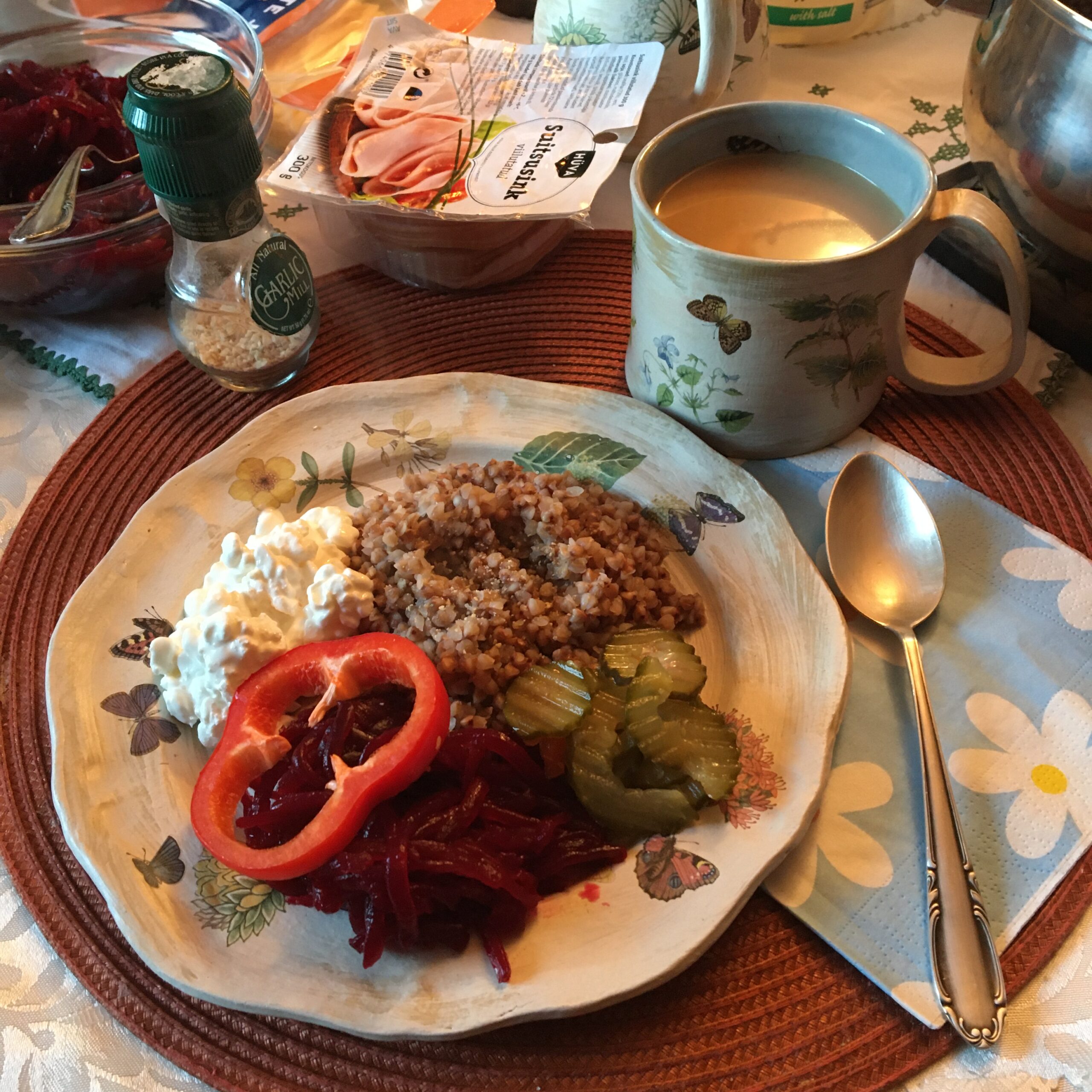
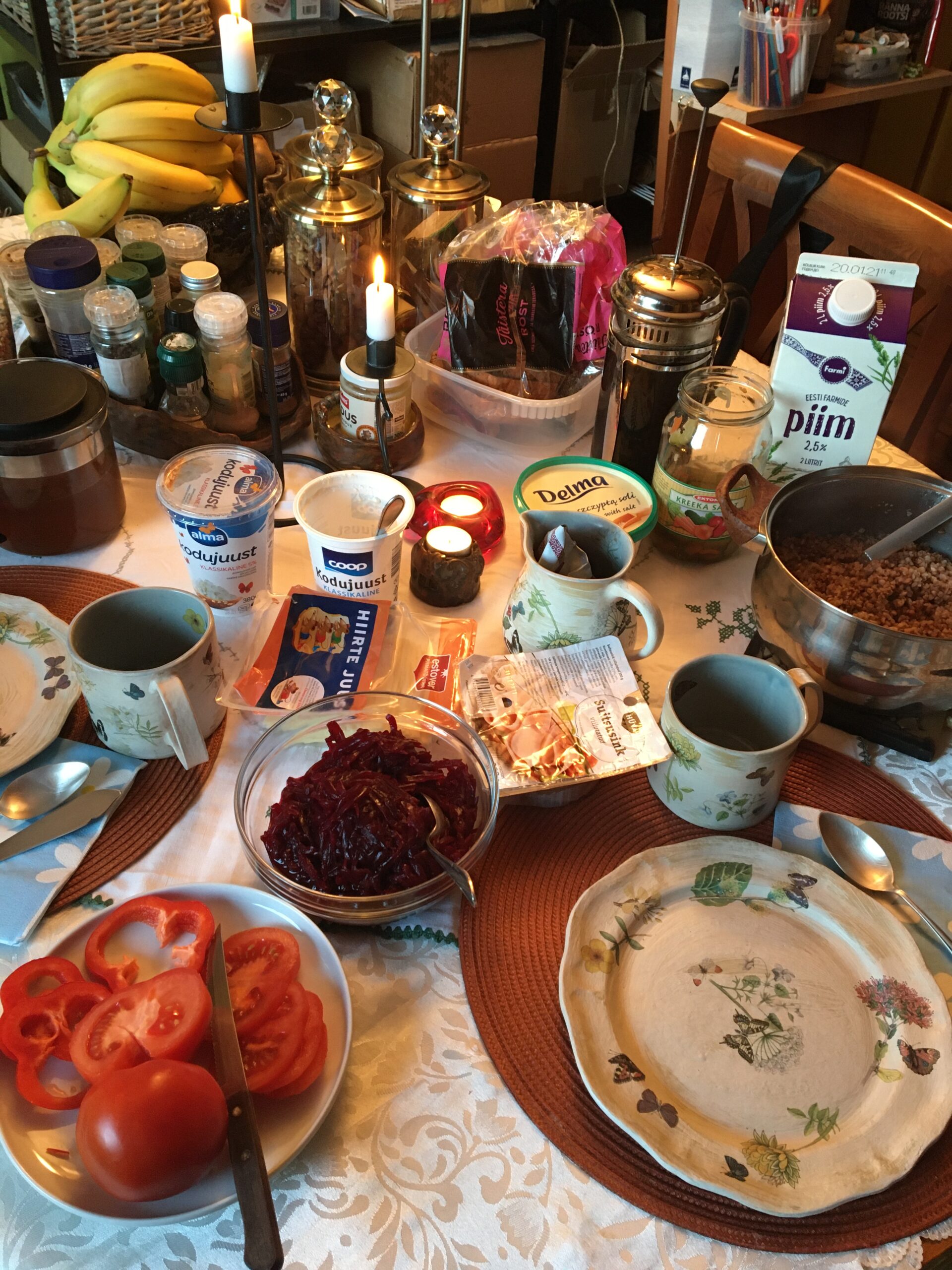
NordenBladet – Last week turned out to accommodate quite a lot of activities – many things that were accomplished at home, also the clay workshop with Ivanka Shoshana and myself, the writing of a children’s book “His Majesty Mouse the First” (Chapter One is now ready!), working with NordenBladet, and I also commenced designing the poster for the upcoming exhibition of mine in the Estonian National Museum ERM. Never have I really calculated the hours, since giving up my home assistants, that are spent on duties for home (cleaning, sorting clothes, doing laundry, heating the rooms, clearing the road from snow, making dinner, doing the dishes, driving my kids to school and hobby schools, etc.), but the average daily time would be minimally ca 3-5 hours… During summertime, when I also work in the garden and in the green house, and mow the lawn, then the hourse are even more than that.
On the one hand this is really nice – I do enjoy doing all of it by myself (the wife really is the heart and soul of the home), yet on the other hand from time to time I feel more like a “cleaning lady, chauffeur, shiftman” instead of a business woman, artist, and journalist. Media channels – the directing of six-language NordenBladet and the editing work in OHMYGOSSIP entertainment site branch offices – consume an extreme amount of time and commitment, the Elisheva & Shoshana brand requires further development, and painting, ceramics, and authoring the book each take time. Ohhhhh…yeaaaah… sometimes I do not understand how on Earth for so many years I have coped all the work load and all the stress. Sometimes it seems I’ve had enough, but oftentimes I enjoy the hasty life and the fact that there are a million things piling up. Still, indeed, to be completely honest, I have slowed down a lot on the work end of the day since the coronavirus pandemic broke out, and should the initial working schedule be restored (frequent travelling, fairs, seminars, meetings etc.) then it would make a lot of sense to use external assistance once more.
On Wednesday I underwent a minor operation (I have nickel allergy and the blouse zipper or something similar irritated the body so that it needed immediate intervention). Cosmetically it is nothing to worry anymore, but in any case I take anti-inflammatory medication Duracef twice a day and spread Braunovidon on the wound. My parents took Ivanka Shoshana to their place for the weekend and for a change I decided to visit Viljandi. Estella Elisheva was quite happy to be left home alone… hahaa.
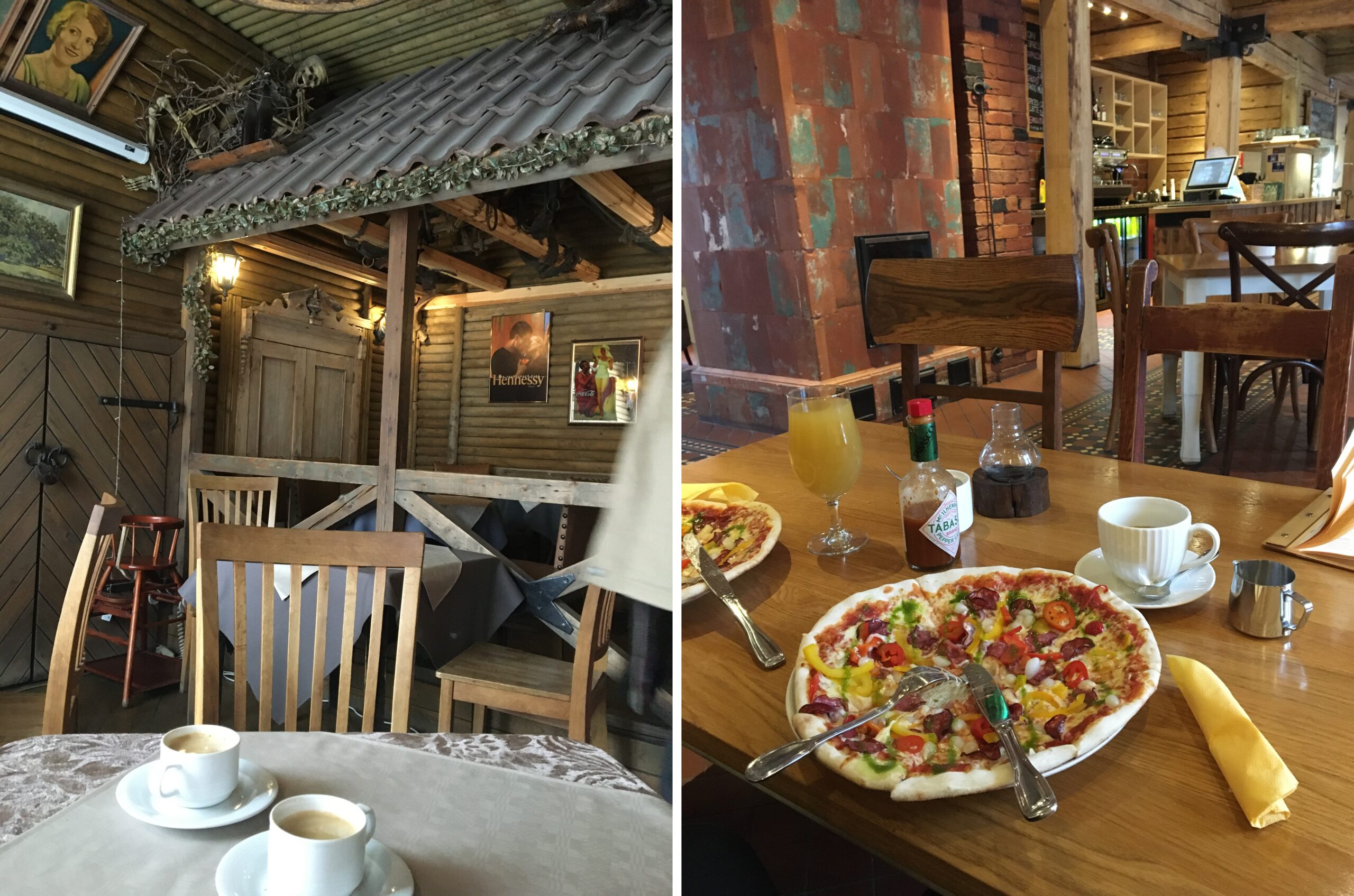
After a peaceful, long and pleasant breakfast I started off through Rapla and Türi towards Viljandi. I like antiquity stores, I almost always find something to purchase (be it an old blacksmith-candlestick, cast iron bowl, tablecloth with handmade embroidery, old silverware or a carafe). I looove to buy all kind of old crap 😀 In Rapla there is a nice antiquity shop “Station’s old stuff” (address: Viljandi Road 89) and near Türi central square, from the roundabout towards Pärnu-Rakvere-Sõmeru Road there is a stylish second hand shop, it is something like the third building to Viljandi direction. Those being browsed, I made a minor coffee break in Türi town Earl Dracula pub, and then departed towards Viljandi. in Viljandi I like the shop Friend to Friend (Kauba street 4). From there I almost always find a cool wooden bowl or copper container. And in Viljandi I always feel obliged to visit the Amrita Cafe (Tallinn Road 29a), since they have the world’s best pizza! (on the pictures below on the left hand side you can see Türi Earl Dracula pub and on the right hand side Viljandi Amrita Cafe).
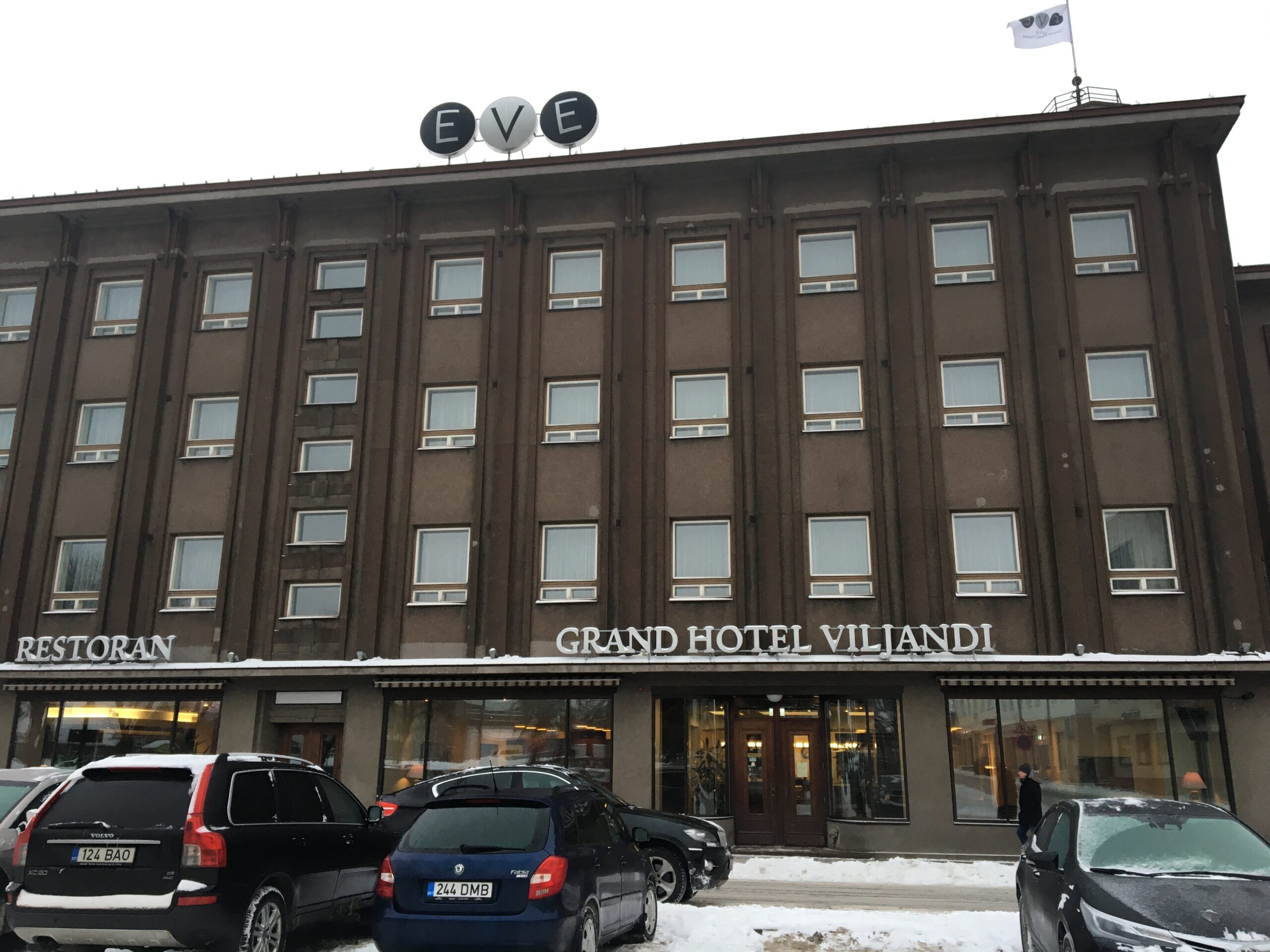
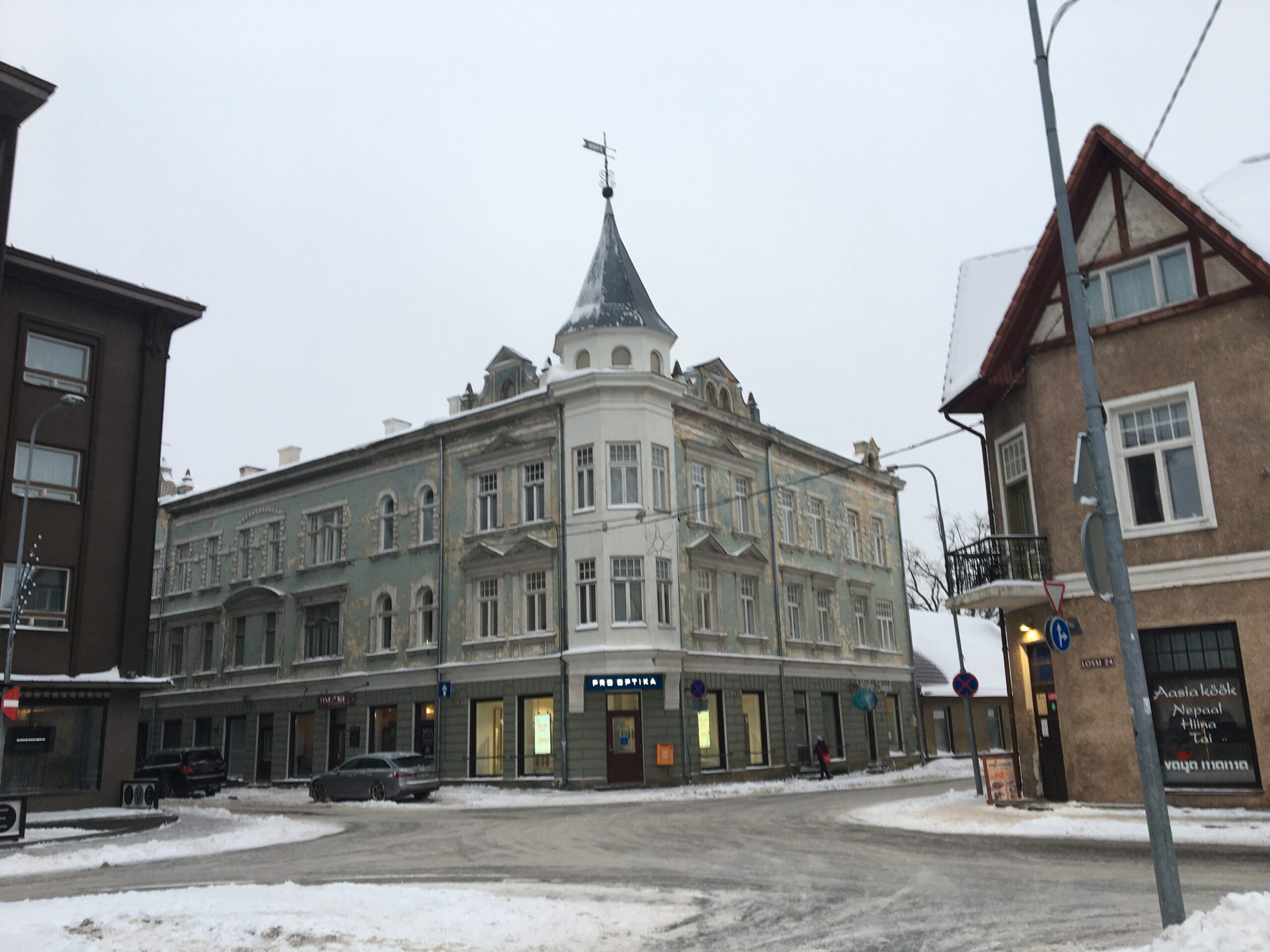
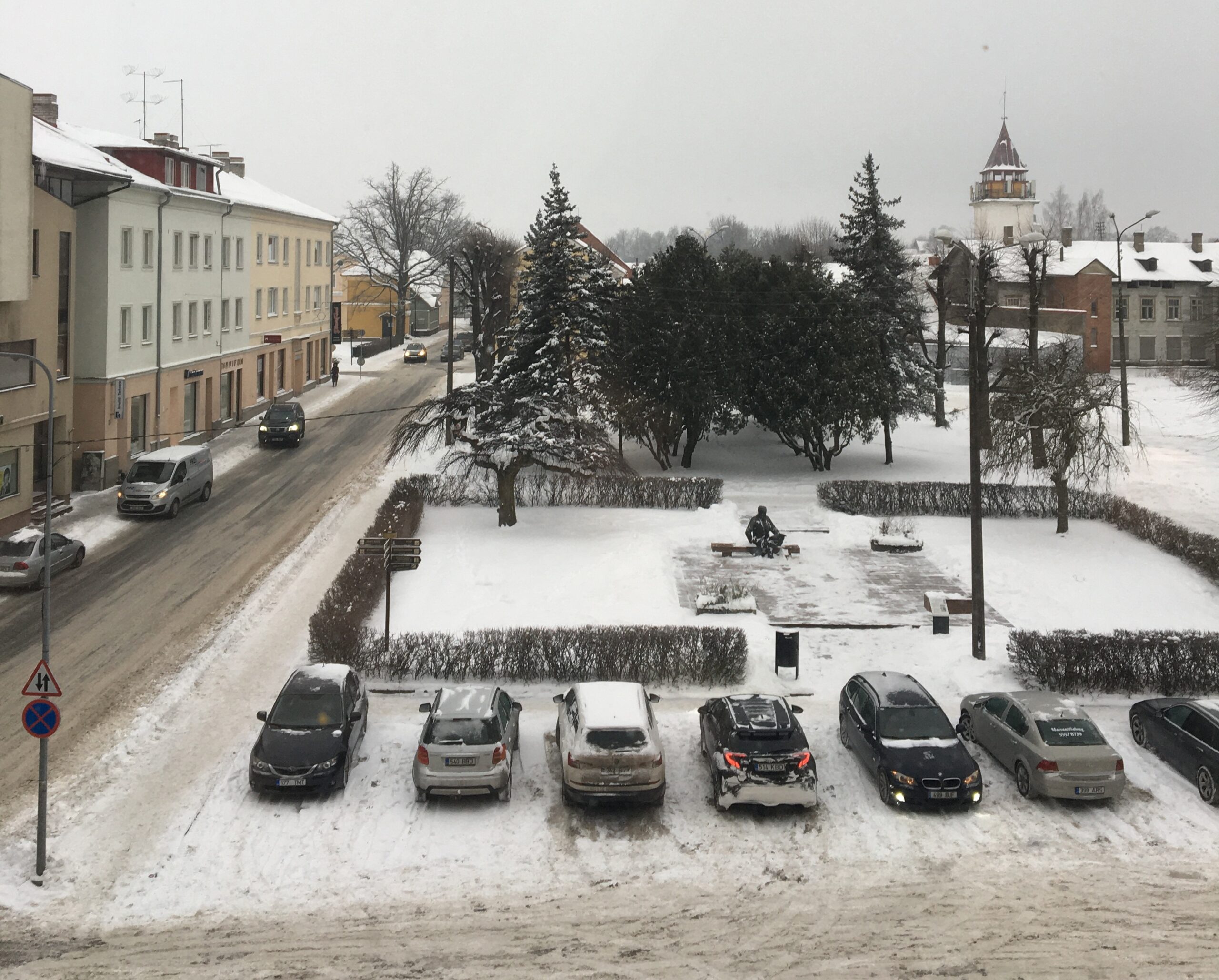
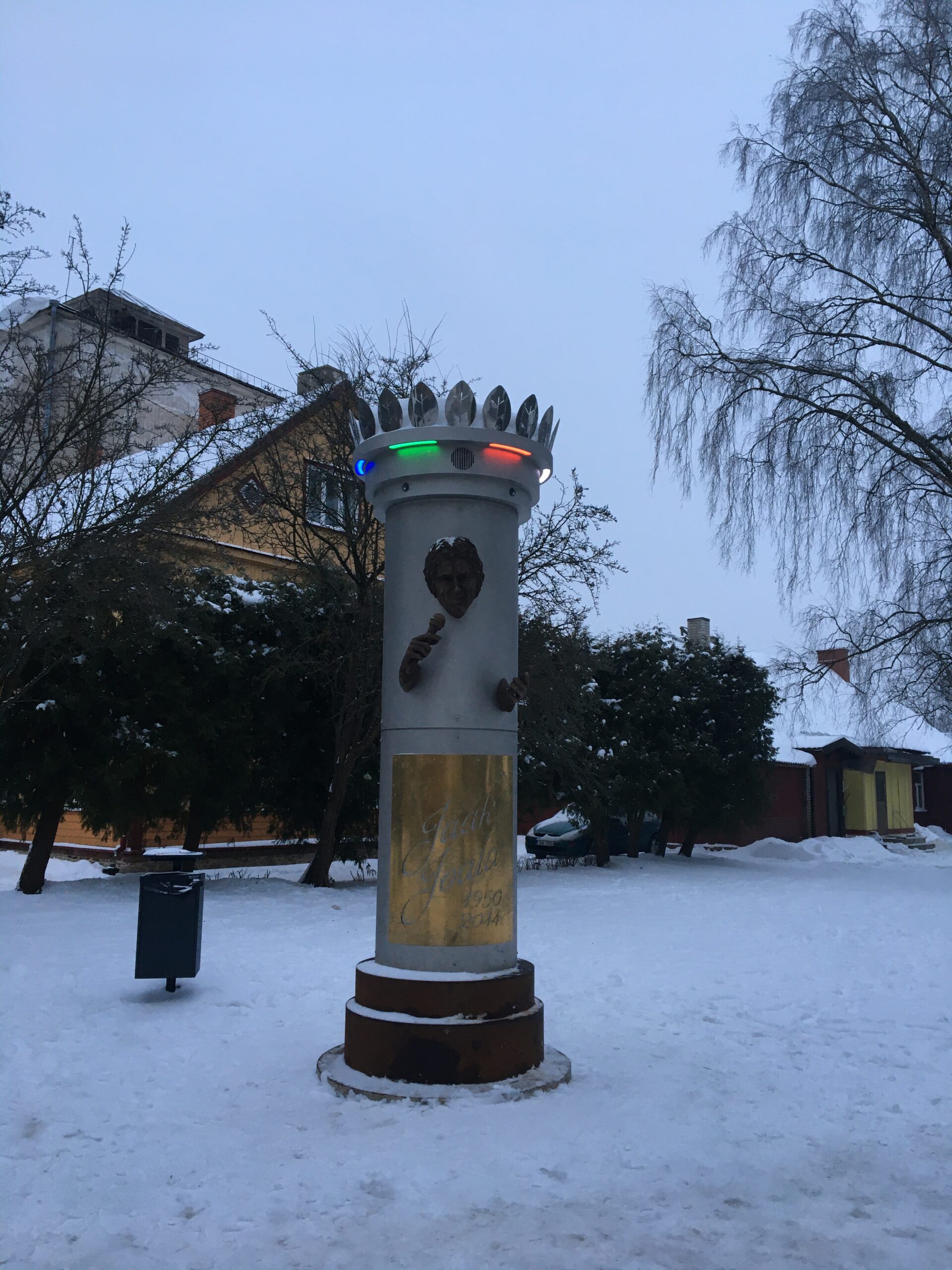
After that I parked the car and took the luggage to Grand Hotel Viljandi (EVE Hotel). Viljandi has free parking everywhere… so great, I had already forgotten it meanwhile! From the hotel room window there was a view to the park in front of Tartu street, and next to it there was the beautiful Lossi street. I like Viljandi old town, but curiously the local people do not think much of it. Inhabitants of Viljandi prefer the suburbs where there are fewer tourists and more convenient parking. Currently the situation in the old town is nothing to boast about – every other shop is closed 🙁 On Friday I had a couple of meetings in the city centre but the rest of the day was spare time and I used it just for walking and enjoying the surrondings. I also paid a visit to Post street where the sculptor Mati Karmin has erected the infamous statue of singer Jaak Joala, also I read Sakala newspaper and towards the evening got a bottle of champagne from a nearby Coop grocery store and then back in the hotel the life on Earth seemed in full bloom!
PS! While pleasantly spending time in Viljandi, also a nice new business idea emerged in my head, and it seemed just as nice the next morning!! I am a non-exhausting idea generator, just can’t help it! Heh… so it seems my to-do list will be stretched again?!! 🙂
NordenBladet — In its meeting on 25 January, the Government decided to supplement the action plan implementing the hybrid strategy to combat COVID-19. The Government will adopt a resolution on the matter tomorrow.
In line with the decision, the action plan will be supplemented with three new sets of measures aimed at combating the acceleration of the COVID-19 epidemic and, in particular, at curbing the spread of the more infectious virus variant in Finland. The action plan will be supplemented as follows:
Tier 1: All measures for the community transmission phase must be implemented in full in areas where the epidemic is in the community transmission phase. The restrictive measures in force must remain at least at their current level until an assessment can be carried out concerning the spread of the new virus variant and the effectiveness of the measures taken to prevent it.
Tier 2: The recommendations and guidelines for the community transmission phase will be introduced based on the threat of the rapid acceleration of the epidemic or the spread of the new virus variant. The goal is to achieve a strong, rapid reduction in contacts throughout the country. The Ministry of Social Affairs and Health will guide regions in implementing the measures based on a statement from the Finnish Institute for Health and Welfare. The measures will be introduced in the event that the spread of the new virus variant increases in a certain region and to such an extent that immediate action is required. In tier 2, additional measures may also be introduced at the national or regional level, such as lowering the maximum number of persons permitted at gatherings. The most extensive remote work recommendation and a mask recommendation may also be introduced throughout the country.Other measures under the communicable diseases legislation should be decided on before placing restrictions on children and young people (e.g. suspending group hobbies).
The upper grades of comprehensive school may switch to distance learning. However, this should be a last-resort measure. The Ministry of Education and Culture, the Ministry of Social Affairs and Health and the Finnish Institute for Health and Welfare will specify the criteria for group hobbies that must be suspended in tier 2. At the same time, proactive measures must be taken to support children and young people in order to minimise the harmful effects of the restrictions on their functional capacity and wellbeing. The transition to tier 2 requires separate approval from the Government.
Tier 3: A state of emergency will be declared and restrictions on movement will be introduced in addition to the above-mentioned measures. This is an extreme measure that can be justified only if all of the previous measures have proved insufficient and it can be demonstrated that the epidemic situation poses an immediate threat to the carrying capacity of the healthcare system, or if it is absolutely necessary in order to safeguard the lives or health of the population.
NordenBladet — In its spring 2021 budget session, the Government will discuss possible plans to expand the tax credit for household expenses. However, a new study shows that the tax credit is not an effective means to increase employment or prevent tax evasion.
Every year, more than EUR 400 million is granted in tax credits for household expenses in Finland. Tax credits for household expenses are generally considered an excellent way to increase employment in the service sector and to discourage tax evasion. However, according to a recent study by the VATT Institute for Economic Research and the Labour Institute for Economic Research, the tax credit for household expenses does not significantly contribute to either of these objectives. Tax credits are also disproportionally granted to people with high incomes.
Tax credit for household expenses has little impact on consumption habits
Using extensive register data, the study examined how changes in the system of tax credits for household expenses affect the demand for services in Finland and Sweden. The study found that introducing or expanding the scope of tax credits did not increase the consumption of services.“According to the study, the tax credit for household expenses seems to benefit mainly those consumers who would have used the services in any case. Because the tax credit does not increase the use of services, it does not generate new jobs in the service sector either,” says VATT Research Professor Jarkko Harju.
Changes in tax credits for household expenses therefore have little impact on consumption habits.“Our research shows that when using services, consumers are not very sensitive to changes in prices. This finding is in line with earlier studies on the effects of reduced VAT rates on the demand for services,” says Research Director Tuomas Kosonen from the Labour Institute for Economic Research.
According to the study, the recipients of tax credits for household expenses earn significantly more on average than other taxpayers. The higher a person’s income taxes, the more they can take advantage of the tax credit, which particularly benefits high-income taxpayers.
Details of tax credit system not well known
The minor impact of changes in the tax credit for household expenses on consumption habits is also partly explained by the fact that consumers are not very familiar with how the tax credit system works. As part of the study, a survey was conducted to determine consumers’ knowledge of the rules related to the tax credit for household expenses.
“Examining taxpayers’ declarations related to the tax credit revealed that many applicants declare a smaller amount on their tax return than they could. There were also surprisingly few respondents who knew the maximum compensation for household expenses or the correct rate of reimbursement,” says Junior Researcher Sami Jysmä from the Labour Institute.
Another idea behind the tax credit system is that if consumers report the purchase of services to the tax authorities, companies will be more likely to report their sales to the tax authorities rather than resorting to the grey economy. “However, the sales reported to the tax authorities by businesses in the cleaning sector did not increase with the introduction of the tax credit. We were surprised to see that the tax credit did not have the effect of reducing tax evasion,” says Researcher Aliisa Koivisto from VATT. The ‘Impact of the tax credit for household expenses on employment and the grey economy’ study was carried out as part of the implementation of the Government’s 2019 plan for analysis, assessment and research.
NordenBladet — This week, the Riigikogu Delegation to the Parliamentary Assembly of the Council of Europe (PACE) will participate in the winter plenary session of the Assembly. They will attend the session remotely, via a video bridge. The Estonian delegation has requested initiating debates in support of civil society in Belarus and Russian opposition leader Alexei Navalny.
“In both cases, there have been clear violations of the principles of human rights,” Head of the Estonian delegation to PACE Maria Jufereva-Skuratovski said. “Therefore, we consider it important to raise these issues in the Assembly. Given the heightened attention towards Navalny’s arrest and detention, it may be assumed that the topic of Belarus will remain somewhat to the background this time around. It is all the more important then that we make an effort to keep the issue of Belarus on the agenda.”
Jufereva-Skuratovski said that the Assembly would also discuss the issues relating to COVID-19 vaccines.
On Tuesday, the elections of Judges to the European Court of Human Rights, the Deputy Secretary General of the Council of Europe and the Secretary General of the Parliamentary Assembly of the Council of Europe will be held.
In the afternoon of that day, the joint procedure in response to situations where a member state violates the fundamental principles upheld by the Council of Europe will be voted on. The initiative has gained wide support, but the delegation of the Russian Federation has expressed a wish to table amendments.
Maria Jufereva-Skuratovski will also take the floor at the debates on the observation of the parliamentary elections in Georgia and the German presidency on Monday. On Wednesday, member of the Estonian delegation Vilja Toomast will speak about vaccination against COVID-19. Raimond Kaljulaid and Maria Jufereva-Skuratovski wish to speak in support of Navalny at the current affairs debate on Thursday.
The video meetings will also be attended by members of the Estonian delegation Eerik-Niiles Kross, Urmas Reitelmann and Raivo Tamm.
NordenBladet – Føroya Bjór, one of the Faroe Islands’ oldest distilleries, can now add whisky to its growing list of products. 861 bottles of Føroya Bjór’s inaugural single malt whisky, called Einar’s Whisky, were made available for purchase in November last year. All bottles sold out in one day.
“We knew the quality of the whisky was good, but we had no idea that the interest would be so big,” says Einar Waag, CEO of Føroya Bjór.
Whisky guru and founder of the internationally acclaimed Whisky Bible, Jim Murray, agrees with Einar about the quality of the Faroe Islands’ first whisky. He gave Einar’s Whisky 89 out of 100 possible points and highlighted the overall quality, particularly considering the whisky’s young age.
In a letter to local media company Norðlýsið, Jim says: “Hugely impressed. If only more whiskies in Scotland were of this quality! Hearty congratulations on out-Scottishing the Scots!”
The whisky, which was three years old when bottled, was stored in sherry and bourbon casks at Føroya Bjór’s headquarters in the islands’ second largest city, Klaksvík. The bottles are 500ml and abv 51%.
Theis Herdalur, store manager at the Rúsdrekkasøla Landsins, the national alcoholic beverage retailing monopoly of the Faroe Islands, is pleased to offer customers a new product.
“Føroya Bjór are whisky pioneers in the Faroe Islands, and we’re excited to sell this new and exciting product,” he says.
Each bottle of Einar’s Whisky was sold for approximately DKK1100. A new batch is scheduled for release later in 2021.
More whisky on the way
Føroya Bjór will soon face competition from Faer Isles Whisky, a new company who plan on building a new whisky and gin distillery in the village of Kvívík. Faer Islas Whisky’s ambition is to produce 800 to 1,000 barrels of whisky, equating to approximately 500,000 bottles, with 90 to 95 percent being exported. Faer Isles Whisky is funded by whisky enthusiasts worldwide, with founding members coming from 22 countries. From February 2021, the company will invite people to buy shares via their community funding round.
NordenBladet – Icelandic contractors and international investors have shown interest in building a film studio in Iceland, Morgunblaðið reports. Leifur Björn Dagfinnsson, managing director of the film production company True North, states that such a project could substantially increase the country’s income from film production.
When asked about a potential location for a film studio, Leifur responds it would have to be in the capital area – no more than a 10-15 minute drive from the city center. He adds that the largest streaming services have looked at conditions here, which they find ideal in many ways.
“We’ve spoken to foreign parties interested in investing in these kinds of projects in Iceland,” he states. A few lots have been looked at, and to begin with, the size of the studio would preferably be around 6,000 m2 (64,600 sq ft), or twice the size of Reykjavík Studios. That way, larger projects could be worked on, or more than one at a time. The cost could run around ISK 1.5 billion (EUR 9.5 million; USD 11.6 million). In the long run, more studios would have to be built, he states.
Leifur believes the investment would be very profitable, creating numerous jobs. He explains that film studios in the UK and Ireland are booked up, creating demand for services in Iceland. In addition, the rate of reimbursement for foreign film production in Iceland will be increased from 25 to 35 percent, which is in line with the increasing rate of reimbursement in other European countries.
Leifur states that there is strong interest in Iceland. The country has beautiful film locations to offer, he notes, and a shorter travel time between hotels and a film studio than do most other countries.
NordenBladet — On 22 January, the Government decided at an extraordinary meeting to tighten border traffic and the recommendations on testing and quarantine.The aim is to prevent the re-escalation of the growth of the COVID-19 epidemic and the spread of the COVID-19 variant in Finland. Should the new virus variant become more widespread, it could result in a potentially much more transmissible epidemic.
Decisions to tighten internal and external border traffic
Border control at internal borders will be continued until 25 February. Entry into the country based on employment will be restricted to essential duties. At internal borders, essential travel constitutes work that is important for the functioning of society or for security of supply. It also extends to certain specifically defined special groups. Entry requires a separate form from the employer. Certain special groups are permitted to enter the country. Such special groups cover those involved in culture, sports and business life, for example. In business life, these include people carrying out tasks necessary to secure the recovery, new growth, regional economy, or long-term operating conditions of a certain sector.Belonging to a border community will no longer be a valid reason for an exemption. The right of the border municipalities’ residents to freely use the services in a neighbouring country will be terminated. Quarantine recommendation will be reintroduced to border crossings.
The definition of relatives will be tightened in relation to decisions concerning internal and external borders. According to the restriction, in future, family members include the following: spouse (including cohabitant and close personal relationship), children, parents, parents-in-law and grandparents. In addition, the Imatra border crossing point will be closed to passenger traffic. Goods traffic will continue as usual. There may be changes to the opening hours of border crossing points at the western and northern borders in Lapland.
For the main part, the decisions will enter into force on 27 January at 00.00.
The reintroduction of internal border control does affect the freedom of movement as laid down in the Constitution, according to which Finnish citizens have the right to enter and leave the country unless their right to free travel has been restricted.