NordenBladet —At today’s sitting of the Riigikogu, the Governor of the Bank of Estonia Ardo Hansson presented the central bank’s annual report for 2018. Hansson noted that, although the economic growth had slowed down, the economy was enjoying relatively good times.
Speaking of the public finances, Hansson said that, in the estimation of the Bank of Estonia, at that point, it was not reasonable to boost economic growth by increasing government expenditure. Reserves should be accumulated in good times, and it would not be reasonable to take loans at that point. The Governor of the central bank said that interest rates were indisputably favourable, but unfortunately, not always were there favourable conditions for spending the money borrowed. Figuratively speaking, more kilometres of highways can be built for the same money in more adverse times than at present, Hansson said.
In his report, Hansson said that Estonia’s economic growth was slowing down. He noted that the economy had grown by nearly 5% in 2017, by 4% last year, and by around 3% this year. In the estimation of the Bank of Estonia, further economic growth will remain at around 2%. Noticeably faster growth is unattainable with the current technology, labour force, development level and skills. Therefore, the Bank of Estonia is expecting a moderate cooling of the economy in the near future.
Hansson said that domestic price pressure was also expected to grow, because the rise in salaries would be transferred to the prices of services sooner or later. Over the last eight years, salaries have risen by around 6–7% a year in Estonia, while the rise has been 1.5–2% a year in the euro area at the same time. The Governor of the Bank of Estonia said that the rapid salary growth had been positive for Estonian contractors, but employers’ profitability was under pressure and that was holding back investments. In the estimation of the central bank, salary growth is being curbed owing to factors such as the slowing down of the economic growth, positive net migration, and the social insurance reforms, which have brought new people to the labour market. The growth of labour costs is however underpinned by the raising of the minimum rate of salaries in education and healthcare, and the rise in the minimum salary.
The Bank of Estonia is of the opinion that the financial situation of the Estonian banking sector is good as a whole, and the risks threatening it are small. Hansson said that the capacity of the banks to fund investments also remained good. At the same time, in his words, there are certain signs of diminished competition, and the risk to reputation arising from money laundering suspicions may weaken it in the future. Although salaries are growing rapidly and interest rates are low, banks have not fuelled a real estate boom with lending activities, Hansson said. He added that the Bank of Estonia was following the developments in order to take steps when necessary.
The Governor of the central bank pointed out that labour force and the funding of investments had concentrated in the construction and real estate sector. Therefore the sector was growing much faster than the economy as a whole, and labour market tensions were particularly acute there. The influx of foreign labour is indeed connected to the construction sector, in Hansson’s words. In his words, this sector tends to undergo cycles, which means that a backlash may occur at some point when demand decreases or the loan paying capacity of construction and real estate companies deteriorates. Bad loans emerge then, and employees lose their jobs.
In Hansson’s words, the Estonian economy and the work of the central bank is also affected by Luminor Bank’s entry to the market. He explained that when Nordea and DNB had combined their operations, the Estonian banking sector had grown significantly. The new bank had brought all its Latvian and Lithuanian business into an Estonian legal person. This means that the wellbeing of the Estonian banking sector will begin depend more on what is going on in Latvia and Lithuania, Hansson said.
During the debate, Maris Lauri took the floor on behalf of the Reform Party Faction, and said that all risks had to be taken into account in order to ensure financial stability. In her words, the Riigikogu should deal more with the problems of crowdfunding and high-risk financial sector enterprises. Lauri stressed that the Bank of Estonia was an adviser to the Government, and the Government should not make important economic policy decisions without hearing the position of the central bank.
Kersti Sarapuu took the floor on behalf of the Estonian Centre Party Faction. In her words, it is important that Estonia learn from money laundering cases and draw conclusions for the future. She underlined that Estonia’s debt burden was the lowest in the European Union, and the public finances of Estonia were in good order. From the past year, Sarapuu highlighted positively the Port of Tallinn’s entry on the stock exchange which had had a significant impact on capital markets.
Speaking on behalf of the Social Democratic Party Faction, Riina Sikkut said that, for shaping knowledge-based policies, it was important to use the data of the Bank of Estonia. She referred to the analysis by the central bank that said that the people who were making contributions to the second pension pillar were saving more for their pension than those who were not making the contributions. Sikkut said that the Government had to responsibly keep in mind a long perspective and that which was important in regard to the future pensions of all people.
Sven Sester spoke on behalf of the Faction Isamaa. He said that the Bank of Estonia had been successful in ensuring financial stability. Sester noted that the euro area asset purchase programme did indeed stimulate the economy, but it also had risks, such as a potential rise in real estate prices, and postponement of certain decisions to a more distant future. However, in his words, the commercial banks of Estonia are among the best capitalised in Europe, and they have good cooperation with the Bank of Estonia.
NordenBladet – In recent years, the growth of interest in responsible travel has outpaced that of traditional sun/sand tourism by an increasingly wide margin. What is ecotourism? How does it work? Why does it matter? And how can we, as travelers, put the core principles of ecotourism into practice?
With some experts estimating that ecotourism now represents 11.4% of all consumer spending, these sorts of questions have become more and more common. And, as we continue to see more negative impacts of mass tourism on beloved destinations around the world, the answers to these questions will become increasingly vital. Part of the confusion surrounding sustainable travel is the plethora of names being used for it within the industry.
Ecotourism, a movement that began to take shape back in the 1980s, is the oldest and most commonly used word for it. More recent industry buzzwords include sustainable tourism, green tourism, nature tourism, responsible tourism, ethical tourism, mindful travel, conscious travel, pro-poor tourism, and many others.
Regardless of what you call it, the central concepts that these philosophies share in common are that the travel industry as a whole should adopt more environmentally friendly practices, protect the natural and cultural heritage of a destination, and support local communities.
What is eco tourism? Ecotourism is a form of tourism involving visiting fragile, pristine, and relatively undisturbed natural areas, intended as a low-impact and often small scale alternative to standard commercial mass tourism. It means responsible travel to natural areas, conserving the environment, and improving the well-being of the local people. Its purpose may be to educate the traveler, to provide funds for ecological conservation, to directly benefit the economic development and political empowerment of local communities, or to foster respect for different cultures and for human rights. Since the 1980s, ecotourism has been considered a critical endeavor by environmentalists, so that future generations may experience destinations relatively untouched by human intervention. Several university programs use this description as the working definition of ecotourism.
Generally, ecotourism deals with interaction with biotic components of the natural environments. Ecotourism focuses on socially responsible travel, personal growth, and environmental sustainability. Ecotourism typically involves travel to destinations where flora, fauna, and cultural heritage are the primary attractions. Ecotourism is intended to offer tourists an insight into the impact of human beings on the environment and to foster a greater appreciation of our natural habitats.
Responsible ecotourism programs include those that minimize the negative aspects of conventional tourism on the environment and enhance the cultural integrity of local people. Therefore, in addition to evaluating environmental and cultural factors, an integral part of ecotourism is the promotion of recycling, energy efficiency, water conservation, and creation of economic opportunities for local communities. For these reasons, ecotourism often appeals to advocates of environmental and social responsibility.
Many consider the term “ecotourism”, like “sustainable tourism”, an oxymoron. Like most forms of tourism, ecotourism generally depends on air transportation, which contributes to global climate change. Additionally, “the overall effect of sustainable tourism is negative where like ecotourism philanthropic aspirations mask hard-nosed immediate self-interest.
Ecotourism is tourism which is conducted responsibly to conserve the environment and sustain the well-being of local people. It…
1) Builds environmental awareness
2) Provides direct financial benefits for conservation
3) Provides financial benefits and empowerment for local people
4) Respects local culture
5) Supports human rights and democratic movements such as:
– conservation of biological diversity and cultural diversity through ecosystem protection
– promotion of sustainable use of biodiversity, by providing jobs to local populations
– sharing of all socio-economic benefits with local communities and indigenous peoples by having their informed consent and participation in the management of ecotourism enterprises
– tourism to unspoiled natural resources, with minimal impact on the environment being a primary concern.
– minimization of tourism’s own environmental impact
– affordability and lack of waste in the form of luxury
– local culture, flora, and fauna being the main attractions
– local people, who benefit from this form of tourism economically, and often more than mass tourism
The International Ecotourism Society defines ecotourism as “responsible travel to natural areas that conserves the environment, sustains the well-being of local people, and involves interpretation and education”.
For many countries, ecotourism is not simply a marginal activity to finance protection of the environment, but a major industry of the national economy. For example, in Costa Rica, Ecuador, Nepal, Kenya, Madagascar and territories such as Antarctica, ecotourism represents a significant portion of the gross domestic product and economic activity.
Ecotourism is often misinterpreted as any form of tourism that involves nature. Self-proclaimed practitioners and hosts of ecotourism experiences assume it is achieved by simply creating destinations in natural areas. According to critics of this commonplace and assumptive practice, true ecotourism must, above all, sensitize people to the beauty and the fragility of nature. These critics condemn some operators as greenwashing their operations: using the labels of “green” and “eco-friendly”, while behaving in environmentally irresponsible ways.
Although academics disagree about who can be classified as an ecotourist and there is little statistical data, some estimate that more than five million ecotourists—the majority of the ecotourist population—come from the United States, with many others from Western Europe, Canada and Australia.
Currently, there are various moves to create national and international ecotourism accreditation programs, although the process is also controversial. National ecotourism certification programs have been put in place in countries such as Costa Rica, Australia, Kenya, Estonia, and Sweden.
Ecotourism´s history Ecotourism is a late 20th-century neologism compounded from eco- and tourism. According to the Oxford English Dictionary, ecotour was first recorded in 1973 and ecotourism, “probably after ecotour”, in 1982.
– ecotour, n. … A tour of or visit to an area of ecological interest, usually with an educational element; (in later use also) a similar tour or visit designed to have as little detrimental effect on the ecology as possible or undertaken with the specific aim of helping conservation efforts.
– ecotourism, n. … Tourism to areas of ecological interest (typically exotic and often threatened natural environments), esp. to support conservation efforts and observe wildlife; spec. access to an endangered environment controlled so as to have the least possible adverse effect.
One source claims the terms were used earlier. Claus-Dieter (Nick) Hetzer, an academic and adventurer from Forum International in Berkeley, CA, supposedly coined ecotourism in 1965 and ran the first ecotours in the Yucatán during the early 1970s.
17 Responsible travel tips:
1. Eat local
t’s fun to try the famous restaurants recommended by Lonely Planet or ranked highly on TripAdvisor, but try some small, Mom-and-Pop shops too. This way, you’re contributing to small businesses where your money is needed more than the eateries that are always bustling with visitors.
2. Shop local
Shop at local food markets whenever possible. Buy souvenirs from artisan as opposed to big shops. Spread your money around, and support the “little guy.”
3. Find non-profits
Research non-profits in the area you are visiting and support in any way you’re able. For example, along our travels we’ve found many places there are restaurants that hire staff of all abilities, serve only locally-produced food or give a portion of proceeds to charity. For instance, when we were in Cambodia, we found several cafes and hotels that gave back to those in need.
4. Share your experience
Pay it forward and shout out great companies. When a restaurant, hotel or tour organization is doing good things (paying staff fairly, protecting the environment, giving back to their community), tell the world!
Write them a glowing review on TripAdvisor, and if you’re active on social media share your experience there too. If something just doesn’t feel right about a company, share that as well. The only way we as travelers can make informed decisions is by hearing from others’ experience.
Help others choose good companies. With our support, those companies doing the right thing will grow while those following unsavory practices will realize they need to change.
5. Be wary of animal attractions
Do thorough research on any attraction that involves animals. More often than not, they are destructive to the creatures involved. When you partake in these activities your money supports the harm of animals, and this tells the people running these attractions that it’s okay.
Do your own research about animal attractions that interest you and make a well-informed decision. A few of the popular animal tourism attractions that we have chosen NOT to support are: Swimming with whale sharks in the Philippines, Riding on the back of elephants anywhere in the world, Visiting Tiger Kingdom in Chiang Mai etc.
6. Use reusable Bag
Bring reusable bags (or an old plastic bag) to convenience stores or markets to prevent waste. Travel with these Eco-Friendly Products to help reduce waste and conserve water.
7. Don’t litter
Ever. Even if the locals do. For every local who litters, there are many who don’t. Seeing a foreigner throw trash on the ground in their home can be seen as very disrespectful.
8. Drink from the tap
Use a water purifying system to cut down on plastic bottle waste. (We love our SteriPen!)
9. Recycle when possible
For some reason, it’s easy to forget about recycling when you’re not at home. We know this all too well. But we are trying to make a conscious effort to remember to recycle no matter where in the world we may be.
10. Lights out
Save electricity by turning off the lights and air-conditioning when you leave your room.
11. Say no to straws
Order your smoothies and iced coffees WITHOUT a straw. Did you know that straws are in the top 10 items collected in beach cleanups. In fact, plastic products make up 90 percent of trash floating in the world’s oceans. We aren’t perfect, but we’re trying our best to say no to straws and reduce the amount of single-use plastic we use.
12. Order food wisely
Only order as much food as you can eat and try not to waste. A lot of the time our eyes are bigger than our stomachs, so we start slow and know that we can always order more if we’re still hungry.
13. Give maps a second life
After using a map or brochure of a city, leave it at your hotel desk for future guests to use instead of throwing it in the trash. Better yet, if you’re tech-savvy, download your location in Google Maps on your phone when you’re in wi-fi, turn on your GPS tracking abilities, and you’ll be able to get your location even when you’re out of cell service! Yeah, it’s pretty much the best thing ever. And there’s no paper wasted!
14. Use public transportation
Hop on the metro, the train or a bus when possible to minimize your impact on the environment. Or even better yet, rent a bicycle for an excellent way to see a city while getting a bit of exercise in!
15. Use reef safe sunscreen
Did you know that most sunscreens contain chemicals that bleach coral reefs? Whether you’re on a scuba diving holiday or you just want to go for a swim, be sure to use a sunscreen labeled as “reef safe” if you plan on being in the ocean at all. The fishies and coral they call home will thank you!
16. Consider carbon offsetting
There’s no denying the toll air travel takes on the environment. It is a huge source of pollution, and by flying around the world you are contributing to it.
The next time you book a flight, consider offsetting your carbon footprint. Basically, this means for each ton of CO2 your flight will emit, you can prevent the same amount from polluting the atmosphere elsewhere. Don’t worry, there are programs that can calculate your carbon emissions for you, and this article explains carbon offsetting and some reputable organizations you can donate to.
17. Follow the rules
Pay attention and respect signs at tourist attractions. When it says, “Don’t climb” – DON’T CLIMB. When it says, “Don’t take photos” – DON’T TAKE PHOTOS. It’s simple, but many tourists overlook this. Often times these signs are in place for a good reason: to reduce erosion, to protect a holy site for future generations, or even to keep people safe. Respect these rules. Remember that you are a visitor.
Featured image: Pexels/Nappy
Keywords: nordenbladet, nordisk blad, nordic news, nordic travel news, nordic travel, holiday in north, ecotourism benefits, ecotourism destinations, ecotourism examples, ecotourism in scandinavia, principles of ecotourism, what is ecotourism and why it is important, eco travel, ecotourism holidays, ecotourism destinations, eco tourism resort, ecotourism activities, sustainable ecotourism, eco tour, ecological tourism, ecotourism companies, ecotourism tour operators, ecotourism development, ecotourism project, ecotourism places, ecotourism travel, nature tourism holidays, nature tourism, ecotourism sites, ecotourism organizations, ecotourism trips, ecotourism and sustainable development, eco tourism park, principles of ecotourism, ecotourism products, what’s, ecotourism, responsible tourism, sustainable tourism, ecotourism websites, list of ecotourism activities, eco holiday, ecotour, impacts of ecotourism, ecotourism vacations, ecotourism travel agency, sustainable tourism development, speech on ecotourism, ecotourism jobs, sustainable tourism definition, ecotourism conservation, tourism and ecotourism, ecotourism in the world, eco tourism advertisement, green tourism, responsible ecotourism, information about ecotourism, explain ecotourism, ways to promote ecotourism, ecotourism and, sustainable tourism, ecotourism for kids, ecotourism attractions, eco travel companies, ecotourism benefits, describe ecotourism, ecotourism examples, ecotourism locations, ecotourism and environmental sustainability, eco tour operators, importance of ecotourism, sustainable tourism jobs, ecotourism travel companies, ecotourism accommodation, ecotravel, eco tours and travels. types of ecotourism activities, ecotourism tours, eco vacation packages, ecotourism essay, ecotourism courses, why is ecotourism important, the international ecotourism society, ecotourism slogan, ecotourism business, what does ecotourism mean, interested in ecotourism, best ecotourism, international ecotourism society, nature tourism definition, best ecotourism vacations, ecotourism opportunities, concept of ecotourism, ecotourism trends, about ecotourism, community based ecotourism, journal of ecotourism, eco friendly vacations, speech on topic eco tourism, what is ecotourism definition, how to promote ecotourism, ecotourism ppt, benefits of ecotourism to the environment, ecotourism marketing, equal tourism, conservation tourism definition, luxury ecotourism, ecotourism holidays nordic countries, ecotourism ideas, ecoto, environmentally friendly tourism, ties ecotourism, sustainable tourism scandinavia, ecotourism certification, what is nature tourism, examples of eco tourism, ecotourism holiday examples, agro eco tourism. where does ecotourism take place, ecotourism wikipedia, ecotourism programs, up ecotourism, how is ecotourism sustainable, ecotourism sustainable tourism, ecotourism environment, eco vacations, ecotourism pdf, paragraph on eco tourism, eco adventures, ecotourism in, ecotourism sites in the world, ecotourism and conservation, types of ecotourism, factors to be considered in ecotourism, ecotourism and environment, international ecotourism, environmental tourism, advantages of ecotourism, ethical tourism, ecotourism articles, ecotourism in the amazon, short essay on ecotourism, introduction of ecotourism, short note on eco tourism, ecotourism countries, need of ecotourism, green tourism definition, eco friendly tourism, eco friendly travel, principles of ecotourism, ecotourism areas, ecotourism and sustainability, promoting ecotourism, observation of ecotourism, ecotourism facilities, short speech on ecotourism, ecotourism lodge, ecotourism case study, eco tourism centre, marine ecotourism, what is green tourism, responsible holidays, ecotourism statistics, eco travel agency, ecotourism management, ecotourism meaning, what is ecotourism and why is it important, ecotourism internships, ecotourism geography, international ecotourism destinations, history of ecotourism, eco trips, eco destination, characteristics of ecotourism, ecotourism hotels, top ecotourism companies, eco trip, examples of ecotourism activities, ecotourism transportation, ecotourism facts, sustainable tourism meaning, disadvantages of ecotourism, explain how ecotourism can contribute to sustainable development, importance of eco tourism, green tourism examples, ecotourism market, environmental tourism definition, ecotourism packages, features of ecotourism, eco tourism road, principles of sustainable tourism, eco friendly tours, ecotourism planning, eco adventure tours, organic tourism, ecotourism society, ecotourism industry, visiting ecotourism destination, ecotourism research, effects of ecotourism, difference between green tourism and ecotourism, ecotourism criteria, sustainable ecotourism definition, what is the meaning of ecotourism, different types of ecotourism, ecotourism education, adventure ecotourism, what is ecological tourism, ecotourism definition geography, significance of ecotourism, eco tour guide, sustainable tourism ideas, forms of ecotourism, ecological travel, why is ecotourism good, ecotourism in a sentence, what ecotourism is, how does ecotourism benefit the environment, how to be an ecotourist, all about ecotourism, environmental travel, what is environmental tourism, why is ecotourism sustainable, eco travel destinations, how can ecotourism benefit the environment, who are ecotourists, international sustainable tourism, why ecotourism, what is eco travel, eco tourism hub, what is an eco tourist resort, ecotourism news, purpose of ecotourism, ecotourism wiki, ecotourism news articles, what is ecotourism for kids, origin of ecotourism, impact of eco tourism, the meaning of ecotourism. an example of ecotourism, tourism ecosystem, social benefits of ecotourism, ec tourism, how to develop ecotourism, community ecotourism, how does ecotourism help sustainable development, describe the components of ecotourism, what is meant by ecotourism, where is ecotourism, green tourism meaning, what are the main characteristics of ecotourism, ecotourism refers to, what is green tourism definition, ecotourist resort, ecotourism what is it, objectives of ecotourism wikipedia.
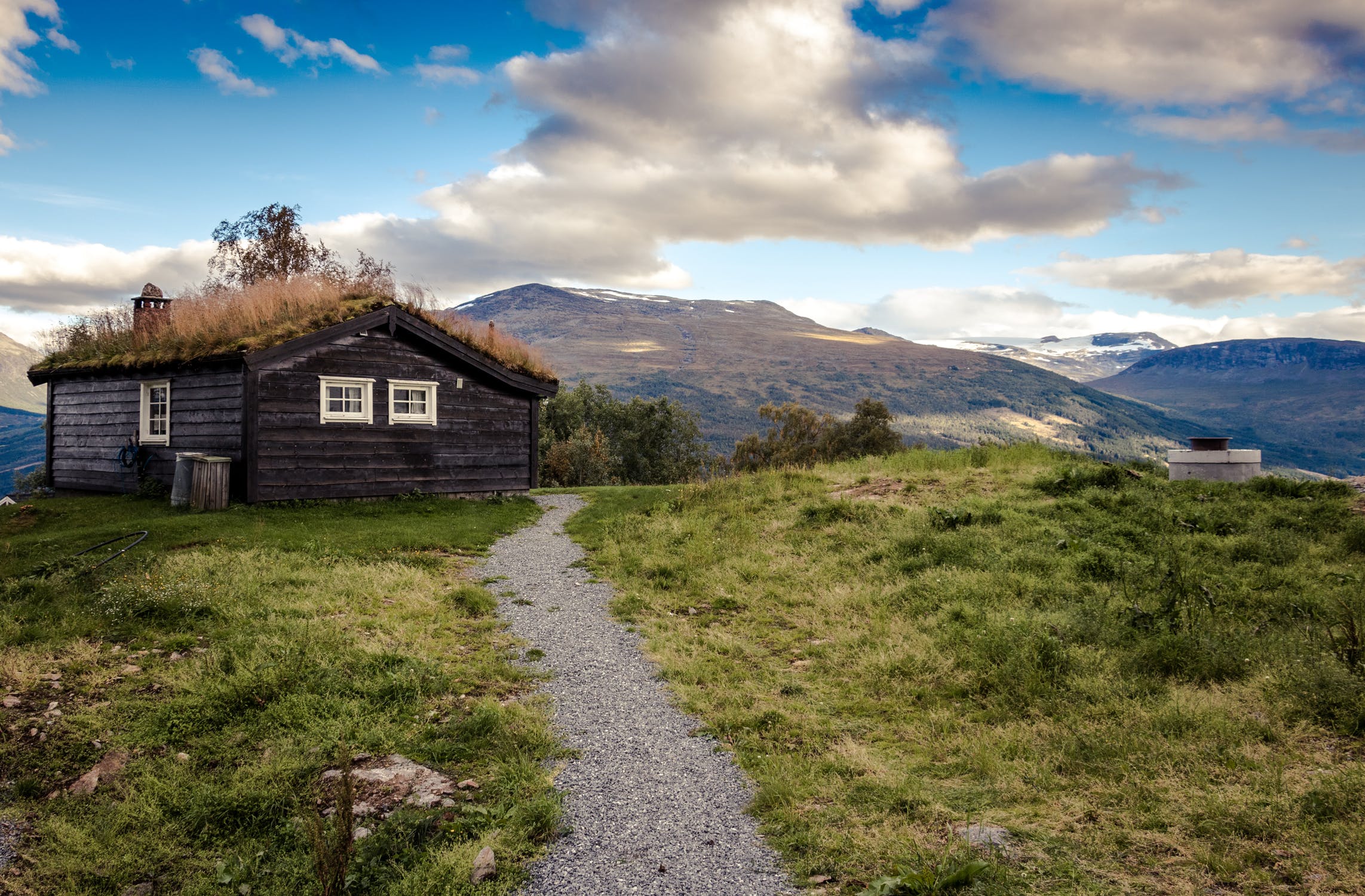
NordenBladet – There are many places in Norway that follow the principles of eco-sustainability. Fjords, towering mountains, waterfalls, glaciers, northern lights and countless rivers: in Norway, nature is pure spectacle and the landscapes leave you breathless. They need to preserve and conserve this heritage, and Norway knows it. Environmental sustainability is part of the tradition of the country that now has become the undisputed leader in the fight against CO2 emissions. Welcome to the top 12 eco-tourism attractions in Norway.
Geilo, mountain village in southern Norway Geilo is a centre in the municipality of Hol in Buskerud, Norway. Geilo is primarily a ski resort town, with around 2,300 inhabitants. It is situated in the valley of Hallingdal, 250 km from Oslo and 260 km from Bergen. The Bergen Line facilitated Geilo’s development as the first skiing resort in the country, and it is still one of the largest. It is also known for having some of the most luxurious and expensive holiday cabins in Norway. The center of the town lies at 800 meters above sea level, and its highest point is 1178 meters above sea level. Geilo became famous after becoming one of the first ski destinations in Norway. But now the town offers much more. Its high mountains and its immense forests are the perfect place for many outdoor activities, from bike to dogsledding. The community invests in innovative energy sources and promotes local producers.
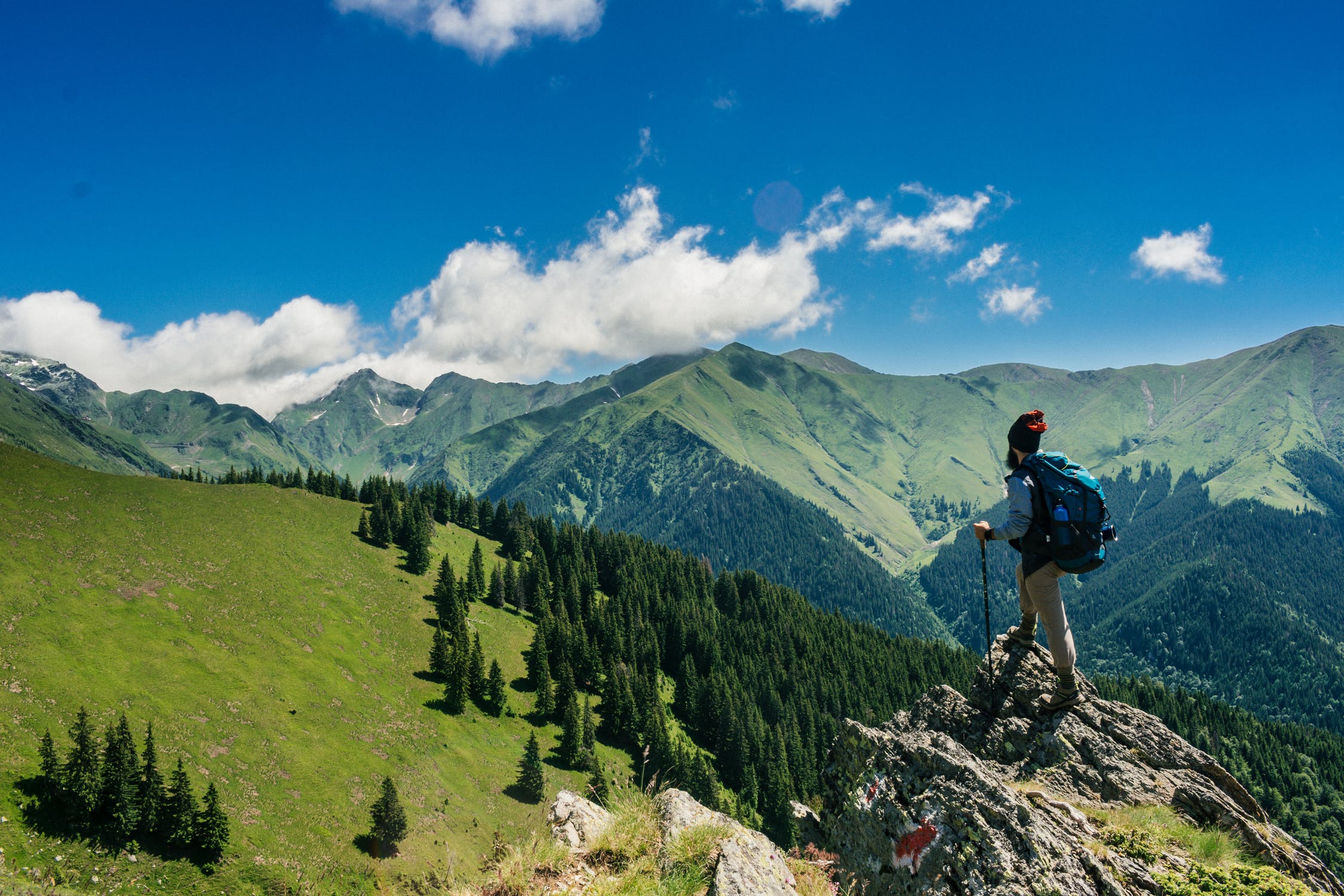
Jotunheimen Jotunheimen is a mountainous area of roughly 3,500 km² in southern Norway and is part of the long range known as the Scandinavian Mountains. The 29 highest mountains in Norway are all in Jotunheimen, including the very highest – Galdhøpiggen (2469 m). Jotunheimen straddles the border between the counties of Oppland and Sogn og Fjordane. Jotunheimen, meaning “The Home of the Giants,” is a breathtaking span of mountains lying in the heart of Norway. Take in the cold mountain air of one of the world’s greenest countries while hiking alongside abundant wildlife and dramatic landscapes. With over 2,000 miles of marked trails, rich cultural attractions and majestic scenery, the area is popular among hikers and climbers. Plan to visit the Norwegian Mountain Museum, which offers a unique perspective exploring the interaction between humans and mountains. Another attraction worth visiting is Haukdalen, a picturesque traditional smallholding in Lom with beautiful gardens and art exhibits. Also in Lom is the open-air museum Bygdamuseum, which allows visitors to experience the life of traditional Norsemen. A short distance away is a beautiful twelfth century stave church still in use today, and is open to visitors. Other attractions include herb gardens, waterfalls, glacier walks, boating and cultural museums. Make it a multi-day trip and bring a tent, as camping is allowed almost everywhere in Jotunheimen.
Trysil, Norway ski destination Trysil is a municipality in Hedmark county, Norway. It is part of the traditional region of Østerdalen. The administrative centre of the municipality is the village of Innbygda. Trysil is one of the first destinations in Europe to be certified with Sustainable Tourism. We are near the border with Sweden, immersed in a wild and unspoiled nature. Trisyl is the largest ski resort in Norway, but in addition the ski sport, this tourist destination offers an impressive list of eco-friendly activities for every season: rafting, hiking, fishing, safaris, sleigh rides and mountain bike trails. The area is also inhabited by wild animals such as bear, wolf, lynx, eagles and deer.
The Hardangerfjord The Hardangerfjord (English: Hardanger Fjord) is the fourth longest fjord in the world, and the second longest fjord in Norway. It is located in Hordaland county in the Hardanger region. The fjord stretches 179 kilometres (111 mi) from the Atlantic Ocean into the mountainous interior of Norway along the Hardangervidda plateau. The innermost point of the fjord reaches the town of Odda. No Norwegian destination list would be complete without mention of the country’s iconic fjords. Though it is a world-famous tourist destination, Norway has received honors from National Geographic’s Center for Sustainable Destinations due to its conservation efforts and rural land preservation. The Hardanger fjord, just south of the large international town of Bergen, is the third-largest in the world and second-largest in Norway. There are many ways to explore its more than 100 miles, including guided tours and kayaking. A boat ride through the fjord will take you along a landscape speckled with colorful houses, through snow-capped mountains and past glaciers and waterfalls. Springtime along the fjord also boasts beautiful blooming fruit trees. Other nearby cultural experiences include the Hardanger Folk Museum, which features local culture; the Hardangervidda Nature Center, which focuses on human-environment interaction, and the Hardanger Fartøyvernsenter, a traditional boat museum. Be sure to try some local fish while you’re there too—Bergen is one of the top fishing regions in the world.
Lærdal, the best preserved wooden church in Norway Lærdal is a municipality in the southeastern part of Sogn og Fjordane county, Norway. It is located on the south side of the Sognefjorden in the traditional district of Sogn. The administrative center of the municipality is the village of Lærdalsøyri. The old Filefjell Kongevegen road passes through Lærdal on its way to Valdres and later to Oslo. An old wooden church dating back to 1180, surrounded by pristine landscapes, spectacular and lush peaks and beautiful fjord: this is Lærdal. The resort is committed to preserving natural areas and cultural heritage such as Borgund Church and the ancient town of Lærdalsøyri with its 160 wooden buildings. It promotes environmental sustainability among local businesses and is committed to saving water.
Jæren beaches Jæren is a traditional district in Rogaland county, Norway. The others districts in Rogaland are Dalane, Ryfylke, and Haugalandet. Jæren is one of the 15 districts that comprise Western Norway. At about 700 square kilometres (270 sq mi), Jæren is the largest flat lowland area in Norway, stretching from the municipality of Randaberg in the north to Hå in the south. It includes the whole Stavanger Peninsula and the mainland area at its base. The coast is flat compared to the rest of the very mountainous Norwegian coast, and it has sandy beaches along most of the coastline. The largest urban area in Jæren is the adjoining cities of Stavanger/Sandnes. Beaches are probably not the first thing that comes to mind when you think of Norway, Stavanger’s Jæren beaches are a perfect eco-friendly destination. The entire seven-mile span of scenic beaches is a conservation area devoted to wildlife and native plant conservation. Explore the coastal culture via biking, walking, or horseback riding along the beach and view the nature reserves featuring local flora and fauna. The beach also offers many outdoor activities, including surfing, canoeing and kite-flying. Don’t forget a sweater, as it can get very windy!
The Svalbard Islands, halfway between Norway and the North Pole Svalbard is a Norwegian archipelago in the Arctic Ocean. Situated north of mainland Europe, it is about midway between continental Norway and the North Pole. The islands of the group range from 74° to 81° north latitude, and from 10° to 35° east longitude. The largest island is Spitsbergen, followed by Nordaustlandet and Edgeøya. Administratively, the archipelago is not part of any Norwegian county, but forms an unincorporated area administered by a governor appointed by the Norwegian government. A harsh, but at the same time fragile, environment wraps these amazing islands, where the arctic nature reigns. A few thousand polar bears and 3000 people inhabit these lands that have a extraordinary cultural activities, among concerts, festivals and exhibitions in the town of Longyearbyen. Although historically whaling was one of the main activities of the archipelago, now life revolves around sustainability. Two-thirds of the surface of Svalbard is protected, with three nature reserves, six national parks and 15 sanctuaries of birds.
Røros, UNESCO heritage Røros is a municipality in Trøndelag county, Norway. It is part of the Gauldalen region. The administrative centre of the municipality is the town of Røros. Some of the villages in Røros include Brekken, Glåmos, Feragen, Galåa, and Hitterdalen. An old mining town with its traditional wooden buildings: this is Røros, a small town at 628 meters above sea level. Despite being home to just 3,700 people, every year millions of tourists come to explore its narrow streets and ancient courtyards and to discover traditions, flavors and culture of this magical place that is committed to preserving its uniqueness, through a major collaboration with local communities.
The Vega Islands Vegaøyan (Norwegian) or the Vega Archipelago (English) is a group of islands in the Norwegian Sea corresponding roughly to the municipality of Vega. Since 2004, it has been a UNESCO World Heritage Site. This cluster of around 6,500 small islands in Nordland county, just south of the Arctic circle, surrounds the main island of Vega and has been inhabited since the Stone Age. Other islands in the group include Igerøya, Ylvingen, and Søla. 6500 islands, reefs and rocks that are waiting to be explored: we are in the Vega islands, one of the most incredible places in the world and a paradise for bird-watching. In 2004, the archipelago was included in the list of UNESCO World Heritage as a representative of the “way generations of fishermen and farmers have, over the past 1,500 years, maintained a sustainable living in an inhospitable seascape near the Arctic Circle” Here we move on foot, by bike or by boat, following the slow rhythms of nature, wrapped in a very special atmosphere.
The Setesdal Valley Setesdal (older name: Sætersdal) is a valley and a traditional district in Aust-Agder County in southern Norway. It consists of the municipalities of Bykle, Valle, Bygland, Iveland, and Evje og Hornnes. The Otra river flows through the valley of Setesdal into the sea near Kristiansand. Otra flows from the Hardangervidda plateau in Telemark to the north. The historic Setesdal starts at Evje and extends as far as the farm Bjåen, at the edge of Telemark county. Øvre (Upper) Setesdal is in the municipality of Bykle. The municipalities of Iveland, Evje & Hornes and Bygland comprise the Nedre (Lower) Setesdal. Valle municipality is in the middle of the Setesdal valley. Norwegian National Road 9 runs through Setesdal. Between cultural identity and electric vehicles for everyone, Setesdal has obtained certification for Sustainable Tourism in 2016. We are in the south of Norway, in an area easily accessible from all over Europe. The valley extends for 210 kilometers, between amazing landscapes and small villages where you can discover the traditional crafts and traditional music. There are also many museums showing the ancient traditions of these places, from the Viking era.
Saltstraumen Saltstraumen is a small strait with one of the strongest tidal currents in the world. It is located in the municipality of Bodø in Nordland county, Norway. It is located about 10 kilometres (6.2 mi) southeast of the town of Bodø. The narrow channel connects the outer Saltfjorden to the large Skjerstad Fjord between the islands of Straumøya and Knaplundsøya. The Saltstraumen Bridge on Norwegian County Road 17 crosses Saltstraumen. Saltstraumen is the most powerful maelstrom in the world. With tidal current speeds that can reach 25 miles per hour, the troubled waters are a great place to fish. Every six hours, over 14,000 cubic feet of water rush through the narrow waterway, producing remarkable whirlpools that can reach over 30 feet in diameter. Bundle up and view the incredible force of nature either from the piney shore or by boat. Guided boat trips and deep-sea fishing voyages are available, as well as boat and equipment rentals. The surrounding wilderness is also a perfect hiking location, with beautiful arctic scenery and wilderness, and the recent discovery of the archaeological remains of a 10,000-year-old hunter settlement.
Inderøy and the Golden Route, the best of Norwegian flavors
The Golden Route is a spectacular stretch of 106 kilometers that takes you through stunning scenery between fjords, mountains and valleys. Here you can taste the local produce, direct purchased from farmers, and taste the traditional dishes in beautiful courtyards.
Keywords: nordenbladet, nordisk blad, nordic news, nordic travel news, nordic travel, holiday in north, ecotourism benefits, ecotourism destinations, ecotourism examples, ecotourism in scandinavia, principles of ecotourism, what is ecotourism and why it is important, eco travel, ecotourism holidays, ecotourism destinations, eco tourism resort, ecotourism activities, sustainable ecotourism, eco tour, ecological tourism, ecotourism companies, ecotourism tour operators, ecotourism development, ecotourism project, ecotourism places, ecotourism travel, nature tourism holidays, nature tourism, ecotourism sites, ecotourism organizations, ecotourism trips, ecotourism and sustainable development, eco tourism park, principles of ecotourism, ecotourism products, what’s, ecotourism, responsible tourism, sustainable tourism, ecotourism websites, list of ecotourism activities, eco holiday, ecotour, impacts of ecotourism, ecotourism vacations, ecotourism travel agency, sustainable tourism development, speech on ecotourism, ecotourism jobs, sustainable tourism definition, ecotourism conservation, tourism and ecotourism, ecotourism in the world, eco tourism advertisement, green tourism, responsible ecotourism, information about ecotourism. explain ecotourism, ways to promote ecotourism, ecotourism and, sustainable tourism, ecotourism for kids, ecotourism attractions, eco travel companies, ecotourism benefits, describe ecotourism, ecotourism examples, ecotourism locations, ecotourism and environmental sustainability, eco tour operators, importance of ecotourism, sustainable tourism jobs, ecotourism travel companies, ecotourism accommodation, ecotravel, eco tours and travels, ecotourism sustainable tourism, ecotourism environment, eco vacations, ecotourism pdf, paragraph on eco tourism, eco adventures, ecotourism in, ecotourism sites in the world, ecotourism and conservation, types of ecotourism, factors to be considered in ecotourism, ecotourism and environment, international ecotourism, environmental tourism, advantages of ecotourism, ethical tourism, ecotourism articles, ecotourism in the amazon, short essay on ecotourism, introduction of ecotourism, short note on eco tourism, ecotourism countries, need of ecotourism, green tourism definition, eco friendly tourism, eco friendly travel, principles of ecotourism, ecotourism areas, ecotourism and sustainability, promoting ecotourism, observation of ecotourism, ecotourism facilities, short speech on ecotourism, ecotourism lodge, ecotourism case study, eco tourism centre, marine ecotourism, what is green tourism. responsible holidays, ecotourism statistics, eco travel agency, ecotourism management, ecotourism meaning, what is ecotourism and why is it important, ecotourism internships, ecotourism geography, international ecotourism destinations, history of ecotourism, eco trips, eco destination, characteristics of ecotourism, ecotourism hotels, top ecotourism companies, eco trip, examples of ecotourism activities, ecotourism transportation, ecotourism facts, sustainable tourism meaning. disadvantages of ecotourism, types of ecotourism activities, ecotourism tours, eco vacation packages, ecotourism essay, ecotourism courses, why is ecotourism important, the international ecotourism society, ecotourism slogan, ecotourism business, what does ecotourism mean, interested in ecotourism, best ecotourism, international ecotourism society, nature tourism definition, best ecotourism vacations, ecotourism opportunities, concept of ecotourism, ecotourism trends, about ecotourism, community based ecotourism, journal of ecotourism, eco friendly vacations, speech on topic eco tourism. what is ecotourism definition, how to promote ecotourism, ecotourism ppt, benefits of ecotourism to the environment, ecotourism marketing, equal tourism, conservation tourism definition, luxury ecotourism
ecotourism holidays nordic countries, ecotourism ideas, ecoto, environmentally friendly tourism, ties ecotourism. sustainable tourism scandinavia, ecotourism certification, what is nature tourism, examples of eco tourism, ecotourism holiday examples, agro eco tourism, where does ecotourism take place, ecotourism wikipedia, ecotourism programs, up ecotourism, how is ecotourism sustainable, explain how ecotourism can contribute to sustainable development, importance of eco tourism, green tourism examples, ecotourism market, environmental tourism definition, ecotourism packages, features of ecotourism, eco tourism road, principles of sustainable tourism, eco friendly tours, ecotourism planning, eco adventure tours. organic tourism, ecotourism society, ecotourism industry, visiting ecotourism destination, ecotourism research, effects of ecotourism, difference between green tourism and ecotourism, ecotourism criteria, sustainable ecotourism definition, what is the meaning of ecotourism, different types of ecotourism, ecotourism education, adventure ecotourism, what is ecological tourism, ecotourism definition geography, significance of ecotourism, eco tour guide, sustainable tourism ideas, forms of ecotourism, ecological travel, why is ecotourism good, ecotourism in a sentence. what ecotourism is, how does ecotourism benefit the environment, how to be an ecotourist, all about ecotourism, environmental travel, what is environmental tourism, why is ecotourism sustainable, eco travel destinations, how can ecotourism benefit the environment, who are ecotourists, international sustainable tourism, why ecotourism, what is eco travel, eco tourism hub, what is an eco tourist resort, ecotourism news, purpose of ecotourism, ecotourism wiki, ecotourism news articles, what is ecotourism for kids, origin of ecotourism, impact of eco tourism, the meaning of ecotourism, an example of ecotourism, tourism ecosystem. social benefits of ecotourism, ec tourism, how to develop ecotourism, community ecotourism. how does ecotourism help sustainable development, describe the components of ecotourism, what is meant by ecotourism, where is ecotourism, green tourism meaning, what are the main characteristics of ecotourism, ecotourism refers to, what is green tourism definition, ecotourist resort, ecotourism what is it, objectives of ecotourism wikipedia.
NordenBladet — Green Global Travel bloggers Bret Love and Mary Gabbett share 50 of their best Travel Blogging Tips from their first five years…
1) If you’re in it for the long-term, start with your passion. Chronicling a RTW trip is fine, but your blog needs to focus on something you’ll want to write about for the foreseeable future. The more unique your focus within your chosen niche, the better your chance of standing out.
2) Anybody can launch a blog, but it takes a lot of work to launch a business. Taking time to formulate a solid business plan will save you a lot of headache and hassles later on. It doesn’t need to have a formal structure, but outlining your goals and concrete steps towards achieving them gives you a great roadmap for the future.
3) It used to be enough to have a blogging niche, but the field has grown so crowded these days that you also need to build a solid brand. Make sure your blog’s name, logo, design, mission statement and content work together to define your brand, or others will define it for you.
4) Be careful not to box yourself into a corner. We all know budget backpackers who later wanted to write about luxury travel, or solo travelers who later wanted to travel as a couple or family. When planning out your brand strategy, think long-term.
5) Quitting your job to travel the world sounds great, but don’t expect to make much (if any) money in the first few years. If you don’t have a ton of savings, maintain another source of income to give your blog time to grow.
6) Put your readers and the story first. Advertisers or sponsors are great, but building a strong community of people who are actively interested in your work is what will keep the advertisers and sponsors coming back to work with you. Focus on strengthening your storytelling by honing your journalism skills, and your brand will inevitably benefit.
7) It’s important to study what successful bloggers have done before. But this business is constantly changing, and it’s often innovators rather than imitators who get ahead.
8) Nobody does EVERYTHING well. Recognize your own strengths and weaknesses, and consider paying others to do the work you either can’t do or don’t like to do. We suck at web design and the technical side of running a site, so we hire others to do it for us.
9) When you make mistakes (and everyone does), don’t let your failures get you down. Look for the learning opportunities in every bad situation.
10) Don’t be afraid to reach out to others to ask for help. Not every blogger will respond positively, but those who do give you travel blogging tips (such as Dave and Deb from The Planet D and Caz and Craig from yTravel Blog did for us) will become friends for life.
11) Pay it forward. One of the reasons we started the Business of Blogging Facebook page back in 2012 was that we saw veterans getting snarky with newbies who asked for travel blogging tips. Sharing knowledge and sharing stories from other bloggers who fit your brand establishes good karma, makes you a content curator and helps build a stronger travel blogging industry. As it grows, all truly professional travel bloggers benefit, and there’s plenty of work/money to go around.
12) Don’t waste time comparing yourself to others. There will ALWAYS be someone whose brand seems bigger, better and more successful than yours. Focus on building the best blogging brand you can build, and success will come in time.
13) Never, ever, ever stop learning. Read articles about skill sets you want to master, take online courses, go to conferences and workshops to improve yourself. Education, dedication and persistence are the keys to growth and success.
14) Establish yourself as an expert in at least one thing. Whether it’s storytelling, photography, branding, SEO, social media management, building/managing websites or whatever, true expertise is valuable to the travel industry.
15) Don’t focus on numbers. Everybody does it in the beginning, but it’s a distraction from what really matters, especially in the early stages. Focus on quality first, and then learn how to use the tools of the trade mentioned above to help get your message to the masses. The numbers will come over time.
16) Listen to all the advice that comes your way, but know when to ignore it completely. People can only tell you what works in their experience, not yours. You have to find your own path and define what success looks like for you.
17) Stop using the word FREE. If you are getting a comped press trip, tour, product or what have you, there is an expectation of something in return. Call it a barter, an exchange, a trade of goods and services, but THERE IS NO SUCH THING AS FREE.
18) Don’t be a diva. Just don’t. Nobody likes it, it makes you look like an asshat, and believe me when I tell you that word in both the blogging and PR industries travels fast.
19) Traveling the world is an amazing thing, but it’s not the only thing. We’ve seen a lot of full-time nomads get burned out and yearn to settle down over the years. Finding balance is important if you want your blog to be sustainable long-term.
20) Remember that you have family and friends back home who aren’t getting to go along on this magical journey with you. It’s great to make new friends in the blogging community, but keep the old. One is silver, but the other’s gold. Your friends and family will help keep you grounded when the blogging life makes you crazy… and it will!
21) Travel blogging can be a lonely life, so it’s important to find your tribe and be part of a supportive community. Facebook groups like We Travel We Blog and The Business of Blogging are a great place to start, but small mastermind groups also work well.
22) Attend travel industry conferences. They’re a great place to connect with your community face to face, creating stronger personal bonds than you get via computer screen and establishing new business connections in the process. We can’t recommend them enough.
23) The more you succeed, the more haters you’ll attract. It’s important to remember that their hate is never about you, but about whatever is going on with them– jealousy, feelings of inadequacy, whatever. It’s important to understand it, but that doesn’t excuse it.
24) Your brand– your site, your social media channels, etc– are yours. Constructive criticism is one thing, but don’t let trolls and haters be abusive or disrespectful of you or your brand on your turf.
25) Blogging makes you a public figure, and everything you do online or in person is basically in the public domain. Conduct yourself accordingly, or risk being viewed as the Lindsey Lohan or Kim Kardashian of the blogging world.
26) If you want to be a professional travel blogger, professionalism is everything. Don’t just take our word for it: In our survey of 200+ DMOs and Tour Operators, Professionalism was second only to Content Quality among key factors they look for in bloggers they want to work with.
27) Under-promise and over-deliver. There’s never, ever been a client who complained about getting too much return on their investment.
28) Don’t be afraid to work for less than you deserve if you think it can lead to bigger business opportunities down the road. In 2013, we let a tour operator we traveled with use some of our video to pitch a show to Travel Channel for “free.” Last year they hired our company to create all of their digital media content– a contract bigger than our entire 2013 income.
29) There are a million different ways to monetize a blog, and the “best” way to do it is an entirely personal decision. But it’s important to understand which work short-term vs. long-term before deciding which is best for your brand.
30) If there’s money involv
ed, get all the terms in writing. Always. It doesn’t have to be a formal contract, but an email confirming terms is always a good idea to avoid miscommunication of expectations on both sides of the equation.
31) Be interesting! Whether it’s taking the polar plunge in Antarctica, climbing a glacier in Norway, finding a secret trail in Petra, or trekking to see gorillas in Rwanda, readers want to live vicariously through you. The more interesting you are, the more they’ll want to share your stuff.
32) Speaking of sharing, you need to learn how to use social media effectively. No matter how great your writing or photography may be, nobody will see it if you don’t learn how to promote it properly. Here again, it’s important to figure out which channels work best for your brand and your readers.
33) Teamwork makes the dream work. Every successful professional travel blogger we know has some sort of help, whether it’s a team of interns, virtual assistants, staff writers, PR reps or talent agents. When we started using interns to help us manage our social media channels in 2012, our blog’s growth quadrupled in six months.
34) Start building a newsletter subscriber list asap. Even if you don’t actually have a newsletter yet, building a list gives you a direct way to contact your readers and drive traffic to your site. By the time we started doing a semi-regular newsletter, we already had over 2,000 subscribers.
35) Start building a list of other industry contacts asap. Before we even launched GGT, we started assembling a spreadsheet of contact info for travel industry brands we wanted to work with, including hotels, airlines, tour operators, DMOs and PR agencies. Now, we have well over 2,000 companies on that list.
36) Create a solid media kit and make sure it’s easy to find on your site. The basics should include some background on you and your site, your stats, major media outlets you’ve been featured in, professional associations you’re a member of, major brands you’ve worked with, and the best way to contact you. Make it easy for companies to find the info they need.
37) Do freelance work and/or guest posting outside of your site. Guest posting can be a key strategy for building good links to your site, and freelancing exposes you and your brand to a much broader audience. Freelancing also allows you to provide a greater ROI for destinations you work with, so include any regular outlets you may have in your media kit.
38) Network outside of the travel blogging sphere. The longer you spend in this business, the more you realize how insular it can be. A lot of our success has come from building a solid reputation within the ecotourism, environmental conservation and business fields. This helps expand your audience and provide a more diverse array of potential business opportunities.
39) Be impeccable with your word. Too many bloggers refuse to write anything negative for fear that they won’t get invited on the next press trip, or brands won’t want to work with them if they write a bad review of a product. This goes back to putting readers first: We believe it’s our job as professional travel bloggers to help them make smart choices. When you tell the truth, readers trust you. And when readers trust you, brands WILL want to work with you.
40) Learn the power of saying no. When your blog succeeds, you’ll get more offers than you can imagine. Press trip offers, sponsored post offers, affiliate sales offers, brand ambassador offers… The older and more respected your site gets, the more relentless the deluge of opportunities. It’s fine to negotiate if you think the offer is good for your brand, but it’s important to know your worth and be prepared to walk away if it’s not a good fit.
41) Learn to deal with rejection. No matter how high-traffic or respected your site is, there will always be brands who either say no outright or try to low-ball you to work for less than you deserve. Don’t take it personally: It’s just business.
42) Refine and re-define your vision. As a relatively new field, blogging is in a crazy state of constant growth and evolution. It’s important to maintain a clear vision of your brand identity and objectives, because every decision you make is either a deposit in or a withdrawal from the account of trust you build with your audience. Check in with your original mission statement from time to time, and use it as a blueprint for how to steer the ship.
43) Practice the fine arts of the pitch and publicity. Most travel bloggers cannot afford to hire their own PR team (although some have!). But, to quote Wayne Gretzky, “You miss 100% of the shots you don’t take.” Whether you’re seeking a freelance writing assignment, a press trip or a sponsorship, writing a strong pitch is vital to success. And learning how to write a press release and work with the media can help ensure that more people are pitching YOU.
44) Focus on fundamentals. Becoming a career professional in any creative field is a bit like being a professional athlete. They may not be sexy or glamorous, but it’s the seemingly little things– storytelling, SEO, social media strategy, guest posting– that gradually add up over time to create a BIG success story. Don’t let yourself become complacent and rest on your laurels: Challenge yourself to constantly improve your craft in small ways.
45) Work harder than you’ve ever worked before. Some people think travel blogging is one endless vacation, but anyone who tells you that is selling snake oil. Success in professional travel blogging takes hard work, long hours and relentless dedication to building something. The beauty is that, because you’re working for yourself rather than someone else, it’s all the more rewarding when you reap the benefits of all that hard work.
46) Invest in your brand. Serious bloggers invest $$$ in their businesses. We spent $1000 on our original design in 2010, and will spend even more on a re-design next year. Due to traffic volume, our web hosting costs over $100/month and tech support another $60. We spend money to advertise on Facebook, pay people to help out with social media, pay our staff writers… it all adds up. But the old business adage is true: you have to spend money to make money.
47) Step away from the computer/tablet/smartphone. As bloggers, it’s our job to document nearly every moment of our travels. But the key word there is NEARLY. This job can be all-consuming, and it’s important to remember the reason we fell in love with travel in the first place. Take time to savor the moments that make each destination so unique: it will not only make the story better, it will make you a better person for it.
48) Prioritize, prioritize, prioritize. You will never have time to write all the stories you want to write or take all the trips you want to take. You will never be able to take advantage of all the great opportunities that come your way. Stuff will inevitably fall through the cracks. And if you try to constantly juggle everything, you may be one of the cracks that falls through. Learn to improvise and prioritize what’s really important to you, which may change over time as your business grows and evolves.
49) Be grateful. If your blog is successful enough that you can travel the world, you’re among the planet’s most privileged people. Take pride in that, but also let your gratitude for your good fortune guide you. We’ve had doctors, lawyers and even celebrities tell us how much they envied our life. But for those blessings we’ve received, we feel a great responsibility to give back to the world many times over.
50) Don’t give up! You can do this. It just takes time. –Bret Love
Feautred image: Pexels/Mike Tanase
Source: greenglobaltravel.com / 50 Travel Blogging Tips From Our First 5 Years /Green Global Travel is an ecotourism, nature / wildlife conservation & cultural preservation magazine/
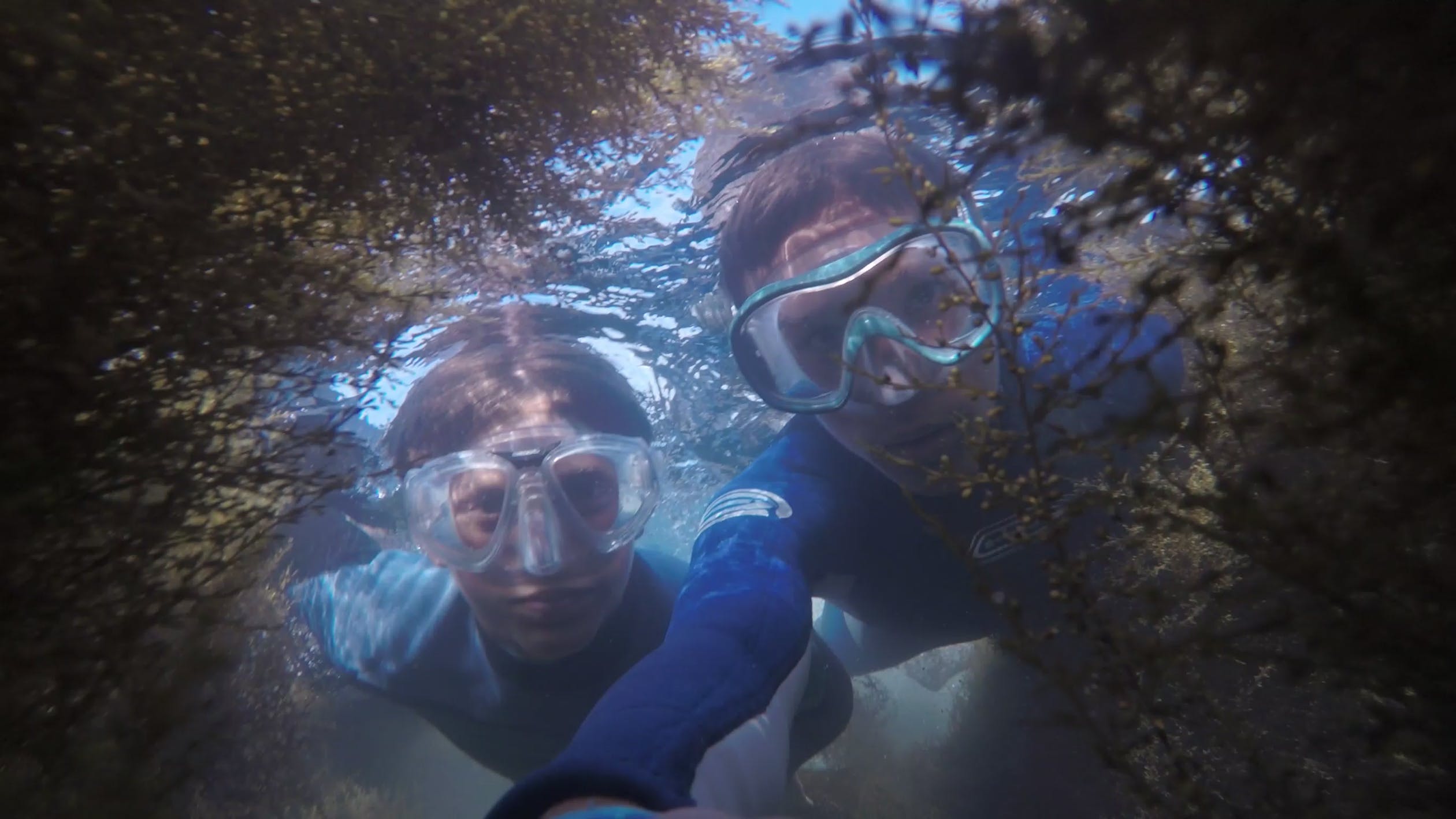
OHMYGOSSIP – Can I snorkel without being able to swim? The short answer is YES. Essentially, snorkeling is a surface sport. You don’t even really go entirely under water. Plenty of non-swimmers snorkel all the time – I did it, and there’s no reason you can’t. It may help a little to know a bunch of things in advance that I didn’t. So here are a few tips that should help make your first experience a lot more fun and comfortable:
1. Choosing a Location:
Snorkeling can often be done closer to the shore, as well as in open water. A lot of people suggest that first-timers and non-swimmers should try and paddle about near the shore with their snorkeling gear. Personally, I disagree; though I do think it’s a good idea to try and use your snorkeling gear in shallow waters first, just to get used to it. Firstly, the marine life near the shore is rarely as vibrant as in open waters. If you decide to snorkel near the shore, you’ll obviously be like “What the fuck! I don’t know what the big deal about this is anyway.” Chances are you’ll not really feel fond of snorkeling if your first experience isn’t such that the rewards successfully offset the discomfort of sputtering about and having water up your nose at least once (don’t worry, it happens to everybody). My genuine advice is to sign-up for one of the many snorkeling trips available in most destinations renowned for snorkeling spots. This will ensure that you are taken to a great spot, there’s legit & qualified personal guidance, and there’s always somebody around to bail you out if something goes wrong.
2. Understand Your Gear, and Insist Upon a Floatation Device:
Considering you’re a non-swimmer, you’ll be given a floatation device anyway, but in case somebody forgets, make sure you insist on one and check it is functioning as desired. Once you have that strapped to you, it is virtually impossible to drown in any water, let alone sea-water. So you have an insurance policy.
Now for the snorkeling gear; typically, this consists of a face-mask and a pair of flippers. The flippers look easy enough, but are the nastiest little things to handle (I may or may not be a little biased after that ridiculous fall-of-shame) – try them on and make sure they aren’t too loose or too tight. If it’s a choice between the two, opt for the latter. You don’t want to lose a flipper in the water. The face mask takes a little longer to understand. It consists of a snorkel tube that you must put in your mouth and breathe through, and an eye/nose mask which ensures that no air passes through your nose and no water enters your eyes. Make sure that the strap is just below the broadest part at the back of your skull, and ensure it is tight enough so that no air or water may slip in through the eye-mask – a good indicator of this is when you can’t breathe through your nose at all. Next up, the snorkel tube – the part of the tube that goes into your mouth could gross you out if you’re one of those hygiene freaks. People rent-out this equipment, so they usually pass through a lot of mouths. This isn’t that big a deal though – millions of people do it, and live to tell the tale. If it bothers you a lot, you might consider buying your own snorkel mask. Now this part that goes into your mouth, has a very typical indentation – a part of it is supposed to go behind your teeth-line, and a part is supposed to remain in front. If you clamp down on it correctly, it will form a mould around your teeth, and you will be able to breathe through it without opening your mouth. Also try not clamping down on the tube too hard – particularly once you’re in the water. If you do this, by the time you’re back, your jaw will be really sore; and because you’re likely to be nervous, it invariably happens. Try and remind yourself to relax. Here’s a useful video to help you with your gear – ignore the awkwardness of the woman, it’s quite useful otherwise.
Walk around a little with your equipment on and try to breathe. If you’re clumsy with the flippers like I was, consider wearing them as you just enter the water, as against trying to descend down steps with them on. You’re now almost ready to enter the water 🙂
3. Calm Down and Breathe Slow:
I may be a failure at swimming (not yet…not yet), but there’s one lesson I’ve learned not just from my multiple attempts at a swimming class and my first snorkeling attempt – the more you are able to relax, the better you will be able to float and the better control you have over your movement in water. When I stepped off the last stair and into the open water, within two minutes I was vertical again. I panicked like a pigeon and clung on to the anchor-chain for dear life. After spending another 5 minutes, making somewhat of a laughing stock out of myself, I finally gave myself a stern lecture and let go off the chain. Pretty soon, I figured out I was floating effortlessly, and all I had to do to keep breathing was to keep my snorkel tube above the surface. This helped me relax a lot, and the effect was miraculous. I was able to navigate through the water a lot better, and I almost the entire two hours without once getting water up my nose or mouth.
So here’s the deal guys! It may sound counterintuitive, and it certainly is easier said than done, but the first key to being any good under or on water is to be able to calm the fuck down. Take slow, deep breaths, which go a long way in slowing down your heartbeat. As you begin to relax, reinforce the fact that it is virtually impossible for you to drown with a floatation device, and even if you get into trouble, there’s people around to bail you out.
4. Find Your Personal Comfort Zone:
I couldn’t find a lot of information that was of too much use on the internet, but I did find a LOT of people dishing out different kinds of techniques and advice. I am in no position to verify who was right and who wasn’t, but I am going to be honest and tell you, that unless you’re listening to the instructor or guide on your trip, don’t take anybody’s expertise at face value. I’m going to give you an example to help make this point better. Your face mask is such that if you exhale through your nose too often, your goggles will start fogging eventually. If you aren’t used to breathing completely through your mouth, you’ll invariably exhale through your nose often enough for this to happen on your first attempt. One of the many diving/snorkeling websites on the internet forewarned me of this happenstance, and as a remedy suggested raising the mask and allowing some water to come in, which you could then use to swirl around in the glasses and clear the fog. While this might be a legit trick, it ended as you can imagine, with water up my nose when I attempted it in a flash of misplaced confidence.
What I’m trying to tell you here is that you’ll no doubt hear a lot of advice – the more you ask, the more you receive; but once in there, you’re on your own and your best guide will be your own instinct. It’s ok not to be perfect on your first dive. I mostly stuck at the surface and didn’t venture too deep vertically. The truth is, your technique and comfort will improve with each dive. So for the first attempt, it’s best to focus on trying to enjoy yourself as much as possible without drowning.
5. Remain Aware of Your Surroundings and Don’t be a Jerk:
I forget which one it was now, but I do remember one of my swimming gurus once telling me the first rule to swimming: “Respect the ocean. Period!” That remains true with snorkeling and diving in particular. When we’re engaging in these activities, it is important to realize that we are visitors in a precious, beautiful ecosystem. In many cases, because these are protected waters, the fish are fearless and curious, and will actually venture very close. Be sure though, that you do not touch or tread upon any kind of fish, corals or anemones. As small as these actions may seem, collectively, they have a disruptive effect on the ecosystem, which at the least, deserves the same respect with which we’d treat the house of a friend that has welcomed us with great warmth.
Finally, if it’s your first time, needless to mention, be aware of your surroundings. With your vision focused on things below the surface and new-found confidence, don’t forget to keep an eye on where your fellow divers are, and how far you’ve ventured from the ship. The flippers aid your movement, but they also add a certain degree of weight, and if you aren’t used to physical activity, there’s a very real chance that you might cramp up. So don’t push yourself too much or get carried away. It’s only your first time, and if this one goes well, I can assure you there’ll likely be many more.
Featured image: Pexels/Stuart Pritchards
Source: nomadiclives.com
__________________________________________ Snorkeling is the practice of swimming on or through a body of water while equipped with a diving mask, a shaped tube called a snorkel, and usually fins. In cooler waters, a wetsuit may also be worn. Use of this equipment allows the snorkeler to observe underwater attractions for extended periods with relatively little effort and to breathe while face-down at the surface. Snorkeling is a popular recreational activity, particularly at tropical resort locations. The primary appeal is the opportunity to observe underwater life in a natural setting without the complicated equipment and training required for scuba diving. It appeals to all ages because of how little effort there is, and without the exhaled bubbles of scuba-diving equipment. It is the basis of the two surface disciplines of the underwater sport of finswimming. Snorkeling is also used by scuba divers when on the surface, in underwater sports such as underwater hockey and underwater rugby, and as part of water-based searches conducted by search and rescue teams.
Scuba diving is a mode of underwater diving in which a scuba diver uses a self-contained underwater breathing apparatus (scuba) to breathe underwater. Unlike other modes of diving, which rely either on breath-hold or on breathing gas pumped from the surface, scuba divers carry their own source of breathing gas, usually compressed air,[2] allowing them greater freedom of movement than with an air line or diver’s umbilical and longer underwater endurance than breath-hold. Scuba equipment may be open circuit, in which exhaled gas is expelled to the surroundings, or a closed or semi-closed circuit rebreather, in which the breathing gas is scrubbed to remove carbon dioxide, and the oxygen used is replenished from a supply of feed gas before being re-breathed. Scuba diving may be done recreationally or professionally in a number of applications, including scientific, military and public safety roles, but most commercial diving uses surface supplied diving equipment when this is practicable.
A scuba diver primarily moves underwater by using fins attached to the feet, but external propulsion can be provided by a diver propulsion vehicle, or a sled pulled from the surface. Other equipment includes a dive mask to improve underwater vision, a protective dive suit, equipment to control buoyancy, and equipment related to the specific circumstances and purpose of the dive. Scuba divers are trained in the procedures and skills appropriate to their level of certification by instructors affiliated to the diver certification organisations which issue these certifications. These include standard operating procedures for using the equipment and dealing with the general hazards of the underwater environment, and emergency procedures for self-help and assistance of a similarly equipped diver experiencing problems. A minimum level of fitness and health is required by most training organisations, but a higher level of fitness may be appropriate for some applications.
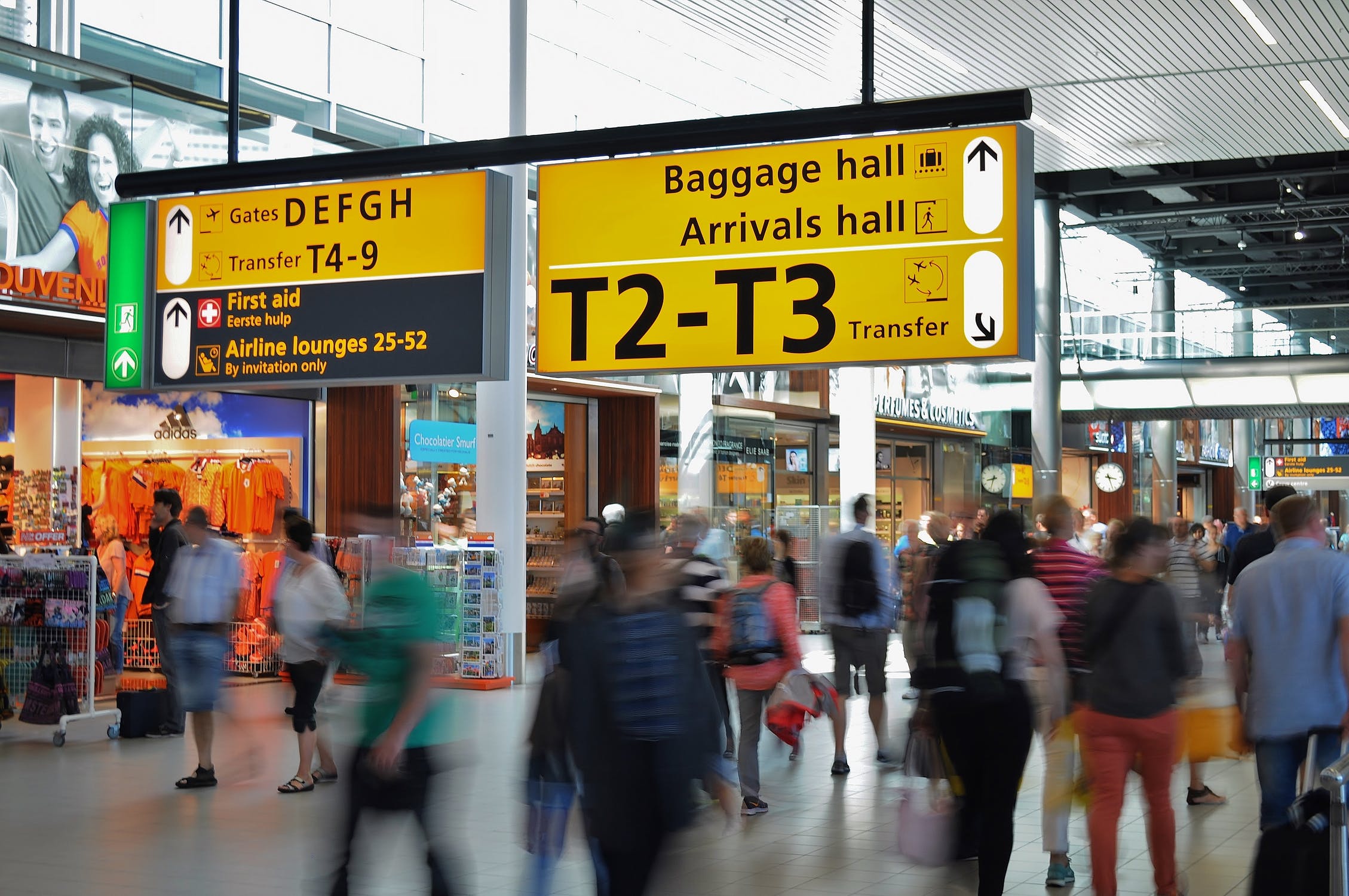
NordenBladet — Life is nothing but a long waiting process. Everyone is waiting for some or the other thing in their lives. On a less philosophical note, waiting for something like a mode of transport to arrive can get on the nerves. Flights are more often than not delayed or there are long intervals of stopovers between two destinations which result people in getting grounded at the airport. Airports are not the most fun places to be, but you can surely pass time in a fun way if you follow these tips.
1. Brush up your knowledge about the world
The bookstore is the best place to approach when you feel boredom looming over you at the airport. It is always good and helpful to brush up on your knowledge about the world, be it regular facts or current news. If you are at an international airport you could browse through a variety of newspapers and books of foreign origin and indulge yourself in a different reading experience.
2. Relax yourself Most airports have a spa, salon and relaxation area. If you are suffering from jet lag or want to feel at ease before boarding a long flight, then refreshing yourself via a massage or a facial is a good idea to bide time as well as feel good about yourself.
3. Strike up conversation
People-watching is a great hobby to exercise while in a public and bustling place such as an airport. It is a lot of fun to observe people, be it fellow passengers, security people or families. If you are a little bolder, you could strike up a conversation with a friendly looking person who is waiting listlessly for their flight just like you. For all you know, you might make a good friend by doing so.
4. Look out for good deals on items
A woman doesn’t need to be told to shop as she will automatically do so if she sees a number of exciting ones. The airport is a great place to shop for luxuries and high end stuff that you have been saving up money for. You could look out for great deals on duty free stuff such as cosmetics, accessories and chocolates for yourself as well as your dear friends and family back home.
5. Get entertained by hilarious tabloids and gossip magazines
As said before, the book store will surely keep you entertained and enlivened if you find yourself stuck at an airport for long hours. International airports have highly sensationalized, entertaining and gossip filled magazines and tabloids which are sure to crack you up. You could also get yourself a puzzle book of Sudoku, Crosswords or word searches which would keep your brain sharp and active.
6. Jot down your travel experiences
Why not exercise your hands and jog your brain cells by writing down your travel experiences while waiting for your flight? If you haven’t yet started traveling, then you could write about what you expect out of this trip and after the trip finishes compare notes so as to see whether your expectations match your experiences.
NordenBladet —The Riigikogu approved the agenda for this working week. On Tuesday’s plenary sitting, the 2018 Annual Report of the Bank of Estonia will be heard. The Governor of the Bank of Estonia Ardo Hansson will make a report.
On Wednesday, Question Time of the Riigikogu is scheduled, where members of the Government answer questions from members of the parliament. Under the new procedure, the duration of Question Time is two hours now, and it begins at noon.
Question Time and the sittings of the Riigikogu can be followed online via web broadcast.
NordenBladet – Crown Princess Victoria and Prince Daniel of Sweden are currently on a three-day visit to Vietnam. Day one, 6 May was spent in Hanoi. It was there that Crown Princess Victoria was told of the British royal baby news by Swedish news magazine Svenskdam. The Crown Princess and her husband, Prince Daniel decided to go on a walk through the Vietnamese capital when the magazine caught up with them.
When told that the Duke and Duchess of Sussex had a son, Crown Princess Victoria said exclusively to Svensdam, “No, they have? Oh, how fun!”
Crown Princess Victoria and Prince Daniel are the parents of two: Princess Estelle, 7, and Prince Oscar, 3.
Their trip to Vietnam is to highlight 50 years of diplomatic relations between Sweden and Vietnam, as well as promote Swedish businesses during a Sweden-Vietnam Business Summit. They will also highlight the UN Sustainability Goals for Agenda 2030; Crown Princess Victoria is an Advocate for the Sustainability Goals.
Victoria and Daniel’s first day in Asia consisted of a guided tour of Hotel Metropole, met prominent Vietnamese women over lunch, attended an official lunch with the Vice President of Vietnam, visited the upper secondary school Thuc Nghiem, and attended an evening welcome dinner hosted by the Vietnamese government.
Crown Princess Victoria isn’t the only foreign royal to comment on the new royal baby. Princess Tessy of Luxembourg posted messages on her Twitter and Instagram yesterday.
“Congratulations dear Harry and Meghan on the arrival of your new baby boy. Gabriel, Noah and I wish the three of you – now a little family – only the best, much happiness and good health. ?❤️ This is extremely exciting, and we can not wait to meet the little man in due course,” she said on Instagram.
Featured image: Crown Princess Victoria of Sweden (Erika Gerdemark/Kungahuset.se)
NordenBladet – On Saturday, Crown Prince Frederik, Crown Princess Mary, and their four children (Prince Christian, Princess Isabella, Prince Vincent and Princess Josephine) attended the funeral of the ASOS owner’s three children who died in the Sri Lanka bombings. The Danish Prime Minister attended the ceremony, as well.
The Danish billionaire, Anders Holch Povlsen and his wife, Anne lost three of their four children when the hotel they were holidaying was attacked by Islamic terrorists, together with several other hotels and churches, on Easter Sunday in Sri Lanka.
46-year-old Anders Holch Povlsen is considered to be Denmark’s richest man. He owns the international clothing giant Bestseller and has significant shareholdings in the online stores ASOS and Zalando.
The private funeral ceremony took place in Aarhus Cathedral. The royals attended the ceremony as friends of the Holch Povlsen family. Crown Princess Mary, was seen consoling her daughter, Princess Isabella, during the service who was said to have been good friends with one or more of the children who were killed. There were many other attendees, who stood by the church and attended the ceremony in silence.
It was five-year-old Alfred, twelve-year-old, Agnes and fifteen-year-old, Alma that were carried out of the church after the ceremony on Saturday afternoon. The coffins had pictures of the children and were decorated with flowers. The funeral was held two days after a memorial service in their hometown of Brande where Mr Povlsen described the family’s loss as “utterly incomprehensible”.
After several minutes of silence outside the church, the only surviving sibling, their 10-year-old sister, cut the string of balloons, which rose into the blue sky. Then, the cathedral choir sang the hymn “It smells the light green of grass”, while the hearses drove off. Just days before the attacks, Mr Povlsen’s daughter, Alma shared an Instagram photo of her siblings, Astrid, Agnes and Alfred, captioning the moment “three little bears”.
More than 250 people were killed and nearly 500 wounded when suicide bombers attacked three luxury hotels and three churches in Sri Lanka on 21 April. Among the dead were close to 50 were children and 40 foreigners.
NordenBladet —The European Union Affairs Committee of the Riigikogu (Parliament of Estonia) convened for its first sitting today, and elected Anneli Ott the Chair and Sven Mikser the Deputy Chair of the Committee.
Other members of the European Union Affairs Committee are Heiki Hepner, Kalev Kallo, Tarmo Kruusimäe, Oudekki Loone, Jaak Madison, Tõnis Mölder, Kalle Palling, Keit Pentus-Rosimannus, Anti Poolamets, Taavi Rõivas, Riina Sikkut, Aivar Sõerd, Urve Tiidus and Jaak Valge. The Committee has altogether 16 members.
The European Union Affairs Committee is a standing committee of the Riigikogu that has a deciding and coordinating role in the issues relating to the European Union. The Committee gives the mandate to the positions of the Government of the Republic on proposed European Union legislation and to Estonia’s positions for the meetings of the Council of Ministers of the European Union and the European Council. The positions of the European Union Affairs Committee are mandatory for the Government, and the Government proceeds from them in the discussions held in Europe.