NordenBladet – Last weekend was eventful. April 30th (18 Ijar) was Lag ba-Omer, and it actually already began at the sunset of April 29th. Jewish holidays are moveable feasts, and this year the celebration collided with Saint Walpurga’s Eve which is a widely known holiday in Estonia. Due to Covid restrictions, the Estonian Jewish Community skipped the usual annual celebration, however those of you interested to know more about the celebration, can read and have a look at the post with a synopsis of the event back from the year 2017.
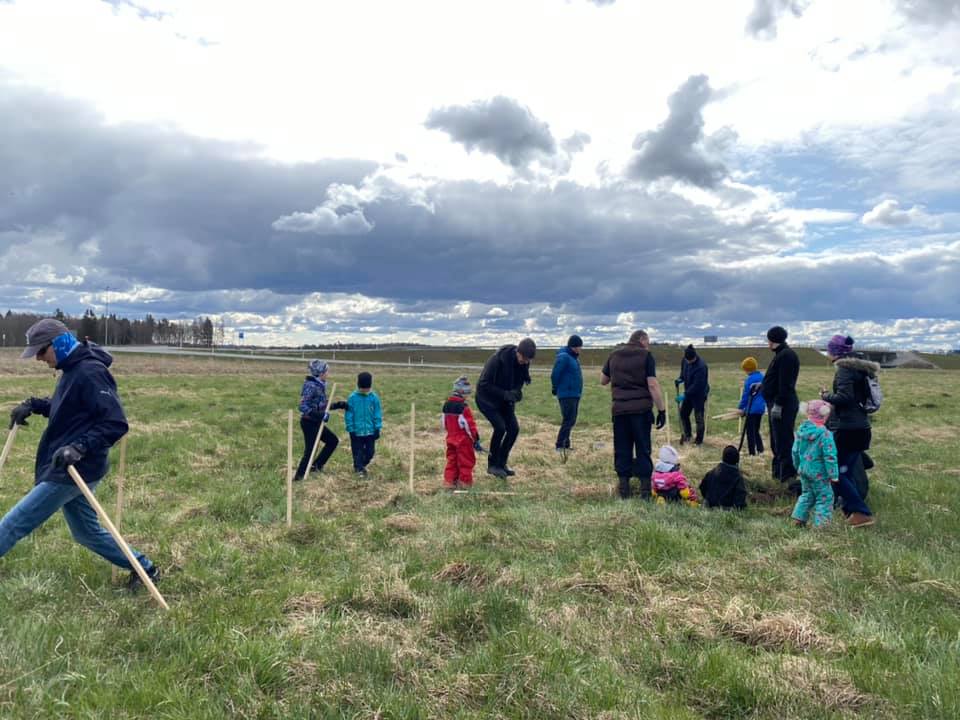
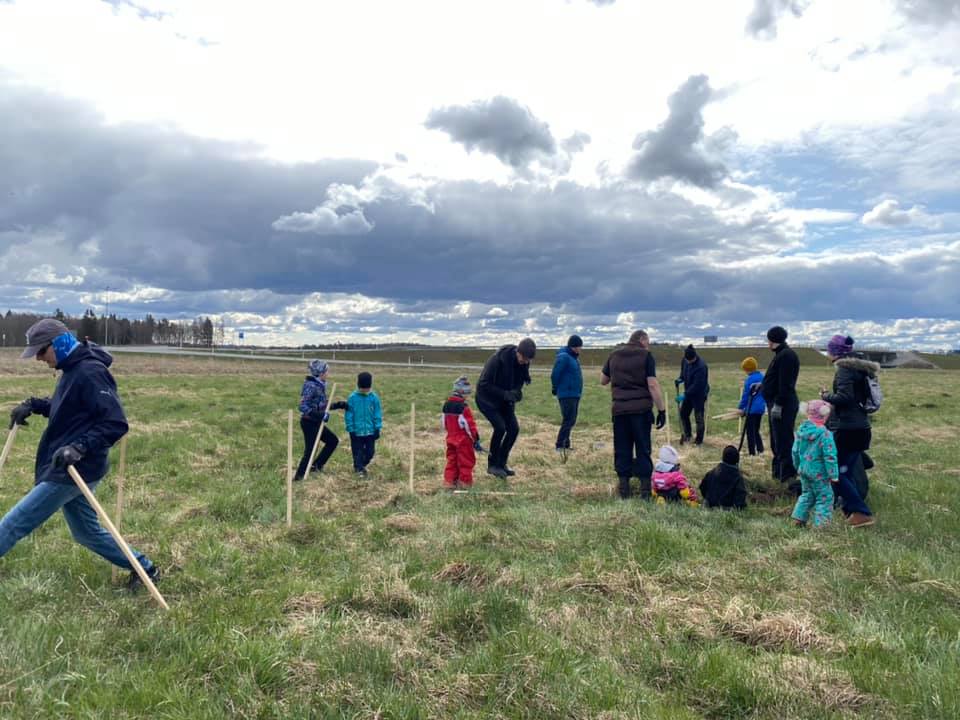
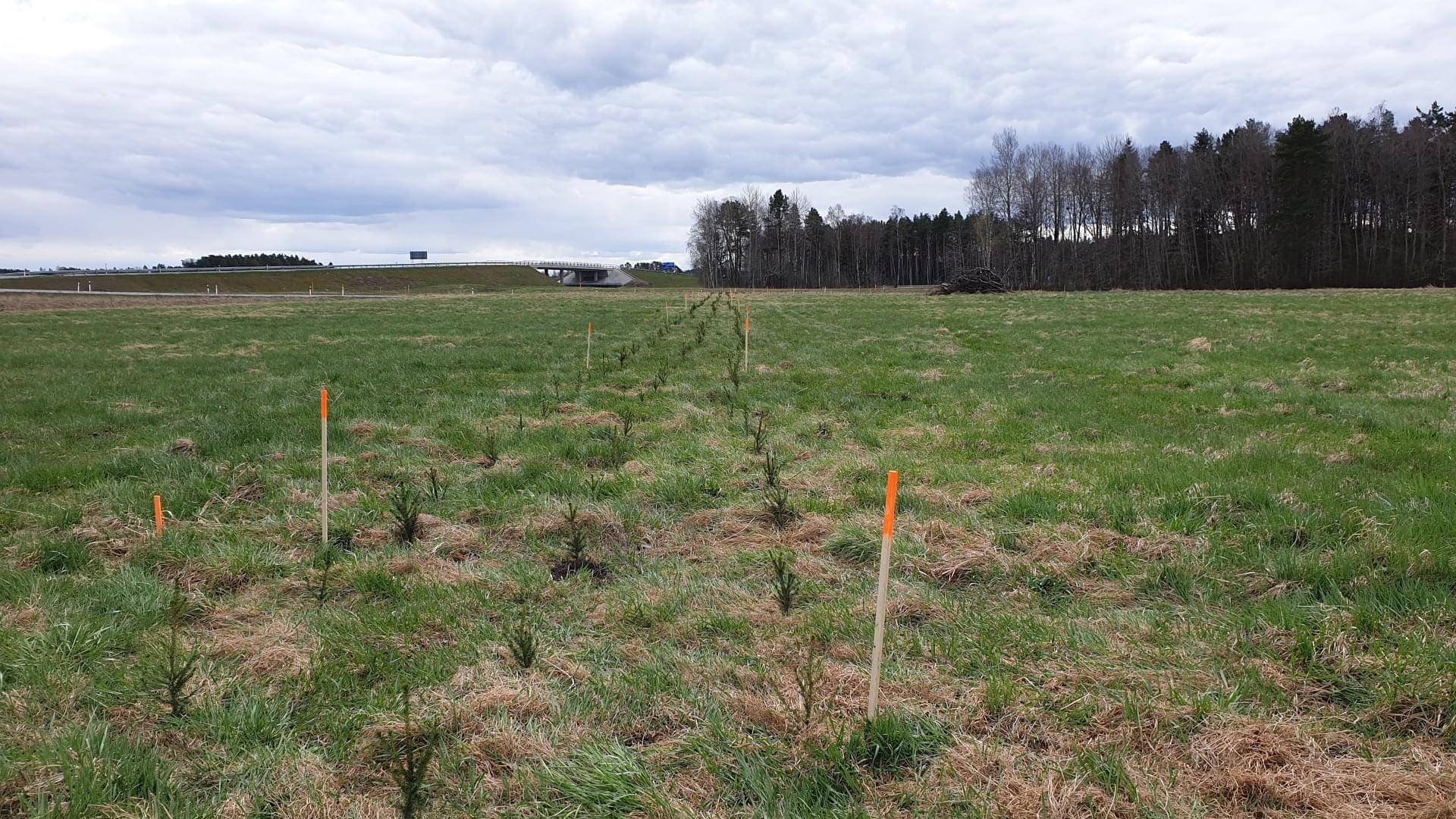
Similarly, Saint Walpurga’s Eve and Saint Walpurga’s Day which is celebrated on May 1st, were not held this year due to Covid-19 restrictions. To be honest with you, I do not even remember the last time I attended a public Walpurgis Night celebration, and I haven’t accidentally bumped into a Witches’ Sabbath on Blocksberg hill for a long time either (hahaa.. that was supposed to be a joke). Lately I have enjoyed most of all the modest parties/events held in a small circle of friends. The little village where I live has yet been keenly taking part in the (Teeme Ära!) Let’s Do It! clean-up communal working day that has been held since 2008 all across Estonia. This year we gathered from the neighbourhood ditches and forest edges the volume of a large container-size of garbage, and we planted near the big road 600 spruce plants!
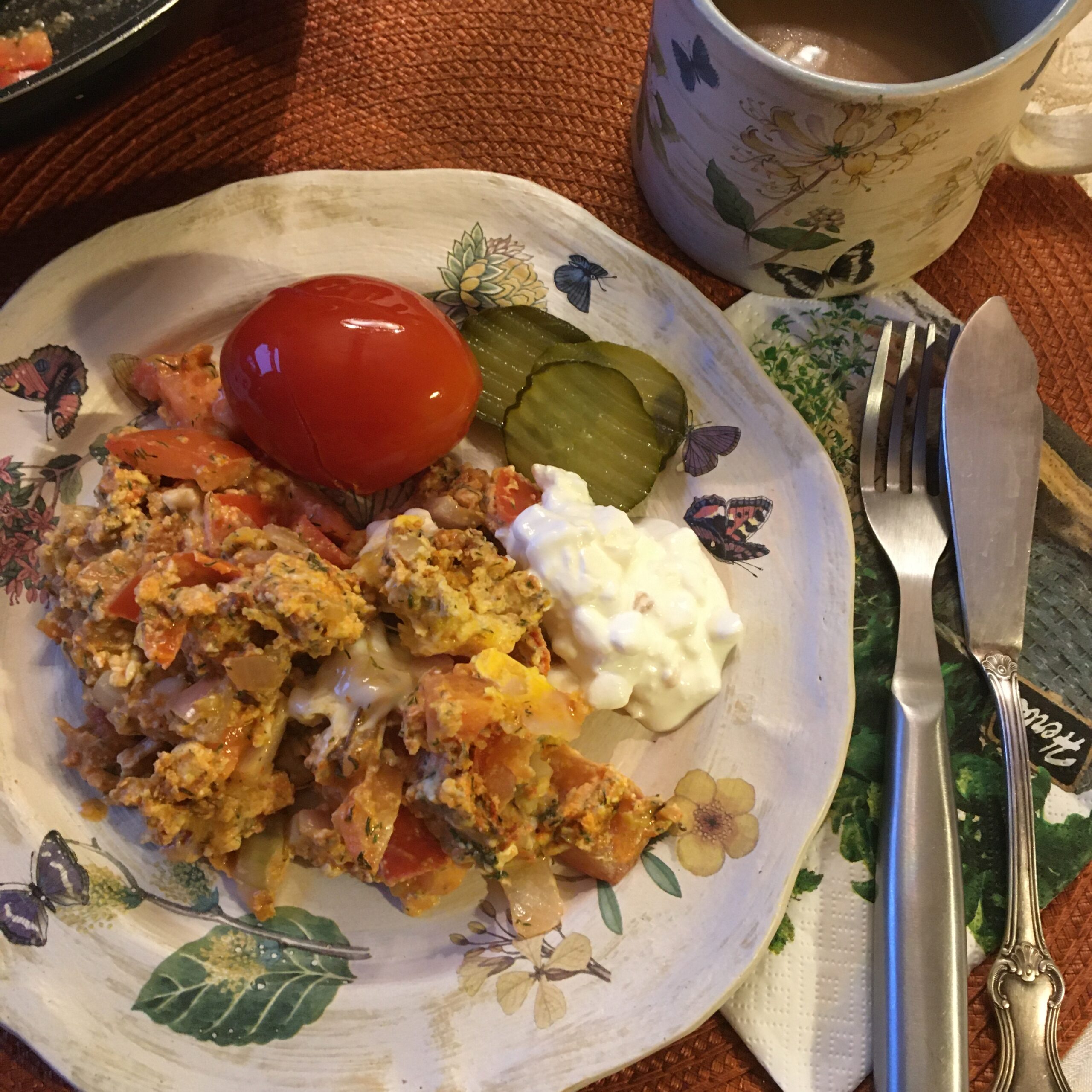
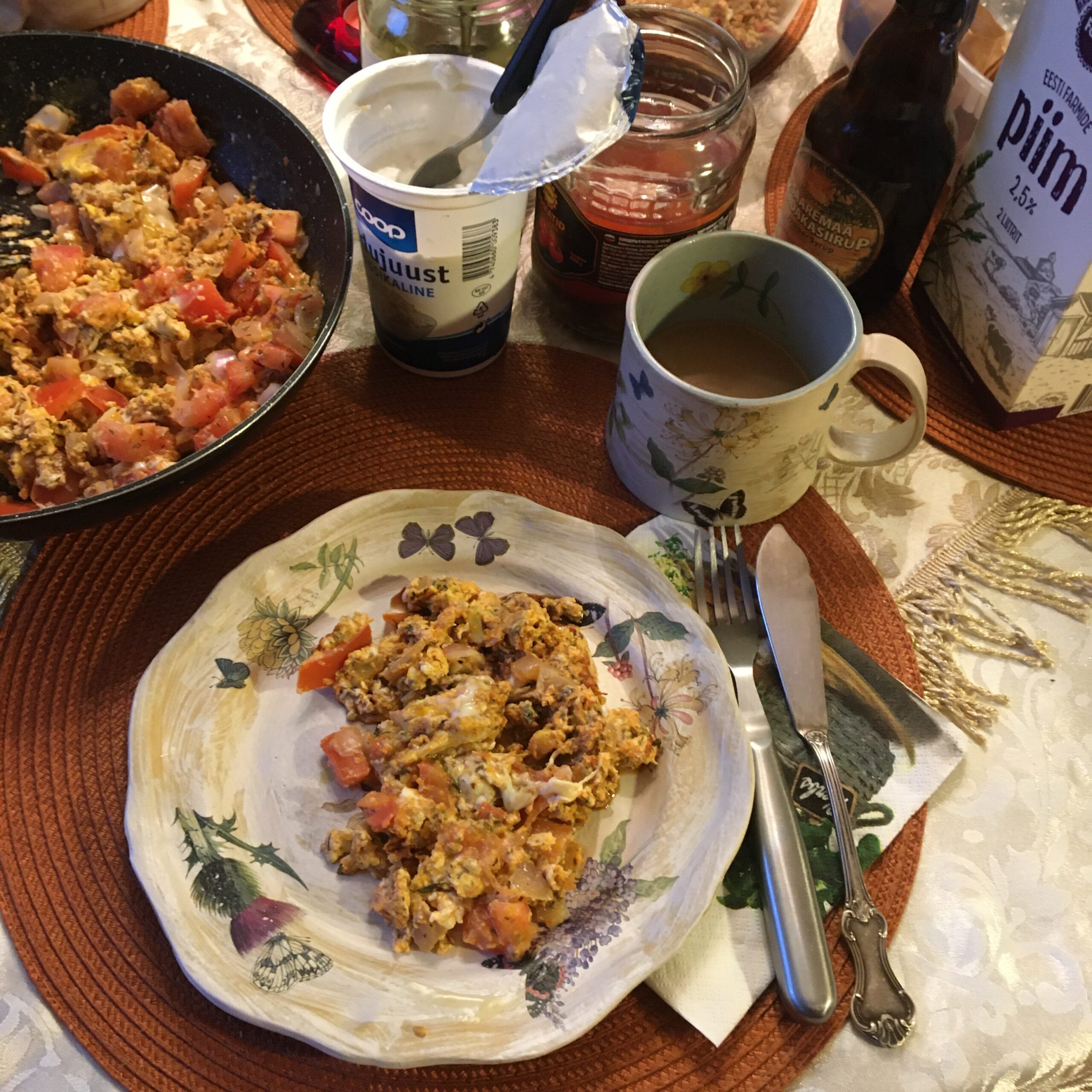
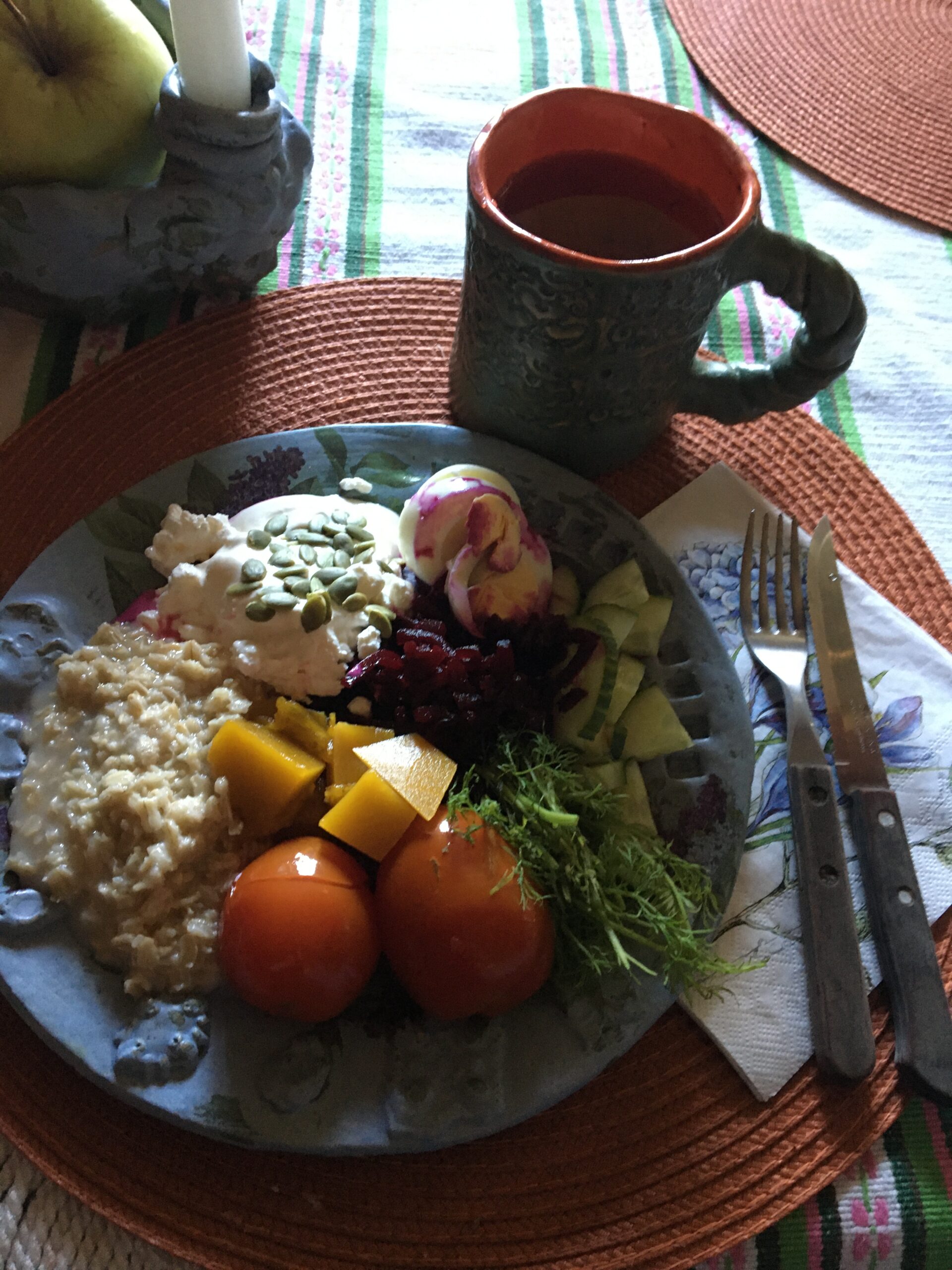
The morning saw us have a hearty breakfast (delicious omelet – Shakshuka/Shakshouka, along with pickled tomato, pickled cucumber, cottage cheese, and surely a vast mug of coffee), then clothe the kids, take the spade from the shed, and off we went 😀
(blog continues after the gallery)
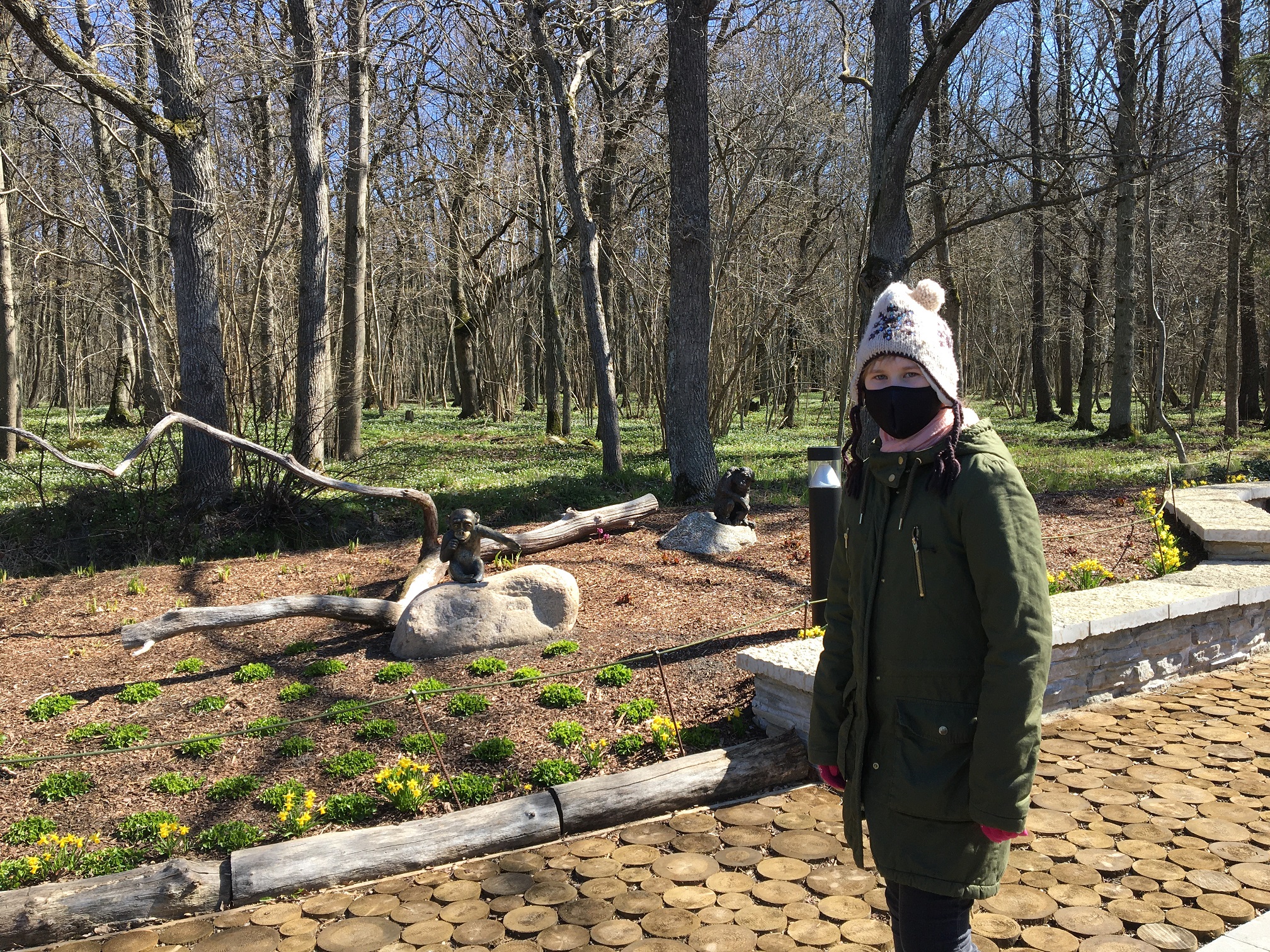
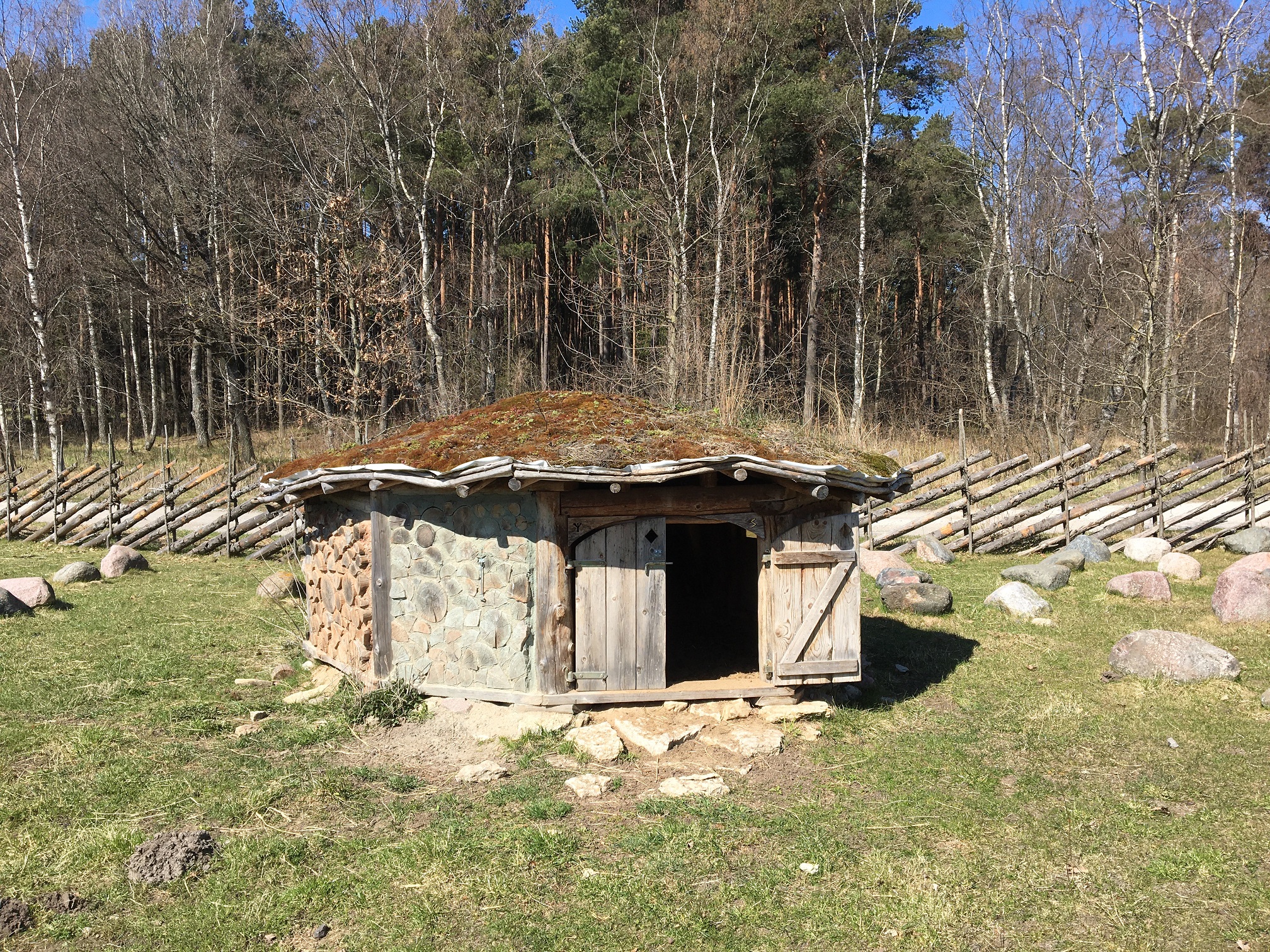
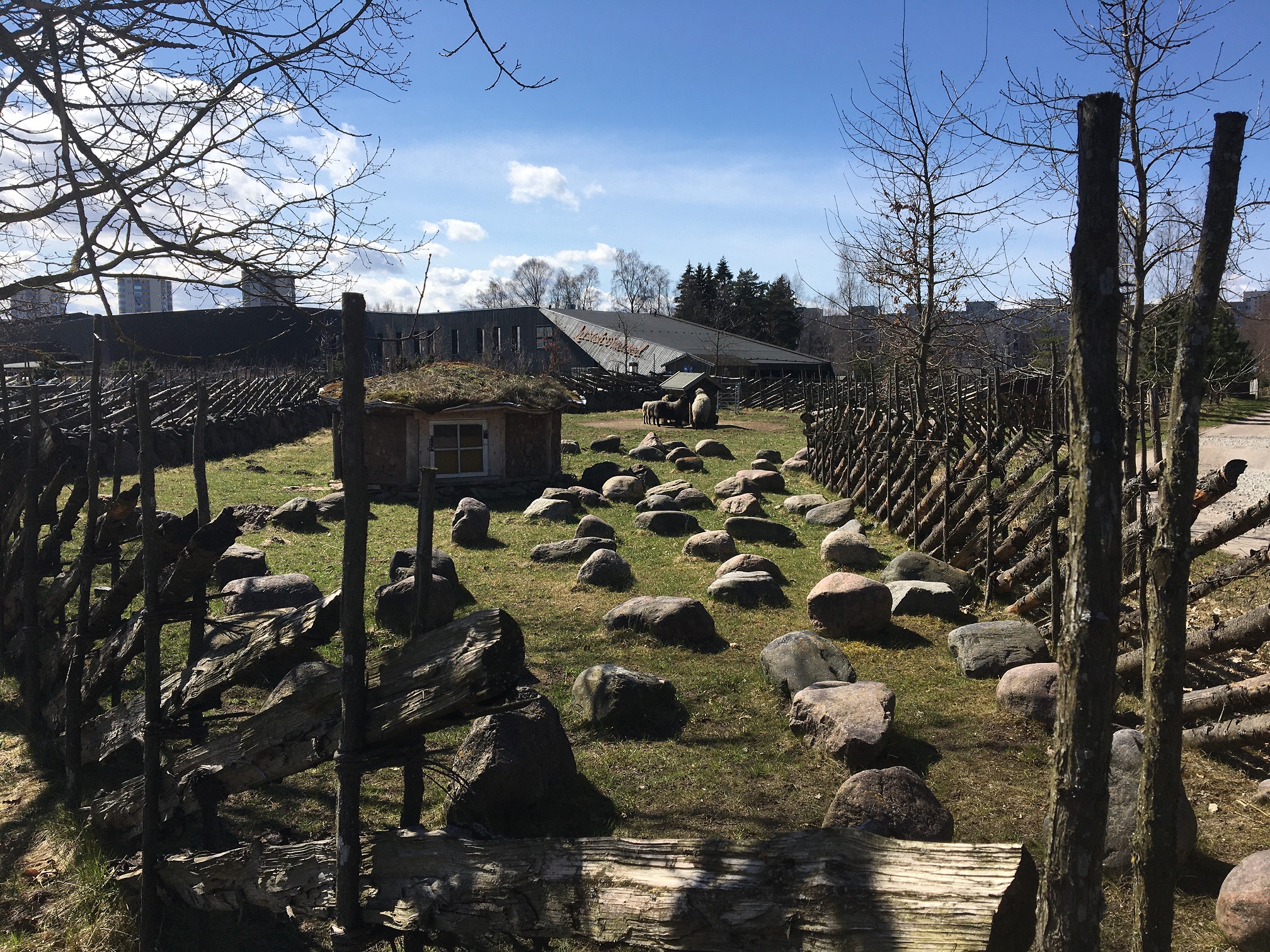
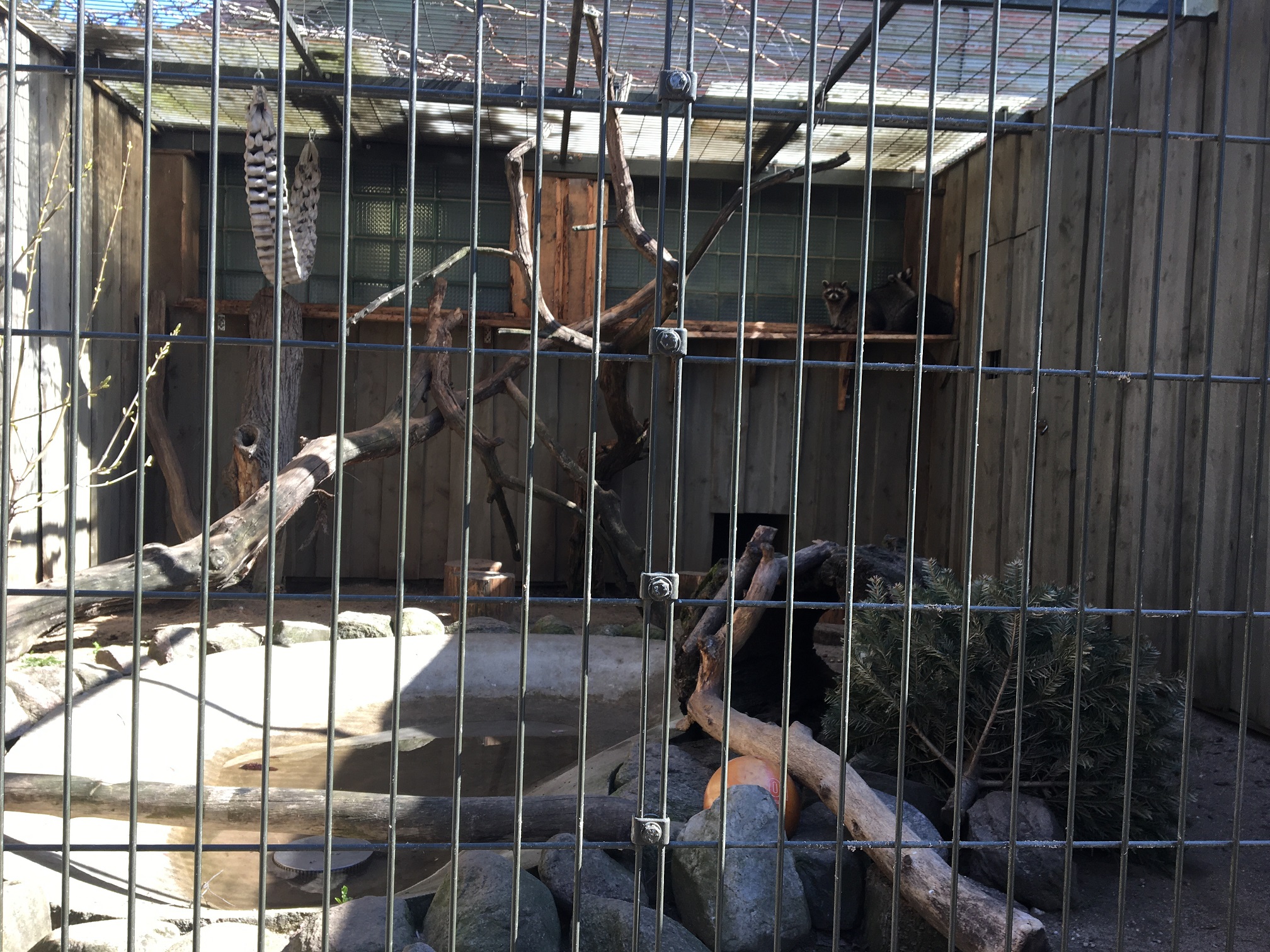
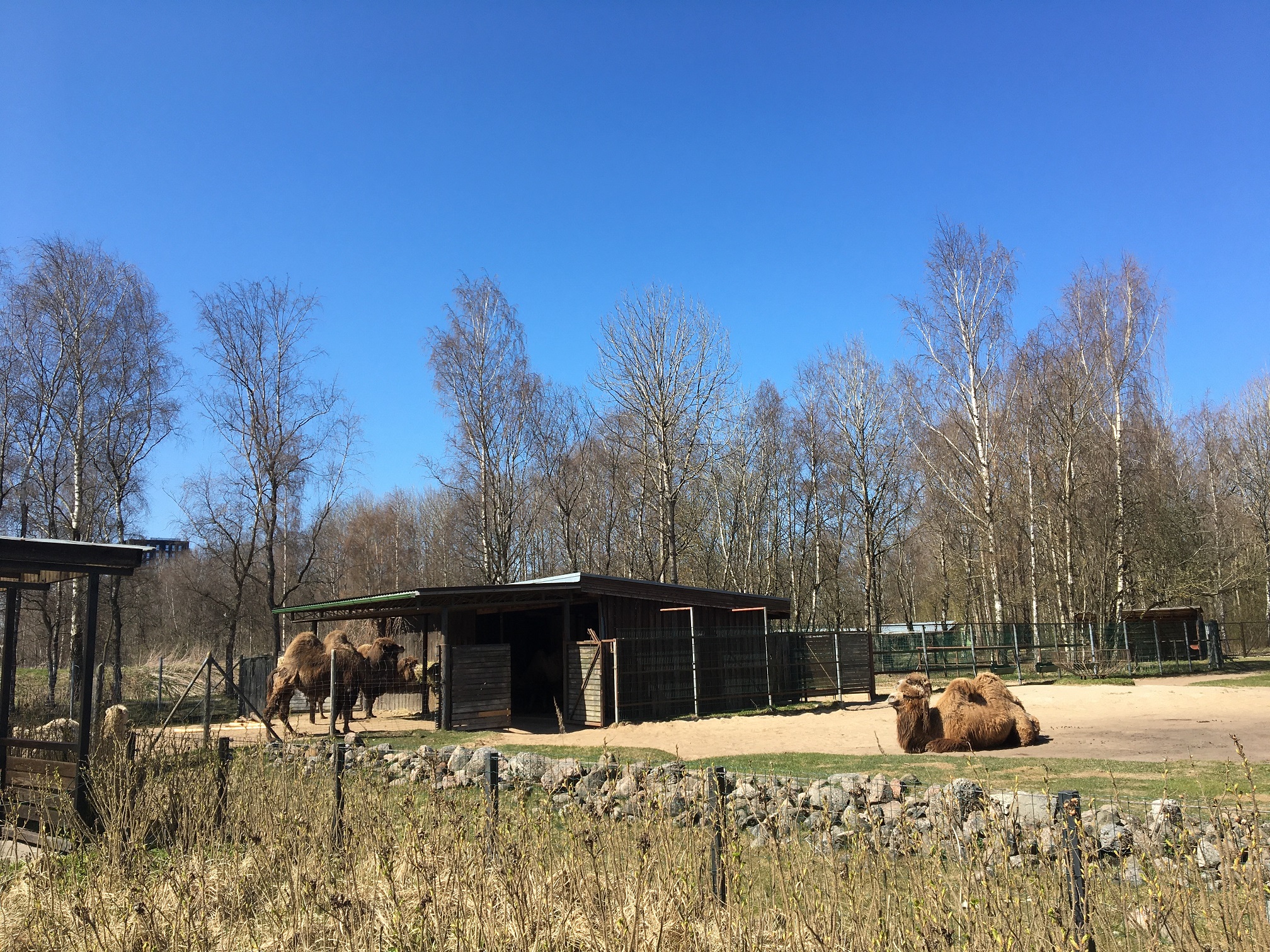
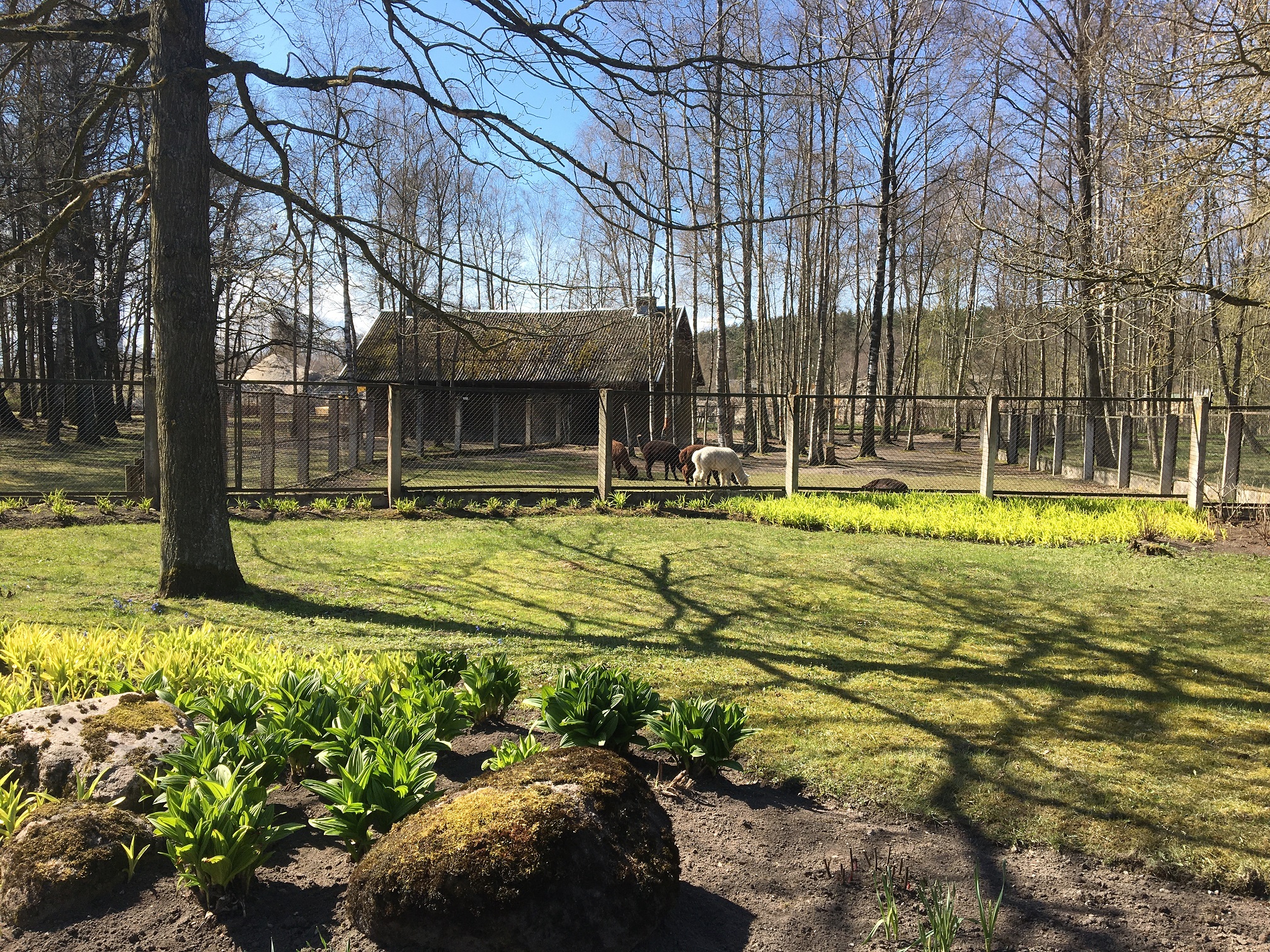
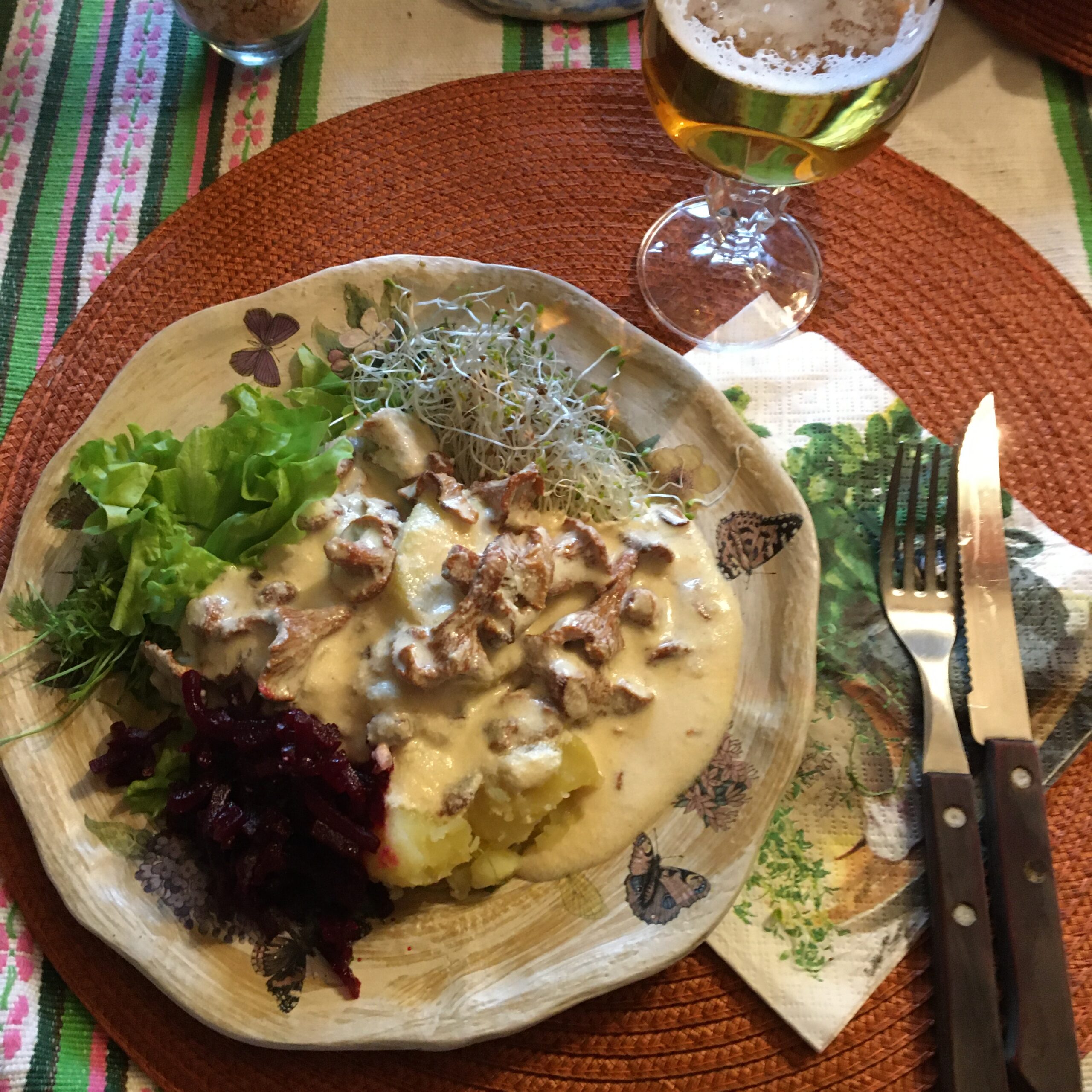
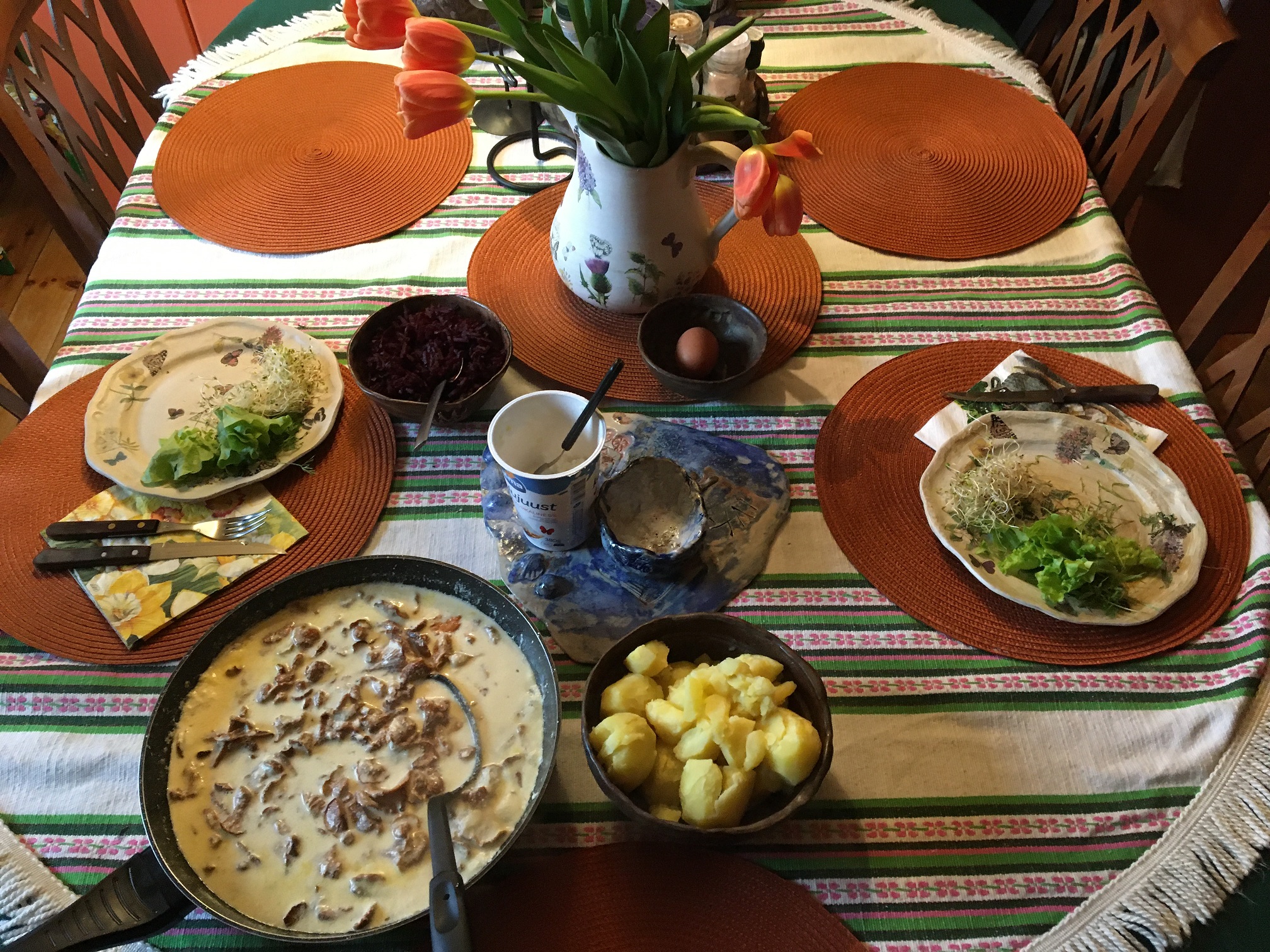
On Sunday the weather was very fine and we decided to go to Tallinn Zoo (Paldiski maantee 145, Ehitajate tee 150, 13522 Tallinn, website: tallinnzoo.ee). Despite every other place being locked due to corona restrictions, the zoo was open for visitors, and was crowded. Unfortunately, because of general Covid risk, many of the animals were not exposed to visitors, and thus we didn’t see half of the zoo. I suppose we were also the only ones there wearing our face masks. The zoo had changed a lot since the last time I went there. The sides of the pavement were beautiful and tidy and it created a very warm feeling. It was great to walk there and spend the Sunday together, until at some point Ivanka recalled the cartoon “Adventures of Lolo the Penguin” (by the way, this cartoon that was made in 1988 has been selected to be among the most horrific of children’s movies in Estonia). The animated movie includes several terrifying episodes and already the character Grandpa Piigo used to say: “People, ah, they mostly bring us suffering, and they take us to a zoo”. So, there you are… We set our steps back in the direction of our home and then worked in the garden for many hours. For dinner I prepared potatoes and a pleasant silky mushroom sauce. By the way, these wonderful funnel chanterelles had been gathered in late autumn — in the beginning of November. Read about the yellowfoot mushroom in more detail HERE.
Today, Monday, has been spent paying the bills, solving several work-related matters, planning Estella Elisheva’s and Ivanka Shoshana’s joint birthday event, and discussing via Facebook with several people our cooperation projects. In addition, I completed some online-shopping. I purchased from ON24 for the kids, for their outdoor climbing set a rope ladder; for the 4.26m diameter trampoline a new safety net, and a new 160x200cm mattress with spring interiors. Ivanka had a school-day today, as well as her swimming class, Estella had her violin performance at Georg Ots music school (with recording).
NordenBladet —Today, Minister of Health and Labor Tanel Kiik presented to the Cabinet of Ministers an updated COVID-19 vaccination plan, which specifies the principles and objectives of vaccination organization from April 2021 to the end of June. During May, it is planned to gradually open the possibility of vaccination to all those who wish.
“Vaccination is the only effective way to prevent COVID-19 from becoming severe in order to alleviate the hospital burden and thus return to a normal way of life. In April and May, our goal is to offer the possibility of vaccination to all people at risk and to gradually open the possibility of vaccination to all who wish during May, “said Minister of Health and Labor Tanel Kiik. “In the updated vaccination plan, we have updated the information related to the various COVID-19 vaccines and their expected delivery schedules, as well as the principles of vaccination management and organization, vaccination coverage objectives and schedule. By the end of April, we want to allow at least one dose of vaccination for everyone over the age of 70, and by the end of June for all adults. ”
The plan includes an estimated forecast of vaccine volumes arriving in Estonia by months and a time forecast of achieving 70% coverage by age groups by vaccination with the first doses. The plan stipulates that vaccination will be gradually opened to the entire population during May: first, people aged 60-69, of whom more than 40% have already been vaccinated, and people aged 50-59; then all applicants between the ages of 16 and 49.
Estonia’s goals is to achieve 70% coverage with COVID-19 vccination among people over the age of 70 by the end of April 2021, to make vaccination gradually available to all those who wish from May 2021, to enable everyone at least one dose of vaccination for people at risk by the end of May 2021, to provide at least one dose of vaccination to all those who wish to do so by the end of June 2021, and to achieve 70% coverage in the adult population by autumn 2021.
“Known vaccine delivery schedules allow us to achieve our goals. People’s trust in vaccination and the desire to vaccinate themselves is high, but work must also be done with those who are still hesitant today,” added Minister Tanel Kiik. “Participating in the joint procurement of vaccines in the European Union and contributing to several different vaccine manufacturers has helped to mitigate the risks and enabled us to maintain the pace of vaccination. At the same time, we need to look further ahead, prepare for the next waves of the virus and develop the necessary solutions for COVID-19 vaccination in the years to come. ”
As of this morning, 289,508 people had been vaccinated with at least one dose in Estonia, of which 86,768 have been fully vaccinated. At the county and rural municipality level, it is possible to monitor the progress of vaccination by age groups in the coronavirus dataset of the Health Board.
So far, Estonia has joined the European Union’s joint procurement of COVID-19 vaccine with five pre-purchase agreements (Pfizer / BioNTech, Moderna, AstraZeneca, Janssen Pharmaceutica NV and CureVac). The government has approved in principle Estonia’s accession to the pre-purchase agreements of all eight vaccine manufacturers in the European Union’s joint procurement, with which Estonia will be able to purchase a total of 4,761,894 doses of vaccine.
The objectives of COVID-19 vaccination are to protect COVID-19 riskgroups, to prevent and reduce COVID-19 related illness and death, to reduce the burden on the health system and the economy, and to ensure the normal functioning of society.
NordenBladet — Finland has been accepted as one of the Global Champions countries promoting the preparation of the High-level Dialogue on Energy to be held in New York in September 2021 in connection to the UN General Assembly.Finland will participate in the preparation of the Innovation, Technology and Data theme of the Dialogue on Energy. Minister of Economic Affairs Mika Lintilä will represent Finland and act as a Minister Champion of the international dialogue. – We applied for this role at the request of the European Commission, because Finland is known as a pioneer in clean energy transition and low-carbon issues. We also have a lot to contribute to the dialogue as a promoter and enabler of innovations and clean technologies, Minister Lintilä says.Other Global Champions countries for the theme of Innovation, Technology and Data are Mauritius, Morocco and the Russian Federation. The other four themes of the High-level Dialogue on Energy are Energy Access, Energy Transition, Enabling SDGs through inclusive, just energy transitions and Finance and Investment. Over 30 Global Champions countries from around the world are preparing the themes.The main task of each Champions country is to lead international outreach work on its own theme, as well as to co-host Ministerial-level Thematic Forums with the other Champions countries with the same theme. – This dialogue is very timely, as the energy sector is facing an ambitious change to achieve the objectives of the Paris Agreement. In addition, we are working together to achieve the UN Sustainable Development Goal on Energy. The UN Sustainable Development Goal 7 seeks to ensure affordable, reliable, sustainable and modern energy supply for all, Minister Lintilä emphasises.– I believe that the development of innovative climate and energy technologies is the key to success and to achieving of climate goals around the world. Long-term decision-making and a stable regulatory environment are important for all stakeholders in promoting the transition to climate neutrality. In the energy sector, political measures can last for decades and investment decisions are made in the long term, Lintilä reminds.The cross-cutting Innovation, Technology and Data theme will focus on advancing energy access and energy transitions as well as enabling the SDGs through the development and application of data, technology, innovation, research and capacity building measures. The preparatory work will be carried out in Technical Working Groups of experts, which will prepare the content of the theme and submit their reports on the work done in May. The VTT Technology Research Centre of Finland will participate in the preparatory work of the Working Group on Innovation, Technology and Data. Further information: Teppo Säkkinen, Senior Adviser to Minister of Economic Affairs, tel. +358 50 516 2868 Matti Lassila, Senior Adviser, Ministry for Foreign Affairs, tel. +358 50 467 9186 Nina Alatalo, Adviser to Minister of Economic Affairs, (EU and international affairs), Ministry of Economic Affairs and Employment, tel. +358 29 504 7171 Katja Tuokko, Senior Specialist, Ministry of Economic Affairs and Employment, tel. +358 29 504 7660
NordenBladet — Finland has published the online course ‘Elements of AI’ in 21 EU countries in their languages. Latvia was the first country to launch the course in May 2020, and Spain and Slovenia the last ones in April 2021.During its EU Presidency in December 2019, Finland decided to invest in the future skills of Europeans and to offer the Elements of AI online course to all Member States for free. The objective is to train one per cent of EU citizens in the basics of artificial intelligence, thereby strengthening digital leadership within the EU. The course was designed and organised by the University of Helsinki and Reaktor, a Finnish technology company.“Digitalisation speeds up the transformation of work and requires new competencies from employees. At the same time, it offers solutions to learning new skills. An online course on the basics of artificial intelligence is a great example of how we can support the lifelong learning of Europeans. There is also a need for this course in the future,” Minister of Employment Tuula Haatainen says.“It is important for Finland to improve Europe’s digital leadership, and we believe that AI and other new technologies will increase economic growth and competitiveness in the EU. The Elements of AI course is a necessary initiative and its launch is a good starting point for long-term work,” Minister of Economic Affairs Mika Lintilä says.More than 240,000 people enrolled in the course in the EUAcross the EU, 244,902 people have enrolled in the course, which represents 0.055% of the population. Of those enrolled in the course, 15.9% complete it. About 55% of the participants are men and the rest are women. “Approximately 2% of Finnish people have completed the course and I encourage all Europeans to explore it. A key idea at our university is that science and learning belong to everybody. This course is one way to invest in the skills of citizens, promote lifelong learning and meet the society’s need for information,” says Sari Lindblom, Rector of the University of Helsinki.Of the new countries, the proportion of the population enrolled in the course is highest in Croatia (more than 21,000 participants, or 0.5% of the population) and in Latvia (around 7,200 participants, or 0.4% of the population). Meanwhile, the number of those enrolled who completed the course is the highest in Luxembourg, the Netherlands and Italy, around 15–19%. Sweden and Estonia hold the top spots in the statistics, because the course has been available there already before Finland’s initiative. Worldwide, more than 660,000 have participated in the course.“Artificial intelligence is not a robot revolution, but an everyday thing that does not need to be mystified. The course offers a kind of science-based vaccination against all the hype and misleading click headlines on artificial intelligence. Our aim is to involve citizens in thinking about new AI applications so that artificial intelligence can be developed to meet people’s real needs,” says Professor Teemu Roos, who is responsible for teaching the course.Local partners support the course in EU countriesThere is a local academic partner and other partners in each EU country who will make the course known even after the launch. The Finnish missions in the Member States are also involved in this work.“Exporting Finnish technology expertise to Europe is one of our key objectives, and education is an important part of it. The Elements of AI has been able to reach people extensively regardless of their age, gender or educational background. We hope that the course will encourage people to go online and study other new technologies,” says Managing Director Ville Valtonen from Reaktor Education.“The project will improve Finland’s reputation as a leading country in education and digitalisation. With the help of Elements of AI, we want to ensure not only our own level of competence but also that of other EU citizens. We offer education and expertise to others too. The project is also of great value in terms of country image,” says Laura Kamras, Director of the Unit for Public Diplomacy at the Ministry for Foreign Affairs.The course has now been published in the Netherlands, Belgium, Bulgaria, Spain, Ireland, Italy, Austria, Greece, Croatia, Latvia, Lithuania, Luxembourg, Malta, Poland, Portugal, France, Romania, Slovakia, Slovenia, Denmark and the Czech Republic. The course was available in Estonia, Sweden and Germany already before Finland’s initiative during the EU Presidency. The language translations for the course has been provided by the European Commission.
NordenBladet — On Friday 30 April, the President of the Republic and the Ministerial Committee on Foreign and Security Policy discussed Finland’s participation in NATO mission in Iraq (NMI).
The meeting also discussed the preparation of the Government’s Defence Report.In addition, the President and the Ministerial Committee discussed the Strategic Compass on EU security and defence cooperation for the coming years, which focuses in particular on developing the EU’s crisis management, resilience, capabilities and partnerships
NordenBladet — In its mid-term policy review, the Government published a sustainability roadmap that describes the current state of social, economic and ecological sustainability in Finland and sets goals for 2030. The roadmap gives specific form to the Government Programme’s goal of a socially, economically and ecologically sustainable society.
Development is sustainable when the objectives of ecological, social and economic sustainability are fulfilled and when they support one another. In its mid-term policy review, the Government decided to clarify its goals for these three elements of sustainability and to highlight the interdependence between them. The work will be completed before the government spending limits discussion in 2022.
The impact of the roadmap’s measures on public finances will be taken into account during the implementation. The measures will be implemented as part of the General Government Fiscal Plan within the framework of central government spending limits.
Coronavirus pandemic brought challenges to social sustainability – Government’s aim is that Finland will be the world’s most stable society by 2030
The Government’s goal is to reduce poverty and inequality, decrease income disparities and support the rule of law in Finland and globally, and to promote the economy of wellbeing and the conditions for a good life at all stages of people’s lives.
The roadmap acknowledges the challenges that the coronavirus pandemic has posed to social sustainability. The pandemic has increased inequality, because it has often been the same people who are affected by many of its adverse social impacts. In particular, the wellbeing of children, young people and families has suffered. The employment rate has fallen and unemployment has grown during the pandemic. Pandemic-related restrictions have also made it difficult for companies to operate. As a result of the restrictions, many social services have been on hold. With a growing and lengthening backlog in these services, there is a risk that people’s lives will become significantly more difficult. With regard to Finland’s global responsibility, the pandemic has brought particular challenges to the ability to meet sustainable development goals internationally.
The Government’s goal for 2030 is that Finland will be the most stable society in the world, where fundamental and human rights, democracy and the security of citizens are at a high level.
The roadmap’s social sustainability goals for 2030 are:
The level of trust and security will be high in Finland
Finland will be a global leader in gender equality Poverty and exclusion will have decreased in Finland and more people will have jobs Finland will be a country of equality and non-discrimination that looks after the wellbeing of the entire population
The level of skills, competence, education and culture will be high in Finland
Economic sustainability – reversing the upward trend in the general government debt ratio requires substantial measures
General government finances must be stable and sustainably managed if we are to provide decent, high-quality services and secure the livelihood of the population. The Government is committed to strengthening the long-term sustainability of general government finances, which is a particular focus of the sustainability roadmap. Finland’s general government finances have been in deficit since 2009. The growth in central government debt has been accelerated by the pandemic, deepening the general government deficit, although the debt has remained lower than the EU average throughout the crisis. The high level and rapid growth of central government guarantee liabilities has also increased the risks within general government finances. General government finances have been adversely affected by the ageing of the population and by the slackening growth in the economy. Finland’s gross domestic product (GDP) per capita has fallen behind that of the other Nordic countries. The employment rate is also significantly below that of the other Nordic countries, despite a favourable pre-pandemic trend that remained far better than anticipated during the crisis. Well-balanced fiscal policy has mitigated the depth of the economic crisis during the pandemic and has improved the conditions for rapid post-pandemic recovery.
Without measures to strengthen general government finances, the debt burden will continue to grow after the COVID-19 crisis is over. The increase in the number of older people in Finland will push up general government expenditure, especially expenditure on care services but also pension and health expenditure. At the same time, the working-age population is shrinking, weakening the financing base for general government finances. Economic growth in Finland is primarily generated by productivity growth, and the most important factors for productivity growth are competence and innovation. A successfully operating welfare state, effective infrastructure, education, training, research and close integration with the world economy form the foundation for Finland’s economic success and growth.
The Government’s aim is to achieve a reversal in the upward trend in the general government debt-to-GDP ratio in the mid-2020s. Stabilising the debt ratio will require the strengthening of general government finances. Measures to safeguard the long-term sustainability of government finances must also continue beyond the current parliamentary term. The measures aim to increase employment and reduce unemployment, and to improve the conditions for economic growth by strengthening the competitiveness of Finnish production, increasing work-based immigration and strengthening skill levels and continuous learning. The Government will also promote economic sustainability through measures aiming to strengthen the productivity and cost-effectiveness of public administration and by implementing the healthcare and social welfare reform.
The roadmap’s economic sustainability goals for 2030 are:
There will be an increase of 80,000 in the number of people working in Finland following the Government’s employment measures, and the employment rate will be at a good Nordic level
Finland will be an attractive place to live and work and to run a business
Finland’s public services will be of the highest level in terms of quality and cost-effectiveness.Ecological sustainability requires reducing the absolute consumption of natural resources and a transition to a carbon-neutral circular economy and bioeconomy
The aim of ecological sustainability is to ensure the wellbeing of nature and the environment, the functioning of ecosystems and their regeneration capacity now and in the future. Climate change, loss of biodiversity and overconsumption of natural resources are among the greatest challenges humankind is facing, and they have major impacts on the achievement of ecological sustainability.
The Government aims to make Finland carbon neutral by 2035, halt biodiversity loss, advance the bioeconomy and circular economy, increase the sustainability of the food system and improve animal welfare. The Government aims to reduce the consumption of non-renewable natural resources and to replace it with the sustainable use of renewable natural resources. The Government also aims to reduce the use of fossil-based energy sources and to promote the use of renewable energy and the sustainable renewal of the business sector. The Government is striving for ecological sustainability in Finland and globally.
In Finland, progress towards combating climate change is encouraging, but further actions are needed. Since 2000, the overall trend in biodiversity has been negative. The use of natural resources has major impacts on biodiversity. According to Statistics Finland, the absolute use of natural resources in Finland has more than doubled from the level in 1975. Finland’s domestic material consumption per capita is the highest in Europe.
The roadmap’s ecological sustainability goals for 2030 are:
Finland will make fast progress towards a carbon-neutral society
Biodiversity loss will have been halted
The ecological status of Finland’s waters and especially coastal waters will be improving
Resource productivity and the circular material use rate (CMU) will have improved and domestic consumption of non-renewable natural resources will be on the decline
Public decision-making in Finland will respect nature
NordenBladet — In its mid-term policy review, the Government outlined extensive measures to strengthen employment and public finances and to promote people’s wellbeing in Finland in the aftermath of the COVID-19 pandemic.
The decisions in the mid-term review include policies to strengthen growth, to continue on the path to carbon neutrality and to reduce inequality. The measures have been integrated into the 2022–2025 General Government Fiscal Plan, on which the Government determined its policy positions in connection with the mid-term policy review. In addition, the Government carried out a mid-term review of its climate measures.
The aim of the Government is to strengthen general government finances by means of growth, employment and moderate adjustment measures. The Government aims at a 75% employment rate and at turning the rising debt ratio onto a declining path by the middle of the decade.The Government’s work on climate change has progressed on schedule and the distance to the carbon neutrality target is now much shorter. The Government is committed to making decisions on further measures that are needed to achieve carbon neutrality by 2035.
In its mid-term policy review, the Government published a sustainability roadmap that describes the current state of social, economic and ecological sustainability in Finland and sets goals for 2030.
The policy positions approved by the Government at its mid-term policy review and spending limits discussion are set out in detail in Appendix 1.
1. Sustainable growth and fiscal balance
Government’s employment measures
The Government is committed to a long-term approach in its work to raise the employment rate through decisions that will bring an estimated 80,000 new jobs. The Government will continue the preparation of employment measures within the Ministerial Working Group on Promoting Employment. Decisions were already made by the Government at an earlier date on measures designed to bring 31,000–33,000 new jobs.
The measures decided in the mid-term policy review are aimed at achieving 40,000–44,500 new jobs. In addition, decisions on employment measures that will strengthen general government finances by EUR 110 million will be made before the end of the government term. The Government’s objective is that by the middle of the decade the employment rate will be 75%.
The Government’s employment measures and their job-creating impacts are presented in more detail in Appendix 1 (section 2).
General Government Fiscal Plan sets objectives for public financesThe General Government Fiscal Plan and, within it, Finland’s Stability Programme set out multiannual targets for general government finances concerning the general government budgetary position, public debt and public expenditure, and targets for the budgetary positions of general government subsectors.
Spending limits for central government finances
Not least as a result of the COVID-19 crisis, the overall picture of the Finnish economy and of the country’s financial policy needs diverges significantly from the autumn 2019 situation when the spending limits for the parliamentary term were set. The Government has pursued an exceptionally expansionary fiscal policy that has underpinned growth and employment, prevented a permanent loss of production capacity and temporarily raised spending in areas that fall within the expenditure ceiling. Regarding the parliamentary term spending limits, the Government is in a situation where the room for manoeuvre within the spending limits does not allow the inclusion of unforeseen changes in expenditure and the implementation of all the reforms considered necessary by the Government.
Consequently, as part of the solutions determined in the mid-term policy review, the Government has decided that the parliamentary term spending limits will be raised for 2022–2023. The expenditure line will gradually descend towards the end of the parliamentary term and will continue on this path after the parliamentary term is over. The expenditure ceiling will be raised by EUR 900 million for 2022 and by EUR 500 million for 2023. In addition, the exceptional situation mechanism included in the spending limits rule under the Government Programme is available in 2021 and 2022, allowing an annual EUR 500 million for one-off expenditure. Direct COVID-19 related costs, i.e. health security costs, such as expenditure on testing and vaccination, will be covered as expenditure outside the spending limits in each of the years 2021–2023.
In connection with raising the spending limits, the Government has decided on a reallocation of expenditure, in which certain expenditure under the spending limits will be permanently reduced by EUR 370 million from 2023 onwards. As the savings are continuous, this will also reduce the expenditure covered by the spending limits from 2024 onwards.
(APPENDIX 1, heading 1.1. economic policy positions)
Tax base protection and investment-friendly environment
The Government’s aim is to strengthen the tax base, promote business investment and enhance competitiveness. The 2021 government budget session will decide on a tax package to strengthen central government finances by EUR 100–150 million and, in addition, on other tax changes to encourage investment and enhance competitiveness.
The Government will, for example, continue the double right of depreciation concerning investments in machinery and equipment for the years 2024–2025, which was decided earlier in 2020–2023. In addition, to broaden the tax liability of foreign investors, the Government will ensure that profits made by foreign funds in real estate investments are taxed as widely as possible in Finland. Taxation decisions will be used to encourage the replacement of heating systems that operate on fossil fuels. To foster switching heating systems and relinquishing the use of oil as a form of heating, the maximum domestic deduction will be raised from EUR 2,250 to EUR 3,500 and the compensation percentage from 40 to 60. The change is temporary and effective from 2022 to 2027. To assess the employment impact of the household expenses tax credit, a two-year trial will be outlined in the 2021 government budget session, whereby the maximum amount of household and nursing and care work that qualifies for the tax credit will be significantly increased.Implementation of the tax policy principles set out in the Government Programme will continue. Taxation of tobacco will be raised by a total of EUR 100 million in 2022–2023. In line with the decisions of the autumn 2019 government budget session, the tax expenditure on synthetic diesel will be removed in 2021–2023, which is estimated to increase tax revenue by a total of EUR 87 million in 2022–2023. An index adjustment will be made annually to the tax basis for earned income taxation, to ensure there is no rise in taxation as a result of a general rise in earnings. The creation of the wellbeing services counties will mean that a proportion of local government tax revenues will instead go to central government as the municipalities’ cost burden and duties are reduced substantially. In connection with this, taxation of earned income will be reduced to ensure that the reform does not lead to higher taxation for any group of earners. Without the effects of the reform, central government tax revenue in 2021–2025 would increase by an average of 2.8% annually.
The Government’s tax policy positions are given in more detail in Appendix 1, heading 1.2. Tax itemsCentral government on-budget revenue, expenditure and balance, EUR billion
NordenBladet — The Finnish authorities have responded to the query sent by the European Commission on 11 February 2021 under the Pilot mechanism concerning the regulation of retail sales of alcoholic beverages containing a maximum of 5.5 percentages by volume ethyl.
The Commission expressly requested Finland to clarify whether retail licenses were available to sellers established in another Member State who were interested in selling at distance beverages with a maximum alcohol content of 5.5% by volume. Prior to submitting the responses, the Ministry of Social Affairs and Health and representatives of the European Commission engaged in constructive discussions at a remote meeting. If necessary, the Finnish authorities are prepared to continue the dialogue with the Commission on the matter. The Ministry of Social Affairs and Health will publish Finland’s response on its website.
NordenBladet – The past weeks have gone by quickly. I have been painting, done some gardening, written articles for NordenBladet as well as OHMYGOSSIP entertainment sites and have advanced the ElishevaShoshana.com website and art blog, with Ivanka Shoshana we have been to the pottery hobby club and have visited Tartu, and also we have made a decision to have dental braces placed to Estella (this will be a lengthy process). But now in more detail about this all..
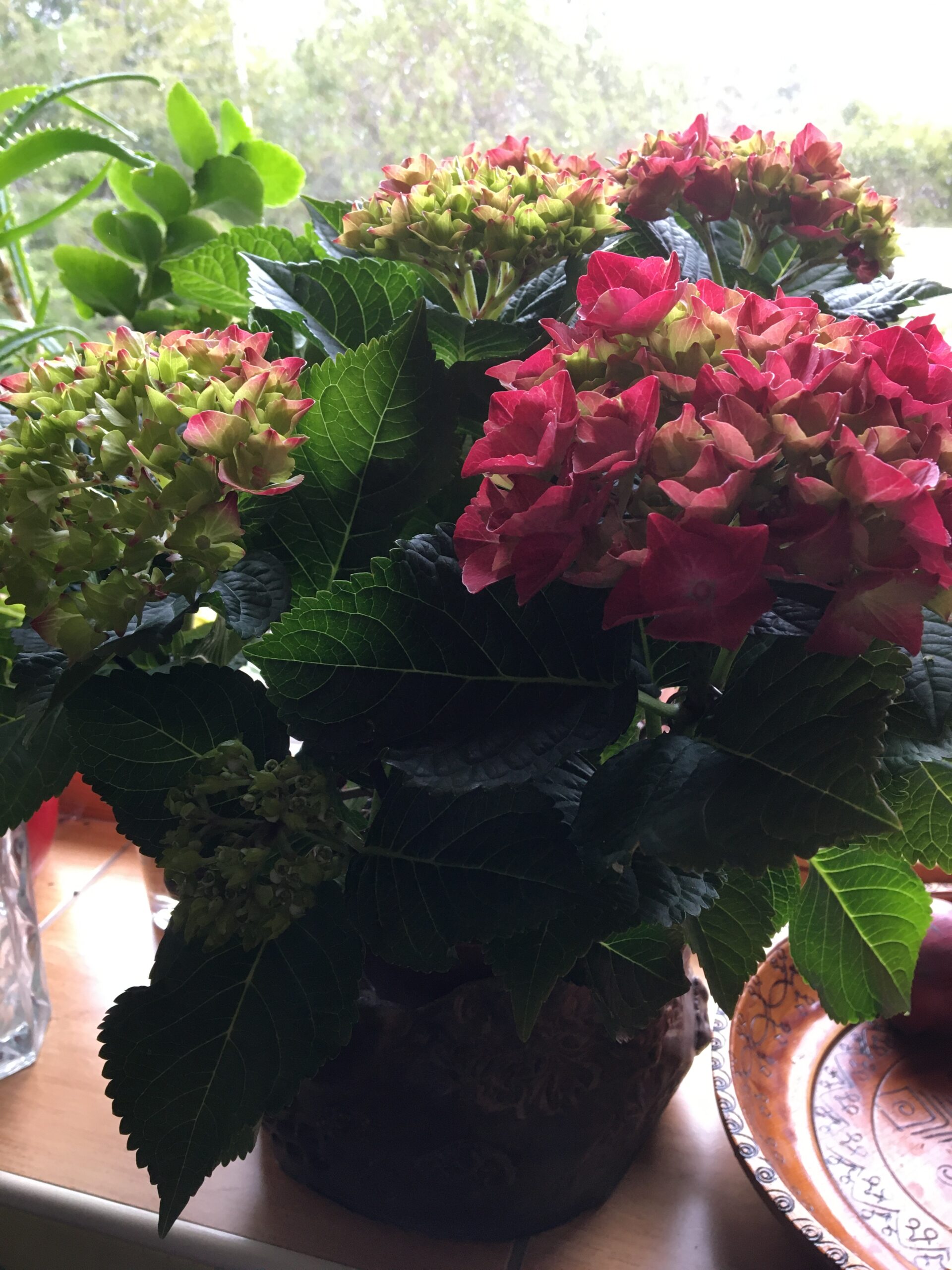
In April I completed a painting titled “A Year of Love“. The painting depicts the flower Hydrangea (hortensia). About the painting and the story of its creation you can browse pictures in my art blog post HERE. Retrospectively I have added blog posts also about my previous paintings. In November 2020 three paintings were finalized: “His Highness Mouse the First” – the eleventh painting from the mice series (see HERE), “Cattail, which is not in the picture” (HERE), and “Flower Bouquet” (HERE). In February I completed the twelveth painting from the mice series (see HERE) and further in March another two paintings from the mice series, this time with sequence numbers 13 and 14 (HERE and HERE). The book is not progressing so well at this moment.. I have planned that I complete the children’s book “His Highness Mouse the First” by this spring, so that it could then be launched this summer in Estonian National Museum (ERM), where my exhibition “Our Home Witch Kitchen” will be held. However, the probability that I will have this book ready by the same time is little. I have been working on the first two chapters. Regarding illustrations for the book, currently 14 paintings are there, but this will not suffice.
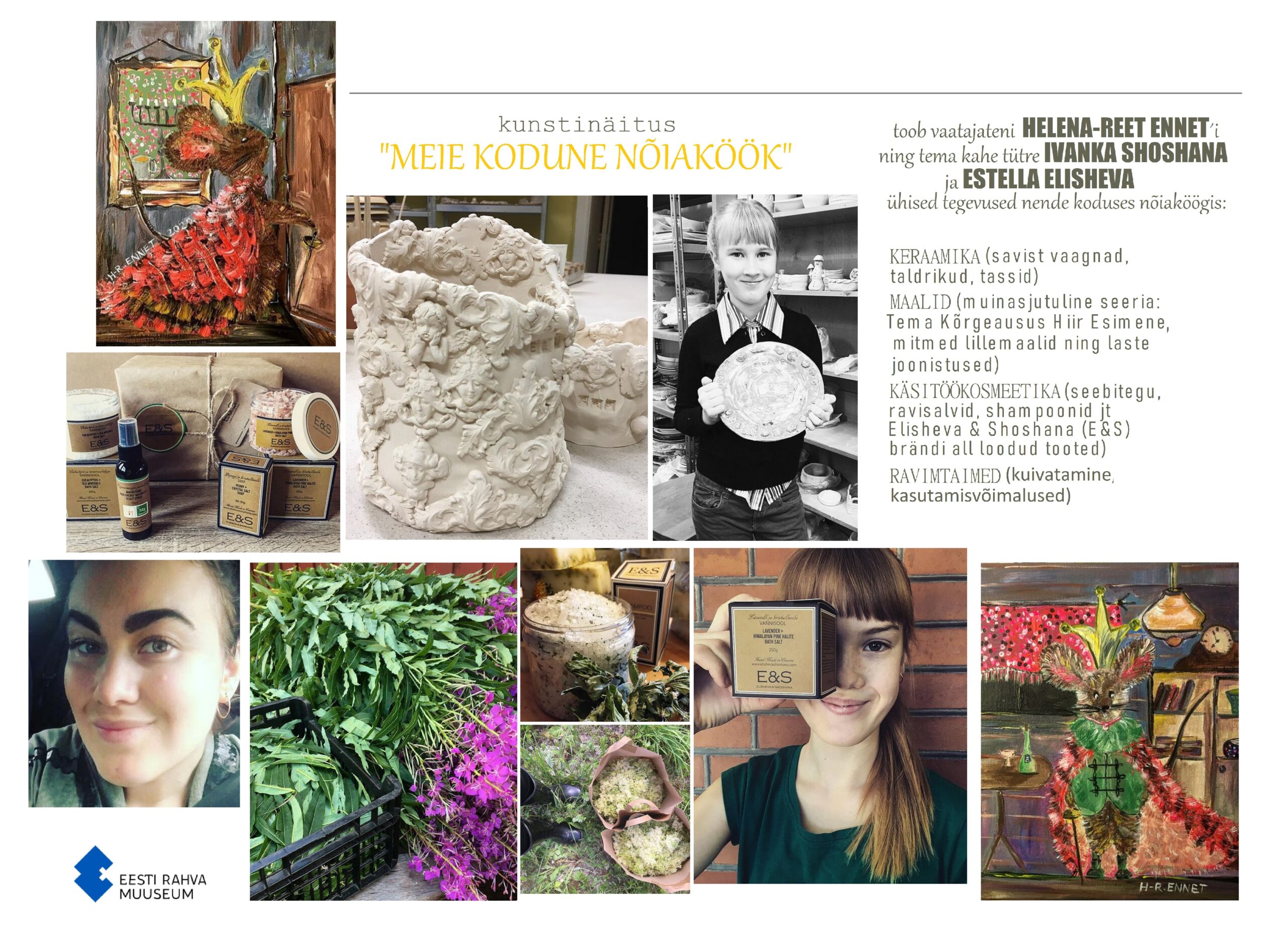
Concerning the upcoming exhibition I have already proper panic emerging. The nervous tension is mountain high. More and more often I ask myself if I am functioning on the level of trust that has been entrusted to me, whether I might be letting down the people and the visitors. To be compiling an exhibition as an everyday person, next to grand artists in Estonia in the mightiest and largest of exhibition buildings is enormous responsibility. Why, because I am an amateur and self-made artist and potter, and similarly my younger daughter Ivanka Shoshana whose works will also be displayed withing the same exhibition, has the same inabundant painting and pottery experience as me. Also, the exhibition hall that has been granted for the planned exhibition, is huge – 130m2! Furnishing such an enormous area with artworks is not a minor task even for the professional artist that has been stockpiling the large amounts of creative works in their studios during several years. Nevertheless, you must begin somewhere. I really like modelling items from clay, ceramics is my passion and my hobby as also are painting and gathering herbs. Indeed I cannot jump over my own shadow, but in this exhibition I do wish to present to the viewers a piece of my home activities, fragments from our common art hobby. By the way, everyone that feels like they desire or deserve to hold an INDIVIDUAL EXHIBITION, then ERM will also this year hold the contest for granting the dream exhibition. Have a closer look at “Own exhibition 2022” competition introductory info HERE.
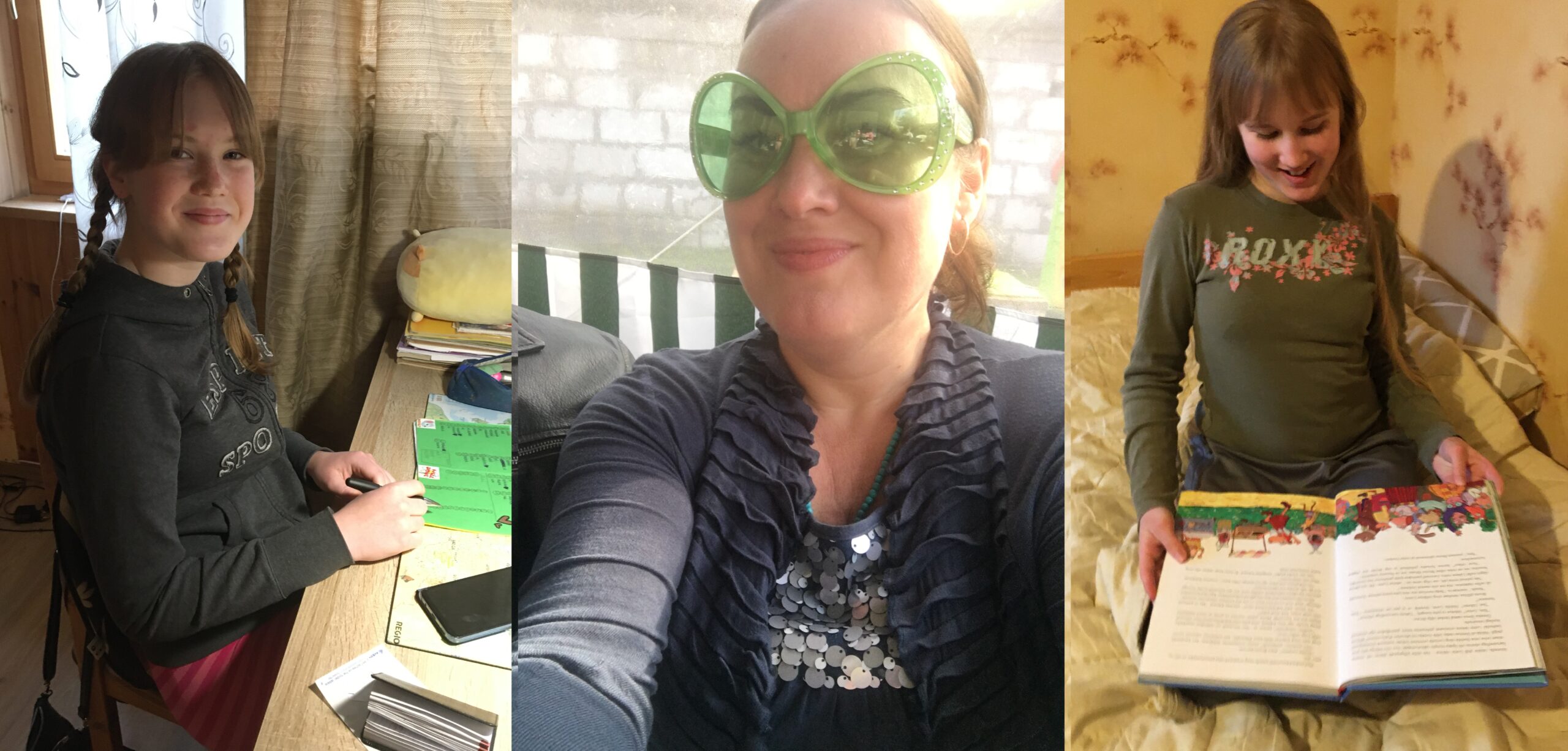
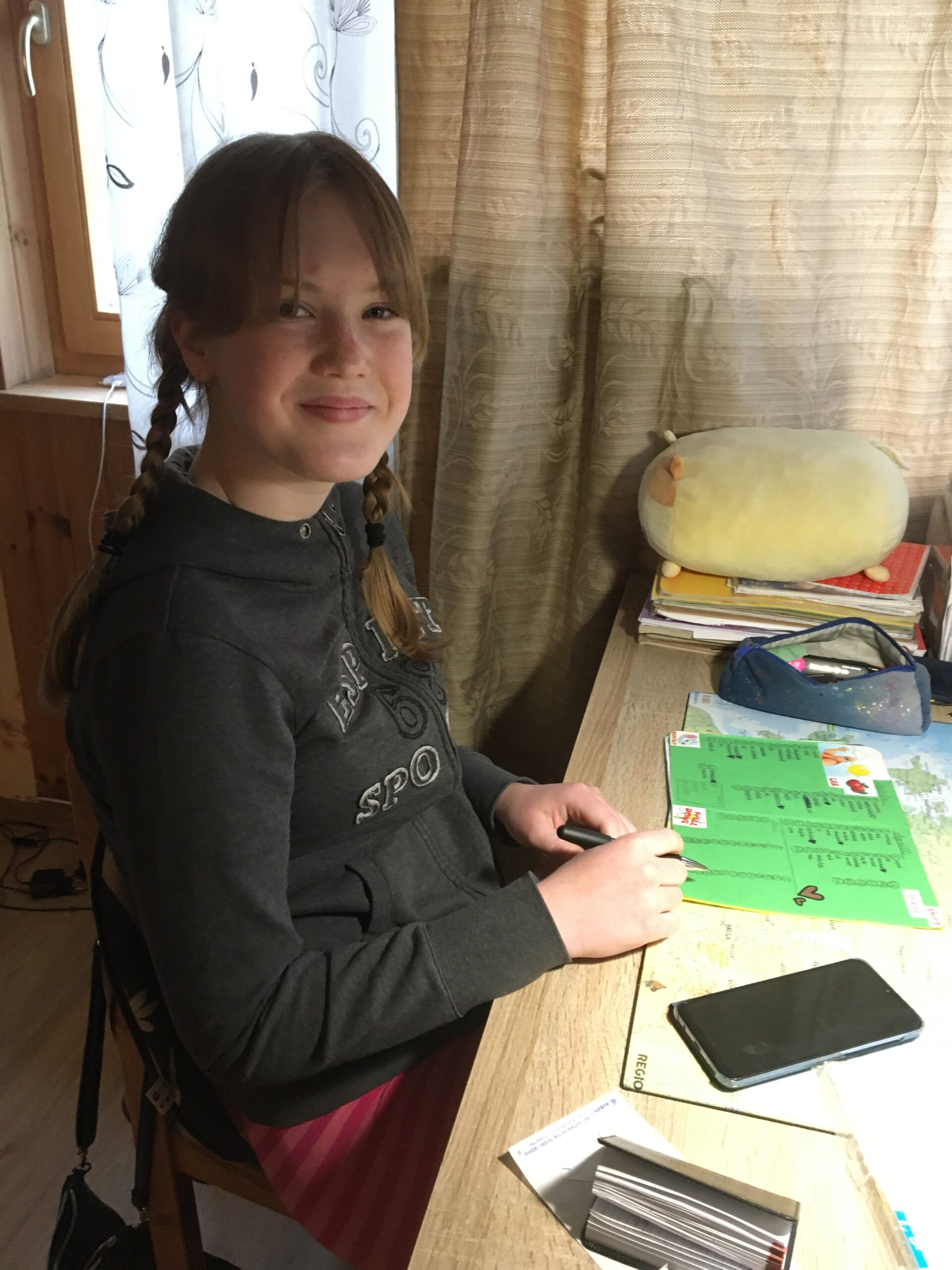
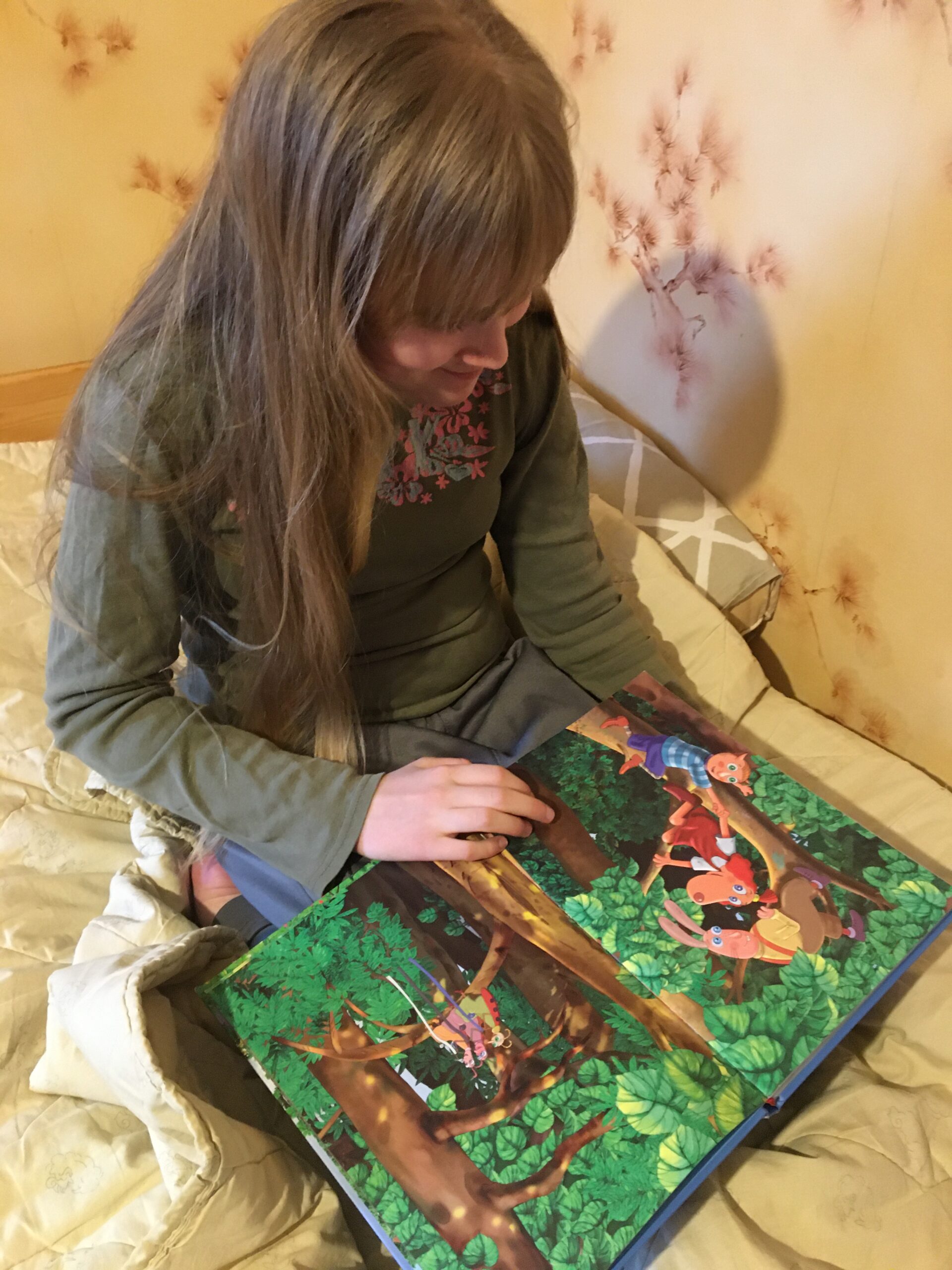
Estella Elisheva continues studying remotely from home, yet Ivanka Shoshana has been in her classrooms. Schools for pupils with special needs are open. This is positive, since I feel more and more that Ivanka needs to have friends. This is why going to school is good for her. She is an autistic person and now already 12 years old (will be 13 in May). The neighbouring children are already little misses and have important “teenage stuff” to do. 😀 I would be so glad if Ivanka had a few friends also outside the classroom that could visit us so that the children can play together with Ivanka. Even if they don’t play together at all times it would be so good if Ivanka could call someone her friend. At the moment her “best friend” is the book “Lotte from Gadgetville” authored by Andrus Kivirähk, with all the great characters from the book. Ivanka keeps repeating that Lotte, Bruno and Albert are her friends, and at least a couple of times every day she comes to me and declares: Reading will make you wise!
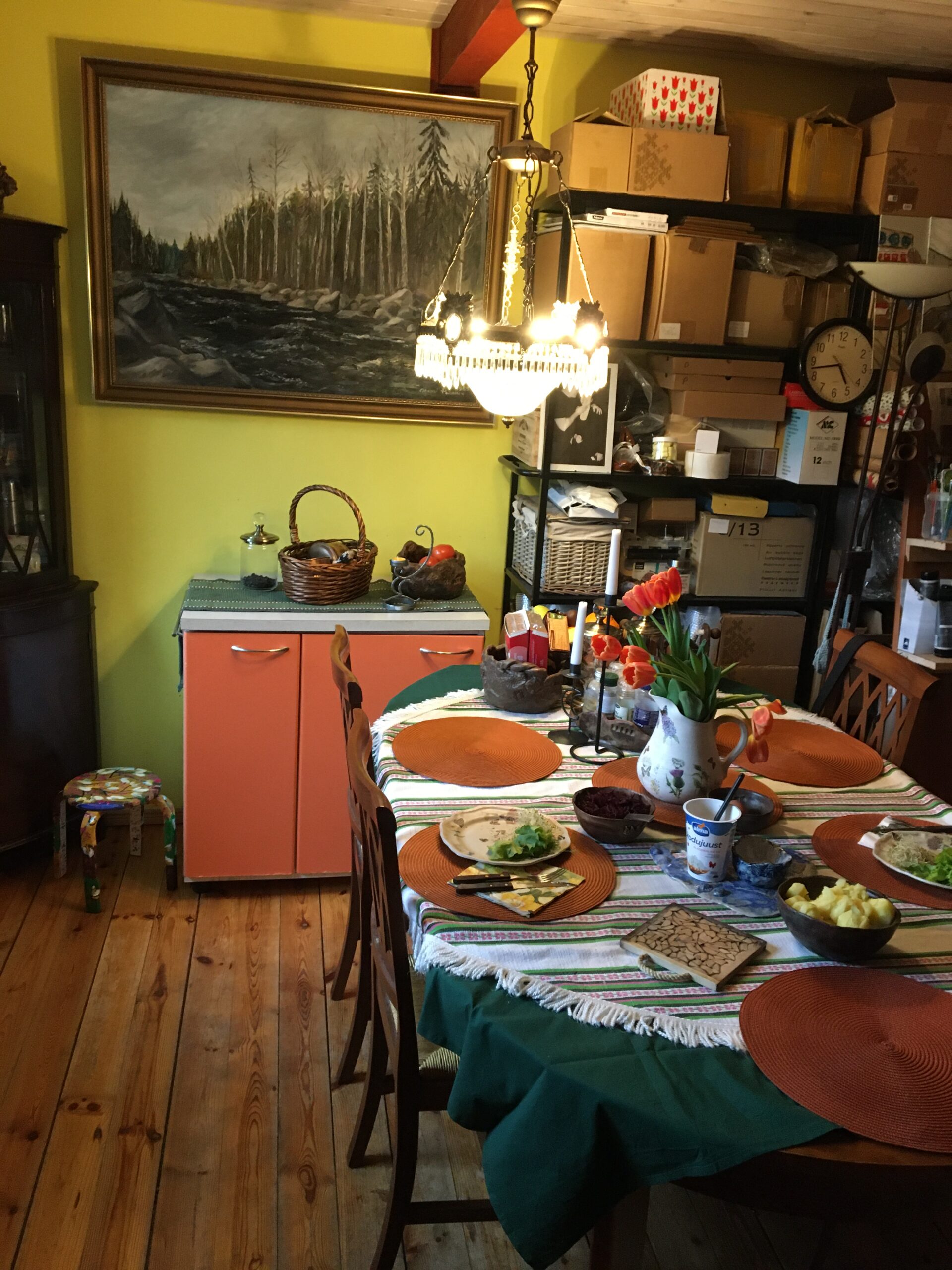
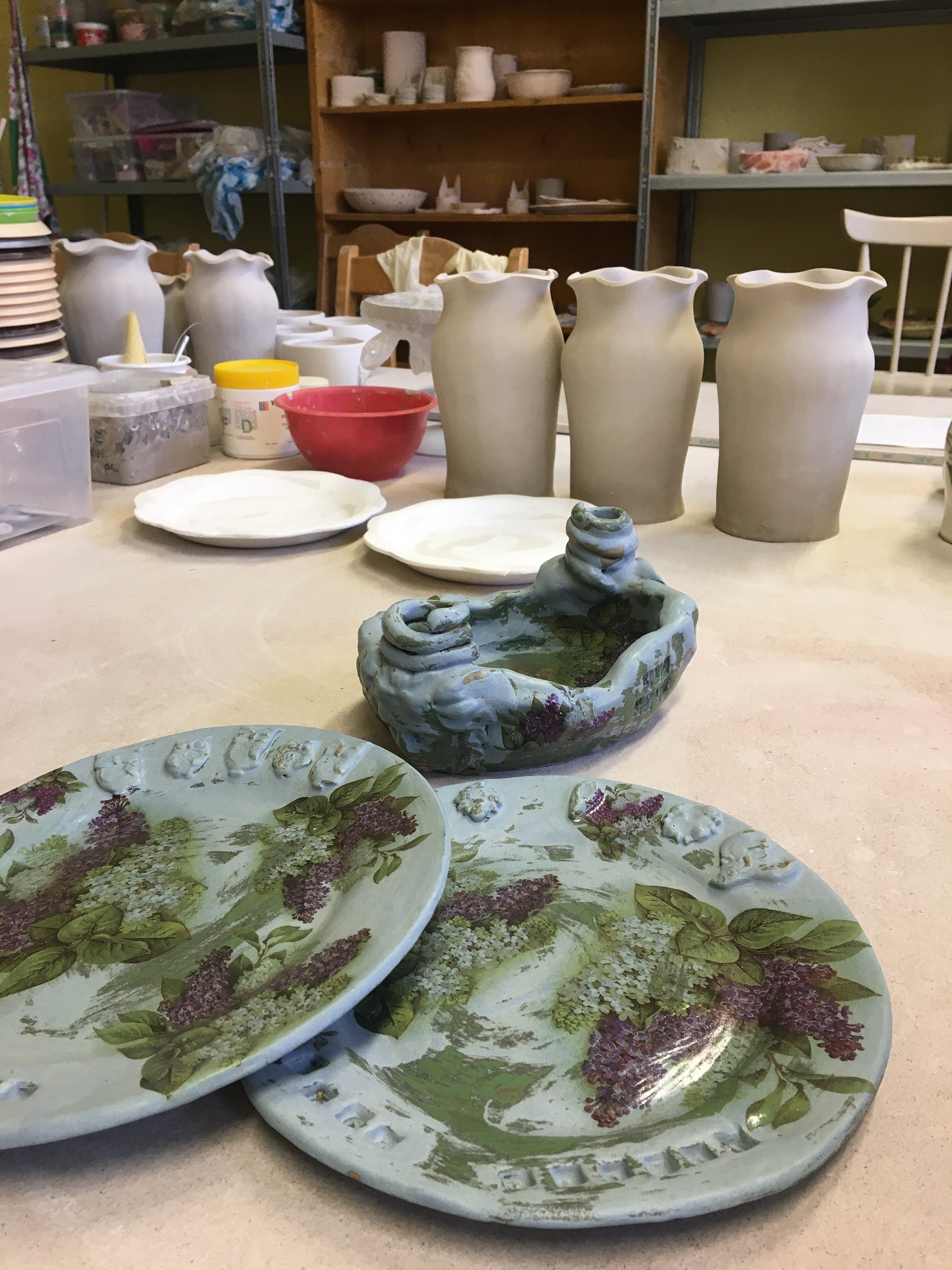
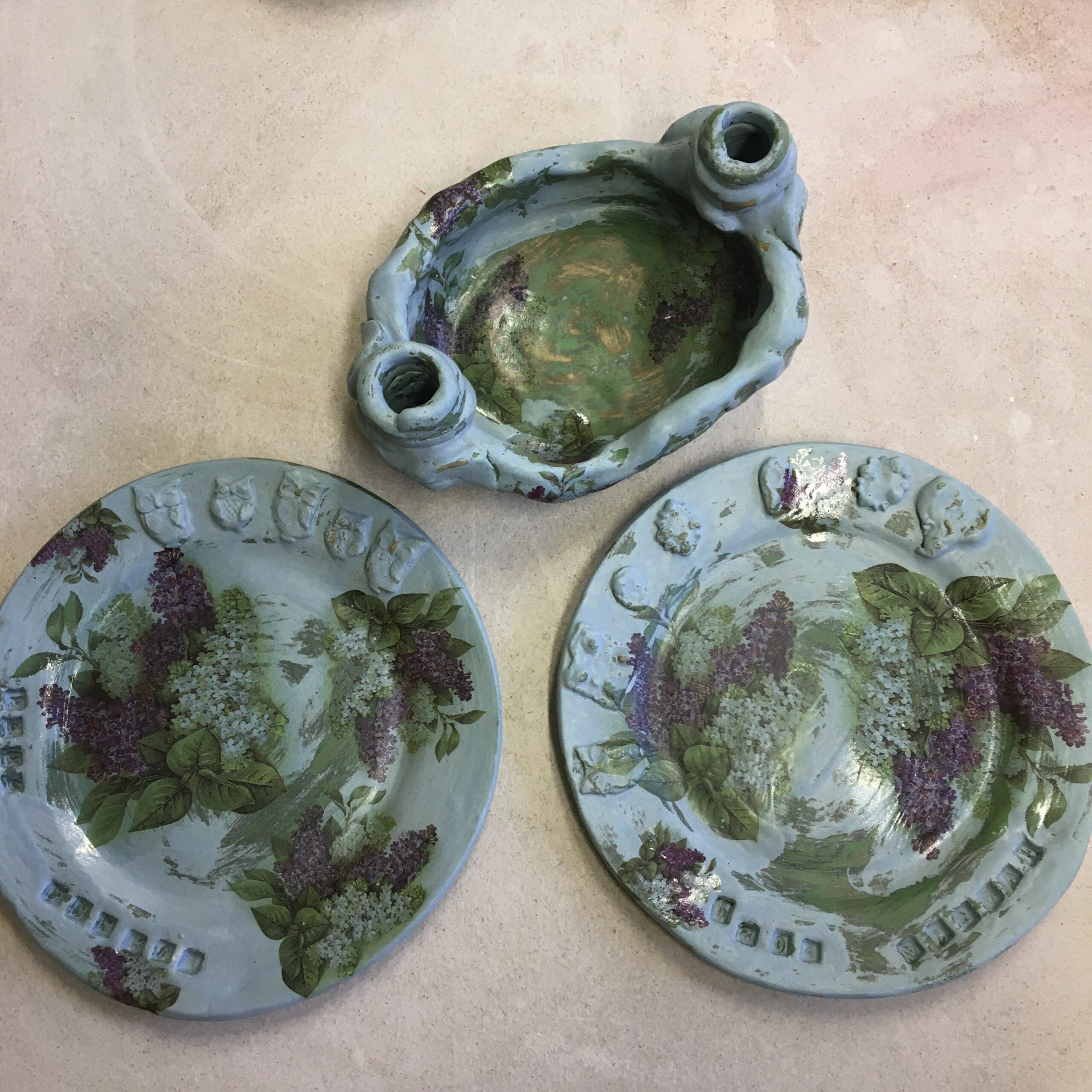
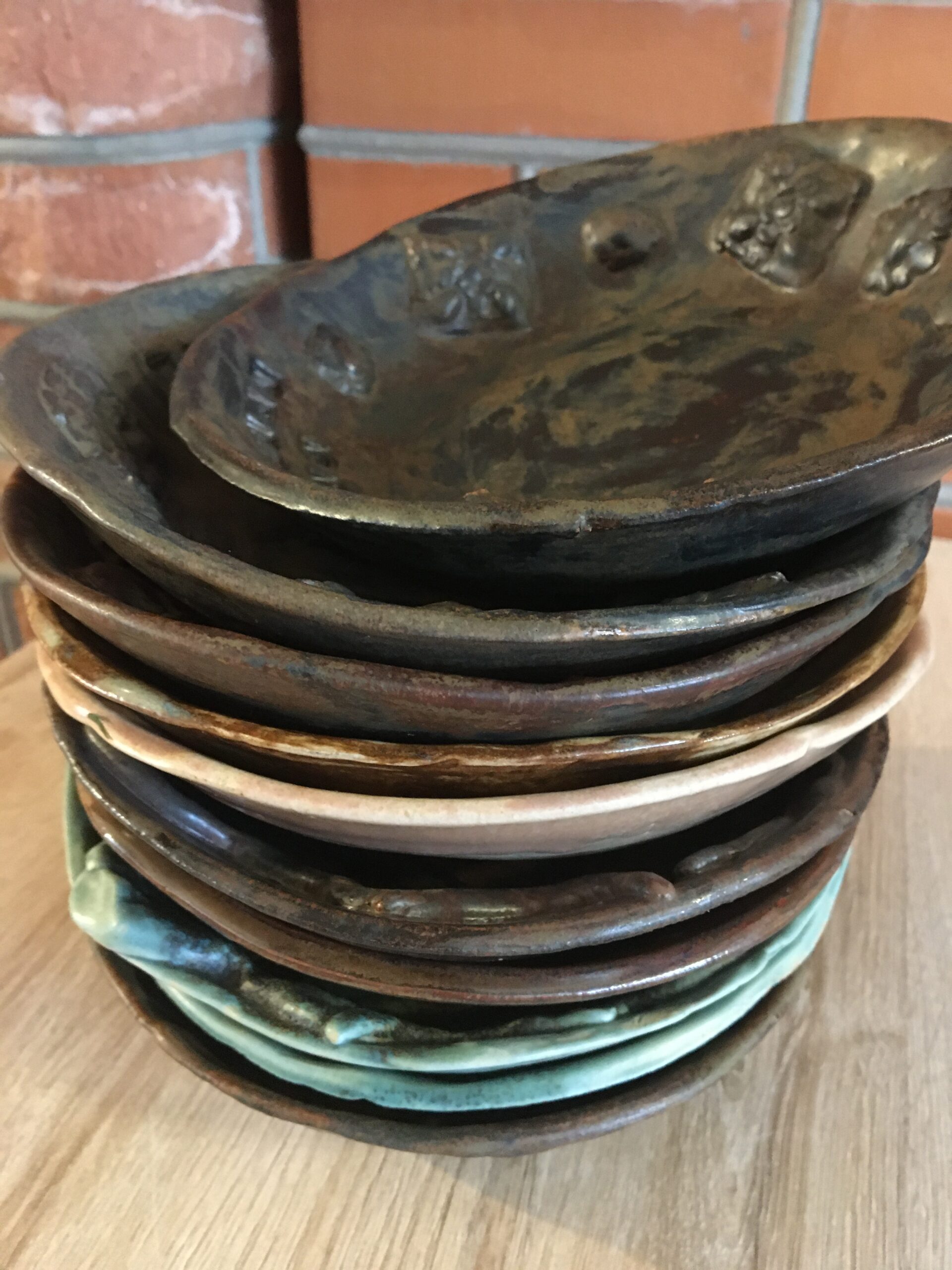
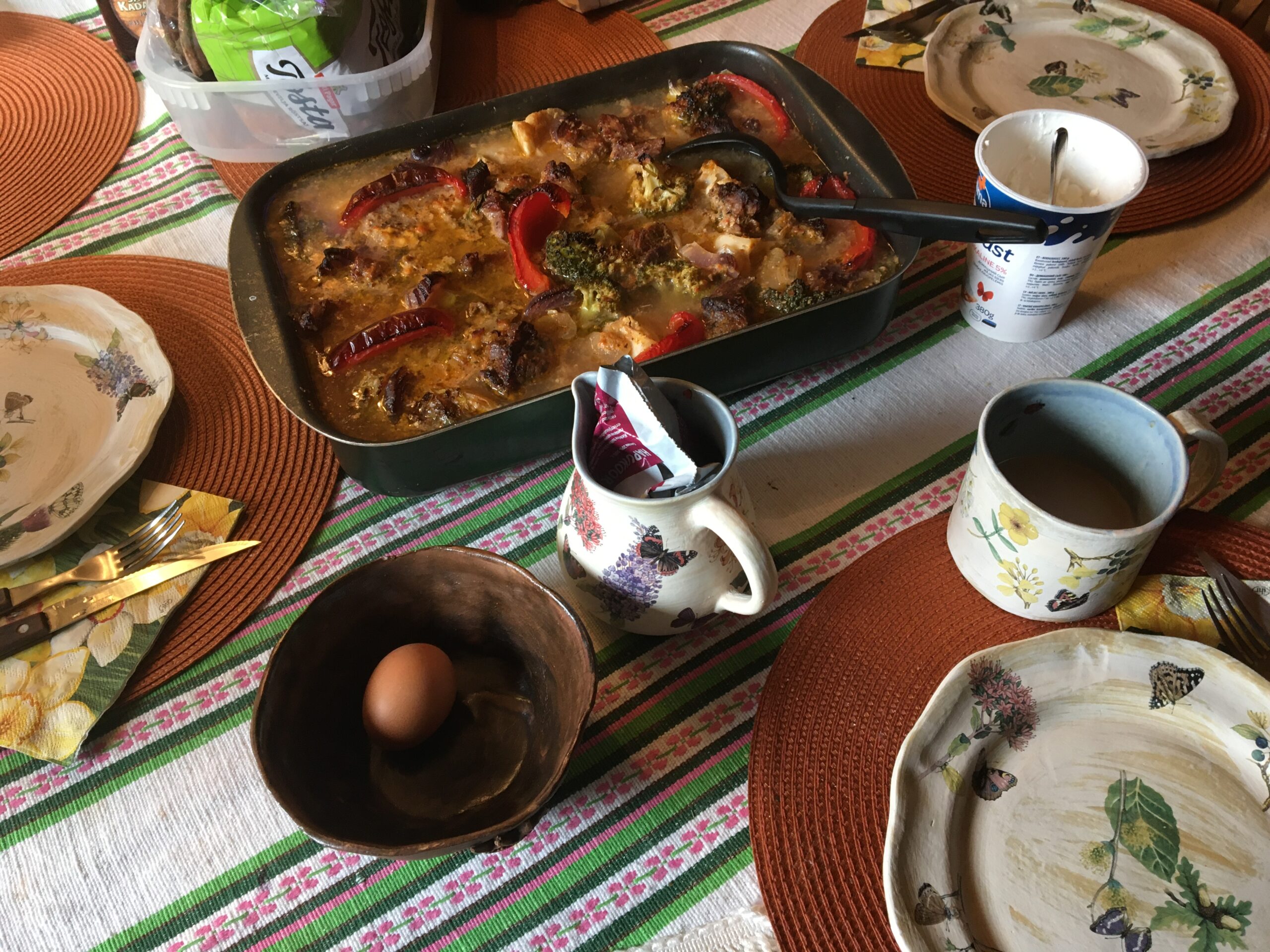
We also prepare for the exhibition together with Ivanka. Under her artistic hand, the large dish set – brown ceramic dishes (plates, cake plates, soup bowls, mugs, small bowls) have come to life, also several colourful small bowls, and right now we are working on a joint project – a dish set with lilacs, in green and blue. I myself like both dish sets very much. Yesterday and today we already tried them out during our meals. 🙂
(blog continues after photo gallery)
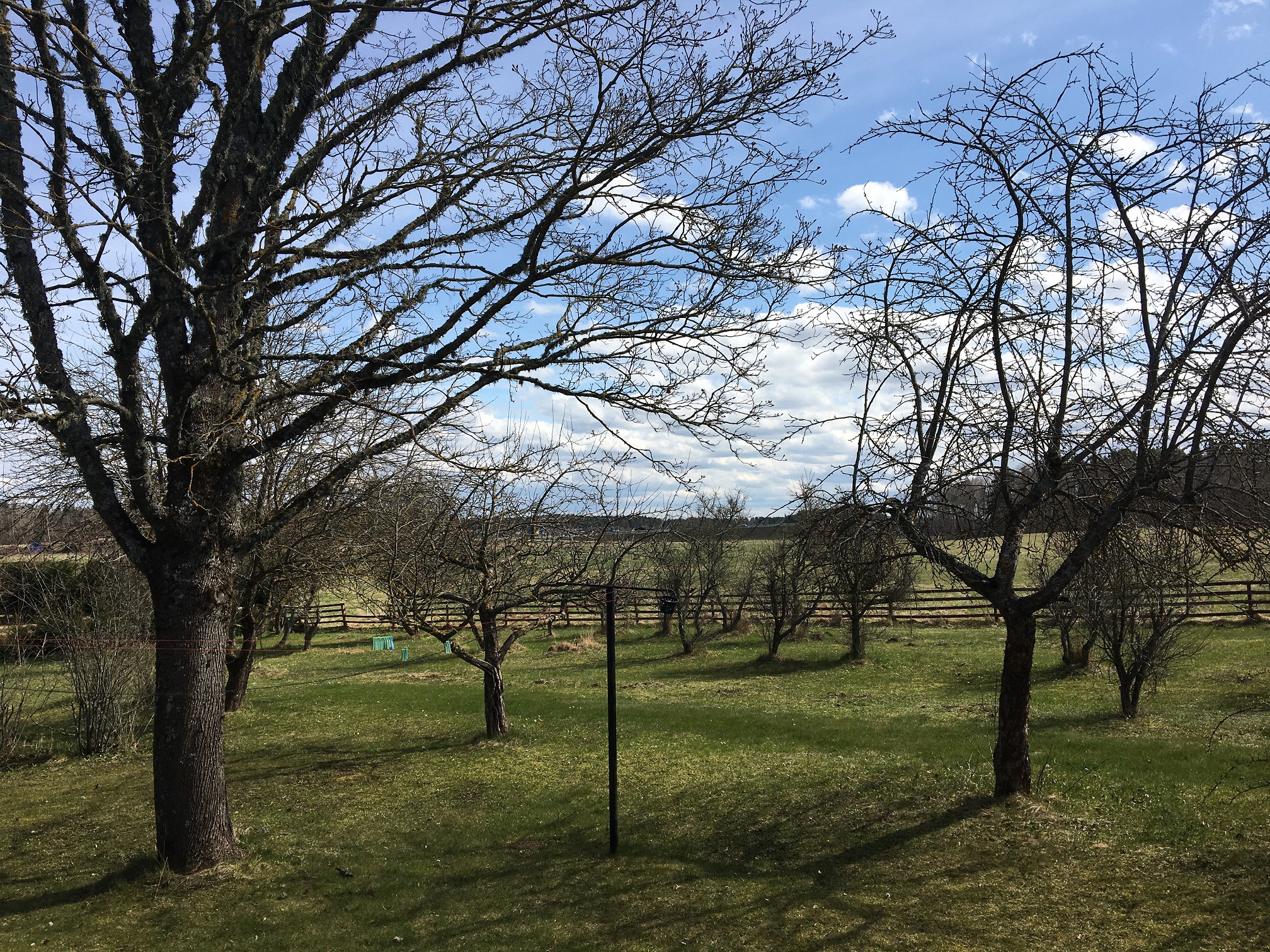
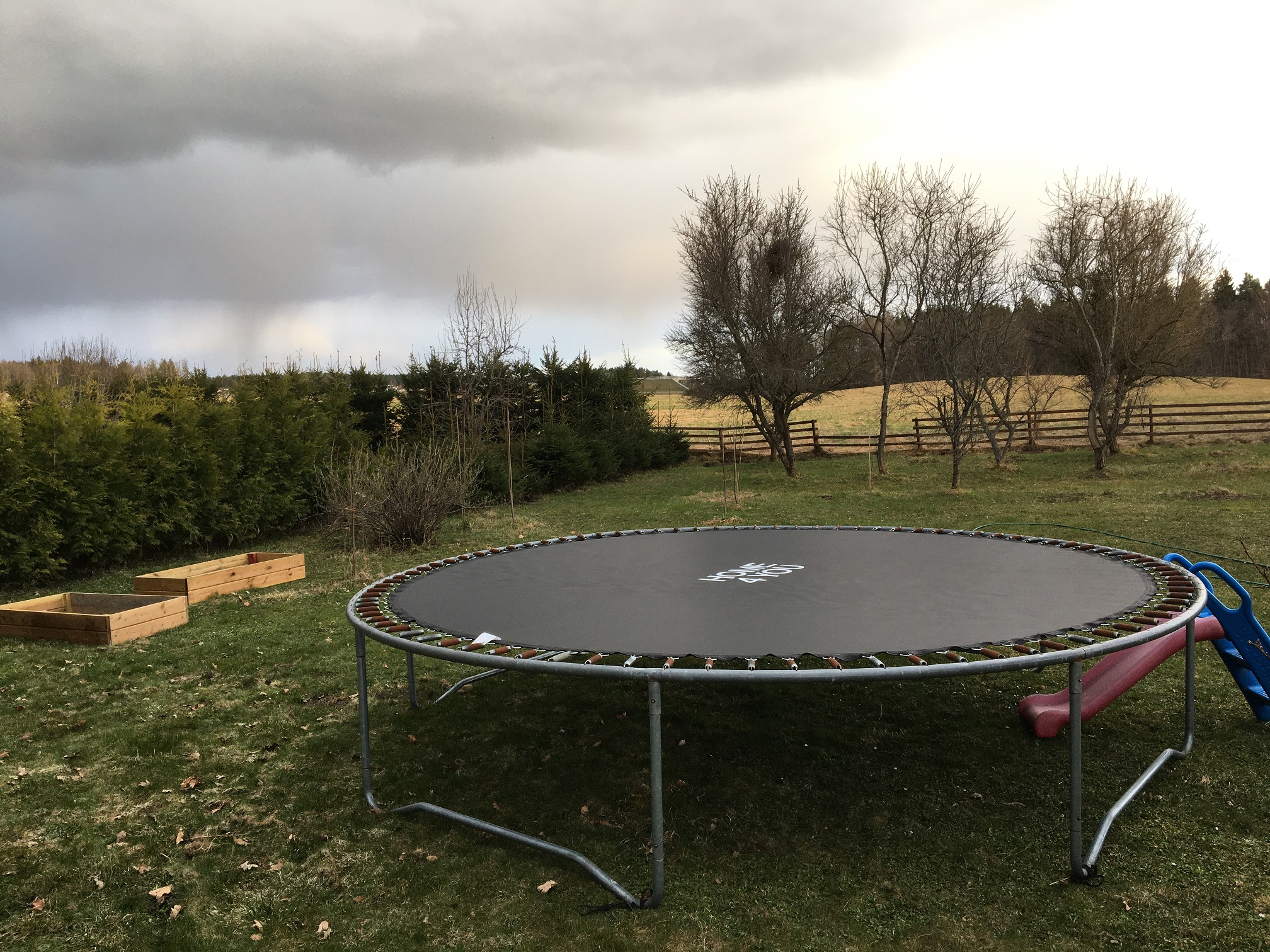
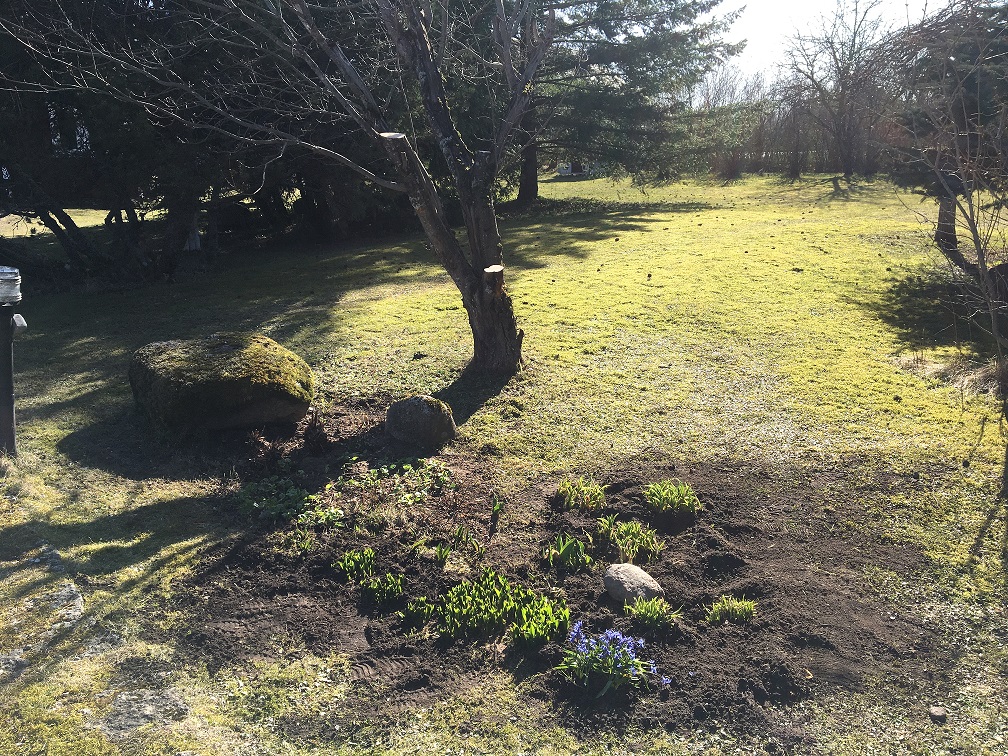
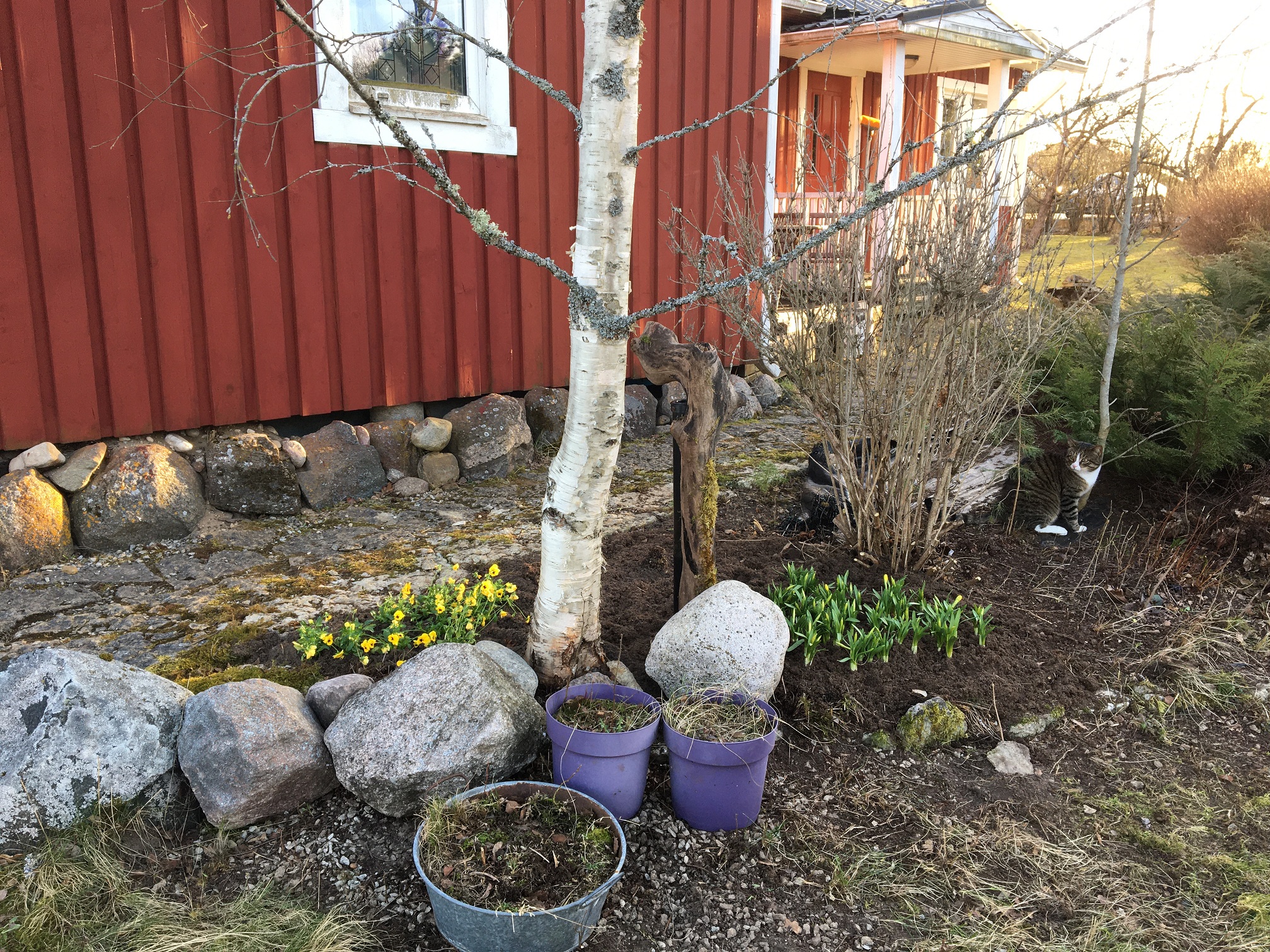
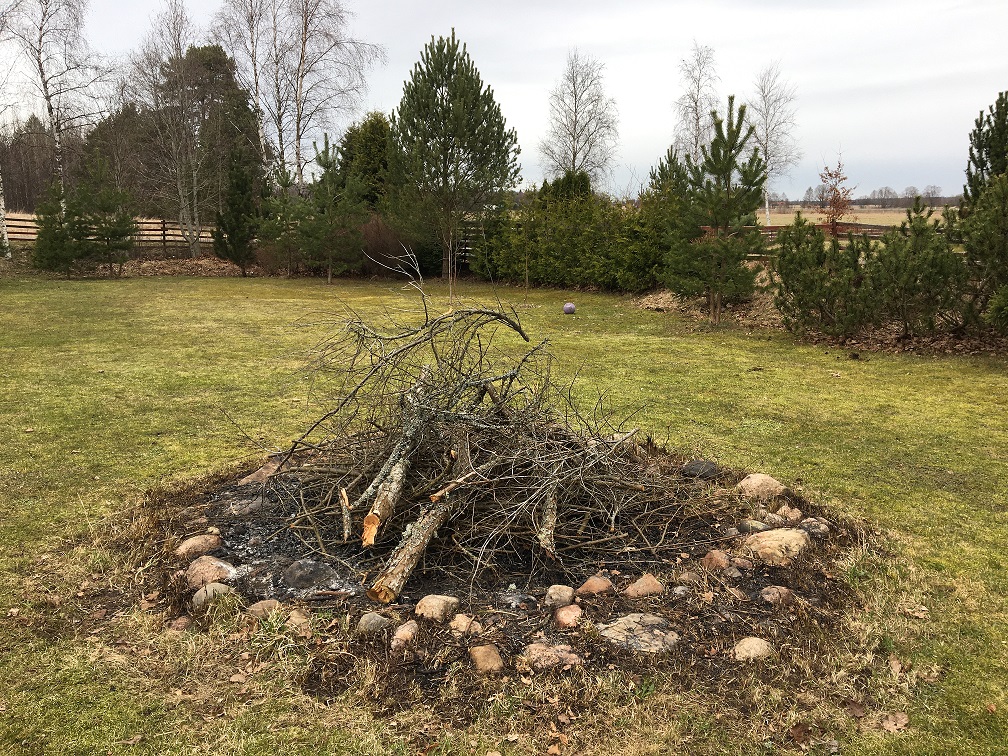
????? As has been said in my recent blog (Helena-Reet: about April and the first springtime activities in the garden + BIG GALLERY!) the time has come for various gardening activities. The garden looks desolate (partly because there are yet no leaves on the trees and bushes), mostly because the garden has for years been sort of neglected. The fence is old and needs to be replaced, the trees and the spruce hedge needs trimming (or maybe I will let it grow out), the flower beds need attention, the greenhouse needs to be changed, the auxiliary buildings need to be repaired, the terrace floor boards need to be replaced, etc. etc. The list of works to be done is lengthy, so that it is difficult to even figure out where to begin. As of now we have been dealing with the easier and more inexpensive problems – we replaced the fabric in the trampoline (it was broken for many years), it is also necessary to buy the safeguard frame so that it is less dangerous for the children to jump there. Raking the leaves has now been completed around the garden. Several dangerous decayed trees have been cut down, along with lots of buckthorn bushes and other dried branches and bushes. Many flowerbeds have been tidied up and many beds are done halfway. We have also built two garden boxes that are now waiting to be filled with soil for plants. I plan to grow dill, onion, chives, parsley, thyme, green salad and peppermint there. Also the old wooden compost bin needs to be replaced. Ah indeed, and then I also planted wild garlic that I got from my mother’s garden. I am hoping it will start growing with a roar and that it will prosper, since there is nothing better than homemade wild garlic pesto!
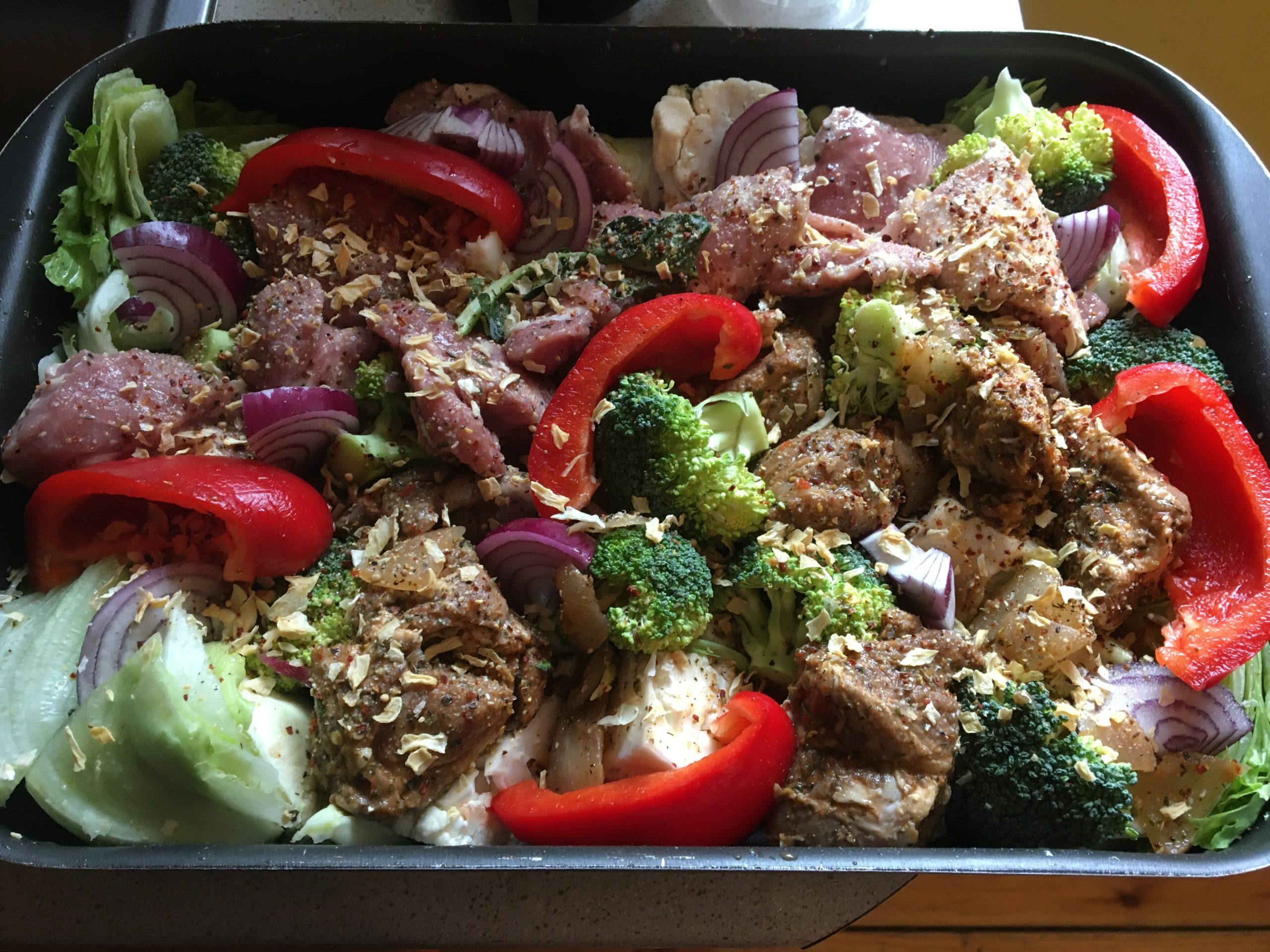
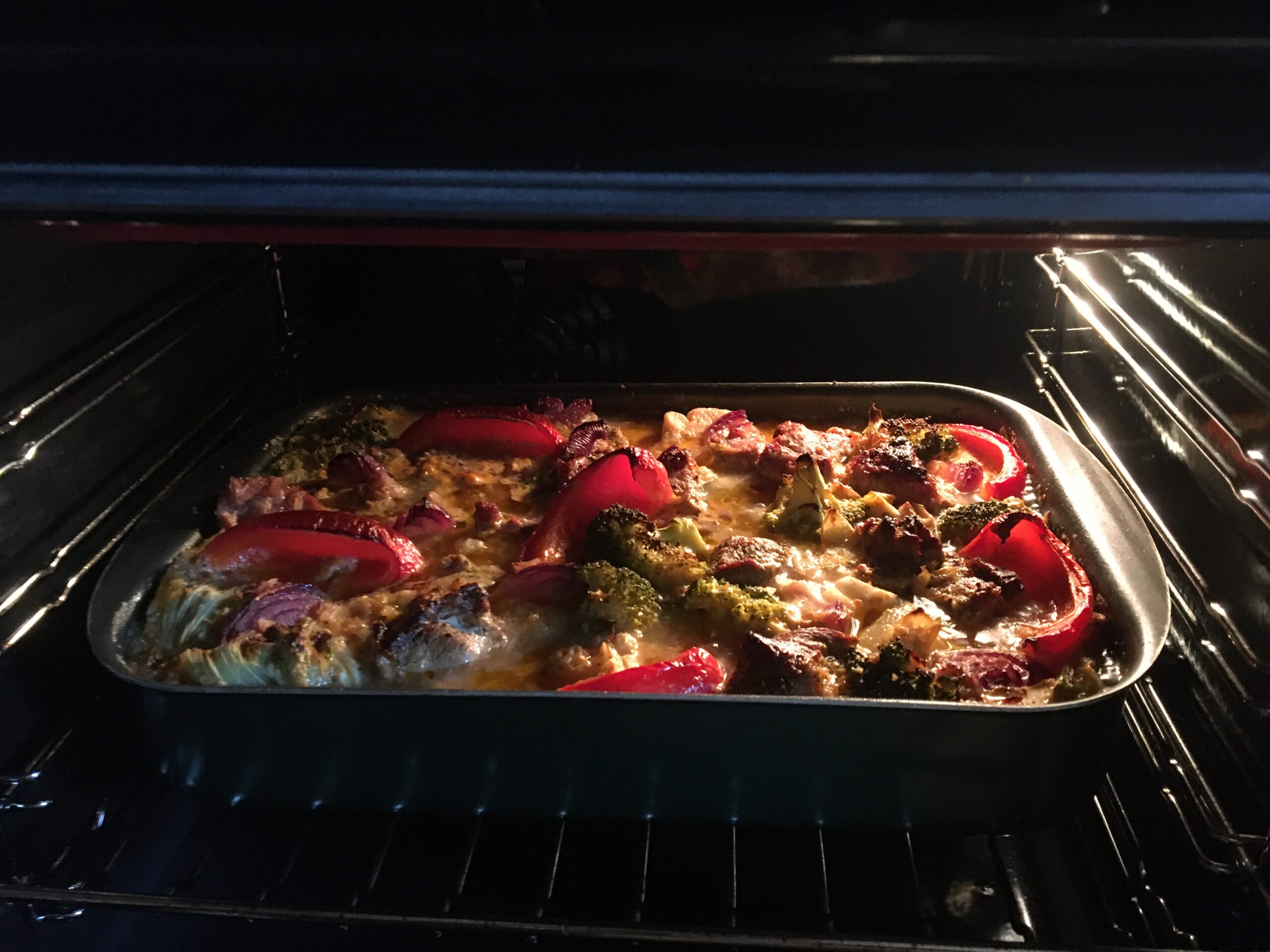
To sum it up, I add a few pictures from a nice delicious and easy-to-prepare oven roast. As time goes by, I am spending more and more time in the kitchen (ca 2-3 hours every day) and I am trying out and cooking and baking several salty and sweet dishes. This time I made stew. Place in a deep oven plate chopped meat, ice salad or cabbage, onion, cauliflower, broccoli, sweet pepper and various herbs (I added at least ten different spices beginning from garlic and ending with several nice spice mix options), then pour the ingredients over with water (the ingredients must almost be covered with water) and then let ripen at ca 150 degrees Celsius for about 1.5-2 hours.
❤ This is all for today! Hugs, and until the next blog post!
NordenBladet — Altogether 29 young people were awarded for participating in the international Award programme (Avartti) for recreational activities. Two gold awards and 27 bronze awards were presented. The prizes were awarded remotely by Minister of Culture and Science Annika Saarikko on 29 April.
The Award is a global framework for 14-24-year-olds, which helps young people grow, participate, engage and act in their community both locally and more broadly in society.
“I would like to congratulate all of you on your commitment to the Award programme and for your perseverance in learning new skills and capabilities. Diligence and an open mind deserve to be rewarded, and today is your turn to celebrate your achievements,” Minister Annika Saarikko said.
Minister Saarikko also thanked the programme for the work done to support young people’s growth.”I trust you feel that the Award has made a difference in you and that you will continue to make a difference in others around you,” said His Royal Highness The Earl of Wessex KG GCVO and Chairman of Trustees of The Duke of Edinburgh’s International Award Foundation in his speech to the young people.
When doing the Award, each young person designs and creates their own bespoke programme, choosing recreational activities and goals based on interests unique to them. The programme consists of three levels and four sections. Once the participants have completed their chosen level, they receive recognition in the form of a bronze, silver or gold award as well as an international certificate for participating in the programme.
Internationally, the Award is known as The Duke of Edinburgh’s International Award. It operates in more than 130 countries and territories. The programme was launched in the United Kingdom in 1956.
Award recipients and their levels:
Gold
Mohammad Kazemi, Kajaani
Yasin Nazari, Kajaani
Bronze
Hamzeh Elsad, Espoo
Ali Elsad, Espoo
Hamzat Dabaev, Espoo
Muhammed Sherzay, Espoo
Mohammed Elsad, Espoo
Vicheth Khoem, Espoo
Khalid Abdikarin, Espoo
Max Perunka, Oulu
Pyry Kylli, Oulu
Annina Virpi, Oulu
Esteri Majuri, Oulu
Pinja Lohi, Oulu
Elias Aho, Muhos
Markus Pakka, Alavus
Alpo Hult, Alavus
Eevert Perälä, Alavus
Rasmus Kauppinen, Alavus
Andrey Bogatenko, Alavus
Niklas Kuusiniemi, Alavus
Zahra Shirzad, Kerava
Yalda Amini, Helsinki
Leila Amini, Helsinki
Fatema Rezaei, Sipoo
Narges Amiri, Helsinki
Maryam Mohammadi, Kerava
Hassan Hosseini, Helsinki
Joona Heikkinen, Suomussalmi