Reklaam

Helena-Reet Ennet

Helena-Reet Ennet
4698 POSTS 0 COMMENTS

The Riigikogu formed the Estonian delegation to the Parliamentary Assembly of the Council of Europe

NordenBladet — At today’s plenary sitting, the Riigikogu formed the Estonian delegation to the Parliamentary Assembly of the Council of Europe (PACE). Maria Jufereva-Skuratovski is the head of the delegation.

Eerik-Niiles Kross and Jaak Madison are members of the delegation, and Indrek Saar and Raivo Tamm are substitute members.

The explanatory memorandum to the Resolution notes that, according to Article 26 of the statute of the organisation, Estonia as a full member of the Council of Europe has the right to form a three-member delegation to the parliamentary assembly.

The number of the delegation members is proportional to the size of the population. Estonia also has the right to appoint up to three substitute members as necessary.

The membership of the delegation is such as to ensure equitable representation of the various political forces, and women and men, in the Riigikogu.

The substitute members of the delegation are entitled to participate in all sittings of the plenary and committees of the Assembly.

The Estonian delegation has three votes at votings.

Plenary session of the PACE meets four times a year – in January, April, June and September.

The most important documents are legally binding agreements and conventions, and recommendations to the governments of member countries in basic issues of society.

English and French are the official working languages of the Assembly.

82 members of the Riigikogu voted in favour of the Resolution of the Riigikogu “Formation of the Estonian Delegation to the Parliamentary Assembly of the Council of Europe” (16 OE), submitted by the Foreign Affairs Committee.


Source: Parliament of Estonia

 

Estonia: New issue of Riigikogu Toimetised focuses on the state reform

NordenBladet — Today at 11, the latest issue of Riigikogu Toimetised (RiTo) will be presented in the Riigikogu Exhibition Hall at Toompea. The new issue focuses on state reform.

Entrepreneur and economic expert Raivo Vare, Auditor of the National Audit Office Eva-Maria Asari and Head of Research at the Foresight Centre Meelis Kitsing will participate in the panel discussion held at the presentation of the new issue. The panel will be led by Editor-in-Chief of RiTo Mart Raudsaar.

“The state reform is necessary because the state of Estonia has not yet been completed. Citizen’s transactions with the government have to be simple and conducted in one place, involve as little red tape as possible, and use the possibilities provided by e-governance,” Editor-in-Chief Mart Raudsaar explained the importance of state reform.

The new issue of RiTo views the state reform from different perspectives. The key article is contributed by the Foresight Centre, and describes the scenarios arising from the governance report of 2018.

Entrepreneur and economic expert Raivo Vare wrote an essay on the state reform. Member of the 9th–13th compositions of the Riigikogu Andres Herkel contributed an article about the Study Committee to Draw up the Development Objectives for the State Reform. Political scientist Alar Kilp wrote a summary of the work of the Study Committee.

The article on e-services and i-elections by Research Fellow at the Institute of Government and Politics at the University of Tartu Mihkel Solvak, article on the cohesion of the society by Project Manager of the Estonian Center of Eastern Partnership Aimar Altosaar, and the overview of direct elections of the President of the Republic by Member of the Council of ICON-S CEE Ero Liivik also relate to the focus topic.

Teacher of Johan Skytte Institute of Political Studies of the University of Tartu Rein Toomla wrote about the recent elections of the Riigikogu. On the occasion of the 100th anniversary of the Riigikogu, the new issue of RiTo includes an article introducing the e-book published to commemorate that. The book compiled by the National Library contains the biographies of all members of the 1st Riigikogu.

RiTo can be bought in Tallinn at the Parliament Shop at Toompea and the Estonian National Library. The journal can be subscribed to at the RiTo website. All articles are also available on the website immediately after publication.


Source: Parliament of Estonia
 

Estonia: President of the Riigikogu meets with Central and East European colleagues in Poland

NordenBladet — Today, President of the Riigikogu (Parliament of Estonia) Henn Põlluaas attends the 4th Summit of Speakers of Central and Eastern European Parliaments, which will focus on the discussions about the security of the region.

Activities of countries in fighting against terrorism and ensuring cyber security will be spoken about at the meeting, as well as Russia’s aggressive behaviour towards its neighbours and military intervention in Georgia, Ukraine and Syria.

The issues relating to economic cooperation, development of relations with the United States of America and current political topics in the European Union, including the national identity of states, are also on the agenda.

Today, Põlluaas will also meet with Marshal of the Sejm of Poland Marek Kuchciński to discuss the bilateral relations between Estonia and Poland, cooperation in the European Union and in the international politics.

One of the main themes of the summit is the common history of the Central and East European Countries and the Baltic States. The political processes of the end of the 1980s, during the transition from totalitarianism to democracy, and later developments on the region in the 1990s and the first two decades of the 21st century will be discussed.

Delegations from 19 countries participate in the two-day summit. Besides the European Union member states, the delegations of Armenia, Azerbaijan, Belarus, Kazakhstan, Serbia and Turkey also attend the summit.


Source: Parliament of Estonia


President of the Riigikogu (Parliament of Estonia) Henn Põlluaas: Blue-black-white flag is an integral part of our nation

NordenBladet —President of the Riigikogu (Parliament of Estonia) Henn Põlluaas said at the flag raising ceremony in the Governor’s Garden at Toompea in the morning of the 135th anniversary of the national flag of Estonia that the blue-black-white flag had become an integral part of our nation, our identity and our independence. He added that it was a link that tied the previous and the next generations together.

“The Estonian flag is our symbol that was carried by the previous and will be carried by the next generations, and which means freedom, independence and aspirations to survive in this world,” Henn Põlluaas emphasised.

“The Estonian flag embodies faith, hope and love. Faith in our people, our independence, our strength and will. Hope for survival and for the bright future. Love for our country and for all,” the President of the Riigikogu said.

In his speech, Põlluaas also pointed out that this year marked several anniversaries. “Besides the 135th anniversary of our national flag, we celebrate the 100th anniversary of the beginning of the work of the Estonian Parliament, and the first All-Estonian Song Festival took place 150 years ago,” he said. The President of the Riigikogu also recalled that thirty years passed from the Baltic Way and the day the blue, black and white flag was again raised at the Tall Hermann Tower after long years.

“Let us keep this flag and these colours in our hearts, and never let this flag fall,” Põlluaas said.

The Riigikogu and the Estonian Flag Association thanked the Estonian Song and Dance Celebration Foundation, the Institute of the Estonian Language and Gustav Adolf Grammar School, giving them ceremonial flags.

The Estonian Song and Dance Celebration Foundation was awarded the flag on the occasion of the anniversary year of the song and dance celebration, and the Institute of the Estonian Language on the occasion of the Estonian Language Year. Gustav Adolf Grammar School was awarded the flag for active participation in the events organised by the Estonian Flag Association.

Chairman of the Estonian Flag Association Jüri Trei also delivered a speech at the flag raising ceremony. Archbishop of the Estonian Evangelical Lutheran Church Urmas Viilma said the words of blessing.

Head of the Denmark Society Erik Fage-Pedersen greeted Estonia on its National Flag Day. This year, we mark the 135th anniversary of the national flag of Estonia and the 800th anniversary of the national flag of Denmark.

The honour guards of the Defence League, Women’s Home Defence, Young Eagles, Home Daughters, Scouts, Guides and academic organisations, and the flag hoisting units of societies, associations, and schools attended the flag raising ceremony in the Governor’s Garden. The orchestra of the Defence Forces, and the choirs of the Estonian Female Song Society and the schools of Tallinn performed at the ceremony.

From 3 p.m. to 7 p.m., the Tall Hermann Tower will be open for visiting. In order to ensure smooth entrance, visitors will be given free tickets indicating the time for entrance to the tower.

Photos of the flag raising


Source: Parliament of Estonia


DO THIS SIMPLE cord test and find out if your waist size is dangerously big

NordenBladet – For the past six years excessive obesity has continued to be normalized among the working population. The most dangerous is the effect of the form of obesity that is located around internal organs. Among the alarm signs is the stout waistline.

Doctor Michael Mosley’s cord test is an easy way to determine whether there is excessive fat around your waist. You would need a strong thin cord and scissors. From the cod, cut a piece as long as your full height. After that, fold the cord once and see if uou can easily cover the waist line with it. In case the ends of the cord do not meet and there is a significantly large space between the two ends, your waistline might be too large. Excessive obesity has harmful effects for the liver. Also, excessive obesity is the cause for developing type II diabetes, sleep apnea, asthma and some types of cancer. Therefore, if you failed the cord test, you would need to focus on the healthy menu and sufficient physical activity. You must make better choices to maintain good health.

Source: NordenBladet.fi

Plant these herbs in your garden and you will be worriless about mosquitos all summer + PHOTOS!

NordenBladet – Just now is the right time to begin with preparations in the garden – set ready the flowerbeds, grow the plants already in advance. Not a summer night goes by that wouldn’t bother us with the annoying gnats. There are several ways to scare off gnats. NordenBladet reveals to you the means to get rid of the mosquitos as well as bring pleasant herbs on your dinner table.

Since gnats are surely attracted mostly by standing water and body smells (sweat), you might start with the first. Remove all still rainwater from the garden. Further, while working in the garden it is common that sweat would start pouring down the skin, for that occasion the herbs growing in the garden can be helpful in playing a trick on gnats. One can rub the plants between the palms, then rub some on the skin and that is how gnats will stay in a distance.

So, what are the plants that should be growing in the garden?

Culinary sage and rosemary
Both these plants have an intensive smell and smarten up human senses. Should you me making a bonfire in the garden, through some sage or rosemary rods in the fire. For gnats the bunch of smells coming from the smoke is undesirable.


Kuva: Pexels/Monicore

Lavender
Besides mosquitos, lavender will keep off the more dangerous ticks. Lavender is well known as an air refreshing perfume that relaxes the senses. Rub the plant between the palms or directly against the body.


Kuva: Pexels/Brigitte Tohm

Peppermint
Peppermint extract is so strong that it may kill the eggs and larvae of several species. Among others, it also serves as protection against gnats.


Kuva: Pexels/Pixabay

Catmint
Catnip contains a natural chemical nepetalactone that protects against insects. The ether oil gives the young plant the scent of a rose, with time it turns into scent of lemon and that in turn protects against mosquitos.

https://www.instagram.com/p/Bj6Ax6jFLGc/?tagged=catmint

Basil
Basil also oozes a strong smell. Surveys have shown that basil’s ether oil is toxic for gnat larvae. Since the herb is a household name on the table then you may grow lots of it in the garden, because as a bonus it cuts short the gnats laying eggs.


Kuva: Pexels/Kaboompics.com

Lemon balm
Lemon balm is in the same family as mint and it slightly smells like lemon, It is a herb, yet it also efficiently protects against gnats.

https://www.instagram.com/p/BjYJRftgD4Y/?tagged=lemonbalm

Featured image: Pexels/Pixabay
Source: NordenBladet.ee

Finnish gentleman discovers tick trap – during testing 100 ticks were collected in 15 minutes

NordenBladet – The Finnish fellow Reima grew tired of ticks and invented a smart tick trap. During testing within 15 minutes this trap attracted nearly 100 ticks and tick larvae.

Reima Kutila developed a tick trap that from now on he is producing and marketing from his garage. The trap invites ticks with the warmth and carbon dioxide, giving the impression of a passer by, either human or animal, mediates Iltalehti. The trap is made from fabric, with pockets sewn on it, and the pockets are stuffed with pads that are warmed up to 40 degrees, and carbon dioxide is blown from a balloon underneath the fabric.

Iltalehti was witnessing the event when the trap was tested in Espoo and when during 15 minutes 100 ticks and larvae were stuck on it.


Reima Kutila (Extract from Iltalehti video)

Featured image is illustrative: Pexels/Tamar Willoughby
Source: NordenBladet.ee

The Riigikogu and the Estonian Flag Association invite to the flag raising ceremony

NordenBladet —

Tomorrow, on 4 June 2019, the blue, black and white flag of Estonia will be 135 years old. On this occasion, the Riigikogu and the Estonian Flag Association invite everybody to the ceremony of raising the national flag of Estonia at 7 a.m. in the Governor’s Garden at Toompea, at the foot of the Tall Hermann Tower. In the afternoon, from 3 p.m. to 7 p.m., the Tall Hermann Tower will be open for visiting.

The national anthem of the Republic of Estonia will be performed when the flag is raised. The flag raising team is made up of the representatives of the Estonian Song and Dance Celebration Foundation, the Institute of the Estonian Language, and Gustav Adolf Grammar School.

President of the Riigikogu Henn Põlluaas and Chairman of the Estonian Flag Association Jüri Trei will speak at the ceremony. Archbishop of the Estonian Evangelical Lutheran Church Urmas Viilma will say the words of blessing.

Head of the Danish Flag Society Erik Fage-Pedersen will greet Estonia on the occasion of its National Flag Day. This year, we mark the 135th anniversary of the national flag of Estonia and the 800th anniversary of the national flag of Denmark.

The honour guards of the Defence League, Women’s Home Defence, Young Eagles, Home Daughters, Scouts, Guides and academic organisations, and the flag hoisting units of societies, associations, and schools will attend the flag raising ceremony in the Governor’s Garden.

The orchestra of the Defence Forces, and the choirs of the Estonian Female Song Society and the schools of Tallinn will perform at the ceremony. The choirs will sing “Hoia, Jumal, Eestit” (“God Save Estonia”, music by Juhan Aavik, words by Aleksander Leopold Raudkepp) and “Eesti lipp” (“Flag of Estonia”, music by Enn Võrk, words by Martin Lipp).

From 3 p.m., the Tall Hermann Tower will be opened for visiting. In order to ensure smooth entrance, visitors will be given free tickets indicating the time for entrance to the tower.

The National Flag Day is celebrated on the anniversary of consecration of the blue-black-and-white flag of the Estonian Students’ Society. The first blue-black-and-white flag was made in spring 1884, and was blessed and consecrated at Otepää parsonage on 4 June. This year we celebrate the 135th anniversary of the consecration of our blue-black-and-white flag.

Riigikogu Press Service
Marie Kukk
+372 631 6456; +372 5821 3309
E-mail: marie.kukk@riigikogu.ee
Questions: press@riigikogu.ee

Source: Parliament of Estonia

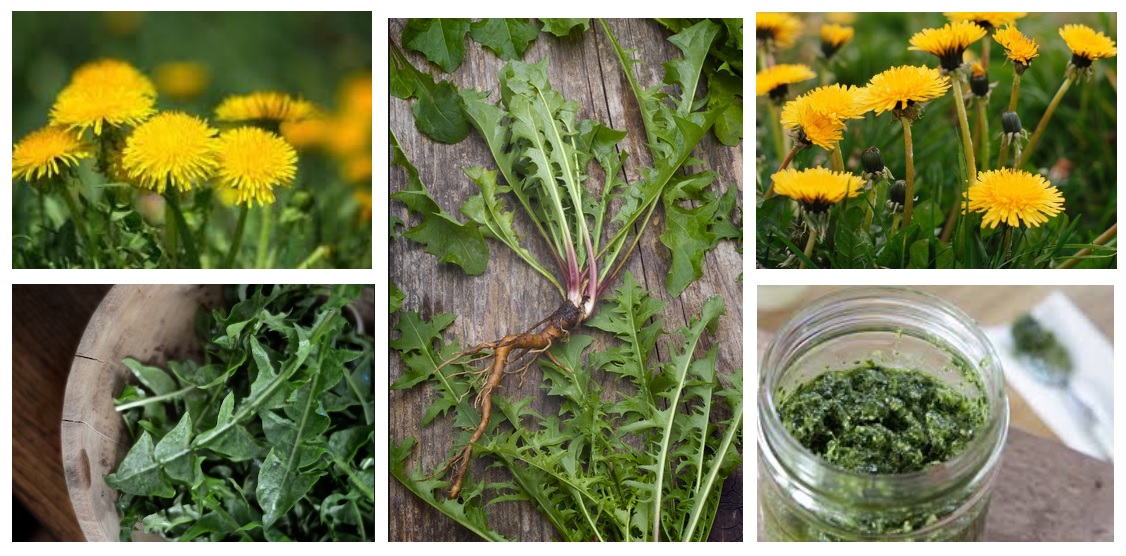
DANDELION’S therapeutic qualities – help against a hundred ailments!

NordenBladet – The ordinary dandelion (Taraxacum officinale) that is as familiar to the Nordic nation as the back of the hand, is well-known in folk medicine and is a praised therapeutic herb. In Estonia around 170 different sorts of dandelions grow, and while being condemned as a weed, the plant is actually highly valued in the pharmaceutical industry around the world.

In folk medicine it is called the elixir of life, the purifier of blood, a laxative, the cure for the liver and the alleviation for exhaustion. Officially, dandelion was recognized as a therapeutic herb in the year 1961. Dandelion contains beneficial constituents all the way from blossoms to roots – each and every part of the herb is used for therapeutic purposes. The fresh dandelion milk emulsion latex is a cure for ailments in liver, kidney, spleen and the skin, besides it alleviates itching of the allergic skin, heals rashes and tetter.

The herb cleans blood, lowers cholesterol, alleviates anaemia, lowers stroke risk by making blood more fluid. It regulates the blood sugar levels of the organism. It has been found that latex fights the tuberculosis bug, lessens the spread of viruses and fungi, kills intestinal parasites. The dandelion also has been found to inhibit the growth of tumors. The dandelion is helpful for liver diseases and against jaundice, it helps against loss of appetite and against constipation, against rheumatism and against warts.This list is not exhaustive.

Dandelion stems:
1. A cure for liver ailments (especially beneficial for individuals who are keen on liquor). Although the whitish milk coming from the dandelion stem is slightly toxic, it is recommended to consume fresh dandelion stems in case of liver disease. To start with, have just one or a couple.
2. A cure against warts. Cover the warts with the milk from the stems of dandelion.
3. Slows and inhibits the spread of freckles: cover the face with dandelion milk before washing.

Dandelion blossoms:
1. In case of heart disease the folk medicine recommends boiling tea from dried dandelion blossoms and drinking this instead of water.
2. Honey can be made from dandelion and this is medicine against cough, bronchitis, fever, and the flu. Take one spoonful of it three times a day. (Preparation of dandelion honey: gather about two glasses of dandelion blossoms and boil them for half an hour in half a liter of water, then cool down and drain. After that boil the liquid once more and add half a kilo of sugar and a teaspoonful of citric acid. Boil for 20 minutes. The color will turn yellow as is the ordinary honey. Pour into honey pot when hot and cover with top.
3. They clean the blood, directing excess water out of the body.Dandelion nectar and tea are good for cleaning the blood, recovering appetite, speeding the digestion, and also it is helpful against hemorrhoids and spleen diseases. The nectar is to be taken 2-3 tablespoonfuls at a time and tea is to be consumed 1-2 glasses daily. Dandelion nectar also has a use in treating skin ailments.
4. Heals rheumatism. To alleviate rheumatism, collect fresh dandelion blossoms and pour over with petroleum, leave to be for 24 hours and then spread on problematic areas once a day in the end of the day.

Dandelion roots:
1. Helps in case of constipation. Boil tea from dandelion roots and drink in the morning and in the evening before the meal half a glass of it at a time.
2. Helps in case of gastric ulcers. Roots can be grated and eaten with bread or chewed freshly. Three pieces of roots is recommended daily.
3. Alleviates diabetes. For people with diabetes it is recommended to daily chew the root slowly: NB! digestion begins in the mouth, ten or more young dandelion’s roots daily.

Dandelion leaves:
1. Help alleviate inflammation in liver. Dandelion is a boosting spring plant. For salad, the leaves are suitable, as well as the stems and young roots. From dandelion leaves you can prepare a healthy soury salad, when you chop the washed leaves and mix them with cream or vegetable oils. The salad is efficient in case of chronic inflammations in liver.

The dandelion (as well as other herbs) are to be collected from unpolluted nature indeed and as close from the homeplace as possible. The herbs that are best for you grow in just a few kilometers area around you! The plant parts that are above the ground (blossoms, stems, leaves) is to be collected in spring, the underground parts (roots) in autumn. People who might be sensitive regarding the herbs should be careful with dandelion substances used in treatment purposes, since the herb is energetically intensive and with significant healing properties. In case of grave health problems first of all always turn to your GP for health advice.

Eastern Partnership anniversary conference of the Baltic Assembly focuses on the future

NordenBladet — Today, Vice-President of the Riigikogu (Parliament of Estonia) Siim Kallas, Chairman of the Foreign Affairs Committee of the Riigikogu Enn Eesmaa and member of the Estonian Delegation to the Baltic Assembly Johannes Kert participate in the Eastern Partnership Conference of the Baltic Assembly in Vilnius.

The Conference will discuss the future of the Eastern Partnership programme, which was started ten years ago, and search for possibilities for harmonising and improving international cooperation. Besides that, the admission of potential new members is also one of the issues to be discussed.

Vice-President of the Riigikogu Siim Kallas said that one of the keywords of the conference was ‘near future’ – what the next decade would bring us, and how to set the right course in the name of better future and cooperation.

“During its first years of activity, the Eastern Partnership has proven its usefulness. It has helped adapt to new challenges and strengthened our mutually beneficial relations. Also, the impact of the programme on the development of the democracy, stability and security of the Eastern Partners cannot be underestimated,” Kallas added.

Chairman of the Foreign Affairs Committee Enn Eesmaa said that the implementation of the reforms agreed on with the Eastern Partners would be the main goal in the coming years in order to ensure the positive impact and continuing success of the Partnership. Eesmaa emphasised the crucial role of civil society in achieving that.

Member of the Estonian Delegation to the Baltic Assembly Johannes Kert thinks it is necessary to support the Eastern Partners and to acknowledge their achievements in order to encourage them to continue with the reforms. “It is the role of the Baltic Assembly to help explain the needs and aims of the Eastern Partners to the Western countries and the Nordic States. Supporting the Eastern Partners is also important from the point of view of the security of the region, because countries sharing the same values are stronger when they are together,” Kert said. “Estonia has always supported and will continue to support the Eastern Partnership countries, sharing our experience and knowledge with them.”

Eastern Partnership is the cooperation programme of the European Union with Armenia, Azerbaijan, Belarus, Georgia, Moldova and Ukraine. Its aim is to build up a more prosperous, stable and democratic region to bring the Eastern Partnership countries closer to the European Union.

In discussions on the future, the enlargement of the programme will also definitely be spoken about. According to a recent Eurobarometer survey, 43 per cent of the public support further enlargement of the European Union, while 45 per cent is against the admission of new countries.


Source: Parliament of Estonia