NordenBladet — On Thursday 3 June, the Government decided to renew three appointments.In its session on Thursday 3 June, the Government decided on the following appointments:Counsellor for Foreign Affairs Elina Kalkku will continue to serve as Under-Secretary of State at the Ministry for Foreign Affairs (development policy) for a fixed term from 1 September 2021 to 31 August 2022.
Counsellor for Foreign Affairs Ilkka-Pekka Similä will continue to serve as Director General of the Department for External Economic Relations at the Ministry for Foreign Affairs for a fixed term from 1 September 2021 to 31 August 2023.Counsellor for Foreign Affairs Johanna Kotkajärvi will continue to serve as Deputy Director General of the Department for Communications at the Ministry for Foreign Affairs for a fixed term from 1 September 2021 to 31 August 2023.
NordenBladet — On 3 June, the Government decided to extend the restrictions on entry into the country until 27 June 2021. The COVID-19 pandemic continues to spread, and we do not yet have adequate measures available to replace the restrictions. For this reason, and to curb the spread of COVID-19 variants, both internal border controls and restrictions on external border traffic will continue. Some amendments will be made to the decisions adopted on 20 May. These will enter into force on 7 June.
In addition to the restrictions on internal and external border traffic, restrictions on the opening hours of certain border crossing points at the western border in Lapland and the eastern border will continue. At the border crossing points for passenger traffic on land and water, the accepted criteria for entry are the return of persons living in Finland or in another EU or Schengen country and other essential reasons. At the border crossing points for passenger air traffic, another accepted criterion for entry is travel for work.
Travel for work allowed from now on in air traffic between Schengen countriesInternal border traffic refers to traffic between Finland and other Schengen countries. From now on, travel for work will be allowed in air traffic between EU countries or Schengen countries. Students will be allowed entry for purposes of training included in their studies.In water transport and on land borders (with the exception of border community traffic between Finland and Norway), travel for work will still be allowed for essential reasons only. Essential reasons mean work that is important for the functioning of society or the security of supply or certain specifically defined special groups. Restrictions were lifted earlier for residents of border communities between Finland and Norway.
Based on an epidemiological assessment, internal border control is lifted from travel between Finland and Malta. Finland now restricts entry from all other Schengen countries except Iceland and Malta. The Schengen countries are Austria, Belgium, Czech Republic, Denmark, Estonia, Finland, France, Germany, Greece, Hungary, Italy, Latvia, Lithuania, Luxembourg, Malta, Netherlands, Poland, Portugal, Slovakia, Slovenia, Spain and Sweden, which are EU Member States, as well as Iceland, Liechtenstein, Norway and Switzerland, which are non-EU countries.
The restrictions do not apply to leisure boating between Schengen countries. Restrictions on external border traffic remain unchanged External border traffic refers to traffic between Finland and non-Schengen third countries. The Government decision of 20 May will be specified so that non-Finnish citizens living in another EU or Schengen country are not allowed to return to their country of residence through Finland if the transit is not work related. This does not apply to air traffic. Based on an epidemiological assessment, no other amendments will be made to the decision.
Restrictions have been lifted earlier for traffic arriving in Finland from the Vatican, and for traffic between Finland and Australia, South Korea, Israel, Singapore, Rwanda, Thailand and New Zealand for residents of these countries. Entry from these low-risk countries is not restricted due to the low incidence of COVID-19.For other countries, the restrictions on entry will be extended until 27 June 2021.Cruise vessels are permitted to call at ports but passengers are not allowed to come ashore.
Definition of family broadened for family reasons and imperative family reasonsThe definition of family will be broadened for travel across internal and external borders. At internal borders, family means from now on spouse, children, grandchildren, parents, parents-in-law, grandparents, siblings, great-grandchildren, uncles, aunts and cousins, and family members of those listed above. At external borders, family means spouse, children, parents, parents-in-law and grandparents, and family members of those listed above.
Government still recommends avoiding unnecessary travel abroadUnder the Constitution of Finland, Finnish citizens and residents of Finland always have the right to return to Finland, and everyone has the right to leave Finland if they so wish, provided that there is no legal impediment to this. However, the Government still recommends avoiding unnecessary travel to other countries, except for countries for which the restrictions on entry have been lifted. Travellers must be aware of the current entry and quarantine regulations of their country of destination.
NordenBladet — The Government has amended the decree restricting the activities of restaurants and other food and beverage service businesses due to the COVID-19 epidemic. This means that the region of South Karelia and the Hospital District of Länsi-Pohja can now move from restrictions for the acceleration phase to baseline restrictions and the region of Southwest Finland can move from restrictions for the community transmission phase to acceleration phase restrictions. The amendment to the decree will enter into force on 4 June at 00.00.
The restrictions in place in other areas will remain unchanged.
Restrictions on food and beverage service businesses in baseline areas in the regions of Åland, South Ostrobothnia, Kainuu, North Ostrobothnia, North Savo, North Karelia, Central Finland, South Savo, Ostrobothnia, Satakunta and South Karelia and the whole of Lapland from 4 JuneFood and beverage service businesses may serve alcoholic beverages between 7.00 and 00.00 and be open to customers between 5.00 and 1.00.
Restaurants that primarily serve alcoholic beverages may have in use half the normal number of customer seats in indoor premises. Other restaurants may seat 75 per cent of their normal number of customers inside their establishments. The restrictions on the number of customer seats do not apply in Åland.
In these areas, restaurants must also instruct customers to stay seated in indoor premises. This means that dancing and karaoke, for example, are prohibited in indoor premises.On outdoor terraces, each customer must have a seat, and everyone must take care of safe distances. The customer seating restrictions and ‘dance ban’ do not apply to outdoor terraces.
Restrictions on food and beverage service businesses in areas in the acceleration phase in the regions of Southwest Finland, Kymenlaakso and Pirkanmaa from 4 June
Food and beverage service businesses may serve alcoholic beverages between 7.00 and 22.00 and be open between 5.00 and 23.00. Restaurants that primarily serve alcoholic beverages may have in use half the normal number of customer seats in indoor premises. Other restaurants may seat 75 per cent of their normal number of customers inside their establishments.In these areas, restaurants must also instruct customers to stay seated in indoor premises. This means that dancing and karaoke, for example, are prohibited in indoor premises.
On outdoor terraces, each customer must have a seat, and everyone must take care of safe distances. The customer seating restrictions and ‘dance ban’ do not apply to outdoor terraces.Restrictions on food and beverage service businesses in areas in the community transmission phase in the regions of Päijät-Häme, Uusimaa, Kanta-Häme and Central Ostrobothnia from 4 JuneRestaurants that primarily serve alcoholic beverages may serve alcohol between 7.00 and 18.00.
They may be open between 5.00 and 19.00. They may have in use half the normal number of customer seats in indoor premises. Other restaurants may serve alcoholic beverages between 7.00 and 19.00 and be open between 5.00 and 20.00. They may have in use 75 per cent of their normal number of customer seats in indoor premises. The restaurants located in these areas must also instruct customers to stay seated in indoor premises. This means that dancing and karaoke, for example, are prohibited.
On outdoor terraces, each customer must have a seat, and everyone must take care of safe distances. The above-mentioned customer seating restrictions and ‘dance ban’ do not apply to outdoor terraces.
Exceptions to restrictions remain unchanged
The restrictions laid down in the decree do not apply to the activities of staff restaurants or to takeaway sales of food to customers.The restrictions on opening hours do not apply to food and beverage service businesses on vessels and aircraft that operate between Finland and other countries or abroad or to food and beverage service businesses that operate at distribution stations for liquid fuels.
NordenBladet — A fourth application round for business cost support for March–May will be organised for companies. The conditions of aid would remain unchanged. In addition, medium-sized and large companies would receive separate compensation if their premises were closed by law or by order of an authority due to the COVID-19 epidemic.
The Government submitted its legislative proposal for Parliament’s consideration on 3 June 2021. The Act is due to enter into force on 1 July 2021. The State Treasury is scheduled to start accepting applications for closure compensation in July and for the fourth application round of business cost support in August. The Government has reserved EUR 200 million for the purpose.
The Government proposal contains three different types of aid: business cost support, closure compensation for medium-sized and large companies, and compensation for uncovered fixed costs.
Terms of business cost support to remain unchanged
The fourth round of business cost support is intended for companies whose turnover has fallen by more than 30% due to the coronavirus pandemic between 1 March and 31 May 2021, compared with the corresponding period in 2019.
All companies can apply for business cost support. The Government will separately issue a decree on the sectors that can apply for support without providing further justification. These include sectors where turnover has decreased by at least 10% during the period. If a company operates in a sector not defined in the decree, it will have to justify the loss of turnover due to COVID-19.Sole entrepreneurs could still apply for business cost support. The support would amount to at least EUR 2,000 if the conditions were met. Maximum amount of aid would remain at EUR 1 million.
Closure compensation to medium-sized and large companies available soon
The compensation would apply to large and medium-sized companies that employ at least 50 people and that have been ordered to be closed by law or order of an authority. Such companies include restaurants and other food and beverage service businesses that were temporarily closed to customers in the spring under the Act on Accommodation and Catering Operations.
Compensation could also be paid to companies, which the municipality or the Regional State Administrative Agency has closed under the Communicable Diseases Act. Such establishments include sports facilities, gyms, public saunas, swimming pools, spas and indoor playgrounds. Large and medium-sized companies would be compensated for 70% of the losses incurred during the closure period, that is, for costs that cannot be covered by revenues. In order to claim compensation, the company’s turnover must have decreased by more than 30% during the closure period compared with the corresponding period in 2019. If the company belongs to a group of companies, the losses and change in turnover are assessed at the group level.
The maximum amount of support would be EUR 1,800,000. Insurance compensation related to the closure period and the coronavirus pandemic as well as State aid received for the same costs would be deducted from the aid.
In its application, a company should include an auditor’s statement on the turnover, profits and costs during the support period; the turnover of the reference period; insurance compensation received; and State aid received. Small and micro-sized companies can already apply for closure compensation at the State Treasury.
More flexible support to large companies
The closure compensation would be subject to a new EU State aid scheme where the maximum amount of subsidies related to the coronavirus pandemic is EUR 10 million. The aid scheme still requires the final approval of the European Commission.
The aid scheme could also be used to grant compensation for uncovered fixed costs to companies that have already received the maximum amount of coronavirus-related support (EUR 1.8 million as defined by the EU) and therefore cannot be granted more business cost support. This will help medium-sized and large companies in particular.
The conditions of this support differ slightly from the usual business cost support. Compensation would be paid for a portion of the losses incurred during the support period, that is, for costs that cannot be covered by revenues. The portion of support would correspond to the percentage value in the decrease in turnover, from which 30% would be deducted as the company’s own liability. In order to claim compensation, the company’s turnover must have decreased by more than 30% during the support period of 1 March–31 May 2021 compared with the corresponding period in 2019. If the company belongs to a group of companies, the losses and change in turnover will be assessed at the group level.
NordenBladet — Ilona Lundström will continue as Director General of the Innovations and Enterprise Financing Department at the Ministry of Economic Affairs and Employment from 1 August 2021 to 31 July 2026.
The Government decided on the appointment on 3 June 2021. Lundström, who holds a Doctorate in Administrative Sciences, has served in the position since 2016. Before that, she worked at Tekes where she was Executive Director in 2014–2016 and Director in 2007–2014. She was previously employed by the Association of Finnish Local and Regional Authorities as Specialist in public procurement in 2005–2007 and as Researcher in 2002–2005. The Innovations and Enterprise Financing Department of the Ministry of Economic Affairs and Employment is responsible for developing business and innovation policy, enterprise policy and public business funding. Through its activities, the Department promotes the growth, internationalisation and renewal of companies and industries. The Department directs the activities of the innovation funding agency Business Finland, the Geological Survey of Finland, Finnvera Oyj, Finnish Industry Investment Ltd and the VTT Technical Research Centre of Finland Ltd. Because of the sector where the Department operates, international activities as well as the common EU policy and cooperation and influencing work related to it play a significant role in its management and operations.The position became available following the end of the current office holder’s five-year term on 31 July 2021. There were 28 applications for the job.
NordenBladet — The Ministry of Social Affairs and Health has appointed a monitoring and assessment working group and a working group consisting of public officials to reform transgender legislation. The term of the working groups will run until the end of January 2022.
The monitoring and assessment working group supports the work of the public officials to prepare legislation, participates in the assessing alternatives and proposals and produces expert information to support the preparation. To organise the status and rights of persons belonging to gender minorities, the public officials working group prepares a government proposal in line with the objectives of the Government Programme. According to Prime Minister Sanna Marin’s Government Programme, legislation on the recognition of gender that respects the individual’s right to self-determination will be enacted. The requirement of infertility will be removed and medical treatments will be separated from the change of legal gender. Gender can be changed, upon application, by an adult who presents a reasoned account of his or her permanent experience of representing the other gender. A period of reflection for those who wish to change their gender will be introduced.In line with the Government Programme, intersex children’s right to self-determination will be strengthened, abandoning cosmetic, nonmedical genital surgery on young children.
NordenBladet — The COVID-19 situation has improved noticeably in Finland over the past week. There are, however, major regional differences in the development of the epidemic. The incidence of COVID-19 is still higher in southern and southwestern Finland and Central Ostrobothnia than in the rest of the country. The development of the epidemic has, nevertheless, slowed down in many areas.
In May, the incidence of new cases declined in both Southwest Finland and Uusimaa. Currently, the estimated effective basic reproduction number is 0.75–0.95, with a 90 per cent probability. The total number of new cases reported between 24 and 30 May was 877, which is over 400 cases fewer than in the preceding week when the figure was 1,312. In the last two-week period (17–30 May), the incidence of new cases was 40 per 100,000 inhabitants, while in the preceding two-week period (3–16 May), it was 53.
The source of infection was traced in 70 per cent of all new cases of domestic origin. Around 27 per cent of new cases were reported among people already in quarantine. Cases where the virus was contracted abroad accounted for 7.5 per cent of all new cases, and the further infections resulting from them accounted for 0.7 per cent of all cases. More than 120,000 COVID-19 tests were taken between 24 and 30 May. The number is about the same as the week before. The percentage of positive samples declined from the previous week, standing at 0.7 per cent between 24 and 30 May. The last time the proportion of positive samples of all those tested was less than one per cent was in September 2020 before the epidemic accelerated. The vaccine rollout has progressed well. In Finland, about 54 per cent of people aged over 16 have received their first vaccine dose. The vaccine provides good protection against COVID-19 and its more serious forms as well as COVID-19 variants. It does not, however, remove the risk of contracting and transmitting the disease completely. It is therefore important that those who have already received their first or second vaccine dose continue to keep a safe distance from others, wear a mask, wash their hands and follow the guidelines to prevent the spread of the virus.
Need for hospital care decreasing
The number of patients receiving hospital care due to COVID-19 has decreased since mid-May. The number of intensive care patients has also dropped. On Wednesday 2 June, there were 14 inpatients in intensive care, 22 inpatients in primary healthcare and 43 inpatients in specialised healthcare. The total number of COVID-19 inpatients was 79. On 2 June 2021, the total number of deaths related to the disease was 959.The monitoring report on the epidemic published today and the previous reports are available on the website of the Finnish Institute for Health and Welfare.
NordenBladet —According to mbl.is, the next step towards an IPO (initial public offering) and listing of shares in Íslandsbanki has been announced by The Icelandic State Financial Investments, on behalf of the Treasury of Iceland and Íslandsbanki hf.
The public offering is set to offer shares to institutional and retail investors in Iceland, as well as a private placement to certain institutional investors in various jurisdictions. The offering will be representing a minimum of 25 percent and the total amount issued and outstanding share capital of Íslandsbanki.
The proposal to initiate a sale process of Íslandsbanki was submitted to Bjarni Benediktsson, Iceland’s Minister of Finance and Economic Affairs, in December 2020.
“The listing of Íslandsbanki on Nasdaq Iceland is an important first step to reduce the Icelandic state’s significant ownership in the banking sector and will provide a clear path for the state to sell its remaining shares in the bank in the near future,” explains Benediktsson.
Benediktsson followed up by saying, “Thereby we move one step closer to a healthier environment in our banking sector, such as those of our neighboring countries in the Nordics. I am very pleased to see how well the process for the IPO, run by ISFI and its advisors, is going and look forward to seeing it successfully completed.”
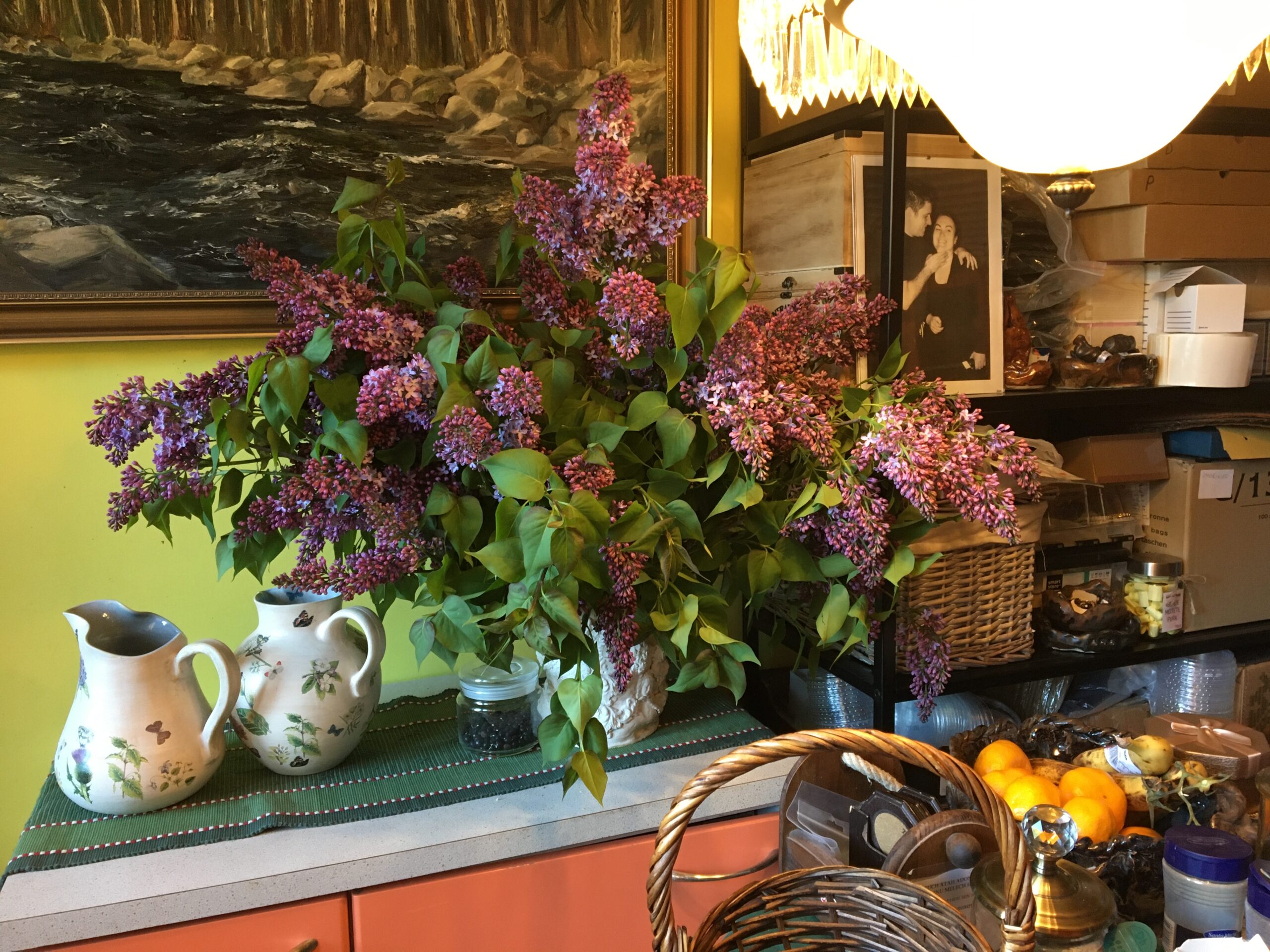
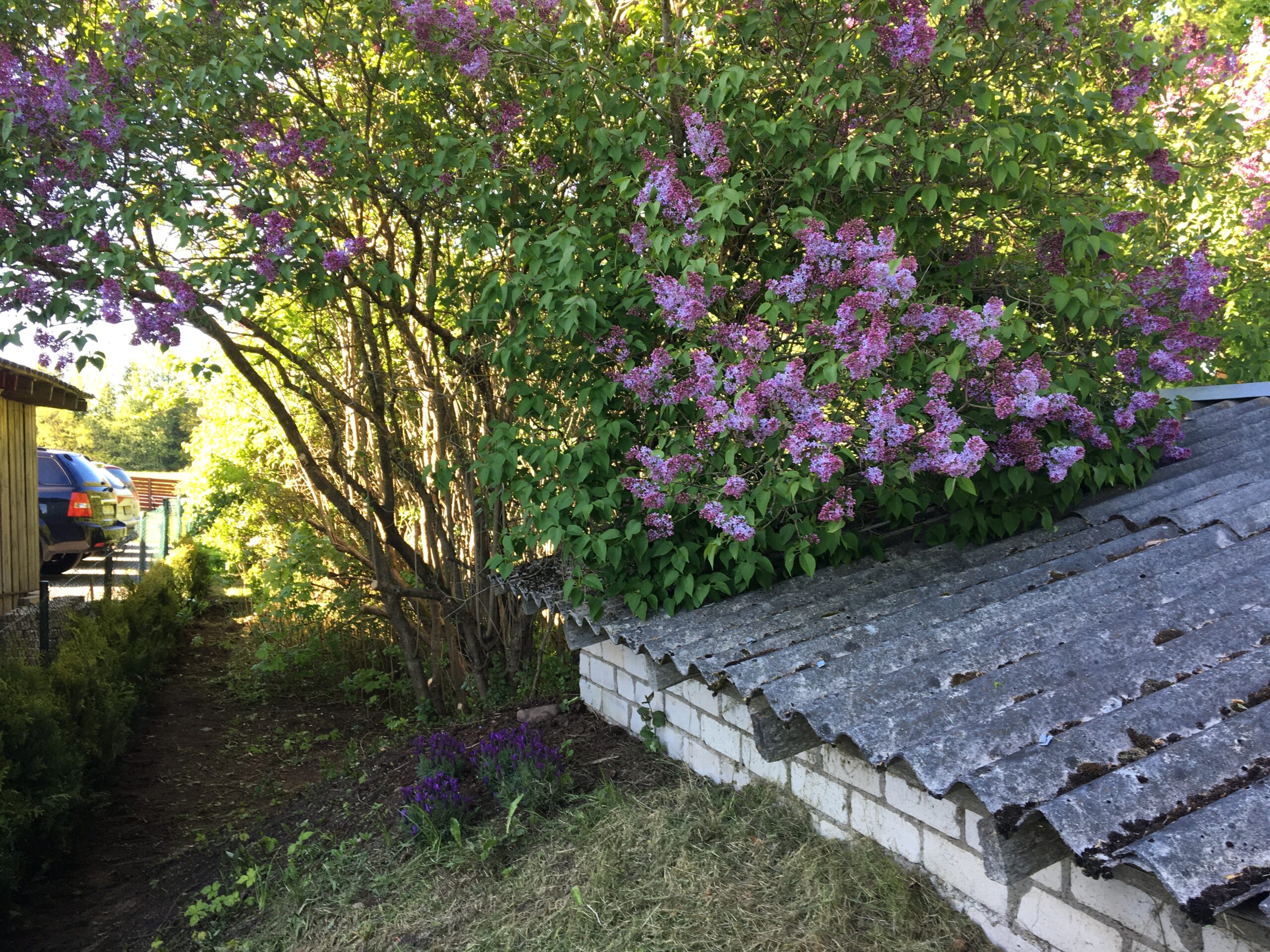
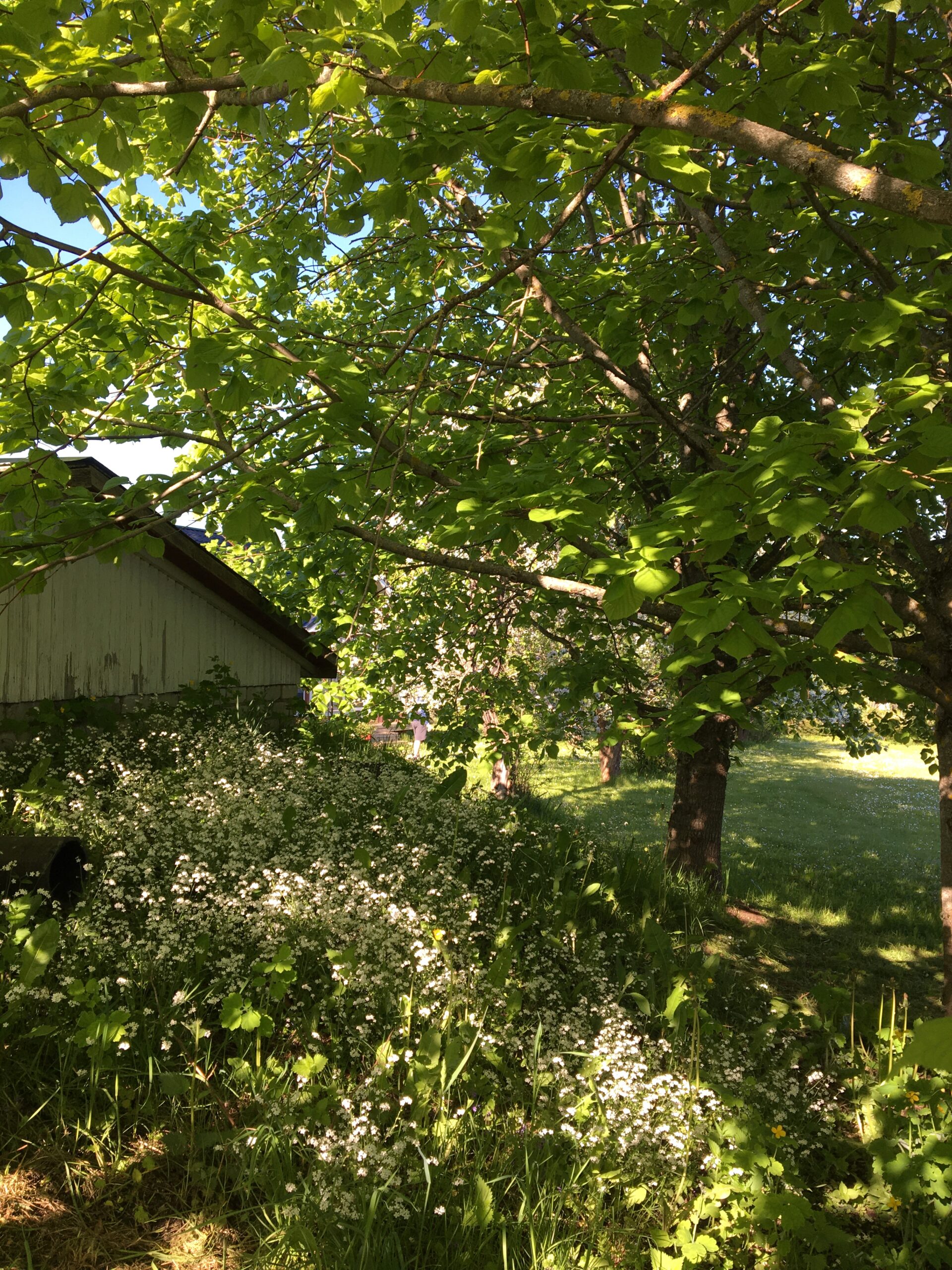
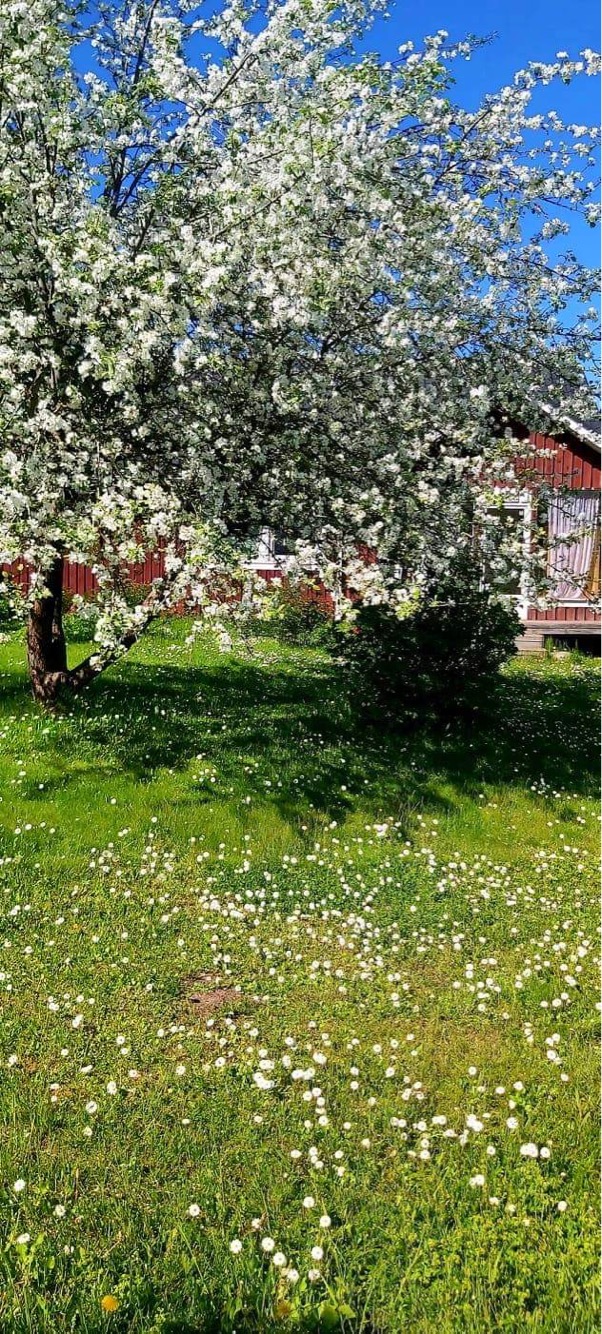
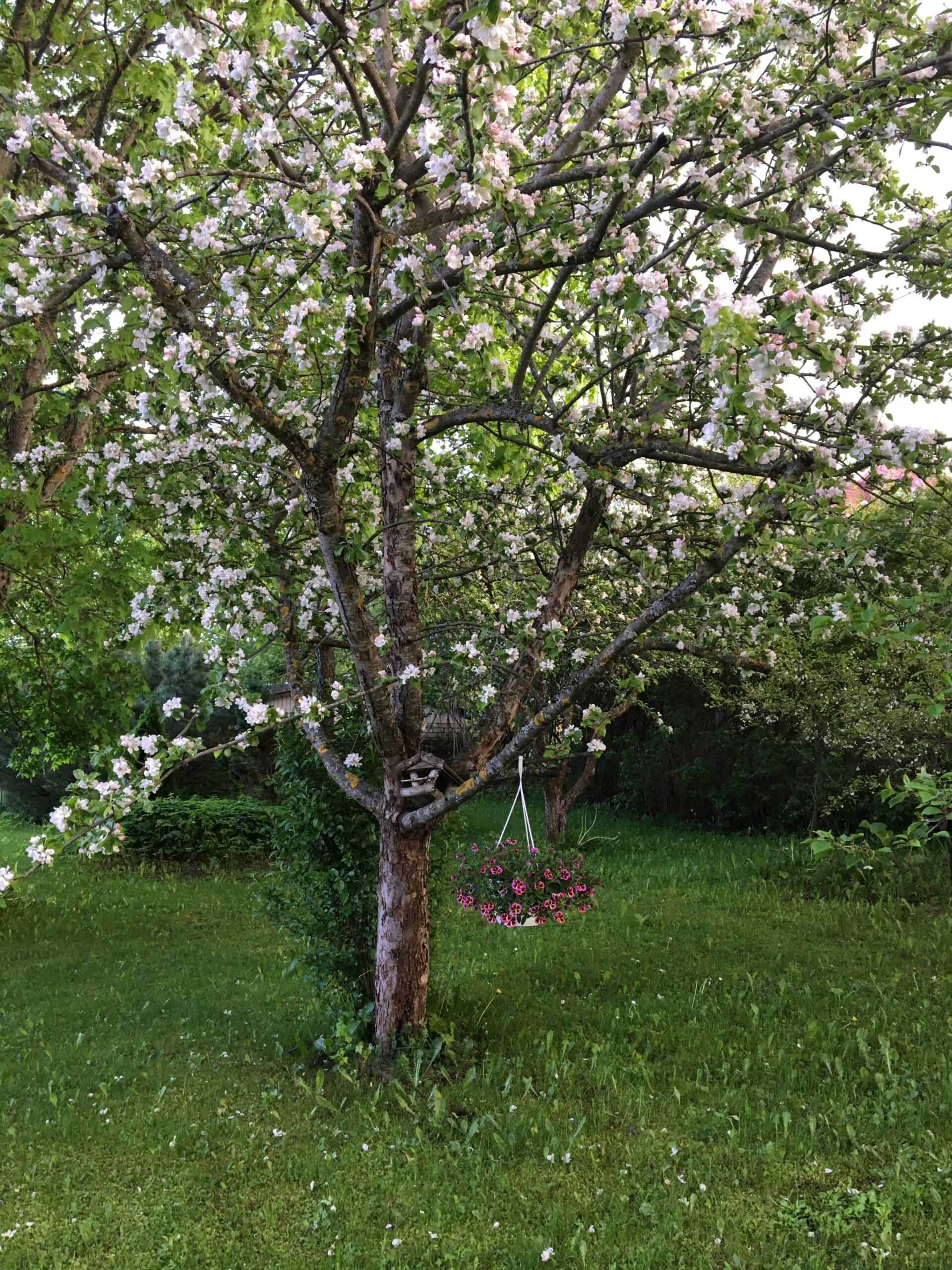
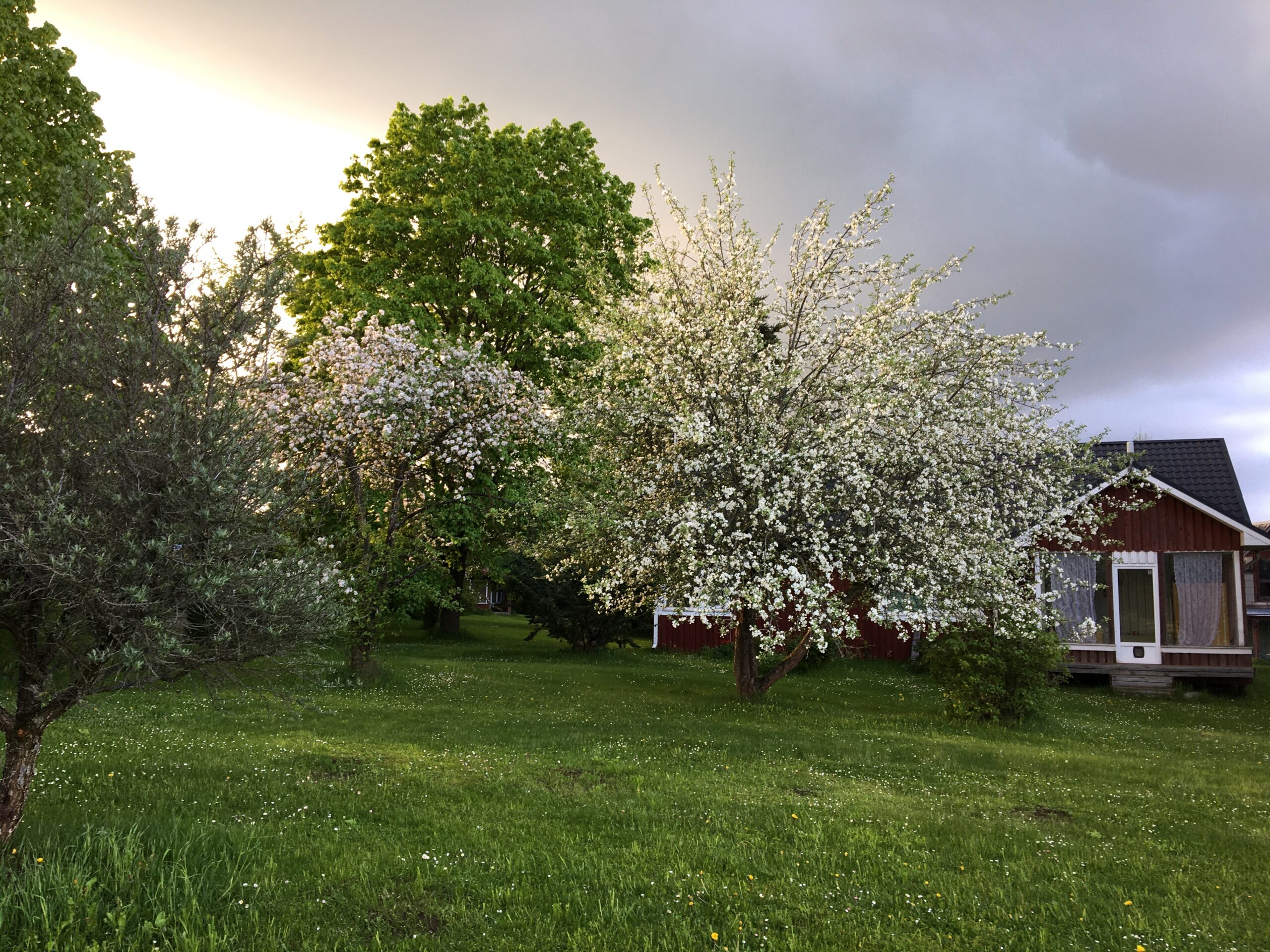
NordenBladet – Everyone that owns a farm yard or a larger gardening space in the countryside, knows that just now is the most beautiful time in the garden – apple trees, pear trees and cherries are blooming, lilacs are in blossoms and shortly also the peonies are opening their buds. Every garden owner can feel like the gentry, busily operating among this wealth of nature, this luxury and joy for the eye every day. The garden really is like a fairy-tale, and the lilac blossoms that are cut for the vase fill the rooms with pleasant springtime aroma.
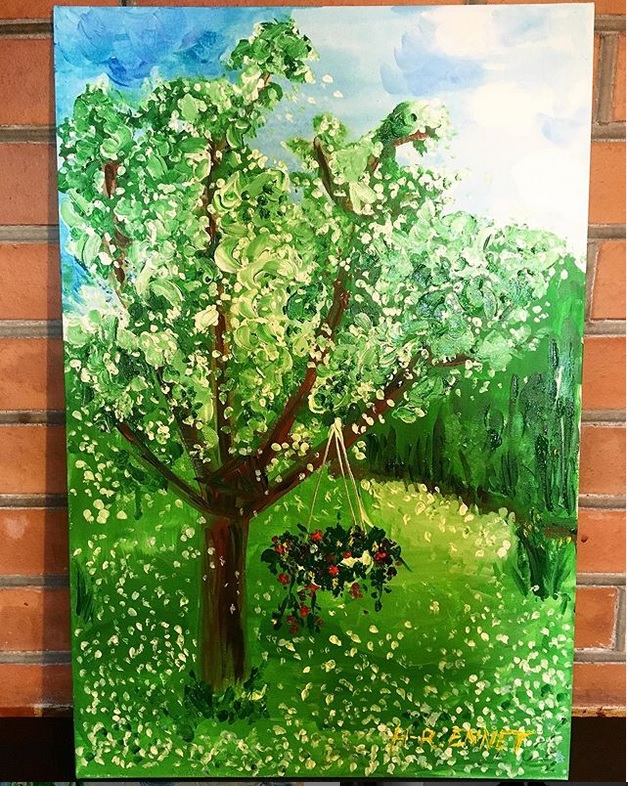
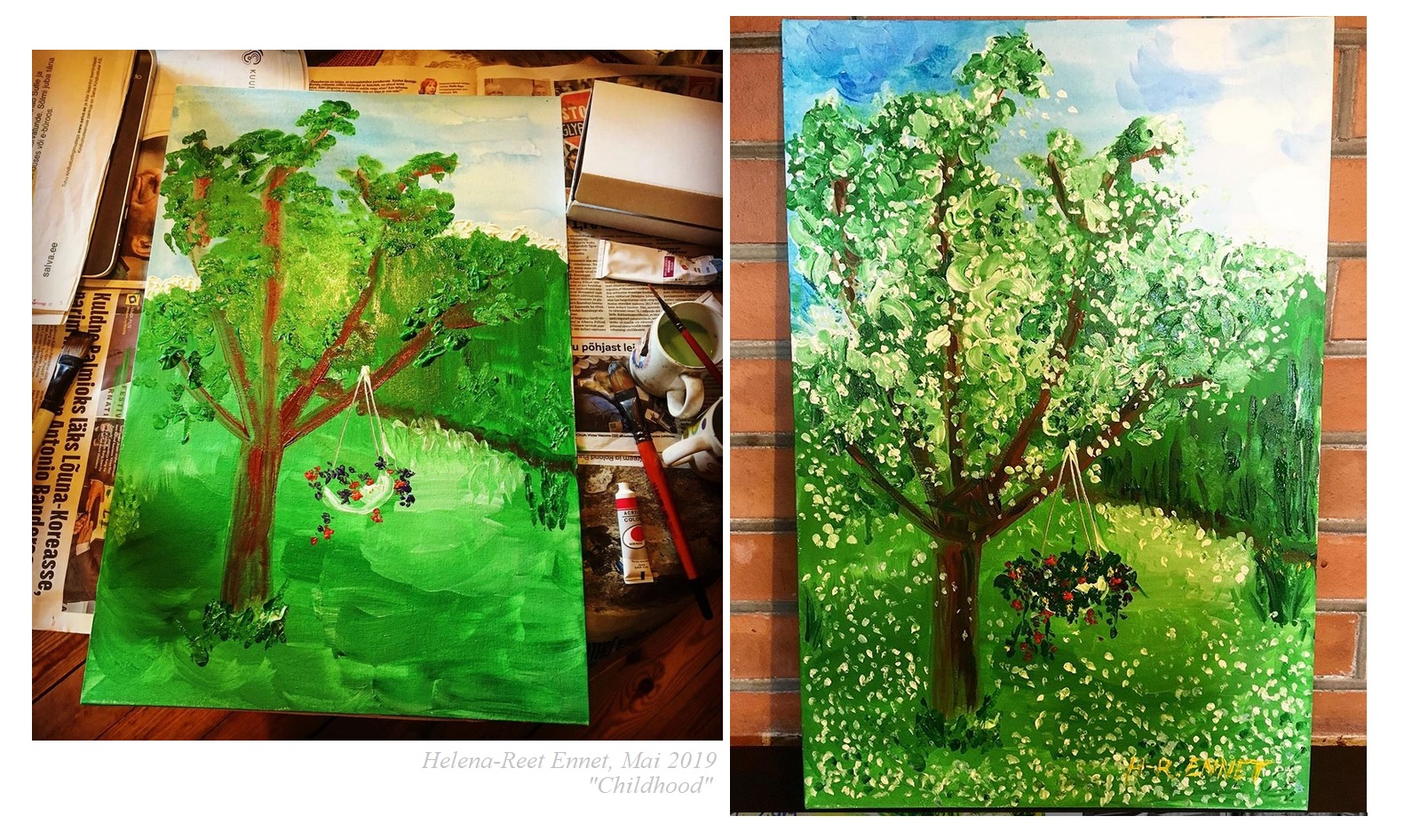
My beautiful, semi-wild garden has already inspired me for years!!! Based on one of the apple trees, in May 2019 I also completed the acrylic painting “Childhood” (60x40cm). The painting is available for sale also at our art blog / web store ElishevaShoshana.com HERE and apparently this painting is also among the paintings that will be displayed at my exhibition in the Estonian National Museum (ERM). An image of the painting has nicely been displayed here in the gallery among other images. Every year I hang up a different ampel flower to this apple tree.
(blog continues in many parts also in between the gallery)
Acrylic painting “Childhood“ (artist: Helena-Reet Ennet, painted in May 2019) Price tag of painting: 1800.- EUR (opportunity to also order reproductions of the original painting in different size)
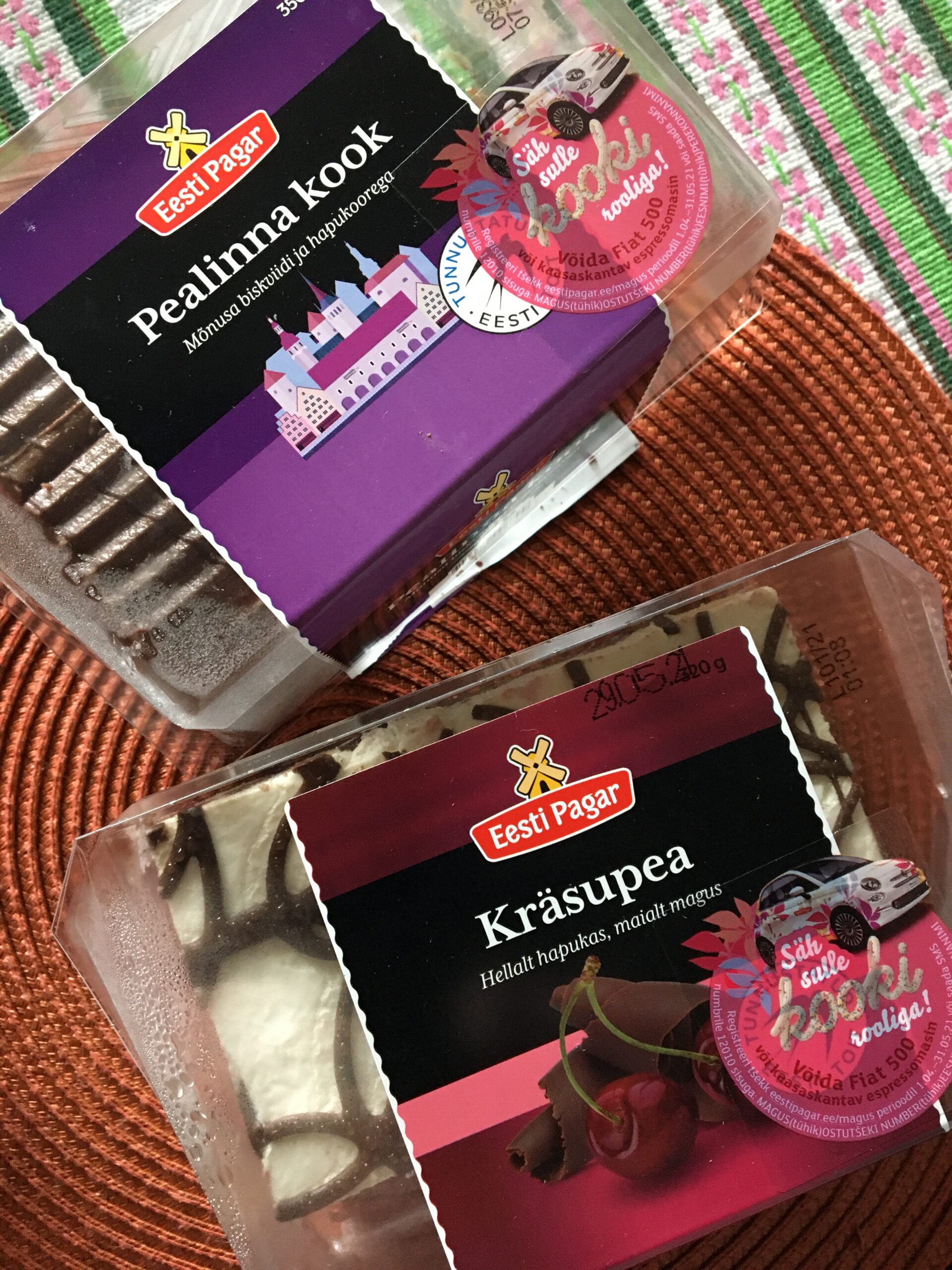
Yet another consumer game! In the recent blog (read HERE) I wrote that I am partaking several consumer games (Coop’s Toyota car lottery, Eesti Pagar’s Fiat car lottery and Fentiman’s motor scooter lottery). This time I went to Selver and found one more cool consumer game, the main prize here again being a car – again Fiat 500). This winning window opens to everybody that buys Raffaello pralines during the campaign period. Well.. once again I fell victim to the advertisement and added the candies to my cart. The opportunity to win a car is indeed a wonderful alibi for buying candies. Hahaaa.
In the last blog post I also mentioned ordering periodicals. Buduaar sent in return for the order such “Pea Peenar” handmade earrings which were to be bought out (for 2.59EUR) from Saku Selver parcel machine. Really, I think the worst ad ever for any brand is to offer their products for a marketing campaign, along the process of which the recipient of the gift must buy this gift from the parcel machine. Come on?! 😀
Nevertheless, receiving presents is nice and mostly I don’t complain at all when I receive one. Any of you that has decided to send me something, do so without hesitation! I will take it all! 😀
As always, about food also… I have recently been a part-time food blogger here, inventor of recipes, and a food critic.
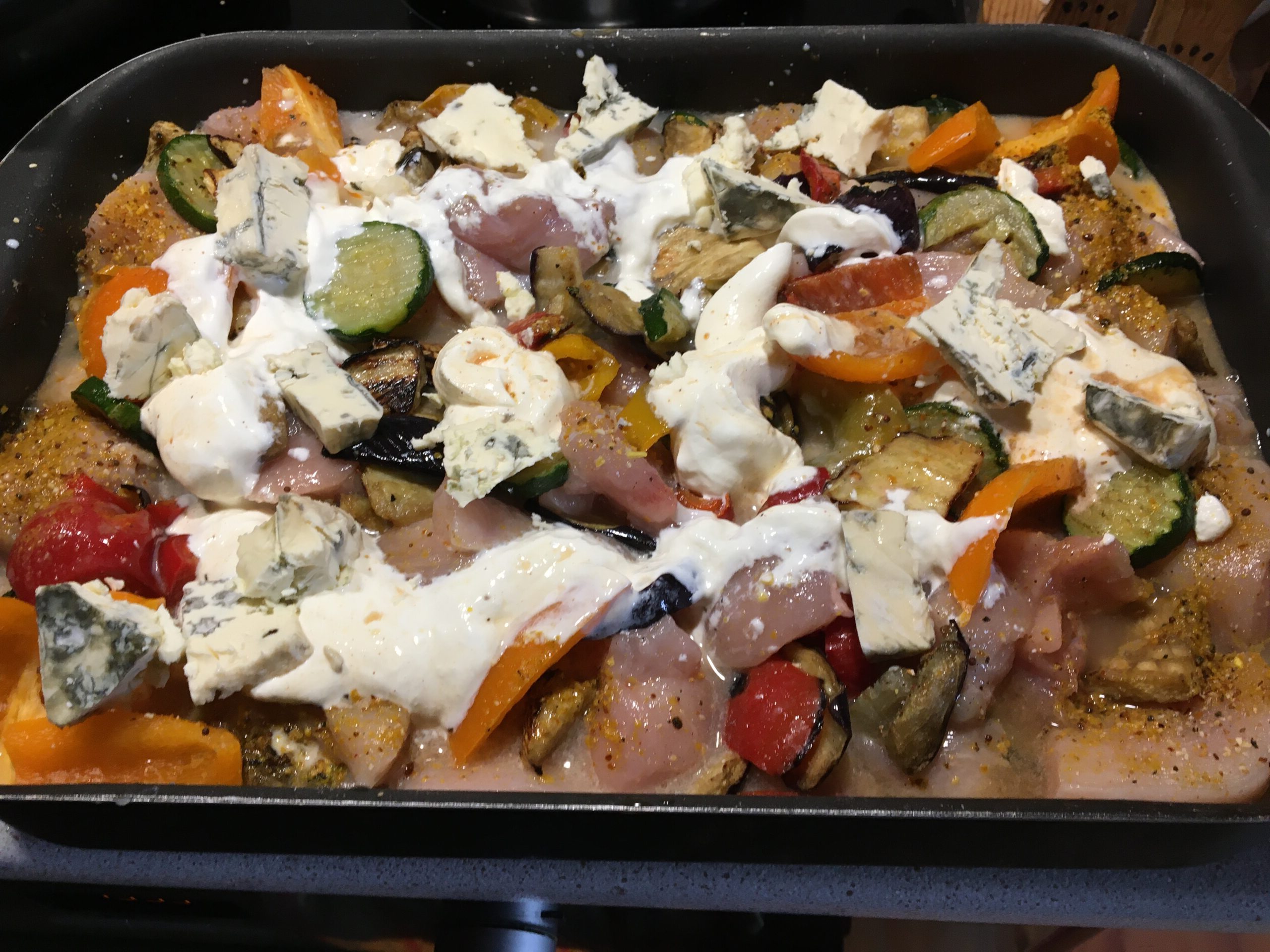
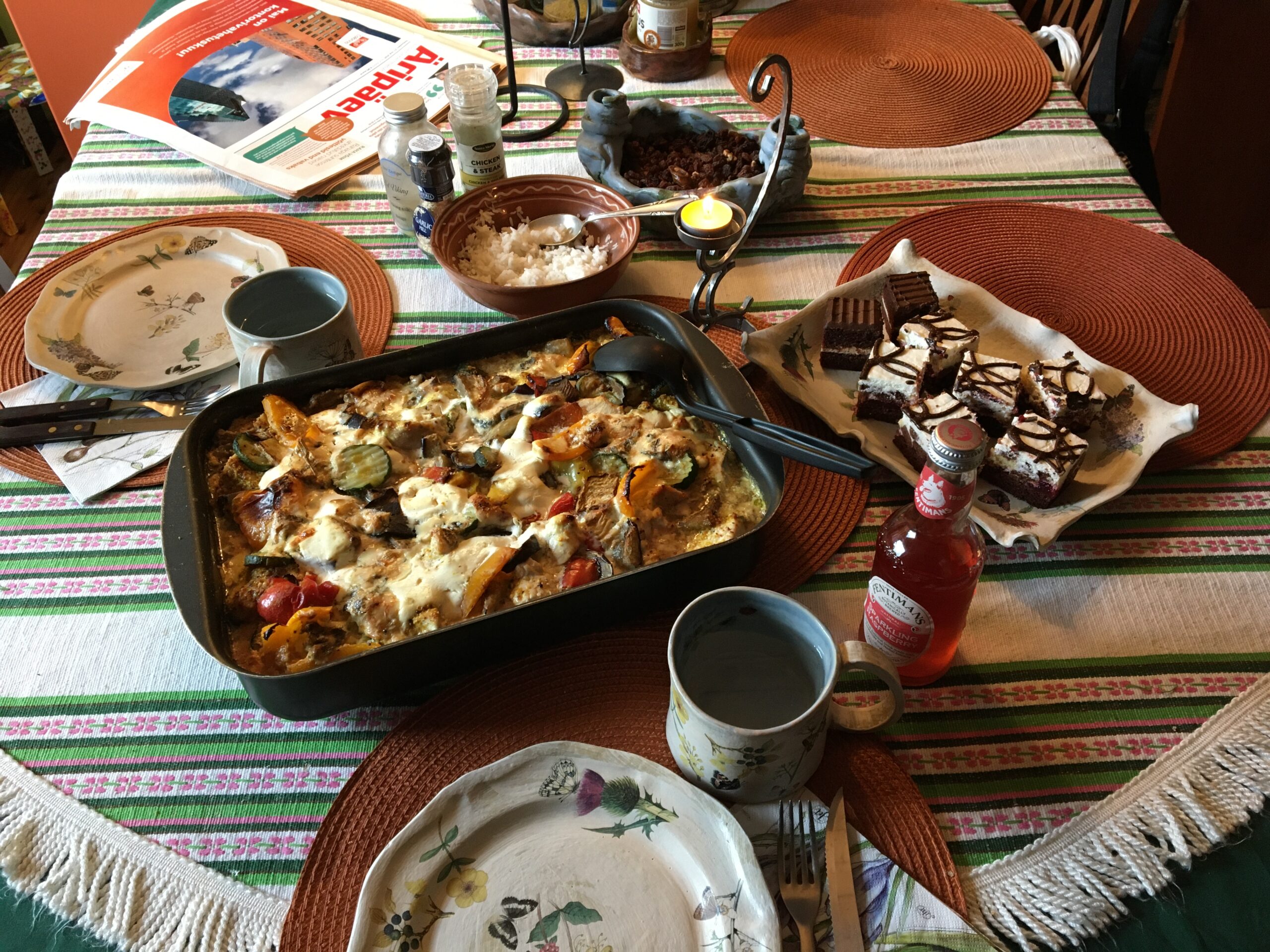
I will add to today’s blog post, to the food talk, also my recipe that has been tried out, the delicious oven dish recipe.
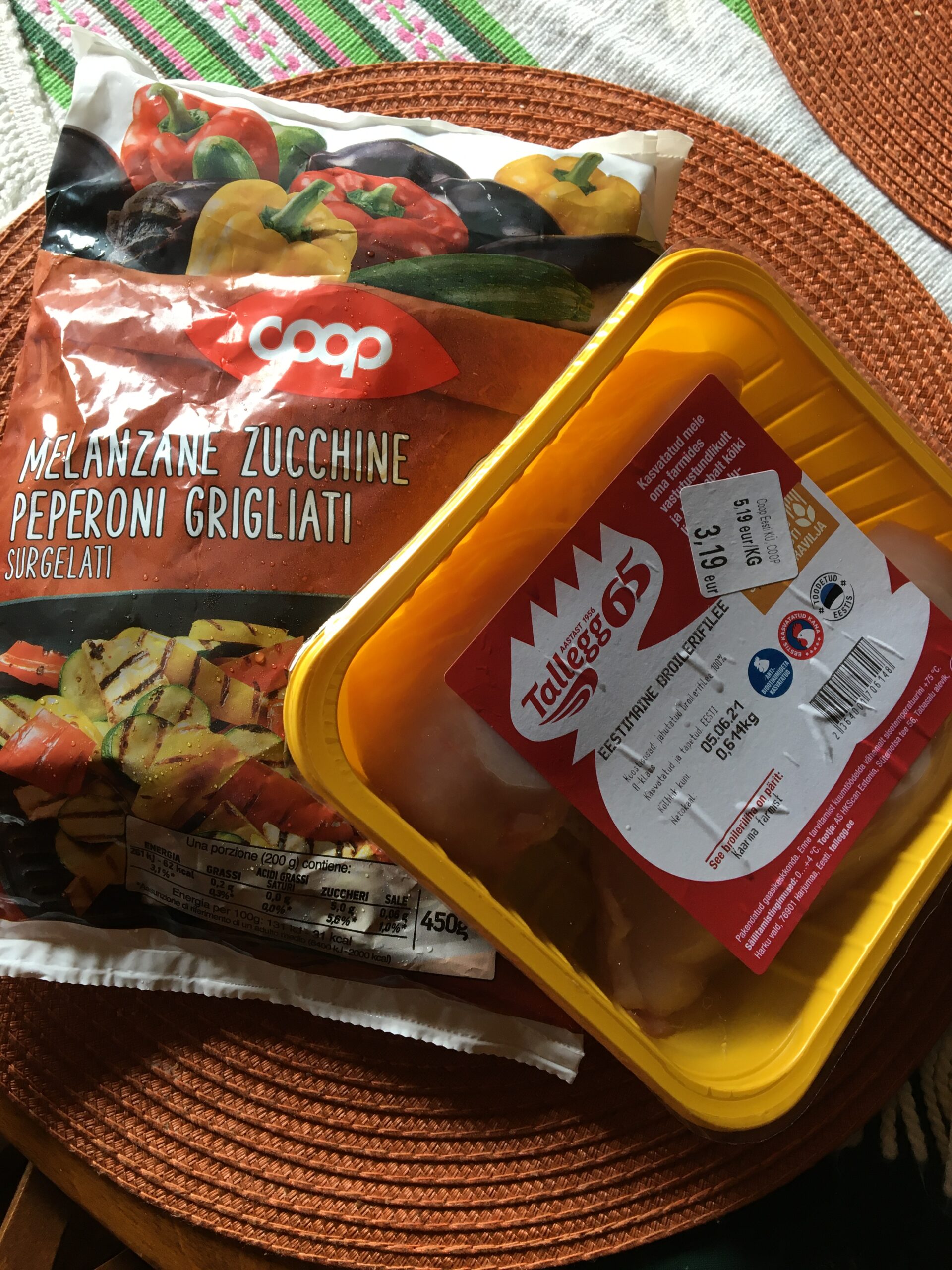
Namely, a while ago I found from Coop cold store one of Coop’s own products “Melanzane zucchine peperoni grigliati surgelati 450 g” and made up my mind to try this together with Tallegg’s chicken fillet. Preparation is easy. Put chicken into oven pot or oven dish, along with refrigerated vegetables, optionally add spices (I always add at least five or six different spices), sour cream and blue cheese, and cover the dish with water or milk halfway. It will be done in the oven at 250 degrees Celsius in ca 1h 30 min.
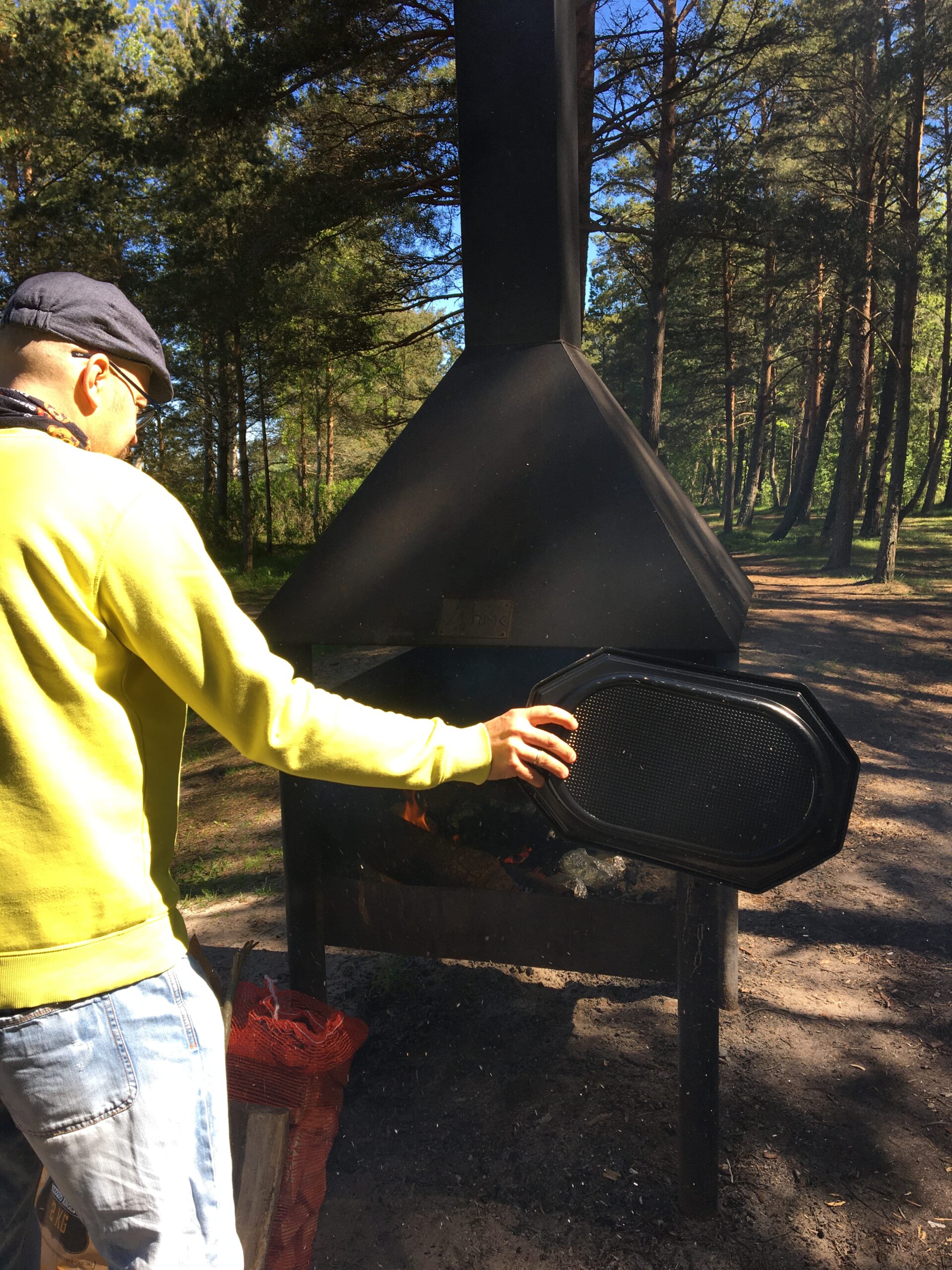
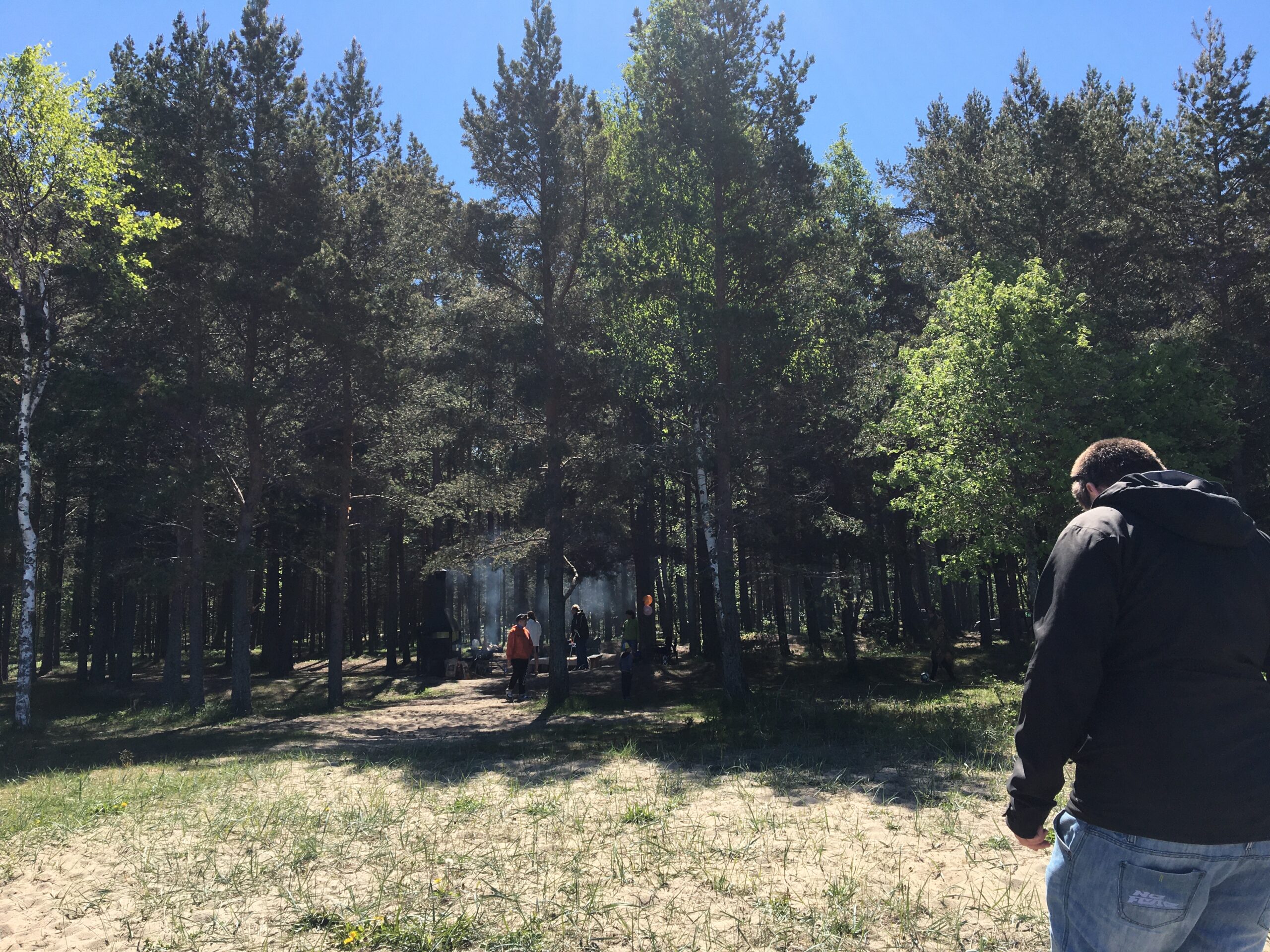
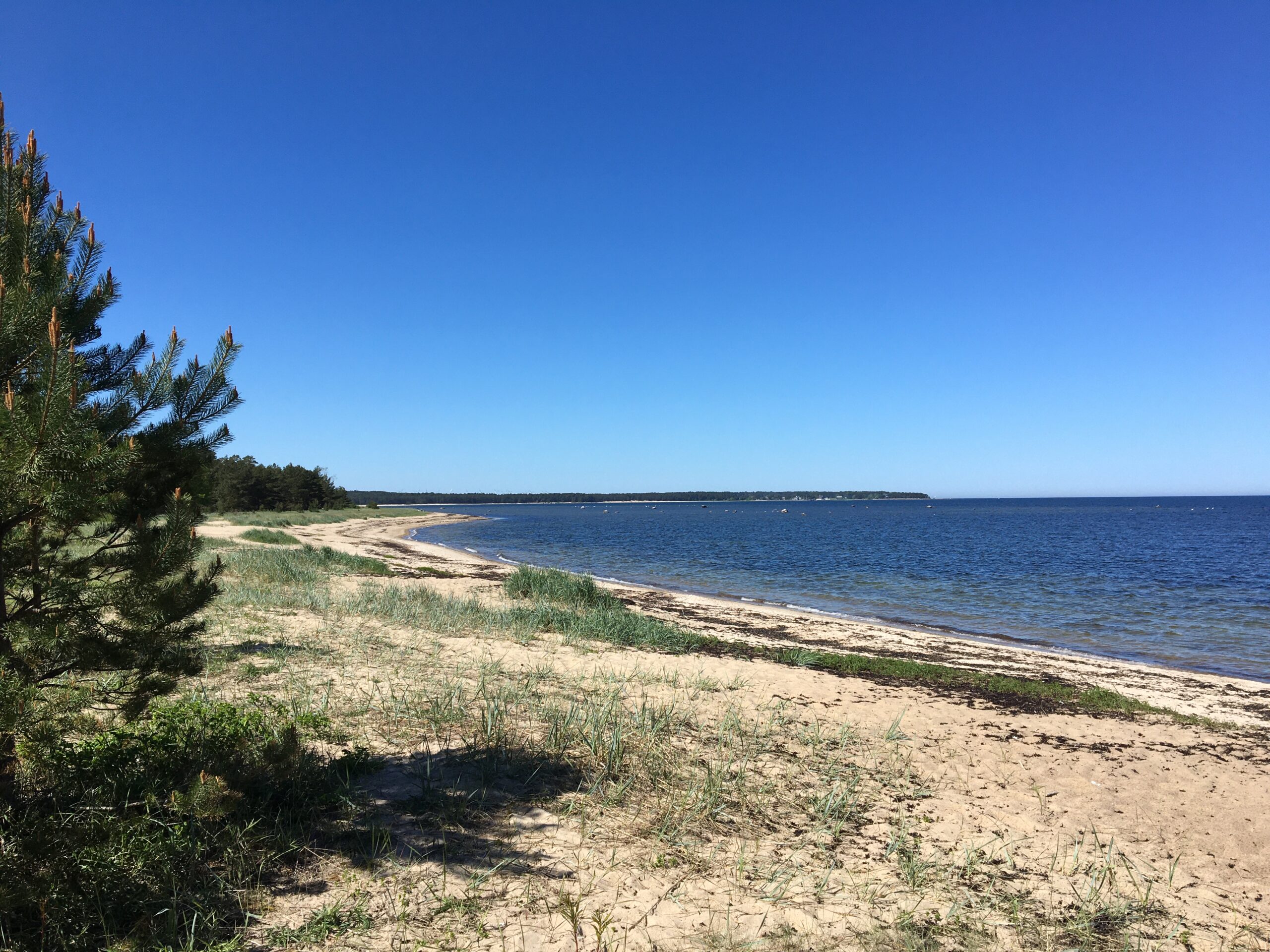
What else has happened meanwhile? On Sunday we went to a little picnic trip to Laulasmaa landscape protection area (at Lohusalu bay). Namely we had been invited to a birthday event that took place on RMK Meremõisa recreational area. We grilled meat and potatoes on the fire and enjoyed the beautiful sandy beaches and seaside pine grove for many hours. I used the recreational area built up by the State Forest Management Centre (RMK), for the first time in my life, and afterwards I was positively impressed! Those of you who wish to rest for free somewhere in the beautiful nature in Estonia, then it would be useful to visit their website –> loodusegakoos.ee/kuhuminna, where you can find a suitable way for active leisure (for example: study trail, hiking trail, cycling trail, off-road trail, campsite, campfire site, outdoor fireplace, forest hut, rental hut, nature house, visitor centre, information point, observation tower, rest stop, hiking option, camping facilities, wheelchair accessibility, etc).
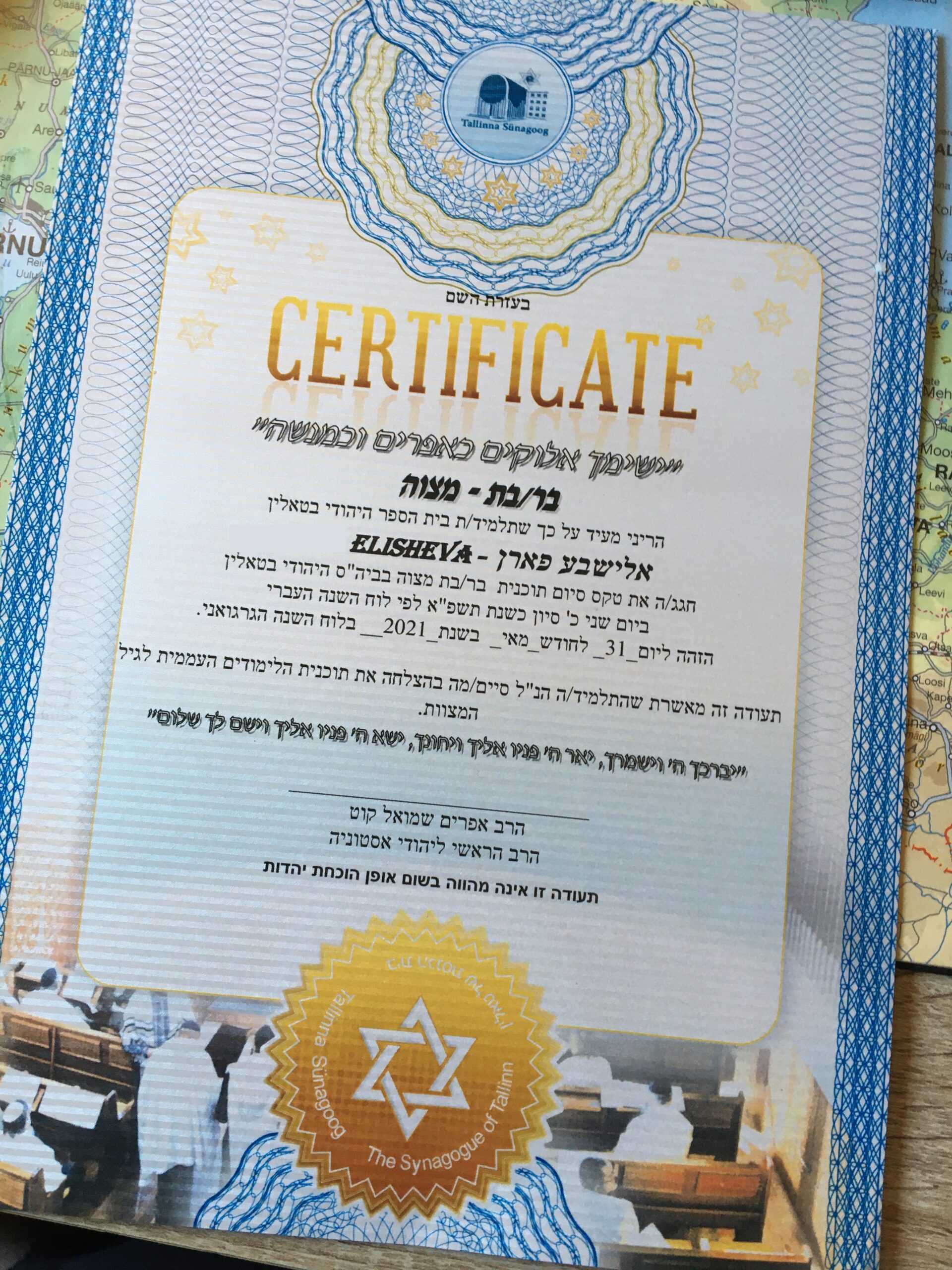
Now, and finally the top moment of the week! Estella Elisheva’s (today 15 years old) Bar mitzvah ceremony and exam in the synagogue of Tallinn Jewish School! Well, she turned 12 already three years ago (you can read the blog about it HERE), yet this year she completed the official Bar mitzvah ritual, following the Jewish customs for that, and earned a relevant certificate. Congratulations!
NordenBladet — Finland will contribute EUR 10 million in 2021 to the international Vaccine Alliance Gavi.
At the Gavi COVAX Advance Market Commitment (AMC) Summit on 2 June 2021, Finland pledged to donate EUR 10 million to global vaccine solidarity. To ensure improved availability of COVID-19 vaccines in developing countries and equitable and fair access to vaccines, Finland will channel its support via the COVAX AMC Facility, administered by Gavi. It is of vital importance not only from the perspective of solidarity but also from the viewpoint of health security and economy to support the availability of vaccines in developing countries.
The virtual pledging conference was hosted by the Prime Minister of Japan, Suga Yoshihide, and Chair of the Gavi Board, José Manuel Barroso. The summit brought together heads of state, representatives of the private sector and civil society as well as central technical partners. The aim of the event was to accelerate access to COVID-19 vaccine doses for lower-income economies. Minister for Development Cooperation and Foreign Trade Ville Skinnari represented Finland at the meeting.
“Multilateral cooperation and global improvement of availability of vaccines are essential for ending the pandemic. Our pledge to Gavi proves that Finland is committed to enhancing vaccine solidarity. We intend to support Gavi also in 2022, because the effects of the pandemic will be felt for a long time,” Minister Skinnari says. In addition, as part of the third supplementary budget for 2021, the Government has proposed additional funding of EUR 10 million as a response to developing countries’ vaccination needs, emphasising the humanitarian aspects of the support. The proposal is tied to the vaccine doses that are left unused from Finland’s share of the joint vaccine procurement contracts of the EU.
Finland, together with the EU Member States and the European Commission, is committed to solidarity in action against the pandemic. This means sharing the necessary medicines, vaccines and diagnostic tools equitably. The Advanced Market Commitment (AMC), which is administered by Gavi, is designed to respond to the needs of developing countries. For multilateral cooperation, COVAX provides the most important channel for ensuring equitable access to COVID-19 vaccines. The EU is one of its main supporters.