NordenBladet — The Government proposes amendments to the Act on Transport Services and to the acts on overload charges and the posting of workers. The amendments are related to the enforcement of the EU Mobility Package in Finland.The Government submitted the proposal to Parliament on 21 October 2021.The aim of the proposal is to harmonise the social and market legislation on heavy road transport, promote fair and equal competition in the transport sector, improve the operating conditions of supervisory authorities, and improve road safety.Besides implementing EU regulations, the proposal aims to assign more responsibility for overloading and driving time and rest period violations to transport customers. The purpose of the proposed amendments is to tackle the grey economy, in accordance with the Government Programme.New changes to driving times and rest periods based on the EU Regulation have already entered into force.The national legislative project was carried out in cooperation with the Ministry of Transport and Communications and the Ministry of Economic Affairs and Employment.What’s next?The legislative proposals have gone through a consultation round, and public servants continue preparations as part of their official duties.A referral debate will be held on the proposal now submitted by the Government to Parliament. The timetable for the debate will be listed on Parliament’s website (upcoming plenary sessions).After the referral debate, the proposal will be taken to a Parliamentary Committee. After the Committee submits a report, the matter will be discussed in a plenary session. The acts are scheduled to enter into force on 01 February 2022.
NordenBladet — The Government has amended the decree that restricts the activities of food and beverage service businesses due to the COVID-19 epidemic. The restrictions for the community transmission phase will be applied to food and beverage service businesses in the region of South Ostrobothnia and across the region of Uusimaa, because the epidemiological situation has changed in the two regions.The amendment to the decree will enter into force on 22 October 2021.Restrictions on food and beverage service businesses in the regions of Southwest Finland, Satakunta, Päijät-Häme, Ostrobothnia, South Ostrobothnia, Central Ostrobothnia and Uusimaa, which are all at the community transmission phase of the epidemic, from 22 OctoberFood and beverage service businesses may serve alcoholic beverages between 7.00 and 00.00 and be open between 5.00 and 1.00.Food and beverage service businesses that primarily serve alcoholic beverages may have only half the normal number of customer seats in use in their indoor and outdoor premises. Other food and beverage service are restricted to 75 per cent of their normal number of customer seats indoors.All customers must have their own seats at a table or similar in indoor premises.Businesses who require all customers to present a COVID-19 passport are exempt from the restrictions.Restrictions on food and beverage service businesses elsewhere in the country, i.e. in regions where the epidemic is at the acceleration or baseline phase, from 22 OctoberThere are no separate restrictions on the number of customers or on licensing and opening hours.The obligation to observe the general hygiene guidelines and to keep a safe distance applies in all regions.Exceptions to restrictions remain unchangedThe restrictions laid down in the decree do not apply to the activities of staff restaurants or to takeaway sales of food to customers. The restrictions on opening hours do not apply to food and beverage service businesses on vessels and aircraft that operate between Finland and other countries or abroad or to food and beverage service businesses that operate at distribution stations for liquid fuels.
NordenBladet — Minister of Defence Antti Kaikkonen has approved the Defence Forces’ procurement proposal and has authorised the Defence Forces Logistics Command to procure five additional armoured howitzers in 2022.
This is related to the procurement of 155 mm howitzers in 2017. The armoured howitzers were procured in 2017 from KOTRA, the trade promotion agency of the Republic of Korea. The contract included an additional procurement opportunity for armoured howitzers, their supplies and spare parts. The total price of the contract for the additional procurement is EUR 30 million (excluding VAT).
In addition to the armoured howitzers, the contract also includes spare parts and supplies. The procurement will enable the support of operational troops with long-range artillery equipment with good off-road and off-road mobility. The procurement will partly replace the artillery materiel that is becoming obsolete in the 2020s and 2030s and will be decommissioned.
Well-suited for conscript training, an armoured howitzer of 155 mm will provide Finland’s conscription army with modern capabilities in a cost-effective way. While included in the defence administration’s planned budget frame, the procurement was prepared under the leadership of the Ministry of Defence in cooperation with the Army Command and the Defence Forces Logistics Command.
NordenBladet — On 20 October, 85 per cent of the target population for COVID-19 vaccination in Finland, i.e. people who are 12 years of age or over, had received at least one vaccine dose and 76 per cent two vaccine doses. According to the current estimate, it is possible to achieve 80 per cent vaccination coverage by the first week of November, if the increase in the vaccine uptake does not slow down.As the local or regional epidemic situation deteriorates, the spread of infections and its harmful effects can still be effectively prevented by introducing measures under the hybrid strategy either in a specific municipality or in a larger area.Between 14 and 20 October, the uptake of the first vaccine dose grew by less than one percentage point and the uptake of the second dose by two percentage points.At the end of last week, the total number of inpatients in specialised healthcare was 137, with 34 of them being inpatients in intensive care. A total of 118 new COVID-19 inpatients were admitted to specialised healthcare between 14 and 20 October, which is as many as the week before.Over the past three weeks, the burden on specialised healthcare increased especially in inpatient care, from 58 patients to 103 patients. The number of intensive care patients increased from 23 patients to 34 patients. Last week, 23 new COVID-19 patients were admitted to intensive care. Specialised healthcare has as many patients now as it had at the end of February 2021. On 20 October 2021, the total number of COVID-19-related deaths reported to the communicable diseases register was 1,133.If the epidemic gets worse, there is an undeniable risk to the health of those who can catch the disease and a risk of increased need for hospital care. Over the last two-week period, unvaccinated people between the ages of 12 to 79 who have COVID-19 have received specialised healthcare 19 times more often than those in the same age group who have been vaccinated twice. The risk of being admitted to specialised healthcare has been highest among unvaccinated people aged 50−79. The risk is 28 times higher for them than for those in the same age group who have been vaccinated twice. To curb the epidemic, the most important thing now is to work towards achieving the highest possible level of vaccination coverage and to promote health security practices at the local and regional levels.The incidence of new COVID-19 cases over the last two-week period was 137 per 100,000 inhabitants. This is around 10 per cent more than in the preceding two-week period when the incidence of cases was 124 per 100,000 inhabitants. Over the last two-week period, the incidence has been greatest among unvaccinated people between the ages of 12 to 49.The amended guidelines on testing have affected the number of conducted COVID-19 tests. Between 14 and 20 October, approximately 80,300 tests were taken, which is nearly as many as in the previous week. The proportion of positive cases of all samples was 4.6 per cent, showing a slight decrease on the previous week’s 4.9 per cent. The epidemiological situation is monitored weekly. The next monitoring report of the Finnish Institute for Health and Welfare will be published exceptionally on Thursday next week.
Today and tomorrow, President of the Riigikogu (Parliament of Estonia) Jüri Ratas attends the European Conference of Presidents of Parliament that brings Speakers and Presidents of the member states of the Parliamentary Assembly of the Council of Europe (PACE) together in Athens.
The Presidents of Parliaments will exchange experience and ideas on addressing the public health crisis caused by COVID-19 pandemic, the challenges of climate change and the common future of all European citizens.
The President of the Riigikogu also plans to have several bilateral meetings with his counterparts in Athens.
After distancing due to the coronavirus crisis, the speakers of the parliaments of 47 member states have the possibility to come together and devote the first panel of the Conference to sharing experience and practices for the way forward in the continuing health crisis.
The second theme will focus on environmental problems. The main aim of global policy now and in the future is to respond to the challenge caused by climate change. Here, the parliaments have an important role in identifying national priorities, providing guidance and monitoring, and ensuring the allocation of adequate resources. They must also contribute to promoting dialogue between the various parties involved at local, national, regional and international level.
The Conference will conclude with discussions on the common future of all European citizens, focusing on giving a voice to the young people, innovation and development of technologies of the future, at the same time ensuring that nobody is left behind in the democracy of the future.
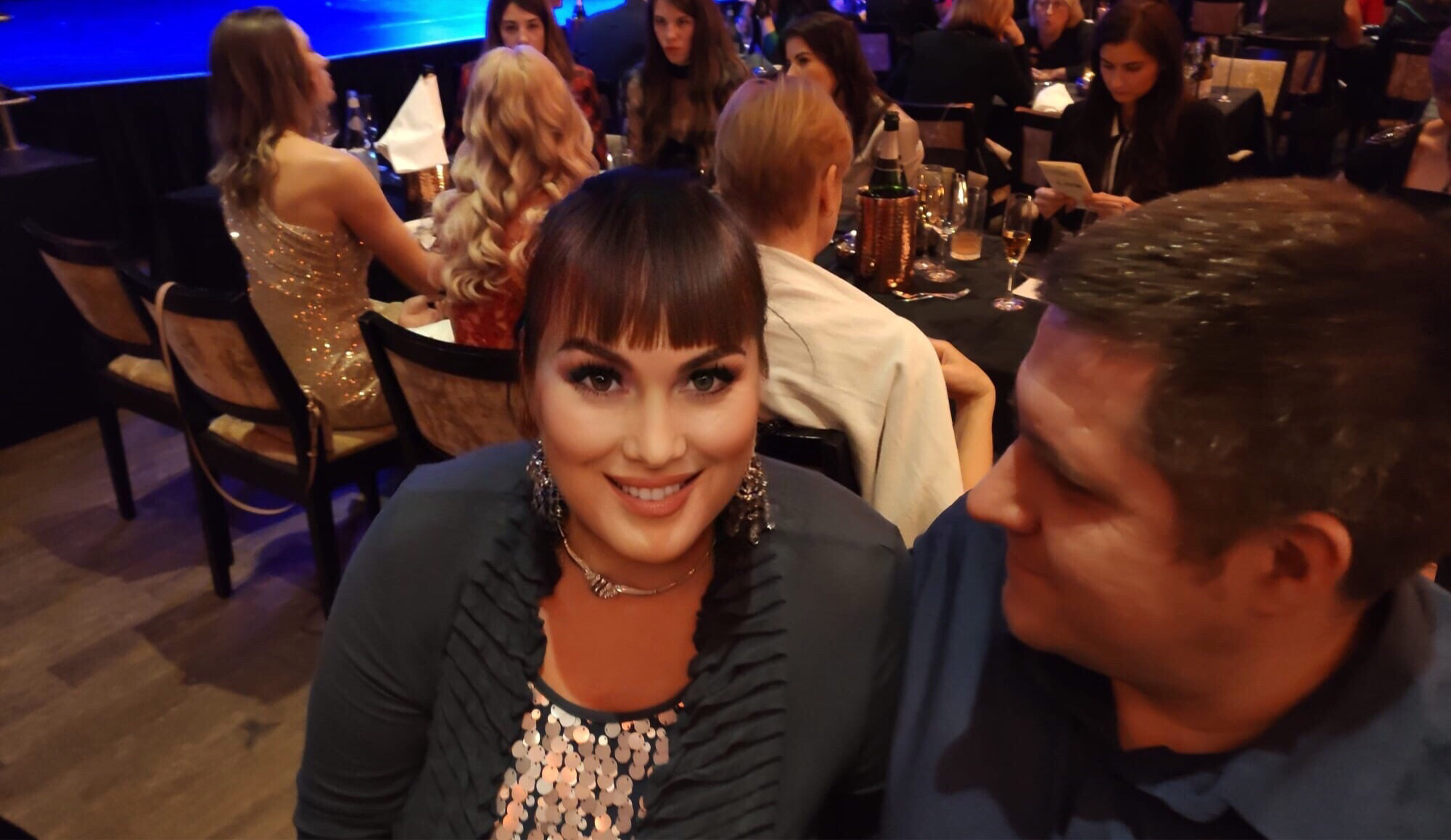
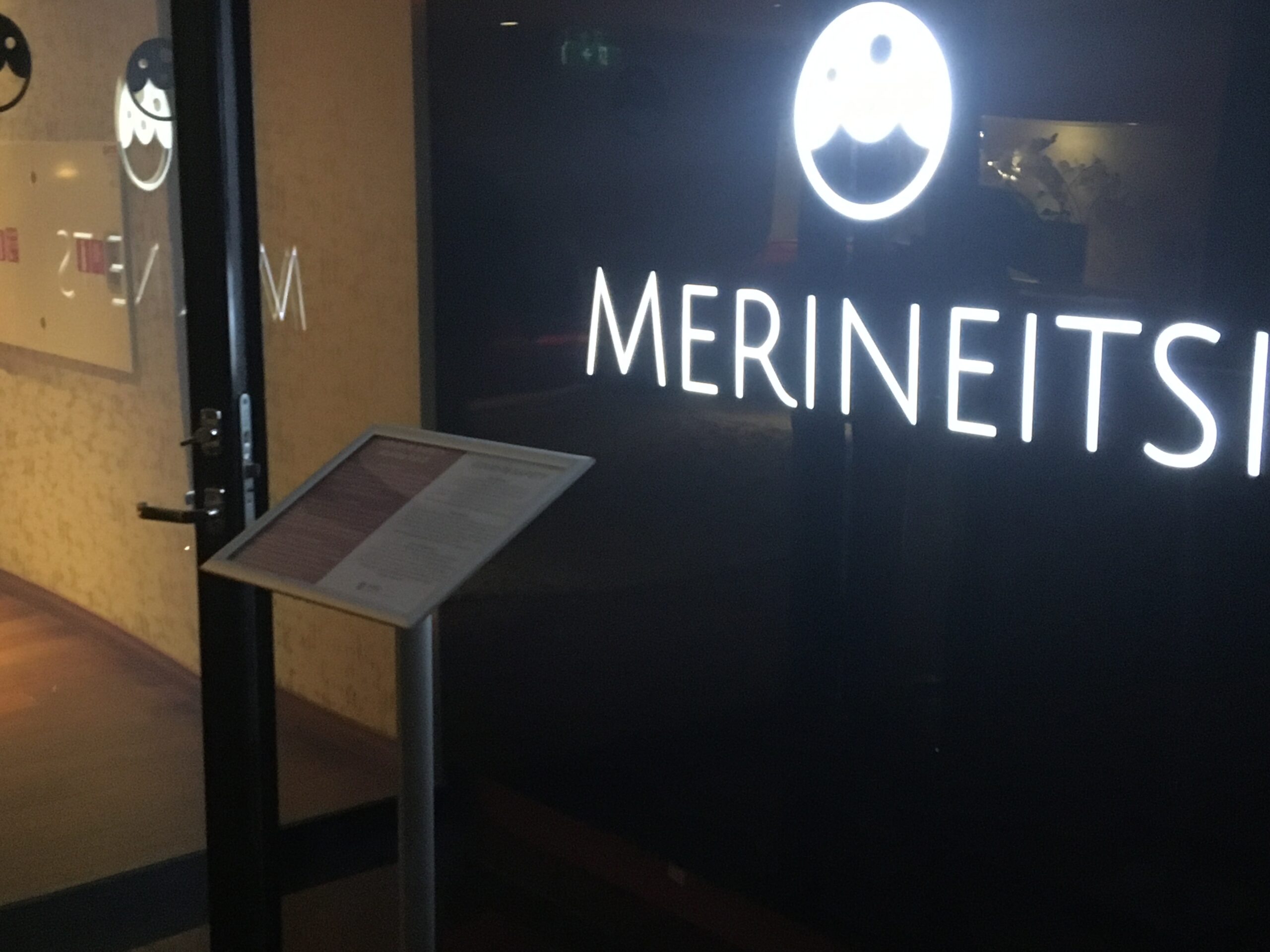
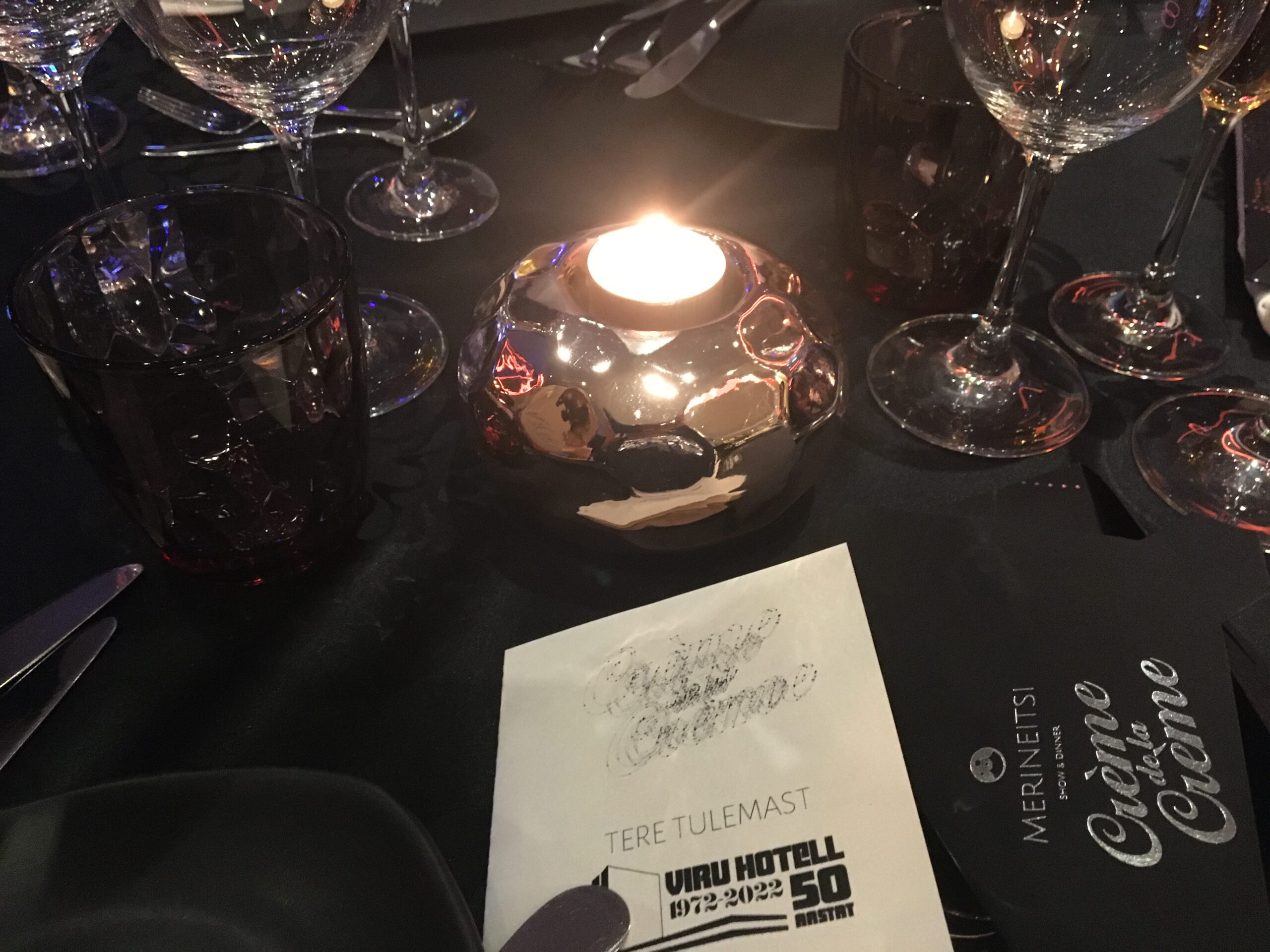
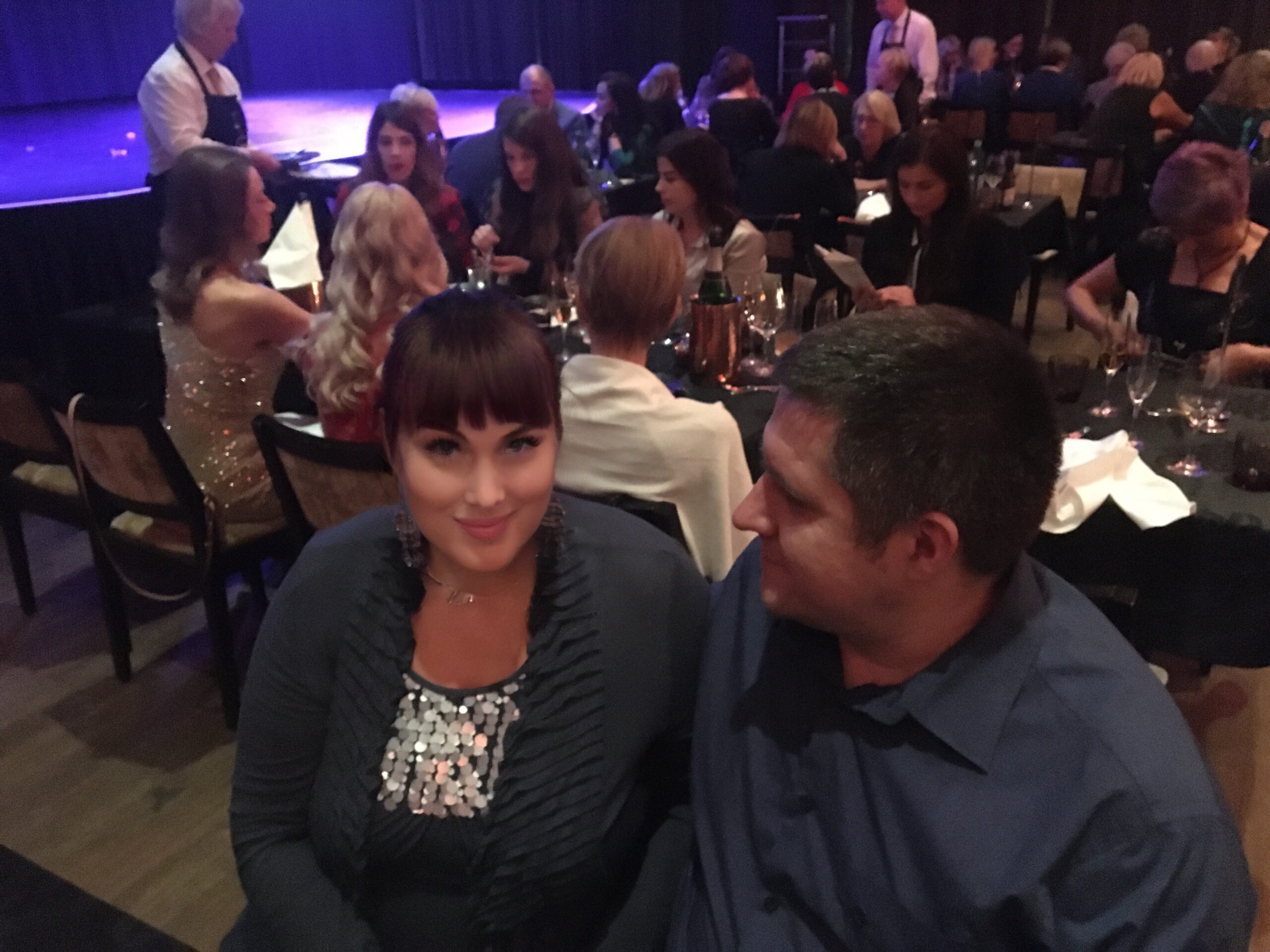
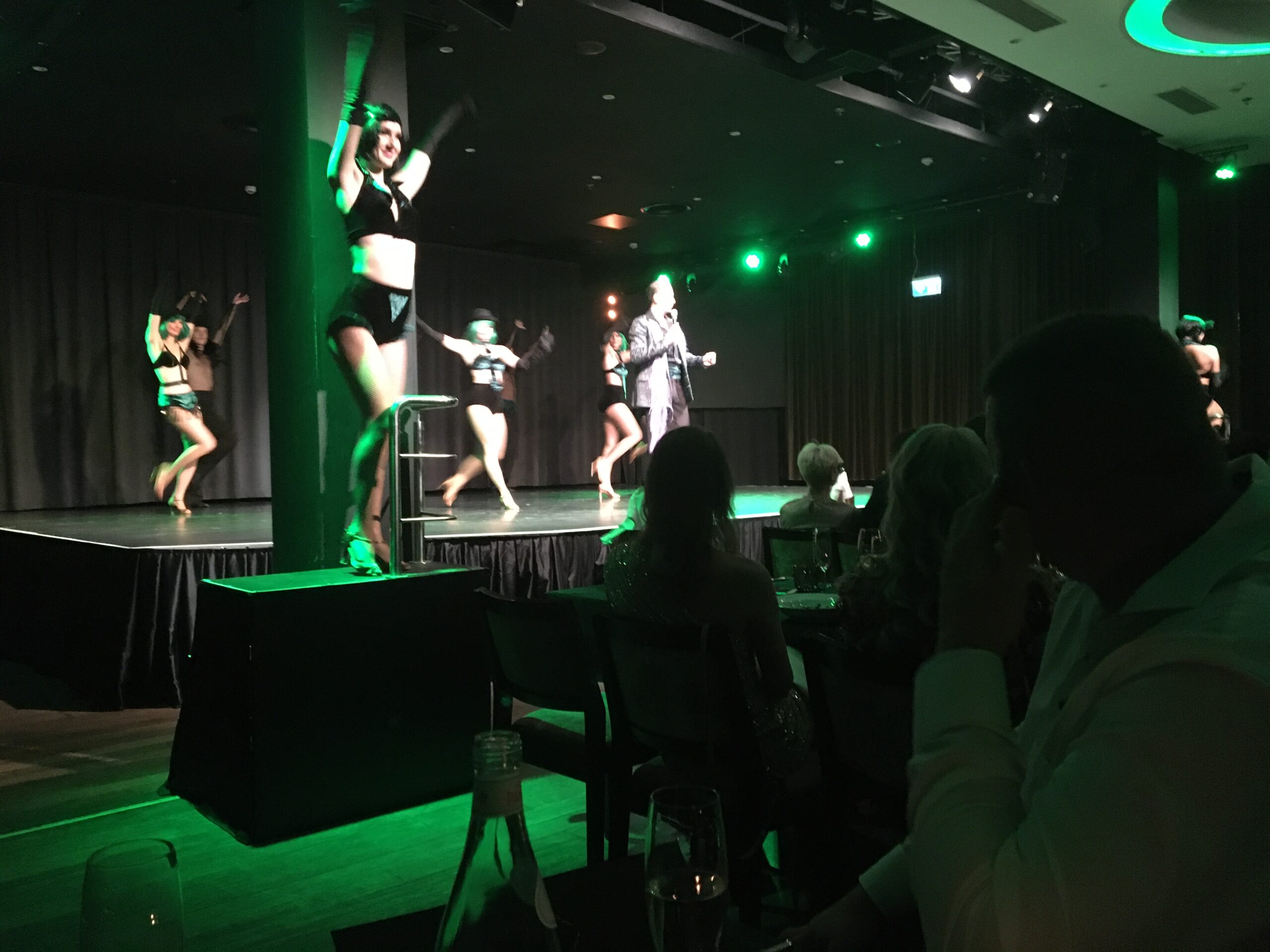
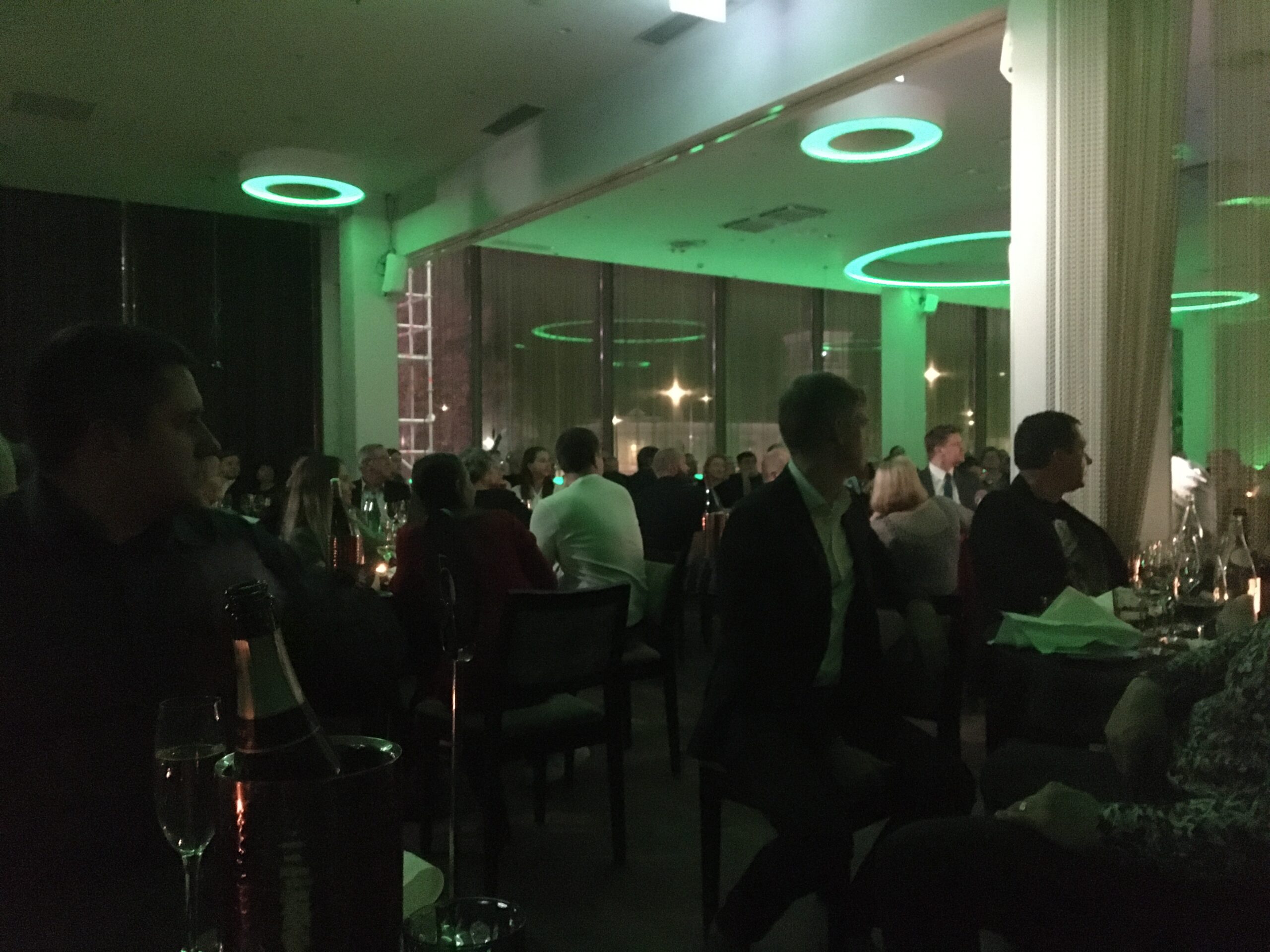
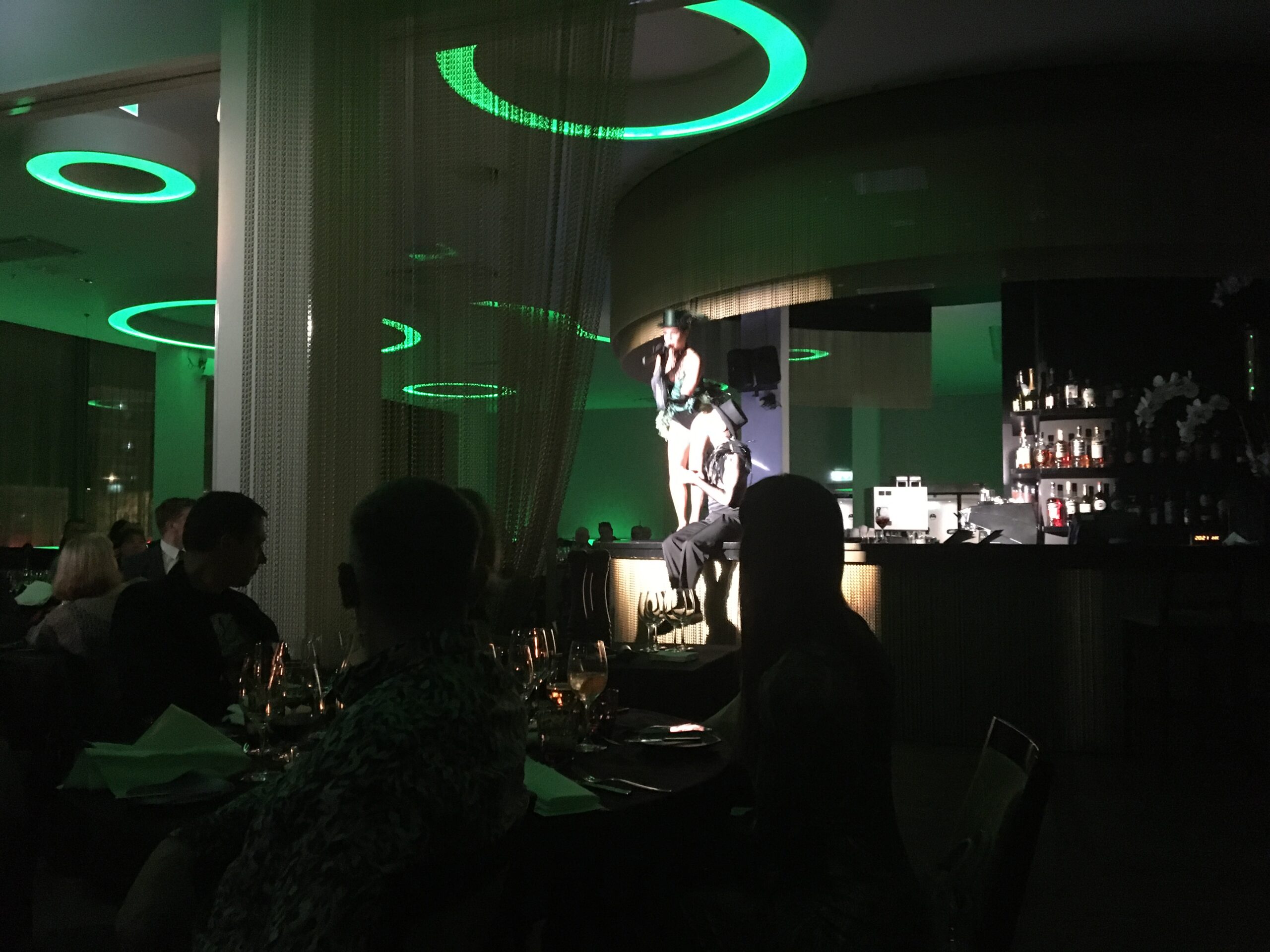
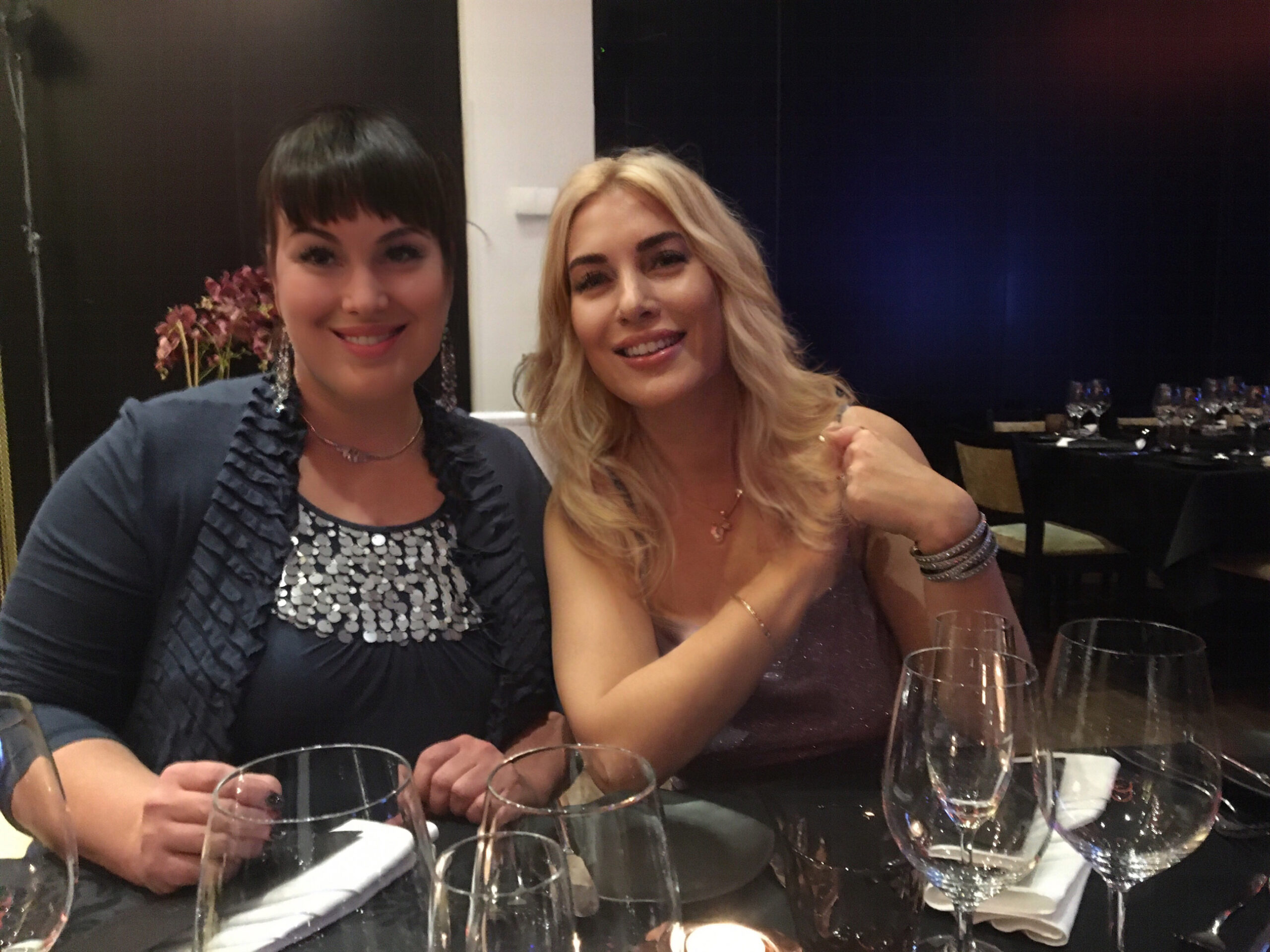
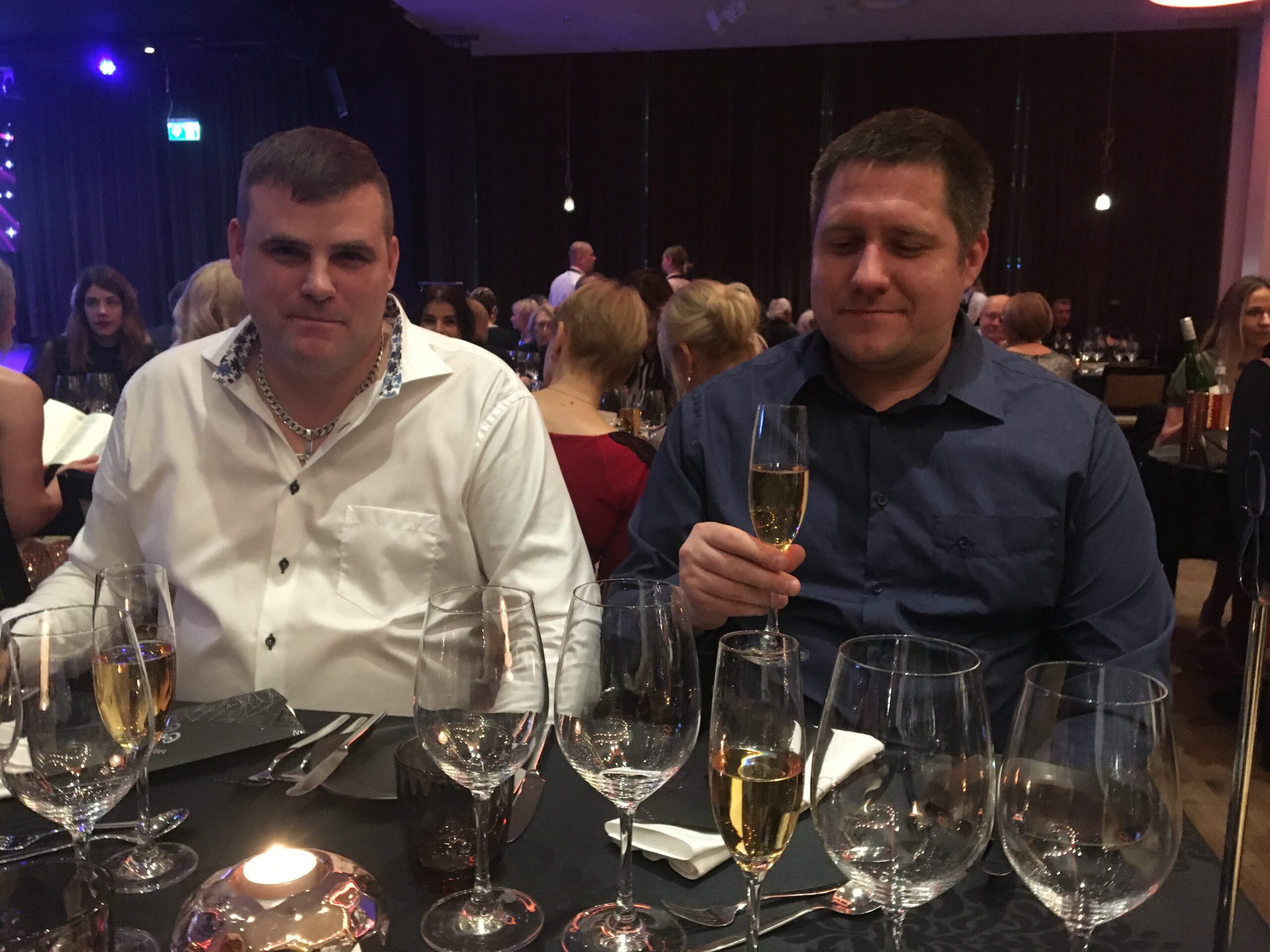
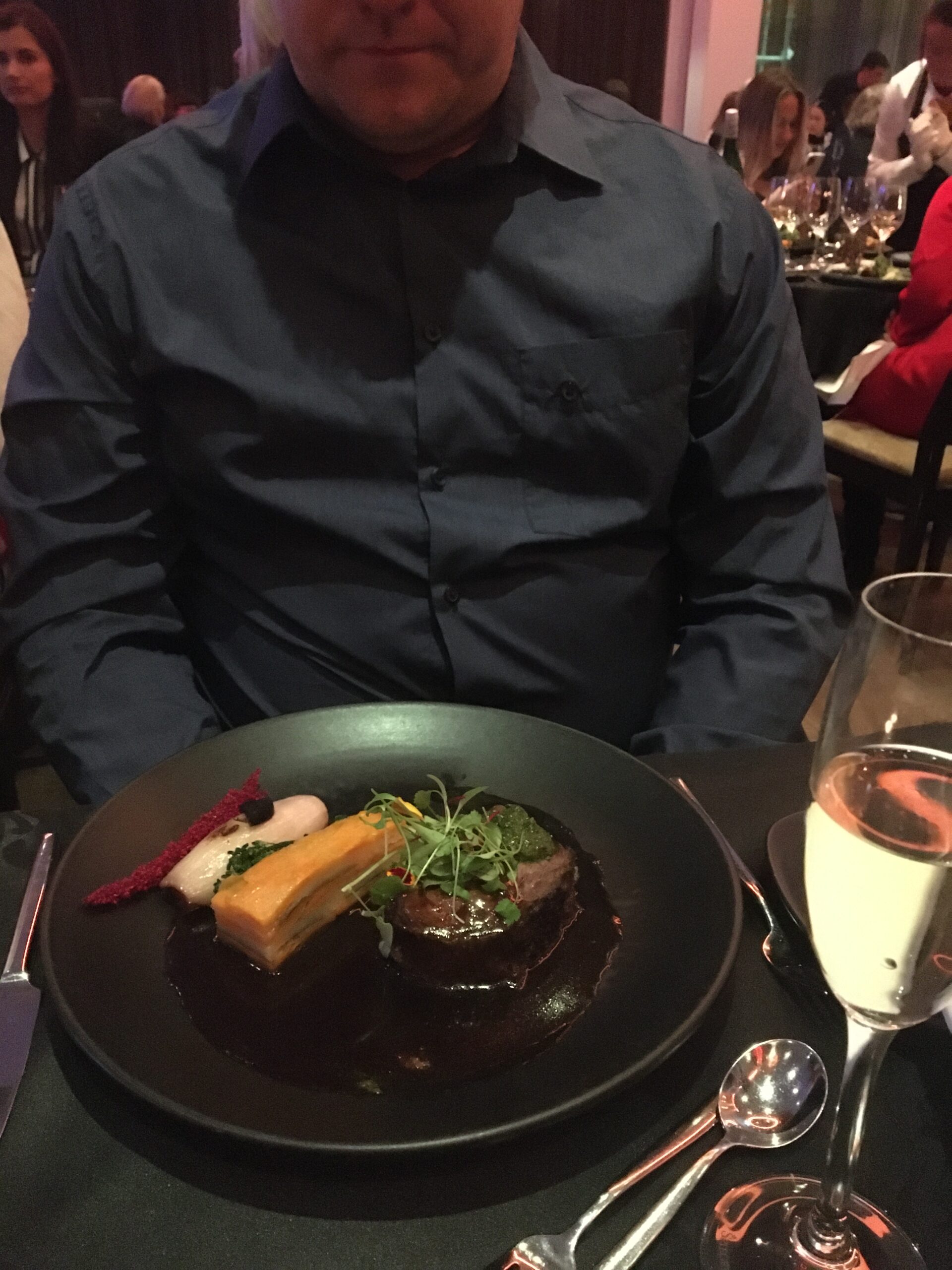
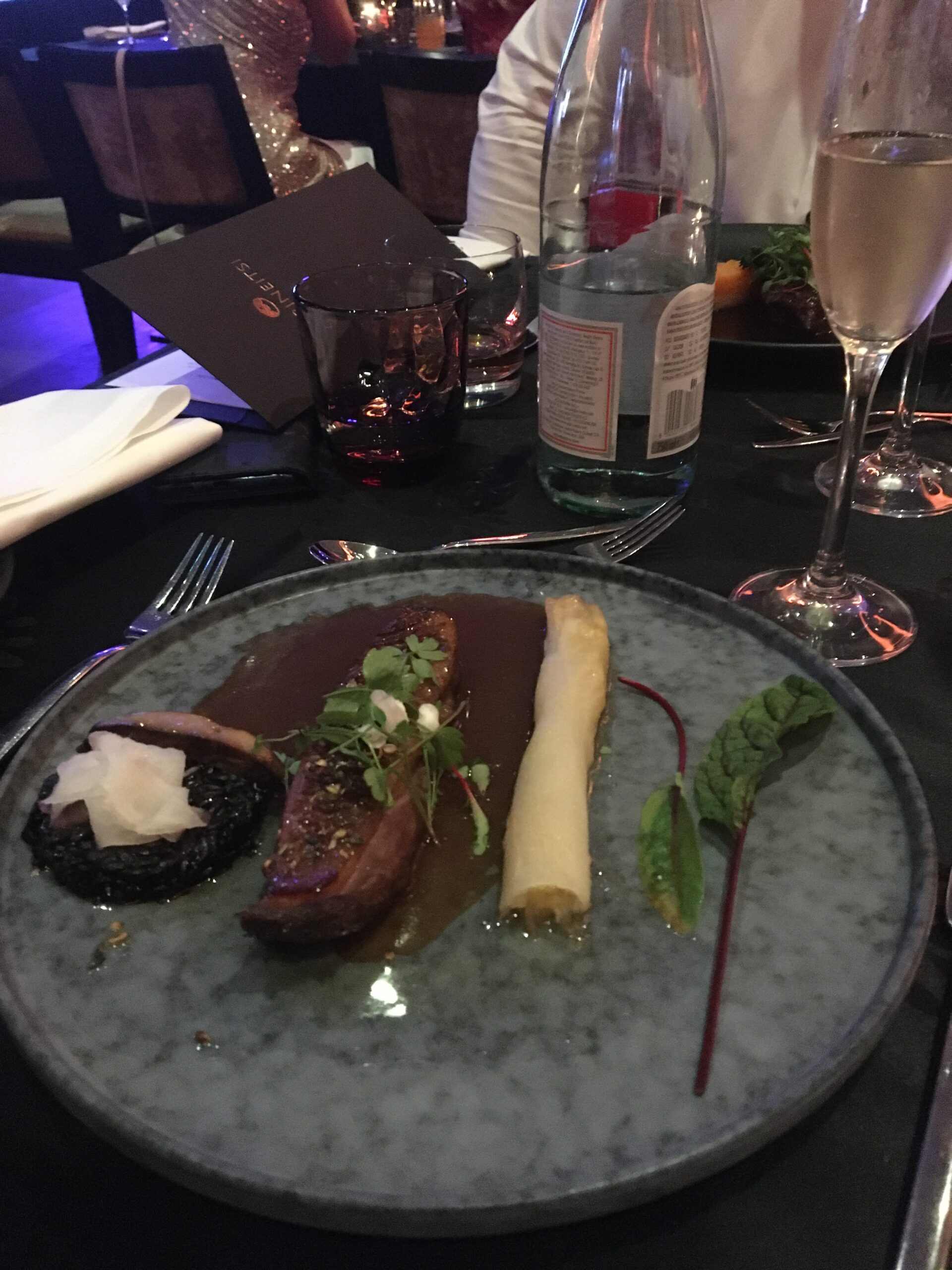
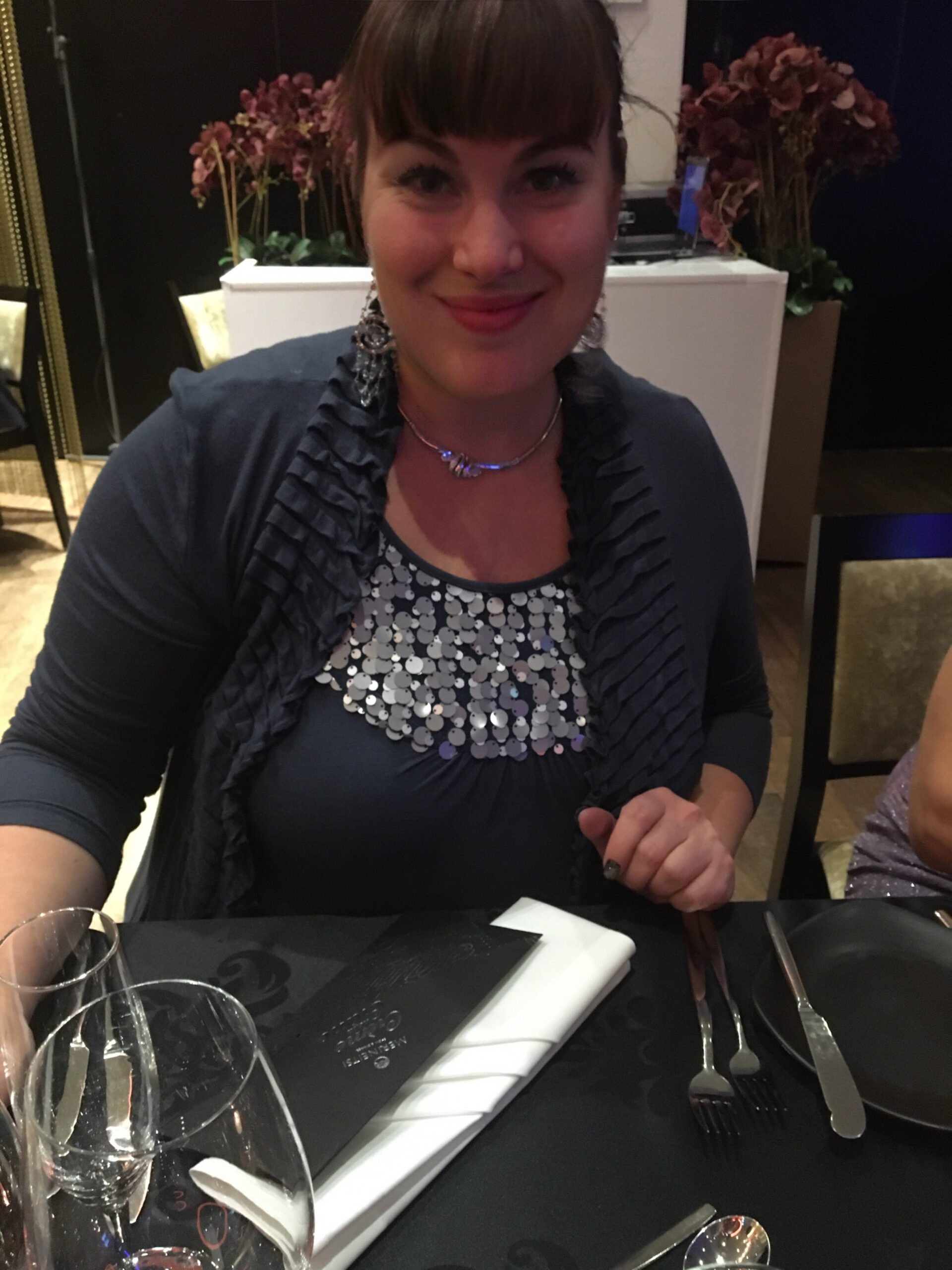
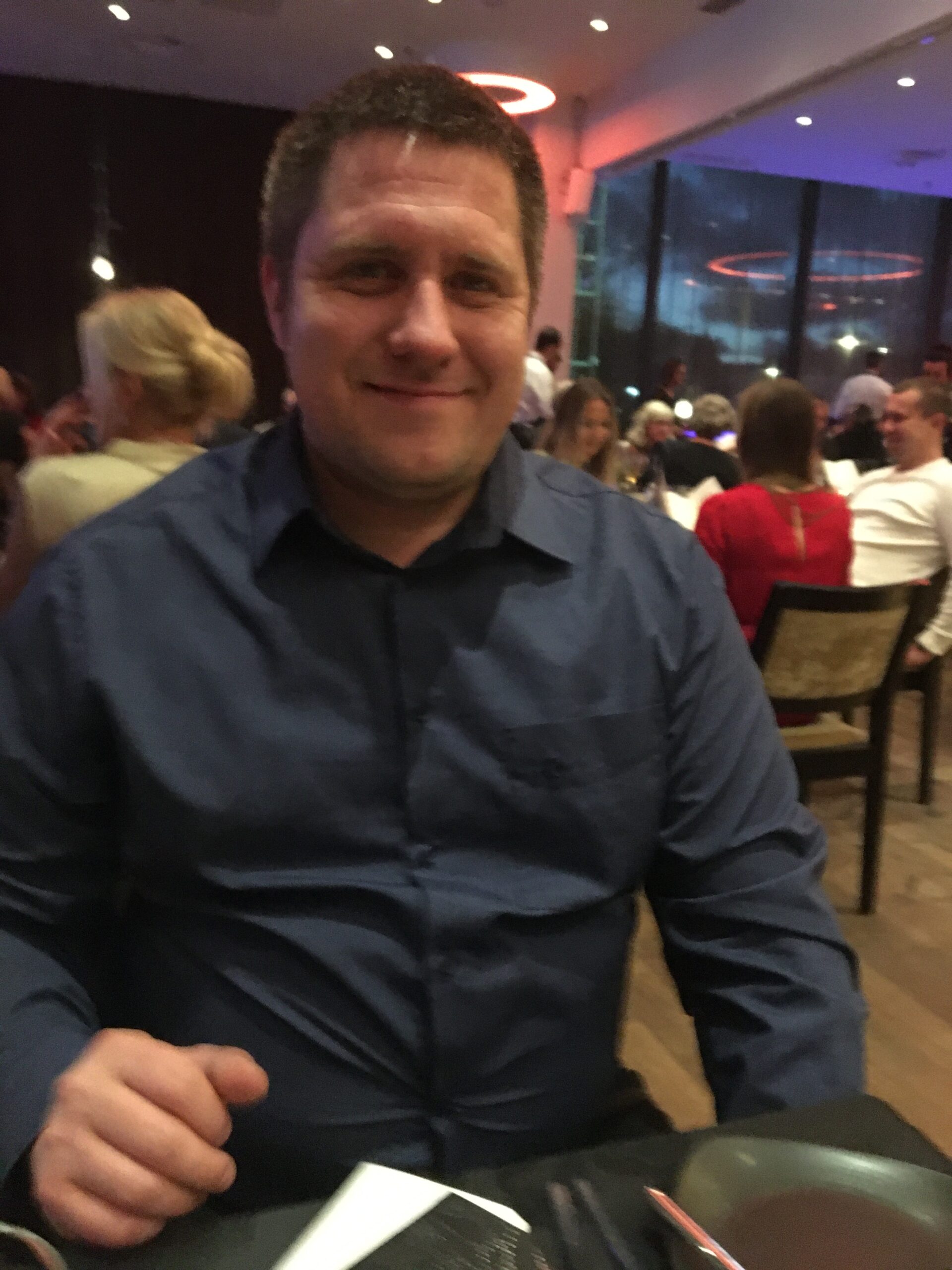
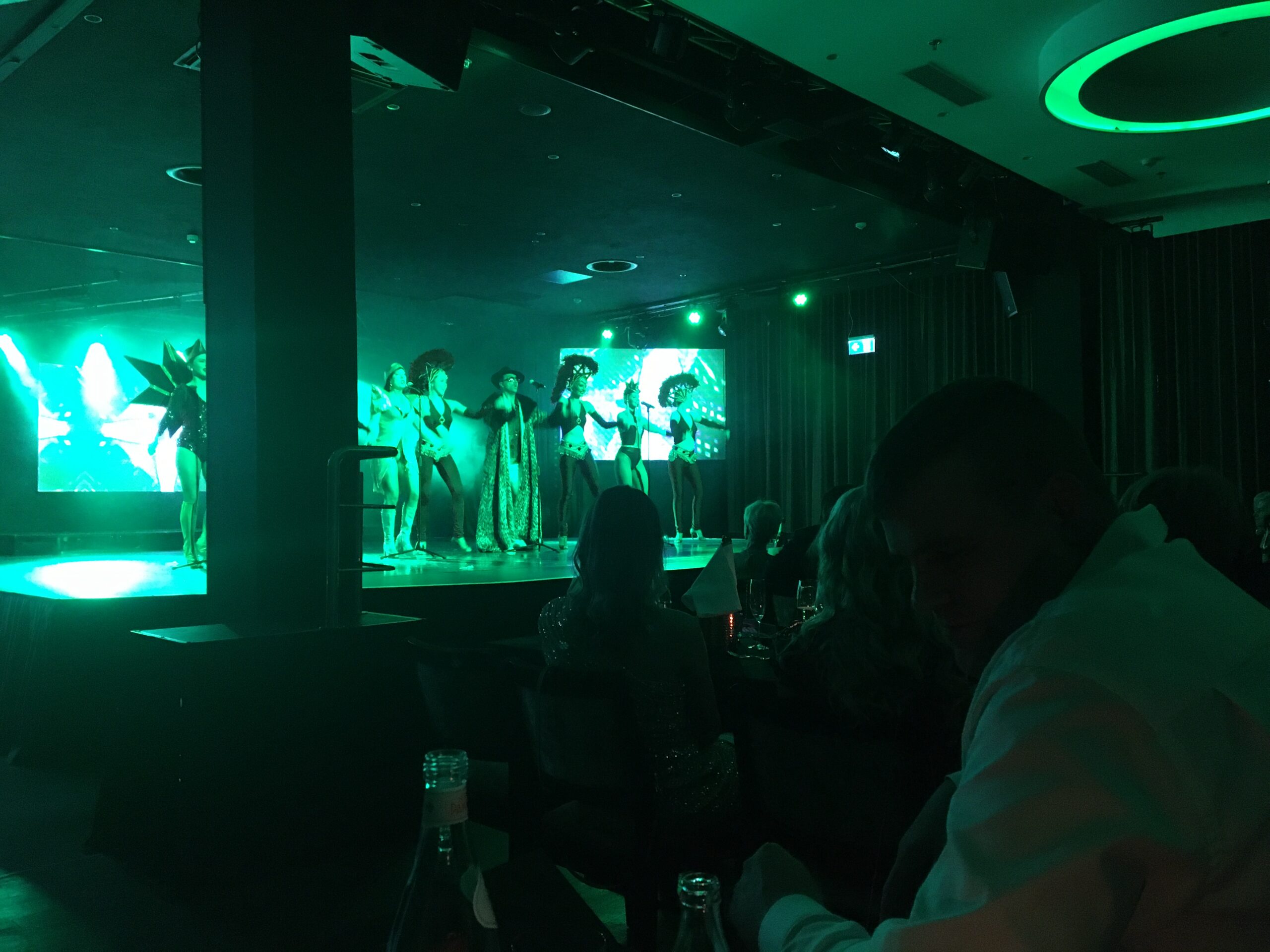
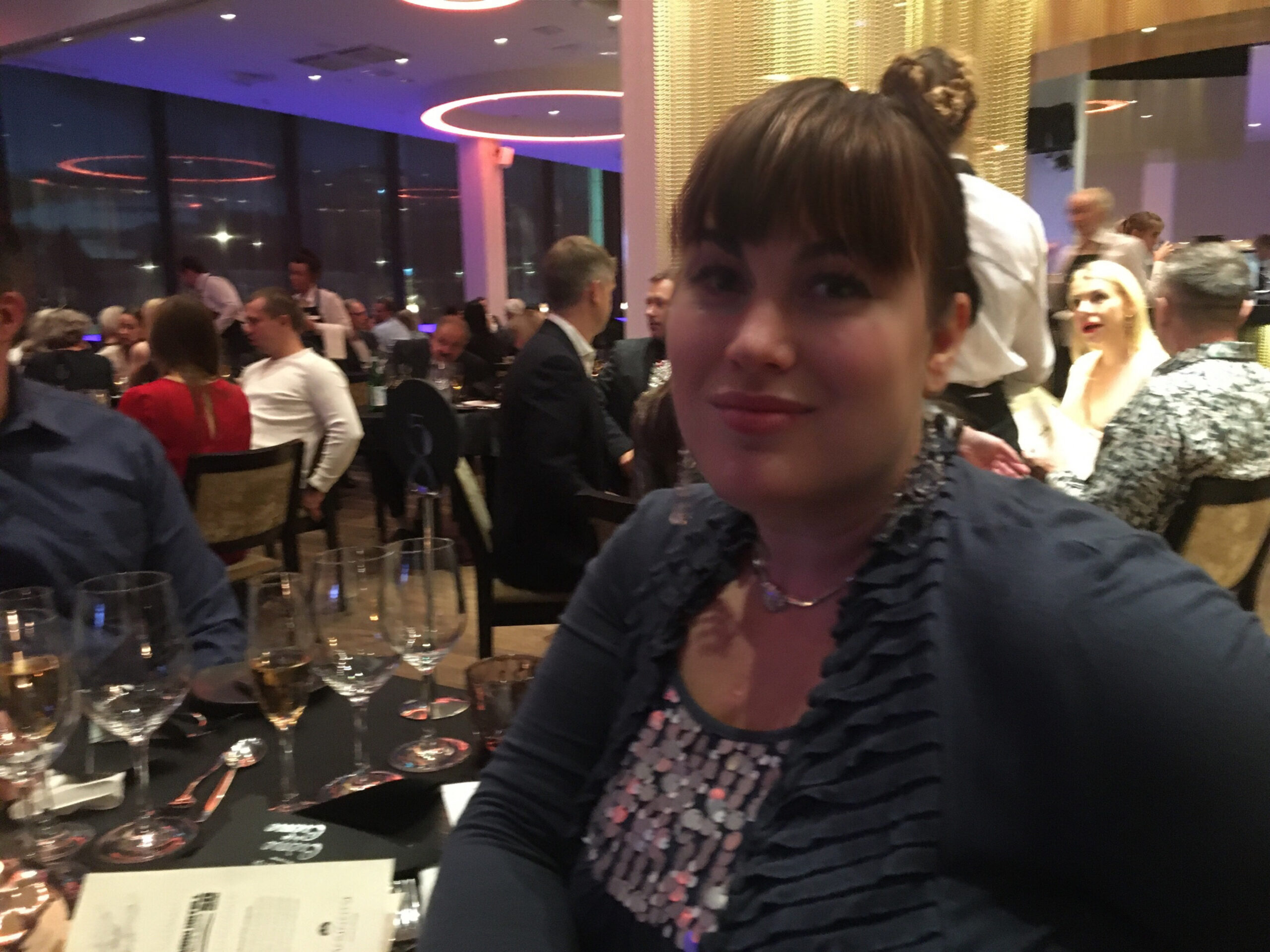
NordenBladet – The previous weekend me and Allan hosted my older sister Marie and her husband Raido at our place. On Monday they travelled to Rohodos and we decided to spend time together before that. Saturday evening the four of us attended the luxurious Viru Hotel’s 50th anniversary season celebrations at the Restaurant Merineitsi. The revue theatre Starlight Cabaret performed a glamorous variety entertainment spectacle “Creme de la Creme”.
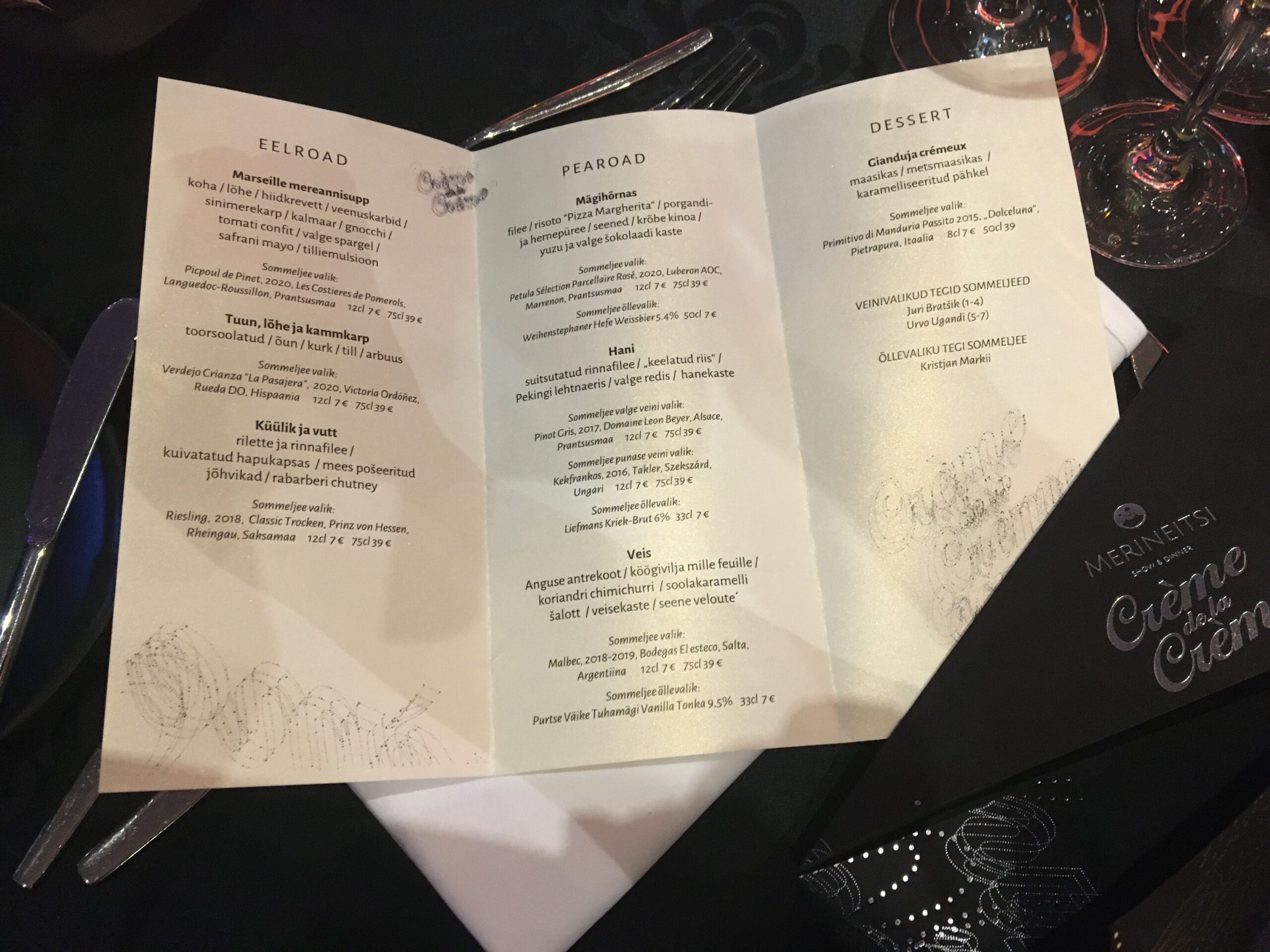
We bought our tickets quite late from Piletilevi ticket sales (79.90). I had a major “culture craving” and thus I took tickets to several events. In addition to the cabaret I have tickets to F. Lehar’s operetta “The Count of Luxembourg” and Henrik Normann’s and Brigitte Susanne Hunt’s show “Nuta või naera!” (“Sob or smile!”). In Viru we had booked a table for four right next to the stage. The screenwriter-director-producer Kristjan Kurm had compiled a wonderful five-piece show and during the breaks the chef of Viru restaurant, Margus Tammpere, catered a festive three-course gourmet menu (the ticket included the à la carte dinner extra to the show program). Drinks were of course to be additionally purchased on the spot (for example a 12cl glass of wine 7EUR, a 75cl bottle 39EUR, a 33cl beer 7EUR). The ticket also included a pass to the discotheque Cafe Amigo downstairs from Viru Hotel, we later stepped inside for a second. The last time I visited any discotheque must have been some 20 years ago. Hahaa.. We had two hot-shots there and then took a taxi home (by the way, we arrived with Bolt, but returned with the Russian-origin Yandex). Lately we have been trying out the possibilities of different apps, the service and solutions. Fun!
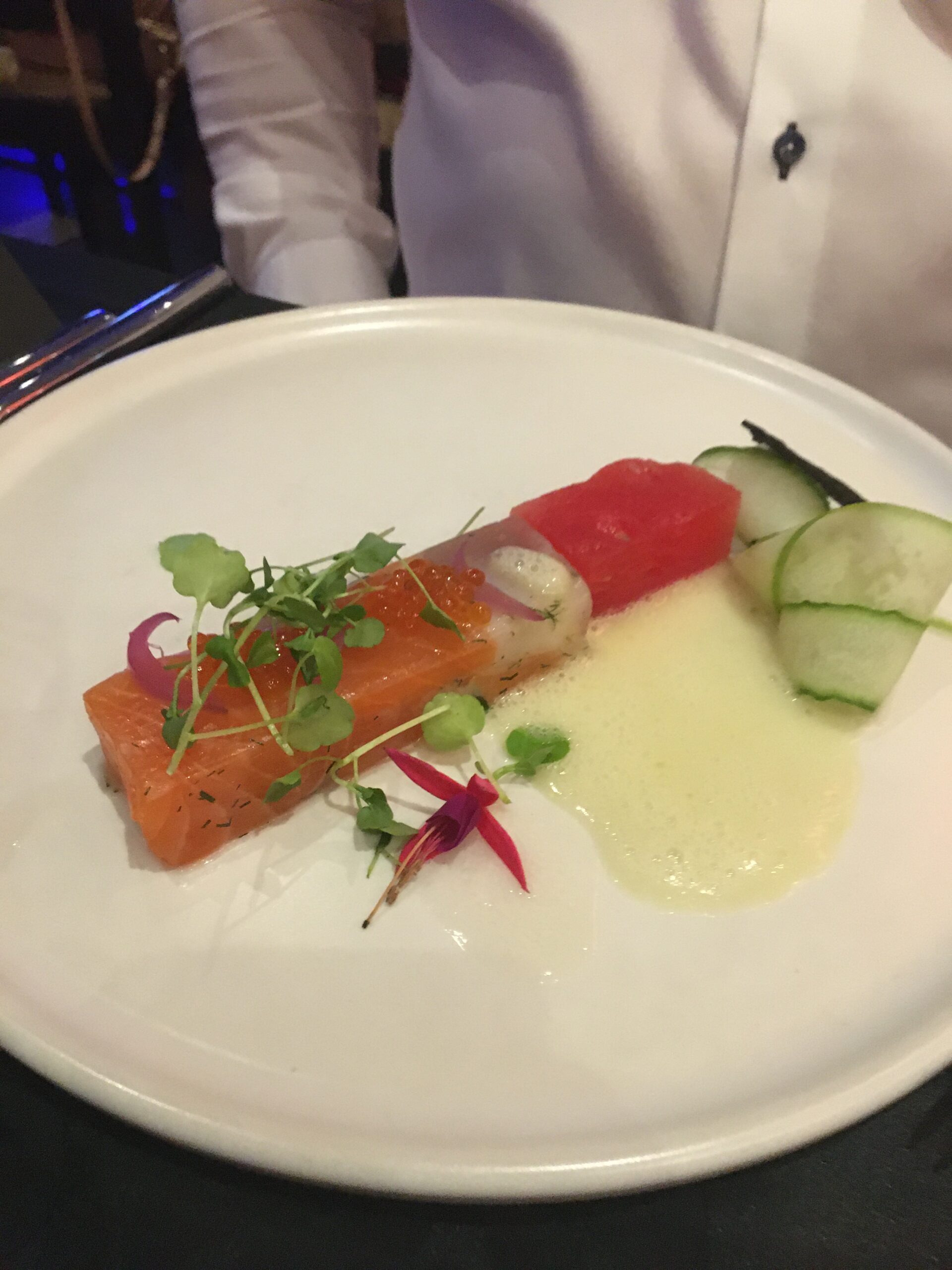
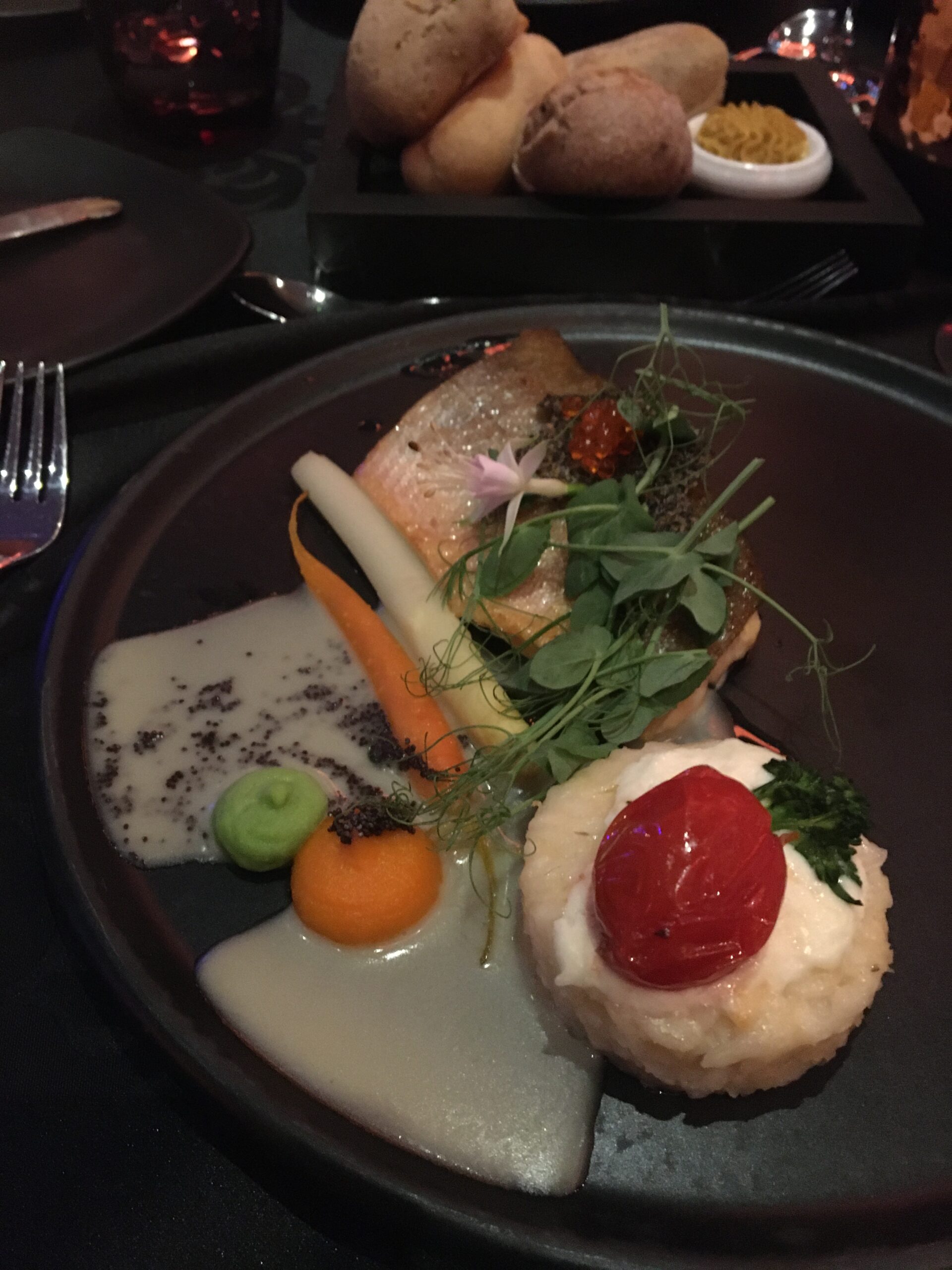
My menu selection:
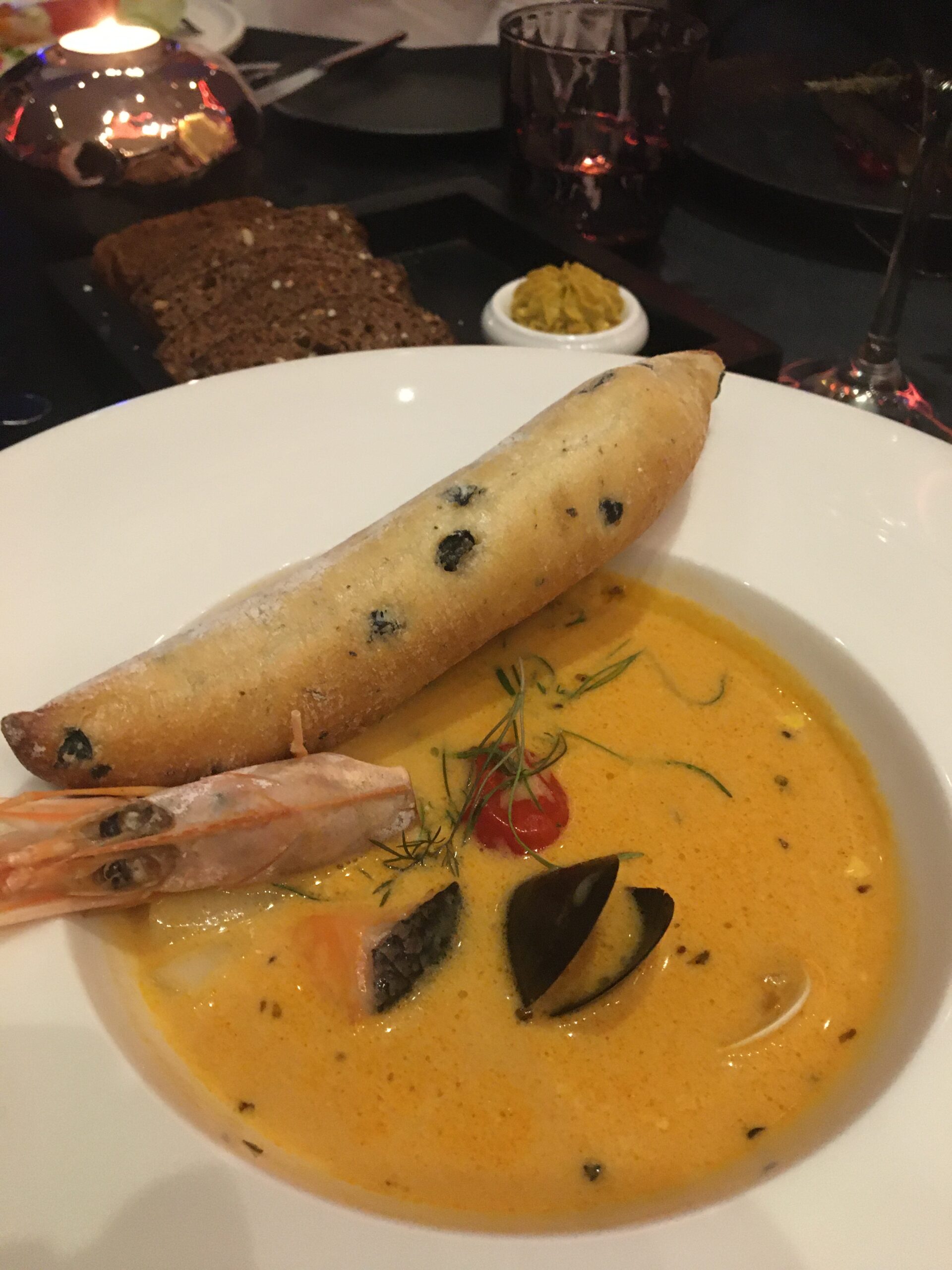
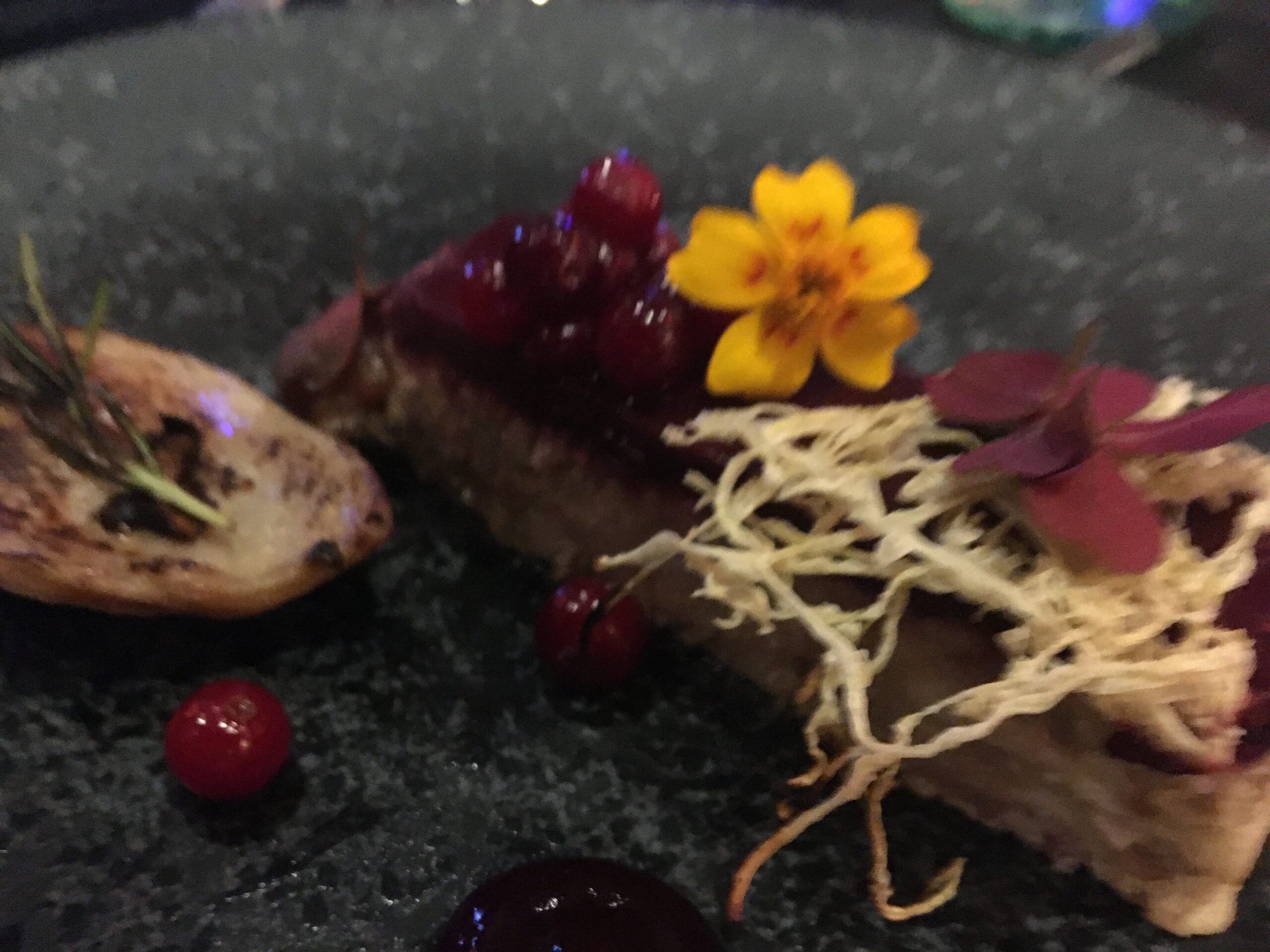
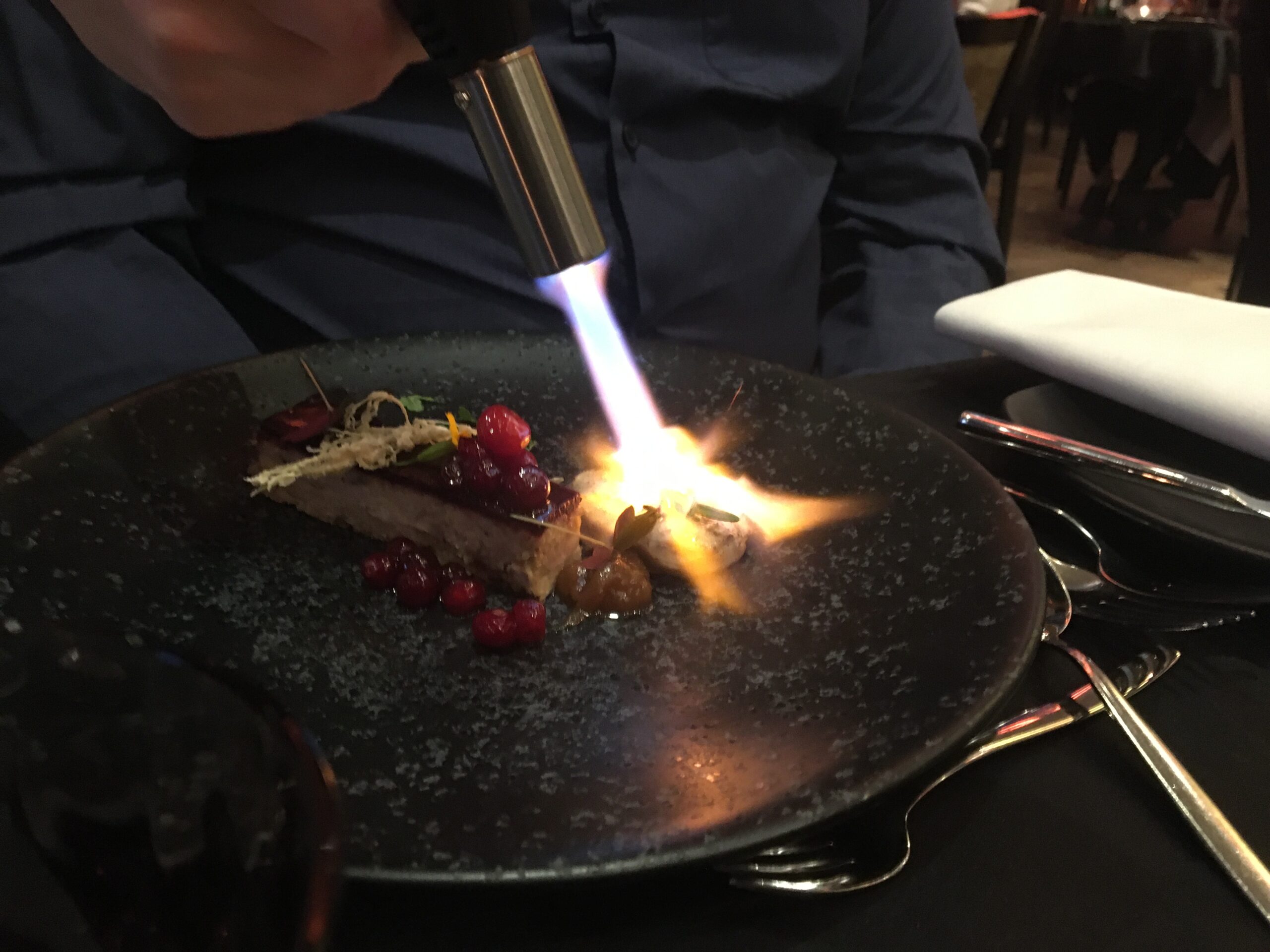
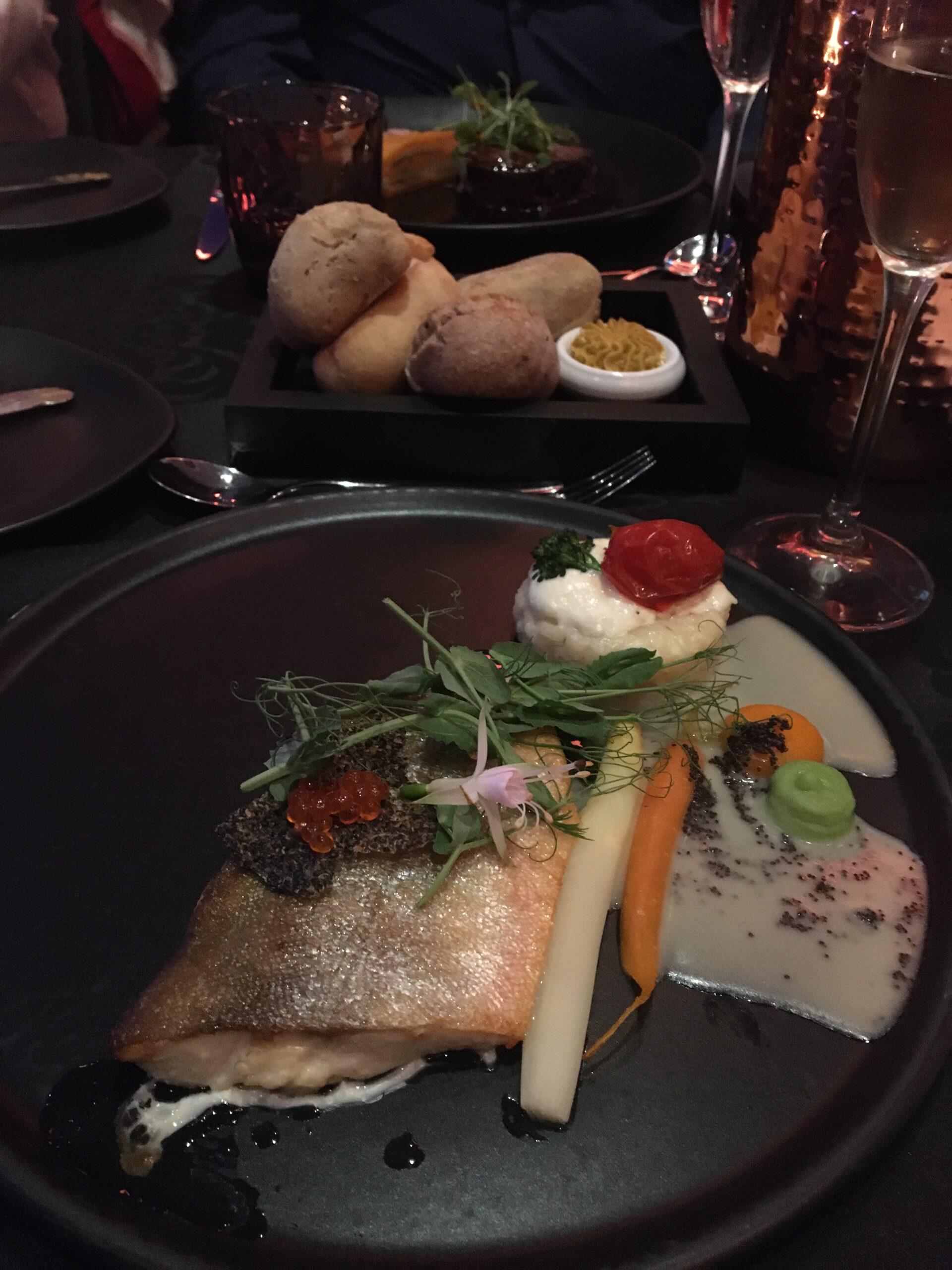
As a starter I had the pleasantly creamy Marseille seafood soup (pikeperch, salmon, giant shrimp, Venus clams, blue mussels, squid, gnocchi, tomato confit, white Asparagus, safran-mayonnaise, dill emulsion), the main course was Arctic charr (fillet/ risotto “Pizza Margherita”/ carrot and pea puree/ mushrooms/ crispy quinoa/ yuzu and white chocolate sauce) and the dessert menu was set for everyone. It was Gianduja cremeux with wild strawberry and caramelized nuts. The entire cuisine menu was very good. For drinks we had bubble water and Cava. The sommeliers had pointed out in the menus the recommended wine and beer assortment, yet we preferred sparkling wine. Unfortunately all three bottles that we ordered to our table were inadequately chilled and rather lukewarm – this slightly shaded the otherwise perfect culinary experience of the palate.
And now take a look at all the nice celebration atmosphere with your own eyes!
NordenBladet — Minister of Defence Antti Kaikkonen will participate in the EU’s Strategic Compass workshop in Brussels on Thursday 21 October 2021. The Strategic Compass means determining the direction of the EU’s security and defence cooperation and clarifying the objectives over the next 5 to 10 years. During the workshop, the ministers will discuss, among other things, the EU’s ability to respond to crises, response to hybrid threats, the EU’s capabilities and cooperation between the EU and NATO. This workshop will be the last ministerial level discussion before the first draft of the Strategic Compass is discussed at the Foreign Affairs Council in November. On Thursday 21 October, Minister Kaikkonen will also attend the ministerial meeting of the Framework Nation Concept (FNC) led by Germany. The aim of the meeting is to approve the FNC’s annual progress report and discuss the future prospects of FNC cooperation.
NordenBladet — Today, on 20 October, the ministers of the coastal states around the Baltic Sea responsible for marine protection and the European Commission adopted the updated Baltic Sea Action Plan. The Baltic Sea coastal states and EU have implemented the Action Plan since 2007. The Action Plan sets down the common objectives and agreed measures until 2030.“Resolute measures are needed even more to improve the state of the Baltic Sea. A lot has already been done but, unfortunately, it takes some time before we can see the impacts,” said Minister of the Environment and Climate Change Krista Mikkonen, who headed Finland’s delegation at the meeting of the Baltic Marine Environment Protection Commission HELCOM in Lübeck. “On Finland’s initiative, the programme now includes stronger targets for mitigating eutrophication and for the circular economy, and for minimising the environmental impacts of shipping. The Baltic Sea Action Plan has proven the power and necessity of cooperation in these matters,” Minister Mikkonen said.The ministerial meeting issued a statement emphasising the importance of cooperation in the Baltic Sea in the global context as well. HELCOM promotes the global sustainable development, climate, nature and marine protection goals. The UN and many other parties consider HELCOM’s work in regional marine protection as something to learn from.More measures to achieve a good status for the Baltic SeaThe updated Baltic Sea Action Plan contains almost 200 measures to achieve a good status for the Baltic Sea. Some of them are to be taken by individual states, some of them by the states together. The Baltic Sea states and EU agreed that the list of significant pollution sites, the Hot Spots, will be supplemented by 2025. They also agreed on a strategy and measures concerning nutrient recycling and modernisation of the annex to the Action Plan concerning pollution from agriculture. By 2030, at least 30% of the marine area of the Baltic Sea should be protected by a connected, effective, well-managed and ecologically representative network of marine protected areas.Compared to the original, the Action Plan is now broader in scope as it also takes stronger action to prevent marine litter and damages caused by underwater noise, improve nutrient recycling and restore the seabed and marine nature. Climate change has major impacts on the Baltic Sea ecosystem and the protection measures, which is why it is dealt with as a cross-cutting topic throughout the Action Plan.In the negotiations on the update, Finland advocated especially the need to strengthen measures to curb eutrophication, and took the initiative to prepare a nutrient recycling strategy and led this process. Finland also led the process to prepare measures related to the mitigation of the harmful impacts of maritime activities such as shipping and fishing.Baltic Sea Action Plan has improved the state of the sea but a good status is yet to be achievedA good status for the Baltic Sea was not achieved by 2021, which was the deadline set in the original Baltic Sea Action Plan. The state of the sea has continued to deteriorate in many respects, and eutrophication has even increased. However, there have also been positive developments: nutrient loading and emissions of harmful and hazardous substances have decreased, and the status of certain seal, fish and bird populations is now good.Long-term efforts have been made to reduce nutrient loading and eutrophication. By adopting the Baltic Sea Action Plan in 2007, HELCOM became the first international actor to agree on the maximum levels of nutrient loading for an entire marine area and to allocate reduction targets for nutrient loading for each state.The original Action Plan included a total of 177 measures, and better progress was made in implementing them jointly than when implementing national measures. The impacts of some of the measures on the state of the sea are yet to be seen. It takes some time, in some cases even decades, before e.g. the decrease in nutrient loading is reflected in the state of the sea.The measures allocated to Finland have mainly been implemented through the national water management plans and the Finnish Marine Strategy. In 2015–2018, the Government supported the protection of waters and the marine environment by about EUR 40 million, and for 2019–2023 the Government has decided to boost the implementation of the measures by as much as EUR 69 million.The ministers responsible for marine protection in the Baltic Sea states and the European Commissioner for the Environment, Oceans and Fisheries convened for the first physical meeting since the start of the COVID-19 pandemic. The meeting was hosted by Germany, which holds the Chairmanship of HELCOM in 2020–2022.Press release on the Ministerial MeetingUpdated Baltic Sea Action Plan
NordenBladet — The Ministry of Economic Affairs and Employment has granted Fingrid Oyj a permit to construct a transmission line of 400 kilovolts that will cross the border between Finland and Sweden. The interconnector would increase the transmission capacity between Finland and Northern Sweden from Sweden to Finland by 800 MW and from Finland to Sweden by 900 MW.“The new interconnector between Finland and Sweden is important for ensuring the transmission of electricity and for the development of the Nordic electricity market. The connection will benefit the national economy, and electricity users by hundreds of millions of euros. Functional transmission connections are an important part of supporting the electrification of industry and society”, says Minister of Economic Affairs Mika Lintilä.The project is based on the need for additional electricity transmission capacity between Sweden and Finland. Cross-border transmission capacity is often inadequate, and as a result, the electricity market cannot function efficiently and electricity prices diverge. This increases the price of imported electricity in Finland. Additionally, the growing wind power production in northern Finland and Sweden due to good conditions increases the need for electricity transmission.Price of electricity to decrease with users to save hundreds of millions of euros per yearAccording to Fingrid, the key benefit of the new power transmission connection will be the levelling of electricity prices between Finland and northern Sweden, which will lead to lower prices in Finland. The new transmission connection is estimated to reduce the electricity price difference between the supply areas of Finland and northern Sweden. It is estimated that the connection will lower the price of electricity in Finland and the Baltic States by about EUR 3/MWh in 2025 and by about EUR 8/MWh in 2035. The power line is considered a profitable project for the national economy. According to Fingrid, its benefits to the national economy are estimated to be around EUR 59 million per year in 2025 and around EUR 180 million per year in 2035. In 2025, the benefits to Finnish electricity users have been estimated to be approximately EUR 400 million per year, and in 2035 around EUR 1.1 billion a year. Failing to implement the project would cause significant harm to the national economy. The transmission line would form the third alternating current connection between Finland and the rest of the Nordic synchronous area, which would improve the fault tolerance of the electricity system. The connection would decrease by 98% the probability that a simultaneous failure of alternating current lines between Finland and Sweden would result in isolation of Finland from the rest of the synchronous area.The new transmission connection will also significantly improve the security of electricity supply. The electricity production capacity in use in Finland is significantly lower than peak electricity consumption, and Finland is dependent on imported electricity, especially during peak consumption in the winter. While the commissioning of the Olkiluoto 3 power plant unit will improve this balance in the near future, there are still concerns about the adequacy of electricity in the coming years. The electrification of society is also expected to significantly increase demand for electricity in the coming decade.
NordenBladet — In its meeting on Wednesday 20 October, the Ministerial Committee on European Union Affairs discussed the rise in energy prices and other issues on the agenda at the October European Council.The increase in energy prices will be discussed at the European Council meeting on 21 and 22 October and at the extraordinary Energy Council on 26 October. The Ministerial Committee on European Union Affairs also outlined Finland’s positions on the European Commission Communication issued on the matter on 13 October. Finland considers the effects of rising prices regrettable for consumers and believes that the measures proposed by the Commission to ease the situation are fundamentally justified and appropriate. In Finland’s view, when seeking solutions, it is important to take into account that there are several factors behind the rise in prices, the most significant of which is the increase in prices of fossil fuels. Phasing out fossil fuels and increasing the proportion of renewable and other emission-free energy are important, as this will also help to protect people from price shocks in the longer term. It is also important to refrain from creating new income distribution mechanisms within the EU based on the rising prices. As prices rise, it is important to ensure that national measures take into account the needs of the most vulnerable consumers.Other topics on the agenda for the October European Council include the EU’s COVID-19 response measures, the digital transformation, migration, trade policy and a variety of external relations issues, such as the Eastern Partnership summit, the ASEM summit and the COP26 Climate Change Conference in Glasgow.In Finland’s view, the production of COVID-19 vaccines must be further accelerated, also so that the EU can fulfil its commitment to global solidarity. Moving forward, the EU must be better and more holistically prepared for future crises.Finland considers it important that ambitious targets are being set for the digital transformation. It is crucial to ensure the realisation of fundamental rights, information security and consumer and data protection. Finland emphasises the importance of developing the single market and linking the digital transformation to the green transition, and stresses the role of data in these processes. The EU should examine its ability to safeguard distribution chains and the availability of critical components, taking into account the global nature of supply and value chains, the need for a level playing field and future needs for use. Finland supports strengthening external relations connected to the EU’s digital and cyber policy and developing the EU’s cyber capacities.In Finland’s view, migration requires comprehensive, common European solutions. The funds allocated to migration management during the current financial framework period must be used effectively. Partnerships with countries of origin and transit are crucial. The EU must seek solutions for the Common European Asylum System. The instrumentalisation of migration is unacceptable. The EU must engage in discussion on how to respond to such attempts. Control of the EU’s external borders must be effective and credible. It is integral to comply with the obligations of international law and fundamental and human rights.Finland supports the objectives of transparency, sustainability and assertiveness set by the Commission for the EU’s trade policy. The EU must remain open to international trade and investments. The EU must play a leading role in reforming the World Trade Organization. The EU must further strengthen the important role of trade policy in promoting the Sustainable Development Goals.In Finland’s view, from the perspective of the unity of the EU, it is good that the European Council is holding discussions in preparation for future summits and the COP26 and COP15 meetings.