NordenBladet — The European Commission issued a proposal for amending the Directive on access to financial information on 20 July. The amendment would allow the competent authorities of the EU Member States to access centralised bank account registries. The Government expressed its position on the proposal in its communications submitted to Parliament on 28 October.The amendment to the Directive on access to financial information relates to the Commission’s proposal for a new Anti-Money Laundering Directive. According to the proposal, Member States must ensure that the information obtained from the centralised bank account registries is available through a single access point. The single access point would be developed and operated by the European Commission. The access point would allow the competent authorities to establish quickly whether an individual holds bank accounts in other Member States without having to ask all their counterparts in all Member States. Financing of cross-border crime could be investigated more effectivelyThe Government welcomes the proposal in principle. The proposal strengthens the fight against international organised crime by creating a tool for the competent authorities of the Member States to investigate and intervene more effectively in the financing of crime in cross-border cases. In these cases, it is important to find out who holds a bank account in a Member State other than that carrying out the investigation.Parliament discusses national implementation of the DirectiveThe current Directive on access to financial information already requires that each Member State designate the competent authorities empowered to access and search its national centralised bank account registry. Under the Directive, access may be granted to authorities competent for the prevention, detection, investigation and prosecution of serious offences.
At the meeting with President of the Republic of Moldova Maia Sandu today, Chairman of the Foreign Affairs Committee of the Riigikogu (Parliament of Estonia) Marko Mihkelson emphasised that, although at present the energy crisis was the most burning issue for the people of Moldova, the country as a whole needed to make smart choices in diversifying its sources of energy.
“Now is the time when Europe must show solidarity with Moldova and support the reform policy of its Western-minded government. Moldova has a historic opportunity to irreversibly take the course towards the European Union,” Mihkelson said.
The challenges faced by Moldova in its fight against corruption, in building up the rule of law and improving the welfare of its population, and on its way to integration with the European Union were discussed at the meeting.
Until tomorrow, the Chairman of the Foreign Affairs Committee participates in the joint visit of the Chairmen of the Foreign Affairs Committees of the Parliaments of Estonia, Latvia and Lithuania to Chișinău, Moldova. The Chairs of Foreign Affairs Committees also had meetings with Speaker of the Parliament of Moldova Igor Grosu and Deputy Speaker Mihail Popșoi, Deputy Prime Minister Vladislav Kulminski, as well as with the Chair of the Committee on Foreign Affairs and European Integration, and the Chair and members of the Committee on National Security, Defence and Public Order. Tomorrow, the Chairs of Baltic Foreign Affairs Committees will meet with Prime Minister of Moldova Natalia Gavrilița.
NordenBladet — Preparations for a project company for the eastern rail link progress.On 28 October 2021, the Government decided to authorise the Ministry of Transport and Communications to establish a new limited liability company partly owned by the state for the eastern rail link. The Ministry of Transport and Communications may sign the documents relating to the establishment and to subscribe, on behalf of the state, the shares of the limited liability company to be established.The state of Finland is committed to capitalising the company under the terms and conditions of the shareholder agreement.The company would be tasked with planning and financing the Lentorata-Porvoo-Kouvola railway line project until the line is ready for construction.On 28 September 2021, the Ministerial Committee on Economic Policy was in favour of establishing the project company for the eastern rail link.On 28 October 2021, the Government authorised the Ministry of Transport and Communications to approve, on behalf of the State, that Nordic Railways Ltd (Pohjolan Rautatiet Oy) be placed in liquidation. The company was founded in February 2019 to comprehensively develop the rail transport services. It does not have any business operations.What’s next?The project company for the eastern rail link will be established after the appeal period for municipal decisions has expired.A prerequisite for the establishment is that the financial commitment of the state of Finland represents, at the start-up stage, a maximum of 51% of the total amount of the financial commitments.Any appeal processes may have an impact on the timetable for the establishment of the company, and that is why the exact date of establishment cannot be indicated.
NordenBladet – School holiday is half way through. Estella Elisheva is indoors practicing the violin and also watching movies from morning till night, I do not allow her to go outside to train, until she is completely well again, because last time when she played football outside during a storm, she caught a proper cold. Ivanka Shoshana treasures her newly attained “The Loud House” coloring books like sacred relics and abstains from colouring the pictures. Today I went with her to the ceramics class and she made a nice named piece of ceramics that she plans to give away as a present.
I am taking with Ivanka Shoshana (13) individual private ceramics classes for many years already. She values handicraft and after our exhibition in the Estonian National Museum (read HERE and HERE), where, for all of Estonia, also the best of her handmade ceramics was displayed, she is putting an even greater effort in the activity. I like her artistic signature. Her ideas are very unique, exciting and original. I like the way how creatively she approaches each piece. In our home, also for several years, besides the ceramics made by me, we are also enjoying the pottery that she has created (clay plates, coffee mugs and small bowls). In today’s class she started preparing a present! What could be cooler than a handmade and named present! Today a great multifunctional container was made, its lid is decorated with a snowman-knob and a dedication TO OTTO FROM IVANKA! I can’t wait to see what colour she will paint it after burning it! Though I have not been very busy adding entries, still you can read more about creating ceramics and about our paintings from our handicraft blog that is accommodated by our family brand “Elisheva & Shoshana” web address –> ElishevaShoshana.com.
Arriving home, a DPD courier was waiting for me, bringing to my door the package I had ordered from MyLook. Lately I have been completing almost all my shopping and payments online – it is simply so convenient. A few clicks and the products are in the “shopping cart”, paid for, and on their way. Since competition between the web stores is tense, then, thank God, the goods are arriving more and more quickly. I ordered several face care products (my current favourite is Lancôme), shampoos, lotions and soaps! Yes… we do not merely use Elisheva & Shoshana handmade soaps and shampoos – first, because we also want to try out products of other brands, and second, because the skin needs a change. Using the same product all over infinitely is not good 🙂 From flowery scents I really like: gardenia, magnolia, jasmine, vanilla, lily of the valley, and peony.
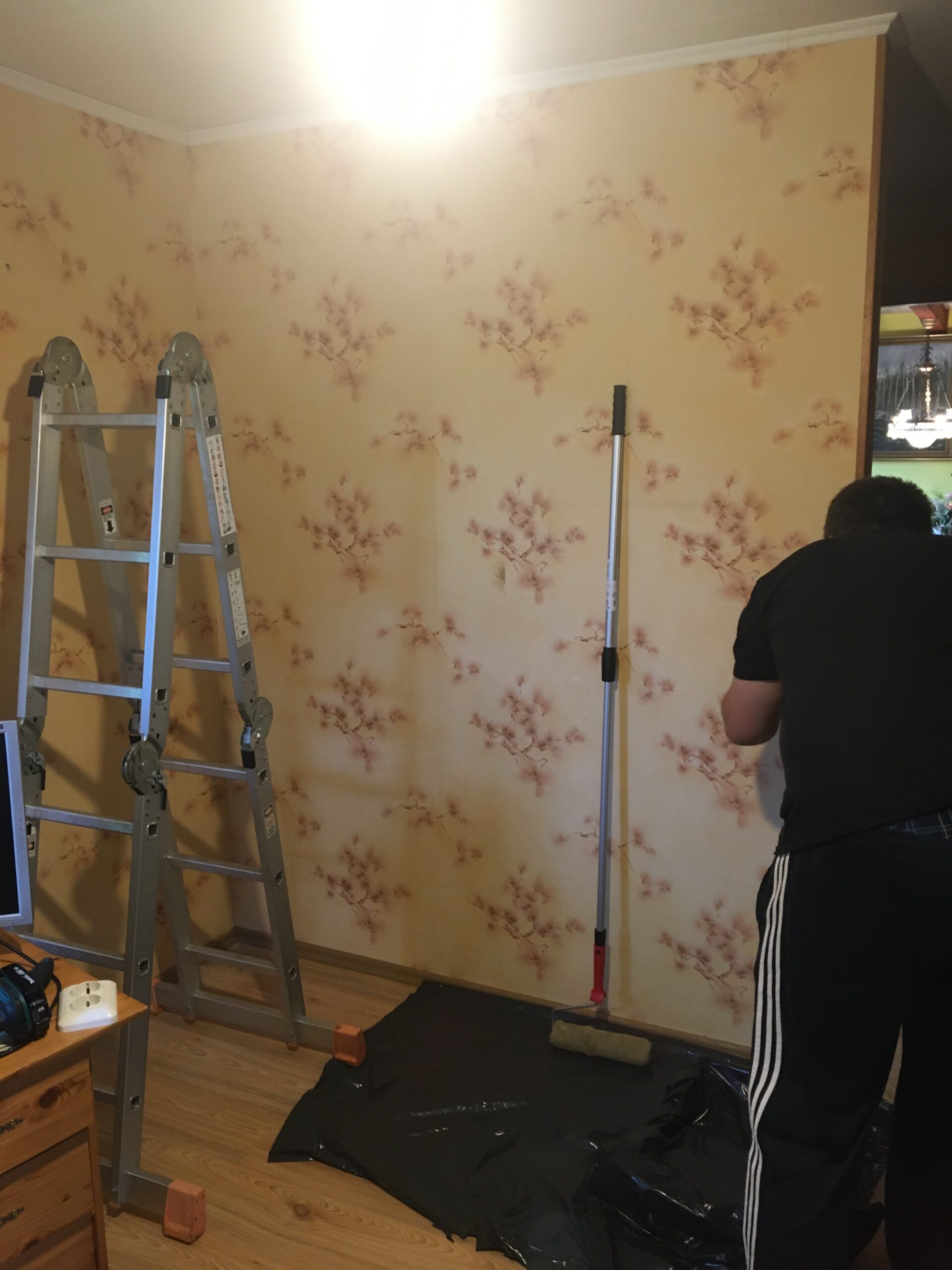
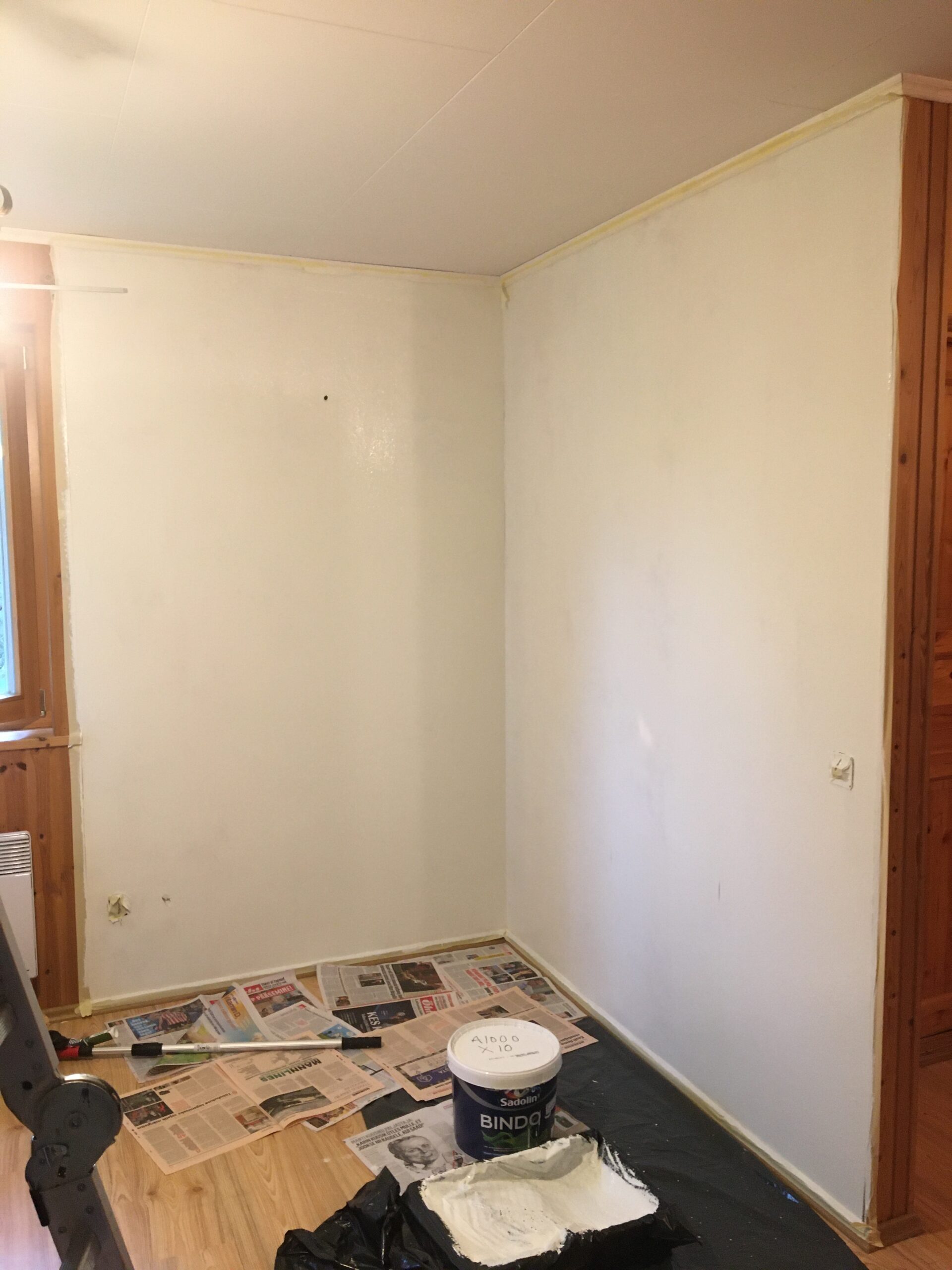
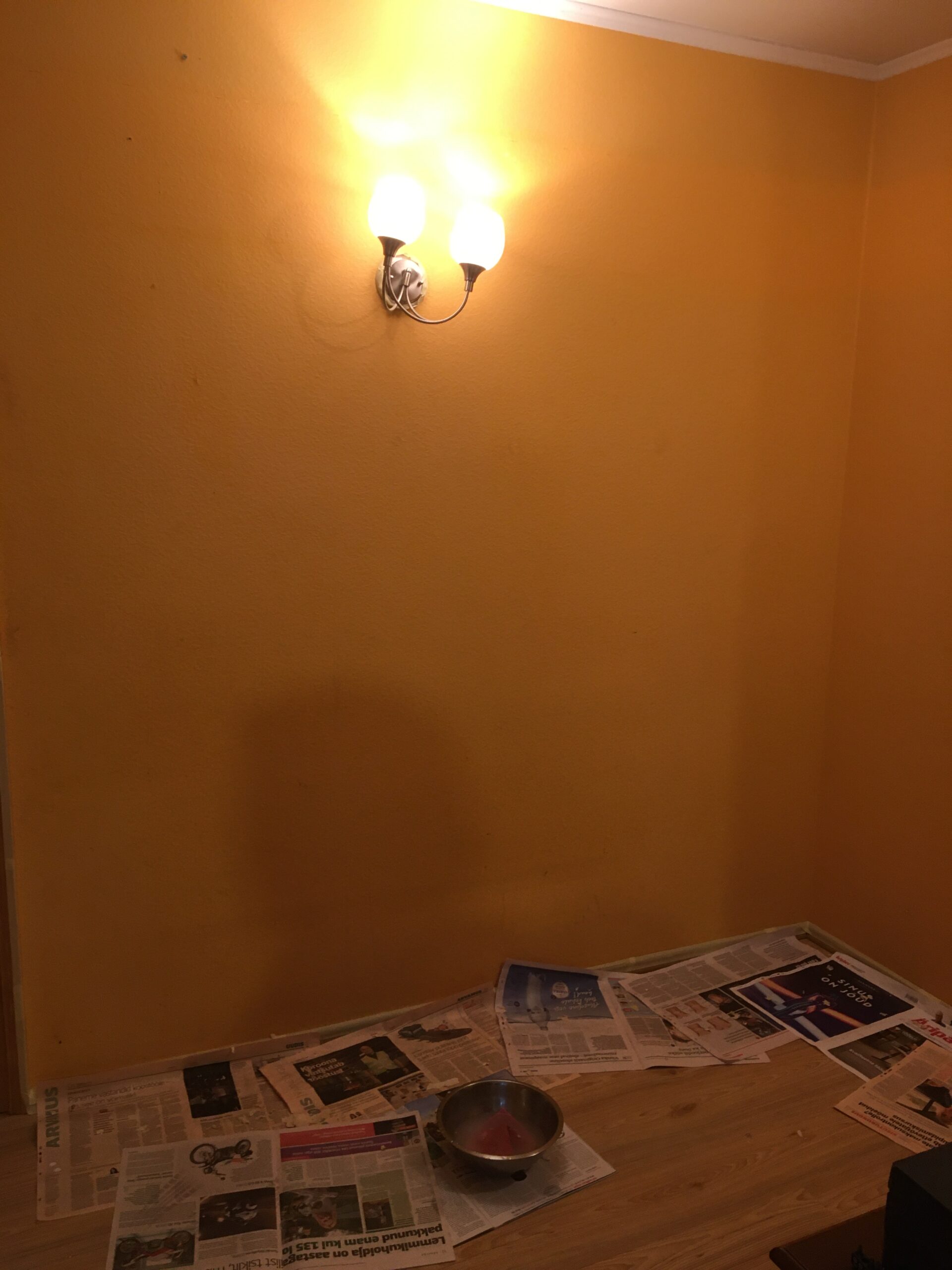
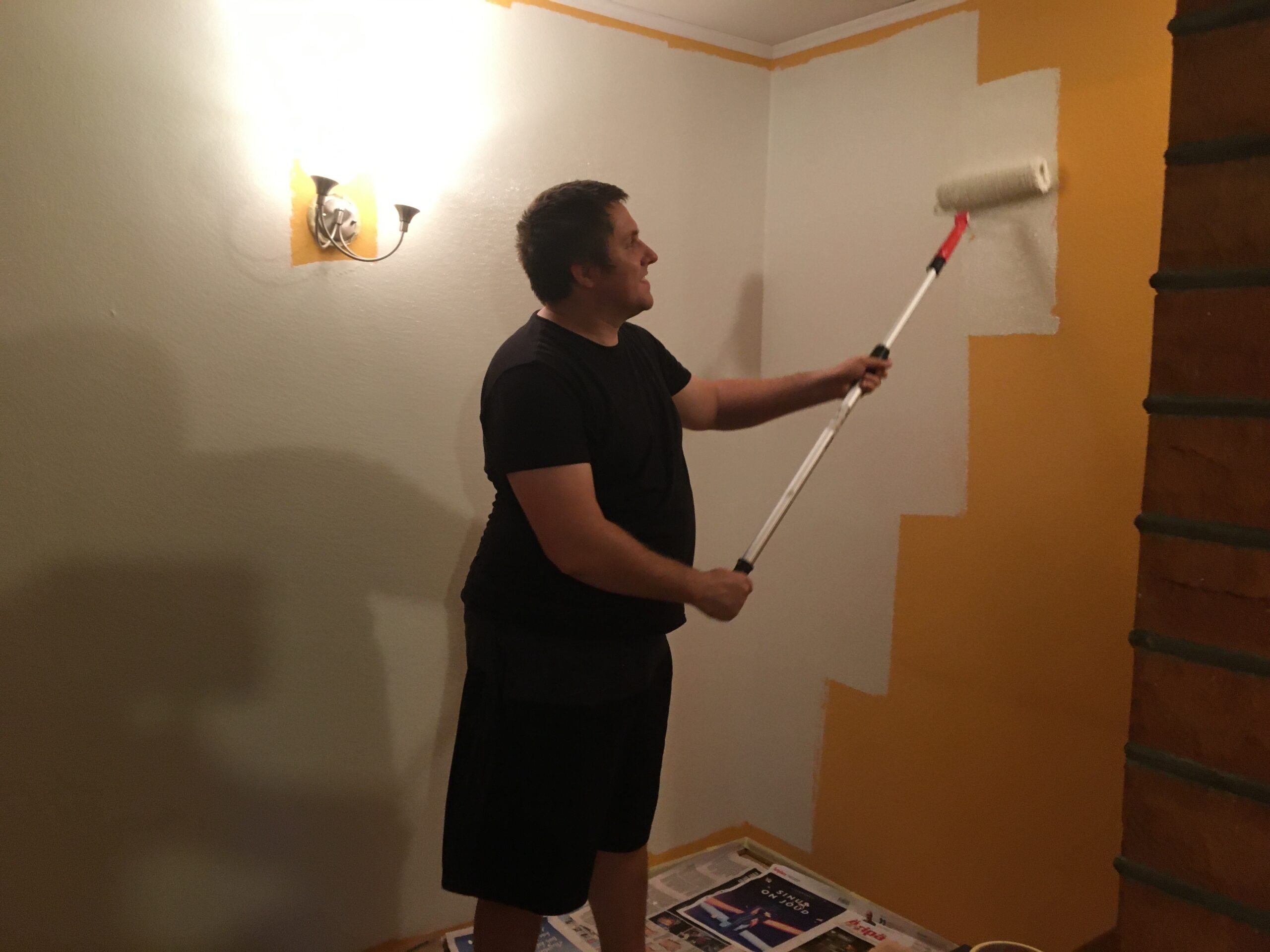
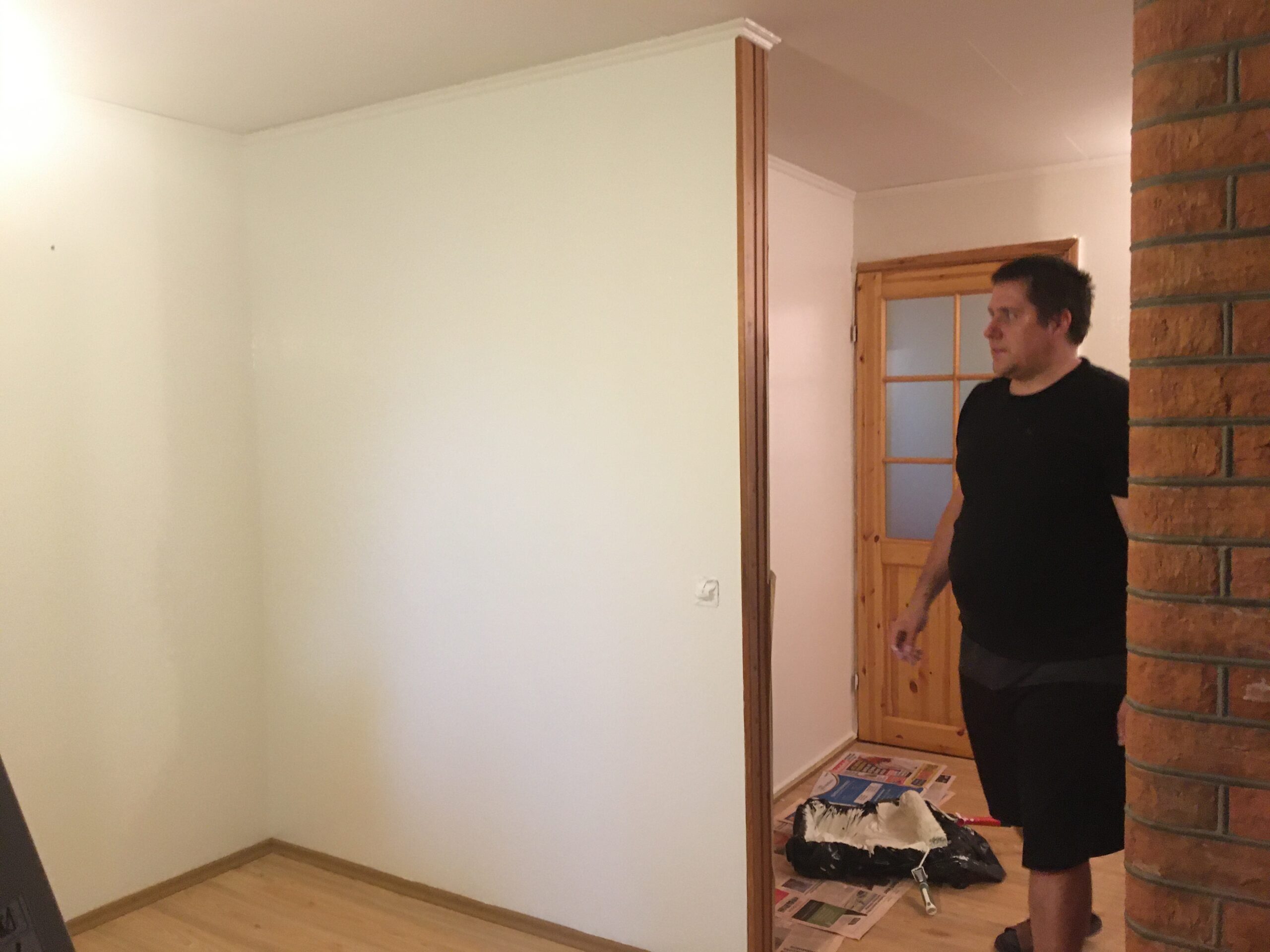
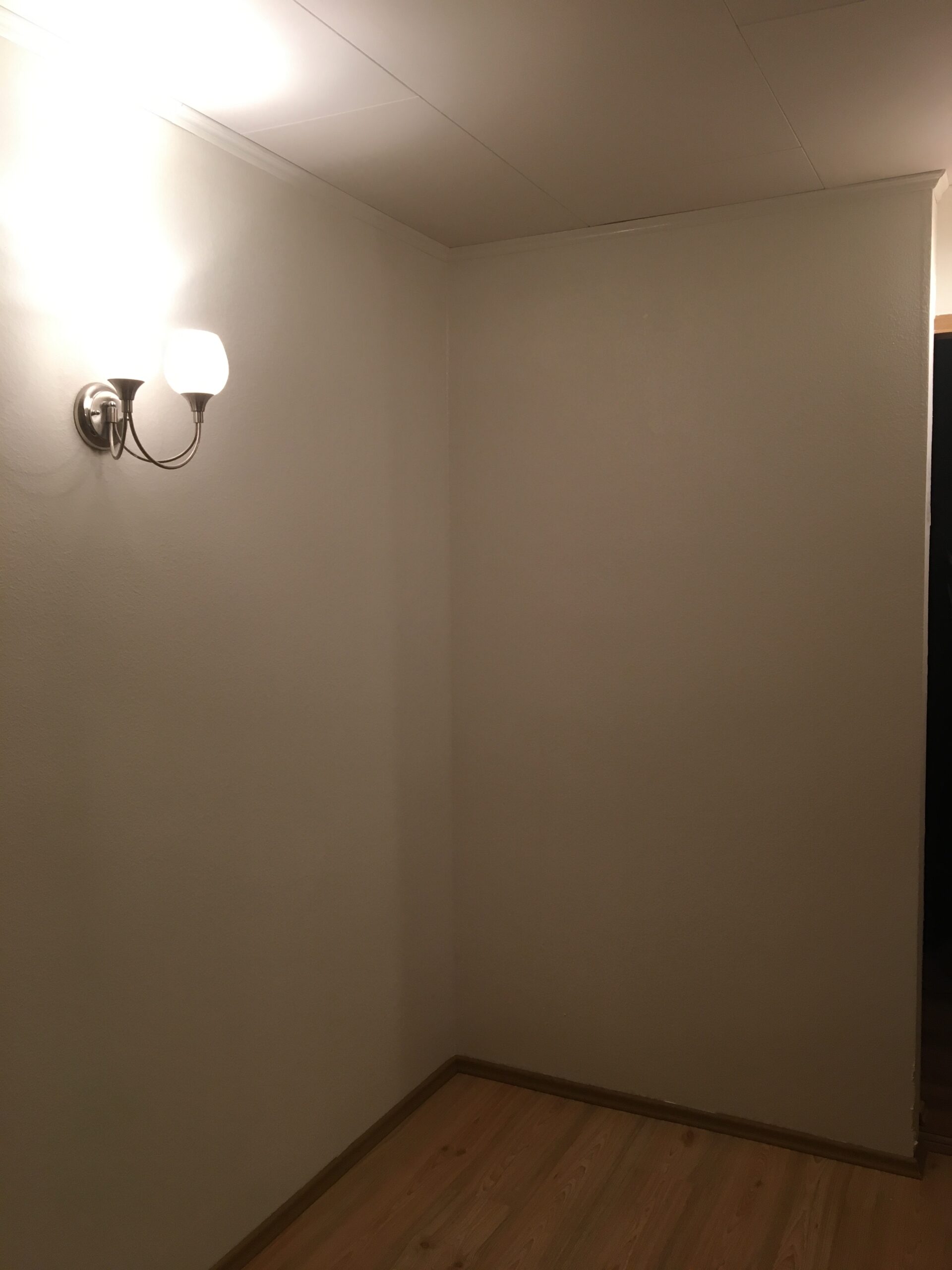
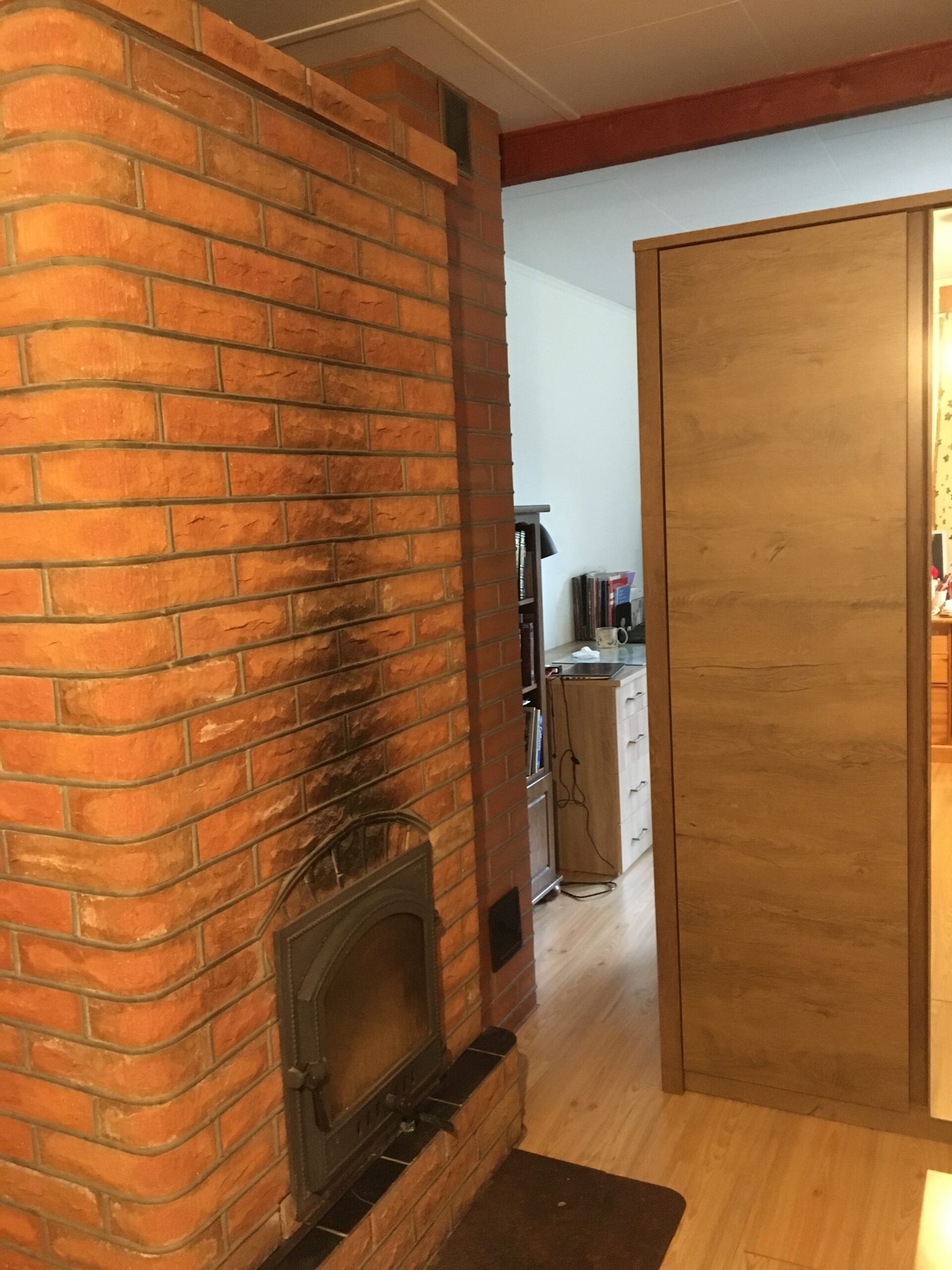
And now about the renovation! Had I known that renovating is so much fun, I would have done it more often! As I wrote HERE, then I have decided that I will renovate on my own – how difficult can the painting of the walls be, huh?! Hahaaa… and it is not nuclear physics! The aim is to refresh children’s rooms and the vestibule – new wall paint, new big closets, new lamps, new curtains or shades. Currently we are in the place where we have painted the walls and assembled the closets… Now the lamps and shades need to be purchased and we need to discuss which painting will go exactly where.
Now how does one then renovate on one’s own? Here are my tips:
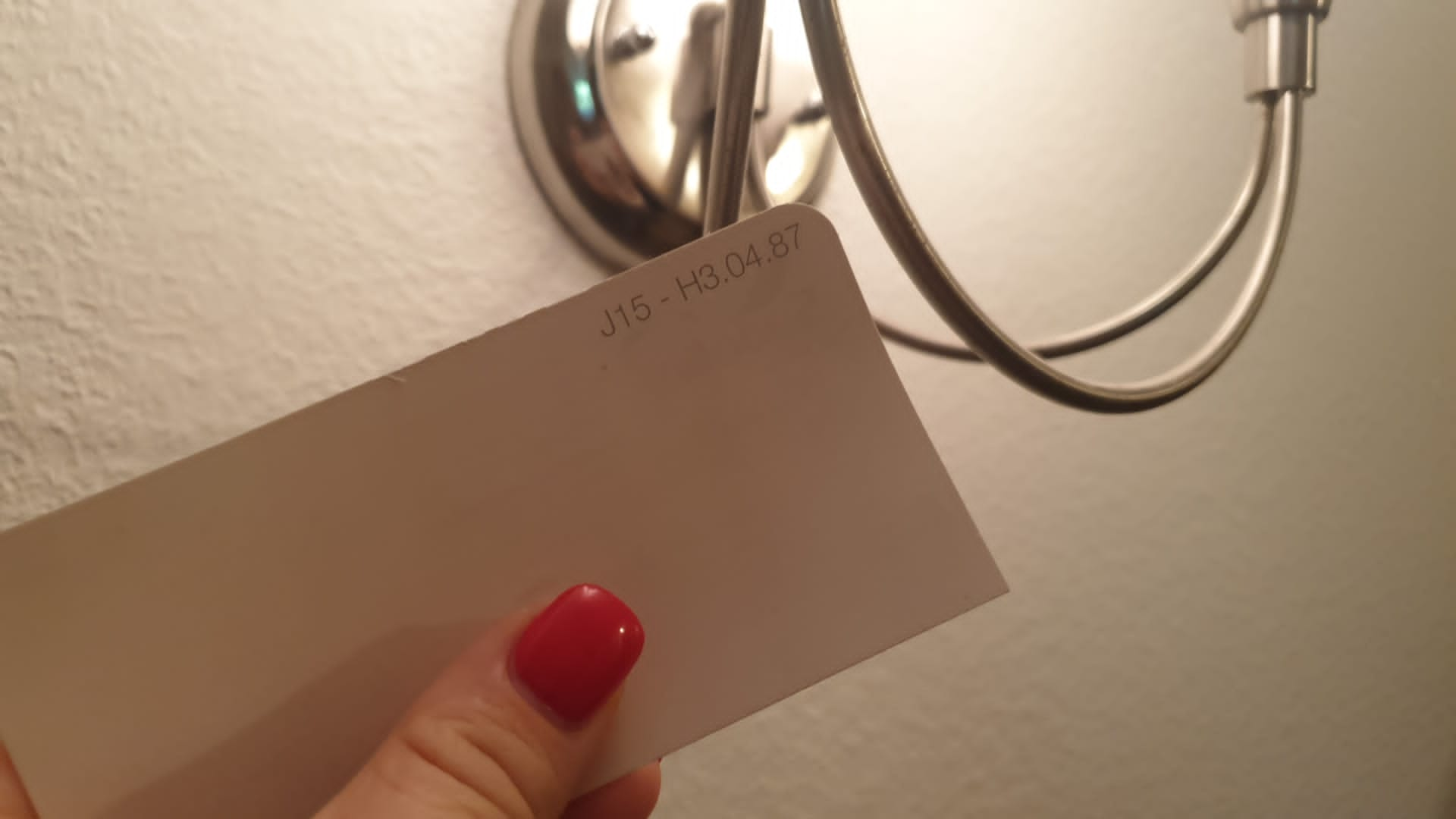
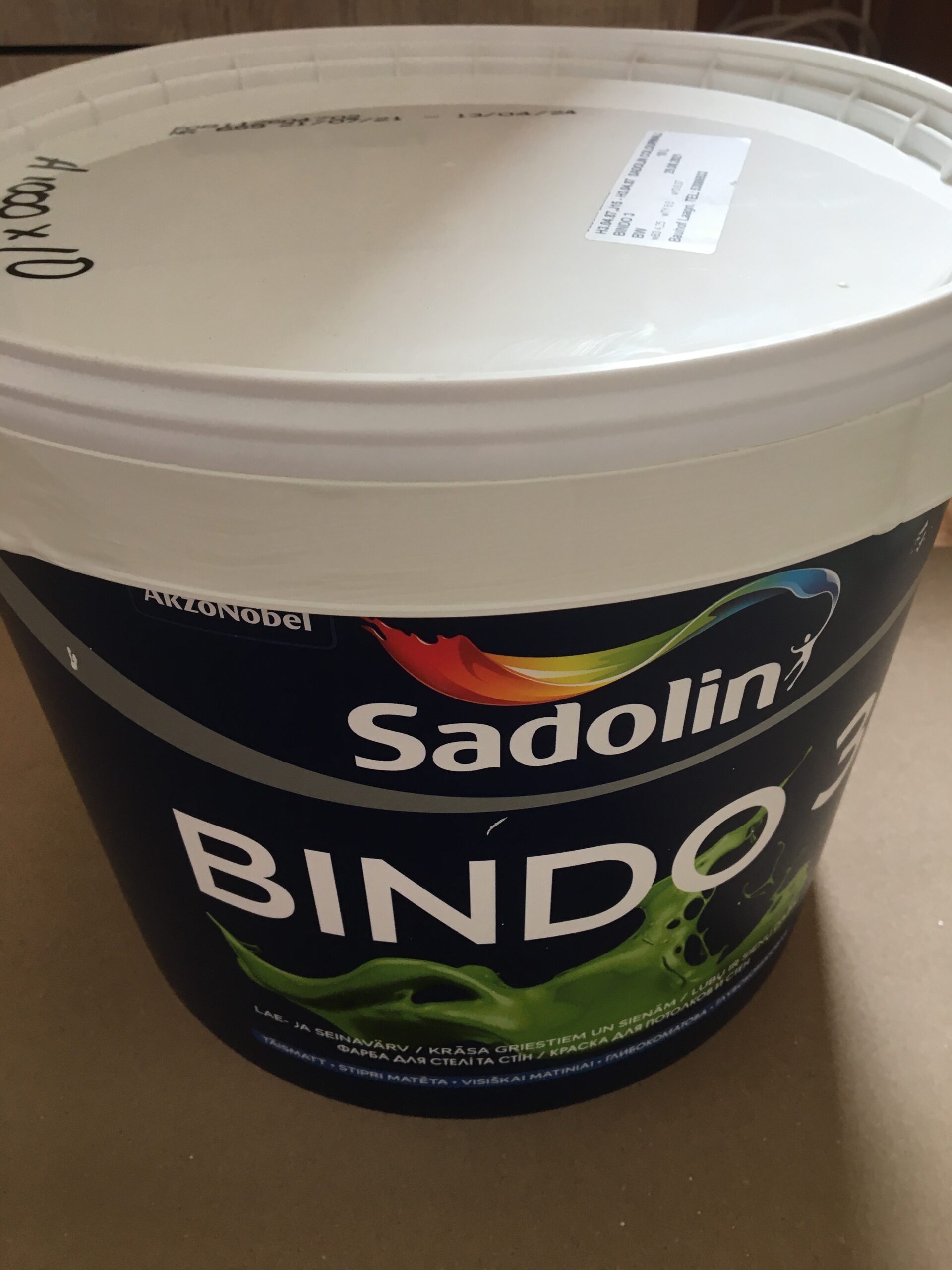
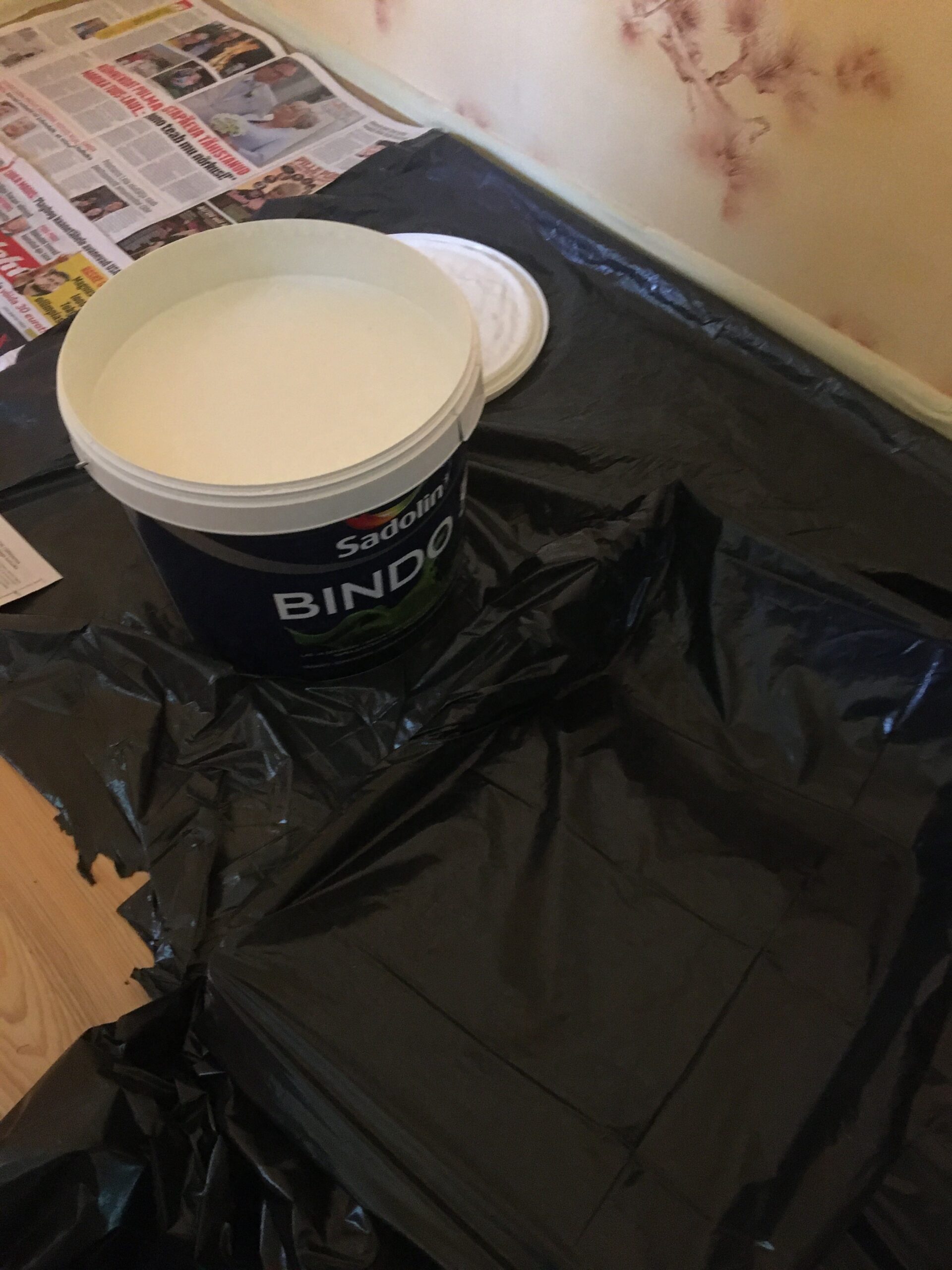
Tip #1: turn to those that know better! Therefore, I turned to Allan (who probably masters all things in this world) and said that I am about to renovate and am wondering where to begin. I wanted calm and plain paint instead of the current wallpaper. Did you know that you can paint the wallpaper? It is not even necessary to tear the wallpaper down. You will need: masking tape (for example MAALRITEIP VIBAC 219 38MM*50M – price ca 2-2.50 EUR), to cover the spots that you do not want to paint (plugs, base molding, etc), then two rolls for painting, a long roll handle, a large underlay for the roll, and wall paint. I bought 2 ten-litre mat colour Sadolin Bindo 3 white paint (cost of one can is ca 40-50 EUR), that we had blended with a different colour in Bauhof. You choose the amount, tell the merchant that you need a different tone, and they mix the extra colour into your paint can without service fee. The paint menu cards are available in every store near the paints section.
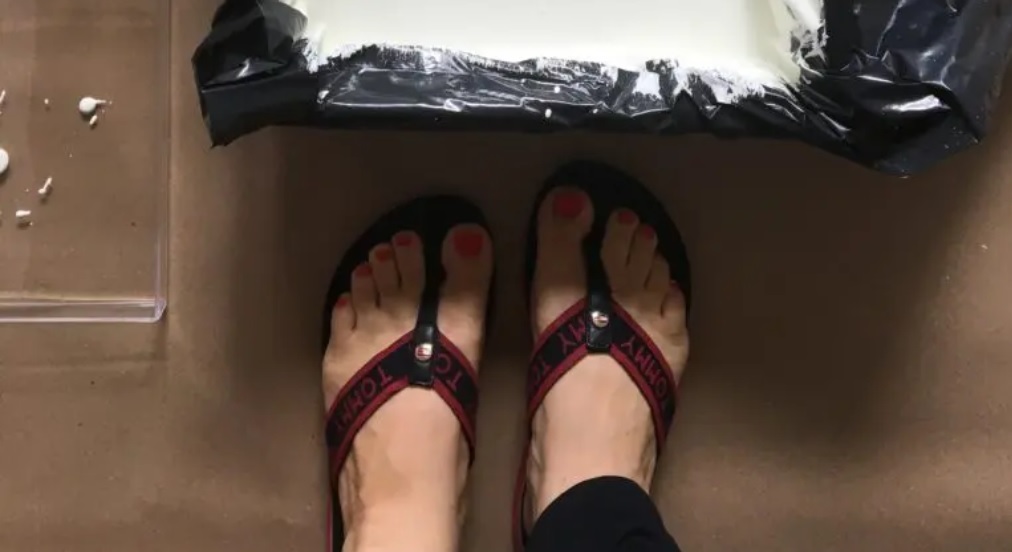
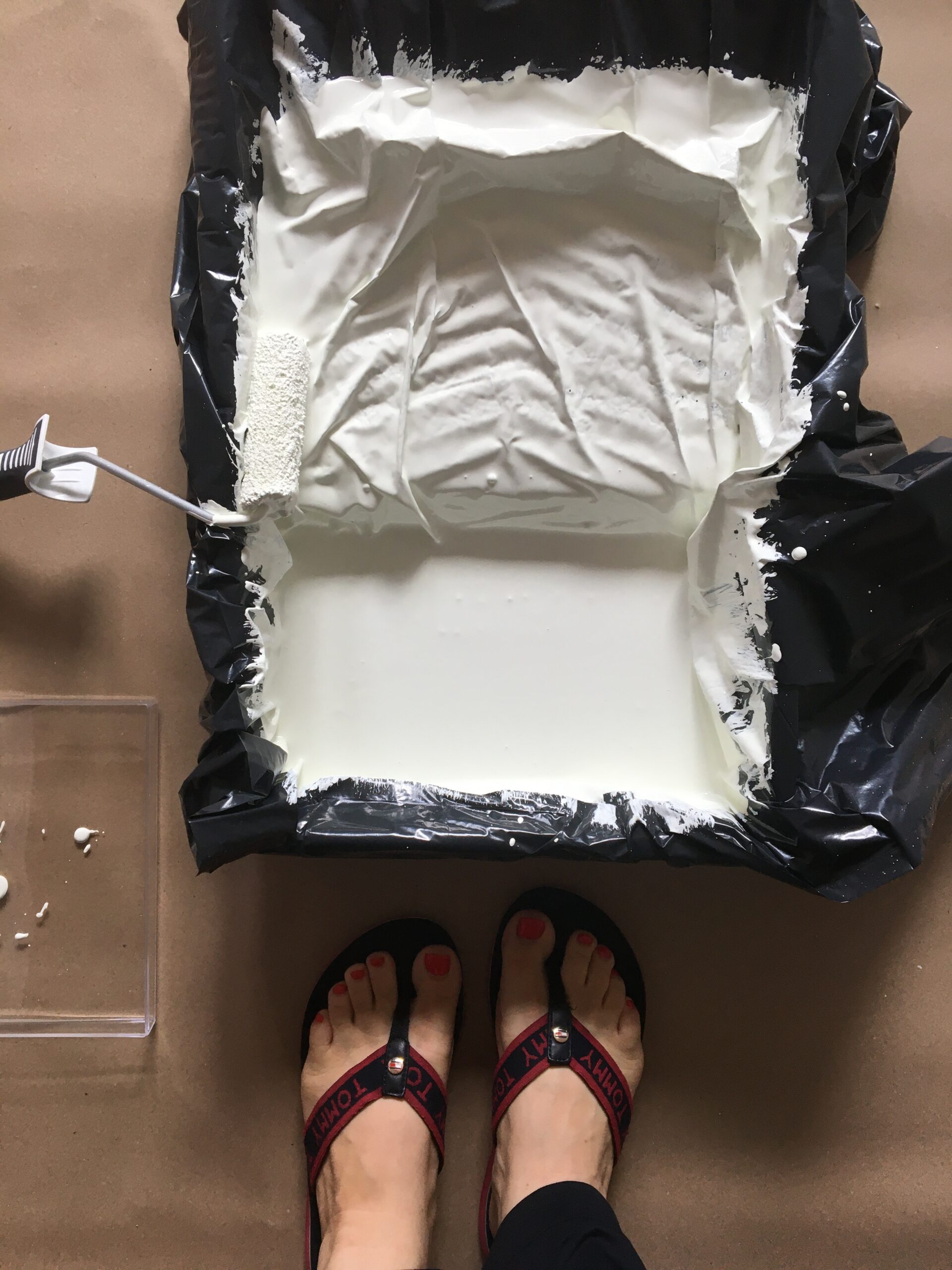
Tip #2: Covering the floor with newspapers as I had initially intended (for the sake of economizing, or perhaps even recycling) is not a good idea. Buy a proper large roll of broad kraft paper – it is inexpensive, will stick well on that same place and afterwards it is easy to clean up.
Tip #3: Taping must be cautious, since this is the most difficult part of the renovation and will take the longest. Once all the edges have been well taped, the painting becomes easy! Do not forget to carefully take the tape off as soon as you finish painting, because the tape will stick to the paint later and may tear the paint off! Heh, I am already talking like a professional painter 😀
Tip #4: Put three layers of paint on the wall, then the result will be smooth and beautiful and you may be sure that the wallpaper pattern will not show! Should the wall have little holes from nails od perhaps small cracks, it would be wise to fill those beforehand with white repair express plaster and putty shovel (or using own hand). Use for example: PENOSIL AKRÜÜL STANDARD VALGE 280ML (will cost a few euros). With the big roll paint in the center of the wall, however, the places that need more attention (edges of the wall and around the plugs), those would need to be painted with a smaller roll.
Tip #5: This one is probably the most important of all tips.. should your hand get tired (mine got tired quite soon ?), then ask your sweetheart if he would be kind enough to lend you a hand and proceed with the painting work 😀 Using this tip, we got our walls painted really fast! Hahaaaa.. We didn’t even wait very long to let the paint dry, and it wasn’t even necessary, because the paint dried quickly. After the first layer we let the paint dry just an hour, after the second layer ca 5 hours. We added the third layer on the same day in the evening, and the renovation of the vestibule as well as the children’s rooms was completed in just one day! Luckily the paint doesn’t have a strong smell, we were able to use the room already one day later.
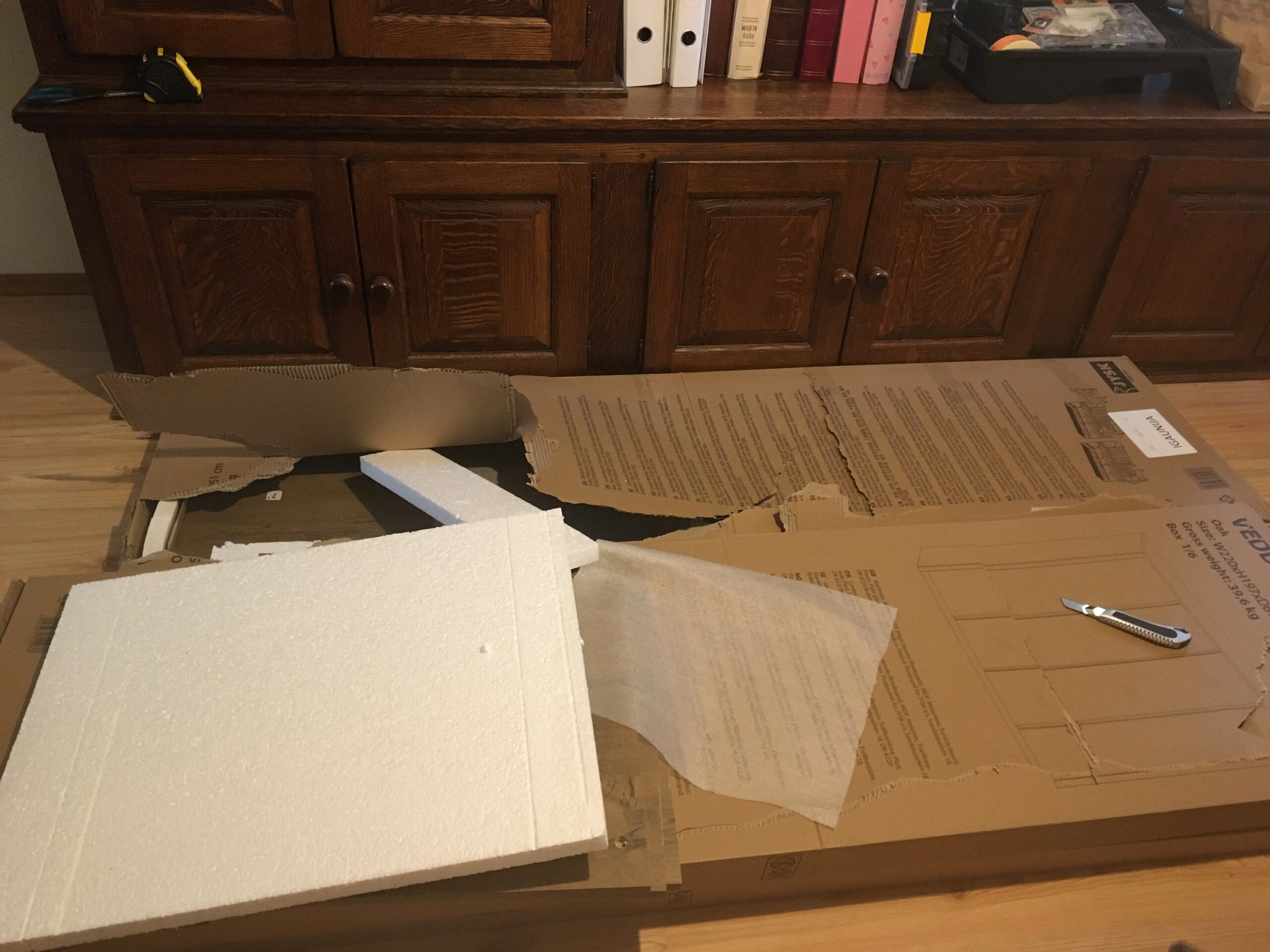
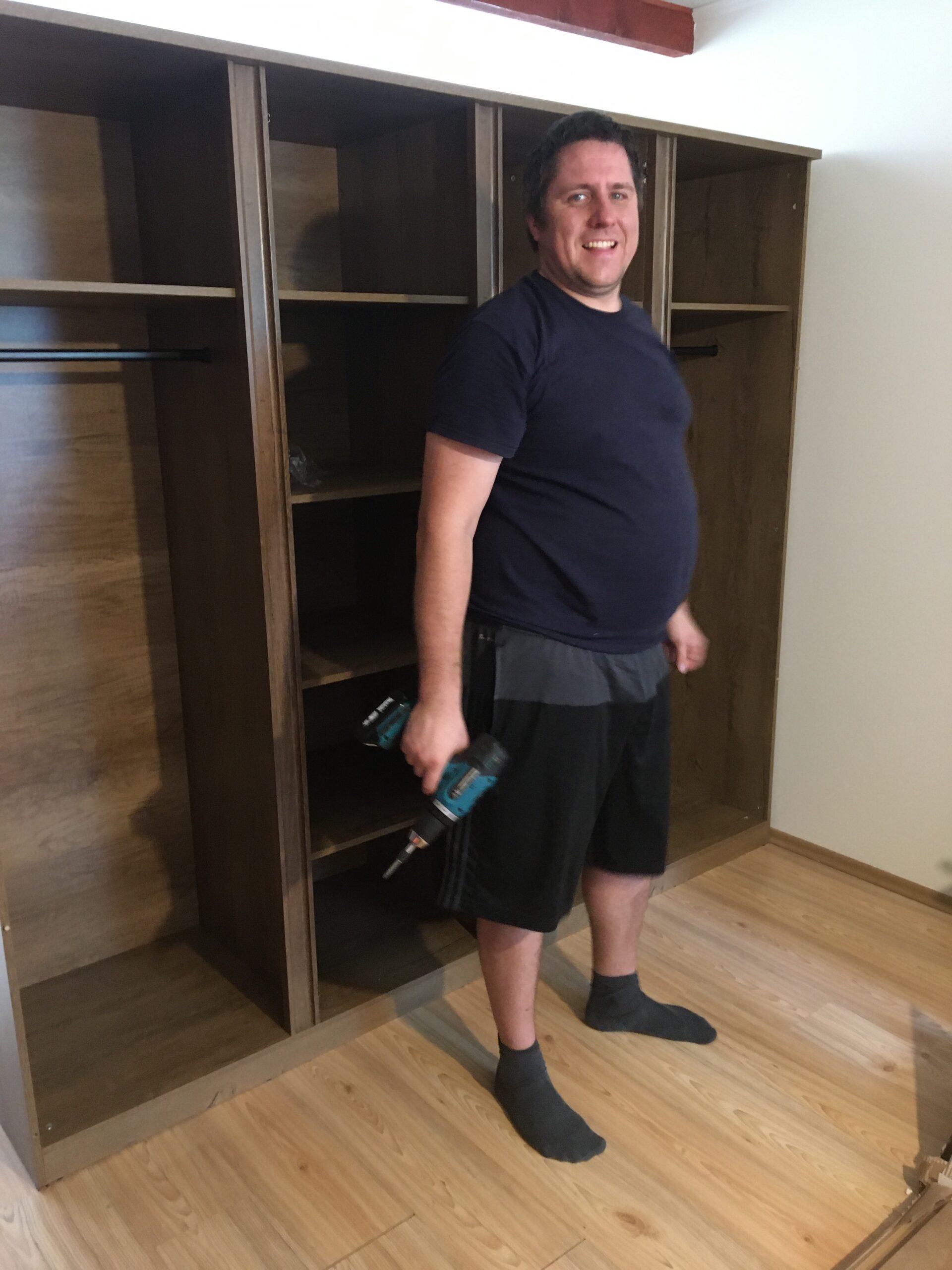
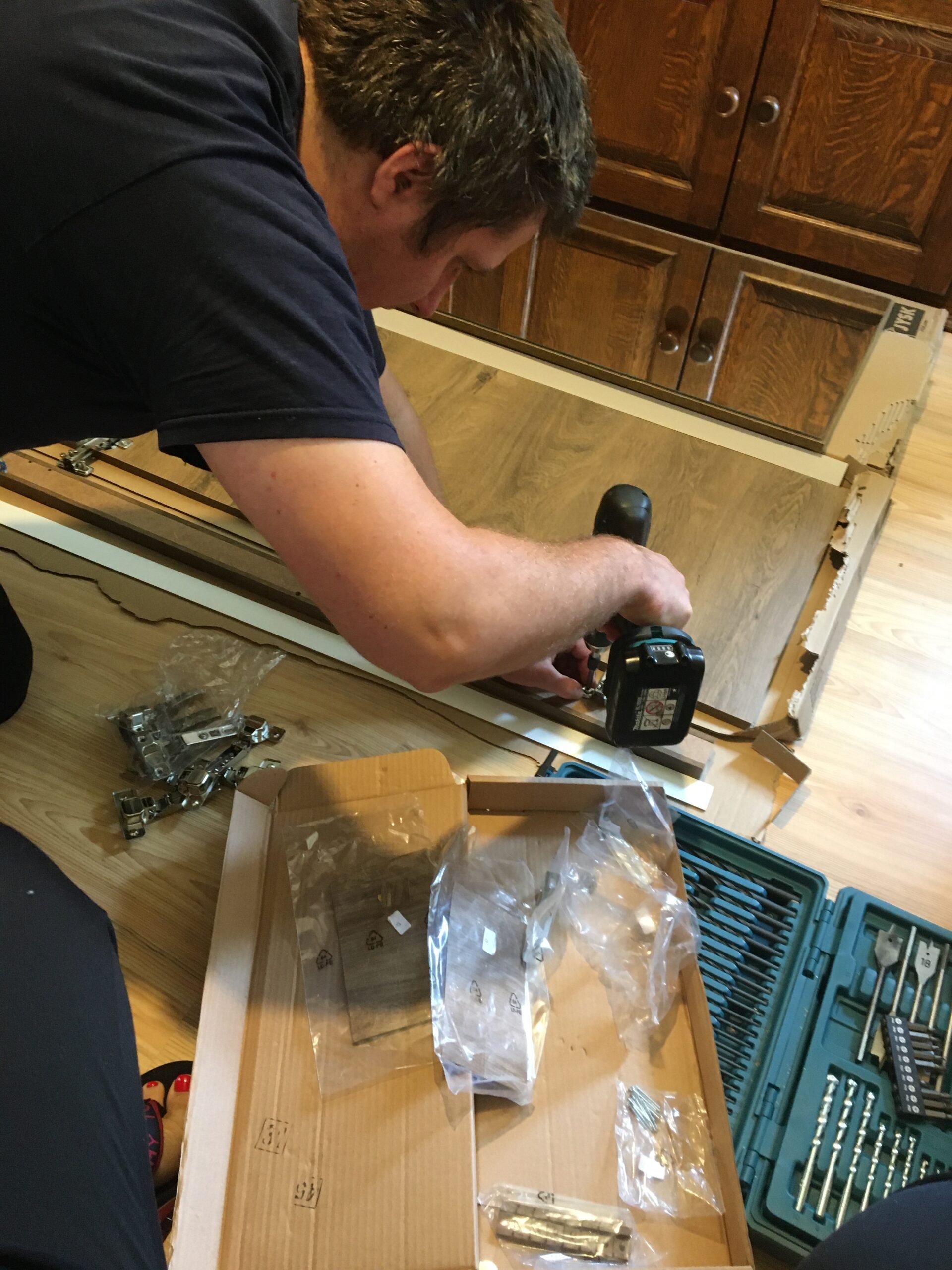
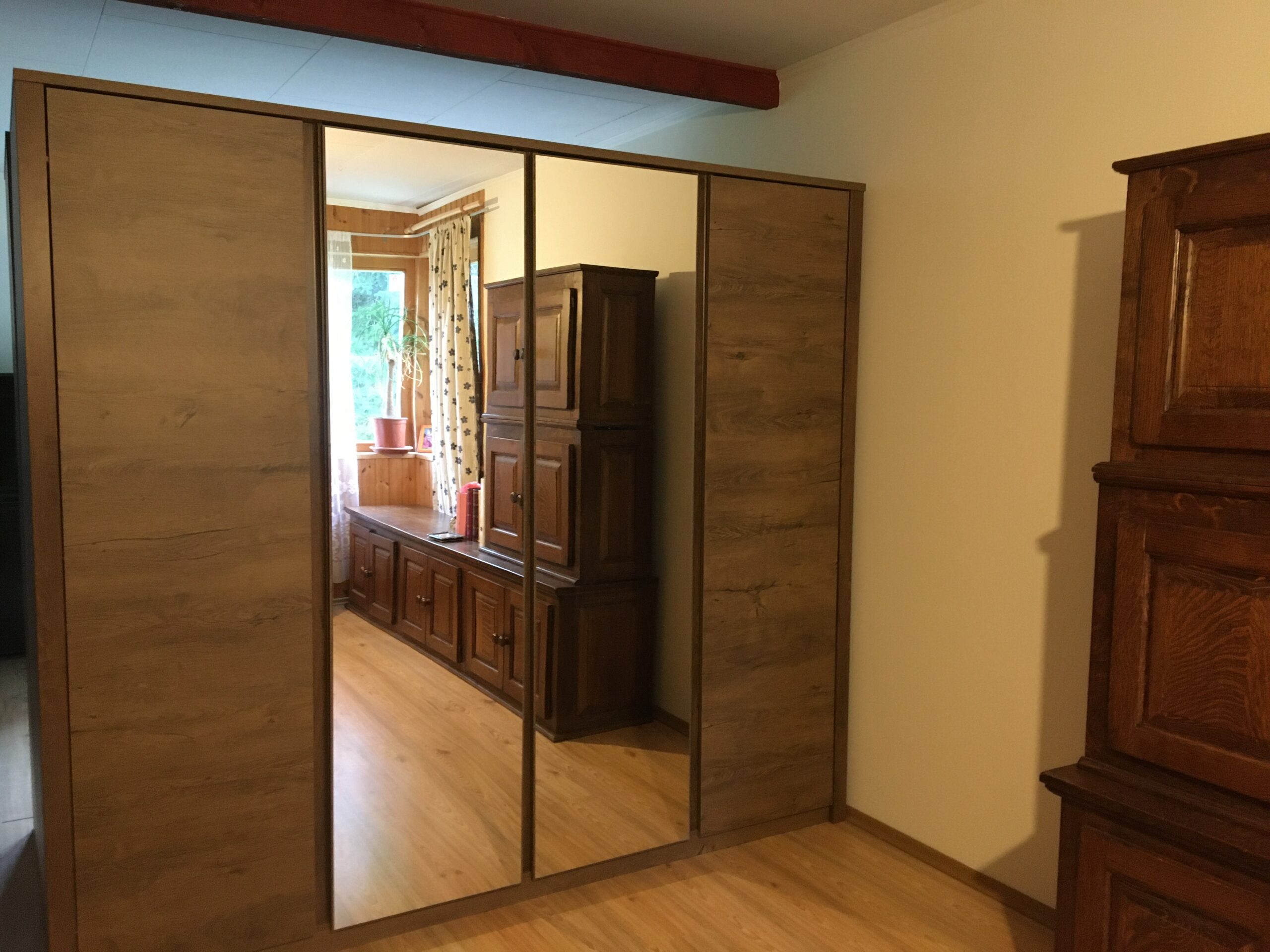
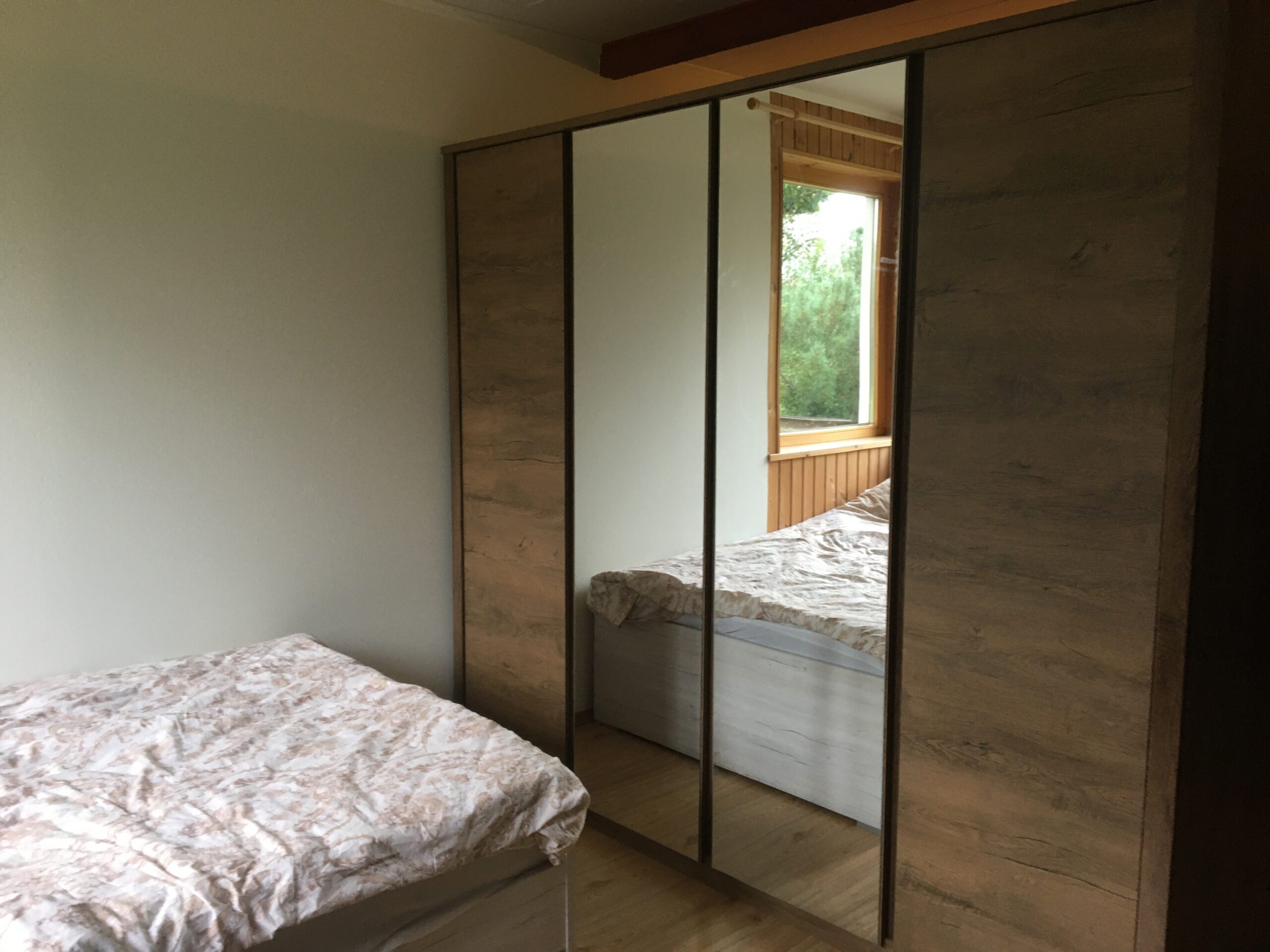
We ordered from JYSK two large and massive closets (VEDDE 4-door closet, 219x197x53cm, total cost 798.- EUR). Again we thought, no outside help – we ourselves assembled also the closets. Well yes, the details that needed to be assembled were a million, but I must say, I have quite the head for this task – I am a good “map reader”. One closet came with a broken panel, but luckily they had a spare one in stock and we could replace it with a new one. We assembled two closets in one day! A cool experience! We get all kind of cooperation going well with Allan, any work and any undertaking just seems to pass effortlessly in our hands! 🙂
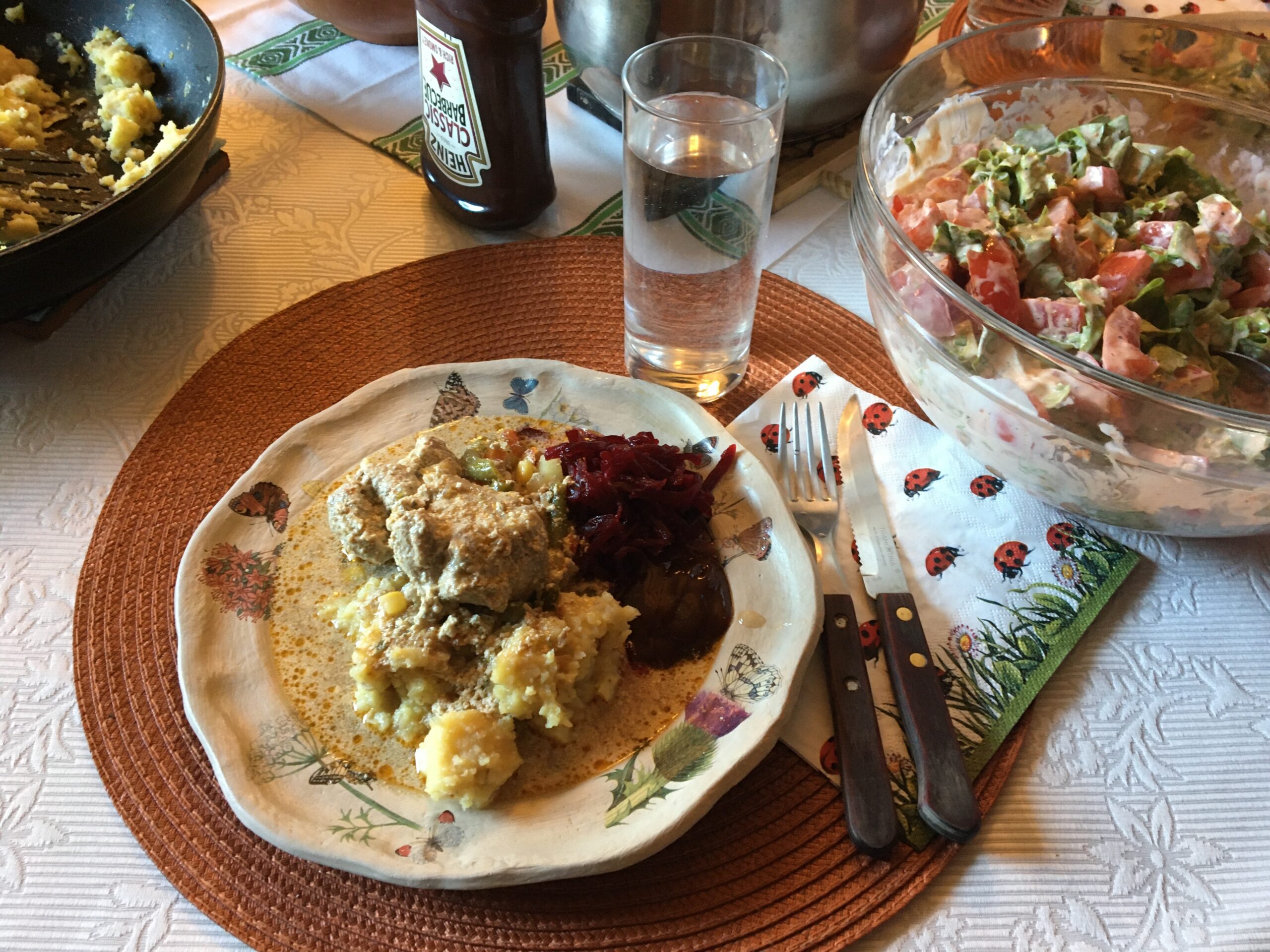
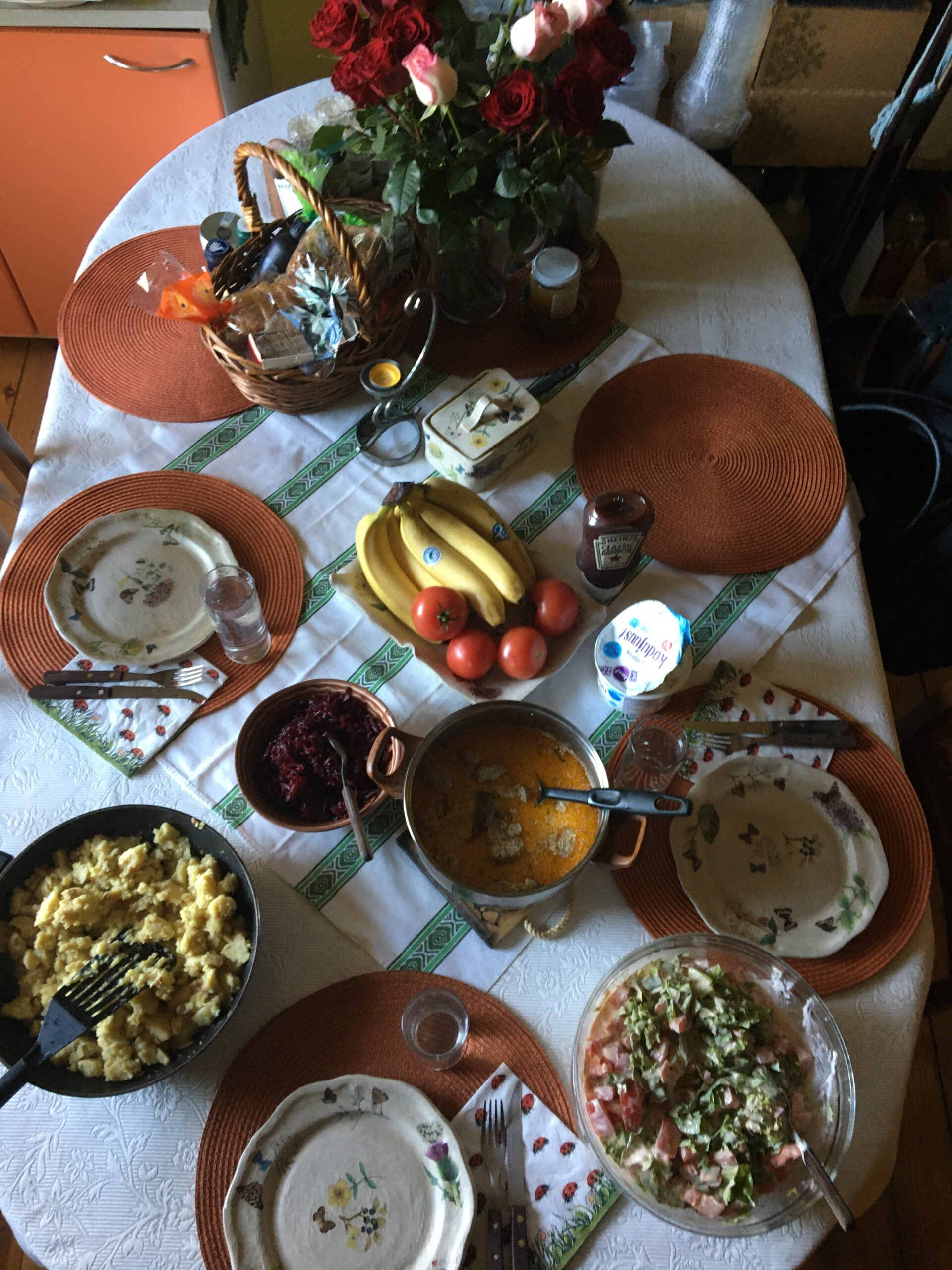
To finish it up, a few pictures from today’s dinner that I made: fresh salad, grated beet, mashed potatos and meat sauce. As always, it was very delicious 🙂
Today’s blog is already getting very long, so the training plans and the depression topic that I mentioned last time will remain for the next time.
NordenBladet — The EU already requires that footwear and textile products clearly indicate what material the item is made of. The Government now proposes to Parliament legislation based on the EU Market Surveillance Regulation, which would specify companies’ obligations related to labelling of materials. The proposed law also enables the imposition of penalty payments for incorrect or deficient labelling. On 21 October 2021, the Government proposed a new Act on labelling of production material in footwear and textile products. In addition to the required labelling, the new law includes a proposal for a penalty payment. According to the proposal, the Finnish Safety and Chemicals Agency Tukes could impose a penalty payment for deficient or incorrect labelling of footwear and textile products. The EU Market Surveillance Regulation requires that Member States enact sanctions nationally.Manufacturers, importers and marketers of footwear and textiles sold in the EU must ensure that all products bear a label indicating the material the product is made of. In Finland, the labels must be in both Finnish and Swedish. Requiring labels of materials is not new, but penalty payments due to incorrect or deficient labels have not been possible before. A key objective of the reform is to improve consumer protection. It is due to come into effect as of the beginning of 2022. The government proposal is part of a more extensive implementation of the Market Surveillance Regulation, the proposal on which was submitted to Parliament on 23 September 2021.
NordenBladet — DHAGE is a thought leadership platform for key decision-makers in Europe to identify synergies and nurture collaborations on digital health policies. The 3rd annual workshop of DHAGE took place on 3rd September 2021. The workshop focused on inclusion and exclusion in digital health and care. A report on the meeting and its outcomes is now published.The 2021 High-Level Meeting of the Group focused on ‘European cooperation solutions to promote digital inclusion and increase the resilience of society’. Digital exclusion and poor health literacy are not new problems but holistic approaches to tackling the issues are still scarce. Key elements to digital inclusion typically include users´ competencies, access to internet and devices, motivation, as well as confidence to use, understand, and engage with technologies, and language understanding.The Workshop ended with five calls for international organizations and governments to act:Ensure digital inclusion by design of health and social services and mandate health care service providers to demand more inclusive, understandable, accessible, and easy-to-use services.Tackle digital exclusion by bringing together social, health and technical communities and base digital services on life events and needs of citizens rather than organisations.Upskill and empower the health workforce with the competencies and skills needed for the use of digital health technologies and for promoting their use and assessment. Develop a Global Interoperability Maturity Model, including a reference to digital inclusion.As part of bettering the knowledge base, international organisations should set up an initiative to gather experience, develop and test both policies and practical action. The Digital Health Advisory Group for Europe (DHAGE) is a thought leadership platform for key decision-makers in Europe to identify synergies and nurture collaborations on digital health policies. The group was created by HIMSS and the Finnish Ministry of Social Affairs and Health. The DHAGE tackles issues facing healthcare in European countries and beyond. The Group is now shifting its efforts to create long-term solutions for the recovery and ongoing resilience of our health systems post the pandemic.More information Sarita Friman, Ministerial Advisor, Ministry of Social Affairs and Health, tel. +358 295 163 349, [email protected] Jukka Lähesmaa, Consulting Officer, Ministry of Social Affairs and Health, tel. +358 295 163 139, [email protected]DHAGE’s report on inclusion and exclusion in digital health on HIMSS’s webpageThe Digital Health Advisory Group for Europe (DHAGE)HIMSS
NordenBladet — One member and two deputy members of the Finnish delegation to the European Committee of the Regions will change. The Government has nominated new candidates for the remainder of the Committee’s term until January 2025.The Government has appointed Niina Ratilainen from the Turku City Council as a new member. New deputy members are Eeva-Liisa Nieminen from the Tuusula Local Council and Manu Huuhilo from the Kouvola City Council. The Council of the European Union will make the final decision on the changes to the Committee’s composition.The Committee of the Regions is an EU advisory body that issues opinions on new regulations concerning regions and municipalities. The members are elected representatives of local and regional public sector entities or carry political responsibility for an elected body. Finland has nine regular members and nine deputy members in the Committee of the Regions. Eight of them are from Continental Finland and one is from Åland. The Committee’s term lasts for five years. The current term started in 2020 and will end in January 2025.Proposed members of the Committee’s Finnish delegationRegular membersMarkku Markkula, Member of Espoo City Council Sari Rautio, Member of Hämeenlinna City Council Anne Karjalainen, Member of Kerava City Council Mikkel Näkkäläjärvi, Member of Rovaniemi City Council Mirja Vehkaperä, Member of Oulu City Council Ilpo Heltimoinen, Member of Lappeenranta City Council Mikko Aaltonen, Member of Tampere City Council Niina Ratilainen, Member of Turku City Council (new)Åland: Bert Häggblom, Member of the Parliament of ÅlandDeputy membersPauliina Haijanen, Member of Tuusula City Council Jari Andersson, Member of Sastamala City Council Sanna Rissanen, Member of Liperi Local Council Merja Lahtinen, Member of Jämsä Local Council Pekka Myllymäki, Member of Mynämäki Local Council Patrik Karlsson, Member of Vantaa City Council Eeva-Liisa Nieminen, Member of Tuusula Local Council (new) Manu Huuhilo, Member of Kouvola City Council (new)Åland: Annette Bergbo, Member of Parliament of Åland
NordenBladet — The Government has extended the validity of the decree restricting the activities of food and beverage service businesses until 15 November 2021. The existing regional restrictions on food and beverage service businesses will remain unchanged.Restrictions on food and beverage service businesses in the regions of Southwest Finland, Satakunta, Päijät-Häme, Ostrobothnia, South Ostrobothnia, Central Ostrobothnia and Uusimaa, which are all at the community transmission phase of the epidemic, from 31 OctoberFood and beverage service businesses may serve alcoholic beverages between 7.00 and 00.00 and be open between 5.00 and 1.00.Food and beverage service businesses that primarily serve alcoholic beverages may have only half the normal number of customer seats in use in their indoor and outdoor premises. Other food and beverage service are restricted to 75 per cent of their normal number of customer seats indoors.All customers must have their own seats at a table or similar in indoor premises.Businesses who require all customers to present a COVID-19 passport are exempt from the restrictions.Restrictions on food and beverage service businesses elsewhere in the country, i.e. in the regions where the epidemic is at the acceleration or baseline phase, from 31 OctoberThere are no separate restrictions on the number of customers or on licensing and opening hours.The obligation to observe the general hygiene guidelines and to keep a safe distance applies in all regions.Exceptions to restrictions remain unchangedThe restrictions laid down in the decree do not apply to the activities of staff restaurants or to takeaway sales of food to customers. The restrictions on opening hours do not apply to food and beverage service businesses on vessels and aircraft that operate between Finland and other countries or abroad or to food and beverage service businesses that operate at distribution stations for liquid fuels.
NordenBladet — In its session on 28 October, the Government appointed the Truth and Reconciliation Commission Concerning the Sámi People. The work to establish the Truth and Reconciliation Commission has continued in line with the Programme of Prime Minister Sanna Marin’s Government. The matter has been prepared in close cooperation with representatives of the Finnish state, the Sámi Parliament and the Skolt Sámi Siida Council. The aim of the commission is to collect Sámi people’s experiences of the actions of the Finnish state and its various authorities and to make this information visible to the public.“I wish the Truth and Reconciliation Commission the best of success in its important work. Our common goal is for the commission’s work to increase dialogue and trust between the Sámi and the state. Only by understanding what the Sámi have experienced can we truly find solutions for the future,” says Prime Minister Sanna Marin.“Today marks the start of an important undertaking to investigate the discrimination experienced by the Sámi and the consequences of state assimilation policy. There are still barriers to the recognition and implementation of the rights of the Sámi as an indigenous people in Finland. I hope that this difficult process will result in concrete measures that genuinely advance the status of the Sámi in Finnish society,” says Tuomas Aslak Juuso, President of the Sámi Parliament.“The Truth and Reconciliation Commission Concerning the Sámi people will do important and also very difficult work. The start of the commission’s work follows several years of careful preparations aiming to increase understanding and trust between the Sámi and the state. We hope that the commission will be successful in its work and will have sufficient resources to ensure that success,” says Skolt Sámi Elder Veikko Feodoroff.The Truth and Reconciliation Commission is an impartial and independent body. It consists of five Commissioners, two of whom are appointed based on a proposal from the Government, two based on a proposal from the Sámi Parliament and one based on a proposal from the Skolt Sámi Siida Council.The Commission’s members are: Heikki J. Hyvärinen, Doctoral Researcher, Master of Laws Irja Jefremoff, Master of Administrative SciencesKari Mäkinen, Archbishop Emeritus, Doctor of TheologyHannele Pokka, Professor of Practice, Doctor of LawsMiina Seurujärvi, Master of Arts The purpose of the truth and reconciliation process is:to identify and assess historical and current discrimination, including state assimilation policy, and violations of rights,to find out how these injustices affect the Sámi people and their communities today,to propose ways to promote links between the Sámi and the state of Finland and among the Sámi people, andto raise awareness about the Sámi as the indigenous people of Finland. A further aim is to ensure that, as a result of the truth and reconciliation process, the state of Finland will bear responsibility for its actions and, together with the Sámi Parliament, the Skolt Sámi Siida Council and other Sámi operators, will work to strengthen the realisation of the rights of the Sámi people in Finland. Psychosocial support is an integral part of the implementation of the truth and reconciliation process.
The commission will draw up a report on its work that includes proposals for measures. The report will be submitted to the Government, the Sámi Parliament and the Skolt Sámi Siida Council by 30 November 2023. In Finland, the status of the Sámi as an indigenous people is guaranteed by the Constitution. By virtue of section 17, subsection 3 of the Constitution, the Sámi, as an indigenous people, have the right to maintain and develop their own language and culture.International role modelsThe international institution of truth and reconciliation commissions emerged in the 1970s. Internationally, truth commissions or truth and reconciliation commissions refer to processes that examine collective injustices in history. Truth and reconciliation commissions have been established in about 40 countries.
NordenBladet — On 28 October 2021, the Government proposed amendments to the Act on Support for Business Costs. The new round of business cost support will be allocated to tourism, restaurant and event companies in particular. The support will be granted by the State Treasury. Applications would be accepted from December 2021.Companies in other sectors would also be eligible for the support, if a restriction under public law to stop the spread of a pandemic has affected their customer base to a significant degree. A recommendation issued by an authority alone is not considered a restriction.
The objective of the Act is to support the operational continuity of companies particularly affected by the coronavirus pandemic and related restrictions during the difficult situation and to reduce the number of companies filing for bankruptcy by providing them with additional time to adapt their operations and costs after the prolonged coronavirus crisis.
The proposal is related to the fourth supplementary budget proposal for 2021 and is intended to be considered in conjunction with it. A separate government proposal will be issued on extending the validity of the Act after 31 December 2021.