Reklaam

Helena-Reet Ennet

Helena-Reet Ennet
4698 POSTS 0 COMMENTS

Finland: Family leave reform to increase gender equality and flexibility in daily lives of today’s families and in everyday working life

NordenBladet — The Government has completed its proposal for the family leave reform, and the proposal will now proceed to Parliament for consideration as decided by the Government on 16 September. The reform is scheduled to enter into force on 1 August 2022.

“The family leave reform is a significant step in developing the family leave system and improving gender equality. It is an investment in families with children, taking account of different types of families. It is also an important factor in achieving the Government’s population policy objectives. This proposal will help us move towards a more socially sustainable society,” says Hanna Sarkkinen, Minister of Social Affairs and Health.

“We will move to a family leave model that meets the needs of modern society. The number of daily allowance days will increase from the present level. The reform will also give parents considerably more flexibility as they will be able to take leave in several parts or on a part-time basis. In families with two parents, both parents will have an equal quota of daily allowance days. More and more social parents will be able to take family leave when it becomes possible for parents to transfer some of their daily allowance days to their spouse, the spouse of the child’s other parent or other custodian of the child. The reform also takes into account single parents, multiple-birth families and cases where the child dies,” says Minister Sarkkinen.

Family leave reform promotes equality in working life
The family leave reform aims to increase gender equality both in the daily lives of families and in working life. The position of women in the labour market will improve when family leave is divided more equally between the two parents. This will affect attitudes, which in turn can reduce discrimination against women in working life.

“The message of the reform is not only for parents but also for employers that both the mother and the father can take parental leave. Workplaces play a key role in what the general attitude is towards parents, and particularly men, taking family leave. I hope that the reform will encourage fathers to take family leave and employers to support men in doing so. The reform will also help reduce the gender pay gap,” says Minister of Employment Tuula Haatainen. It also seeks to improve the balance between work and family life. It will be possible to split the family leave into more parts than before or to take family leave on a part-time basis.

Equal and flexible family leave model
Watch the animation to learn more about the basic model of the family leave reform (link).  When implemented, the family leave reform will give both parents a quota of 160 daily allowance days. Parents will be allowed to transfer up to 63 daily allowance days of their own quota to the other parent, other custodian, their spouse or the spouse of the other parent. For the final stage of pregnancy, there will be a pregnancy allowance period of 40 daily allowance days. There will be six daily allowance days per week. All in all, daily allowance days will amount to more than 14 months. Single parents will have the right to use the quotas of both parents. Twins, triplets and other multiple-birth children will form an exception to this model — the quota of daily allowance days for their parents will increase by 84 daily allowance days per second child and every child thereafter.

Under the new model, parents can use daily allowance days until the child reaches the age of two. Daily allowance days can be used in several parts. Parents in employment relationships will be entitled to split the leave up to four parts. Only pregnancy allowance days will have to be used in a single continuous period and started 14–30 days before the estimated due date. All parents who have custody of their child will have an equal right to daily allowance regardless of whether they are biological or adoptive, custodial or non-custodial and regardless of the gender of the parent.

At present, the types of family leaves available to parents are the mother’s maternal allowance period (105 working days or approximately 4.2 months) which starts before the estimated due date, the father’s paternal allowance period (54 working days or approximately 9 weeks) and the parental allowance period which may be taken by one of the parents or shared between the parents (158 working days or approximately 6.3 months).

Estonia: UK’s Royal Tank Regiment takes over lead role of NATO battlegroup Estonia

NordenBladet — During a formal Transfer of Authority parade in Tapa Camp yesterday (Thu, 16 September 2021), the British Army´s Royal Tank Regiment Battlegroup took over the lead role for the NATO enhanced Forward Presence in Estonia, ensuring a smooth transition from the outgoing 1 Mercian Battlegroup. It like its predecessor comes under the command of the 1st Estonian Brigade.

Around 800 soldiers from the 1 Mercian Battlegroup have now completed their six-month deployment in Estonia, having taken part in a wide range of challenging small and large-scale exercises such as Spring Storm and Furious Wolf.

“This was the first deployment of a Mercian-led Battlegroup to Estonia, and I can safely say that this has been a very valuable experience for the troops,” said Lieutenant Colonel Dean Canham, Commanding Officer of the 1 Mercian Battlegroup. “Maintaining our fighting capabilities, we became a fully integrated part of the 1st Estonian Brigade; we learned a lot from our Estonian colleagues and were also able to provide new experiences for them, especially when it comes to combined operations involving tanks and infantry. We wish the Royal Tank Regiment Battlegroup well for a successful tour.”

The Royal Tank Regiment Battlegroup constitutes the ninth UK rotation into Estonia since 2017, when the first troops arrived under the banner of NATO´s enhanced Forward Presence to the Baltic states and Poland. Currently, the NATO battlegroup in Tapa is made up of UK and French forces.

“The Royal Tank Regiment is honoured and thrilled by the opportunity to deploy to Estonia,” said Lieutenant Colonel Simon Worth, Commanding Officer of the Royal Tank Regiment Battlegroup. “We have trained hard to reach the standard required for this demanding deployment, including a challenging six-week deployment in Germany, and are now ready to begin our mission. We are aware of the solemn commitment that the UK has made to the Estonian people and to our NATO allies, and are determined to deliver this important role to the best of our ability. In particular we are really looking forward to working with our aligned French Squadron and to operate within the 1st Estonian Brigade – the mission will provide a great opportunity to learn from each other and to improve the way that we work together. On a personal note I am really looking forward to meeting the Estonian people and to learning more about this fascinating and beautiful country.“

The Royal Tank Regiment is the oldest tank regiment in the world, tracing its origins to units formed in 1916, when tanks were first used in battles during the First World War. The “Tank Corps” battalions were formed in 1917 and in 1923 they were officially given the name “Royal Tank Corps” by King George V. In 1939 the Corps was renamed the Royal Tank Regiment, becoming a wing of the newly created Royal Armoured Corps.

During the Second World War, Royal Tank Regiment units took part in numerous battles including El Alamein, the Italian Campaign and the D-Day landings in France. In recent decades, the regiment has been involved in various operations, including those in Kosovo, Iraq and Afghanistan. This year a squadron from the Royal Tank Regiment has been part of the outgoing 1 Mercian Battlegroup.

The Royal Tank Regiment is the only UK Army unit whose members wear black uniforms or “coveralls”. These uniforms were adopted when tanks were first-used and the black colour was chosen to hide the inevitable oil stains that would appear when the tanks were operated. The black beret, another part of the regiment´s uniform, was also adopted early on, as wearing a peaked cap was found unsuitable for use in tanks.

The NATO Battlegroup is following Estonian and UK government advice and regulations regarding limiting the spread of COVID-19. All such regulations were followed during the ceremony.


Estonia: Baltic and Swedish Speakers emphasised close contacts of the last three decades

NordenBladet — At the history seminar dedicated to the 30th anniversary of the restoration of diplomatic relations between Sweden and Estonia, Latvia and Lithuania, held in the Parliament of Sweden the Riksdag today, close parliamentary connections and mutually supportive good relations were highlighted.

President of the Riigikogu (Parliament of Estonia) Jüri Ratas recalled in his speech that Estonia’s restored independence had not been recognized at once, achieving it took both persistent action and talks, and the international community had to be convinced that Estonia’s claim of statehood was justified. “Fortunately, we were not left alone in this struggle,” Ratas said, and thanked friends and allies for their support.

The Kingdom of Sweden re-recognised the Republic of Estonia on 27 August 1991 and was the very first country to appoint its ambassador to Estonia. Swedish Ambassador Lars Arne Grundberg started his assignment in Tallinn only nine days after the restoration of independence.

Ratas pointed out in his speech that the young generation in Estonia had grown up having no personal memory of the Soviet regime. He remarked that on 17 October the young people who have been born in the EU member state Estonia would use their right to vote in the local elections. “The life speeds fast forward, and we think less and less of the past,” Ratas admitted. “Events like the today’s seminar help us to reconnect with important landmarks of our history.”

Speaker of the Riksdag Dr Andreas Norlén, who opened the seminar, emphasised the close relations between Sweden and the Baltic States during the last three decades. He said that the three Baltic States had had to fight for their independence and for restoration of their independence. Sweden could support the Baltic Stated by becoming the first country that opened its diplomatic representations. Speaker of the Riksdag assured that the interparliamentary communication that had started in these times continued today and would also continue in the future.

The President of the Riigikogu is accompanied on the visit by Chairman of the National Defence Committee of the Riigikogu Enn Eesmaa and Chair of the Estonia-Sweden Parliamentary Group Yoko Alender, who met with Second Deputy Speaker of the Riksdag Lotta Jonsson Fornarve. At the luncheon hosted by the Deputy Speaker, the events of 30 years ago were recalled and current problems, like overcoming the COVID pandemic and the need to tackle the spread of false information hindering the opening of societies, were discussed.

The joint meeting with members of the Committees on Foreign Affairs and Defence, which took place in the afternoon, mainly focused on different aspects of the security of the region. Traditional as well as cyber and hybrid threats were discussed. The need to support the Eastern Partnership and to have closer cooperation with like-minded countries outside the European Union was admitted. It was unanimously found that the Nordic and Baltic (NB8) cooperation had a great potential in transatlantic relations.

Tomorrow the Speakers of the Parliaments of Estonia. Latvia and Lithuania will have an audience with His Majesty King Carl XVI Gustaf of Sweden.


Helena-Reet: What has just happened to me?

NordenBladet – Since the beginning of this week I have been exhausted and unwell.. It just sucks to be ill! I like to be active and it gets on my nerves when time goes by and I am not able to spend it purposefully and efficiently. But you cannot ignore health matters (read: also fatigue) though that’s what I have tried.

On Tuesday when I was taking children to school, I got a feeling of constraint and squeezing in my chest (more or less a pre-myocardial infarction feeling, not that I know the feeling… but anyway…). I stopped the car and called Allan. I told him I felt weird, that it was difficult to breathe and there was a slight wave of panic taking over. After driving the children to school I was about to visit my oral hygiene specialist Marina Sõõru at Unimed Clinic. I am scared of dentists as well as of new strange roads (trajectories that I have not driven before, or places where the parking is not my usual parking routine, these make me stressed and anxious). We had a video call and seeing him calmed me down. He always has the effect of boosting the feelings of safety and serenity. Love can actually cure!!! Allan to me is just like a sedative pill – he is sizable, strong and smart – in his arms I am safe, his voice is soothing, he always knows what would be best in each situation, he has hands of gold and a sharp mind + he is super calm and concrete, which in my case is a must have!

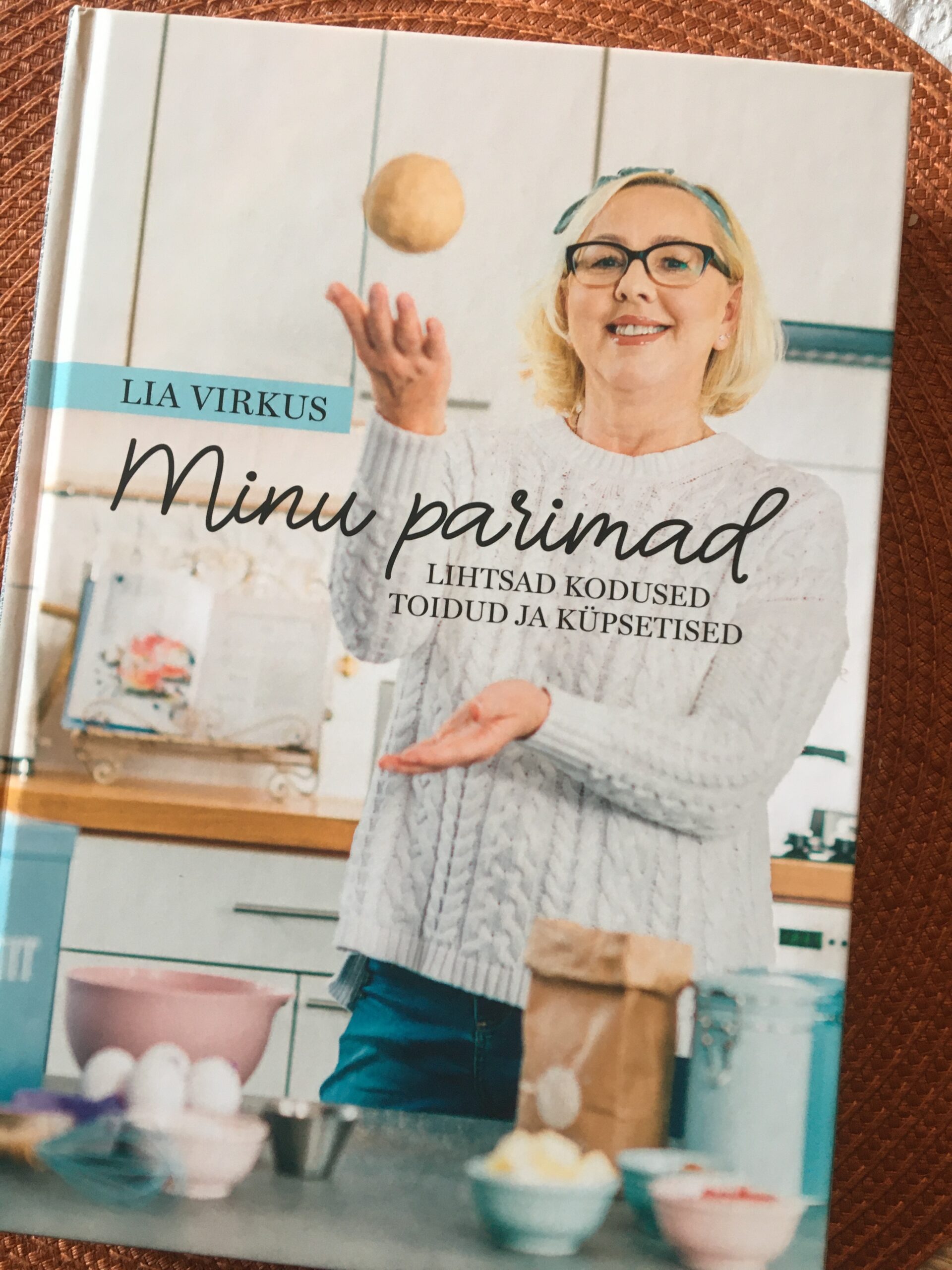
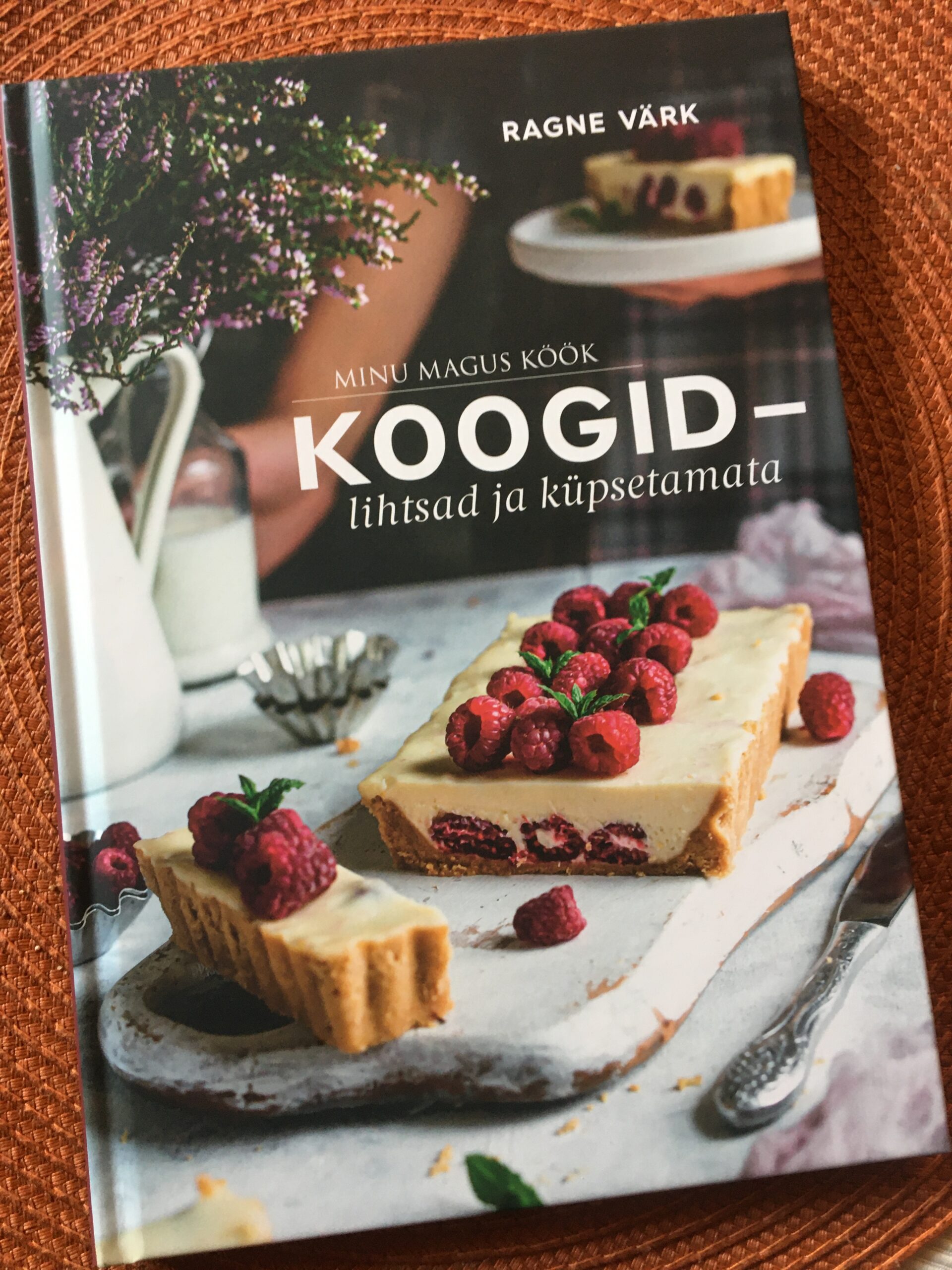
Luckily I had scheduled the time with no hurry and managed to park the car normally and made it on time. Oral care cost 70 euros (it included mechanical cleaning of teeth, removal of calculus and also pearl wash). This done, I went to Järve Selver. I, a devoted housewife, found there from Apollo bookstore two really cool and inspiring cookbooks – Lia Virkus’s “Minu parimad” (31.95) and Ragne Värk’s “Koogid – lihtsad ja küpsetamata” (21.90). I thumbed them through in the store and thought to myself that I cannot wait until I can try all these fine recipes at home when cooking for my family! Indeed, both contain lots of exciting and inviting recipes! Yummm***

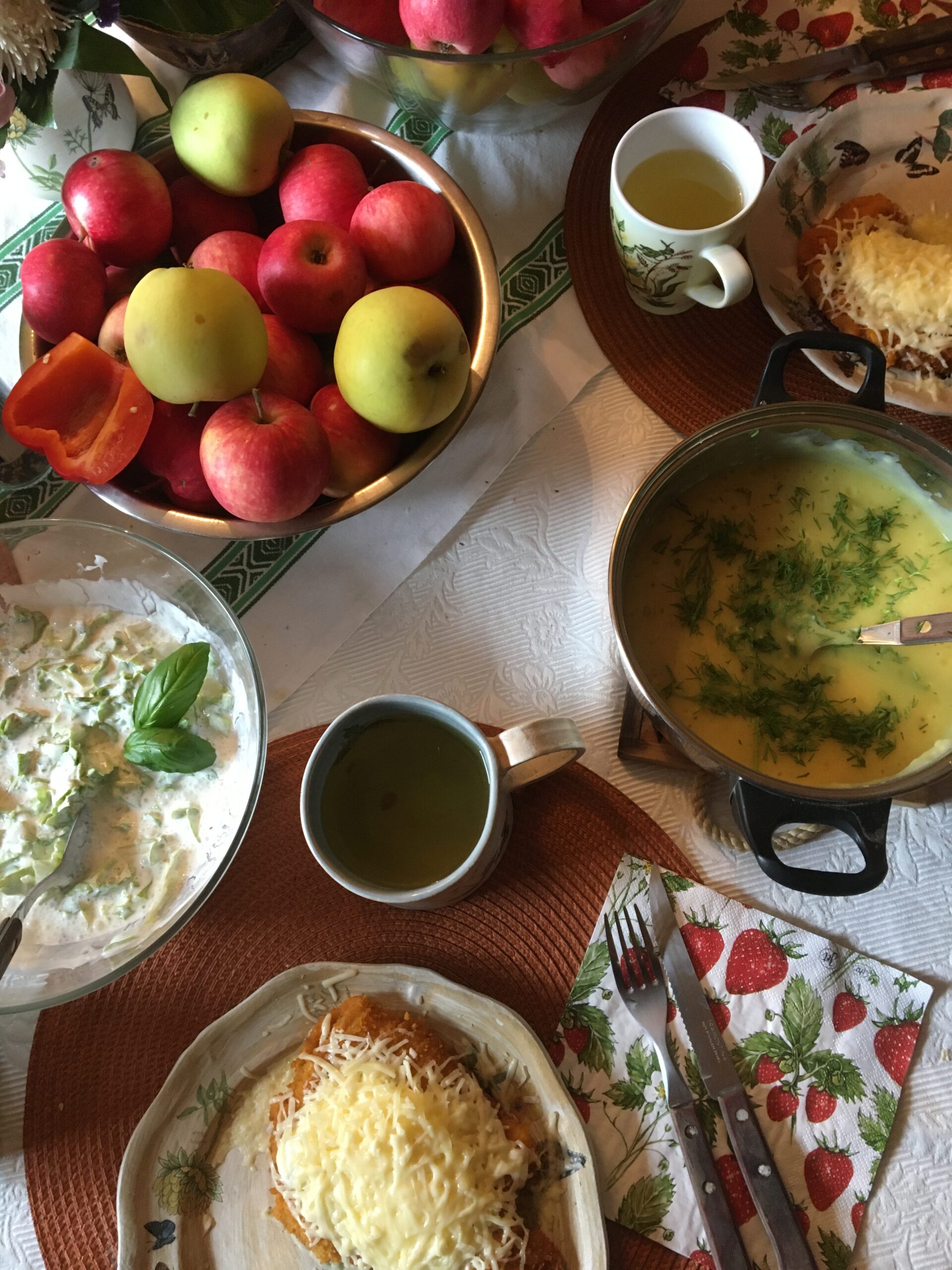
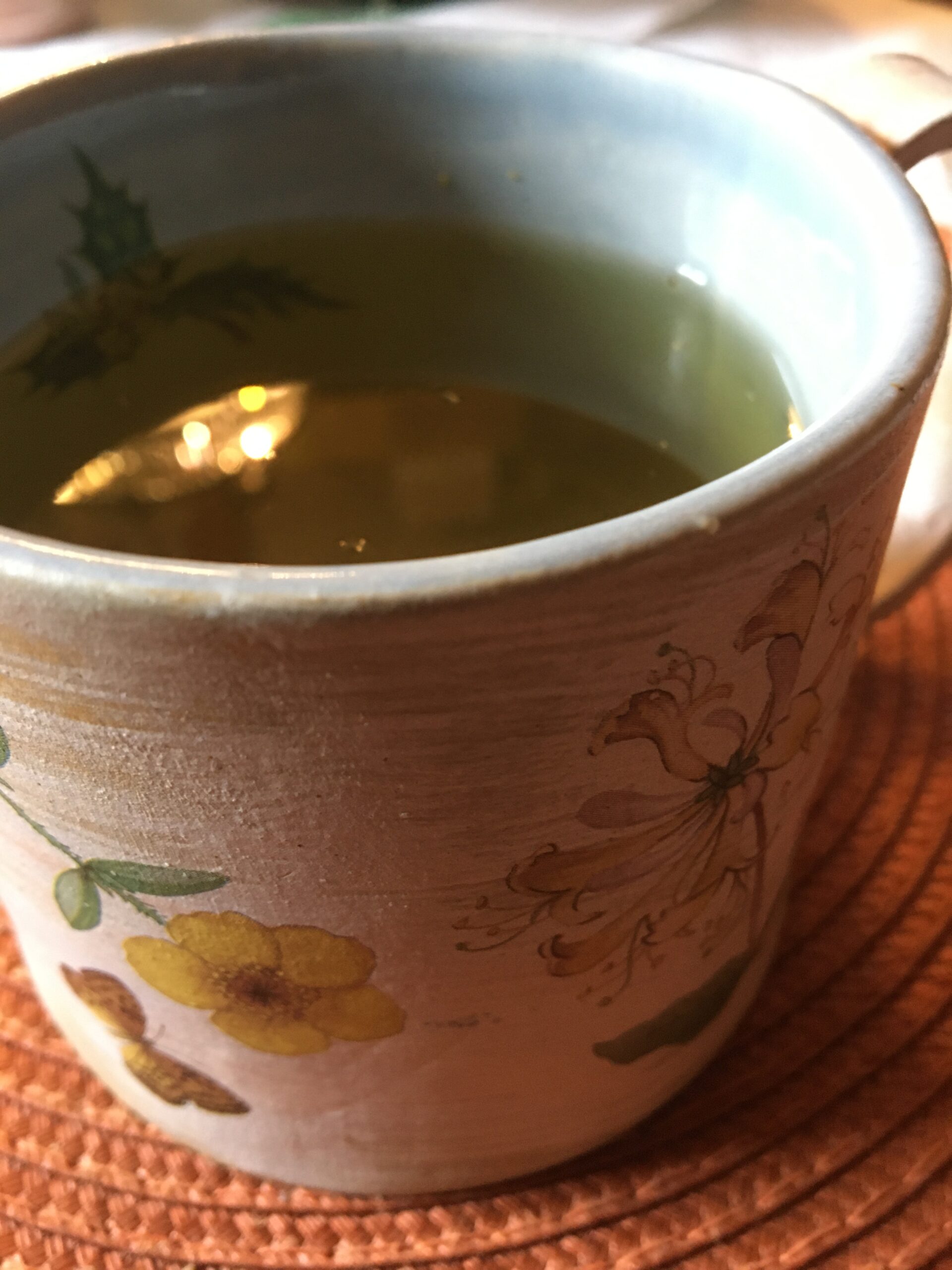
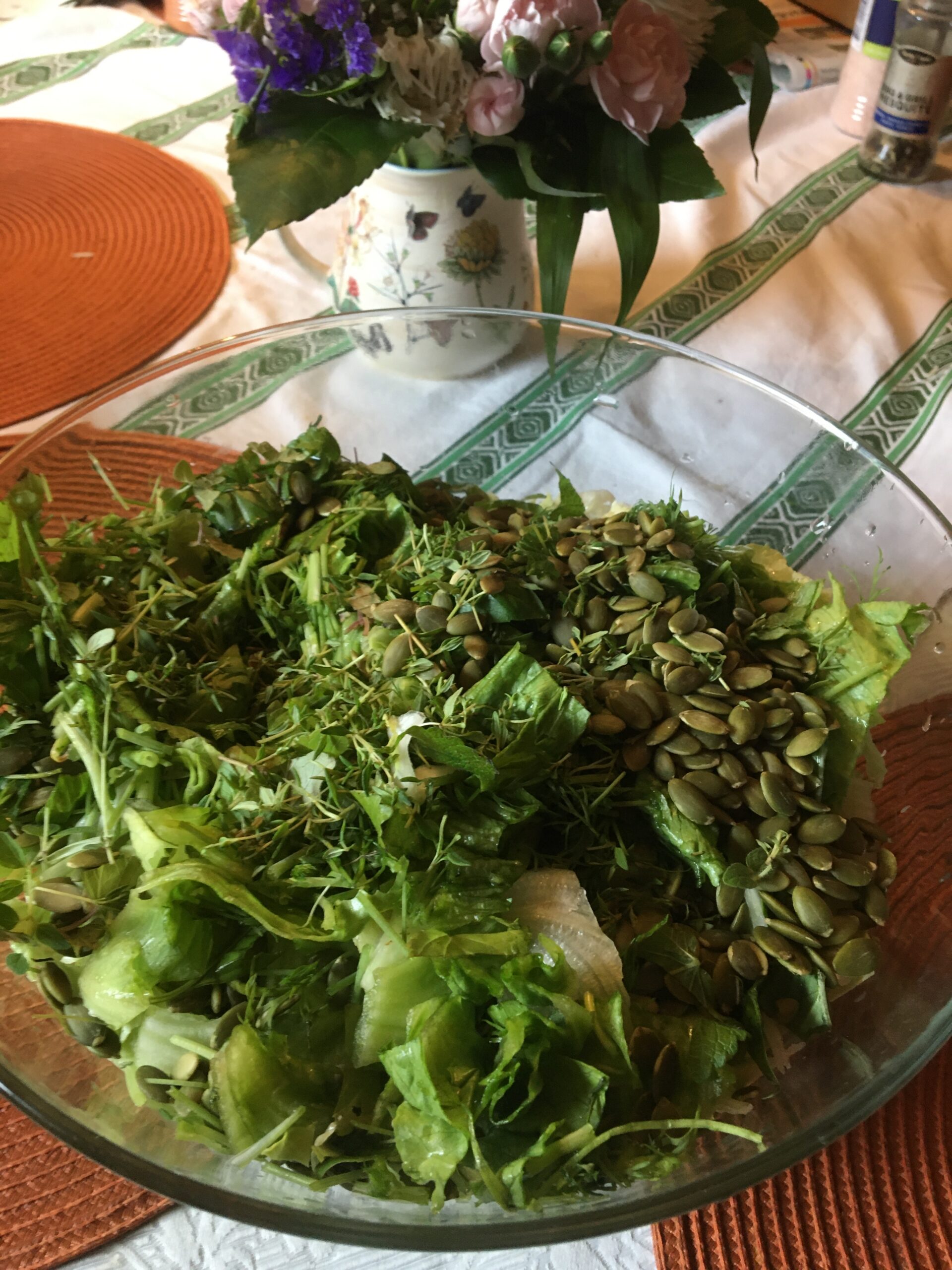
After that I drove back home to prepare dinner. I made some calming chamomile tea and fresh sweet sour cream lettuce salad, some spicy potato porridge and breaded Viennese schnitzel with cheese and then headed to a beauty salon at Saku centre to have my lashes and nails done. Yet in the salon I once again started feeling unwell – only with great effort could I endure the time of my beauty procedures and once back at home I went straight to bed. I had chest pain from 2 p.m. until 8 p.m. and I also had a temperature of 37.1 degrees Celsius. I still haven’t figured out what it was. May a panic attack last that long? What had happened to me? I do not know. Also the next day the weakness persisted, only today evening I started feeling better. I had no symptoms of Covid-19, and also I have received two shots of AstraZeneca corona vaccine.


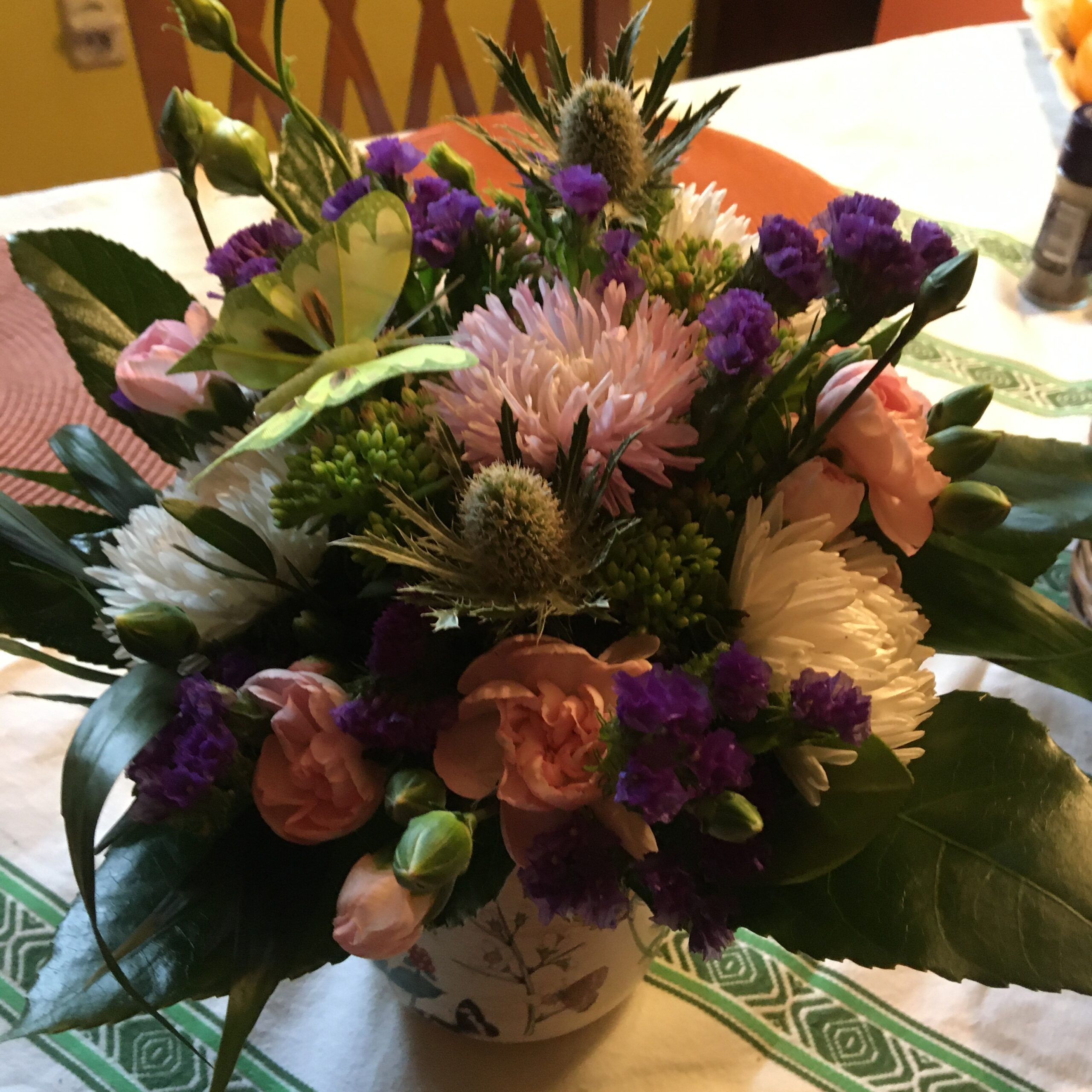
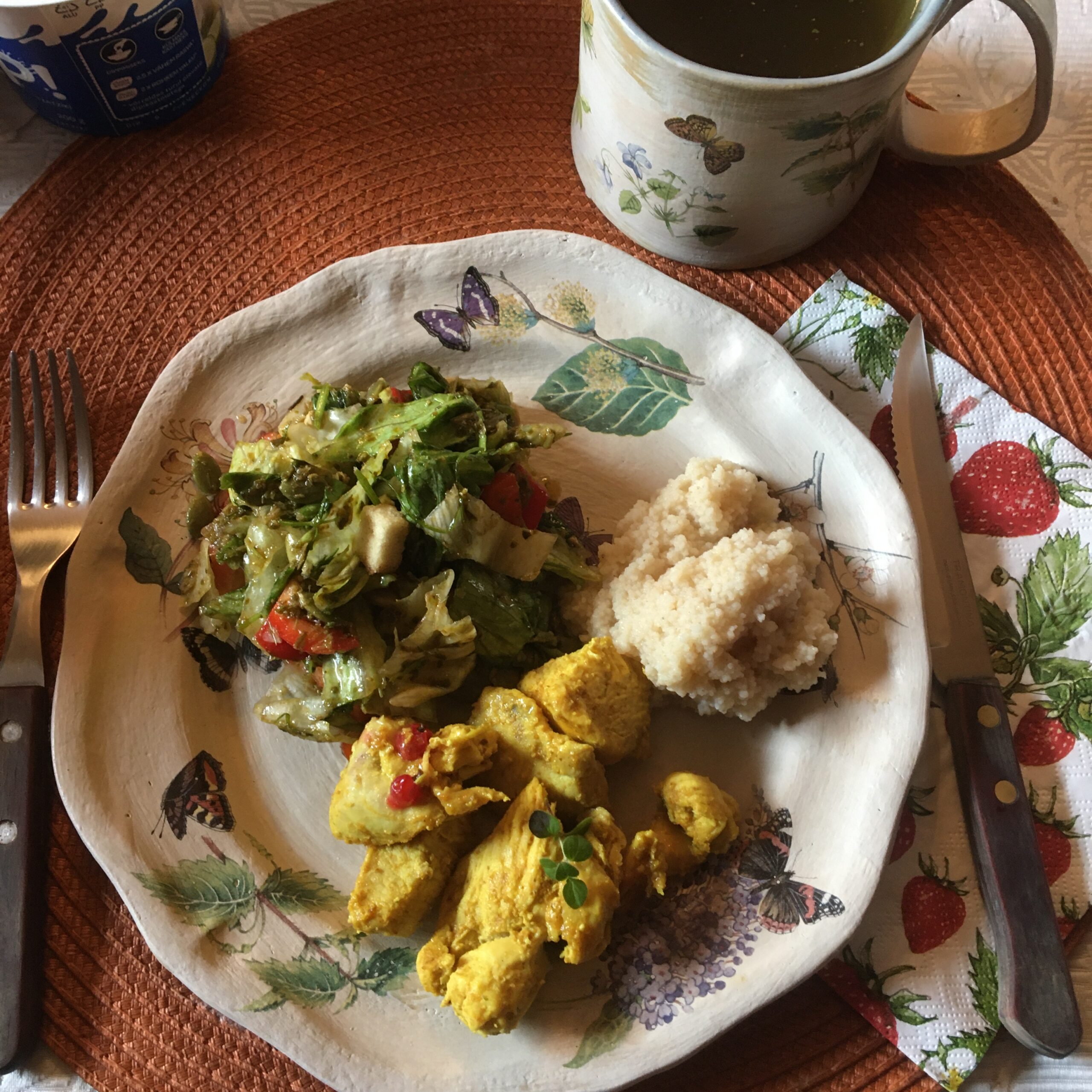
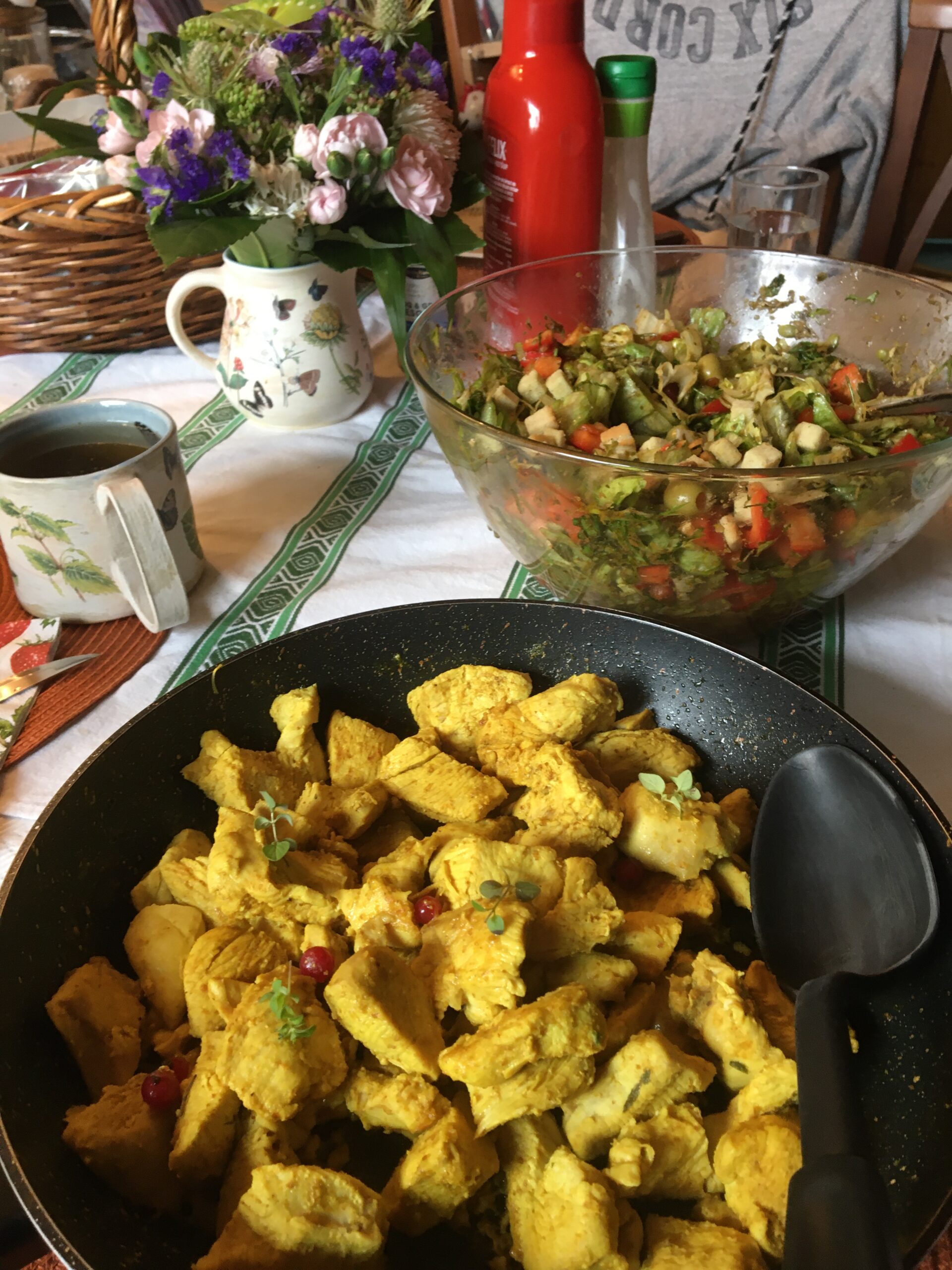
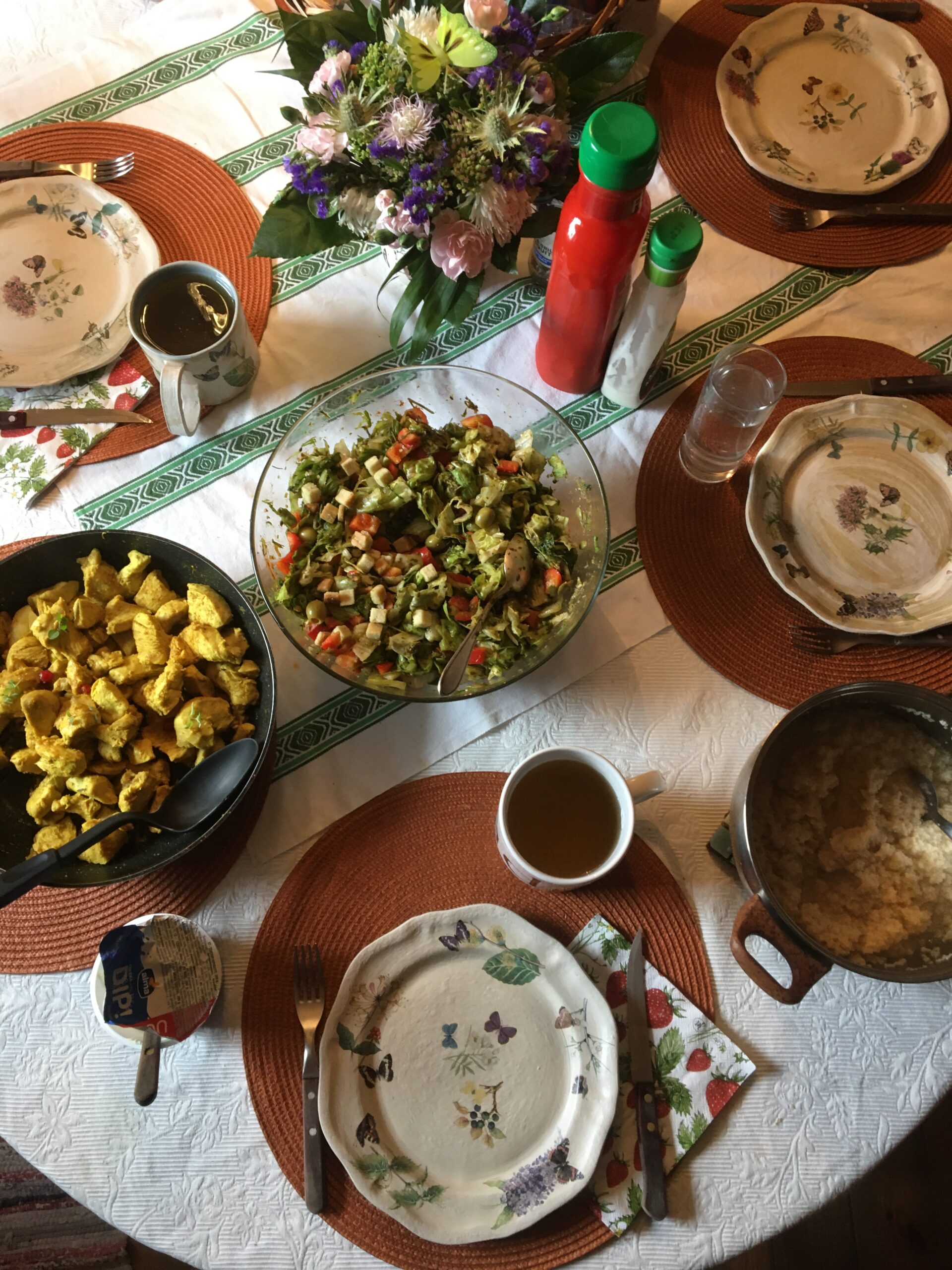
Allan brought me flowers again… for no special reason. It makes me so happy! To my mind, when men show regard for their woman and are attentive, this is super masculine and nice! Extra sweet! I was so happy! I do not know what it is, perhaps I am just head over heels in love or perhaps he just is the world’s coolest man! We are such a perfect match – we have the same visions, opinions, feelings, tastes, dreams, reality etc… He is masculine, I am feminine, he is dominant, I find a strong and leading male attractive. Today I am feeling a bit better and immediately I sprang into action! I cleaned and sorted stuff at home, created news content for NordenBladet, cooked a great supper (curry chicken, sparkling healthy fresh sweet pepper and pesto salad, and along with it some couscous). In the evening we did some gardening work together.

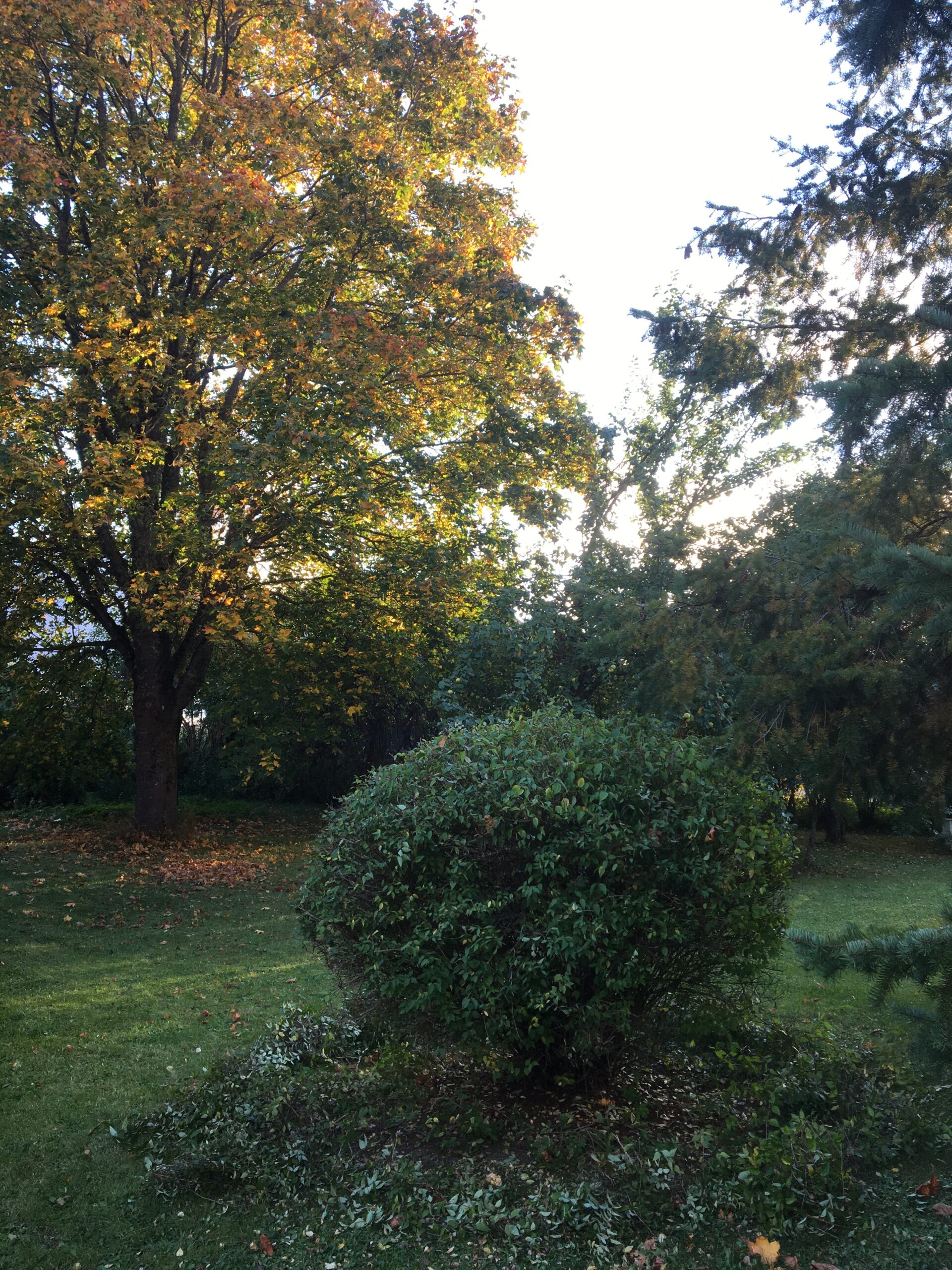
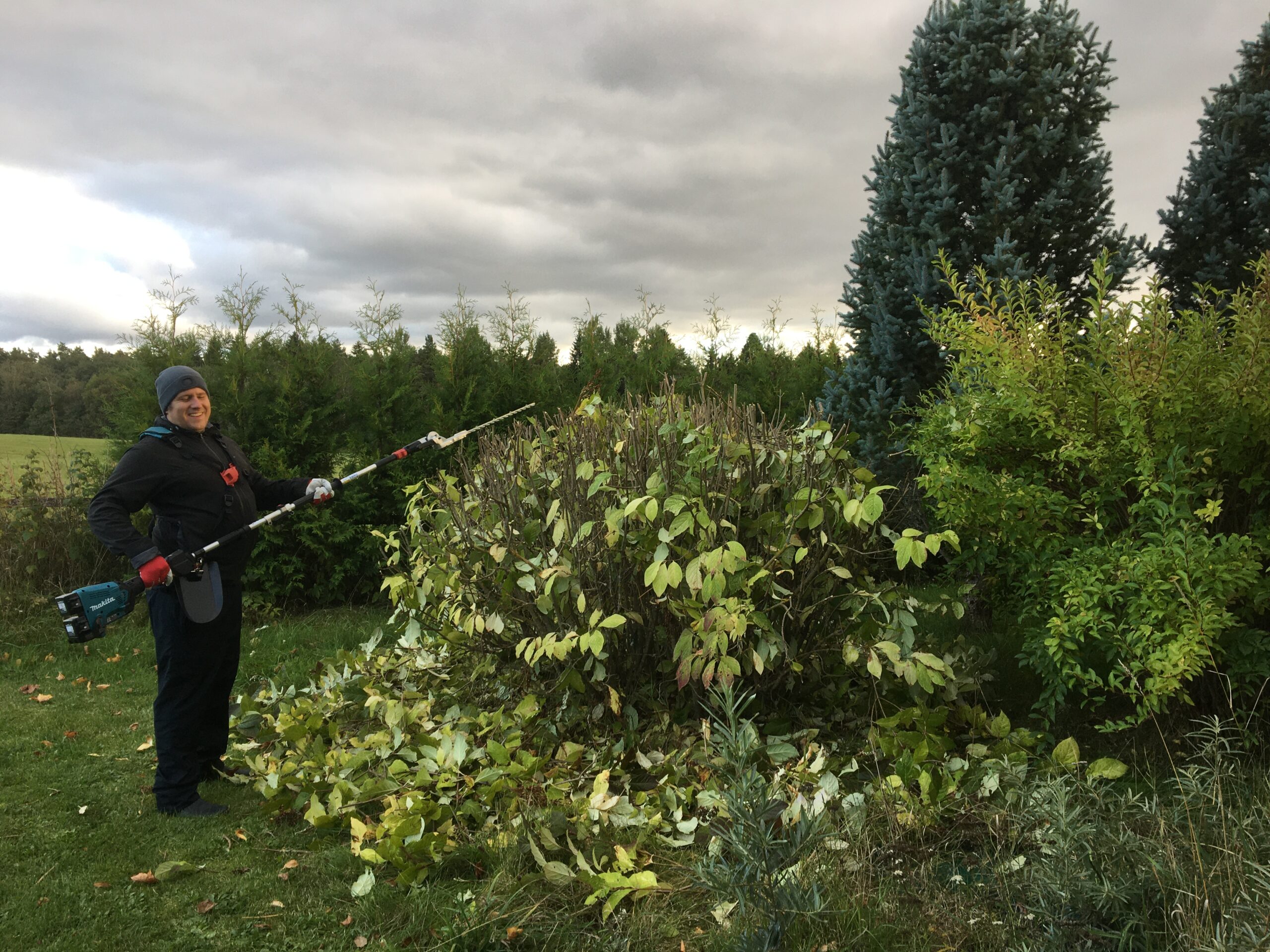
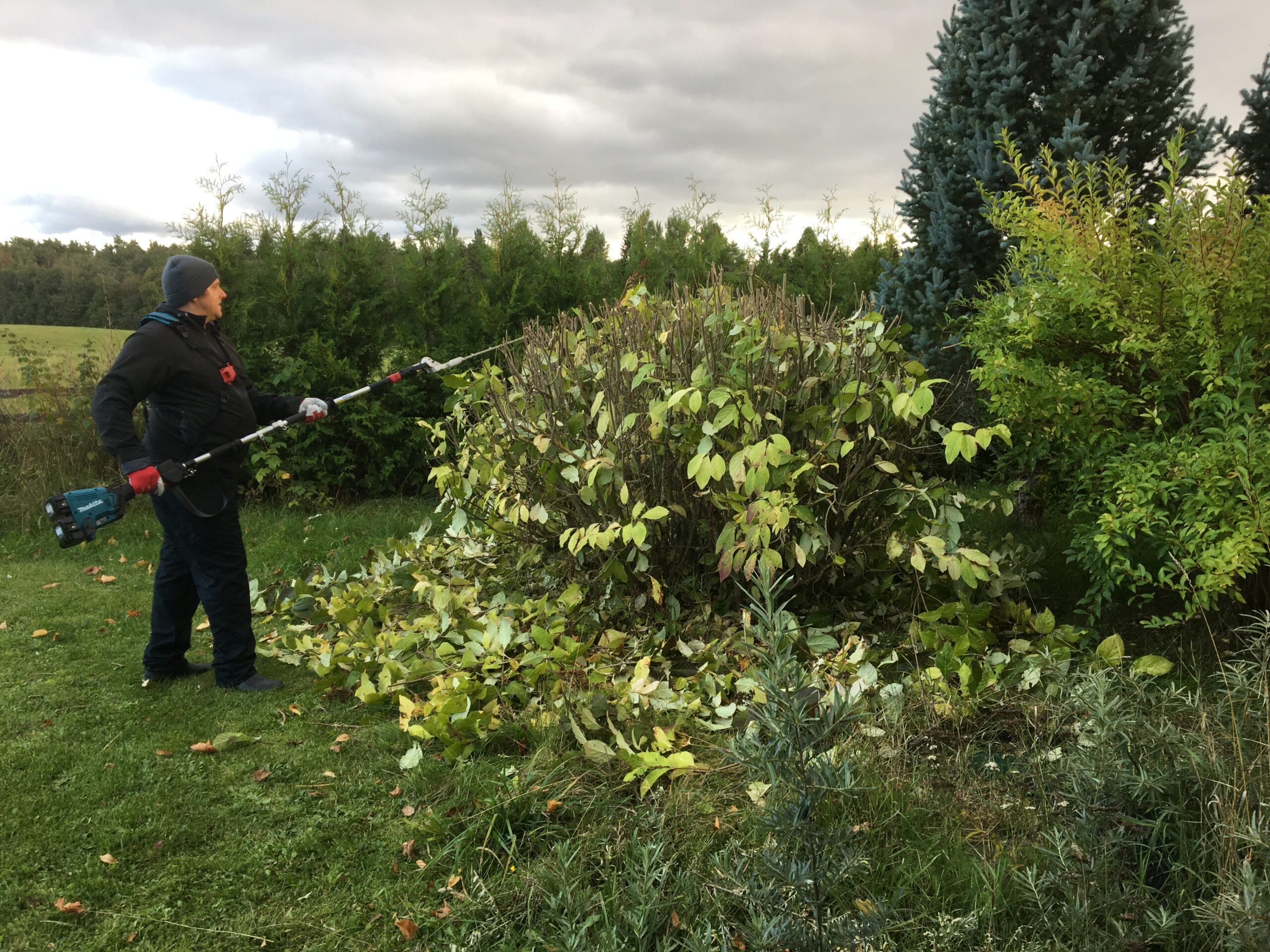
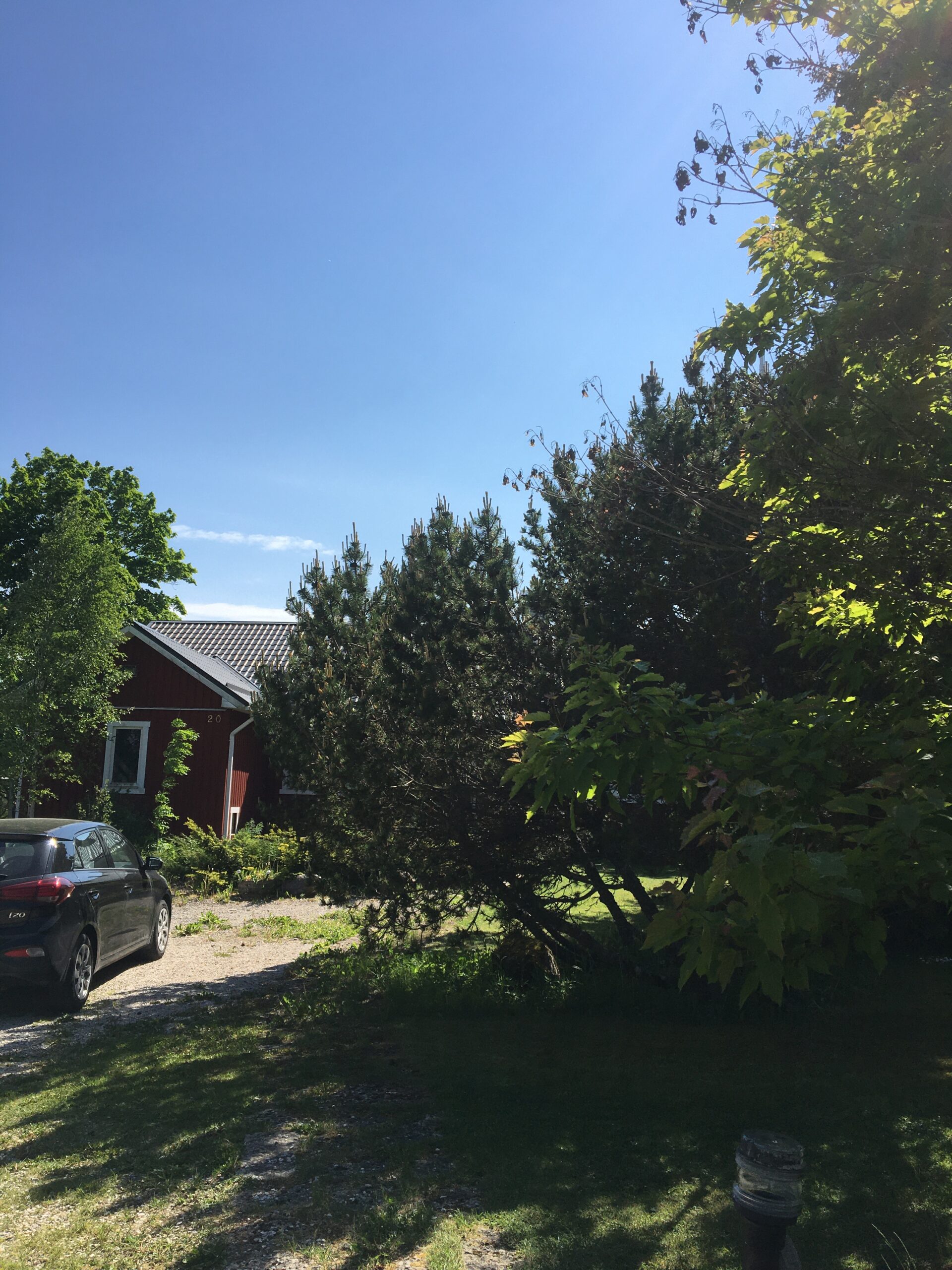
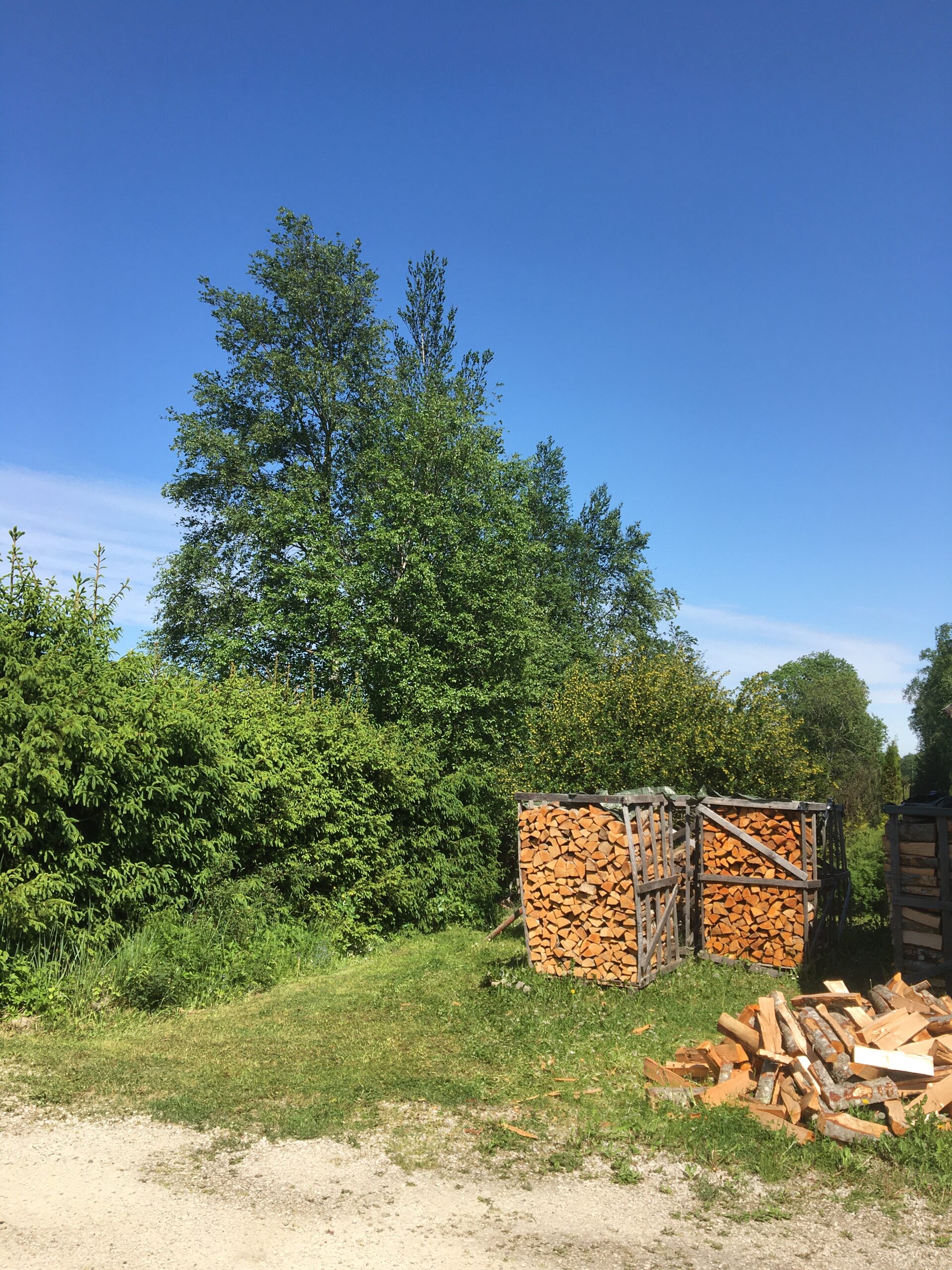
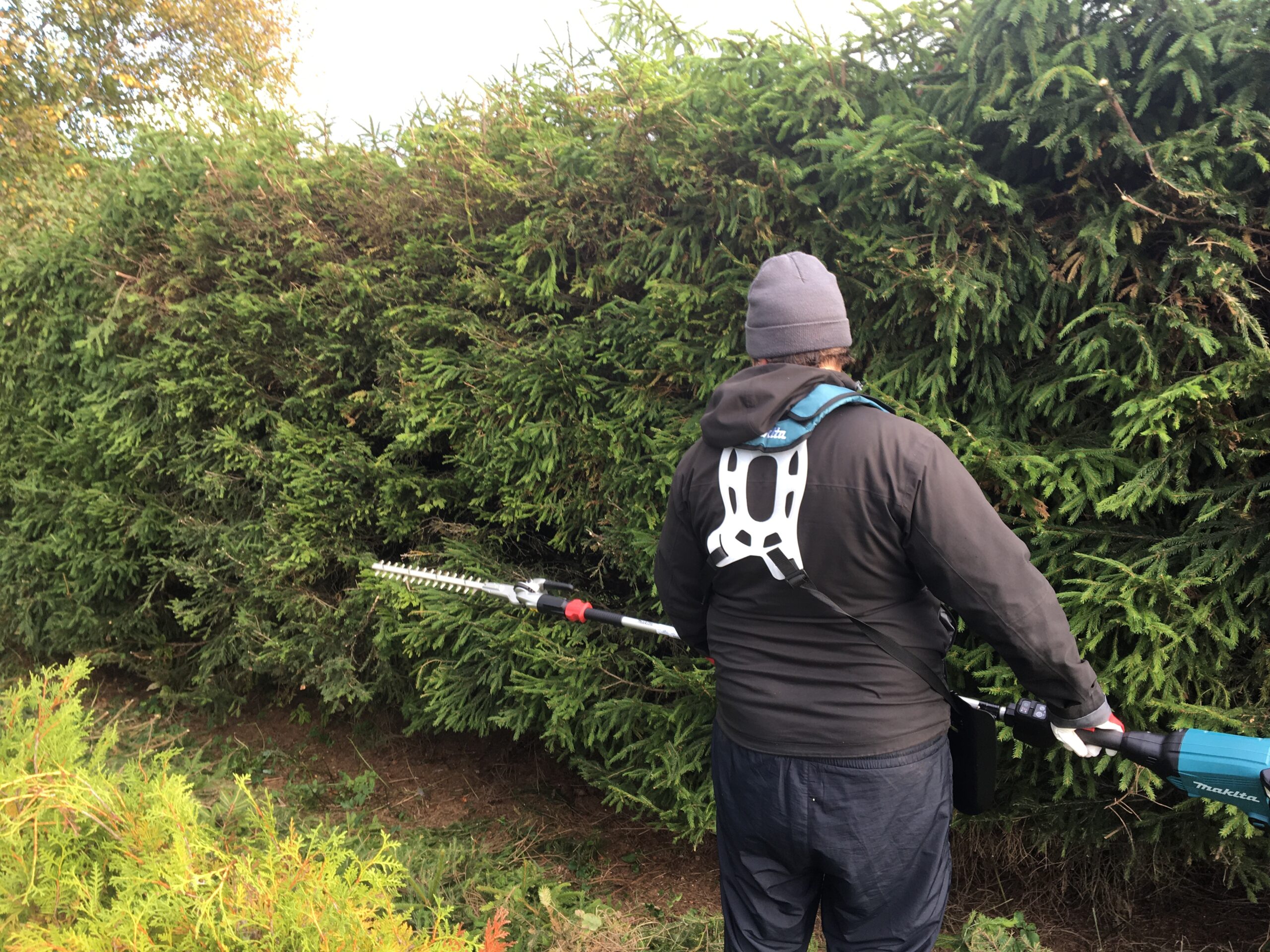
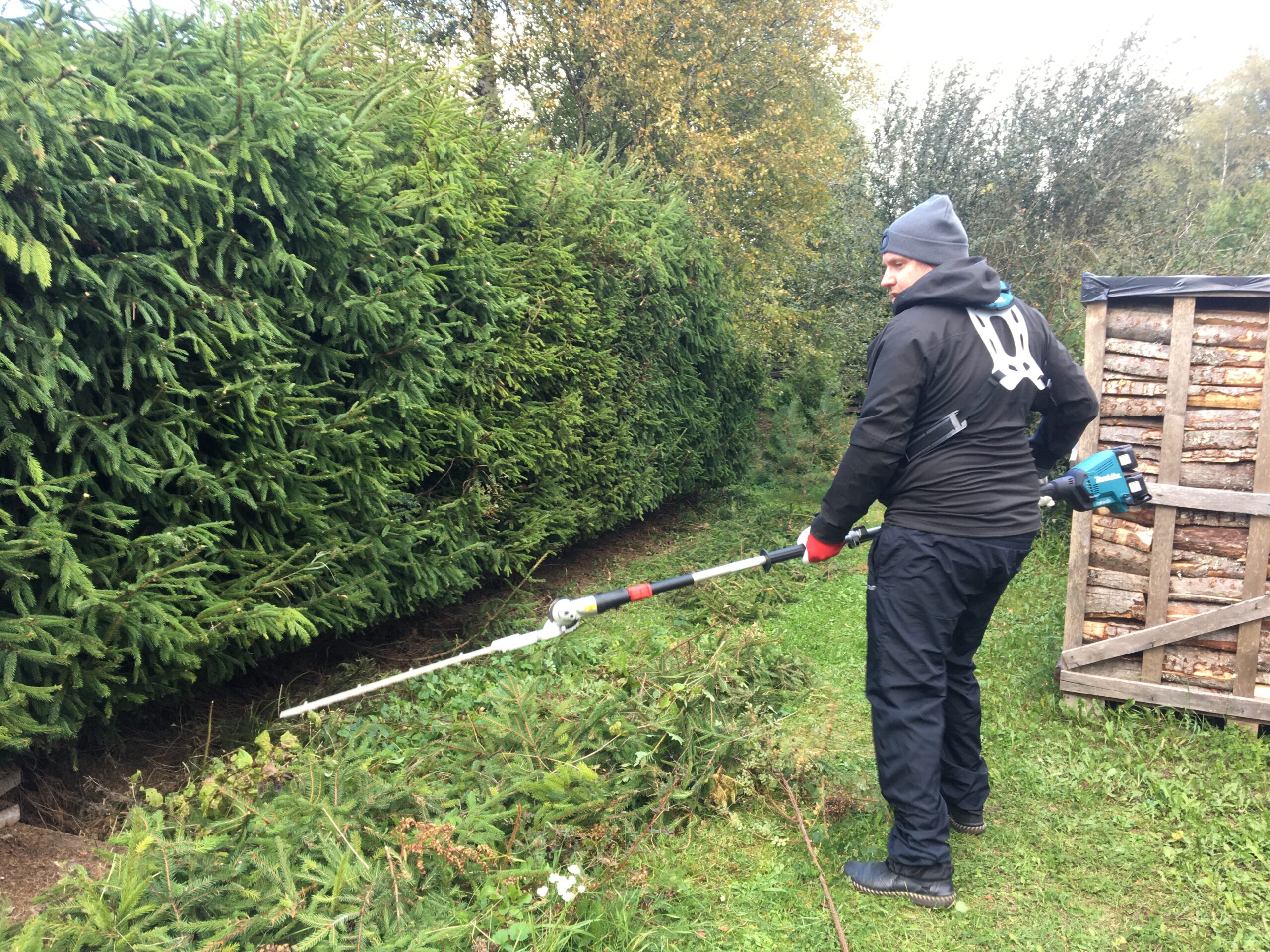
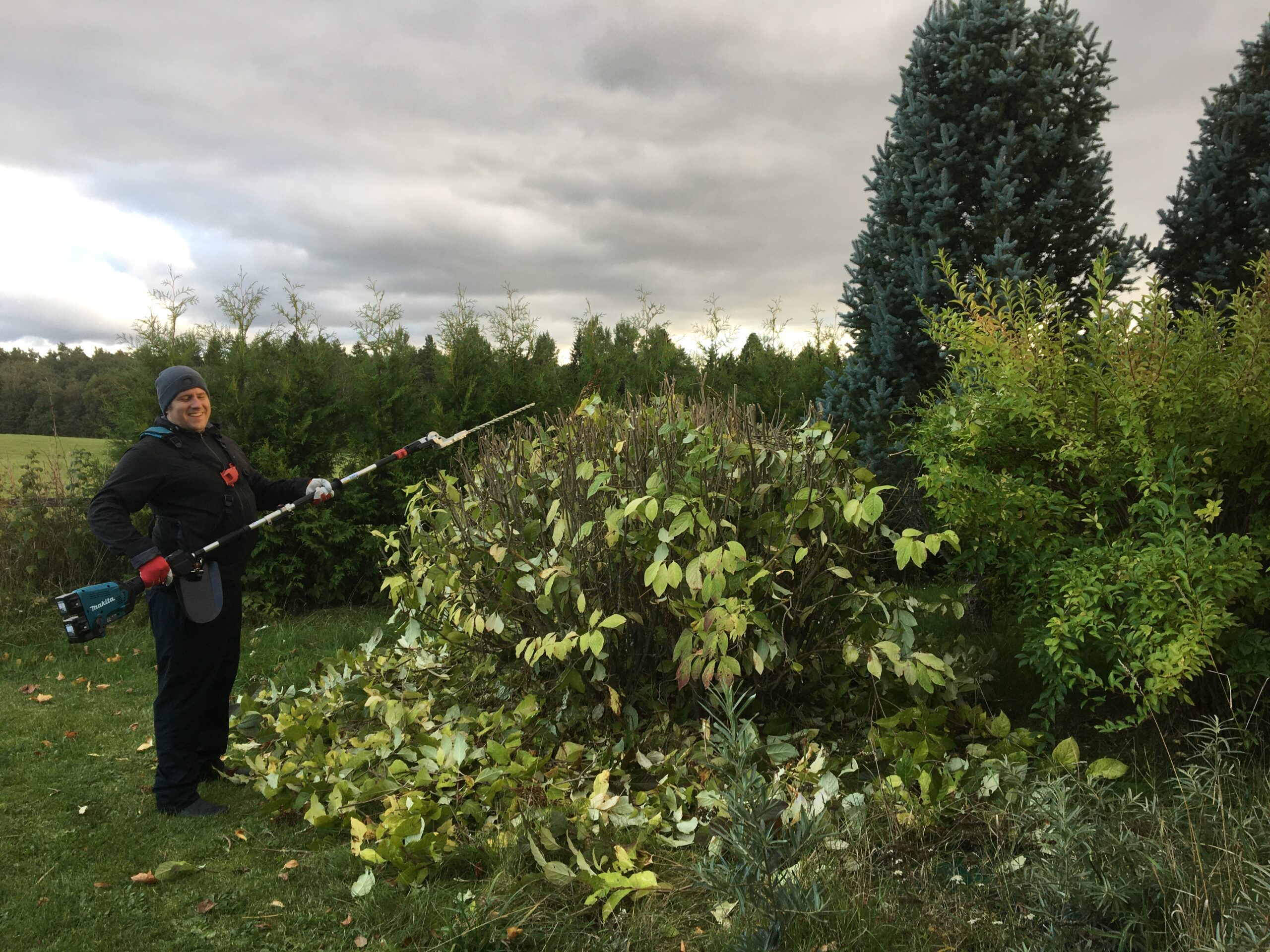
Garden is great! Nature is mighty! Gardening work is cool! We both like to be in nature and we like progress. It is nice to watch getting things done with our own hands! We cut a section of the spruce hedge (we have several hedges, since the territory is large) and also we cut back and beautifully modified various decorative bushes. This time we already had even better tools for that!!! I am writing HERE how and when we have lately cut the spruce hedge, yet now we have bought an even better tool and honestly – it is a miracle! There’s a big difference in what the means are that you can use for working. Professional working tools make life a lot easier and the result is more beautiful! Allan did the cutting and I did the carrying! It is so sweet that we work together that way! Super fun!


Have a nice evening! Hugs!

Do read also my previous blog posts (all posts are available in four languages – Estonian, Finnish, Swedish and English!)

Recent blog posts:
Helena-Reet: Our life in the countryside aka the Kardashians in Estonian style.. or whatever + Recipe: Asian spicy beef strips in hot dressing
Helena-Reet: 4 birthdays (BIG GALLERY!)
Helena-Reet: Third tick-vaccine and plans for today
Helena-Reet: A visit to ERM in Tartu, men shaved their heads + confession: Yes, I have a new man!
Helena-Reet: Village’s Midsummer Night bonfire, second corona vaccine, and an enjoyable Saturday evening in Keila at Legends Diner restaurant + PHOTOS!
Helena-Reet: Helena-Reet: About whey protein and the peaceful beginning of the day, about the new lawn tractor, the tableware set “Ivanka”, and some more about this day…
Helena-Reet: Summertime!!! Our weekend + BIG GALLERY!
Helena-Reet: Hygge morning, a bit of advertising for our E&S hit product, badminton and today as seen through a BIG GALLERY!
Helena-Reet: The garden-inspired painting “Childhood”, yet another consumer game, a present that has to be bought out, enjoyable RMK recreational areas and top event of the week! + BIG GALLERY OF EVERYTHING!
Helena-Reet: Elisheva & Shoshana business negotiations with Kaup24, periodicals orders and consumer games
Helena-Reet: Ivanka Shoshana’s birthday VOL2, my concerns, new Arborvitae hedge + exciting guests
Helena-Reet: Children’s birthday – menu, outfit and gallery!
Helena-Reet: Liberty to plan my own time is a luxury that I love above all!
Helena-Reet: Golden keychain that will open the gates of Heaven; yesterday’s activities in the garden + mega tasty WILD GARLIC SALAD RECIPE!
Helena-Reet: Mother’s Day + Month of May activities in the garden

Estonia: Foreign Affairs Committee: Estonia should not participate in the controversial UN racism conference

NordenBladet — The Foreign Affairs Committee of the Riigikogu (Parliament of Estonia) unanimously recommends that the Estonian delegation should not attend the United Nations conference against racism Durban IV, to be held on 22 September, because the conference is known to have been used to promote anti-Semitism.

“The conference, which was first held in 2001, was intended to unite the international forces in the fight against racism, discrimination, xenophobia and intolerance, but it has now become an arena where the countries that violate human rights can express their racist positions,” Chairman of the Foreign Affairs Committee Marko Mihkelson said. “History has shown that this conference can be used for wrong purposes. Therefore it is only right that Estonia as a member of the UN Security Council will not attend the upcoming conference and will stand against anti-Semitic statements together with its allies,” he added.

The UN conference against racism, which will be held on 22 September in Durban, is dedicated to the 20th anniversary of the first conference on the same topic, held in 2001. More than 10 Member States of the European Union, as well as the United Kingdom and the United States, have announced that they will boycott the conference.

At its today’s sitting, the Foreign Affairs Committee was also given an overview of Estonia’s activities as an elected member of the UN Security Council and Estonia’s priorities at the 76th session of the UN General Assembly. Estonia’s activities and priorities were introduced by Permanent Representative of Estonia to the United Nations Ambassador Sven Jürgenson and Director of the 2nd Division of the Political Department of the Ministry of Foreign Affairs Kristi Torim.


Finland: Regional Ministers of the Nordic Council of Ministers: Multilocality to boost regional vitality

NordenBladet — The regional ministers of the Nordic Council of Ministers discussed multilocality and green recovery at the hybrid meeting held in Helsinki on 16 September 2021. The ministers decided to launch a research project to examine the economic, social and environmental impacts of multilocality in different regions.

The meeting was chaired by Minister of Economic Affairs Mika Lintilä.As a result of the COVID-19 pandemic, the significance of the place has been seen and discussed in a new way, both in terms of people’s daily lives and politics. The ministers see that multilocality means many opportunities that increase the economic and social vitality in the regions.

– Multilocality creates new opportunities for regional economies, business activities and for the availability of skilled workforce. Digitalisation and high-speed communications connections are key investments in the future of multilocality. At the same time, we need flexible, regionally differentiated ways of organising services that support the smooth running of people’s everyday lives, Minister Lintilä says.

Multilocation involves various societal and cultural challenges as well as economic and ecological sustainability challenges. Rolf Elmèr, Director of Nordregio, presented a new multilocation project, the launch of which the ministers decided to support.

Green recovery brings new business opportunities
The regional ministers also discussed the opportunities for green recovery in different regions and how to accelerate the green transition. In addition to achieving the climate targets, green recovery also means new livelihood opportunities. Professor of Economics Jens Suedekum at the University of Düsseldorf and Juha-Matti Saksa, Rector of the Lappeenranta University of Technology gave introductory speeches on sustainable growth.

– Green recovery offers new opportunities for environmental business, for instance, which has become a more important competitive factor in the global economy. One of the areas of Nordic cooperation could also be bio-based economy in sparsely populated areas. The bioeconomy plays an important role when we pursue the low-carbon targets and a resource-efficient society, Minister Lintilä says.


Finlnd: Product safety legislation to be updated for the digital era

NordenBladet — The European Commission issued a proposal to update the General Product Safety Directive on 30 June 2021. The reform’s key objective is to update the 20-year-old regulation to better suit the digital operating environment.

Legislation on consumer safety for consumer goods is based on the EU’s General Product Safety Directive. The current Directive (2001/95/EC) dates back to 2001. Digitalisation, e-commerce and new technologies have changed the operating environment related to product safety significantly in the past 20 years, making the amendments to legislation necessary. The proposal is part of the implementation of the EU’s New Consumer Agenda and aims to improve the functioning of the internal market.

The proposed new product safety regulation would apply to the regulation of consumer products that are not subject to more specific safety requirements under EU law. The general objective is to ensure a high and consistent level of consumer safety for products both in traditional and online commerce. In addition to the safety requirement, the proposal contains provisions on the obligations of economic operators, the responsibilities of online marketplaces, market surveillance, traceability of products and harmonisation of return procedures. The proposal requires Member States to lay down provisions on penalties for non-compliance with the obligations. In addition to provisions on non-compliance, the EU Regulation will result in amendments to national legislation, in particular the Consumer Safety Act (920/2011).On 16 September 2021, the Government submitted a Union communication to Parliament concerning the Commission’s proposal. The Government supports the proposal in general and emphasises that the reform must not cause unnecessary burden on the operators and that the obligations should be placed on appropriate operators. Taking the safety challenges posed by new technologies into account in product safety regulation is welcomed, and in this context, attention should also be paid to the technology neutrality of regulation. The Government supports clear regulation on official procedures and cooperation while unnecessary administrative burden is to be avoided.


Finland: Lintilä encourages Nordic cooperation in mineral and tourism issues

NordenBladet — The meeting of ministers of economic affairs of the Nordic Council of Ministers was held in Helsinki on Thursday 16 September 2021. The ministers decided, among other things, to increase cooperation in sustainable mineral production and to promote sustainable tourism. The meeting was chaired by Minister of Economic Affairs Mika Lintilä.

During the meeting, a report on critical raw materials in the Nordic countries was released, presented by Kimmo Tiilikainen, Director General of the Geological Survey of Finland. Lintilä welcomes the increased links between Nordic researchers and companies. According to him, Nordic cooperation promotes sustainable raw material supply and mineral production both from mines and the flows of circular economy.

-Access to raw materials plays a key role in meeting climate and environmental objectives and it is an important competitive factor for Nordic business and industry. Standardising and certifying mineral production is an international matter that the Nordic countries can promote together, Mika Lintilä said.

Funding for tourism cooperation
The ministers decided to allocate DKK 20 million (approximately EUR 2.7 million) for measures supporting sustainable tourism and the travel sector’s recovery in 2021–2024. The initiative will produce information to support decision-making on sustainable development goals, develop statistics on the impact of tourism and seek tourism innovations. “It is important to increase Nordic discussion on the significance of the tourism industry and the opportunities for cooperation. The capacity and willingness to promote sustainable development in the Nordic countries offers a good basis for strengthening the sustainability of tourism in cooperation,” Lintilä added.


Restrictions on entry at external borders extended until 10 October

NordenBladet — Restrictions on entry will be reinstated for residents of Singapore in traffic arriving in Finland from Singapore. The Government adopted a decision on the matter on 16 September and the decision will enter into force on 20 September. No other changes will be introduced to the restrictions. The existing restrictions on entry at external borders will be extended until 10 October. However, people may still enter Finland from all countries upon presenting an approved certificate of a full course of vaccination.External border traffic refers to traffic between Finland and non-Schengen third countries. If a person arriving from a country subject to the restrictions is not fully vaccinated, the accepted reasons for entry are return travel to Finland, return travel to other EU or Schengen countries, transit on regular, scheduled flights at an airport or other essential travel.
See the websites below for more information on the entry restrictions and health security requirements in place.

Source: Valtioneuvosto.fi

Legislative proposal on long-term D visa facilitates labour migration

NordenBladet — The government proposal on the introduction of a long-term national D visa in Finland promotes labour migration and includes the preparation of a fast track pledge. According to the proposal, the national D visa would first cover specialists, growth or start-up entrepreneurs and their family members.The Government submitted the proposal to Parliament on 16 September 2021.“The proposal is important because, for its part, it will facilitate labour migration. After necessary assessments, it will also create a foundation for extending the national D visa to cover researchers and students,” says Minister for Foreign Affairs Pekka Haavisto“Finland needs more experts with diverse talent profiles to keep the wheels turning in society. The migration authorities must respond to this need by providing efficient services. In other Schengen countries, a national D visa is already in use for varying target groups,” says Minister of the Interior Maria Ohisalo.The national D visa is based on the Schengen Convention. Provisions on the conditions for issuing it and on its validity can be laid down nationally within the limits set by the Schengen Convention. A national D visa allows people to stay in the territory of the issuing country for up to one year. It enables longer stays in the country than the standard short-term Schengen visa.  D visa enables implementing the fast track planThe Government proposal on the introduction of a national D visa is related to the entry made in the government budget session in September 2020, according to which the preconditions for an accelerated residence permit process, the so-called fast track service for specialists, growth entrepreneurs and their family members, should be examined. The fast track will be ready in June 2022.The D visa proposed by the Government supports the implementation of the 14-day fast track service pledge in such a way that senior specialists or start-up entrepreneurs and their family members can travel to Finland immediately after they have been issued a residence permit, which means that they do not need to wait for a residence permit card abroad.  “The fast track is one way to make it easier for experts to move to Finland. A number of other measures are also under preparation to speed up and streamline residence permit processes. The new roadmap for education-based and work-based immigration includes a wide range of measures that will make the service paths easy and straightforward,” says Minister of Employment Tuula Haatainen.The Government submitted its proposal on the amendment of the Aliens Act and sections 3 and 5 of the Act on the Processing of Personal Data by Migration Authorities to Parliament on 16 September 2021. The Act is scheduled to enter into force in spring 2022.

Source: Valtioneuvosto.fi