NordenBladet — The EU health ministers will convene for an informal videoconference organised by the Slovenian Presidency of the Council of the European Union on 12 October 2021. The topics on the agenda include COVID-19 vaccines, the availability of medicines, the EU’s preparedness for health emergencies and the strengthening of healthcare systems. Minister of Family Affairs and Social Services Krista Kiuru will represent Finland at the conference.The COVID-19 pandemic has drawn attention to challenges in the availability of medicines. Finland supports cooperation between the EU countries in procuring medicines and securing access to other necessary supplies. EU-level procurements may not, however, restrict national preparedness measures. It is particularly important to ensure that procurements critical to the security of supply can also be made at the national level. Finland is strongly committed to vaccine solidarity and supports the availability of vaccines through COVAX, a global collaboration for ensuring equitable access to vaccines. Improving the availability of vaccines globally is essential for ending the COVID-19 pandemic. Promoting vaccination coverage in third countries also strengthens the EU’s health security and economy.
One of the key objectives of the new EU4Health Programme is to strengthen healthcare systems in case of epidemics and other long-term health threats. Finland considers it important that the new EU4Health Programme emphasises not only measures supporting comprehensive security, preparedness and crisis resilience, which have become increasingly important due to the COVID-19 pandemic, but also the promotion of people’s health and wellbeing and the reduction of health gaps.
NordenBladet — The Coalition of Finance Ministers for Climate Action will hold its annual meeting on Tuesday 11 October. Finland will have an important role in the meeting, as Minister of Finance Annika Saarikko will chair the meeting jointly with Indonesia’s Minister of Finance Sri Mulyani.The ministers will discuss the work of the Climate Coalition in 2020–2021 and will determine its priorities for next year. The meeting will be held virtually in connection with the Annual Meetings of the World Bank Group and the International Monetary Fund.The topics for discussion include: • integration of climate issues into economic policy and financing decisions • impacts of climate change and loss of biodiversity on economic decision-making and the finance ministries’ role in this change, and • reforms necessitated by the change, such as carbon pricing, green budgeting and a just transition.The finance ministers will endorse the Coalition’s annual report. The annual meeting of the Coalition will pave the way for the finance ministers’ meeting on 3 November during the UN Climate Change Conference in Glasgow.In addition to the finance ministers, the annual meeting will be attended by the Coalition’s institutional partners. The IMF will be represented by its Managing Director, Kristalina Georgieva, and the World Bank by President David Malpass. Professor Lord Nicholas Stern from the London School of Economics will also attend the meeting. He is the Chair of the Grantham Research Institute and holds an advisory role to the Coalition.The Coalition of Finance Ministers for Climate Action was launched in Washington in April 2019 on Finland’s initiative. Over the past six months, the Coalition has grown by more than 10 new member countries. The Coalition now has 64 member countries, each committed to a set of principles known as the Helsinki Principles. The leading idea and objective of the Coalition is to bring climate issues to the core of economic policy and financing decisions and to understand climate risks as part of the planning of financing decisions.
NordenBladet — The Conference of the Parties to the UN Convention on Biological Diversity COP15 starts today on 11 October in Kunming, China. The aim is to agree on targets and actions to halt the global biodiversity loss. Actual decisions are expected in the second part of the Conference of the Parties, which will be held from 25 April to 8 May 2022.In the first part, the meeting of the ministers will mainly take place virtually. The ministers are expected to adopt the Kunming Declaration that will outline the level of ambition of the outcome that the countries are trying to achieve together. Finland’s representative at the meeting is Minister of the Environment and Climate Change Krista Mikkonen, who will speak at the high-level segment on Tuesday 12 October. “The aim is to define the framework for the work to be done during this decade to halt the loss of biodiversity. There is an urgent need for a societal change that respects the natural environment even more strongly. We must commit ourselves to the targets, and the common rules must be complied with at the international level. Combatting the loss of biodiversity requires local action, which is why we must also be active as a nation”, Minister of the Environment and Climate Change Krista Mikkonen says.The negotiations have four main goals that must be achieved by 2050. The key question concerns the surface area of protected marine and land areas, which should be raised to 30 per cent. The EU is already committed to this in its own Biodiversity Strategy. The second goal, sustainable use of nature, is also included in the EU Biodiversity Strategy. The other goals concern the fair sharing of the benefits arising from the access to and use of genetic resources and the mainstreaming of nature issues, which means that in future biodiversity would be part of all political and societal decisions and their implementation.Under the four long-term goals, there will be a total of around 20 targets through which the progress will be monitored very closely. These targets should be reached by 2030.“The targets should be clearly delimited and quantitative so that they will genuinely steer the actions. What we aim for is a net positive impact, which means that measures such as restoration will cause more benefits than harm to the natural environment, society and economy”, says Finland’s chief negotiator, Senior Ministerial Adviser Marina von Weissenberg. The targets to be outlined are based on scientific assessments produced by the Intergovernmental Science-Policy Platform on Biodiversity and Ecosystem Services IPBES, the International Union for Conservation of Nature IUCN and the Intergovernmental Panel on Climate Change IPCC.Biodiversity loss threatens conditions for lifeBiodiversity refers to the diversity of species and habitats and to genetic diversity within species. A diverse nature produces many important things, including clean air, water, food and carbon sinks. Now, however, biodiversity is declining faster than ever. According to the report of the Intergovernmental Science-Policy Platform on Biodiversity and Ecosystem Services IPBES, about one million animal and plant species are at risk of extinction, many of them within decades. In Finland, too, every ninth species and one out of two habitat types are threatened. Based on the report, the main causes for biodiversity loss are land use changes, the exploitation of animals and plants, climate change, pollution and the spread of invasive species.Biodiversity loss is linked to climate change. Climate change poses a major threat to biodiversity, and biodiversity loss speeds up the progress of the climate crisis. Similarly, safeguarding biodiversity promotes climate change mitigation and adaptation. This is why Finland and the EU emphasise the role of nature-based solutions in international negotiations as well.The global efforts to protect biodiversity are based on the UN Convention on Biological Diversity CBD concluded in 1992. The objectives of CBD are the conservation of ecosystems and plant and animal species, sustainable use of natural resources and fair and equitable sharing of the benefits arising out of the utilization of genetic resources. The Convention has been signed by 196 parties and it entered into force in 1993. The Conference of the Parties held every two years is the highest decision-making body of the Convention.The meeting of the Parties to the Cartagena Protocol on Biosafety (CP-MOP 10) and meeting of the Parties to the Nagoya Protocol on Access to Genetic Resources and the Fair and Equitable Sharing of Benefits Arising from their Utilization (NP-MOP 4) will also be held as part of the Conference. UN Convention on Biological DiversityDraft of the new targetsInternational biodiversity policy
NordenBladet — The Finnish Navy will launch a diving operation in the Archipelago Sea with the aim to empty the fuel tanks of shipwreck Beatris of oil. The shipwreck could become a source of oil spills in the near future. One of the aims of the programme to enhance the effectiveness of water protection, coordinated by the Ministry of the Environment, is to locate and clean up hazardous shipwrecks in the Baltic Sea. Before this, three shipwrecks that may cause risks have been cleaned up.Ministry of the Environment, Finnish Navy and Finnish Border GuardThe operation, which will take about two weeks, will start at sea on 14 October and the actual work is expected to start at the end of the week. The responsibility for the operation rests with the Finnish Navy. The oil spill response vessel Halli of the Finnish Navy will serve as the support vessel for the operation. Besides divers of the Finnish Navy, divers of the Finnish Boarder Guard will also participate in the operation.In the programme to enhance the effectiveness of water protection efforts are made to locate and examine shipwrecks in the territorial waters of Finland that may be the source of oil spills in the near future. The Finnish Environment Institute (SYKE) estimates that there are over a thousand old shipwrecks in the territorial waters and exclusive economic zone of Finland that have used oil as their fuel or have carried oil or other hazardous substances. An estimated about twenty of these are high-risk shipwrecks, i.e. there is a risk that they may rust through or they are located close to important or sensitive nature sites.In 2020-2021 dredger Veli was cleaned up off the coast of Hanko, and dry cargo ship Hanna-Marjut and frigate Fortuna in the sea area of Kihti. The project has also included training on clean-up operations and information gathering and research visits to shipwrecks that may pose risks.A new model is proposed for the management of the environmental hazard caused by shipwrecks after the clean-up where possible cooperation between the private sector and public authorities is also taken into account.The rescue services of the area concerned have also been informed about the diving operation. Measures will be taken to prepare for possible minor oil spills during the operation. The vessel Halli carries robust open sea booms and absorption booms, just in case. The response vessel of the Southwest Finland Emergency Services will also be present on the site for the duration of the operation.The programme to enhance the effectiveness of water protection 2019-2023 is a major effort to promote water protection: the aim is a good status of the Baltic Sea and inland waters. The measures included in the programme reduce nutrient loading from agriculture and forestry to waters, clean shipwrecks of oil, restore water bodies and reduce the levels of harmful substances in urban waters.
NordenBladet — Did you know that you have collaborated with people living in Nepal, Somalia and Kenya and thus supported girls’ schooling, journalists’ training and job creation? You may be surprised, but that is all right. Development cooperation produces effective results, but we Finns know quite little about them. On 11 October, the Ministry for Foreign Affairs will launch a campaign that will clarify the achievements of Finland’s development cooperation.The crisis in Afghanistan prompted public discussion about the achievements reached in the country through development cooperation and about the future of the results. Crises occurring abroad often raise discussion on the importance of development cooperation.Long-term work for a better world is done also in times when crises do not hit the headlines. It is essential to understand that development cooperation is collaboration rather than one-way assistance: it is carried out in cooperation with partner countries and organisations. Work is based on the partner countries’ own development plans.Through development cooperation, we reduce poverty, promote equality, create sustainable jobs and prevent the eruption of new crises in different parts of the world. We can influence the direction in which the world develops by means of development cooperation. Therefore, development policy is an important part of Finland’s foreign and security policy.The Ministry for Foreign Affairs launches the #Munvaikutus campaign to explain to Finns how and where development cooperation concerns us all. As Finns, we all participate in Finland’s cooperation with the partner countries and contribute to a better world – even now.“People’s ideas of development cooperation are sometimes outdated and biased. Through this campaign, we want to raise awareness of what development cooperation in today’s world is and to explain its key role, for example in responding to climate change and pandemics. Development cooperation adapts to changing needs and new, effective channels for action are sought all the time,” says Ville Cantell, Director of the Unit for Communications on Sustainable Development and Trade. A number of Finnish frontline influencers will be heard in the campaign. One of them, Tim Sparv, captain of Finnish men’s football team, feels that the campaign is clearly in line with his own values.“I’m a big believer in teamwork and what a team can achieve when everyone supports each other. In football, you’re nothing without your teammates. We all have individual aspirations and dreams but without the help of our colleagues, we won’t reach our goals. I also think cooperation is a key component in other parts of life. In an increasingly globalised world our countries are more interconnected than ever before. Cooperation with developing countries opens up opportunities for building a better planet. I’m really proud of Finland’s work around the globe.Being a part of this campaign makes so much sense to me. It represents the same values that I personally find important. I look forward to sharing some of the important work that Finland does abroad that might sometimes go unnoticed,” Sparv says.The most popular Finn in Instagram, the artist and social media person Joalin Loukamaa wants to participate in the campaign because she believes that the campaign will help in creating a sense of hope of being able to have an impact on the state of the world. “I have lived in two very different cultures and have been able to see and experience with my own eyes how unequal girls and boys still are in various parts of the world. Being part of this campaign definitely increases belief in that we can exert influence by working together. If it was up to me, each and every girl in the world would go to school and each and every mother would receive the support they need,” says Loukamaa.Besides Sparv and Loukamaa, the main spokespersons in the campaign will be radio personality Anni Hautala and artist and host Cristal Snow.#Munvaikutus campaign will start on 11 October and continue until 24 October. Social media content produced for the campaign will be shown on the wall of Helsinki Music Centre on the week beginning 11 October. Finnish radio channels will participate in the discussion throughout the campaign. Follow the discussion on social media using the hashtag #munvaikutus. You can take part in the campaign at munvaikutus.fi.The campaign will be carried out by the Ministry for Foreign Affairs. Creative agency Måndag is responsible for the campaign design.
NordenBladet — Minister of Transport and Communications Timo Harakka will take part in the Mobility as a Service (MaaS) Summit and the ITS World Congress in Hamburg on 11-12 October 2021.The MaaS Summit, which will be held for the seventh time, is a high-level discussion event organised by the Finnish Ministry of Transport and Communications and the MaaS Alliance. It brings together nearly 80 top transport experts from around the world.In addition to Minister Harakka, speakers at the event include Commissioner for Transport Adina Vălean and President of MaaS Alliance Jacob Bangsgaard.“Carbon neutrality is often a competitive advantage for companies. Foresight leaves room for creativity and innovation, unlike in a case of just meeting an external obligation. This is where Mobility as a Service comes in”, Minister Harakka says.“The MaaS concept is such a strong vision that it successfully unites the sustainability of public, shared and chartered transport services and the use of a private car. In terms of sustainability, MaaS is a comprehensive alternative to the current transport system that is strongly focused on the use of cars.”During the ITS World Congress, Minister Harakka will meet, among others, the President of the MaaS Alliance Jacob Bangsgaard and Hamburg’s Senator for Transport and Mobility Transition Anjes Tjarks.Harakka will also visit the Exhibition’s Nordic department that represents the ITS organisations of Finland, Norway, Denmark, Sweden and Estonia. His agenda also includes business visits.
NordenBladet — EU ministers of development will hold an informal video conference to exchange views on Afghanistan on Monday evening, 11 October. Minister for Development Cooperation and Foreign Trade Ville Skinnari will represent Finland at the meeting.The meeting will focus on the EU’s joint measures to support Afghans now that the humanitarian situation in the country has deteriorated and basic services are on the verge of collapse. It is feared that the situation in Afghanistan will worsen even more as winter is approaching. In this situation, it is particularly important to safeguard human rights, especially the rights of women and girls. Finland emphasises close coordination of the humanitarian assistance provided by EU Member States and considers it important that they exchange views on the future and common criteria of development cooperation. EU actions should be based on non-recognition of the Taliban regime. It is also important to support Afghanistan’s neighbouring countries. “A humanitarian catastrophe must be averted. In this context, the EU plays a key role in promoting extensive international as well as political and economic cooperation. We must not let Afghanistan become a country of origin for irregular migration and drug trafficking or a breeding ground for terrorism,” says Minister for Development Cooperation and Foreign Trade Ville Skinnari.
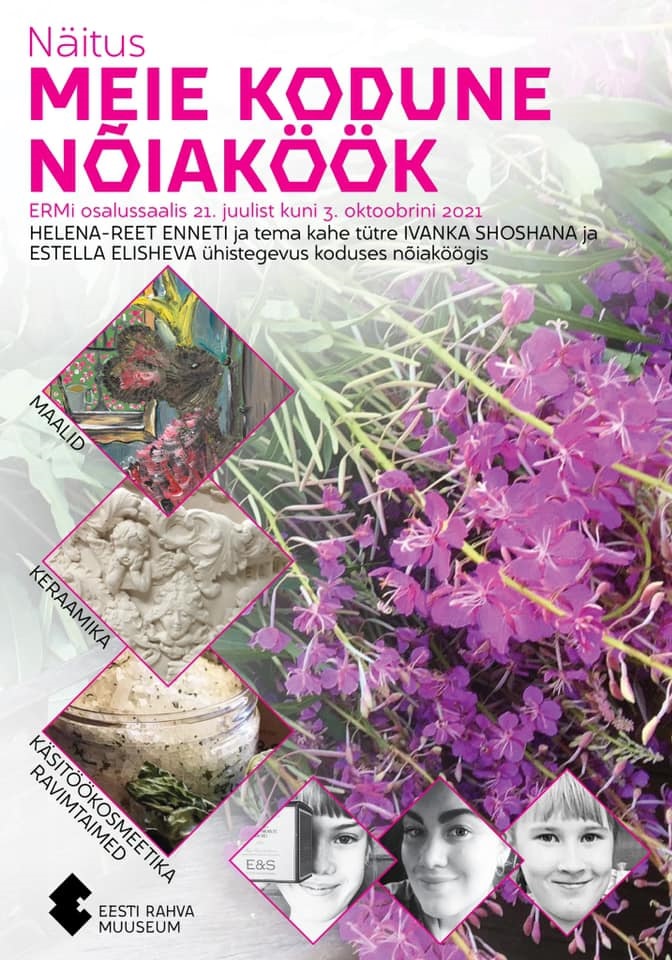
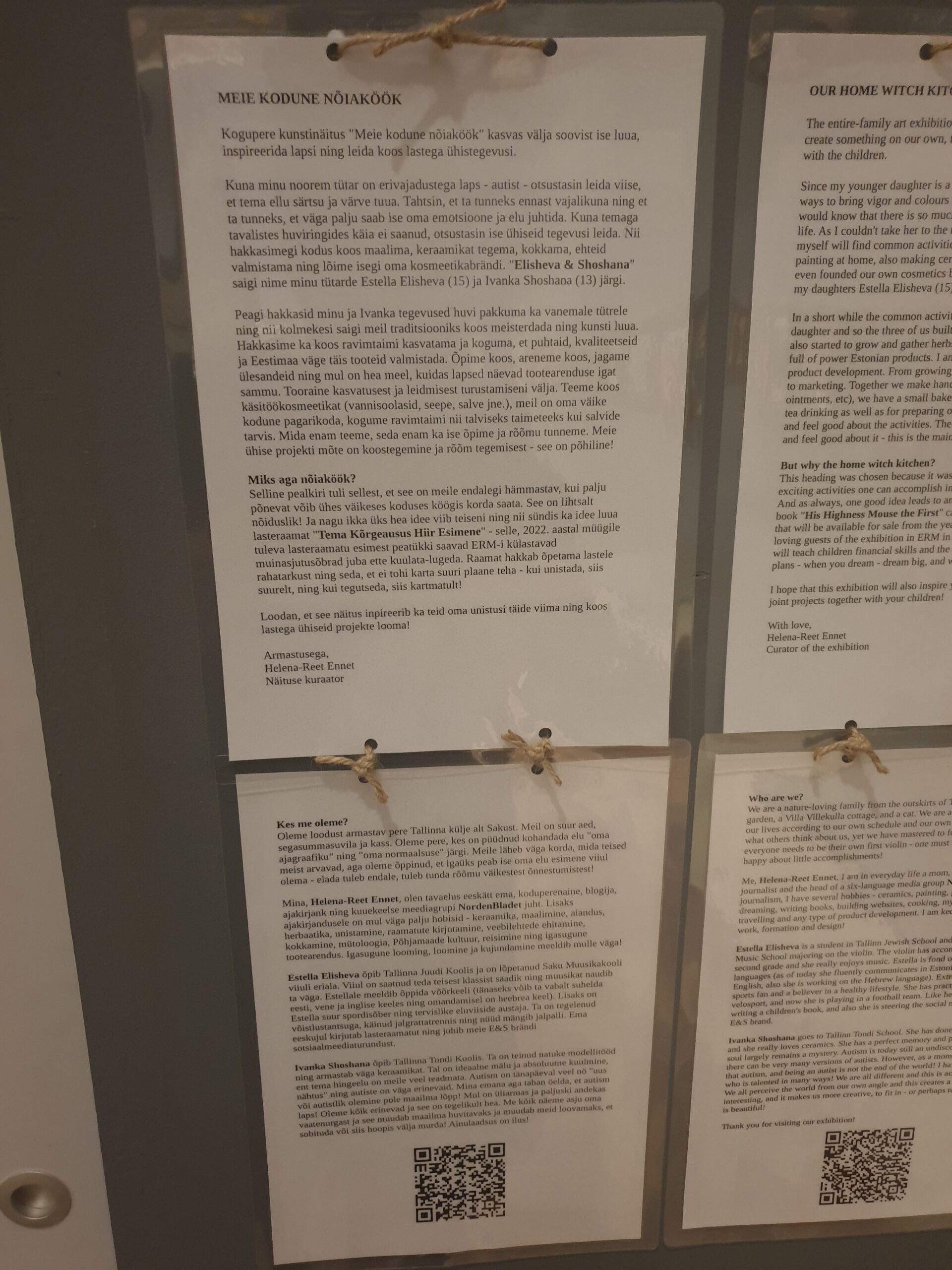
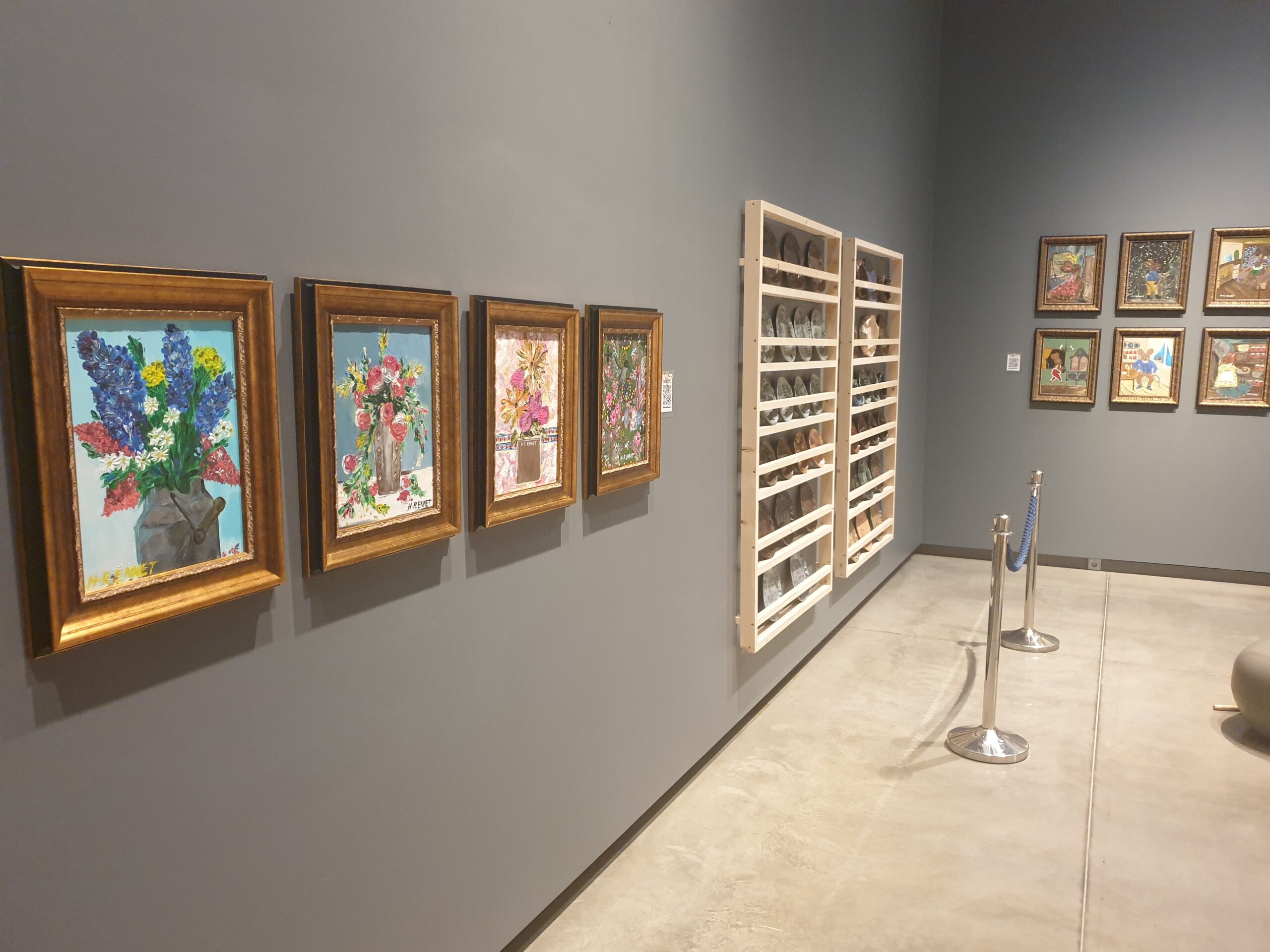
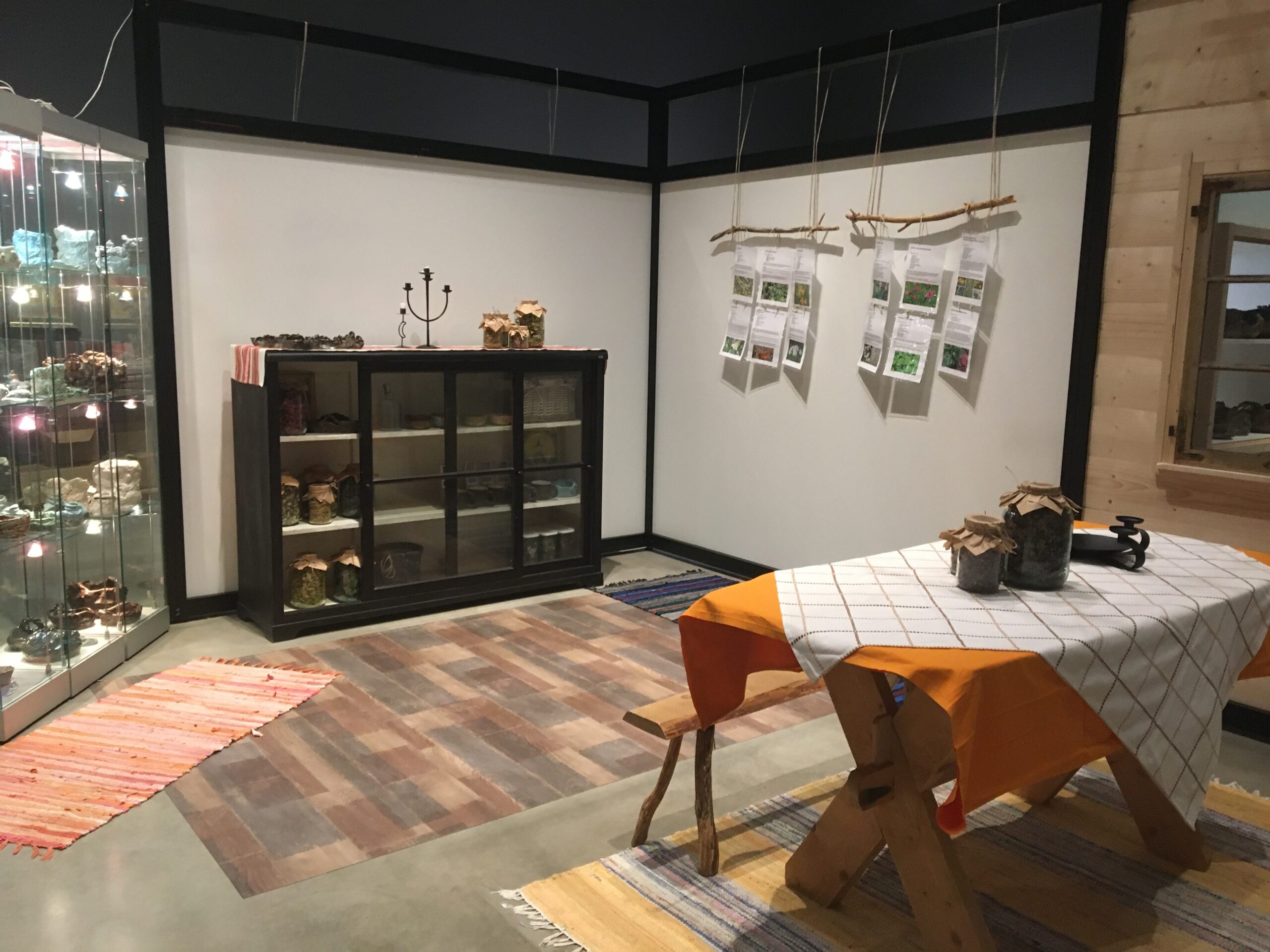
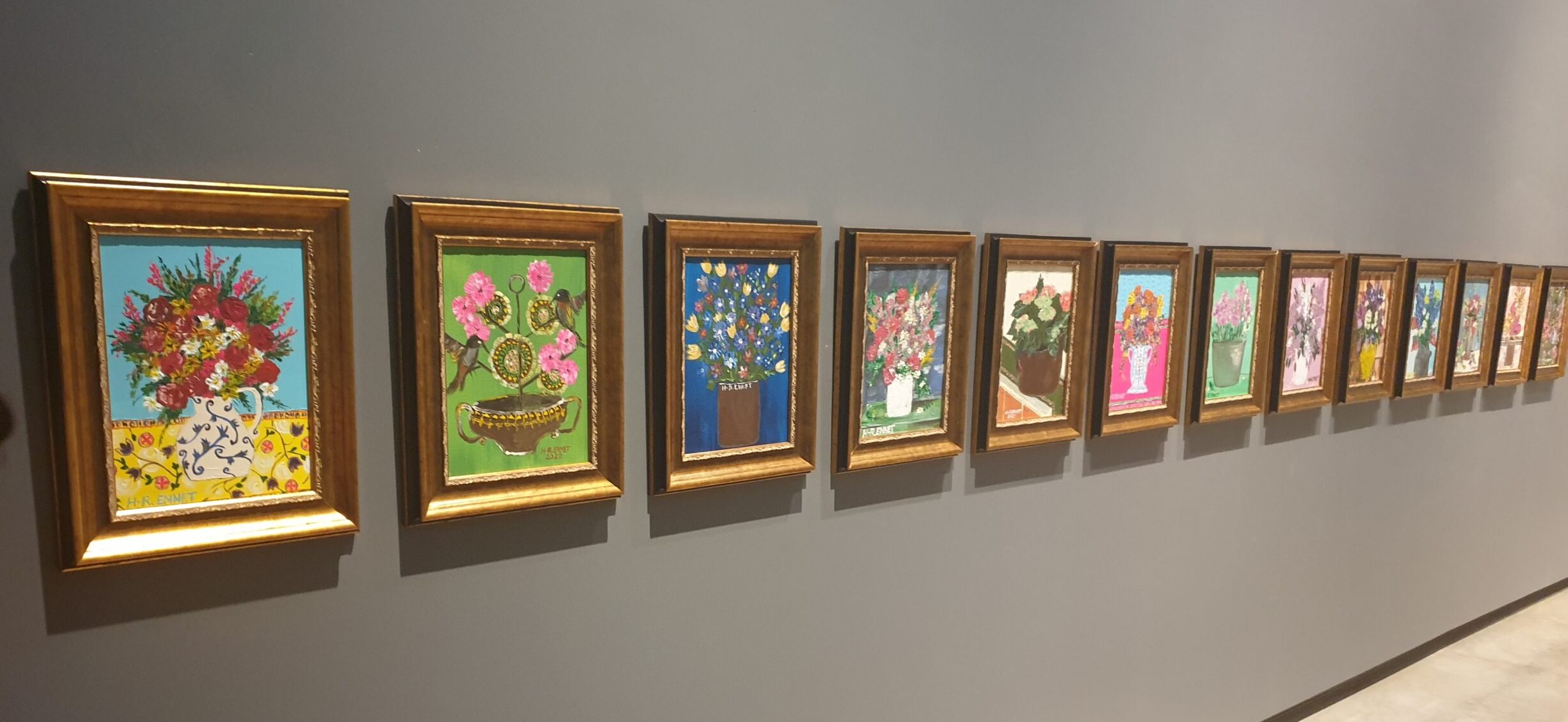
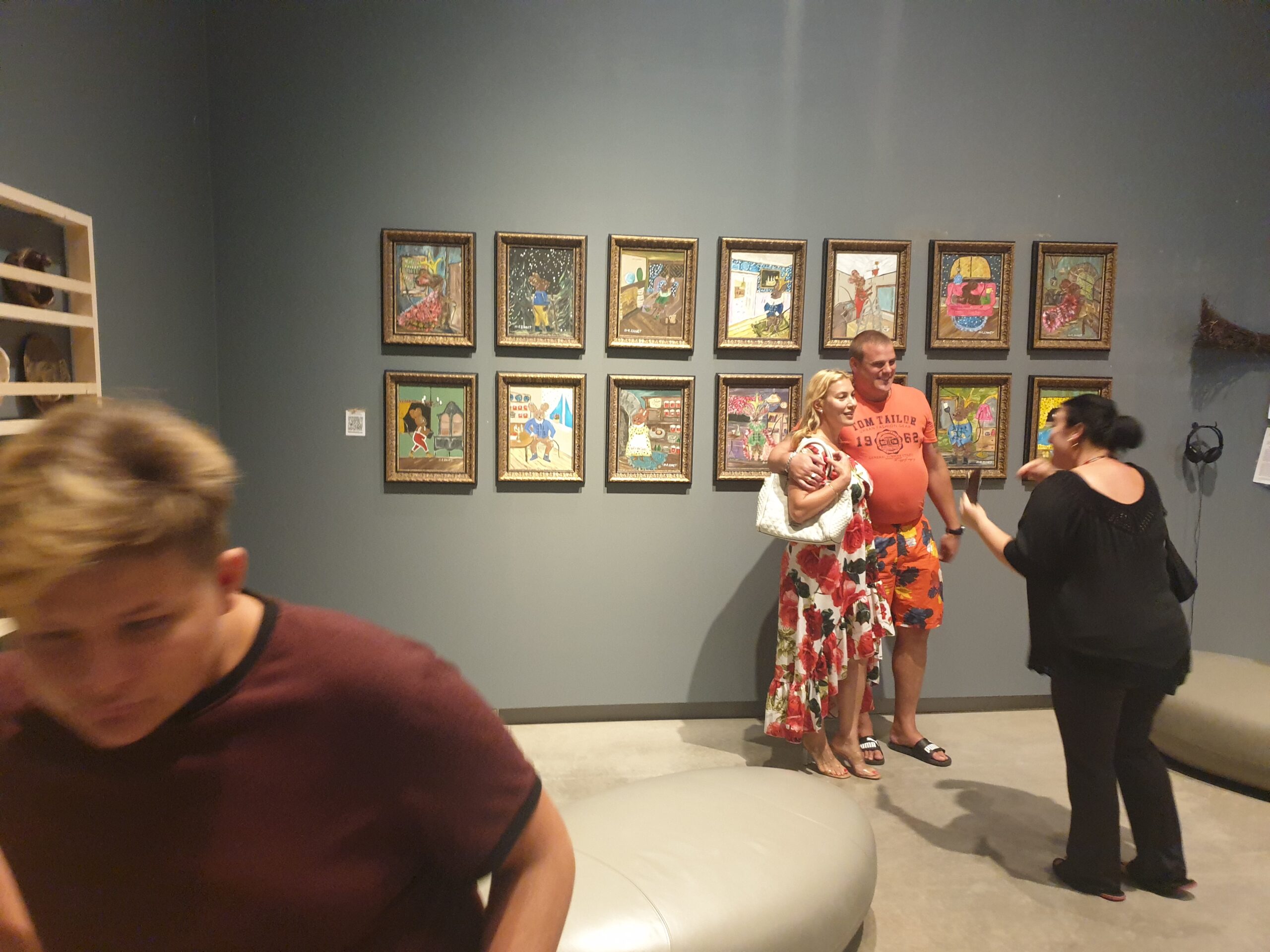
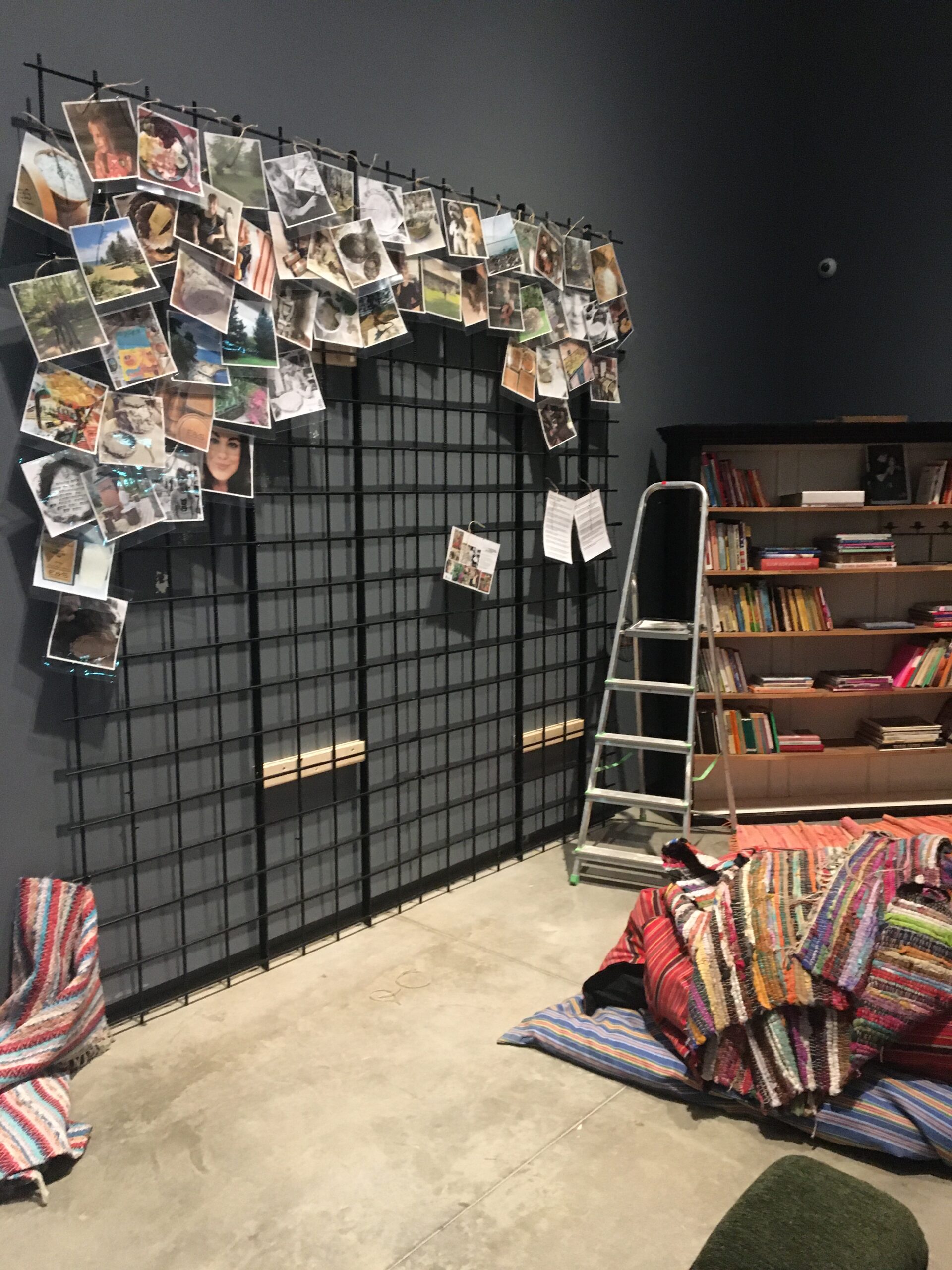
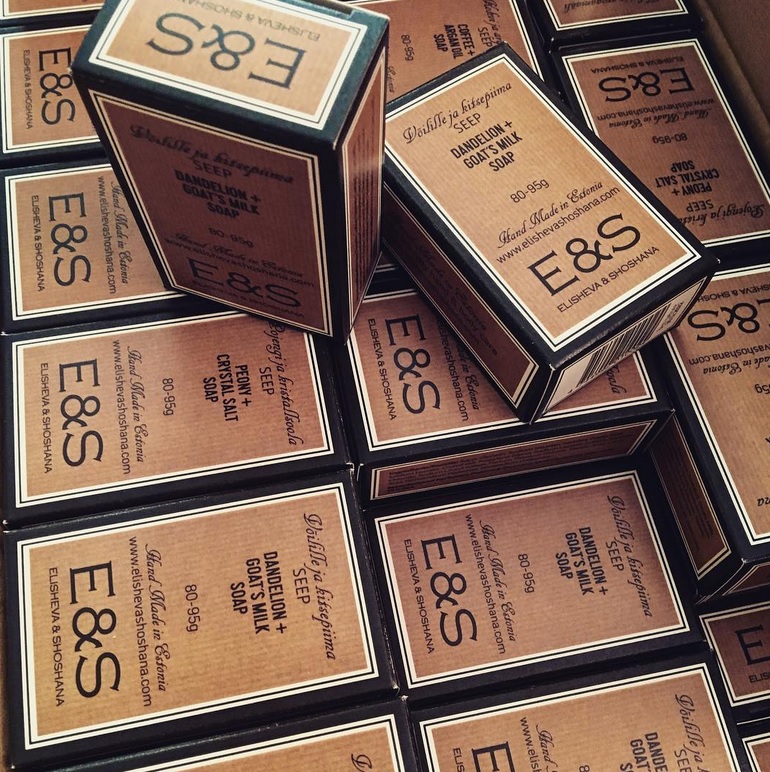
NordenBladet – It was only so recently that we spent an entire week setting up the all-family exhibition. Last weekend we went to Tartu to uninstall the exhibition that had been up over three months in the Estonian National Museum. From among the visitors that played the E&S herb-puzzle game in ERM’s participation hall, 5 exclusive Elisheva & Shoshana gift packages were given to the lucky winners!
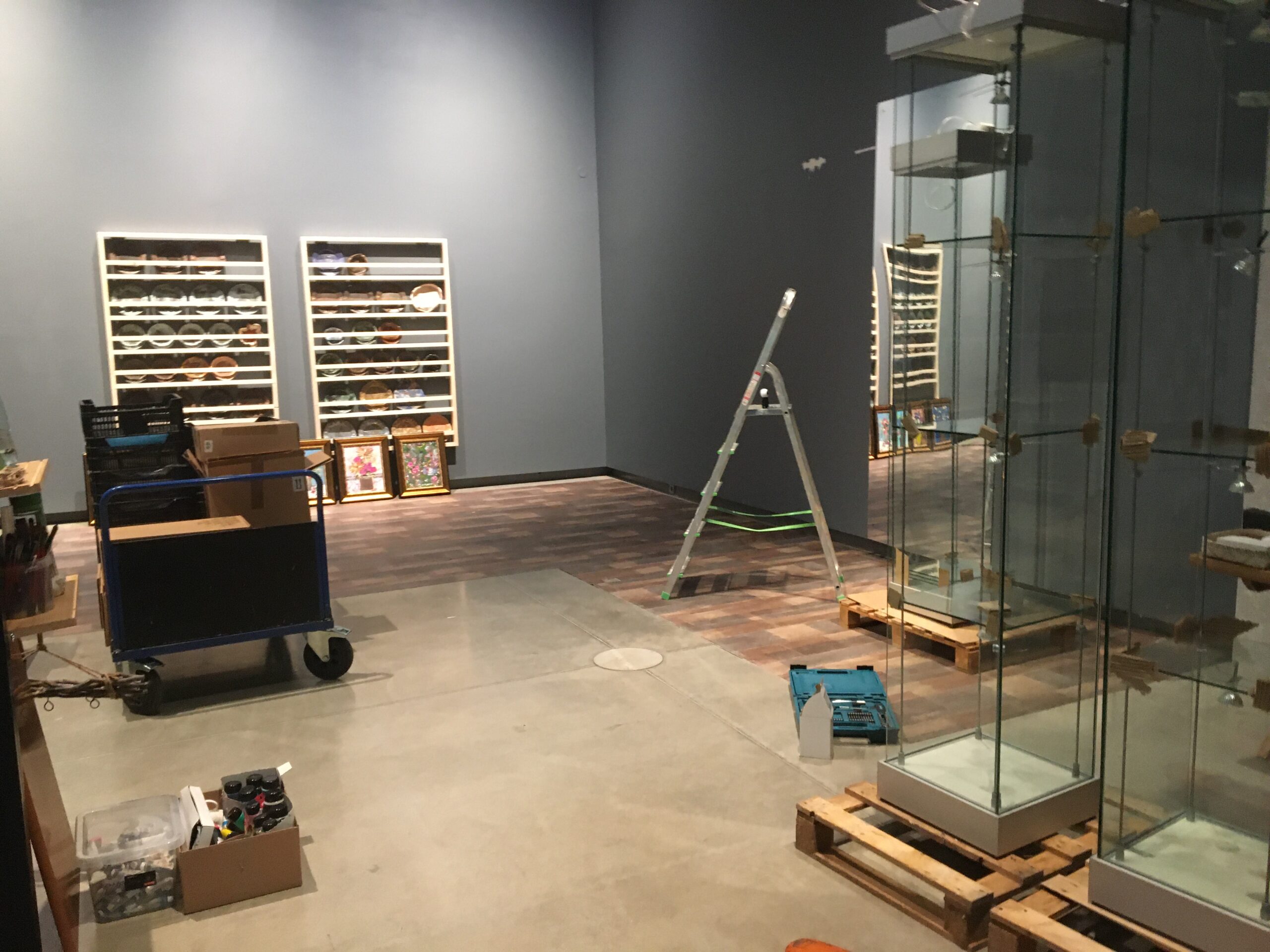
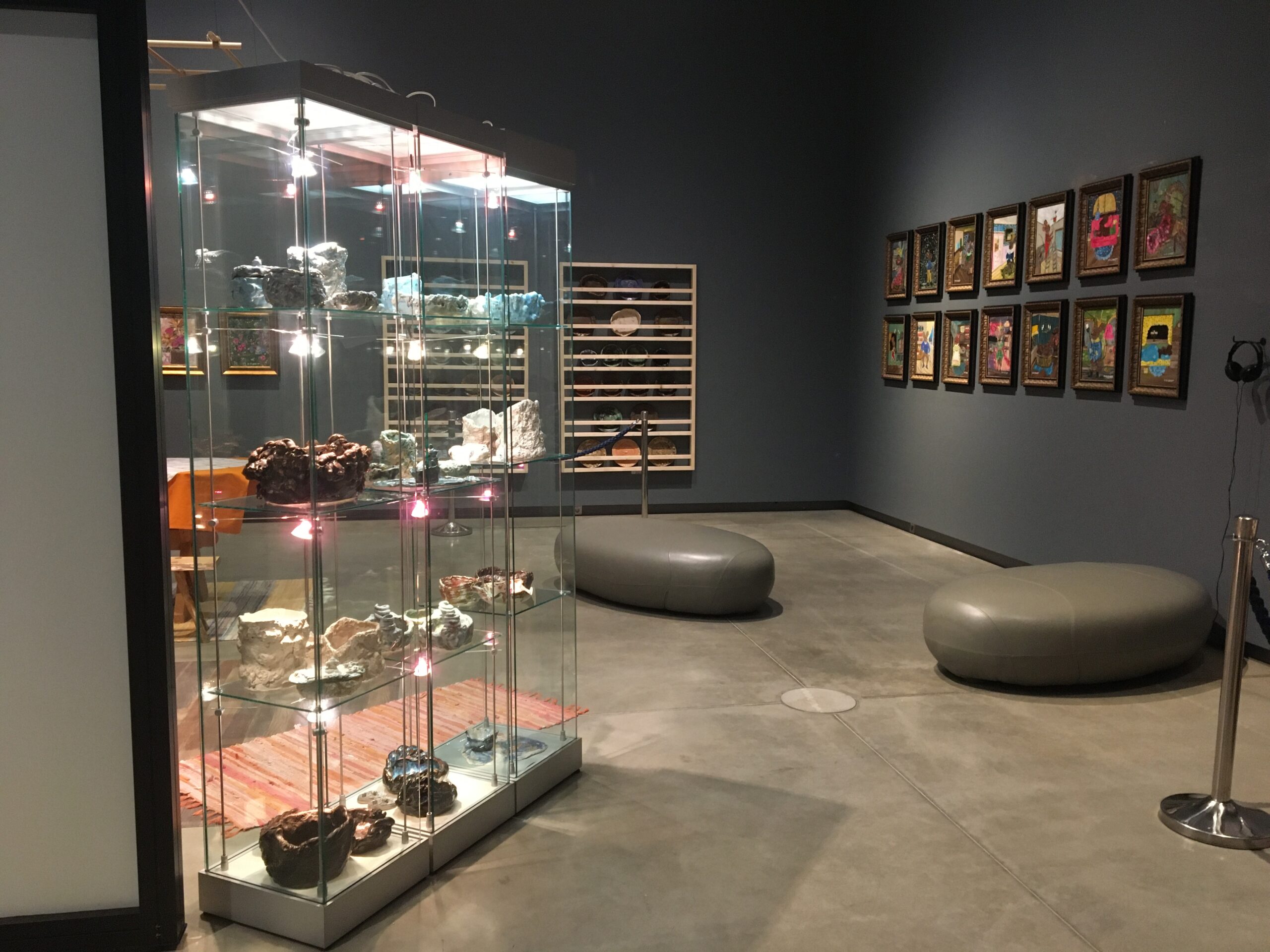
While the setting up of the exhibition required a lot of preparation work, planning, construction and time (it took several people an entire week to set everything up), then taking down the works and packing everything took a lot less time. To set the exhibition up, we drove five times from Tallinn to Tartu in order to transport the paintings, pottery, herbs, and E&S products to ERM, yet it took just one trip to transport the same amount of art back. It surprised me how much stuff one can fit in one car! Iccccc..
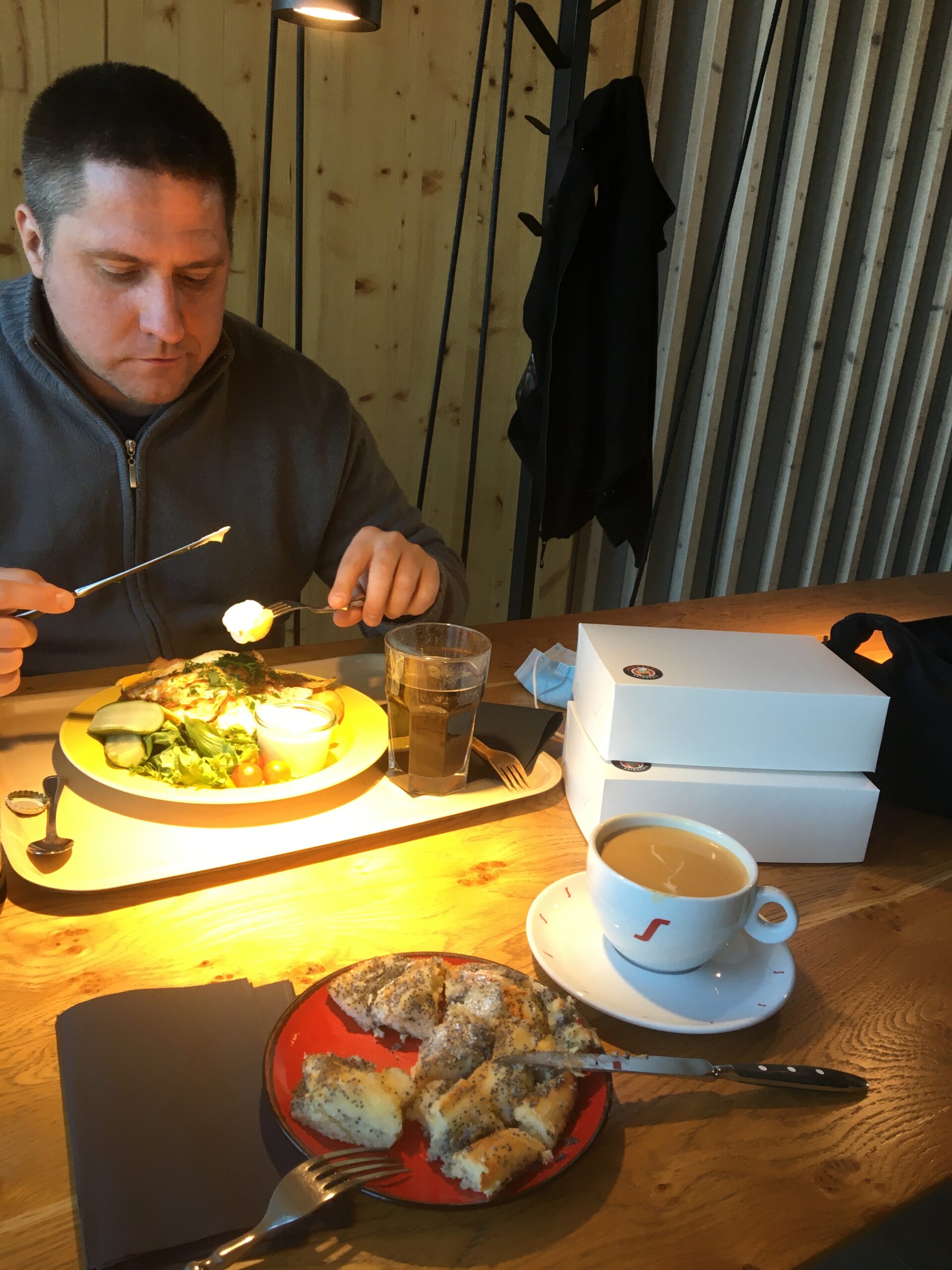
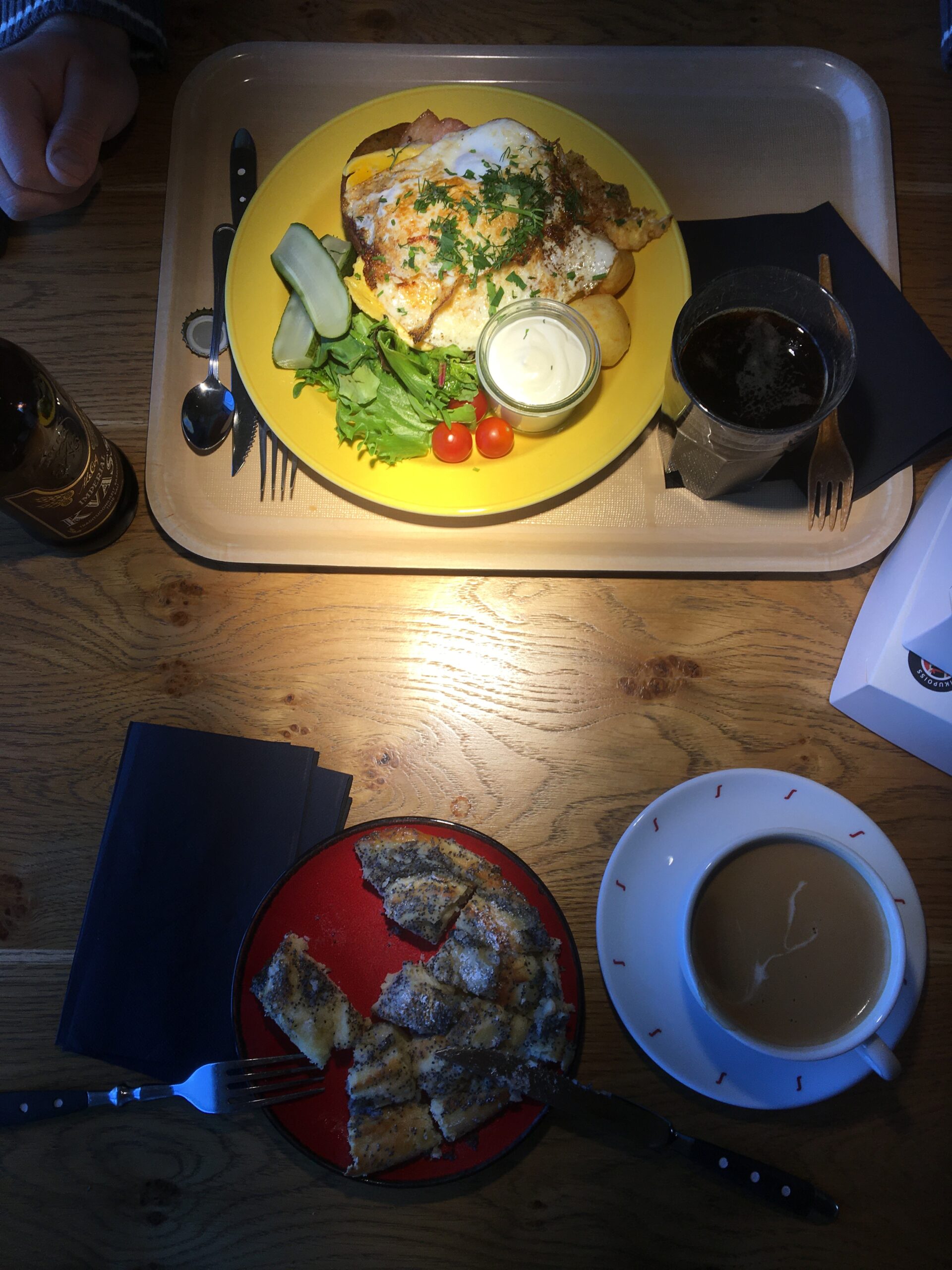
Breakfast in the restaurant Tikupoiss (Paiaristi, Imavere village, 72401). Currently my favourite place on Tallinn-Tartu road. The prices are slightly too expensive, yet the dishes are really delicious. Me and Allan, we bought their tasty takeaway poppy rolls, too!
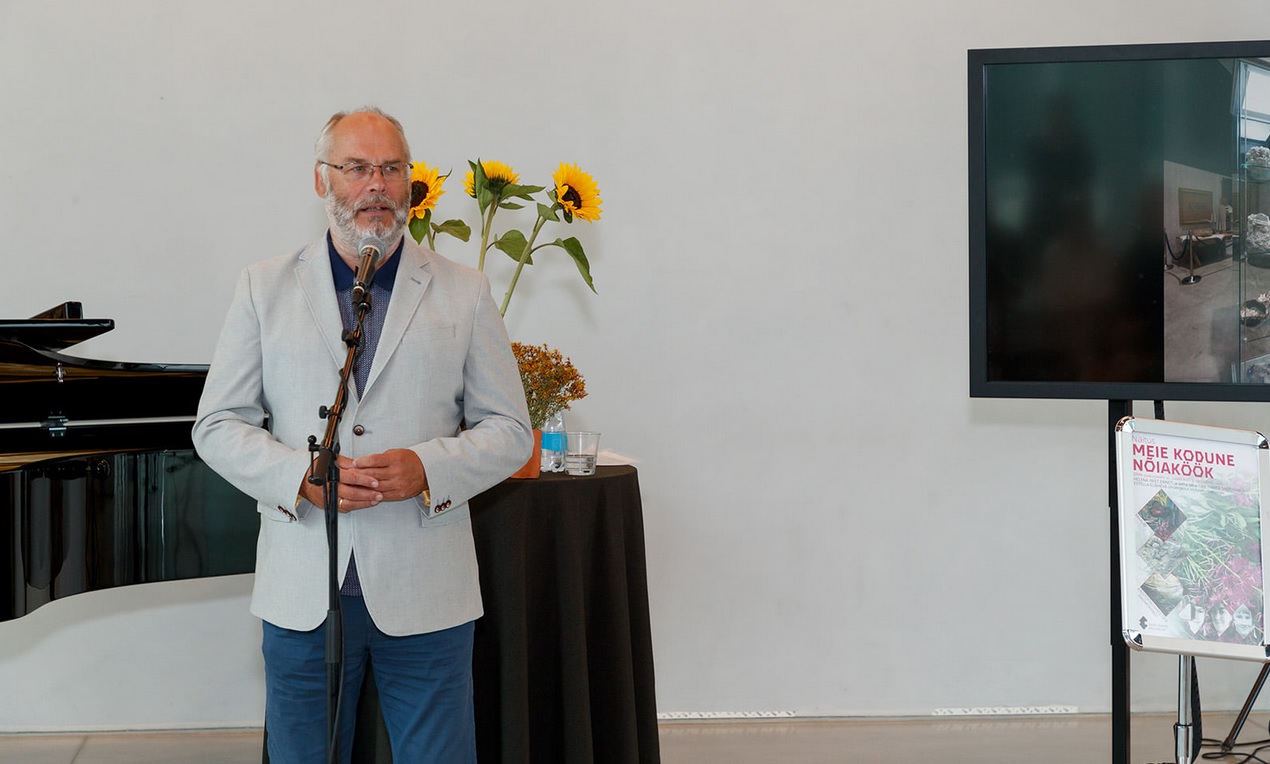
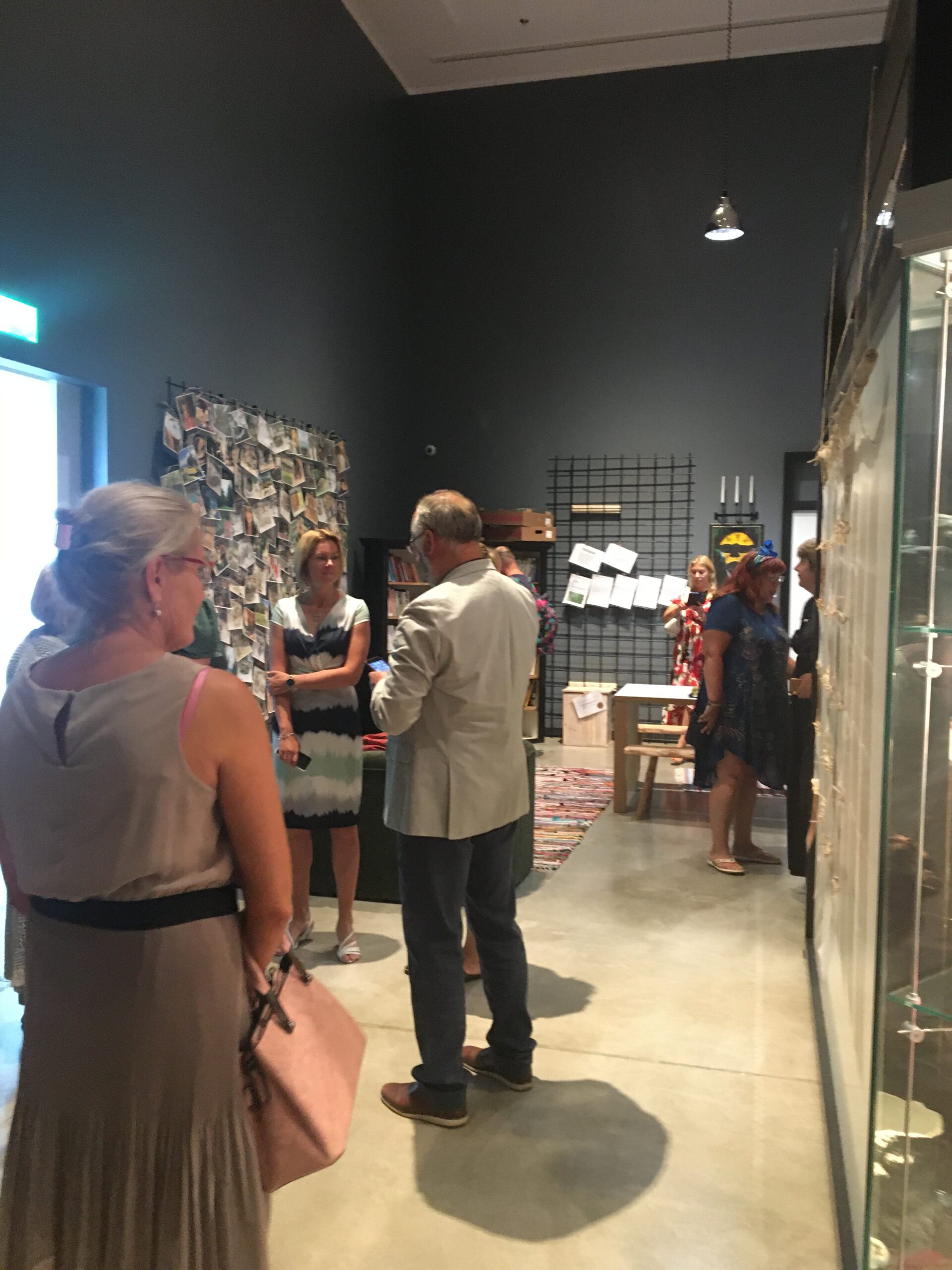
The Estonian National Museum with its versatile and wonderful exhibitions and enormous museum facilities is as well known and popular in Estonia, in the Baltics and in the Scandinavian countries. Presenting one’s artwork in ERM is every artist’s greatest dream! I am among the few lucky ones that can say that this dream has come true! And, which is more, I was so happy when I heard that there was such great interest in our exhibition and that visitor numbers skyrocketed, even despite the global pandemic. It was so good to hear that the hall hosting my exhibition was full of visitors all the time! This also reflected on the submitted lottery leaflets (there were so many of them!) and actually already the opening ceremony where a great part of Estonian cultural elite gathered. And yes, I must mention and announce with great pride — MY EXHIBITION WAS VISITED BY, AND THE OPENING SPEECH WAS PERFORMED BY THE NEWLY ELECTED ESTONIAN PRESIDENT MR. ALAR KARIS!!! How cool is that?! Yes, pinch me! Sooo fancy! So nice!!!! A great compliment to us! MANY THANKS!!!! 🙂
During this summer, ERM also excelled with its fantastic fairy-tale exhibition that was now taken down at the same time with “Our home witch kitchen” and awaits being set up in a new country! ERM’s head of exhibitions, Kristjan Raba revealed that already as many as four countries are currently willing to host the exhibition! WOW!
I have received very many questions from you, a la: I wish to hold my personal exhibition, what should I do for that?, How to arrange an exhibition?, What must one take into account when preparing an exhibition?, Where can one hold an exhibition?, Who can hold a personal exhibition?, Will there be a financial bonus for holding an exhibition or do you need to cover all the costs?, What are the costs that are related to arranging an exhibition?, How much does it cost to hold an exhibition?, Where do you start when you wish to hold a personal exhibition?, Could I, too, hold an exhibition in the Estonian National Museum?, How can I provide media attention to my exhibition? etc, etc.. There have been very many similar questions. I gave a promise to the Estonian National Museum that I will publish on their website (erm.ee) the blog of my exhibition — definitely this will come! I suppose the most rational option would be to do so in a Q&A format. Once it has been accomplished, I will provide you with a link to that text here in my blog, so that you can visit the page to read it! 🙂
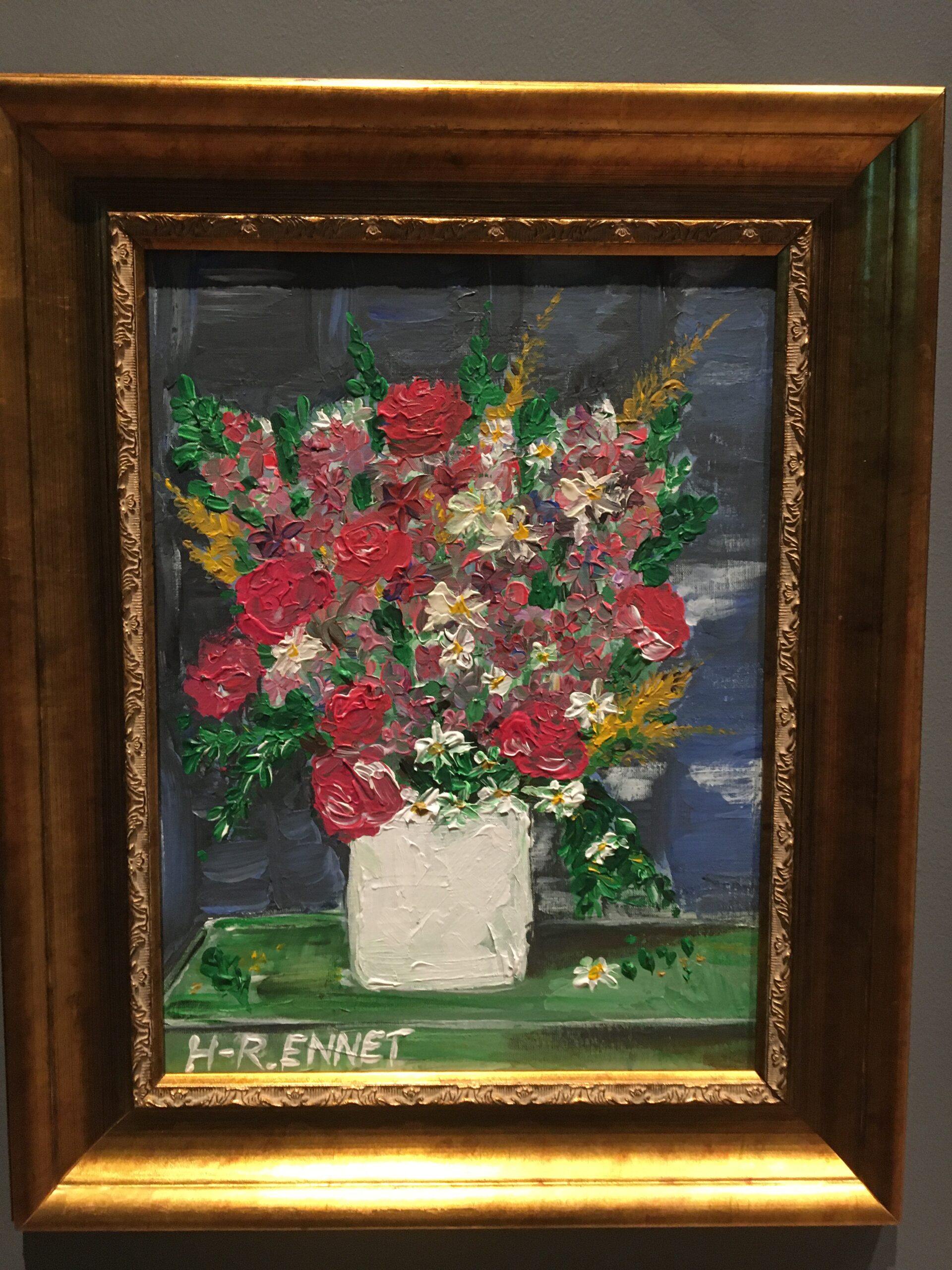
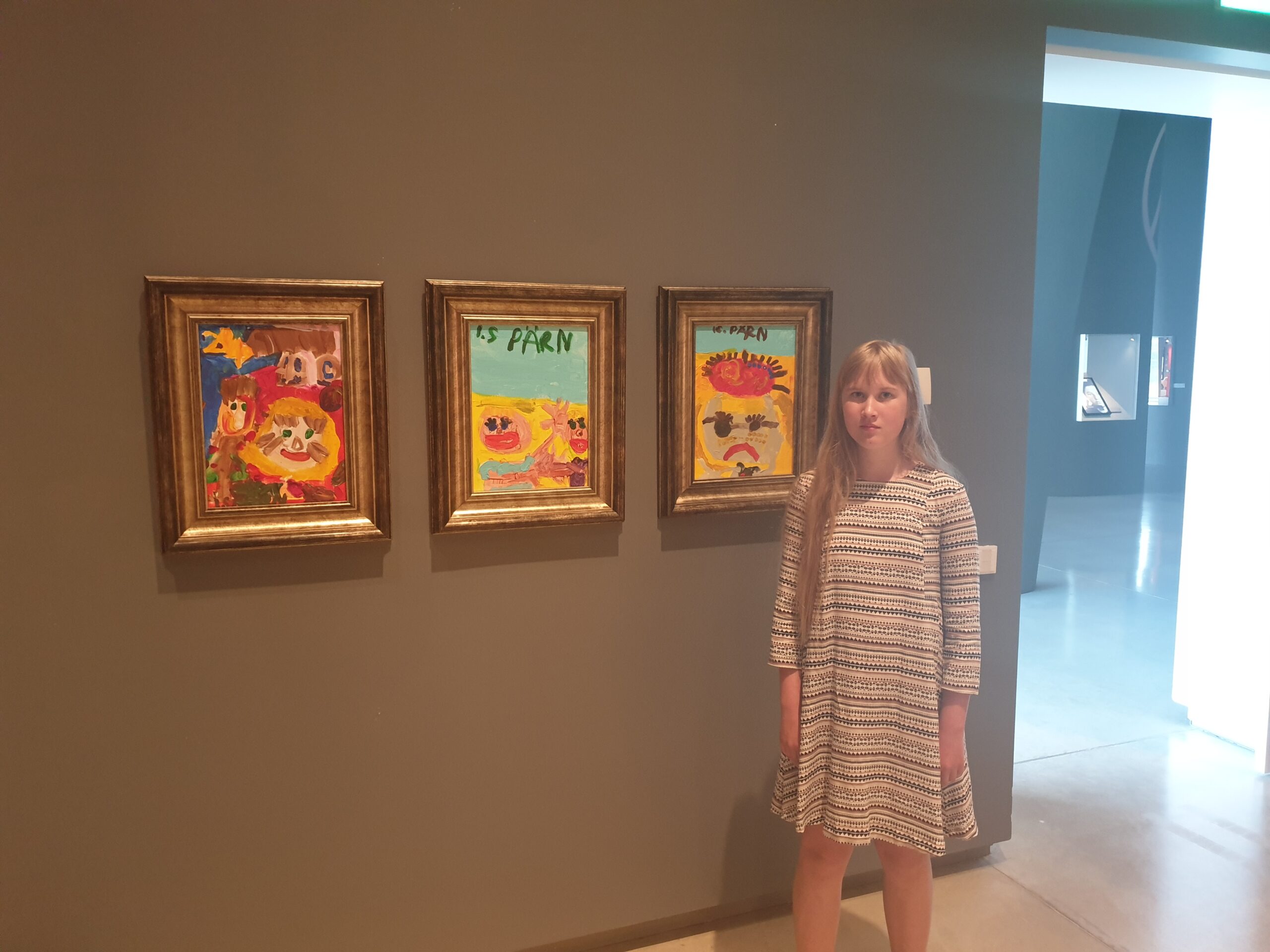
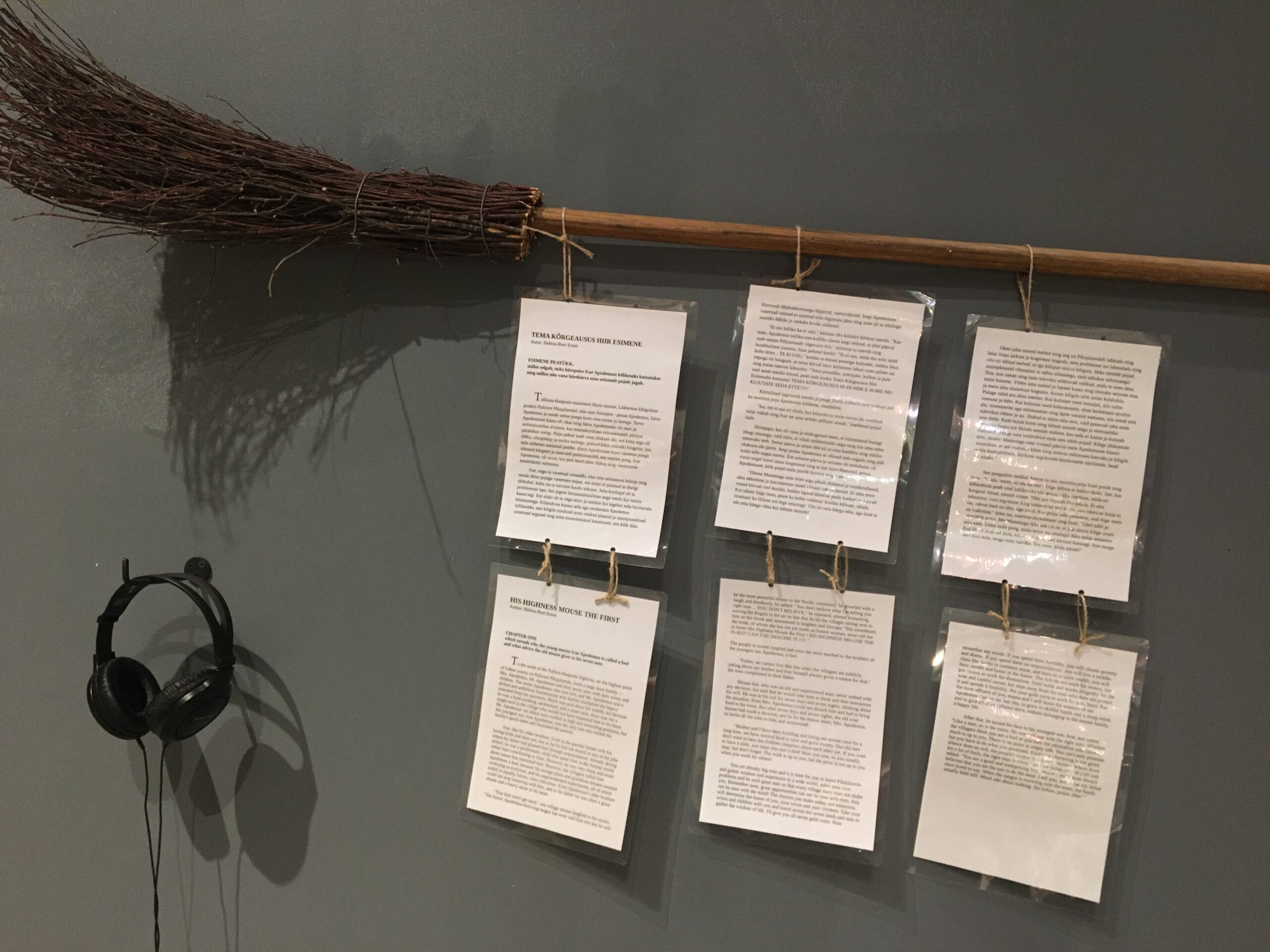
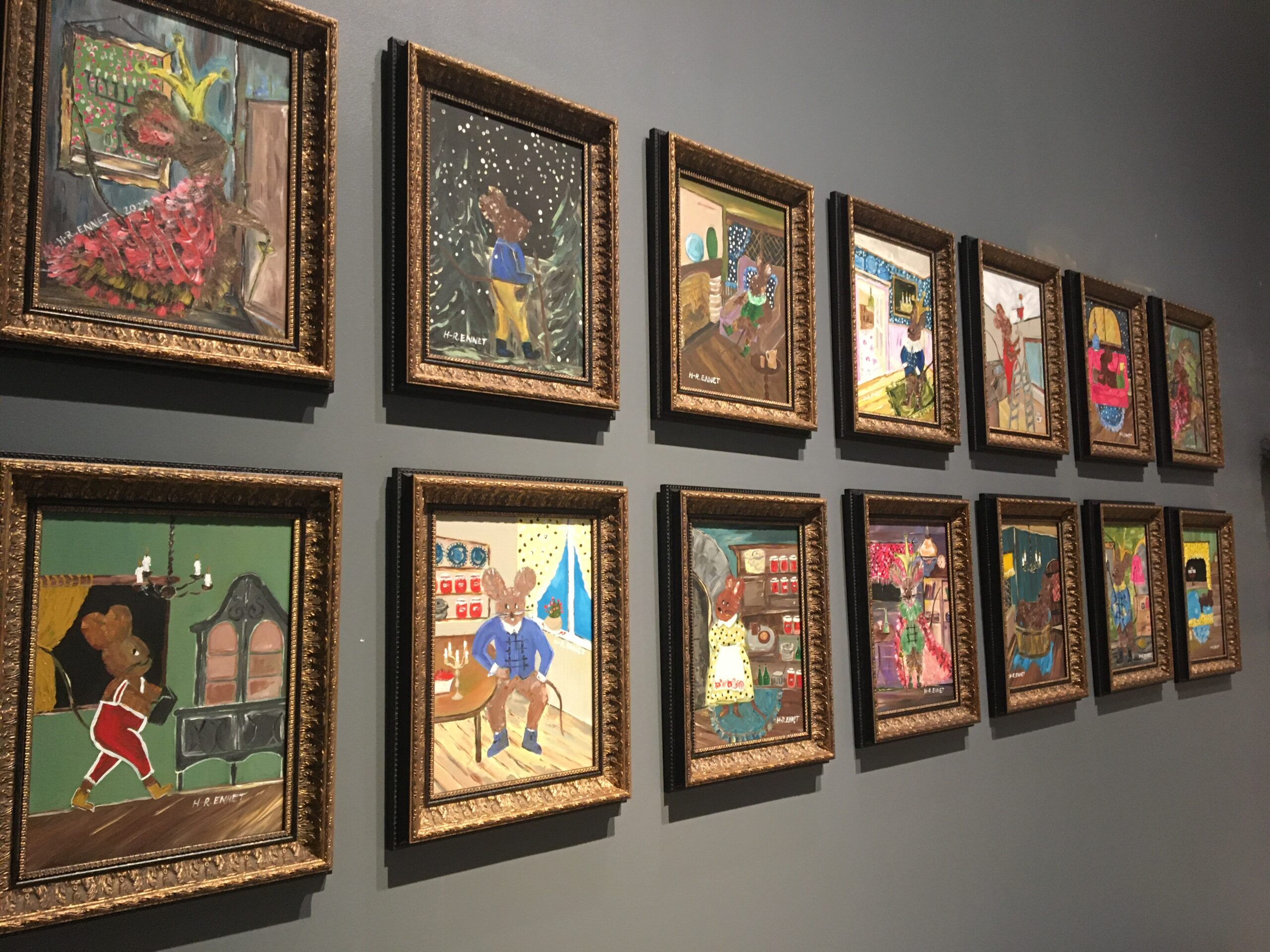
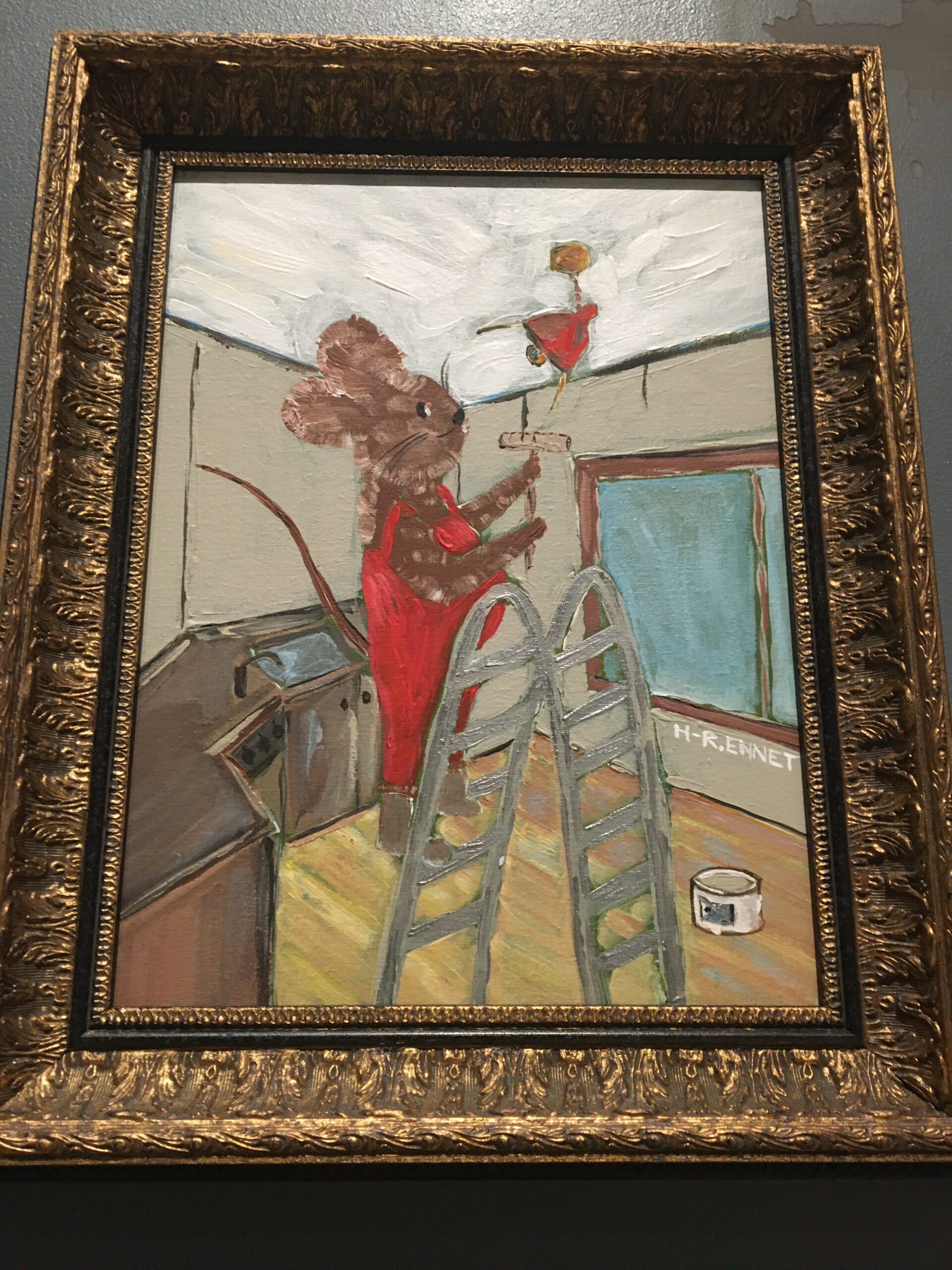
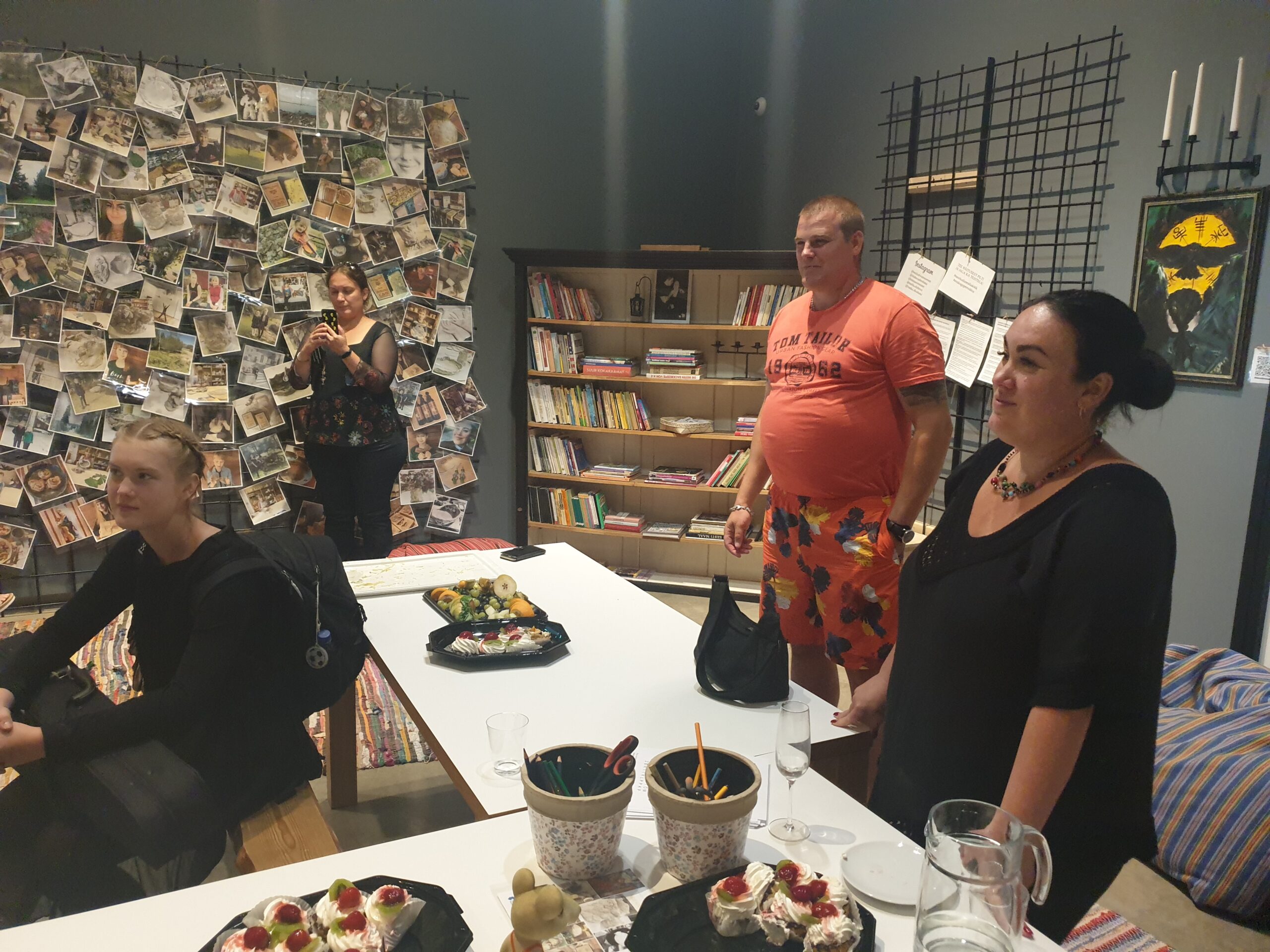
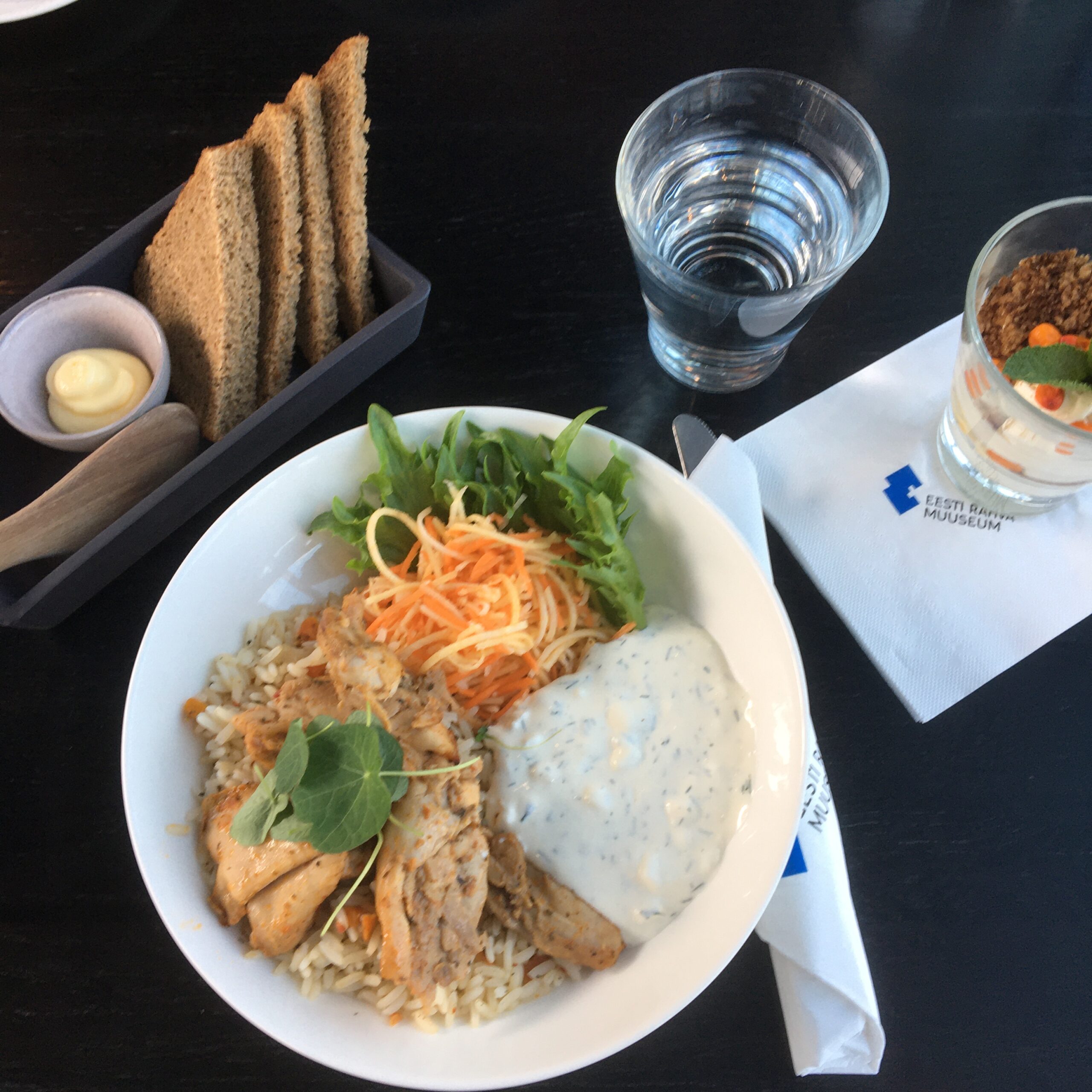
Below you can find a few pictures from the exhibition and from the setting up of the exhibition..+ our dinner at ERM’s restaurant Pööripäev (Muuseumi road 2, 61714 Tartu)… and then already about the lottery!!!
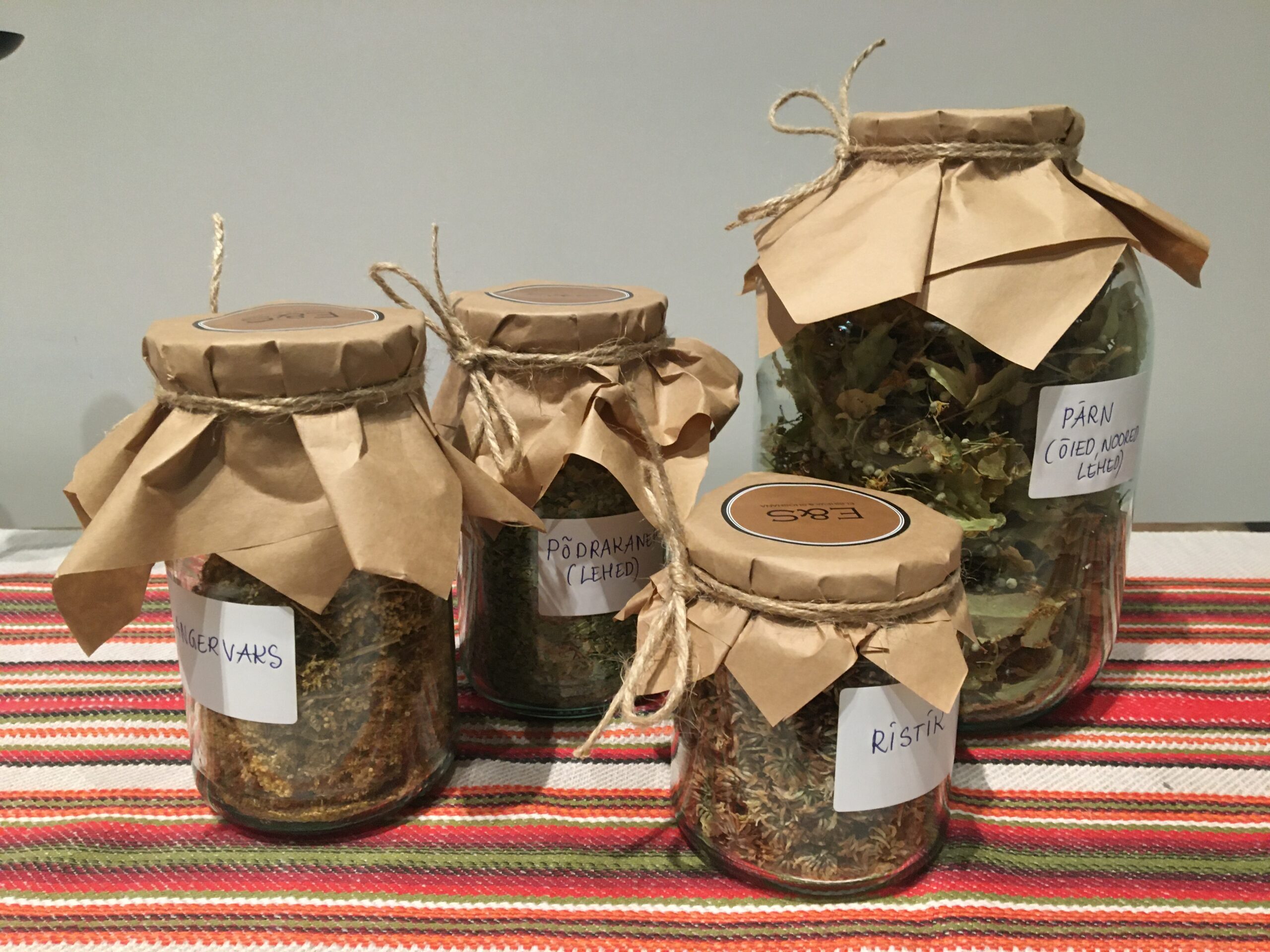
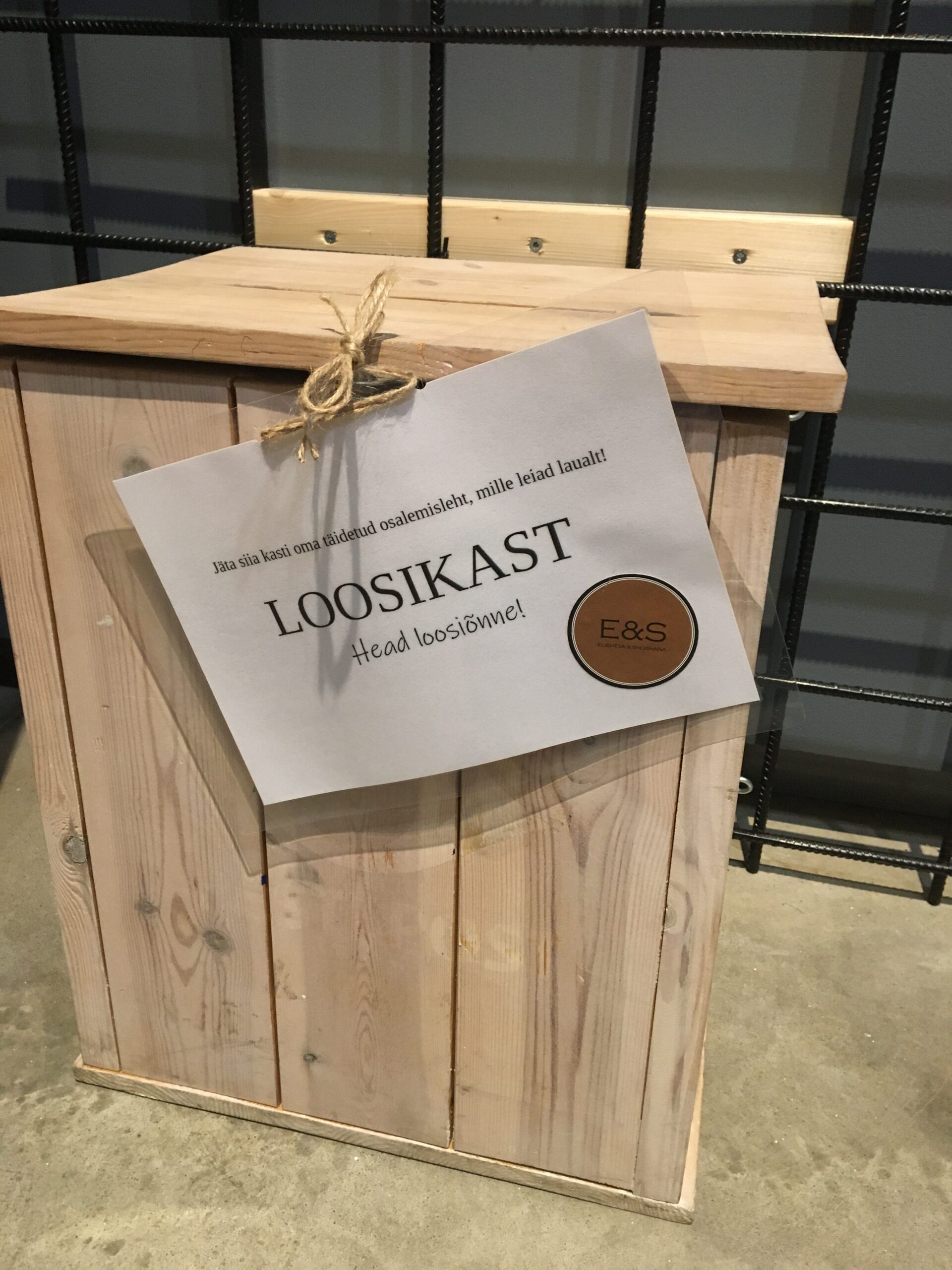
Drawing the lots!!! Everyone that visited our exhibition has been able to take part in the exclusive lottery. For that reason we prepared a fun game where you need to find a herb from the table – chamomile, dandelion, primrose, meadowsweet, fireweed, red clover, yarrow, buckthorn and valerian. Among all those that played this game and left their replies in the lottery box, we drew lots and found FIVE WINNERS!
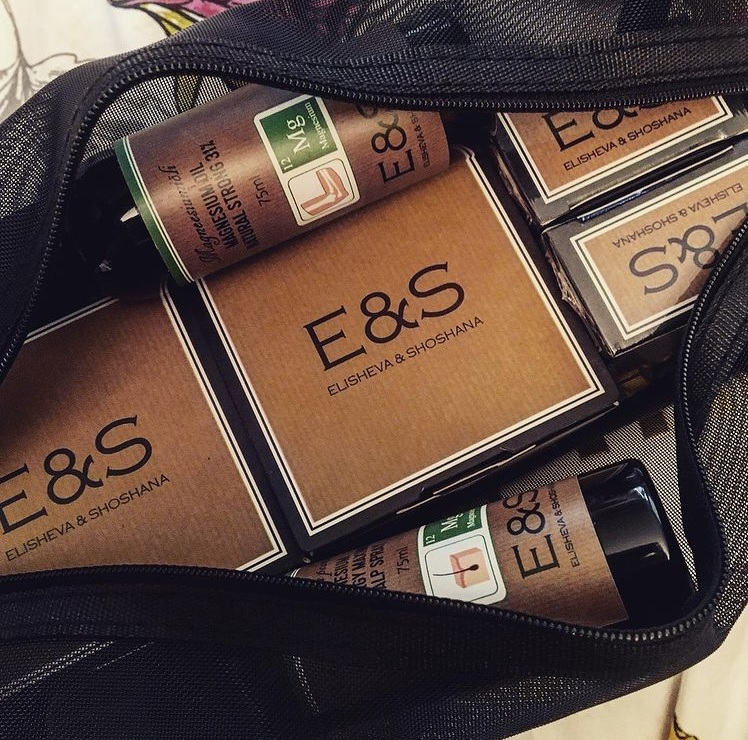
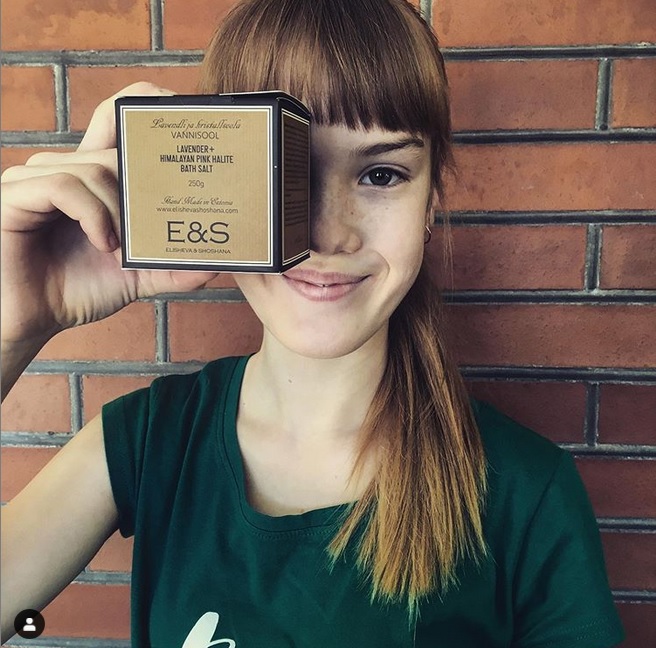
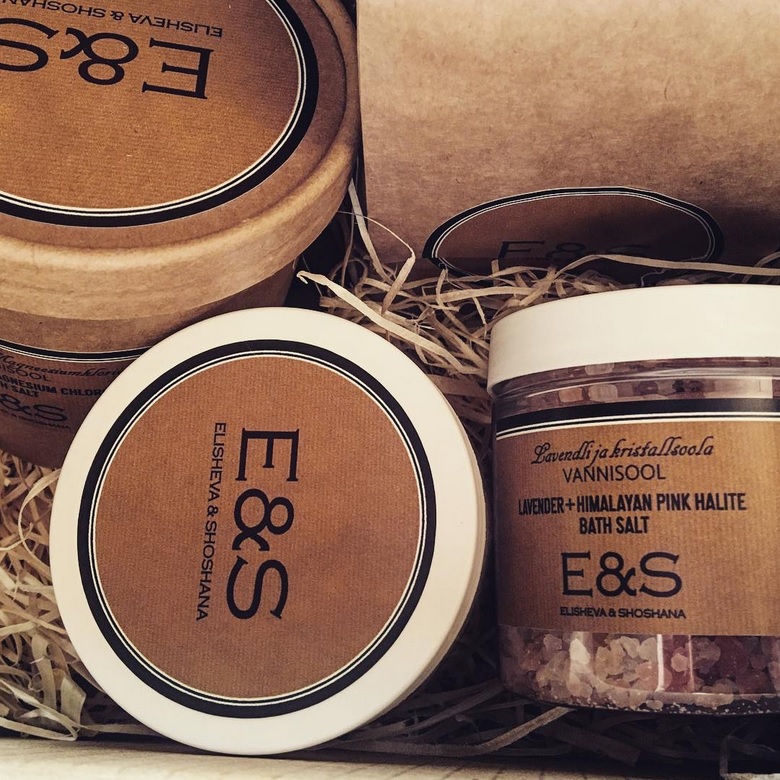
We will deliver a luxurious gift package with Elisheva & Shoshana products to the winners!
The five winners are:
Ronja Kask
Allan Padar
Rain Roball
Kätlin Väär
Lily Laanemäe
Thank you to everyone that participated and congratulations to those of you that won the prize! We will contact you and agree upon where your gift package will be delivered!
And to conclude today’s blog..
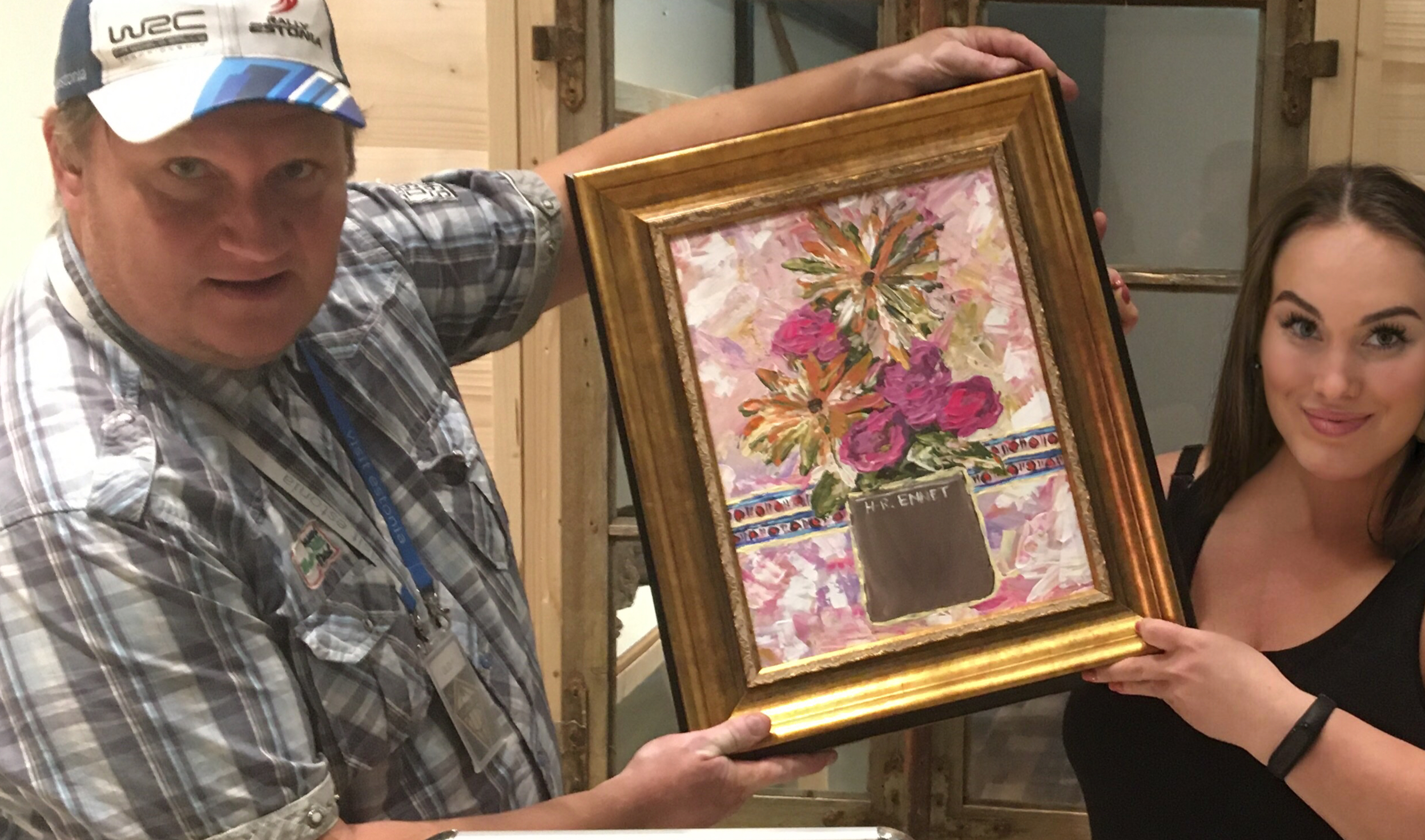
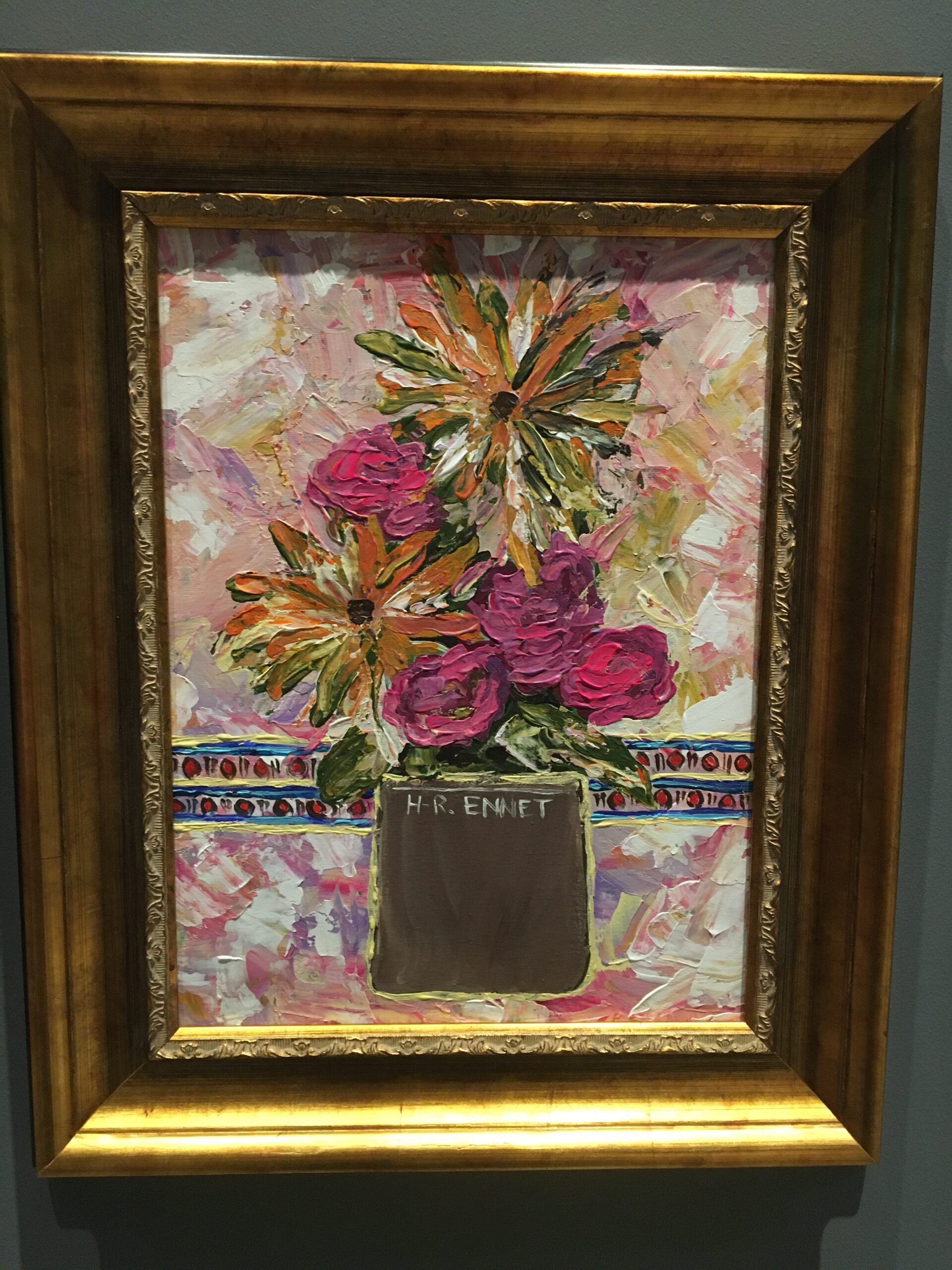
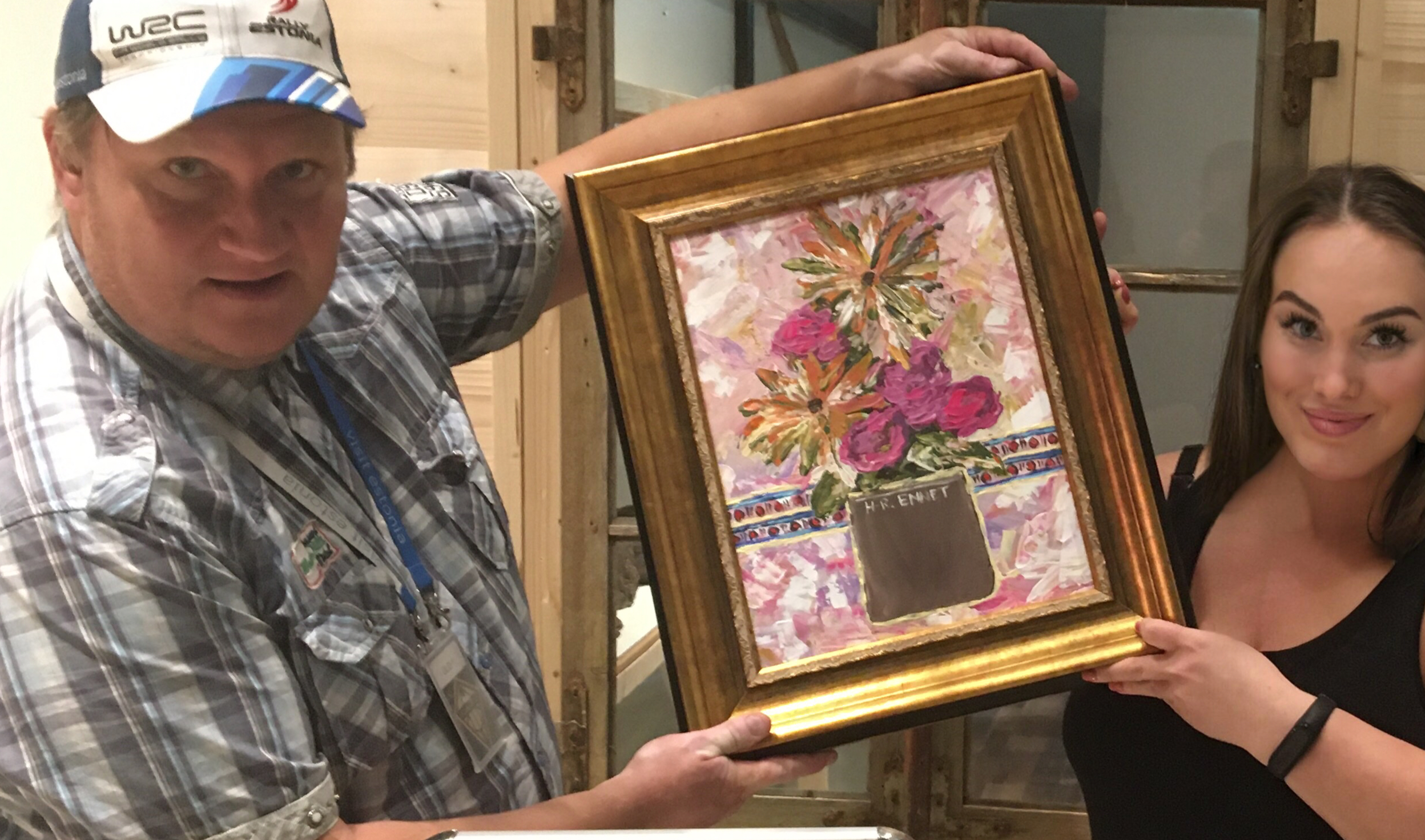
I wish to cordially thank the Estonian National Museum. The collaboration with you has been a pleasure, an inspiration and a lot of fun! Thank you so very much for this opportunity! To express my gratitude, I made a gift to the museum, a painting by me – “Cattail, which is not in the picture”. You can read about the painting HERE and HERE. Below, the handing over of the painting to the director of exhibitions at ERM, Kristjan Raba.
NordenBladet — In their meeting on Friday 8 October 2021, the President of the Republic and the Ministerial Committee on Foreign and Security Policy agreed that Finland would participate in the EU military crisis management training mission in Mozambique with a maximum of five staff officers.They also discussed the Defence Forces’ plan concerning participation in international exercises in 2022. The Ministry of Defence will approve the Defence Forces’ plan based on the guidelines presented by the President and the Ministerial Committee on Foreign and Security Policy, after having first informed the Defence Committee and Foreign Affairs Committee in Parliament. The Ministry of Defence will provide more detailed information on the content of the Defence Forces’ plan for participation in international exercises once the plan has been approved. The President and the Ministerial Committee discussed the Strategic Compass on EU security and defence cooperation for the coming years, which focuses in particular on developing the EU’s crisis management, resilience, capabilities and partnerships.The meeting also discussed current issues concerning Russia.In addition, the President and the Committee held a preparatory discussion on the priorities of civilian and military intelligence for 2022.
The Baltic Assembly Prize in Literature was awarded to Estonian writer Vahur Afanasjev for his novel “Serafima and Bogdan” (“Serafima ja Bogdan”).
The Jury noted that the story of Serafima and Bogdan paints a vivid picture of the characters’ exceptional world: the villages, lifestyle, religion and language of the Old Believers. “It is partly a fairy-tale, and partly an ethnographic portrayal of a community rich in traditions and history. Afanasjev’s mastery of style, detailed descriptions and metaphors make different feelings and actions clear to the reader. He pays special and acute attention to environment and details,” the materials of the Jury underline.
Head of the Estonian Delegation to the Baltic Assembly Aadu Must emphasised that in the Baltic cultural space, it was important to know the literature and culture life of one’s neighbours and to cooperate closely in this field as well. “The novel “Serafima and Bogdan” by Vahur Afanasjev, who unfortunately passed away young this year, is a pearl on the cultural landscape of our country, and as the history of our countries is similar, this book should also have a place on the reading table of our southern neighbours. We hope that it will soon be translated into Latvian and Lithuanian,” Must said.
The BA Prize in the Arts was awarded to Ginta Gerharde-Upeniece (Latvia), and the BA Prize in Science was awarded to Virginijus Šikšnys (Lithuania).
The Prize consists of a monetary prize, a certificate and a statuette, which are presented every year at the Baltic Assembly session. This year, the prize ceremony will be held in Vilnius on 4 November.
The members of the Joint Jury of the BA Prizes were outstanding specialists in the fields of literature, the arts and science from Lithuania, Latvia and Estonia: Valdemaras Razumas, Erika Drungytė, Petras Skirmantas, Rimantas Jankauskas, Bārbala Simsone, Diāna Lagūna, Guna Zeltiņa, Triin Soone, Piret Tibbo-Hudgins and Marika Mänd.
The Baltic Assembly has been awarding the Prizes in literature, the arts and science since 1994. The aim of the prizes is to promote outstanding achievements and to support the development of these fields in the Baltic States. Creation of opportunities to learn about the achievements of neighbouring countries, demonstrating the mutual interest of the countries in this region to uphold their national identity and self-esteem, and supporting outstanding achievements in literature, the arts and science strengthens the cooperation between the Baltic States and encourages people’s interest in the intellectual values and languages of the Baltic nations.